Monte Piana: A Historic Plateau at 2,324 m with Great War Trenches and Views of the Dolomites

Monte Piana is a plateau at 2,324 meters, on the border between Veneto and South Tyrol, combining hiking with Great War history. The main route is the Path of Peace, which connects the Italian and Austrian lines, starting from Lake Misurina or Carbonin. The hike is suitable for intermediate hikers and offers powerful experiences blending nature and memory.

  • Open-air museum with perfectly preserved trenches, tunnels, barracks, and wartime artifacts.
  • 360° panorama of the UNESCO Dolomites, including the iconic Tre Cime di Lavaredo.
  • Path of Peace that runs through enemy positions just meters apart, with views of Val di Landro and towards Misurina.
  • Monte Piana Open-Air Museum with restored positions that tell the story of life in the trenches during the First World War.
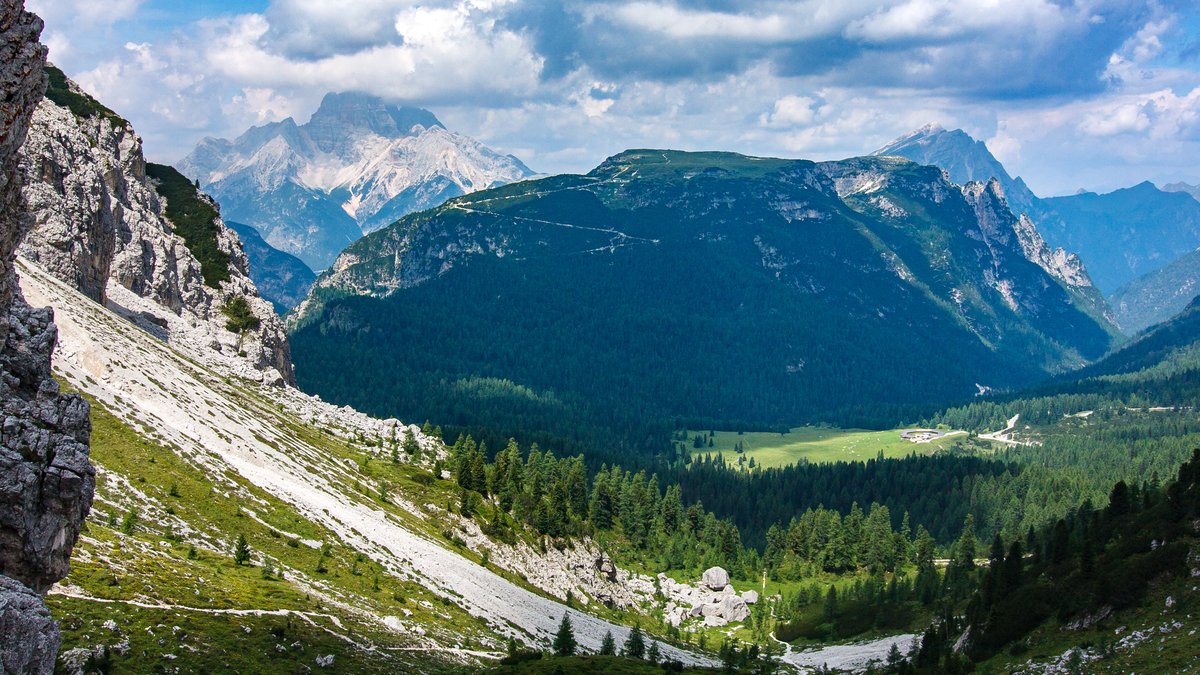
Copertina itinerario Monte Piana: A Historic Plateau at 2,324 m with Great War Trenches and Views of the Dolomites
Monte Piana in Auronzo di Cadore offers trekking through trenches and positions from the First World War, with a 360° panorama of the UNESCO Dolomites. Walk the Path of Peace, visit the open-air museum, and admire the Tre Cime di Lavaredo.

Good to know


Introduction

Monte Piana is not just a hill, it’s a heart-stopping moment. You arrive up there, at almost 2,400 meters, and a breathtaking panorama opens up before you: the Sesto Dolomites and the Tre Cime di Lavaredo surround you like a rocky embrace. But the strongest emotion comes from the silence, broken only by the wind, which seems to still carry distant echoes. This plateau, above Auronzo di Cadore, is a place where natural beauty is indelibly intertwined with memory. Walking here means treading a path through history, step by step, among restored trenches and memorial crosses. It’s not just a hike; it’s an experience that stays with you.

Historical Overview

Between 1915 and 1917, this seemingly tranquil plateau was one of the harshest high-altitude theaters of the Great War. Italian and Austro-Hungarian soldiers faced each other just meters apart, in extreme conditions, fighting more against cold and hunger than against the enemy. Today, the Monte Piana Open-Air Museum preserves this memory with remarkable concreteness. You walk among restored trenches, tunnels, and positions, almost expecting to hear a noise. It’s an open-air history lesson, powerful and free of rhetoric.

  • 1915: Start of clashes for control of the strategic plateau.
  • 1915-1917: Exhausting positional warfare in prohibitive alpine conditions.
  • Today: The site is a diffuse museum and a peace memorial.

The Peace Trail

The main path crossing the plateau is not called that by chance. It is the Peace Trail, a route connecting the remains of the Italian and Austrian lines. What strikes you, beyond the obvious emotion, is the incredible proximity of enemy positions. In some spots, the trenches are only about twenty meters apart. You stop to look and understand the absurdity of that war. The trail is well-maintained, suitable for moderate hiking, but requires proper footwear because the terrain is rocky and exposed in some sections. The view, however, rewards every effort: on one side, the Val di Landro; on the other, the slope descending towards Misurina. A personal tip? Stop at the Italian war cemetery; it’s a place of silence and respect that gives the right weight to the walk.

Landscapes That Look Like Paintings

If history is the heart of Monte Piana, the panoramas are its soul. From up here, you have a 360-degree view of some of the most iconic peaks in the Dolomites. The Three Peaks of Lavaredo seem so close you could almost touch them. Then your gaze sweeps across Monte Cristallo, Croda dei Toni, and the Cadini Group. It’s a spectacle that changes with the light: at dawn, the peaks turn pink, while at sunset, the red glow on the Dolomite rock is simply magical. It’s not uncommon to see photographers with tripods waiting for the perfect moment. My favorite spot? The northern tip, towards Forcella dei Castrati. There, the panorama opens up over Val Fiscalina, and you feel like you’re on top of the world. Just watch out for the wind, which often blows strong.

Why Visit It

Because it offers a unique experience across the entire Alpine region. First, it perfectly combines hiking and history, providing a meaningful trek that goes beyond just scenic views. Second, it’s accessible: with average preparation and the right equipment, the plateau is within reach for many, not just experienced mountaineers. Third, the emotional contrast is powerful: you shift from contemplating sublime natural beauty to reflecting on human tragedy, all in the same step. It takes you out of the mindset of a ‘mountain outing’ and offers something deeper.

When to Go

The ideal period is from late spring to early autumn, when the trail is free from snow. In summer it can be crowded, so if you prefer tranquility, aim for a weekday. Personally, I find that September and October offer special atmospheres: the air is clearer, crowds diminish, and the autumn colors of the low vegetation create wonderful contrasts with the gray rock. Absolutely avoid days with thick fog or sudden thunderstorms, common at high altitudes. A clear morning after a night storm, however, can gift washed skies and crystalline panoramas.

In the Surroundings

A visit to Monte Piana can be perfectly combined with other Dolomite experiences. Just a few minutes’ drive away is Lake Misurina, a charming body of water with a fantastic view of the Tre Cime, ideal for a relaxing stop or a pedal boat ride. To delve deeper into the theme of the Great War, it’s worth making a quick trip to the Tre Cime Great War Museum in Dobbiaco, which completes the historical picture with carefully curated artifacts and testimonies. Both locations enrich the day without straying too far from the journey’s theme.

💡 Did You Know…?

Walking among the trenches, you might notice bullet holes still visible on the rocks or remnants of barbed wire. In some spots, like at the Passo della Sentinella, the feeling of being on a contested border is palpable. In winter, when snow covers everything, the silence makes the place even more evocative and reflective. Some hikers report finding old military food tins or metal fragments, small artifacts that speak of distant stories. At the Pocol Ossuary down in the valley, you can see the names of the fallen: a touching moment that completes the visit.