
The Italian War History Museum, opened in 1921, is one of Italy’s most important museums dedicated to the First World War. Housed in the 15th-century Rovereto Castle, it offers a journey through relics, weapons, and testimonies of trench life. The visit includes the Artillery section with dozens of original pieces.
Weapon collection from the 16th century
Restored Nieuport-Macchi Ni.10 biplane
Bell of the Fallen
Free entry for under 18s
Events nearby


08/04/2026 - 23/09/2026

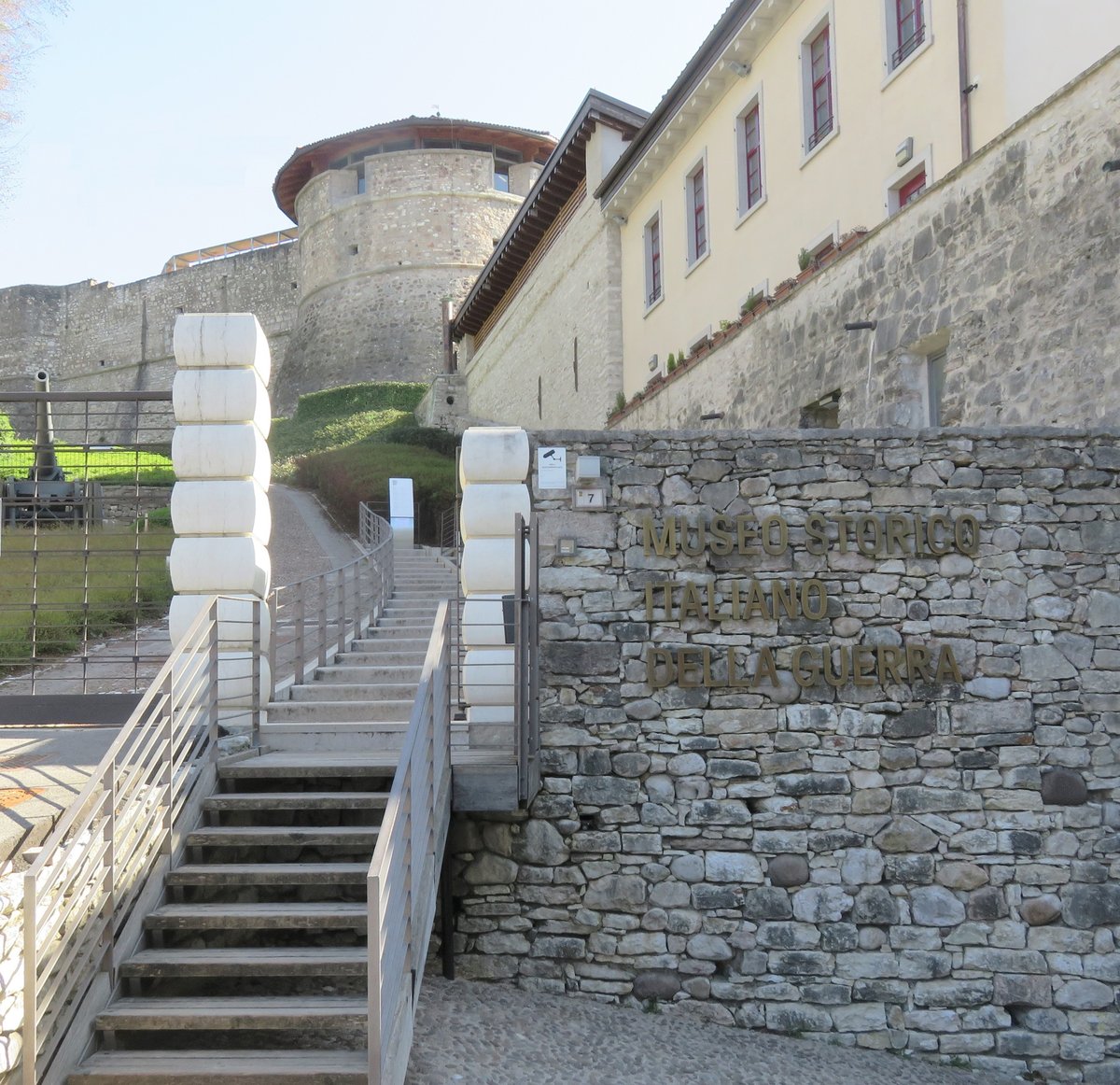
The Italian War History Museum, inside Rovereto Castle, tells the story of the Great War through uniforms, weapons, a biplane, and artillery. Free entry for under 18s.
Good to know
The Italian War History Museum: A Dive into History
You step into the Castle of Rovereto, and the smell of ancient stone welcomes you. Here, among towers and gun ports, the Italian War History Museum tells the story of the Great War like few other places in Italy. It’s not just a collection of relics: it’s an experience that lets you walk through the trenches, feel the weight of the uniforms, and imagine the soldiers’ lives. The highlight? A restored Nieuport-Macchi Ni.10 biplane dominating a hall. Then there are the artillery pieces, posters, diaries. A place that speaks to everyone, even those not passionate about history. Admission is free for under 18s, so bring the kids.
From its foundation to the present day
The museum was founded in 1921 in a Rovereto devastated by the bombings of the war that had just ended. King Vittorio Emanuele III inaugurated it on October 12, 1921. From the start, it became a collection point for relics, thanks to donations from ex-combatants and institutions. The collections grew: from World War I they expanded to include colonial wars and World War II. Today the museum is also a research center, with an archive and library. Here are the key moments:
- 1921: Foundation and inauguration.
- 1921-present: expansion of collections through donations.
- Recent years: restoration of the castle, new sections.
Among Bastions and Trenches: The Exhibition Route
The route winds through the Marino and Malipiero bastions, where you’ll find weapons from the 16th to the 18th century, then ascends to the halls dedicated to the Great War. Here, the showcases tell the story of trench life: gas masks, equipment, letters, and diaries. An entire section is devoted to propaganda and medical services, including a field radiology unit. But perhaps the most moving part is the Campana Hall, home to the Bell of the Fallen. From the castle’s walkways, the view of Rovereto makes you understand why this Venetian fortress was strategic.
Cannons and Bombards in the Air-Raid Shelter
At the foot of the castle, in Piazza Podestà, lies the Artillery Section. This World War II air-raid shelter houses dozens of pieces: Italian, Austro-Hungarian, German, and English bombards, mortars, howitzers, and cannons. A 30.5 cm Skoda mortar, perhaps the last surviving example, is displayed outdoors. The exhibit is well done: photos and texts explain the use of each weapon. Open during the summer months, it is one of the largest collections of Great War artillery in Italy.
Three Good Reasons Not to Miss It
First: it’s the largest Italian museum about the Great War, with unique exhibits like the Nieuport biplane and the Skoda 30.5. Second: admission is free for under 18s, perfect for a family outing. Third: the castle itself is worth a visit, with its tunnels and panoramic view. Plus, the museum organizes temporary exhibitions and educational activities. If you’re a history enthusiast or simply curious, here you’ll find a total immersion.
The Best Time to Visit
The museum is open all year, but the best time to visit is spring or autumn, when the weather is mild and the light illuminates the castle halls. The Artillery section is open only from May to October, so if you want to see it, plan your visit in summer. Avoid Mondays (closed) and holiday periods at the end of the year. Afternoons are quieter, but early morning allows you to enjoy the castle without too many crowds.
What to See Around Rovereto
After the museum, take a stroll through Rovereto’s historic center, with its squares and the Mart, the Museum of Modern and Contemporary Art. If you have time, climb to the Castel Dante War Memorial, a monument to the fallen of the Great War. For nature lovers, the Vallagarina offers trails through the mountains that were the scene of battles. Another recommended stop is Monte Zugna Park, with historical paths and breathtaking views.
Itineraries nearby

💡 Did You Know…?
Every evening, the Bell of the Fallen, cast from the bronze of enemy cannons, rings in memory of the fallen of all wars. A tradition that makes the visit even more evocative, inextricably linked to the history of the museum and the city of Rovereto.