
🧭 What to Expect
- Ideal for a cultural weekend between Renaissance architecture and museums.
- Highlights: UNESCO historic center, Olympic Theatre (first permanent covered theatre), Villa Capra 'La Rotonda'.
- Includes interactive map with 15 marked locations, from the Jewelry Museum to Salvi Gardens.
- Offers walking itinerary among Palladian palaces, Venetian villas and views from Monte Berico.
Events nearby

The City of Vicenza welcomes you with its UNESCO World Heritage historic center, an open-air museum shaped by Andrea Palladio. Strolling through the squares, you'll encounter the Basilica Palladiana, the city's symbol, and the Teatro Olimpico, the world's first permanent covered theater. Don't miss the Venetian villas like Villa Capra 'La Rotonda', an icon of Renaissance architecture, and the palaces dotting the center, including Palazzo Chiericati, now home to the Civic Museum. The Sanctuary of the Madonna of Monte Berico offers a panoramic view of the city, while the Giardini Salvi and Parco Querini are perfect for a green break. Vicenza is a destination that blends art, history, and elegance, ideal for a cultural weekend.
Overview
- Villa Capra 'La Rotonda'
- Olympic Theatre
- Palladian Basilica
- Chiericati Palace
- Sanctuary of the Madonna di Monte Berico
- Villa Valmarana «Ai Nani»
- Torre Bissara
- Leoni Montanari Palace Galleries
- Naturalistic Archaeological Museum
- Querini Park
- Salvi Gardens
- Diocesan Museum of Vicenza
- Pigafetta House
- Jewelry Museum
- Palladian Villas Visitor Center
Itineraries nearby


Villa Capra 'La Rotonda'
- Go to the page: Villa Capra La Rotonda: Central-plan Palladian architecture with views over Vicenza
- Via della Rotonda, Vicenza (VI)
- https://www.villalarotonda.it/
- Open in Google Maps
- View on Google Images
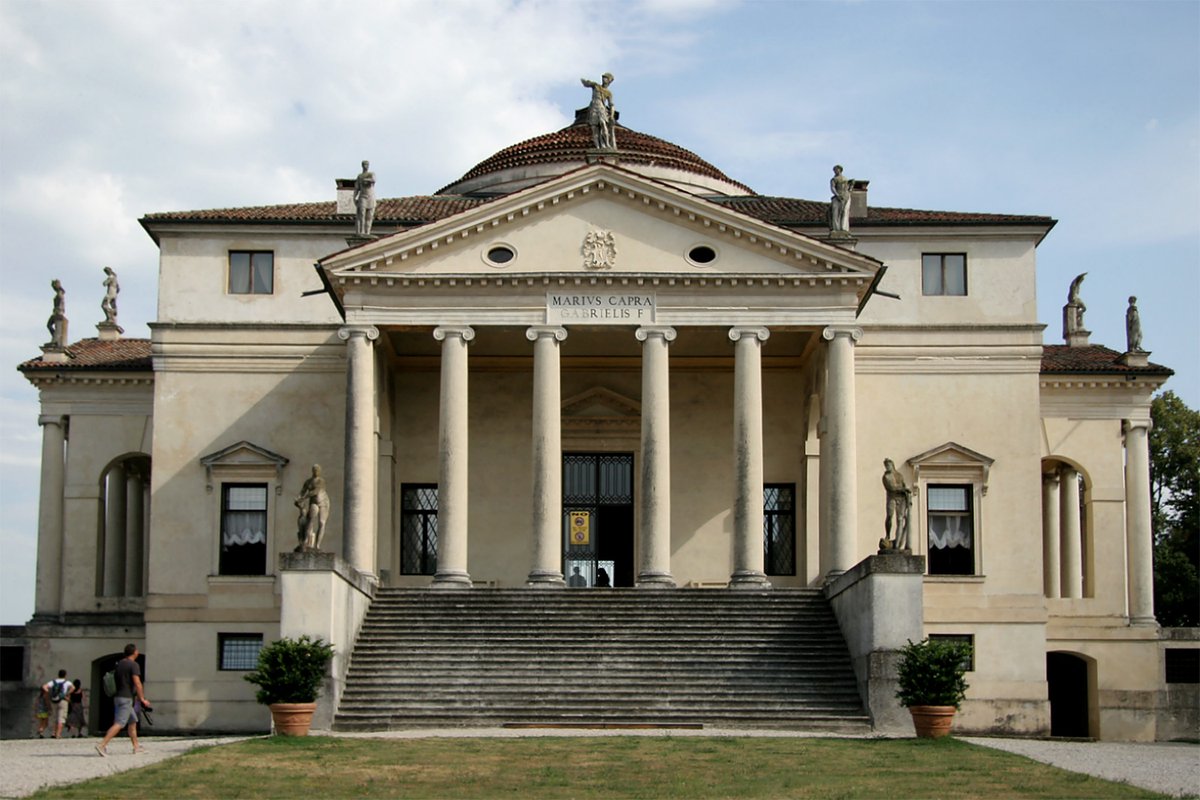 If you're seeking the essence of Palladian architecture, Villa Capra 'La Rotonda' is the place you cannot miss. Designed by Andrea Palladio in 1567 for the prelate Paolo Almerico, this villa was not merely a country residence but a temple of harmony for living in contemplation. Its square plan with a central dome was an absolute innovation for its time, which Palladio studied drawing inspiration from Rome's Pantheon. What immediately strikes you is the perfect symmetry: four identical façades, each with an Ionic portico opening onto the hilly Vicenza landscape. Upon entering, the circular central hall beneath the dome creates a majestic effect, with plays of light that change throughout the day. The frescoed ceilings by Alessandro and Giambattista Maganza tell mythological stories, while the side rooms maintain that elegant simplicity typical of the Venetian Renaissance. Today the villa is still inhabited by descendants of the Valmarana family, who maintain it with passion. The visit includes the interiors of the main floor and the park, where you can appreciate the perspective games studied by Palladio. A practical tip: book in advance because entry is limited to preserve the environment. Remember that here you won't find period furniture or art collections - the real treasure is the architecture itself, which has influenced buildings like the White House in Washington and villas throughout Europe.
Villa Capra "La Rotonda"
Olympic Theatre
- Go to the page: Teatro Olimpico in Vicenza: World's First Covered Theater with Scamozzi's Fixed Stage
- Stradella del Teatro Olimpico, Vicenza (VI)
- https://www.teatrolimpicovicenza.it/
- Open in Google Maps
- View on Google Images
- teatrolimpico@comune.vicenza.it
- +39 0444 222800
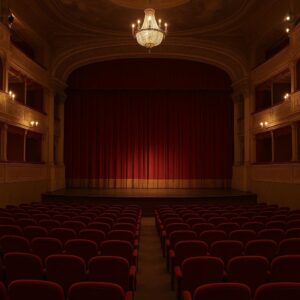
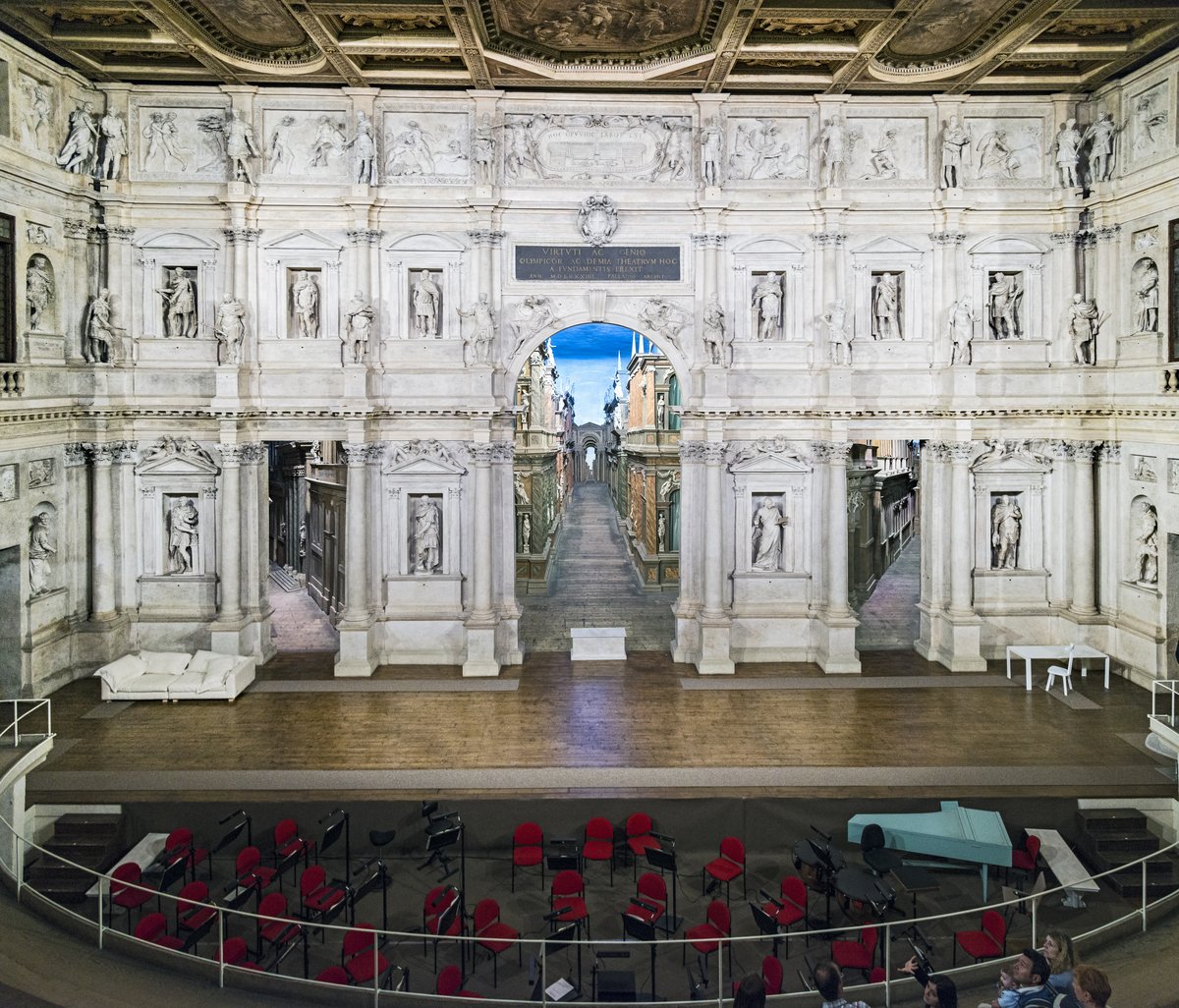 When you step into the Olympic Theatre in Vicenza, you feel like you've travelled back in time. This is the first permanent covered theatre built in the modern era, completed in 1585 based on Andrea Palladio's design. What immediately catches your eye are the permanent stage sets designed by Vincenzo Scamozzi: they depict the streets of Thebes with such realistic perspective that you feel like you're looking at a real city. The academy statues throughout and the painted ceiling simulating an open sky create a unique atmosphere. Even today, performances and concerts take place here, especially during the summer season. I recommend booking in advance because seats are limited and the experience is truly worth it. For anyone visiting Vicenza, the Olympic Theatre is an essential stop: it's not just a monument, but a living place where Renaissance architecture still meets culture today.
Olympic Theatre
Palladian Basilica
- Go to the page: Palladian Basilica: Serliana loggias, 52-meter hall and UNESCO terrace
- Contra' del Monte, Vicenza (VI)
- http://www.basilicapalladiana.vi.it
- Open in Google Maps
- View on Google Images
 The Palladian Basilica is the architectural heart of Vicenza, a building that will leave you breathless the moment you step into Piazza dei Signori. Despite what the name might suggest, it's not a church but a **public palace** that Andrea Palladio completely transformed in the 16th century, adding the famous white marble loggias that envelop the pre-existing medieval structure. As you climb the entrance staircase, you'll immediately notice the grandeur of the **Serlian windows**, the arched openings flanked by columns that became the master's trademark. Inside, the hall is immense – one of the largest in Europe without intermediate supports – and hosts internationally renowned temporary exhibitions. The inverted ship's keel roof, a structural innovation for its time, is visible from the hall and creates a stunning effect. For an unforgettable view of Vicenza, climb the adjacent **Bissara Tower**: from up there, you can take in the city's rooftops and the Berici hills with a single glance. For those seeking the essence of Venetian Renaissance, this is an essential stop: entrance to the hall requires a ticket during exhibitions, but the exterior and portico are always freely accessible.
Palladian Basilica
Chiericati Palace
- Go to the page: Palazzo Chiericati: Civic Museum with Art from the Middle Ages to the 18th Century in a Palladian Palace
- Corso Andrea Palladio, Vicenza (VI)
- Open in Google Maps
- View on Google Images
 If you're seeking the essence of Vicenza, Chiericati Palace is an essential stop. Designed by Andrea Palladio in 1550 for the Chiericati family, this building is a perfect example of how Renaissance architecture can harmonize with urban space. The façade, with its double order of columns and central loggia, immediately strikes you with its balance and elegance. Today the palace houses the Civic Museum, where you can admire a collection of paintings ranging from the Middle Ages to the 18th century. Among the most significant works are pieces by Bartolomeo Montagna, Cima da Conegliano, and a series of canvases by Paolo Veronese. Don't miss the section dedicated to Palladio's own drawings, which allows you to better understand the architect's genius. The museum is organized into thematic rooms, such as the one dedicated to 15th-century Venetian art or the one with portraits of local nobility. Admission is included in the combined ticket for Palladian sites, a practical option if you're also visiting the Olympic Theatre or the Palladian Basilica. The main entrance faces Piazza Matteotti, a convenient starting point for exploring the city center. Inside, the atmosphere is intimate and well-lit, ideal for those who want to explore without rushing. Remember that the palace is closed on Mondays, so plan your visit for other days. For art enthusiasts, it's an opportunity to see lesser-known but exceptionally high-quality masterpieces up close.
Chiericati Palace
Sanctuary of the Madonna di Monte Berico
- Viale Dieci Giugno, Vicenza (VI)
- Open in Google Maps
- View on Google Images
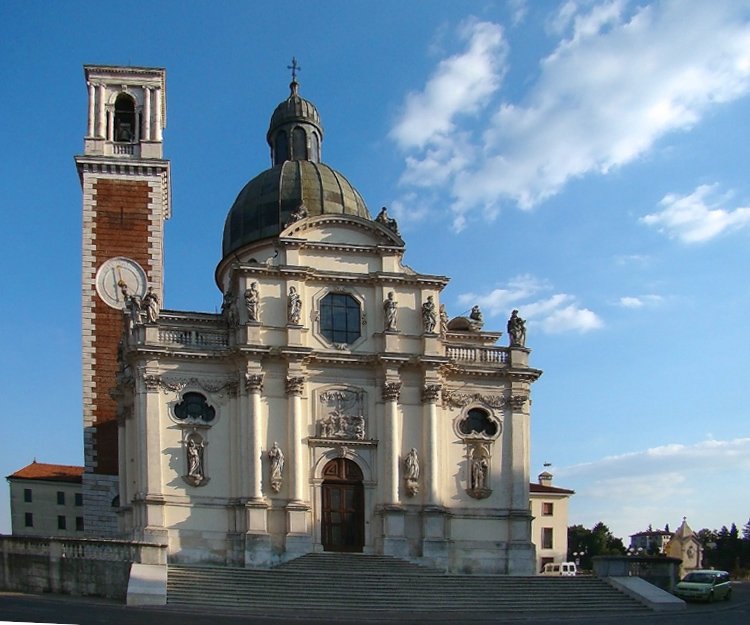 The Sanctuary of the Madonna di Monte Berico stands on a hill at 110 meters above sea level, offering a spectacular view over Vicenza and the Berici Hills. This pilgrimage site originated from a Marian apparition in 1426 and today combines two churches: the Gothic one from the 15th century and the Baroque one from the 17th century. Inside, the Monte Berico Altarpiece by Bartolomeo Montagna is the main artistic treasure, but attention also goes to the wooden statue of the Black Madonna, venerated for centuries. The entrance portico, with its 150 arches, creates an evocative path that prepares visitors for entry. For visitors, the recommendation is to walk up via the Scalette, a staircase from 1746 that starts from the historic center, or use the free elevator for those who prefer to avoid the effort. The panoramic terrace is the best spot for photographing Vicenza and recognizing the Palladian monuments. If you happen to be there at noon, you can witness the traditional Angelus with the sound of the bells. The sanctuary is open year-round, but the most intense moments are during Marian feasts, such as September 8th, when the faithful ascend in procession. Remember to dress appropriately: covered shoulders and long trousers are required for entry. After your visit, stop by the adjacent bar-restaurant for a coffee with a view.
Sanctuary of the Madonna di Monte Berico
Villa Valmarana «Ai Nani»
- Vicenza (VI)
- https://www.villavalmarana.com/
- Open in Google Maps
- View on Google Images
- +39 0444 321803
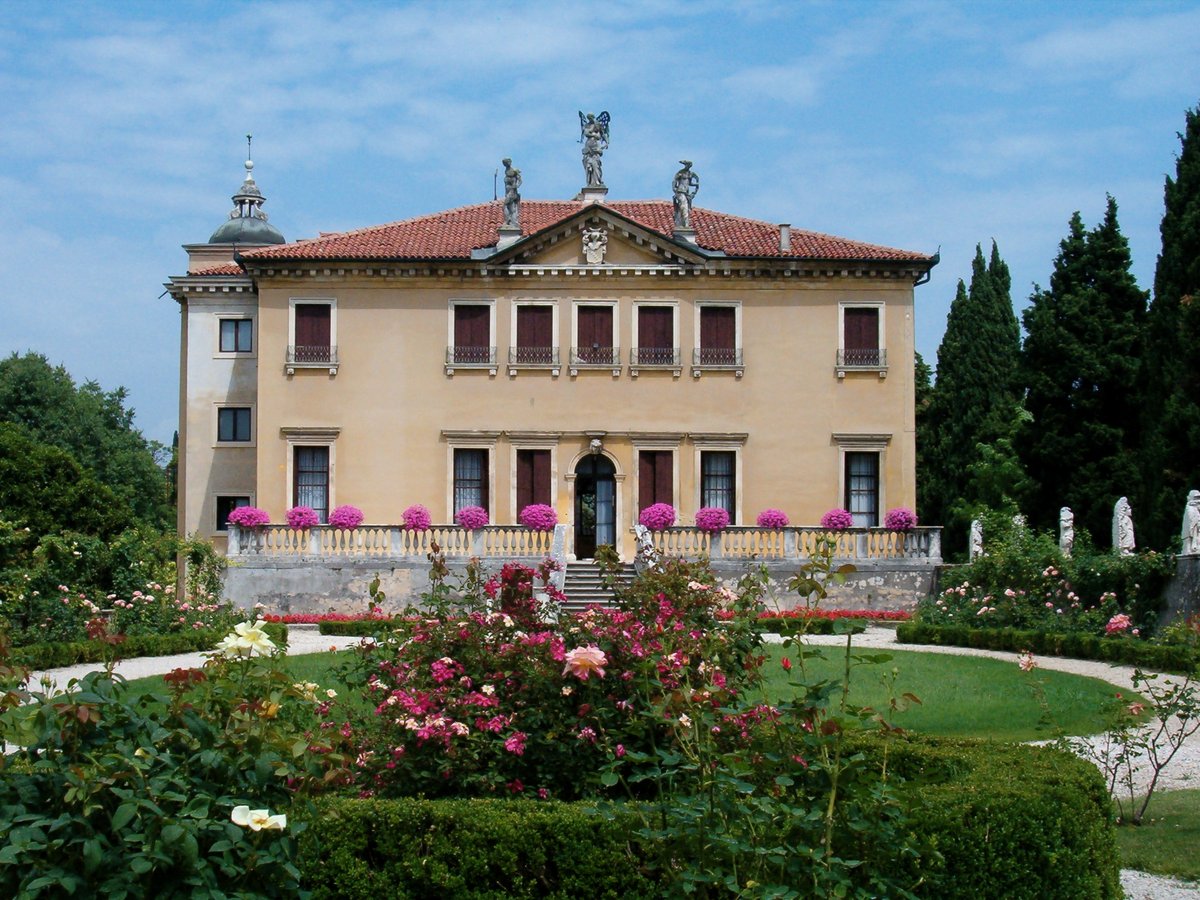 Just outside Vicenza's historic center, along the road to Monte Berico, Villa Valmarana «Ai Nani» welcomes you with an immediately striking feature: the stone dwarf statues that line the boundary wall. There are seventeen of them, each with a different expression, and legend has it they protected a dwarf princess who didn't want to be seen. Beyond the gate, the villa is divided into two sections: the Palazzina, frescoed by Giambattista Tiepolo, and the Foresteria, decorated by his son Giandomenico. The interiors are a triumph of color and storytelling. In the Palazzina, Tiepolo painted epic scenes like the Sacrifice of Iphigenia and the Iliad, with figures that seem to leap from the walls. In the Foresteria, Giandomenico depicts daily life in 18th-century Veneto with lighter, almost humorous tones. The garden, well-kept but informal, invites a peaceful break. To visit, check the hours on the official website: it often closes on Mondays and offers reduced rates for groups. It's a place that combines art and mystery, away from the crowds of Palladian monuments.
Villa Valmarana «Ai Nani»
Torre Bissara
- Piazza dei Signori, Vicenza (VI)
- Open in Google Maps
- View on Google Images
 The Torre Bissara is one of Vicenza's most recognizable landmarks, soaring 82 meters above Piazza dei Signori. Built in the 13th century by the Bissari family, it has undergone several modifications over the centuries, including major restoration work after damage sustained during World War II. Its brick structure and distinctive spire make it a visual reference point from every corner of the historic center. Today, it belongs to the Municipality of Vicenza and forms part of the Basilica Palladiana complex, to which it is connected. One of its unique features is the carillon installed in 2000, which plays traditional Venetian melodies daily at 12:00 PM and 6:00 PM, creating a unique atmosphere in the square. Climbing to the top, when possible, offers an exceptional panoramic view over Vicenza's rooftops and the surrounding Prealps. The tower is not always open to the public, but it's worth checking for special opening hours during cultural events. Its imposing presence tells centuries of the city's history, from medieval times through the Palladian era to the present day.
Torre Bissara
Leoni Montanari Palace Galleries
- Contra' Santa Corona 25, Vicenza (VI)
- https://www.gallerieditalia.com/
- Open in Google Maps
- View on Google Images
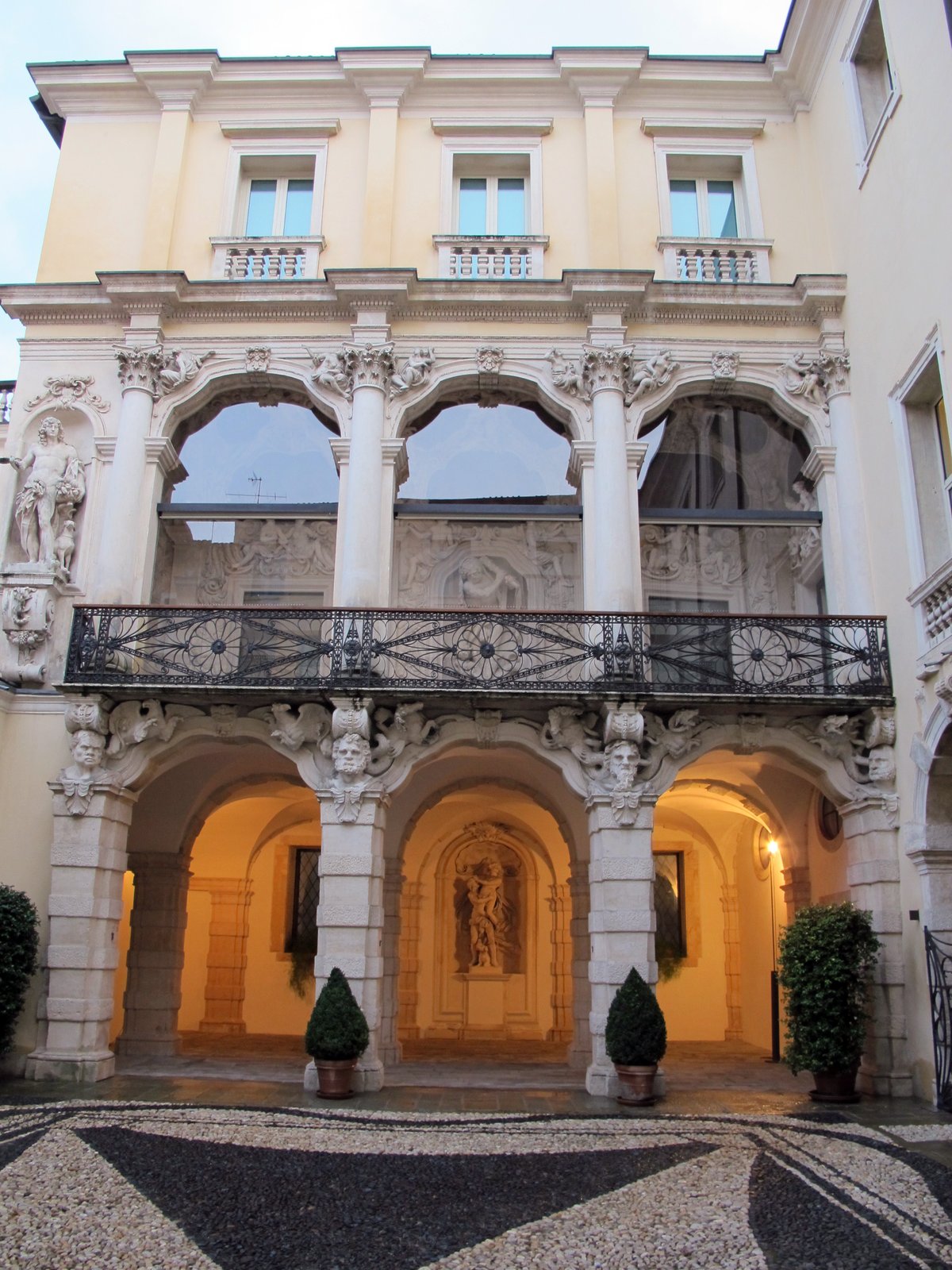 The Leoni Montanari Palace Galleries are a jewel in Vicenza's historic center, just steps from Corso Palladio. This 17th-century palace, with its imposing facade and richly frescoed interiors, houses one of Italy's most precious collections: Russian icons from the 18th and 19th centuries, gathered in over 400 works. It's not just a museum, but an experience that combines art and architecture. The noble floor rooms, with stuccoes and frescoes by Louis Dorigny, guide you through masterpieces like the Madonnas dressed in light and saints on golden backgrounds, while on the second floor you'll find the collection of 18th-century Venetian painting, with works by Giambattista Tiepolo and Pietro Longhi. The palace, owned by Intesa Sanpaolo, is open year-round with temporary exhibitions that enrich the visit. A tip: take time for the Hall of the Four Seasons, where the frescoes dialogue with the icons, creating a unique contrast between East and West. Perfect for those seeking something different from the classic Palladian itineraries, it's a place where art tells distant stories without needing words.
Leoni Montanari Palace Galleries
Naturalistic Archaeological Museum
- Contra' Santa Corona, Vicenza (VI)
- Open in Google Maps
- View on Google Images
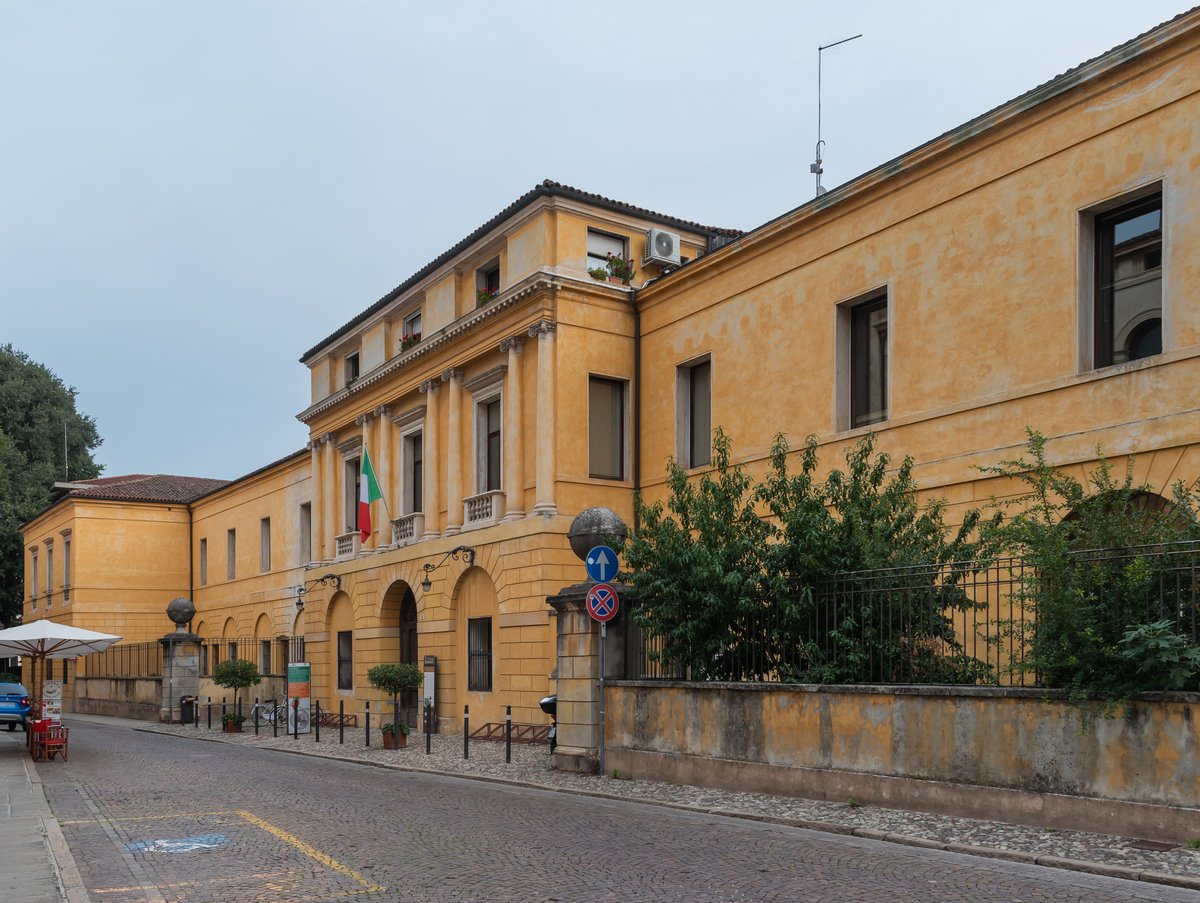 The Naturalistic Archaeological Museum of Vicenza is a place that surprises you with its ability to tell the story of the territory through two distinct but complementary paths. The archaeological section, housed in the cloister of Santa Corona, welcomes you with artifacts ranging from prehistory to the Roman era, including ceramics, coins, and everyday objects unearthed in urban excavations and villas throughout the province. The burial goods from Paleo-Venetian necropolises and Roman mosaics stand out, giving a concrete idea of the ancient roots of this area. The naturalistic section, on the other hand, takes you to explore the biodiversity of Veneto with collections of minerals, fossils, and taxidermied animals, including specimens of local birds and mammals. The museum is designed for those seeking a cultural break without frills: the labels are clear, the spaces well-organized, and the atmosphere tranquil. A practical tip: spend time in the room dedicated to Roman-era artifacts, where objects related to domestic life and commercial activities stand out—a direct way to understand how people lived here centuries ago. Ideal for a one- or two-hour visit, the museum is located in the city center, just steps away from other iconic sites like the Basilica Palladiana, making it easy to include in a walking itinerary.
Naturalistic Archaeological Museum
Querini Park
- Vicenza (VI)
- Open in Google Maps
- View on Google Images
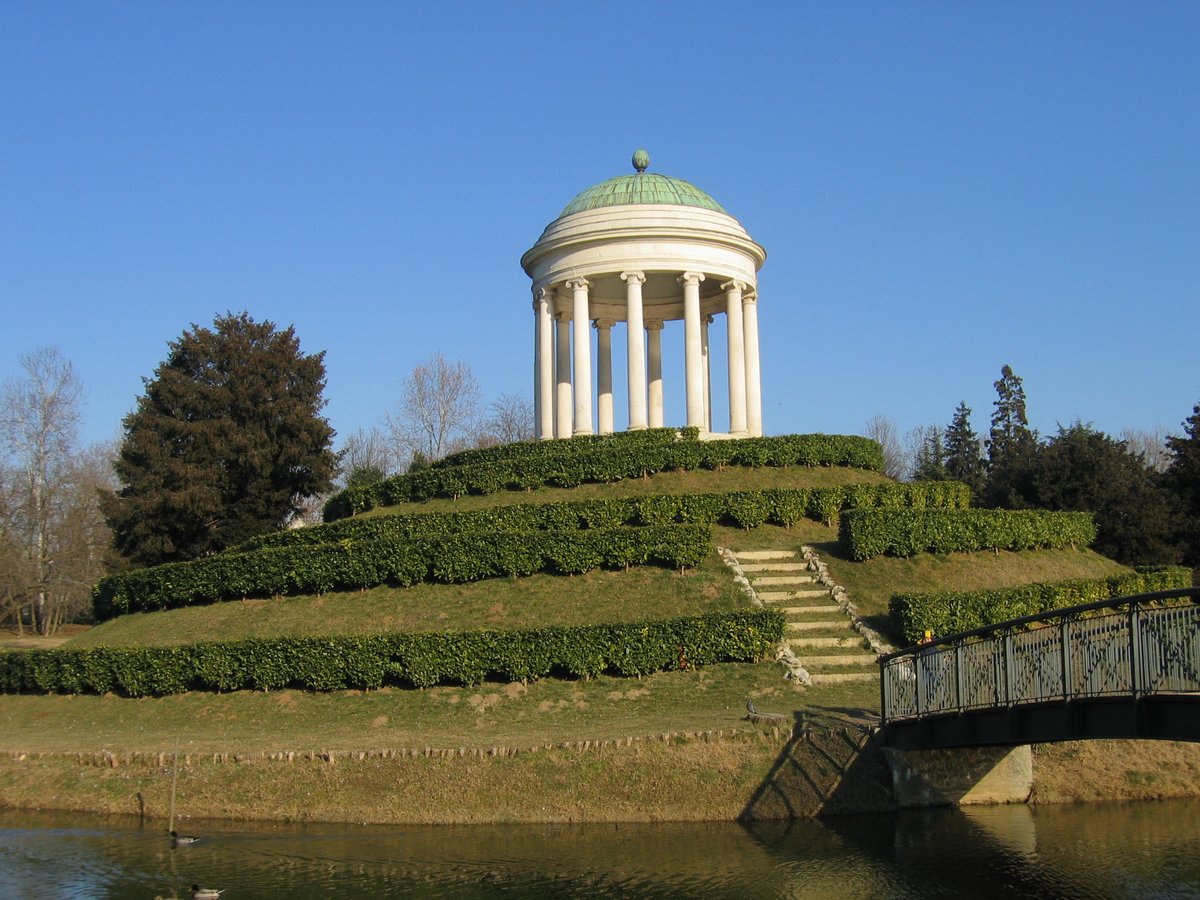 If you're looking for a break from Vicenza's historic center, Querini Park is the perfect spot. This public park is just a short walk from the Olympic Theatre and spans approximately 12 hectares. It's an ideal green lung for a relaxing stroll or a picnic. The park was created in the 19th century through the initiative of Count Marco Querini, who donated the area to the city. Today, it's a beloved place for both locals and tourists. As you wander through, you'll notice tree-lined avenues, well-kept lawns, and a pond with ducks and swans. There's also a children's playground, perfect for families. The park frequently hosts cultural events and summer concerts, especially during spring and summer. If you visit Vicenza on a nice day, stop by here for a moment of tranquility. It's free to enter and well-maintained. Near the main entrance, you'll find benches and drinking fountains. I recommend bringing a water bottle and maybe a book—it's the ideal spot for reading in the shade of the trees. The park is also pet-friendly, so if you're traveling with your dog, it's a great stop. Don't forget to explore the side paths, which are less crowded but equally charming. In autumn, the colors of the leaves make the landscape even more captivating. Querini Park is an example of how Vicenza skillfully blends art and nature, offering visitors a complete experience.
Querini Park
Salvi Gardens
- Vicenza (VI)
- Open in Google Maps
- View on Google Images
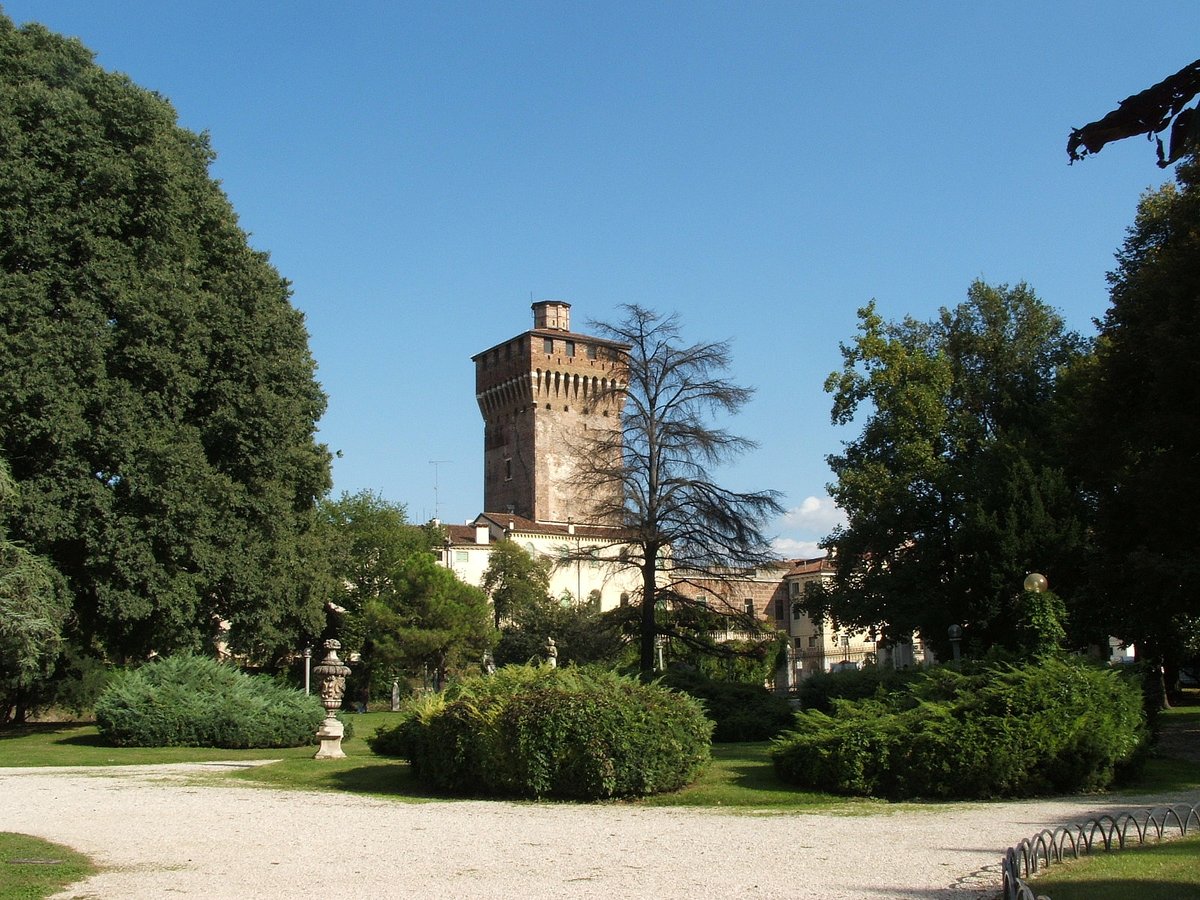 The Salvi Gardens are a green lung in Vicenza's historic center, perfect for a refreshing break after visiting the Palladian monuments. This public park, donated to the city in 1905 by the Salvi family, extends over approximately 2 hectares along the Scaliger walls. What makes it unique is the presence of the Valmarana Loggia, an elegant 16th-century Palladian building that reflects in the waters of the artificial lake. Walking along the tree-lined avenues, you'll notice centuries-old plane trees, flower beds, and benches where you can sit in the shade. It's a place beloved by Vicenza residents for evening strolls or reading a book in peace. Children can run freely on the grassy areas, while architecture enthusiasts appreciate the contrast between the lush greenery and the classical lines of the loggia. The park is always accessible and free, with entrances from Viale Roma and Via Jacopo Cabianca. Don't look for kiosks or services inside: people come here for the silence and the simple beauty of nature embracing history.
Salvi Gardens
Diocesan Museum of Vicenza
- Piazza del Duomo 12, Vicenza (VI)
- http://www.museodiocesanovicenza.it
- Open in Google Maps
- View on Google Images
- museo@vicenza.chiesacattolica.it
- +39 0444 226400
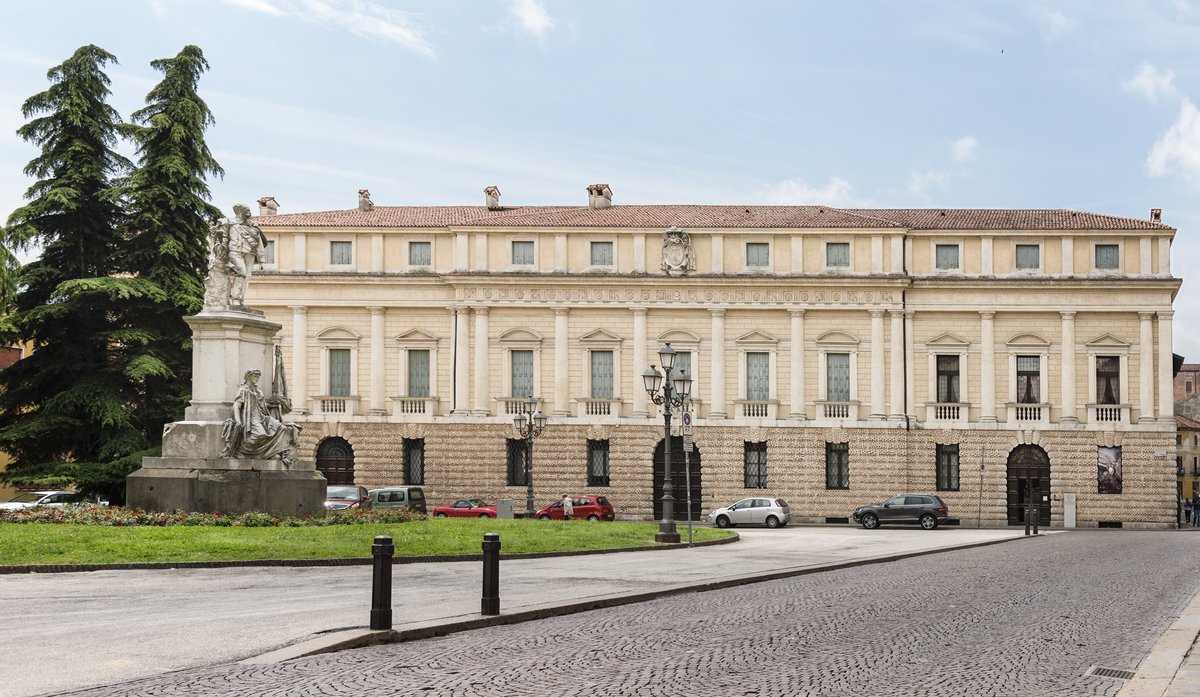 The Diocesan Museum of Vicenza is a place that surprises with its richness, even if less known compared to other Palladian attractions. Located in the Bishop's Palace, right behind the Cathedral, it collects sacred art works from the diocese. Upon entering, you are welcomed by an intimate atmosphere, far from the crowds. The collections range from Renaissance altarpieces to eighteenth-century liturgical vestments, with pieces of great value such as the Reliquary of Saint Felix, a masterpiece of medieval goldsmithing. Notable are also the illuminated manuscripts and the wooden sculptures that tell the story of local devotion. A section is dedicated to archaeological finds discovered under the Cathedral, including remains of Roman buildings. The route winds through frescoed halls, offering glimpses of the internal cloister. I recommend not missing the bishop's private chapel, with well-preserved Baroque stuccoes. The entrance is affordable and often included in combined tickets. Ideal for a moment of reflection after visiting the more crowded monuments. The museum occasionally organizes temporary exhibitions on themes related to Vicenza's religious history.
Diocesan Museum
Pigafetta House
- Via Antonio Pigafetta, Vicenza (VI)
- Open in Google Maps
- View on Google Images
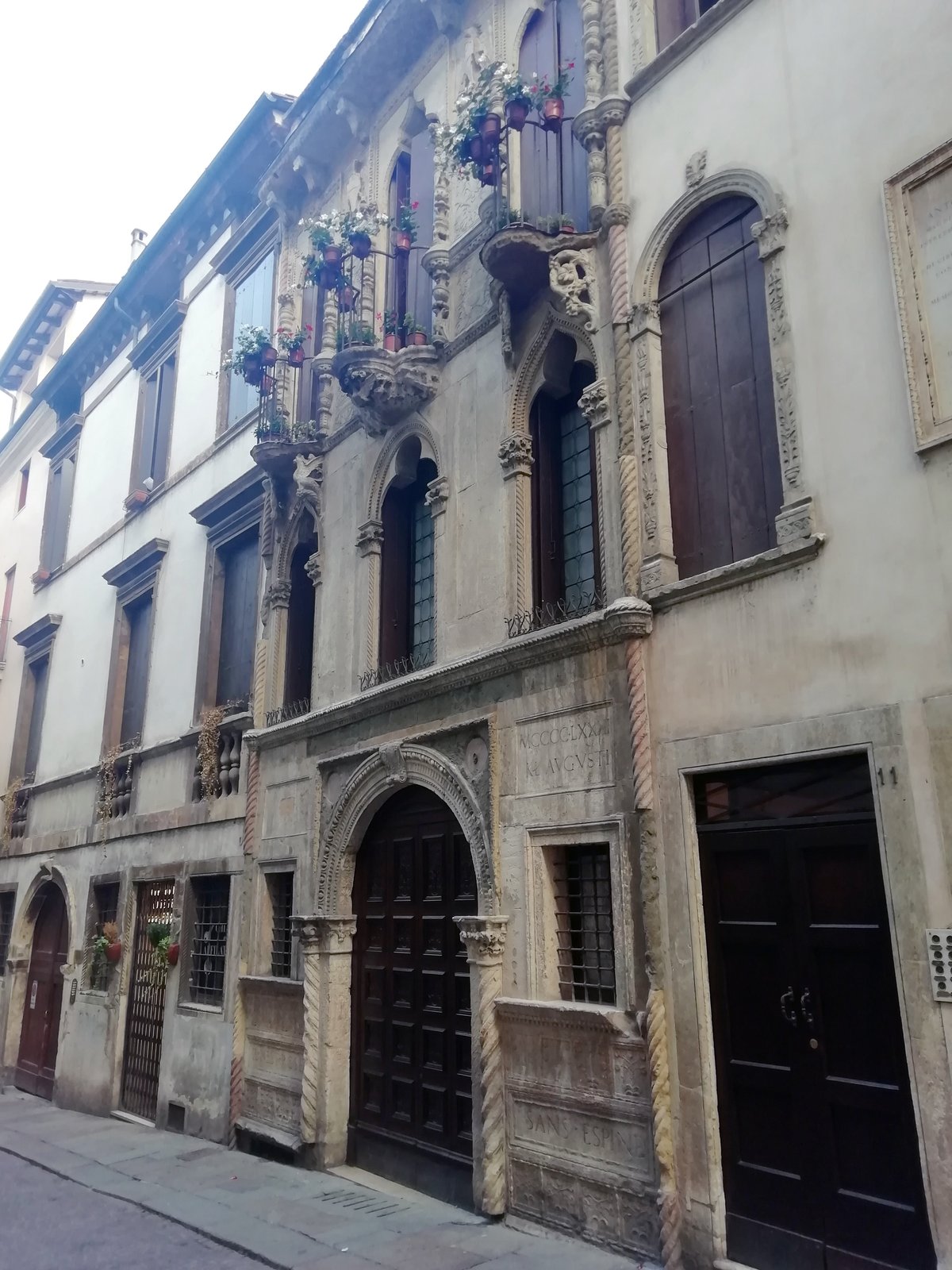 If you're looking for a corner of Vicenza that speaks of adventure and discovery, Pigafetta House is the perfect spot. This 15th-century palace on Contrà Pigafetta, in the heart of the historic center, is the birthplace of Antonio Pigafetta, the Vicenza navigator who accompanied Magellan on the first circumnavigation of the globe. The brick facade with Gothic and Renaissance elements will immediately catch your eye: the mullioned windows and decorated portal speak of an era when Vicenza was already looking beyond its borders. Inside, you'll notice the coffered ceilings and frescoes that recall the owner's exploits. Today the building houses commercial activities, but the atrium and parts of the ground floor are accessible, allowing you to breathe in history without needing a ticket. It's an ideal place for those who want to combine culture and practicality: you can stop by in just a few minutes while exploring the center, and it offers a dive into 16th-century explorations. Perfect if you love stories of brave travelers, like those Pigafetta recounted in his logbook, which became a fundamental document for the geography of the time. Include it in your itinerary between the Palladian Basilica and the Olympic Theatre: it's a free stop off the beaten path that enriches your visit with a touch of authentic Vicenza charm.
Pigafetta House
Jewelry Museum
- Piazza dei Signori 44, Vicenza (VI)
- https://www.museodelgioiello.it/
- Open in Google Maps
- View on Google Images
- info@museodelgioiello.it
- +39 0444 320799
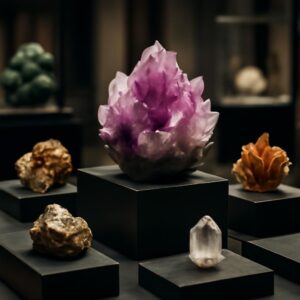
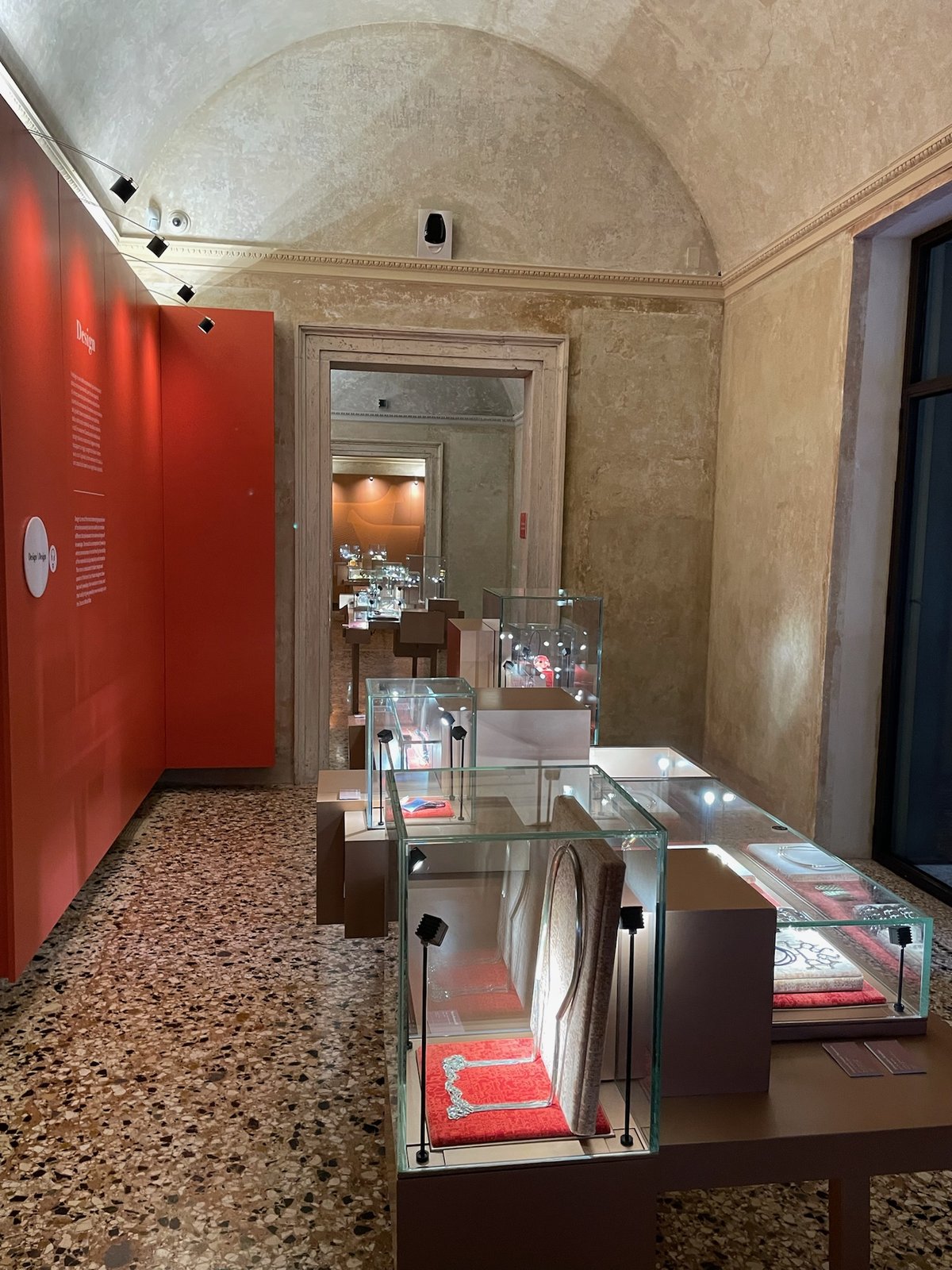 The Jewelry Museum in Vicenza is the only museum in Italy entirely dedicated to the art of goldsmithing. Located inside the Basilica Palladiana, it occupies a 410-square-meter space on the ground floor. The exhibition path unfolds through nine thematic sections that tell the evolution of jewelry through the centuries: from symbolism to function, from magic to contemporary design. Each room offers a different perspective, with pieces ranging from Renaissance creations to 20th-century avant-garde works. Particularly interesting is the section dedicated to contemporary jewelry, where you can admire works by international designers experimenting with innovative materials. The museum is not just a static collection: it regularly organizes temporary exhibitions and educational workshops. The modern and multimedia setup makes the visit accessible to everyone, with audiovisual supports explaining the working techniques. One aspect not to be missed is the section on Venetian jewelry, with pieces that tell the goldsmithing tradition of the region. The bookshop offers specialized publications and reproductions of some jewelry on display. Admission is paid but affordable, with discounts for students and groups. The museum is open all year round, with extended hours during Vicenza Oro, the famous international jewelry fair.
Jewelry Museum
Palladian Villas Visitor Center
- Corso Antonio Fogazzaro 16, Vicenza (VI)
- https://www.palladianroutes.com/infoshop
- Open in Google Maps
- View on Google Images
- info@palladianroutes.com
- +3904441270212
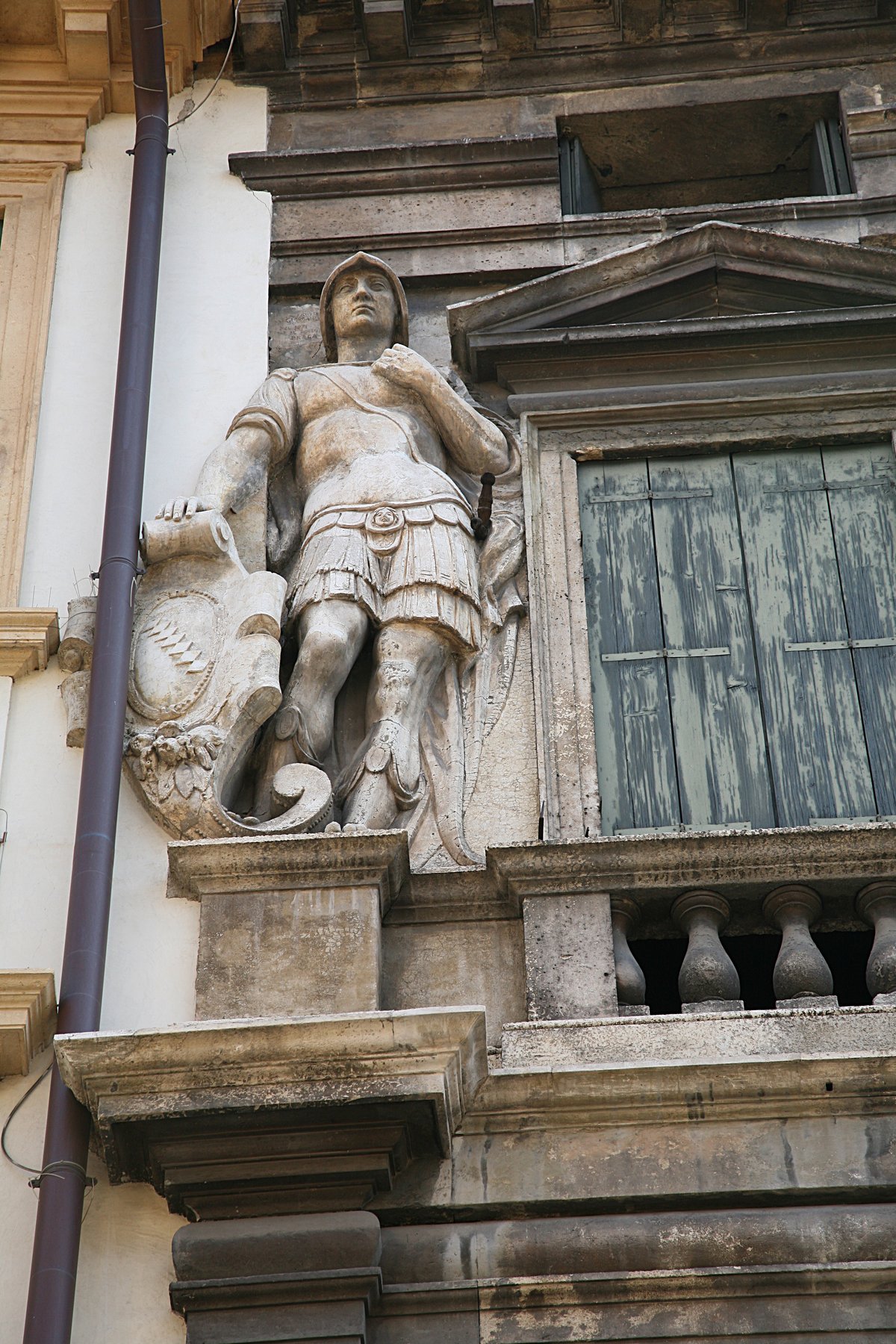 If you truly want to understand Andrea Palladio's work in Vicenza, the Palladian Villas Visitor Center is the essential starting point. Located in the heart of the historic center, this information space provides you with a comprehensive overview of the 24 Palladian villas scattered throughout the province, many of which are UNESCO World Heritage Sites. It's not a traditional museum, but rather a true hub for organizing your exploration. Here you'll find detailed maps, illustrative materials, and practical advice on how to visit the villas, including lesser-known but equally fascinating ones like Villa Gazzotti in Bertesina or Villa Trissino in Meledo. The staff is knowledgeable and can tell you which villas are open to the public at that moment and how to reach them by public transportation. Many tourists skip this step and miss masterpieces like Villa Valmarana ai Nani, which absolutely deserves a visit. The center also helps you understand the evolution of the Palladian style, from early city works like Palazzo Chiericati to the country villas that revolutionized residential architecture. If you plan your visit here, you'll avoid wasting time and get the most out of your Palladian journey.
Palladian Villas Visitor Center