
🧭 What to Expect
Ideal for those who love history, castles, and medieval villages Highlights: unique concentration of fortresses and strongholds Nature: Trebbia and Tidone valleys for excursions and relaxation Food & Wine: Colli Piacentini wines and typical cured meats Suitable for curious travelers and families
Events nearby
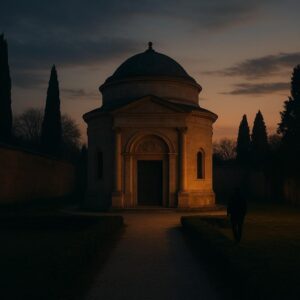
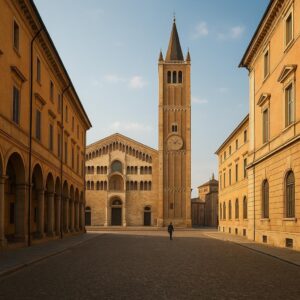
The Province of Piacenza is a concentration of often overlooked treasures that are well worth a visit. Here you'll find one of the highest concentrations of castles in Italy, such as Castello di Rivalta and the Rocca Viscontea in Castell'Arquato, perfect for a dive into the Middle Ages. Don't miss the Duomo di Piacenza and Palazzo Farnese in the capital city, then be amazed by the villages of Bobbio and Vigolzone. Nature takes center stage with the Trebbia and Tidone valleys, ideal for excursions and trekking, while local flavors – from cured meats to DOP wines – enrich the experience. In this article, I'll guide you through the must-see stops in this province rich in history, landscapes, and gastronomy, with practical tips to best organize your visit. The Province of Piacenza awaits you with its castles, villages, and unspoiled nature.
Overview
- Piacenza Cathedral
- Palazzo Farnese: The Unfinished Jewel of Piacenza
- Ricci Oddi Modern Art Gallery: A Rediscovered Treasure in Piacenza
- Rocca Viscontea of Castell'Arquato
- Castle of Rivalta: History and Legends Within the Walls
- Agazzano Castle: Between a Medieval Fortress and an 18th-Century Residence
- Castle of San Pietro in Cerro: A 15th-Century Gem Between Art and Legend
- Malaspina Dal Verme Castle: History, Legends, and Views
- Roman Veleia, the Pompeii of the North
- Montechiaro Castle: A Balcony Over the Piacenza Countryside
- Gropparello Castle: Between Legends and Medieval Wonders
- Castello di Monticelli d'Ongina: A fairytale fortress between history and nature
- Val Tolla Abbey, Morfasso's Buried Jewel
- Collegiate Church of San Fiorenzo: A Dive into the Middle Ages
- Paderna Castle: Between Moat and Legends
Itineraries nearby

Piacenza Cathedral
- Go to the page: Piacenza Cathedral: 14th-century frescoes, crypt with 108 columns, and panoramic view
- Piazza Duomo, Piacenza (PC)
- https://cattedralepiacenza.it/
- Open in Google Maps
- View on Google Images
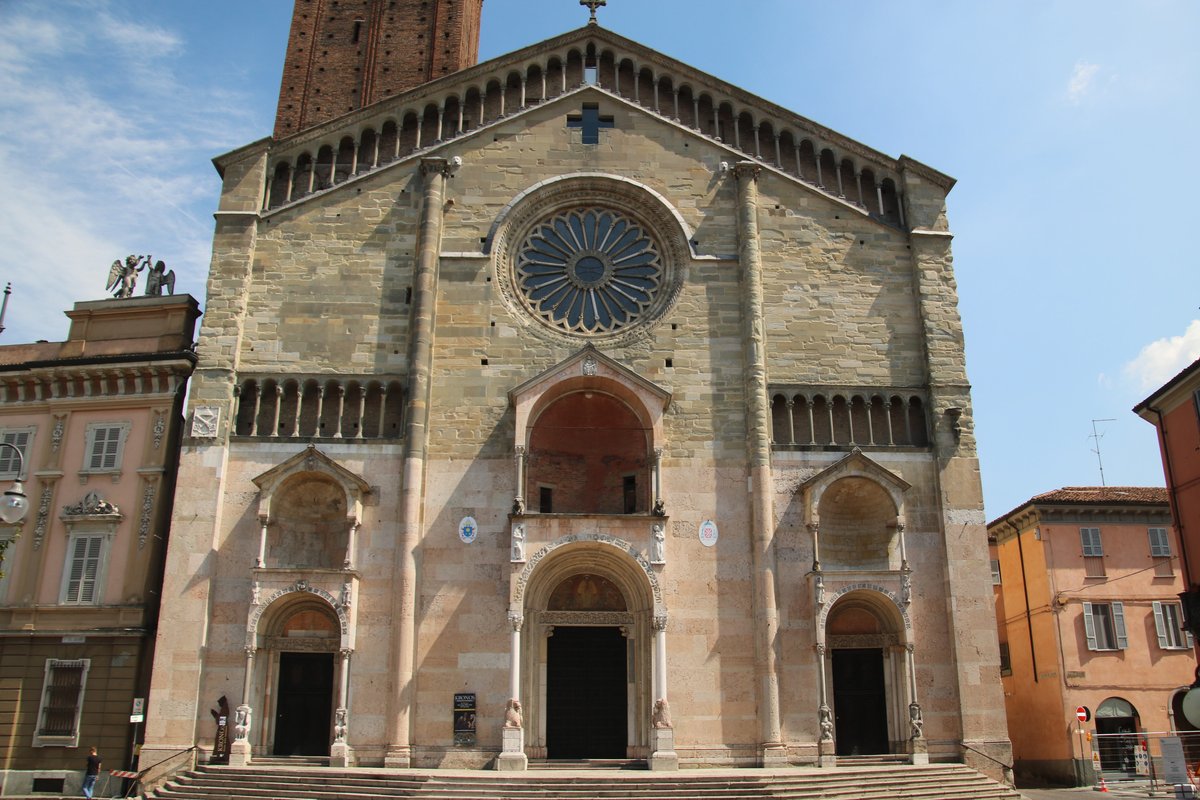 If you’re passing through Piacenza, the Cathedral is a must-see. Built starting in 1122 after an earthquake destroyed the previous cathedral, it is one of the most fascinating examples of Po Valley Romanesque architecture. The facade blends pink Verona marble and sandstone, with three portals carved by pupils of Wiligelmo: look at the stylophore lions on the central portal and the left porch with scenes from Christ’s childhood. The bell tower, 72.5 meters tall, is topped by the Angil dal Dom, a gilded copper angel from 1341 that has become the city’s symbol.
Step inside and let the solemn atmosphere envelop you: three aisles divided by 25 cylindrical pillars, and on the walls, the reliefs of the medieval guilds that funded the work. The real spectacle is the octagonal dome, frescoed by Morazzone and Guercino between 1625 and 1627: the prophets and sibyls are imposing, and climbing the 136 steps (reservation required) brings you 27 meters up, face to face with the details. Don’t miss the Crypt of Santa Giustina, the oldest part, with 108 Romanesque columns and the saint’s relics.
Entry is free (daily 8:30-12:30 and 15:30-19:30), and if you have time, visit the Museo Kronos (admission fee) for the 14th-century triptych and the 12th-century illuminated manuscript. In short: history, art, and spirituality all in one place.
Palazzo Farnese: The Unfinished Jewel of Piacenza
- Via Campo della Fiera, Piacenza (PC)
- https://www.palazzofarnese.piacenza.it/it
- Open in Google Maps
- View on Google Images
 If you're passing through Piacenza, Palazzo Farnese is a must. Don't be fooled by appearances: it looks like a massive construction site frozen in time for centuries, and in part it is. Vignola's original design called for a palace larger than the Royal Palace of Caserta, but work stopped in 1602 due to lack of funds. Today we visit about half of the structure, yet it's already spectacular.
Entering through the 17th-century wrought-iron gate, you find yourself in a courtyard with two-story loggias. It feels like an abandoned royal residence filled with treasures. Inside, there are 9 museum collections – with a single €10 ticket, you can see everything. My advice? Don't miss the Liver of Piacenza, a bronze model of a sheep's liver used by the Etruscans for divination (2nd-1st century BCE). It's unique in the world and will leave you speechless.
Then there's the Art Gallery, with works from the 14th to 19th centuries. The highlight is the tondo by Sandro Botticelli: Madonna Adoring the Child with Saint John. The room is specially designed to showcase it. If you love carriages, the Carriage Museum will make you dream: about thirty examples, including a hearse and a sleigh.
And if you come on Sunday, there are free guided tours (reservation required). The palace is open Tuesday to Sunday (closed Monday). During summer, the courtyard hosts events like Piacenza Summer Cult. A practical tip: the ticket office closes half an hour early. And don't bring your dog – it's not allowed here.
In short, Palazzo Farnese is a place that stays with you: an unfinished marvel full of wonder.
Ricci Oddi Modern Art Gallery: A Rediscovered Treasure in Piacenza
- Via San Siro 13, Piacenza (PC)
- https://riccioddi.it
- Open in Google Maps
- View on Google Images
 If you're passing through Piacenza, the Ricci Oddi Modern Art Gallery is a must-see. Inaugurated in 1931, it was born from the passion of nobleman Giuseppe Ricci Oddi, who donated his private collection to the city. The building, designed by Giulio Ulisse Arata, is a gem of museum architecture: it stands on the remains of the former convent of San Siro and blends exposed brick with 17th-century plasterwork, all bathed in wonderful natural zenith light. Inside, nineteen rooms tell the story of Italian painting from 1830 to 1930, with a focus on figuration and landscape. The real highlight? Gustav Klimt's Portrait of a Lady, stolen in the late 1990s and recovered in 2019 after a story worthy of a thriller. Here's a curious twist: a high school student noticed its resemblance to another painting, sparking the investigation. Alongside the Klimt, you'll admire works by Tuscan Macchiaioli painters, Antonio Fontanesi, Giovanni Boldini, Pellizza da Volpedo (with his poignant Bramble), Medardo Rosso, and many other 20th-century artists like Boccioni, Carrà, Morandi, and Casorati. The gallery underwent a complete renovation between 2025 and 2026: rooms were restored, audioguides were added, and new exhibitions were curated by the Lissoni & Partners studio. The entrance is wheelchair accessible, with a ramp and wheelchair available. Hours: closed Monday; Tuesday-Thursday 9:30 AM–1:00 PM; Friday-Sunday 9:30 AM–6:00 PM. Ticket: full price €10, reduced €7. In short, a place that combines art, history, and a touch of mystery.
Rocca Viscontea of Castell'Arquato
- Go to the page: Viscontean Fortress of Castell'Arquato: Medieval stronghold with accessible towers and walkways
- Via Magno, Castell'Arquato (PC)
- Open in Google Maps
- View on Google Images
 If you're passing through Castell'Arquato, a must-see is the Rocca Viscontea, towering over the main square. Built starting in 1342 at the behest of Luchino Visconti and completed in 1349, this red brick fortress has preserved its defensive character. Its L-shaped layout and double ring of walls – a lower wall for soldiers and an upper one for command – tell a purely military story, never becoming a noble residence.
Climbing the 42-meter-high keep, the oldest part, leads to a breathtaking panoramic terrace: from there, the view stretches from the Po Valley to the Alps and from the Apennines to the sea. Inside, the Museum of Medieval Life immerses you in the era with videos, models, and a room dedicated to sieges. Incidentally, in 1985 the fortress was a set for the film Ladyhawke starring Michelle Pfeiffer.
Until the 1960s, it was used as a district prison, and today it's open Tuesday to Sunday (closed Monday). Admission is €6 full price, reduced to €4.50 for seniors over 65 and children aged 6-12. The village is worth a stroll: on the same square you'll find the Palazzo del Podestà and the Collegiate Church of Santa Maria.
Tip: if you can, climb the tower at sunset – the baked clay colors lighting up are a spectacle.
Castle of Rivalta: History and Legends Within the Walls
- Go to the page: Rivalta Castle: Crenellated Towers, Medieval Moat and Home of the Zanardi Landi Family
- Loc. Borgo di Rivalta, Rivalta Trebbia (PC)
- Open in Google Maps
- View on Google Images
 Nestled in the greenery of the Val Trebbia, the Castle of Rivalta is one of the medieval jewels of the province of Piacenza. Perched on a cliff overlooking the river, this manor is still inhabited today by the descendants of the Landi family, the Zanardi Landi. Its imposing 36-meter-high square tower and the distinctive circular tower, called Torresino, make it recognizable from afar. The castle's history dates back at least to the 11th century, when it was a Roman watchtower, but its true development came with the Landi family in the 14th century. Inside, over fifty rooms furnished with period pieces tell centuries of history. The Hall of Honor, the Armory with the original flags from the Battle of Lepanto (1571), the Museum of Military Costume with over 90 uniforms, and the evocative Museum of Sacred Art, which houses a nude Christ by Francesco Mochi, are just a few of the wonders. Among the curiosities: the key of Queen Angilberta, the dining room's sound system that allows whispering from one end to the other, and the Green Room that hosted Princess Margaret of England. But beware of ghosts: it is said that Giuseppe the cook, killed in the 18th century, plays with the light switches, and that the spirit of Pietro Landi still roams. Visits are only possible with a guide, with three itineraries: AES (30 minutes), Argentum (1 hour 20 minutes), and Aurum (2 hours). Booking is required, especially on weekends. The surrounding medieval village, with the Church of San Martino, is another gem to explore. A tip: try the figs of Rivalta, they are famous!
Agazzano Castle: Between a Medieval Fortress and an 18th-Century Residence
- Go to the page: Agazzano Castle: Medieval Fortress with Renaissance Palace and Italian Gardens
- Via del Castello, Agazzano (PC)
- Open in Google Maps
- View on Google Images
 If you are passing through Agazzano, in the province of Piacenza, the Castello di Agazzano is a must-see. It is not just one castle but a complex that combines the Renaissance fortress from 1475 and an 18th-century villa, creating a fascinating contrast between medieval austerity and aristocratic elegance. The fortress, with its rectangular layout and two surviving round towers, features an inner courtyard with a loggia on three sides and a hexagonal well. Legend has it that a secret tunnel leads to the castle of Lisignano. The villa, accessible through a French-style gate, houses frescoed halls with exotic landscapes, period furniture, and a collection of fine ceramics. The French garden, designed by botanist Luigi Villoresi, unfolds on two levels with statues, fountains, and exotic plants, while a vineyard of about 3 hectares produces wines aged in the castle cellars. The castle is open from the end of March to November, on weekends with guided tours (adults €8.50, children 0-6 free). If you have a weakness for ghost stories, the spirit of Pier Maria Scotti, known as 'il Buso', killed in 1529, is said to haunt the castle. A place that mixes history, nature, and a touch of mystery.
Castle of San Pietro in Cerro: A 15th-Century Gem Between Art and Legend
- Via Melchiorre Gioia, San Pietro in Cerro (PC)
- Open in Google Maps
- View on Google Images
 Nestled in the tranquil Val d'Arda, on the border between Piacenza, Parma, and Cremona, the Castle of San Pietro in Cerro is one of those surprises you don't expect. Built starting in 1460 at the behest of Bartolomeo Barattieri – a jurist and ambassador – this transitional castle still shows signs of the shift from medieval to modern defenses: two round towers flank the massive central keep, and gunslits tell the story of the arrival of firearms. The exterior is austere, but as soon as you step into the inner courtyard, you're greeted by an elegant 15th-century double loggia that takes your breath away. The Barattieri family guarded it for nearly five hundred years, until 1993, when it passed to the Spaggiari family, who after careful restoration opened it to the public. Today you can visit over thirty rooms, furnished with period pieces and frescoes. Among the highlights is the MiM – Museum in Motion, which in the attic rotates over 1,600 works of contemporary art (mostly from Piacenza). But the real gem is the Terracotta Warriors of Xi'an: forty life-sized terracotta statues, authorized copies from the Chinese government, in the basement. There's also a rich Armory Room with five hundred pieces, and a historic library with two thousand volumes. And then there's the legend: it's said that the ghost of Agata, a lovesick servant, still roams the walls. I didn't see it, but who knows... The castle is open on Sundays and holidays from March to October (or November), with guided tours. Ticket €10, worth every penny.
Malaspina Dal Verme Castle: History, Legends, and Views
- Vicolo del Torrino 3, Bobbio (PC)
- http://www.polomusealeemiliaromagna.beniculturali.it/musei/castello-malaspina-di-bobbio
- Open in Google Maps
- View on Google Images
- pm-ero@beniculturali.it
- +39 0523 936500
 Perched on the hill overlooking Bobbio, Malaspina Dal Verme Castle is one of those places that instantly transports you to another era. Built starting in 1304 by order of Corradino Malaspina, it was a Ghibelline stronghold before passing to the Visconti and then, in 1436, to the Dal Verme family. It was with this latter family that the castle transformed: from an austere defensive bastion to a refined noble residence, especially in the mid-16th century under Gian Maria Dal Verme. Today it is state property (managed by the municipality since 2020) and can be visited year-round, with hours varying by season: generally on weekends, sometimes also on weekdays. Tickets cost €4, reduced €2.
Upon entering, what strikes you is the massive stone structure, with its five-story rectangular keep and characteristic round tower. Inside, the halls tell centuries of history: the Sala delle Marine with its 16th-century fresco of the Madonna and Child, the Banquet Hall with its fireplace and Dal Verme coat of arms, the Liberty Parlor, the Empire Room… each room has its own charm. But the real highlight is the legend: hidden in the dungeons is the Well of Knives, a shaft lined with sharp blades where, according to tradition, enemies were thrown. They say the ghosts of those victims still roam the walls – I admit, it gave me chills. Climbing the tower, on the other hand, the view of the Trebbia Valley and the rooftops of Bobbio is pure peace. One tip: arrive calmly, maybe in spring or autumn, and also enjoy the village. The castle is at the top, you reach it on foot through medieval alleys – and that alone is a journey through time.
Roman Veleia, the Pompeii of the North
- SP14, Lugagnano Val d'Arda (PC)
- Open in Google Maps
- View on Google Images
 Have you ever been to Roman Veleia? If you think archaeological sites are just boring piles of stones, think again. This hidden gem in the Val d’Arda, in the municipality of Lugagnano, is one of the most fascinating places in Northern Italy. And no, it's not an exaggeration to call it the 'Pompeii of the North': here the remains of an entire Roman city came to light thanks to a chance discovery in 1747: the famous Tabula Alimentaria Traiana, the largest bronze inscription from the Roman world, now at the Archaeological Museum of Parma. The excavations, commissioned by Duke Philip of Bourbon, uncovered the forum, basilica, baths, and shops. Walking on the sandstone paving of the forum, funded by the magistrate Lucius Lucilius Priscus, is like stepping back two thousand years. Don't miss the Antiquarium, where you'll find casts of the Tabula, Ligurian and Roman artifacts, and even a mosaic with a theatrical mask. And if you go in summer, well, the Festival of Ancient Theatre brings the ruins to life with unmissable performances. The site is well equipped: wheelchair-accessible paths, a bar, and a restaurant. Tickets cost only 3 euros, and the first Sunday of the month is free. The only downside: in winter they cover the pavements to protect them, so call ahead to know what is visible. But trust me, it's worth it.
Montechiaro Castle: A Balcony Over the Piacenza Countryside
- Go to the page: Montechiaro Castle: Medieval Fortress with 360° Views and Historic Wine Cellars
- Strada Statale di Val Trebbia, Denavolo (PC)
- Open in Google Maps
- View on Google Images
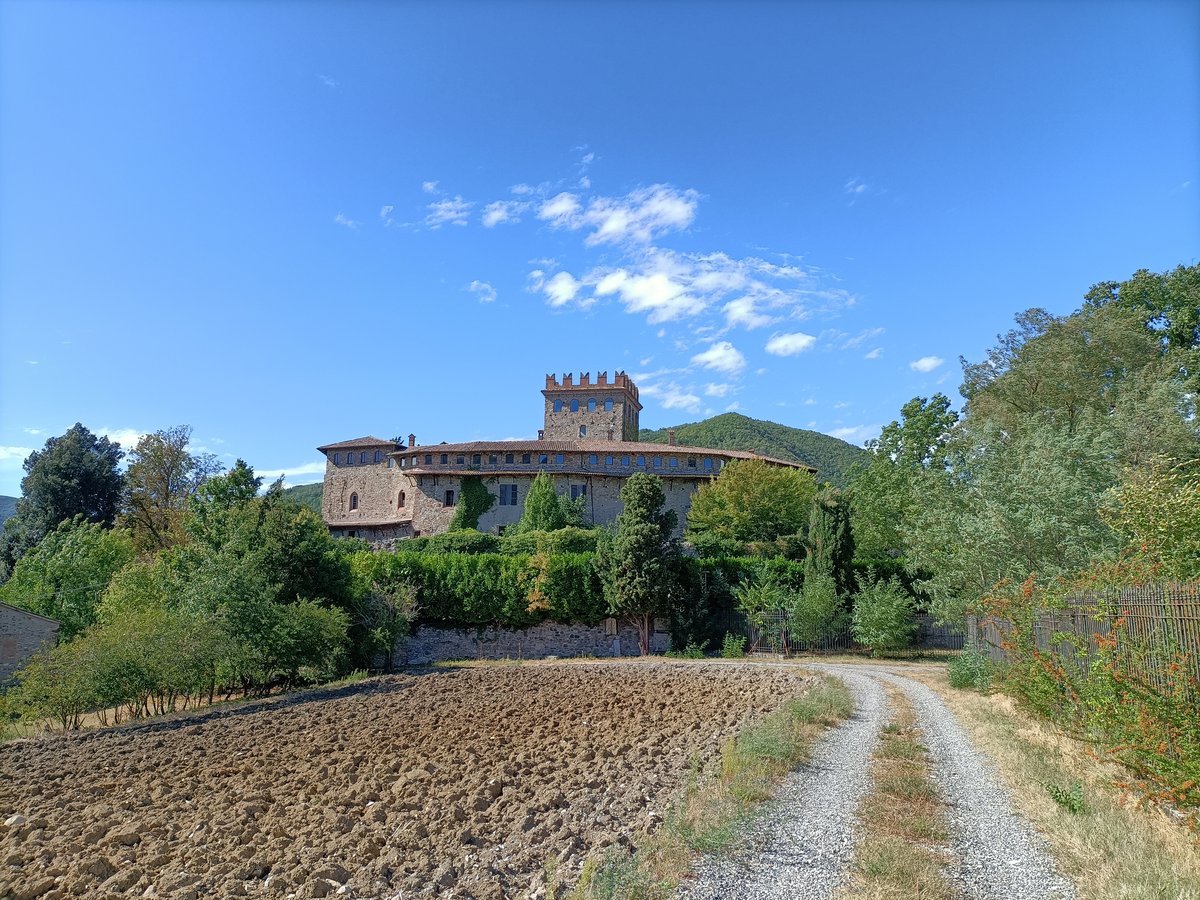 Perched on a hill in the small village of Denavolo, Montechiaro Castle is one of those places that makes you fall in love with the Trebbia Valley. Built around the 10th century, the castle has Lombard origins and underwent numerous renovations over the centuries. Its strategic position made it a key control point for communication routes between Piacenza and Liguria. Today, after careful restoration, it is open to visitors and offers a breathtaking view of the surrounding hills.
The structure consists of a crenellated wall, a square tower, and a central block with arched windows. Walking through the rooms, you breathe an ancient atmosphere, enriched by period furnishings and original frescoes. The view from the tower is unforgettable: forests, vineyards, and the bed of the Trebbia winding in the distance.
To visit, I recommend booking in advance: it is open mainly on weekends and for special events. Wear comfortable shoes, as the path to reach it is unpaved and a bit steep, but the climb is rewarded by the view. A true hidden gem, far from the mass tourist circuits.
Gropparello Castle: Between Legends and Medieval Wonders
- Giardino delle Fiabe, Gropparello (PC)
- Open in Google Maps
- View on Google Images
 Perched on a spur of ophiolitic rocks that overlook the Vezzeno stream, Gropparello Castle is one of those places that takes your breath away. As early as 810, Charlemagne granted it to the Bishop of Piacenza, but its origins are older: a Roman castrum from the 2nd century BC once stood here. The most fascinating story? That of Rosania Fulgosio, walled up alive by her husband in the 13th century: her ghost is said to still roam the halls. The guided tour takes you through the keep, the armory, and the ancient monumental fireplaces, but the real eye-catcher is the view from above over the ravine. The 20-hectare park is a gem: the Museo della Rosa Nascente boasts over 1,200 roses of 125 varieties, and for children there is the Parco delle Fiabe, Italy's first emotional park, with actors involving kids in medieval adventures. If you want to spend the night, the suite in the Torre dei Barbagianni is carved into the rock with a whirlpool bath. Tickets? Castle visit €13 (reduced €10), Parco delle Fiabe €29 adults, €24.50 children. Open all year with mandatory guided tours (times: weekdays 11:30, weekends also 15:30). A place that combines history, nature, and a touch of mystery – perfect for a day trip.
Castello di Monticelli d'Ongina: A fairytale fortress between history and nature
- Piazza Casali, Monticelli d'Ongina (PC)
- Open in Google Maps
- View on Google Images
 If you pass through Monticelli d'Ongina, you can't miss the Castello di Monticelli d'Ongina (also known as Rocca Pallavicino-Casali). It's one of the most imposing lowland castles in Emilia-Romagna, all in exposed brick, with a square plan and four round towers at the corners. Its history begins in 1298 as a fortification of Cremona, but the current structure was commissioned by Rolando Pallavicino at the beginning of the 15th century and completed by his son Carlo, bishop of Lodi. From the outside it seems impregnable, but inside you'll discover incredible treasures. The Cappella del Bembo is the absolute jewel: frescoed by Bonifacio and Benedetto Bembo around 1460, it contains a Last Supper that some critics believe may have inspired Leonardo da Vinci. But that's not all: there are also scenes from the life of Saint Bassiano, a Saint George slaying the dragon, and a portrait of the bishop who commissioned it. Climbing to the noble floor, the halls are decorated with 18th-century frescoes celebrating the Casali family, while on the upper floor of the eastern keep are the old prisons with graffiti left by prisoners. And below? The cellars house the Aquarium and the Ethnographic Museum of the Po, with a dugout canoe from the 6th-7th century, the Peasant Museum, and the Archaeological Museum. Visits are only possible on Sundays (winter hours 2:30 PM–5:00 PM, summer hours 3:00 PM–6:30 PM), but attention: closed in January, July, August, and December. Book at 338 1801426. And if you hear moans? It could be the ghost of Giuseppina, a local legend…
Val Tolla Abbey, Morfasso's Buried Jewel
- SP21, Morfasso (PC)
- Open in Google Maps
- View on Google Images
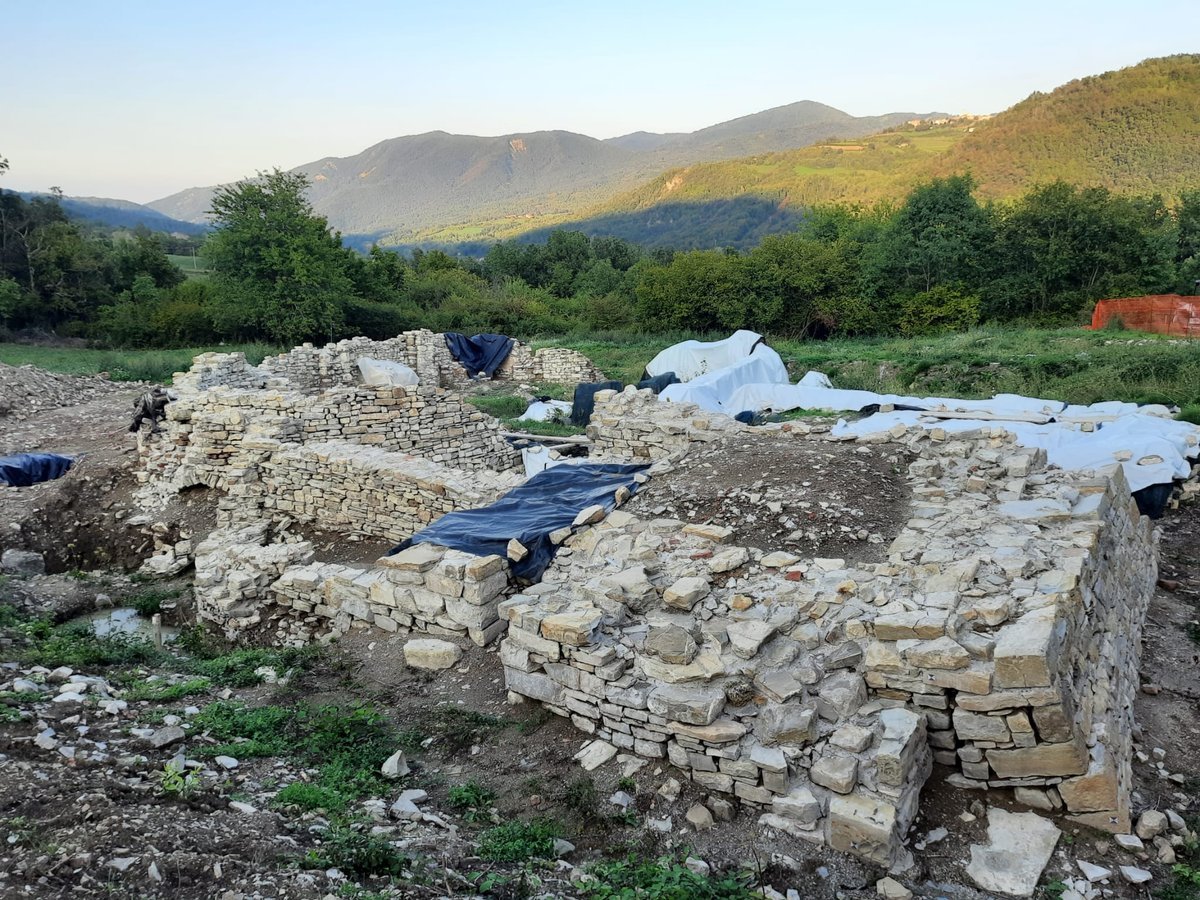 If you think the Val d'Arda is only about nature, you're wrong. In Morfasso, in the Monastero hamlet, there is an incredible archaeological site: the Val Tolla Abbey. Founded by the Lombards in the 7th century, it was a huge power center, independent from the bishop of Piacenza and directly protected by kings. Then, in 1765, it was demolished and buried. Until a few years ago almost nothing remained, then excavations turned everything around.
Three superimposed churches emerged from underground: one from the 12th century, one from the 15th, and one from the 18th century (the one from 1757). The works, costing about 400,000 euros, revealed apses, walls, and even an altar. The site was officially inaugurated on September 20, 2025 after eight years of research. Today you can visit it freely, with explanatory signs telling the story.
If you don't like walking on the remains, there's a surprise: thanks to a 3D model and a drone video (you can find them online) you can explore the abbey from home. For enthusiasts, 6 km guided excursions are organized every year to see the ongoing excavations with archaeologists.
Walking among these ruins gives you the feeling of being an explorer. Vegetation hid everything for centuries, and now, little by little, history resurfaces. If you're around here, don't miss it: Morfasso has a treasure waiting to be discovered.
Collegiate Church of San Fiorenzo: A Dive into the Middle Ages
- Via Sforza Pallavicino 15, Fiorenzuola d'Arda (PC)
- Open in Google Maps
- View on Google Images
 If you pass through Fiorenzuola d'Arda, you can't miss the Collegiate Church of San Fiorenzo. It's the heart of the town, a building that blends Romanesque and Gothic styles, with its brick façade that seems to tell ancient stories. Construction began in 1273 on the site of a 4th-century church and took over two centuries to complete—it was finally consecrated in 1525. Inside, the three-bay nave with cylindrical pillars and cross vaults will leave you speechless. The frescoes in the apse, from the 15th-century Lombard school, depict the stories of San Fiorenzo and a Crucifixion; they were rediscovered in 1962, hidden under layers of lime. The main altar, in white marble, is the work of Giampaolo Panini, while the canvas of the Miracle of San Fiorenzo is by Marco Benefial. The bell tower, separate from the church body, stands on the ruins of an ancient tower: from there, the view of the square is stunning. The church is open daily from 7 AM to 12 PM and 3 PM to 7 PM, with free admission. If you're a pilgrim on the Via Francigena, you'll also find a hostel here that welcomes travelers. A tip: take some time to admire the details of the Baroque chapels, like the one of the Blessed Sacrament. This place has an atmosphere that takes you back centuries.
Paderna Castle: Between Moat and Legends
- Via Firenze, Pontenure (PC)
- Open in Google Maps
- View on Google Images
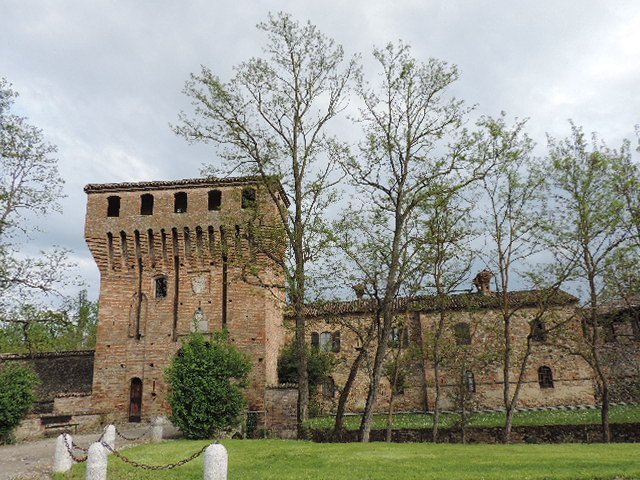 If you think all Italian castles are the same, you haven't set foot in Paderna Castle yet. Nestled in the Po Valley in Pontenure, this 11th-century fortress is still surrounded by a water-filled moat. Its history begins in 817 AD, when it appears as "Curte Paterno." In 1453 it passed to the Marazzani family, who transformed it into an agricultural and defensive residence. Today it is managed by the Marchioness Luisa Casali di Monticelli.
The castle has a square layout divided into two courtyards. The brick entrance tower still retains the housing for the double drawbridge. But the most fascinating element is the tower in the water, isolated in the moat, which served as a last refuge. Inside, don't miss the Oratory of Santa Maria, a Romanesque example with reused Roman columns. The Greek cross plan and cross vaults will leave you breathless. Also worth seeing is the armory with medieval weapons and the old kitchen.
The castle is open from May to September, on Saturdays and Sundays, with guided tours at 10 and 11 AM. Price: €10 adults, €8 reduced. But if you come the first weekend of October, you'll catch the Exhibition of Forgotten Plants, Flowers and Fruits, a fair with over 160 exhibitors. The organic farm produces ancient apples. And then there's the legend of the knight Confalonieri, whose shadow is said to wander the walls. Rumor has it that his screams could be heard "a stone's throw away." In short, a castle that combines history, nature, and a touch of mystery.