
🧭 What to Expect
- Ideal for those seeking a mix of history, culture, and city life without the crowds of more touristy places.
- Strong point: a compact and lively historic center, easy to explore on foot.
- Strong point: unique panoramic views from Arechi Castle and the seafront.
- Strong point: a rich museum and architectural heritage, from the Medical School to the Cathedral.
- Strong point: an excellent logistical base for visiting the Amalfi Coast and Paestum.
- Strong point: an authentic atmosphere and traditional cuisine to discover.
Events nearby

Salerno is a surprising city, often overshadowed by the nearby Amalfi Coast but rich with its own strong identity. Its historic center, with narrow alleys and noble palaces, tells centuries of history, from the Salerno Medical School to its period as Italy's capital in 1943. Arechi Castle dominates the city from above, offering breathtaking views over the gulf, while Trieste seafront is perfect for an evening stroll. It's not just a transit city: here you breathe an authentic atmosphere, among historic shops, typical local spots, and a vibrant cultural offering. This article guides you through its symbolic places, those truly worth a stop, with practical information to best organize your visit.
Overview
Itineraries nearby

Arechi Castle
- Go to the page: Arechi Castle in Salerno: Medieval Fortress with Breathtaking Views of the Amalfi Coast
- Fossato degli Aragonesi, Salerno (SA)
- https://www.ilcastellodiarechi.it
- Open in Google Maps
- View on Google Images
- info@ilcastellodiarechi.it
- +39 089 2964015
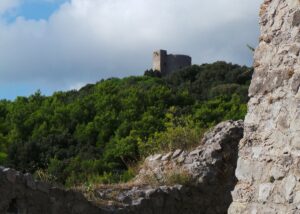
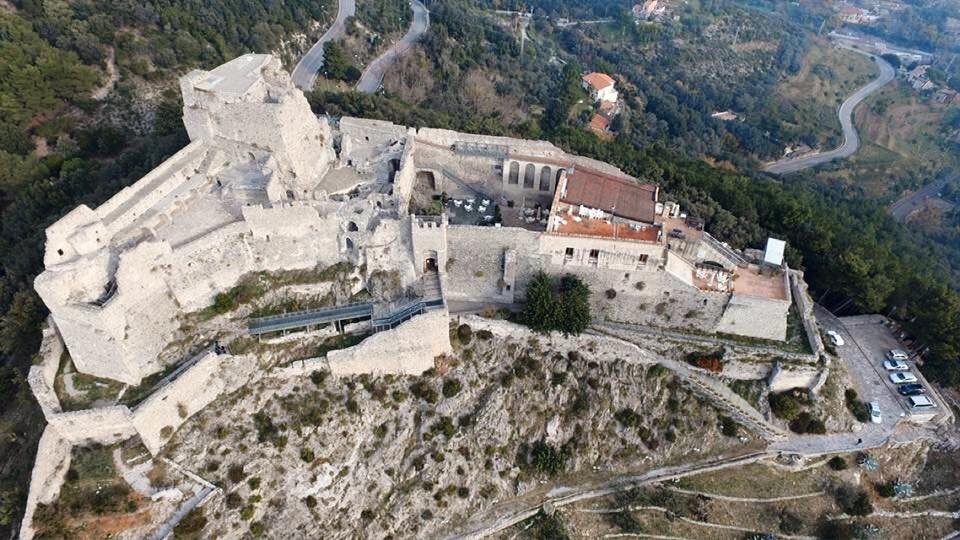 Arechi Castle is one of those places that instantly transports you back in time. Perched on Mount Bonadies at 300 meters high, this medieval fortress overlooks all of Salerno and its gulf with a view that, I'll tell you right away, is worth the climb alone. The structure dates back to the 8th century, commissioned by the Lombard prince Arechi II, and over time it has been expanded and modified, becoming an imposing complex with walls, towers, and courtyards. Today it houses a museum with ceramic artifacts and coins, but in my opinion, the real treasure is the panoramas: from here you can take in the entire city, the sea all the way to the Amalfi Coast, and on the clearest days, you can even glimpse the tip of the island of Capri. The main terrace is the perfect spot for taking unforgettable photos, especially at sunset when the sky turns orange. Inside, the spaces are well-preserved and tell centuries of history, from its Lombard origins to later uses as a prison. One detail that struck me? The ancient cisterns for water collection, a sign of engineering ahead of its time. To reach it, you can take a bus or walk up if you're fit—the hike is steep but scenic, passing through narrow streets and glimpses of the historic center. I recommend checking the opening hours, as it sometimes closes for private events, and bringing a water bottle in summer. Personally, I find it to be an experience that uniquely combines culture and nature, away from the crowds of more touristy spots. If you're passing through Salerno, don't miss it: it's a dive into history with a dreamlike setting.
Arechi Castle
Giuseppe Verdi Theatre
- Go to the page: Teatro Giuseppe Verdi Salerno: The Cultural Temple with Perfect Acoustics
- Piazza Matteo Luciani, Salerno (SA)
- http://www.teatroverdisalerno.it/
- Open in Google Maps
- View on Google Images
- info@teatroverdisalerno.it
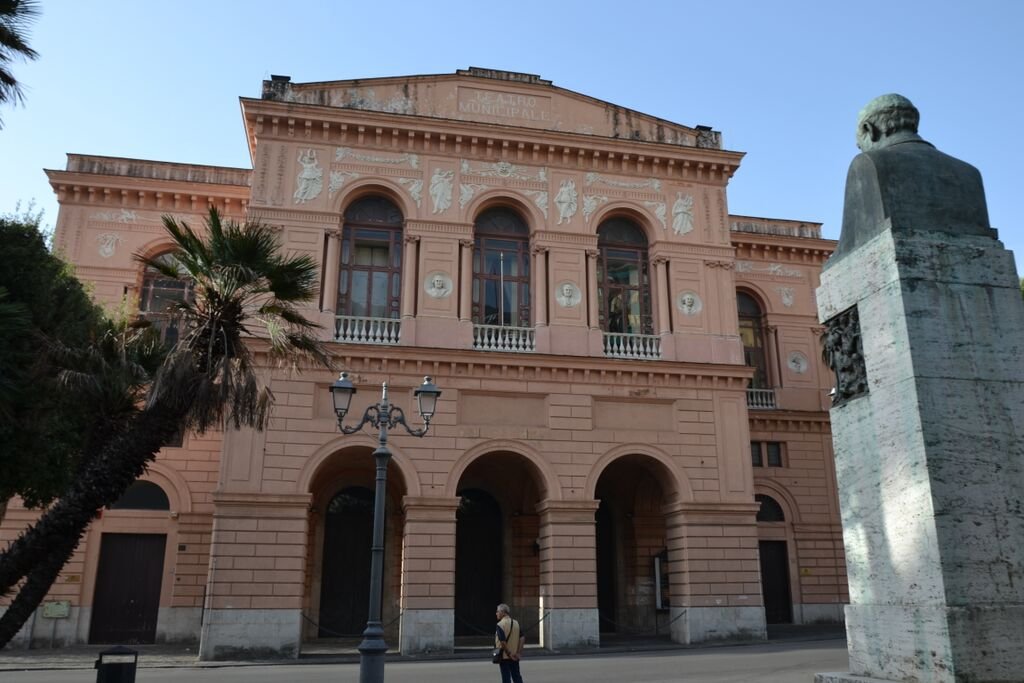 If you think Salerno is just the gateway to the Amalfi Coast, the Giuseppe Verdi Theatre will make you think again. This 19th-century jewel is right in the centre, just steps from the seafront, and seems like an elegant apparition among the alleys of the historic centre. Built in 1872, it has a neoclassical façade that wouldn't look out of place in a European capital, but it's the interior that takes your breath away: the horseshoe-shaped hall, with its four tiers of boxes decorated in gold and red velvet, transports you to another era. I like to think that, as you walk among those seats, you breathe the same air that artists like Eduardo De Filippo or Maria Callas breathed, who have graced this stage. It's not just a theatre for opera lovers – although, I must admit, the opera seasons are still an event today – but it hosts plays, concerts and ballets all year round. A fun fact? The ceiling frescoed with musical allegories is a masterpiece by Giovanni Ponticelli, and if you look up between acts, you'll feel like you're seeing the notes come to life. To visit, you can take advantage of the guided tours that are often organised on specific days, or – my heartfelt advice – get a ticket for a show. The acoustics are so perfect that even whispers resonate clearly. Personally, I find it one of those places where the atmosphere is more important than the event list: just sitting in the stalls, imagining the stories these walls have witnessed, is worth the trip. Be careful, though: always check the online calendar, because it sometimes closes for set-up. If that happens, don't despair – the façade illuminated in the evening, with its imposing portico, still makes for a postcard-perfect photo.
Giuseppe Verdi Theatre
Diocesan Museum San Matteo
- Largo Plebiscito, Salerno (SA)
- Open in Google Maps
- View on Google Images
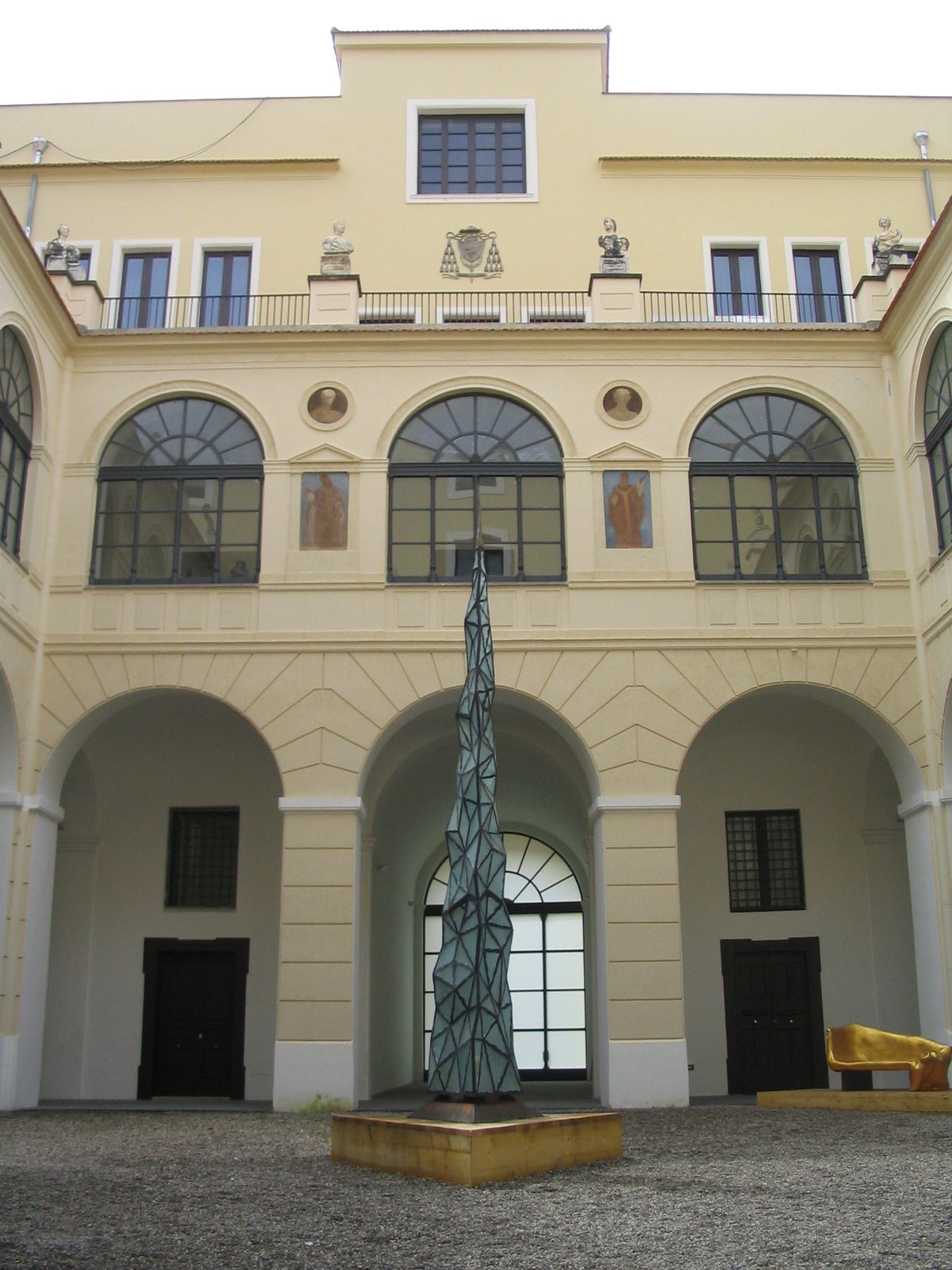 Finding the Diocesan Museum San Matteo is a bit like discovering a hidden gem. We're right in the historic center of Salerno, just steps from the Cathedral, yet the entrance on Largo Plebiscito could almost go unnoticed if you're not paying attention. But once you cross the threshold, you enter a world of sacred art that tells centuries of the city's religious and artistic history. The museum is housed in the archbishop's seminary, a building that in itself deserves a close look. The collection is truly remarkable: it preserves works ranging from the Middle Ages to the 18th century, with particular attention to local production. Personally, I was struck by the finely crafted medieval ivories and the painted panels from the 13th and 14th centuries that still seem to emit a special light. Then there's the section dedicated to sacred vestments, with chasubles and stoles embroidered with a skill that leaves you speechless. Wooden sculptures and reliquaries are also present, testimonies of ancient devotion. The highlight? Many point to the Exultet, a medieval parchment scroll with miniatures illustrating the Easter liturgy – it's one of those objects that makes you understand the value of what you're looking at. The display is modern and well-curated, with clear explanatory panels that help contextualize the works without weighing down the visit. The space isn't huge, so you can visit it calmly in an hour or a little more, making it perfect to include in a half-day itinerary in the center. A tip: take a look at the internal cloister too, a peaceful corner to take a break after admiring so much beauty.
Diocesan Museum San Matteo
Garden of Minerva
- Salerno (SA)
- https://www.giardinodellaminerva.it/
- Open in Google Maps
- View on Google Images
- info@giardinodellaminerva.it
- +39 089 252 423
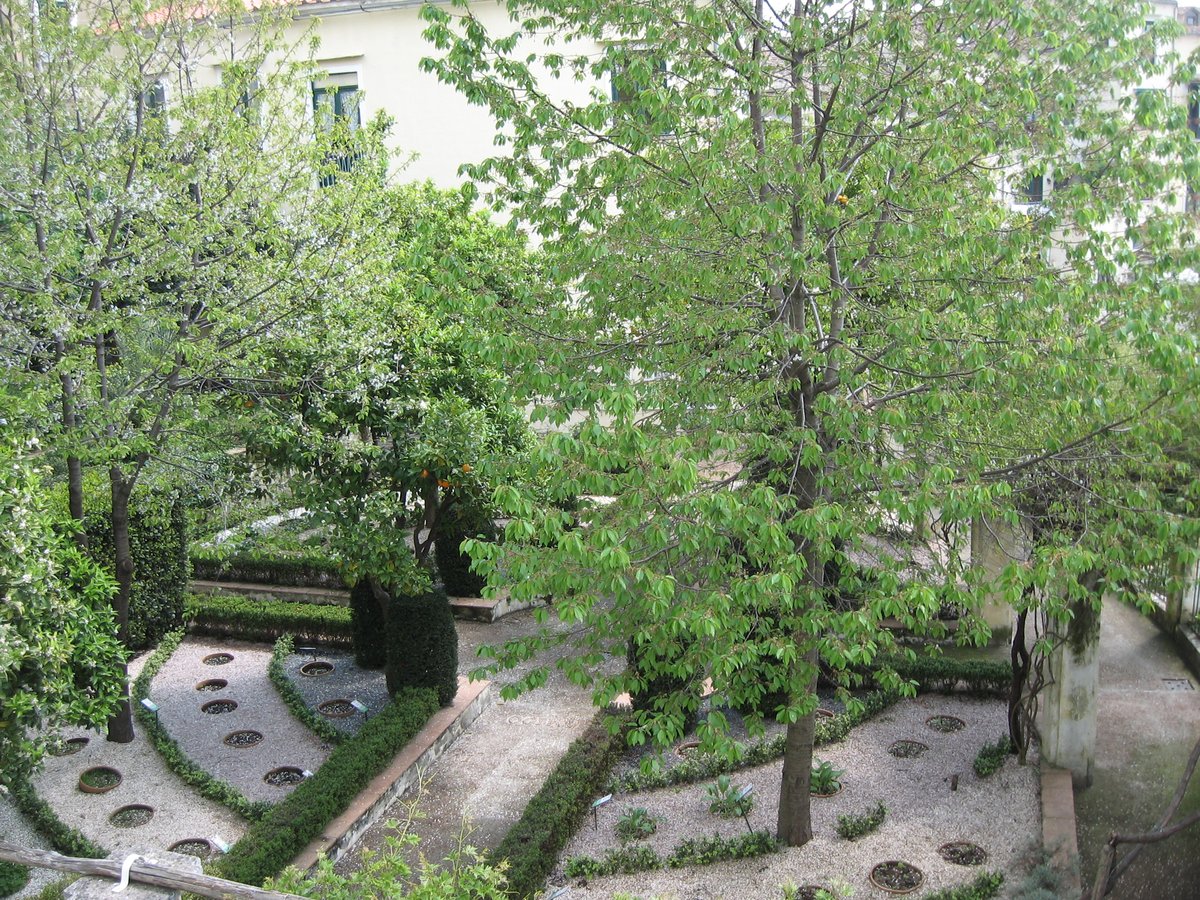 If you think Salerno is just sea and views, the Garden of Minerva will change your mind. This place is a small hidden gem in the historic center, right along the slopes of Bonadies hill. It's not just a garden: it's the oldest botanical garden in Europe, founded in the 14th century as a study site for the Salerno Medical School. Walking among the terraces, you'll feel like stepping back in time, when medieval doctors experimented with the healing properties of plants. The atmosphere is incredibly peaceful, almost suspended. You breathe different air here, far from the chaos of the main streets. What struck me most is the organization according to the system of the four humors - blood, phlegm, yellow bile, and black bile - which guided ancient medicine. Each plant has a label explaining its traditional use, from mallow for inflammation to sage for digestion. I'm not an expert on herbs, but reading these details fascinated me. The garden is structured on multiple levels connected by staircases and pergolas, with a partial view of the gulf that occasionally appears between the trees. There's also a small central fountain that adds a pleasant sound of water. It might not be the most spectacular place in Salerno, but it has a unique character. I recommend it especially to those seeking a refreshing break and a bit of culture away from the usual tourist circuits. Admission is charged, but the price is truly affordable for what it offers.
Garden of Minerva
Provincial Archaeological Museum
- Via San Benedetto 28, Salerno (SA)
- Open in Google Maps
- View on Google Images
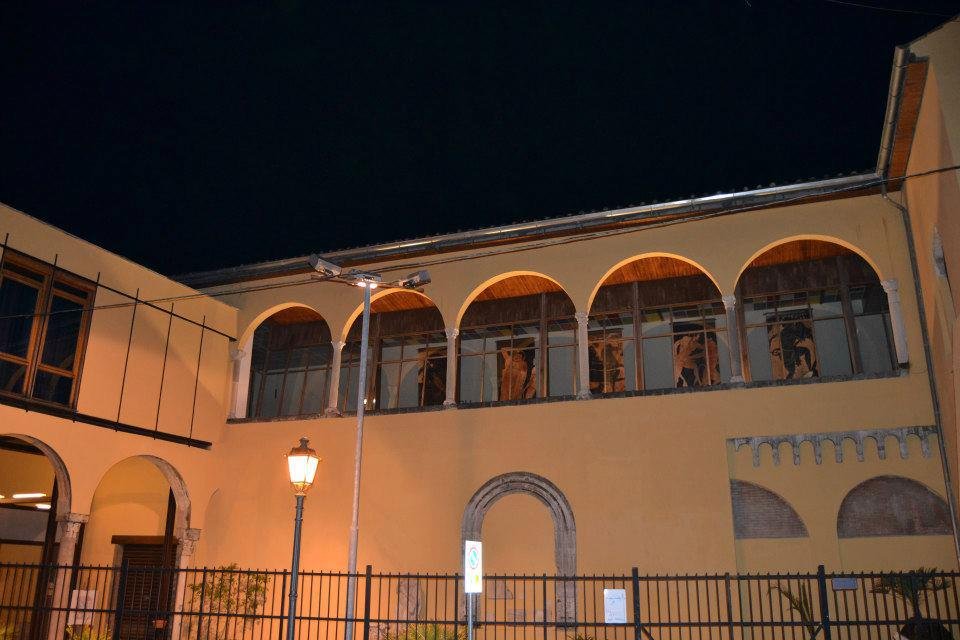 If you think Salerno is just the Amalfi Coast, prepare to change your mind. The Provincial Archaeological Museum, housed in the San Benedetto complex, is one of those surprises that completely redefines a city. Upon entering, you're greeted by an atmosphere suspended between the medieval building and the ancient stories it holds. The collection is a true journey back in time, starting from prehistoric artifacts up to the Roman era. But the heart of the museum, in my opinion, beats for two things. The first is the section dedicated to the Etruscans of Fratte, a little-known but incredibly rich settlement: seeing funeral objects and painted ceramics up close helps you understand how vibrant this area was long before the Romans. The second is the connection to the Salerno Medical School. It's not just about ancient books: here you'll find medieval surgical instruments that look like they came straight from a history of medicine textbook, and you realize how advanced Salerno was already a thousand years ago. The route is well organized, not too long, perfect for a leisurely two-hour visit. Personally, I loved the Roman mosaic room – some are remarkably well-preserved and the colors still surprise. A tip? Don't skip the inner cloister: between one artifact and another, it's strange to think that monks and students walked here centuries ago. Perhaps it's not Italy's most famous museum, but that's exactly what makes it special: you visit it calmly, without crowds, absorbing every detail.
Provincial Archaeological Museum
Palazzo Pinto
- Via dei Mercanti 63, Salerno (SA)
- Open in Google Maps
- View on Google Images
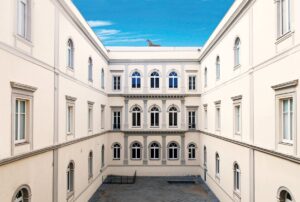
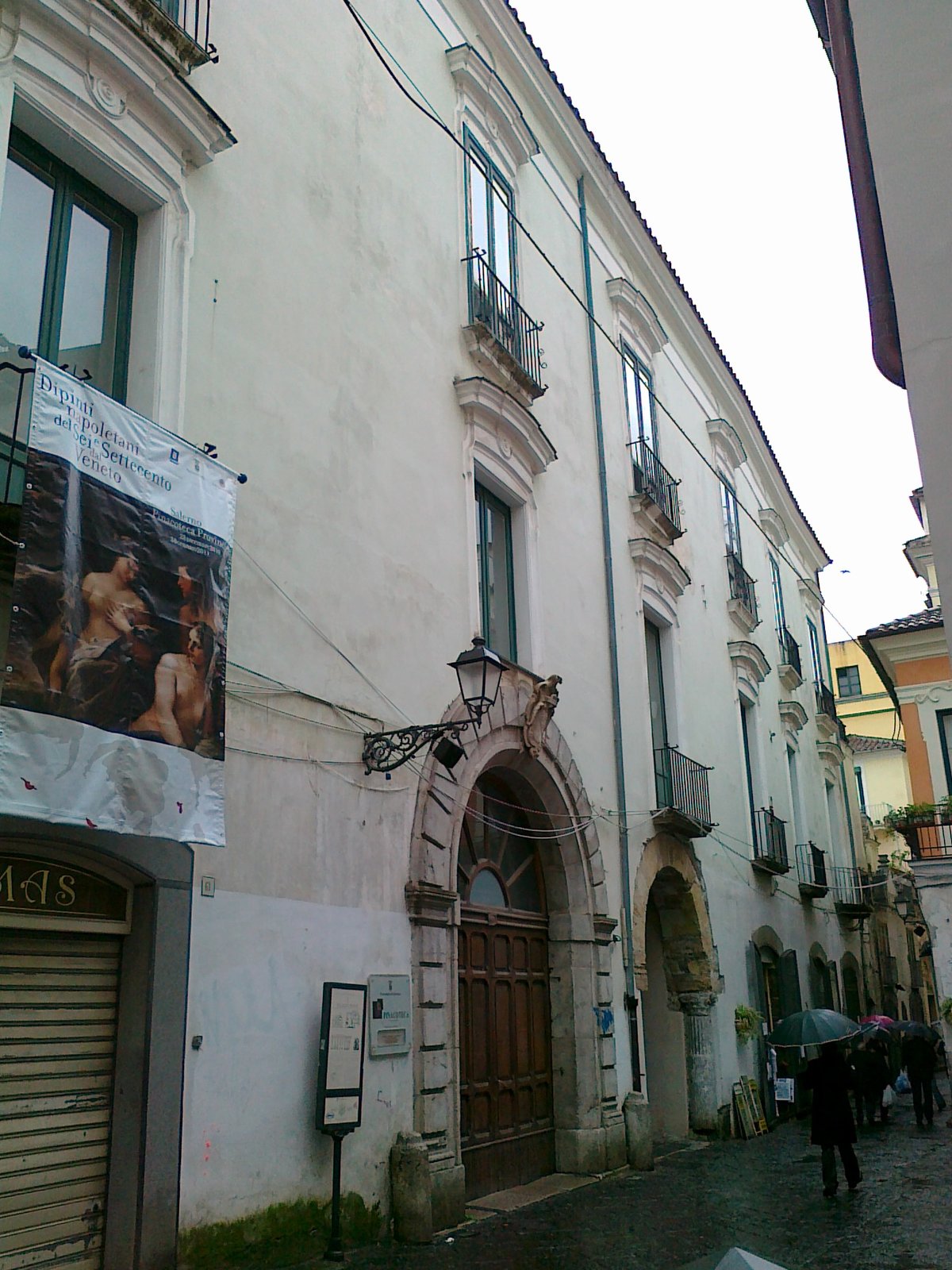 Palazzo Pinto is one of those surprises you least expect in Salerno's historic center. It feels almost like an island of tranquility, nestled among the lively alleyways. It's not a huge museum or a lavish church, but a Renaissance noble palace that lets you breathe in the city's history in an intimate way. The façade, with its piperno portal and biforate windows, is a beautiful sight. Upon entering, you're greeted by an inner courtyard with a cozy, almost private atmosphere. Today it houses the Provincial Art Gallery, but don't imagine vast, cold halls. Here, the works—mainly paintings from the Middle Ages to the 18th century—are displayed in spaces that still retain the flavor of a noble residence. I was struck by the collection of 14th and 15th-century panel paintings, with their intense-colored Madonnas and Saints. There's also a section dedicated to 17th-century Neapolitan art, with canvases that tell of an era of great ferment. In my opinion, the true value of Palazzo Pinto lies precisely in this: it's not just an art container, but a living place that allows you to see how Salerno's aristocracy lived. Sometimes you pass by it distractedly, caught up in the crowd of Via dei Mercanti, but it's worth stopping. It's a plunge into the discreet elegance of the Southern Renaissance, without too much rhetoric. Personally, I appreciated the contrast between the somewhat austere exterior and the well-kept interiors, where each room has its own identity. A tip: check the opening hours, as small art galleries sometimes have variations. If you love art without crowds, it's perfect.
Palazzo Pinto
The Landing Museum and Salerno as Capital
- Via Generale Clark 5, Salerno (SA)
- http://www.salerno1943-1944.com/
- Open in Google Maps
- View on Google Images
- info@salerno1943-1944.com
- +39 347 6412564
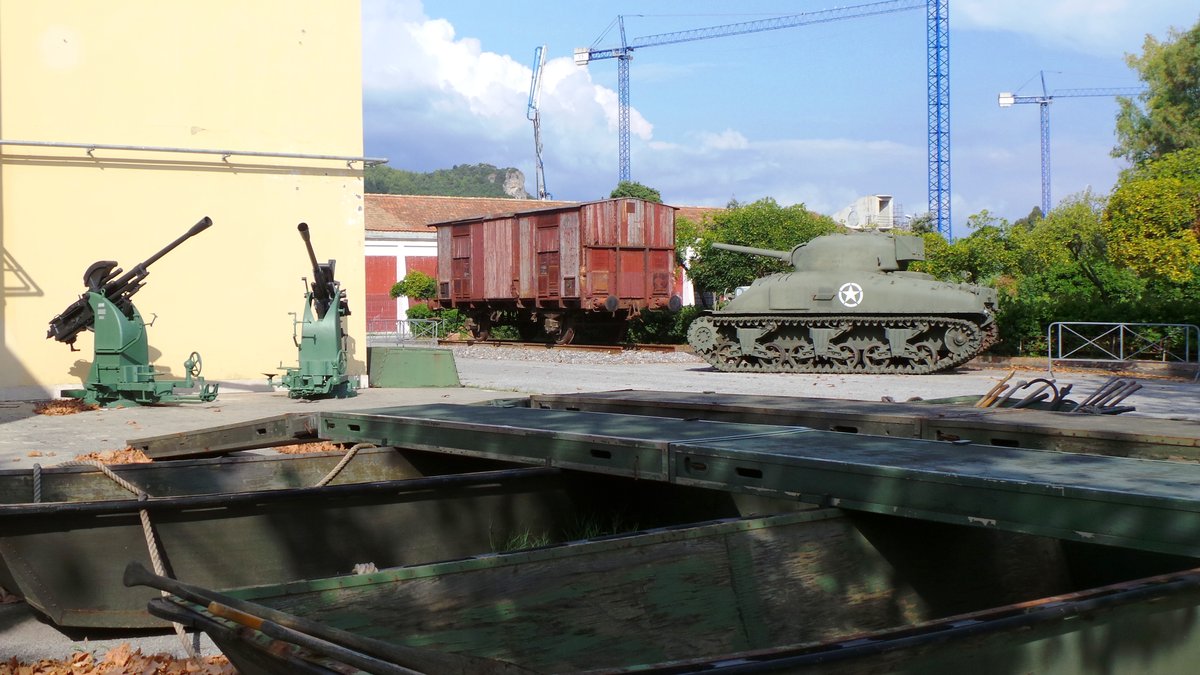 If you think Salerno is just the Amalfi Coast and the medieval historic center, this museum will change your mind. The Landing Museum and Salerno as Capital is one of those places that strikes you with its historical importance, often overlooked by more traditional tourist routes. It's located within the San Benedetto complex, a former convent that's worth a visit in itself. The atmosphere is unique: you move from silent cloisters to exhibition halls filled with memory. What impressed me the most? The detailed reconstruction of Operation Avalanche, the Allied landing in September 1943 that turned Salerno into Italy's capital for several crucial months. Don't expect just explanatory panels: here you'll find authentic relics, uniforms, period documents, and even an entire section dedicated to daily life during those hectic days. I found myself walking through reproductions of military positions, almost hearing the echoes of those moments. One room I won't forget is the one with black and white photographs of Salerno's residents witnessing the events - their expressions speak more than a thousand words. The museum has a modern approach, with multimedia supports that make the visit engaging even for those who aren't military history enthusiasts. Personally, I particularly appreciated the section on Salerno as Capital, that brief period when the city became the country's political center. When you leave, you're left with the awareness of having touched a piece of not just Italian but world history. A tip: dedicate at least an hour and a half to your visit, because there's a lot of content that deserves attention. It might not be the most cheerful place on your vacation, but it's certainly one of the most significant.
The Landing Museum and Salerno as Capital
Villa Comunale
- Salerno (SA)
- Open in Google Maps
- View on Google Images
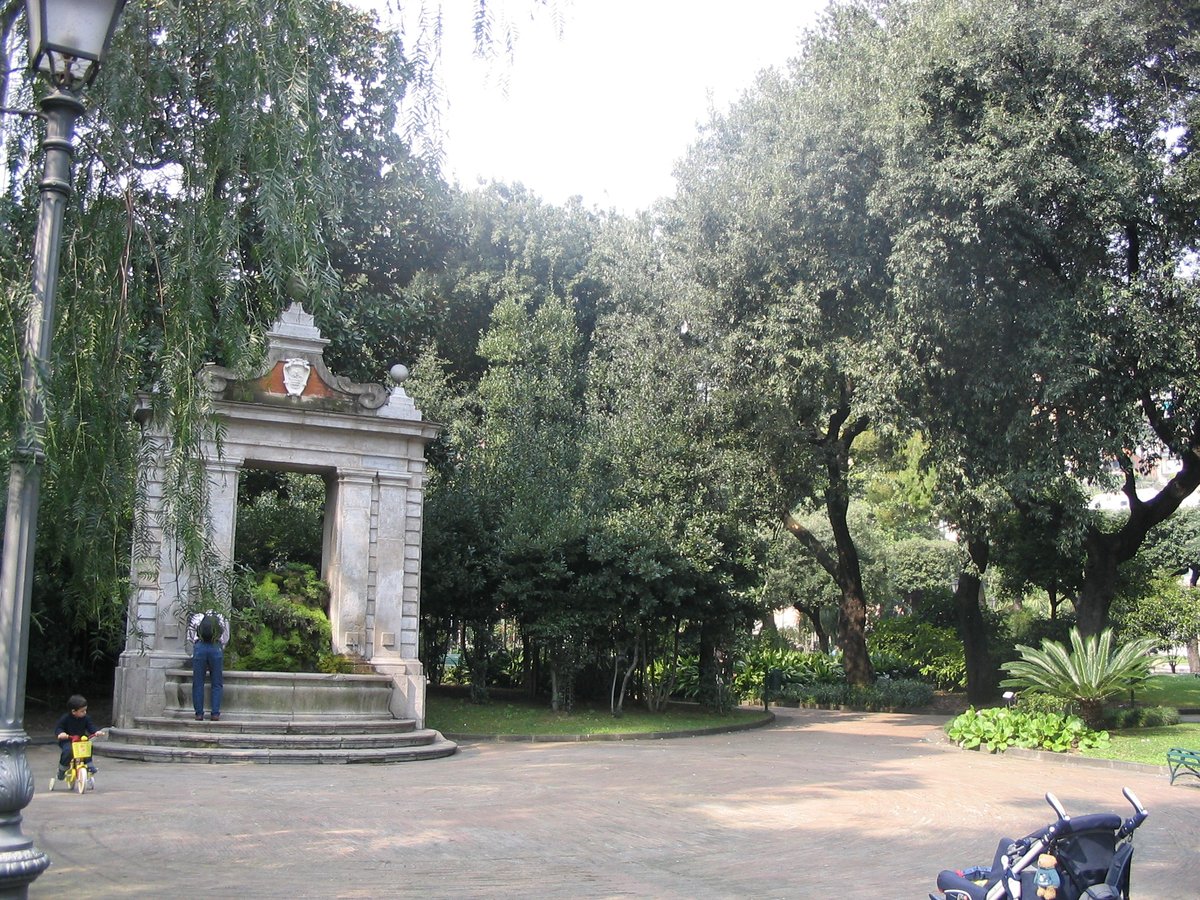 The Villa Comunale of Salerno is one of those places that immediately gives you a sense of the city's character. It's not just a public garden; it's an open-air living room where the people of Salerno gather for a stroll, to read a book in the shade of the palm trees, or simply to enjoy the sea breeze. Its location is enviable: it overlooks the Trieste seafront directly, with a wide-open view of the gulf that, on clear days, stretches all the way to the Amalfi Coast. Entering through the main gate on Corso Vittorio Emanuele, you're immediately struck by the atmosphere. There are well-kept flowerbeds, paved pathways, and wrought-iron benches that seem to come from another era. What surprised me the most? The Washingtonia palms, tall and majestic, creating an almost exotic effect. They're not ordinary plants: some are over a hundred years old, planted when the villa was created in the 19th century. Walking toward the sea, you come across the central fountain, often surrounded by children playing. It's a meeting point, especially in the late afternoon when families come out for their evening walk. In summer, the villa becomes even livelier: there are often temporary outdoor sculpture exhibitions and sometimes small concerts. Personally, I love sitting on one of the benches closest to the sea, especially at sunset. The light spreading over the gulf is something magical, and you understand why this place is so beloved by locals. It's not uncommon to see older people playing cards at the tables, students studying, and tourists taking photos of the panorama. A detail few notice? The commemorative plaques scattered throughout the park, which tell pieces of the city's history. There's also a children's play area, simple but always busy. The villa isn't huge, but it has that perfect balance between nature and architecture that makes it a special place. Perhaps it's not as spectacular a destination as the Duomo or the Castle of Arechi, but it's precisely this normality, this elegant everyday quality, that makes it authentic. When you visit Salerno, stop here for at least half an hour: breathe the air, observe the life flowing by, and you'll understand a more intimate side of the city.
Villa Comunale
Forte La Carnale
- Go to the page: Forte La Carnale Salerno: A Fortress with Breathtaking Views of the Amalfi Coast
- Giardini La Carnale, Salerno (SA)
- Open in Google Maps
- View on Google Images
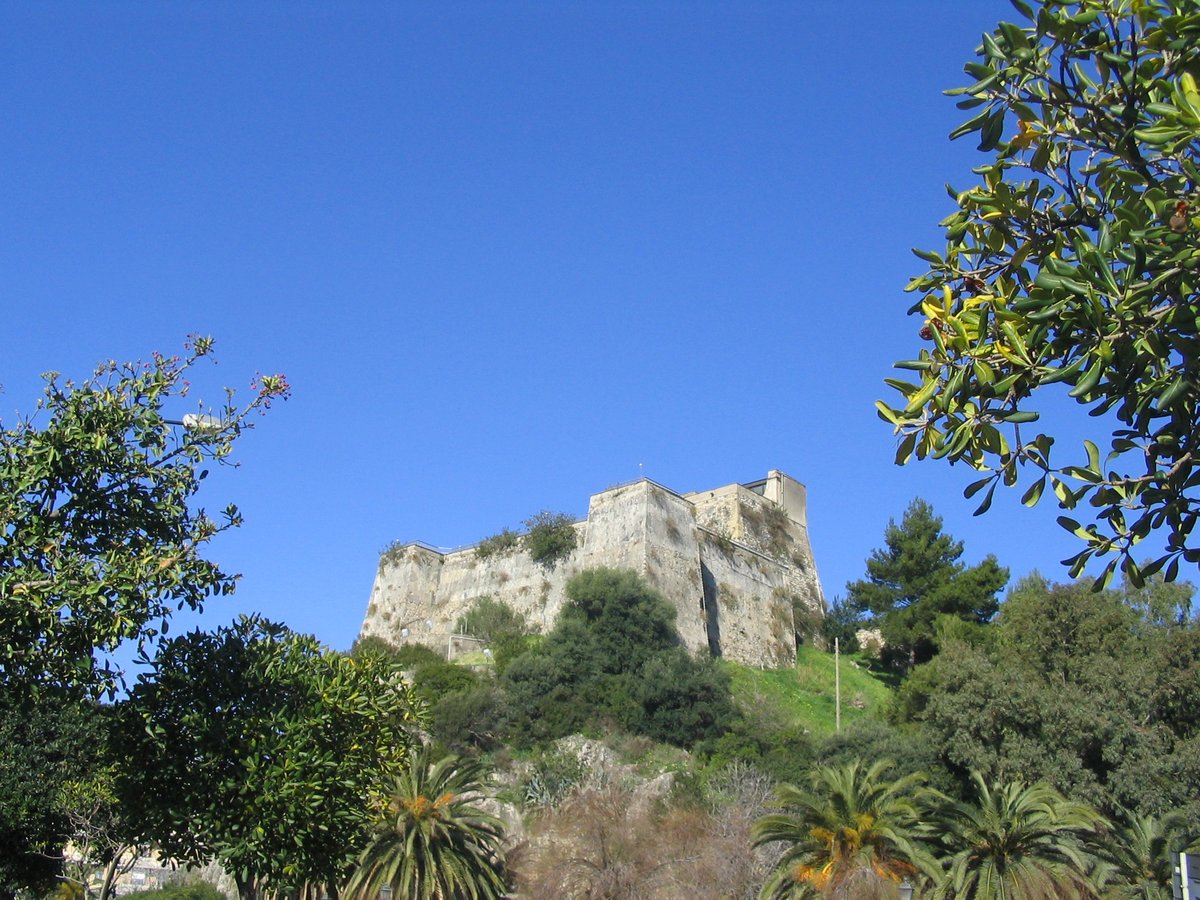 If you're looking for a viewpoint that will take your breath away, Forte La Carnale is the right place. This 16th-century bastion, built to defend the city from Saracen raids, is now a place of peace and beauty. It's located right on the seafront, just steps from the historic center, yet it feels like a world apart. Its position is incredible: it overlooks the entire Gulf of Salerno, with the city stretching out behind it and the open sea in front. In winter, when the wind blows strong, you understand why they call it 'La Carnale' – it seems to derive from 'carneale', referring to the cold winds that cut like blades. But on a beautiful sunny day, it's pure magic. The structure is simple, essential, with those thick walls that tell stories of sieges and battles. Today it hosts exhibitions and cultural events, but the real attraction is the terrace. Climb the stairs – there aren't many, nothing too demanding – and prepare for a spectacle. From here you can see everything: the port, the Amalfi Coast in the distance, boats coming and going. I was there at sunset, and the sky turned orange and pink, reflecting on the water. There's a special quietness, far from the chaos of the seafront below. One detail that struck me? The small loopholes in the walls, from which soldiers once watched the sea. Today they're perfect for framing photos. It's a place that unites history and nature, without too many frills. If you're passing through Salerno, don't miss it. Even just for those ten minutes of silence, with your gaze lost on the horizon.
Forte La Carnale
Mercatello Park
- Salerno (SA)
- Open in Google Maps
- View on Google Images
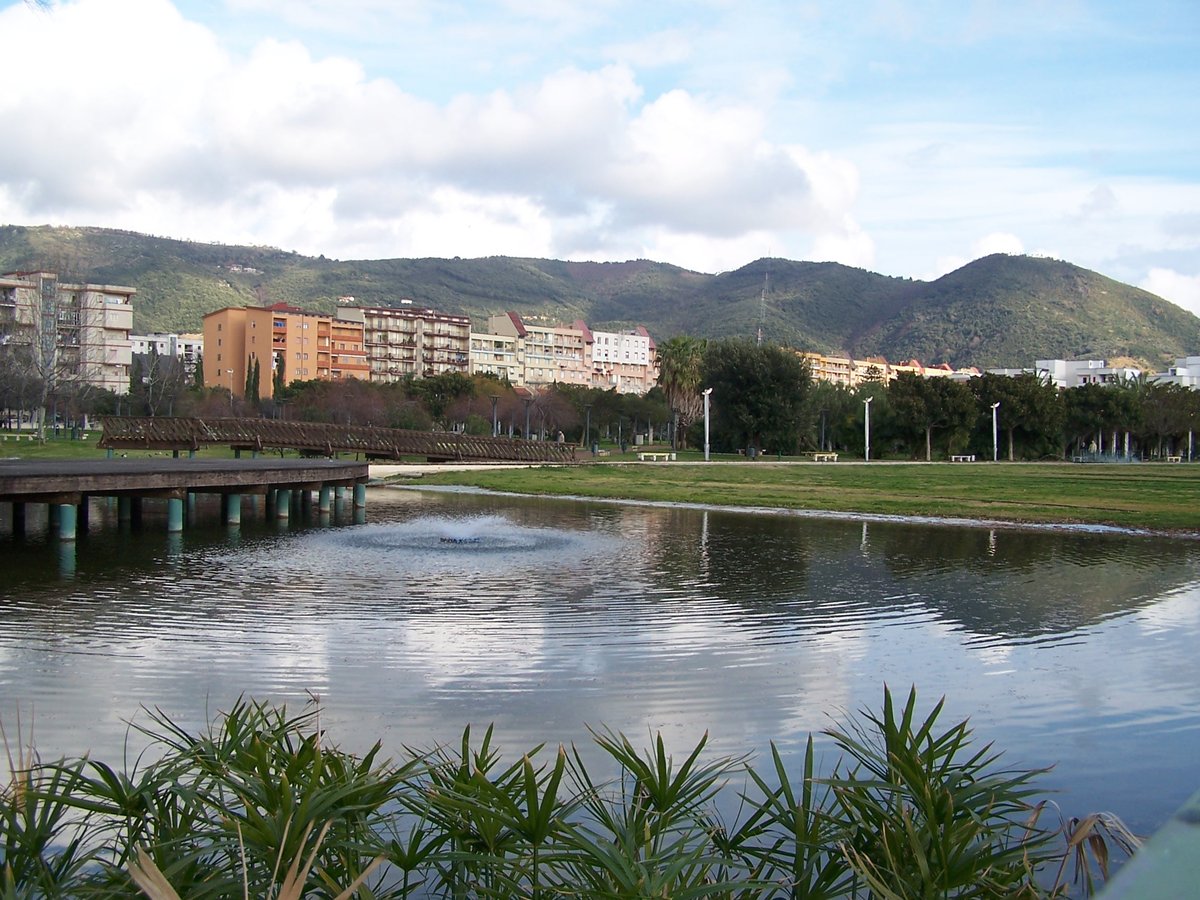 If you think Salerno is just historic center and sea views, Mercatello Park will surprise you. It's the largest urban park in the city, a green area of over 10 hectares that feels like a world apart from the medieval alleyways. They call it Salerno's 'green lung,' and for good reason: here you'll find vast lawns perfect for spreading out a blanket for a picnic, well-maintained pedestrian and cycling paths winding through flower beds and ancient trees. What strikes you immediately is the atmosphere: it's not a historic monumental park, but a modern, vibrant space designed for the community. There are equipped play areas for children of different ages, with colorful and safe structures, and families often spend entire afternoons here. For sports enthusiasts, there's an outdoor fitness trail with equipment and ample space for running or yoga. Personally, I love the central area with the large circular fountain: in summer, the water jets create a cool microclimate, and in the evening it lights up with playful illuminations. It's a place where Salerno residents come to relax, chat on a bench, or read a book in the shade. It may not have the ancient charm of the Garden of Minerva, but it has a contemporary soul that makes it special. Note: on weekends it can get crowded, especially in the morning when it fills with runners and families. If you're looking for tranquility, try visiting on a weekday. And don't forget to check out the modern sculptures scattered throughout the park, artworks that interact with the greenery in surprising ways.
Mercatello Park