
🧭 What to Expect
- Ideal for slow tourism and cultural trips away from the crowds.
- Highlights: Certosa di Pavia (Renaissance masterpiece), Visconteo Castle (home to the Civic Museums), Vigevano Castle (among the largest in Europe).
- Includes an interactive map with 15 places, from medieval castles to thematic museums.
- Combines art, history, and nature with quality food and wine.
Events nearby


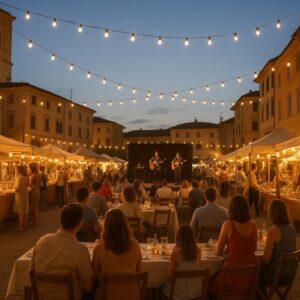
The Province of Pavia is a land rich in history and art, far from the most crowded tourist circuits. Here you'll find the majestic Certosa di Pavia, a masterpiece of Lombard Renaissance, and the Visconti Castle of Pavia, a ducal residence overlooking the historic center. The Oltrepò Pavese offers hilly landscapes dotted with castles like those of Zavattarello and Varzi, while Lomellina preserves ancient farming traditions. Vigevano, with its Piazza Ducale and Sforza Castle, is an unmissable stop. The Ticino and Po rivers mark the territory with natural areas perfect for excursions. A journey here means discovering an authentic Italy, made of good food, fine wines, and architecture that tells centuries of history.
Overview
- Certosa di Pavia
- Vigevano Castle
- Visconti Castle of Pavia
- Cathedral of Saint Stephen and Saint Mary of the Assumption
- Dal Verme Castle of Zavattarello
- Malaspina Castle of Varzi
- Scaldasole Castle
- MIC International Footwear Museum of Vigevano
- Bereguardo Castle
- Oramala Castle
- Civic Museums of Pavia
- Sartirana Castle
- Museum of Peasant Art and Tradition
- Sant'Alessio Nature Reserve
- Alagna Castle
Itineraries nearby
Certosa di Pavia
- Go to the page: Certosa di Pavia: Marble Facade, Cloisters, and Visconti Monument
- Via Monumento 4, Villanova de' Beretti (PV)
- https://www.certosadipavia.com/
- Open in Google Maps
- View on Google Images
- +39 0382 925613
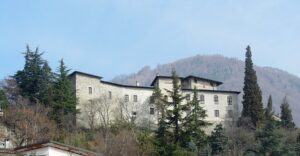
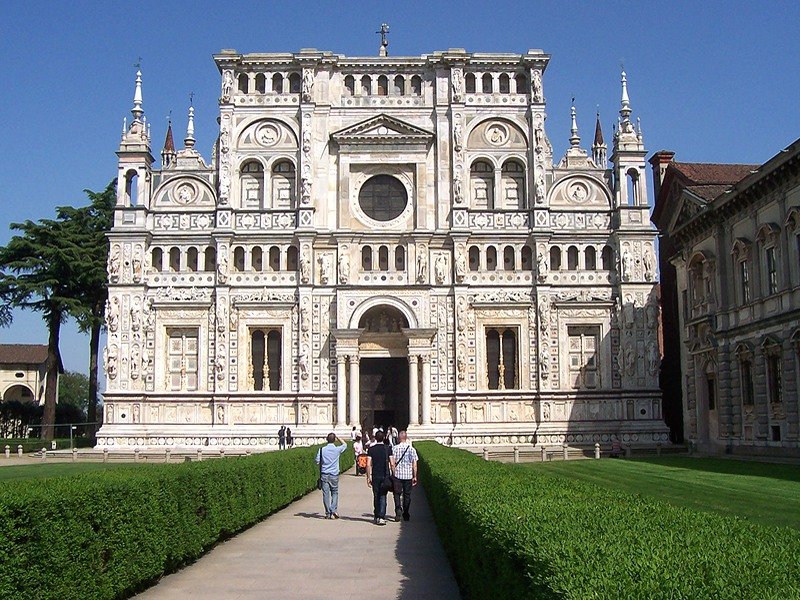 The Certosa di Pavia is one of those places that takes your breath away the moment you step through the entrance gate. Located in Villanova de' Beretti, just a few kilometers from Pavia, this majestic monastic complex is a masterpiece of Lombard Renaissance that perfectly blends architecture, art, and spirituality. Founded in 1396 by the will of Gian Galeazzo Visconti, the Certosa served as a dynastic mausoleum and a place of prayer for the Carthusian monks. Today, after the suppression of monastic orders, it is managed by Cistercian monks who preserve its atmosphere of contemplation. The exterior impresses with its Carrara marble façade, rich in sculptures and decorations depicting sacred and secular stories. Upon entering, you are welcomed by the Great Cloister, an oasis of peace with its central garden and the 24 monks' cells, each with a small private vegetable patch. The church, divided into a section for the faithful and one for the monks, houses masterpieces such as the Bergognone polyptych and the tombs of Ludovico il Moro and Beatrice d'Este. Don't miss the sacristy, with its inlaid cabinets from the 15th century, and the refectory, where the monks ate their meals in silence. The visit is a plunge into an era of great artistic fervor, and even if you're not an art enthusiast, you'll be captivated by the details and the history that breathe within these walls. Remember to check the opening hours, as some areas may only be accessible with a guided tour.
Certosa di Pavia
Vigevano Castle
- Strada coperta, Vigevano (PV)
- Open in Google Maps
- View on Google Images
 The Vigevano Castle is one of Europe's largest fortified complexes, covering over 70,000 square meters in the city's historic center. Built mainly between the 14th and 15th centuries at the behest of the Visconti family and later expanded by the Sforzas, this majestic castle blends medieval elements with Renaissance additions. Its imposing structure includes three main courtyards, towers, loggias, and the famous Ducal Stables, among the oldest in Italy. Strolling through the courtyards, you'll immediately notice the architectural harmony envisioned by Ludovico il Moro, who transformed the fortress into a noble residence. Don't miss the Bramante Tower, standing 75 meters tall, offering a breathtaking view of Piazza Ducale and Vigevano's rooftops from its summit. Inside, the spaces host temporary exhibitions and cultural events, while the stables tell the story of equestrian history with evocative displays and artifacts. The castle is easily accessible on foot from the center, and admission is free for most areas, with a small fee to climb the tower. I recommend setting aside at least an hour to explore the courtyards and accessible rooms, perhaps combining your visit with the nearby MIC - International Footwear Museum, which celebrates the city's shoemaking tradition.
Vigevano Castle
Visconti Castle of Pavia
- Go to the page: Visconti Castle of Pavia: 1360 Fortress with Civic Museums and Historic Gardens
- Viale Argonne, Pavia (PV)
- Open in Google Maps
- View on Google Images
 The Visconti Castle of Pavia is one of the most fascinating fortresses in Lombardy, built in 1360 at the behest of Galeazzo II Visconti. Located in the historic center, just steps from the University, this majestic red-brick building dominates Piazza Castello with its corner towers and vast internal courtyard. Today it houses the Civic Museums of Pavia, where you can admire collections of archaeology, sculpture, and painting, including masterpieces by Antonello da Messina and Vincenzo Foppa. Don't miss the section dedicated to the Pavia Renaissance, with artifacts that tell the story of court life and the battles of the era. The castle was also the residence of Ludovico il Moro and Beatrice d'Este, and its halls preserve original frescoes and decorations. Outside, the Visconti Park—once a hunting reserve—invites a pleasant stroll among ancient trees. It's an ideal place for those who love history without sacrificing architectural beauty. I recommend checking opening hours on the official website, especially for temporary exhibitions that often enrich the experience.
Visconti Castle
Cathedral of Saint Stephen and Saint Mary of the Assumption
- Go to the page: Pavia Cathedral: Octagonal Dome and Works by Perugino and Bergognone
- Piazza Cavagneria, Pavia (PV)
- Open in Google Maps
- View on Google Images
 The Cathedral of Saint Stephen and Saint Mary of the Assumption dominates Pavia's historic center with its imposing octagonal dome, one of the largest in Italy after St. Peter's in Rome. Upon entering, you'll be struck by the brightness of the interiors and the harmony of Renaissance forms, the result of designs by great architects like Bramante and Amadeo. The cathedral stands on the site of two previous churches, a detail that tells centuries of Pavia's religious history. Don't miss the crypt, where relics of local saints are preserved and a serene atmosphere invites contemplation. The façade, though unfinished, clearly shows the evolution of style from Gothic to Renaissance, with decorations that deserve a close look. Inside, seek out the precious 14th-century wooden crucifix and the frescoes that adorned the side chapels. Admission is free, but check the opening hours as access may be limited during services. I recommend climbing to the panoramic terrace (when accessible) for a unique view over Pavia's rooftops and the Ticino River. It's a place where art, faith, and history merge, perfect for a refreshing stop during your exploration of the city.
Cathedral of Saint Stephen and Saint Mary of the Assumption
Dal Verme Castle of Zavattarello
- Via Dal Verme, Zavattarello (PV)
- Open in Google Maps
- View on Google Images
 The Dal Verme Castle in Zavattarello is one of the best-preserved medieval gems of Oltrepò Pavese. Perched on a rocky spur at 600 meters above sea level, it overlooks the village below and offers breathtaking views of the surrounding valleys. Built between the 10th and 14th centuries, the castle takes its name from the powerful Dal Verme family, who owned it for centuries. The structure is an exceptional example of military architecture, with walls up to 4 meters thick, crenellated towers, and an imposing keep that towers over the landscape. Inside, visitors can explore the noble halls, prisons, and chapel, where 15th-century frescoes are preserved. Particularly evocative is the weapons hall, featuring a collection of period armor and swords. The castle is also known for its themed guided tours, which recount stories of battles, intrigues, and legends, such as that of the ghost of Pietro Dal Verme. Throughout the year, it hosts events like historical reenactments, concerts, and art exhibitions. For those visiting Zavattarello, the castle is a must-see: it can be reached on foot with a short climb from the village, and admission includes access to the internal museum. I recommend checking the opening hours on the official website, especially during the off-season.
Dal Verme Castle
Malaspina Castle of Varzi
- Vicolo alla Torre, Varzi (PV)
- Open in Google Maps
- View on Google Images
 The Malaspina Castle dominates the medieval village of Varzi from above, offering an authentic glimpse into the feudal life of the Oltrepò Pavese. Built in the 12th century by the powerful Malaspina family, the fortress has preserved its defensive structure intact, with crenellated towers and mighty walls that tell centuries of battles and dominations. Today, the castle is open to visitors and hosts cultural events, exhibitions, and historical reenactments that bring its spaces to life. The panoramic view over the Staffora Valley from the top of the towers is breathtaking, especially at sunset, when warm colors envelop the surrounding hills. Inside, you can admire frescoed halls, period furnishings, and a private chapel, testaments to the luxury and power of the Malaspina family. For those visiting Varzi, the castle is a must-see: not only for its architectural beauty but also for the opportunity to immerse yourself in local history. It is advisable to check opening hours in advance, as visits are often guided and subject to seasonal variations. If you love ancient villages and well-preserved fortresses, Malaspina Castle will not disappoint your expectations.
Malaspina Castle
Scaldasole Castle
- Piazza castello, Scaldasole (PV)
- Open in Google Maps
- View on Google Images
 The Scaldasole Castle is one of the best-preserved medieval gems in the province of Pavia, an imposing fortress that stands out in the landscape of the lower plain with its four corner towers. Built between the 10th and 14th centuries, this manor has maintained its original defensive structure intact, with a moat and drawbridge still visible. Its distinguishing feature is the double curtain wall, a rare example of military architecture that testifies to the strategic importance of the site. Inside, visitors can admire the 14th-century frescoes in the private chapel and the evocative courtyards that tell centuries of Visconti and Sforza history. Today the castle is partially visitable during events and exhibitions, offering visitors the opportunity to immerse themselves in the medieval atmosphere. The commanding position over the surrounding countryside provides unique photographic glimpses, especially at sunset when the towers stand out against the sky. For those visiting Lomellina, it's an unmissable stop to understand the evolution of fortified architecture in Lombardy.
Scaldasole Castle
MIC International Footwear Museum of Vigevano
- Piazza Ducale, Vigevano (PV)
- https://www.museocalzaturavigevano.it/it/
- Open in Google Maps
- View on Google Images
- info@museocalzaturavigevano.it
- +39 0381 693952
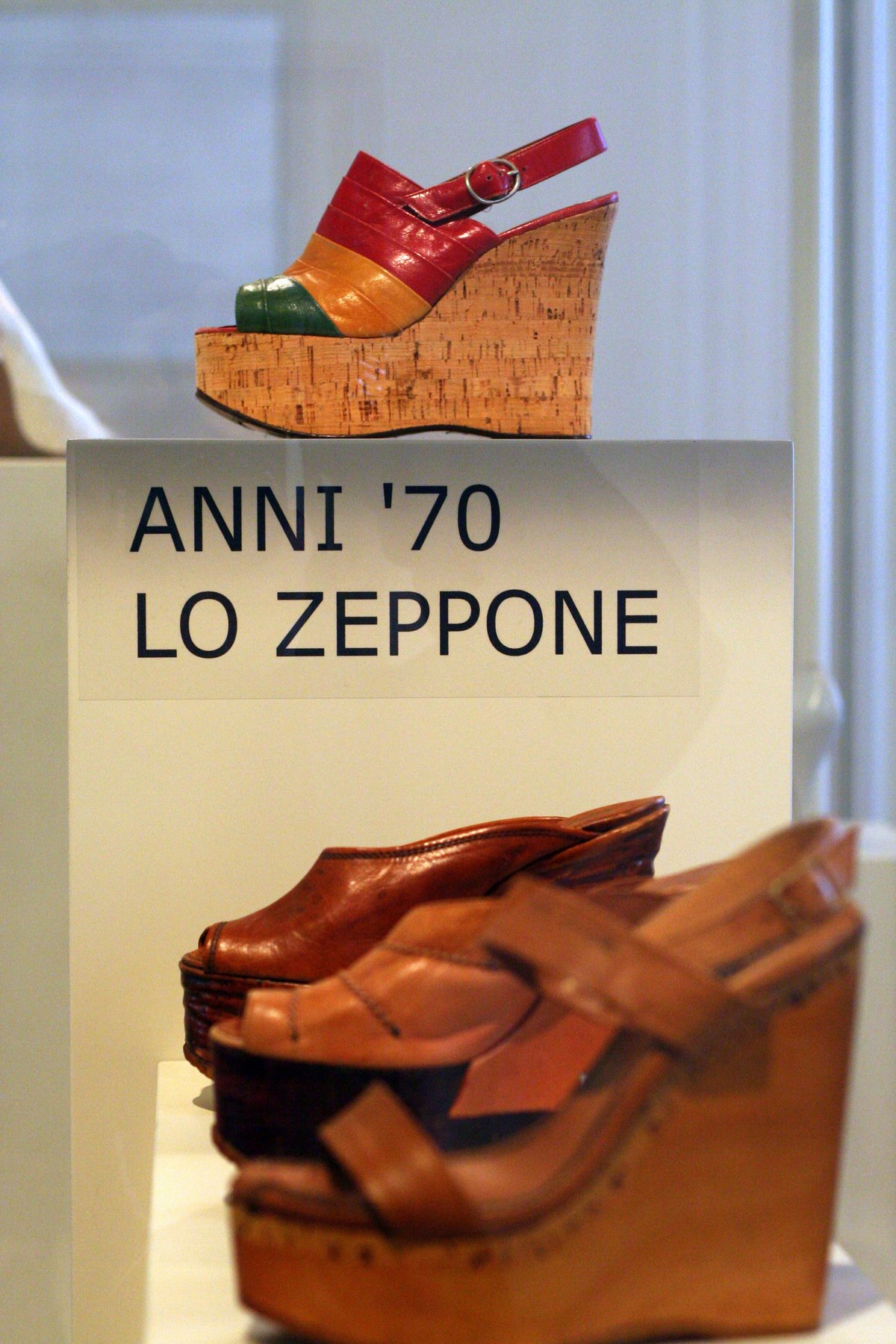 If you're in Vigevano, the MIC International Footwear Museum is an unmissable stop. Located within the Sforza Castle, this unique museum in Italy takes you on a journey through the evolution of shoes, from their origins to the present day. The permanent collection includes over 500 models ranging from ancient Roman and medieval footwear to contemporary designs by stylists such as Salvatore Ferragamo and Christian Louboutin. Don't miss the section dedicated to famous personalities' shoes, including those of Maria Callas and some Italian cinema divas. The museum also hosts extensive documentation on the Vigevanese shoemaking tradition, with vintage machinery and work tools that tell the story of the shoemaker's craft. For an interactive experience, try the multimedia stations that explain production techniques. The MIC is easily reachable on foot from the historic center and offers guided tours by reservation. I recommend checking the opening hours on the official website, especially on holidays. If you love fashion and craftsmanship, this museum will give you a new perspective on an everyday object.
MIC International Footwear Museum
Bereguardo Castle
- Via Castello, Bereguardo (PV)
- Open in Google Maps
- View on Google Images
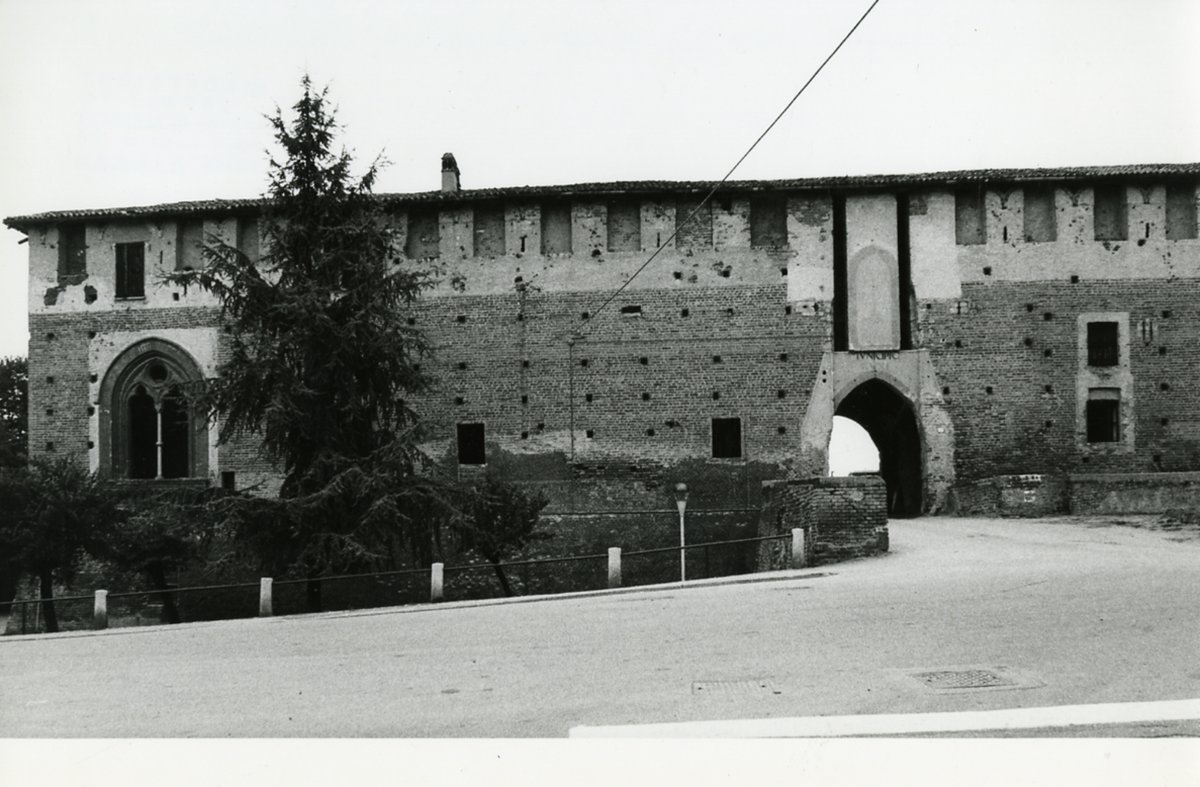 The Bereguardo Castle is an imposing medieval structure that rises in the heart of Lomellina, built in the 14th century by order of Galeazzo II Visconti. Its strategic position, on a hill overlooking the surrounding plain, makes it a visual landmark for anyone venturing into this area of the Pavia province. The fortress features a quadrangular layout with corner towers and a central keep, typical elements of Visconti military architecture. Inside, visitors can admire frescoed halls and monumental fireplaces that tell centuries of history, while the inner courtyard preserves traces of ancient loggias. Today, the castle often hosts cultural events, exhibitions, and weddings, thanks to its evocative and well-preserved spaces. The visit also allows you to discover the original drawbridge, still functional, and enjoy a panoramic view of the Pavia countryside. For history lovers, it's a unique opportunity to immerse yourself in the atmosphere of Lombard medieval times, away from the more crowded tourist routes. I recommend checking opening hours in advance, as visits are sometimes tied to special events.
Bereguardo Castle
Oramala Castle
- SP155, Val di Nizza (PV)
- Open in Google Maps
- View on Google Images
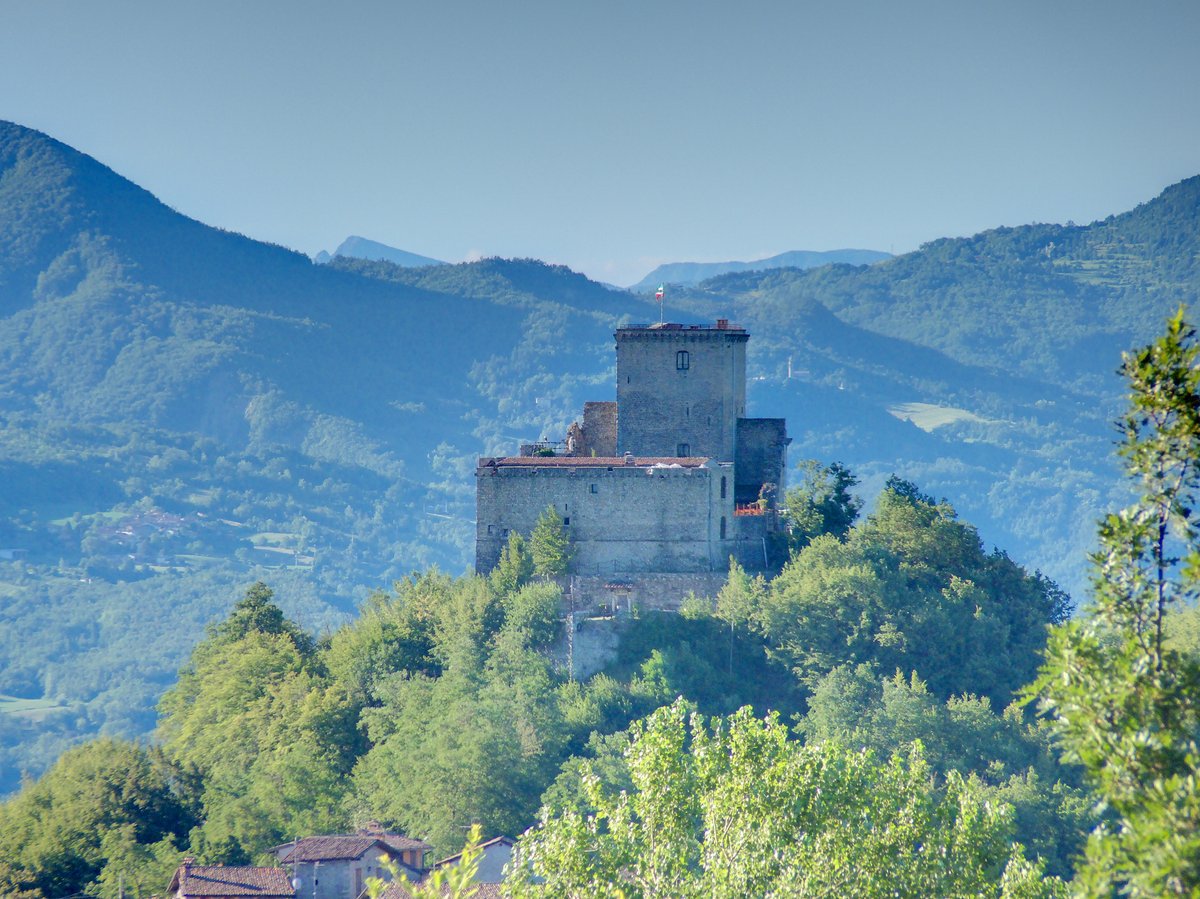 The Oramala Castle stands majestically on a rocky spur at 600 meters above sea level, offering a breathtaking panoramic view of the surrounding valleys. This 10th-century manor, once belonging to the powerful Malaspina family, preserves the medieval atmosphere intact with its massive walls and square tower. The uniqueness of Oramala lies in its strategic position along the ancient Salt Road, which connected the Po Valley to the Ligurian Sea. Inside, you can admire the evocative courtyards and historic halls, while outside the ancient village of Val di Nizza completes the picture of an authentic journey back in time. The castle is visitable during special events and organized openings, often accompanied by historical reenactments in period costumes. I recommend always checking the visiting schedule on the official website before planning your trip. For photography enthusiasts, the best time is sunset, when the warm light illuminates the ancient stones creating spectacular plays of shadows. Don't forget to explore the surrounding trails that wind through chestnut woods, offering ever-changing views of the manor.
Oramala Castle
Civic Museums of Pavia
- Viale XI Febbraio 35, Pavia (PV)
- http://www.museicivici.pavia.it/musei.html
- Open in Google Maps
- View on Google Images
- museicivici@comune.pv.it
- +39 0382 399770
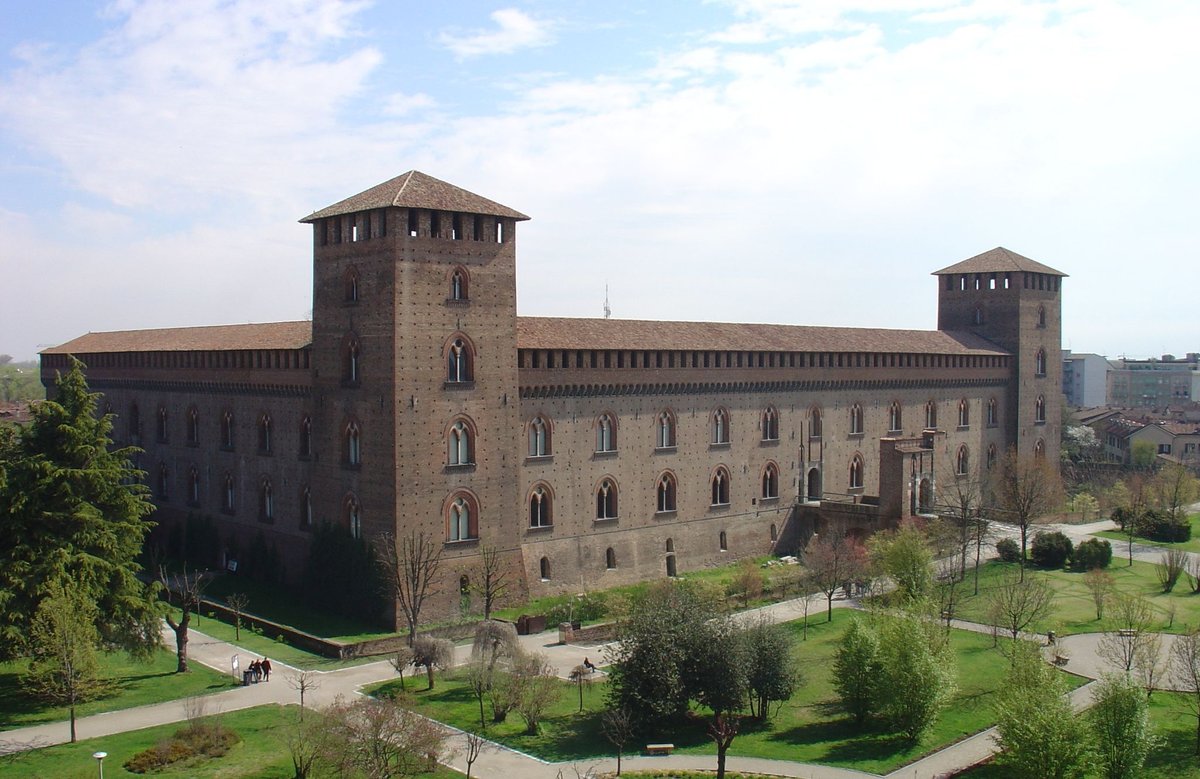 The Civic Museums of Pavia are a true cultural gem located within the Visconti Castle, a historic building that alone deserves a visit. The museum is organized into several sections: the Malaspina Picture Gallery houses works by artists such as Vincenzo Foppa and Bernardino Luini, with paintings ranging from the Middle Ages to the Renaissance. The archaeological section is equally rich, with artifacts that tell the story of Pavia from Roman times to the Middle Ages, including mosaics and sculptures. Don't miss the collection of Romanesque sculptures from the Basilica of San Michele, a unique example of Lombard art. The museum route is well-organized and accessible, with clear explanatory panels that guide visitors through the centuries. I recommend dedicating at least a couple of hours to fully appreciate the collections, perhaps starting with the picture gallery before moving on to the archaeological rooms. The museum is particularly suitable for those who love art and history, but also for families with curious children. Remember that the entrance ticket includes access to the castle and its courtyards, a great opportunity to combine culture and architecture. If you visit Pavia, the Civic Museums are a must-see stop to understand the identity of this city.
Civic Museums of Pavia
Sartirana Castle
- Piazza Ludovico da Breme, Sartirana Lomellina (PV)
- http://www.sartiranaarte.it/
- Open in Google Maps
- View on Google Images
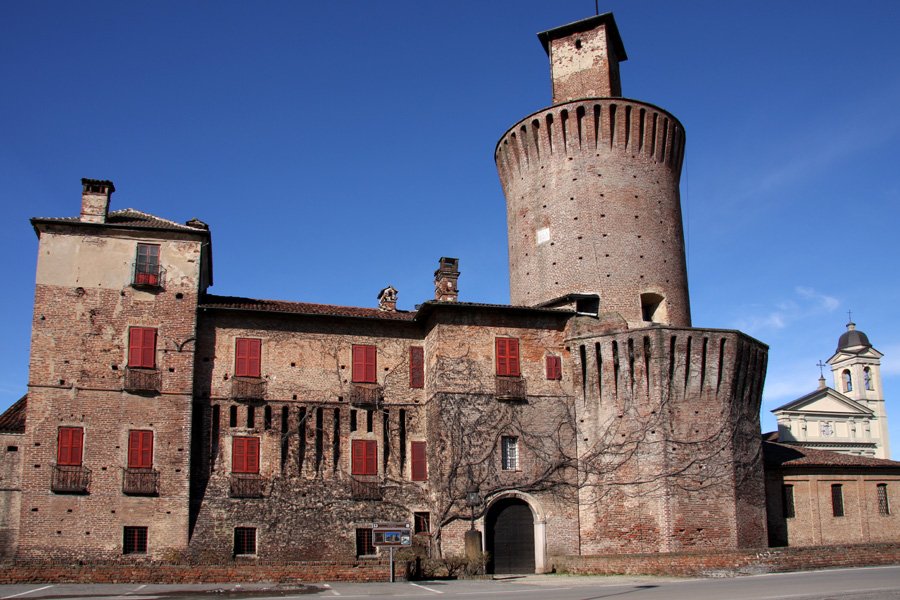 The Sartirana Castle is one of the most fascinating monuments in the province of Pavia, located in the heart of Lomellina. Built in the 14th century by order of Galeazzo II Visconti, this imposing fortress has maintained its original structure intact despite the centuries. Its strategic position, on the border between the Duchy of Milan and Monferrato, made it an important military outpost for centuries. Today, the castle features its square tower and crenellated walls that dominate the surrounding landscape, creating a striking contrast with the vast rice fields that encircle it. Inside, the rooms have been skillfully restored and host temporary exhibitions and cultural events. Particularly interesting is the noble chapel, where you can admire frescoes dating back to the 15th century. The inner courtyard, with its central well and brick arches, offers an atmosphere of times gone by. During your visit, don't miss the opportunity to climb the walls to enjoy a panoramic view of the Lombard countryside. The castle is open to the public year-round and represents an unmissable stop for those wanting to discover the history and medieval architecture of the area.
Sartirana Castle
Museum of Peasant Art and Tradition
- Via Cesare Battisti, Olevano di Lomellina (PV)
- Open in Google Maps
- View on Google Images
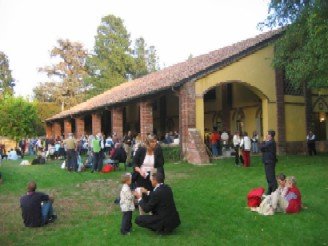 If you're looking for an authentic place that tells the real story of Lomellina, the Museum of Peasant Art and Tradition in Olevano is the right choice. Housed in a former elementary school, this museum welcomes you with a rich and well-organized collection of objects that testify to the peasant life of the area. Don't expect just farming tools: here you'll find rice processing machines, spinning tools, and even a faithful reconstruction of an old-fashioned classroom. Each piece is accompanied by clear captions explaining its use, making the visit accessible to everyone. The museum is run with passion by local volunteers, who are often available to share anecdotes and curiosities. It's an experience that helps you understand how field work has shaped the identity of this area. The section dedicated to weaving is particularly interesting, with looms and tools showing how fabrics were produced before industrialization. The museum is small but rich in meaning, perfect for a one-hour visit. I recommend paying attention to the historical documents and photographs on display, which tell stories of families and communities. If you're traveling with children, they'll appreciate everyday objects like old-fashioned toys. The museum is a hidden gem worth discovering to understand the roots of Lomellina.
Museum of Peasant Art and Tradition
Sant'Alessio Nature Reserve
- Sant'Alessio con Vialone (PV)
- https://www.oasisantalessio.it
- Open in Google Maps
- View on Google Images
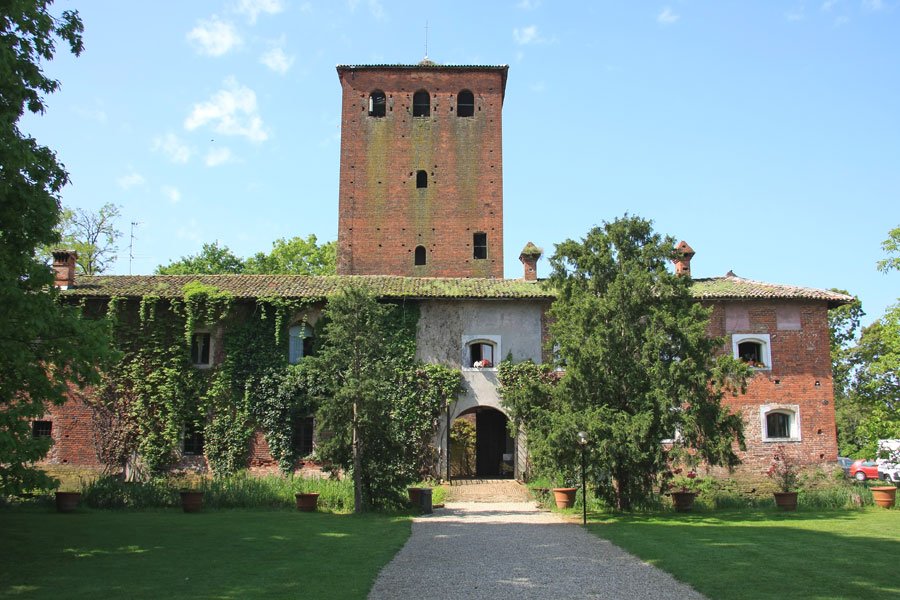 If you're looking for an immersive nature experience without traveling long distances, the Sant'Alessio Nature Reserve is the perfect answer. Located in the municipality of Sant'Alessio con Vialone, this reserve spans approximately 10 hectares and is managed by a local association dedicated to biodiversity conservation. The artificially created wetland attracts numerous bird species, making it a birdwatcher's paradise. Here you can spot grey herons, little egrets, black-winged stilts, and with a bit of luck, even the kingfisher. Well-marked trails guide you through ponds, reed beds, and wet meadows, offering camouflaged observation points to avoid disturbing the wildlife. The reserve is particularly active in breeding endangered species, such as the European pond turtle, and organizes guided tours for schools and groups. Bring your binoculars and camera: the shots you'll capture here will be unforgettable. Remember to book your visit in advance, especially on weekends, to avoid queues. There's an entrance fee, but it's modest and directly contributes to the area's maintenance.
Sant'Alessio Nature Reserve
Alagna Castle
- Corso Vittorio Veneto, Alagna (PV)
- Open in Google Maps
- View on Google Images
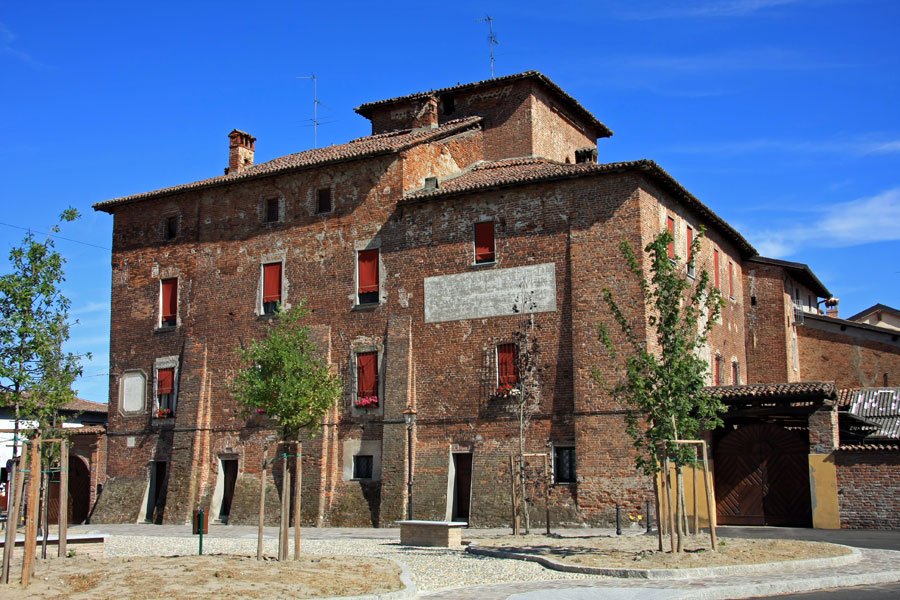 The Castello di Alagna is one of those places that surprises you with its authenticity. Located in the heart of Lomellina in the Pavia area, this manor dating back to the 14th century rises majestically among the rice fields, creating a fascinating contrast between medieval architecture and rural landscape. The structure, privately owned but visitable on special occasions, preserves its original features intact: the crenellated towers, the perimeter walls in brick, and the moat that once protected it. Walking around the castle, you immediately notice the harmony with the surrounding territory, where the waters of the rice fields reflect the image of the ancient walls. The interior, when accessible, reveals frescoed halls and monumental fireplaces that tell centuries of local history. Particularly interesting is the family chapel, a small jewel of sacred art still used for private celebrations. The castle dominates the small village of Alagna, offering unique photographic views especially at dawn and sunset, when the warm light enhances the colors of the brick. To visit it, it's essential to check for events organized by the Municipality or local cultural associations, which periodically open the manor's doors with themed guided tours. A practical tip: combine the visit with a walk through Alagna's historic center, where you'll find other well-preserved historic buildings and typical Lombard courtyards.
Alagna Castle