
Pescina Castle is a perfectly preserved medieval fortress, built in the 13th century to control the ancient Lake Fucino. Its commanding position provides a breathtaking view of the valley and surrounding mountains, while the square tower and perimeter walls recount centuries of Marsican history.
- 25-meter-high square tower with panoramic views over the former Lake Fucino and the Marsican mountains
- Free access and always open, no reservation required
- Perfectly preserved medieval perimeter walls, up to 2 meters thick
- Strategic location that controlled routes between Rome and the Adriatic
Events nearby



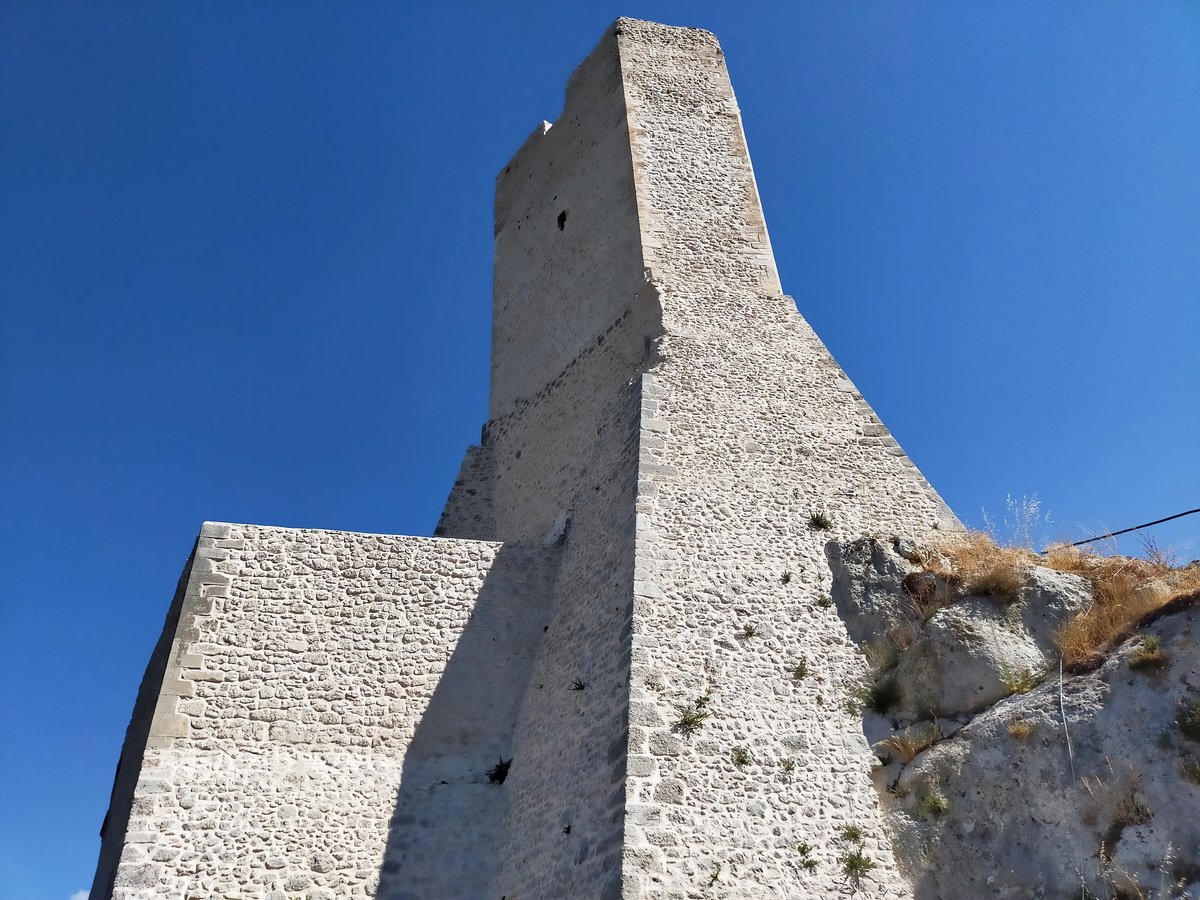
Pescina Castle, a 13th-century fortress with a 25-meter-high square tower, offers free access and a unique panorama of the Fucino valley and Marsican mountains. Ideal to visit at sunset.
- Salita Vittoriano Esposito, L’Aquila (AQ)
- Open in Google Maps
- View on Google Images Castello di Pescina a L’Aquila
Good to know
Introduction
The Castle of Pescina welcomes you with its square tower standing out against the sky, dominating the Fucino valley. It’s not just a medieval fortress, but a privileged observation point over what was once Italy’s third largest lake. As you climb the paved path, you feel the weight of history in the stones worn by time. The view stretches from the mountains of Abruzzo to the remains of the ancient lake, creating a contrast that tells centuries of transformations. This is no ordinary castle: it’s the living testimony of how humans have shaped the territory, fighting against nature and winning. The sensation is that of walking through layers of time, with every stone having a story to tell.
Historical Overview
Pescina Castle originated as a defensive stronghold in the 13th century, a period of great ferment in medieval Abruzzo. It initially belonged to the Counts of Marsi family, later passing under Angevin dominion. The 1915 Marsica earthquake severely damaged the structure, but the conservation restoration in the 1990s preserved the original layout. The perimeter walls still bear marks of battles between local factions, while the tower maintains its original function as a lookout.
- 13th century: construction as a defensive fortress
- Angevin period: expansion of structures
- 1915: damage from the Marsica earthquake
- 1990s: conservation restoration
The Square Tower
The Square Tower is the beating heart of the castle, standing approximately 25 meters tall and perfectly preserved. Climbing the internal stone staircase leads to the summit, where sentinels once monitored the entire valley. Today, the panoramic view encompasses the former Lake Fucino, reclaimed in the 19th century, and the mountains of Abruzzo National Park. Ghibelline battlements characterize the structure, typical of medieval Abruzzese military architecture. Inside, the narrow arrow slits allowed for archery, while the wider windows were opened in a later period. The solidity of the construction demonstrates the skill of the Marsican master masons.
The Perimeter Walls
The perimeter walls of the castle enclose an area of approximately 2000 square meters, with thicknesses reaching up to 2 meters at the most vulnerable points. Walking along the perimeter, you can observe the different construction styles: from the original squared local stone to the Renaissance-era brick renovations. The curtain walls still show traces of the patrol walkway, while the smaller corner towers were used to control access points. Particularly interesting is the batter system at the base, designed to withstand sieges. The walls tell centuries of defensive adaptations, from when the Fucino was still a lake.
Why Visit It
Visit Pescina Castle for three compelling reasons. First: the unique panoramic view over the former Fucino Lake allows you to understand the transformation of the Marsican territory. Second: access is free and always open, with no need for reservations. Third: the commanding position over the valley offers spectacular photographs especially at sunrise and sunset, when the grazing light enhances the textures of the ancient stones. It’s an experience that combines history, landscape, and the freedom of exploration.
When to Go
The best time to visit the castle is during the autumn sunset, when the warm colors of the sun enhance the local stone and the surrounding mountains turn red. During this season, the air is crisp, allowing views all the way to the Gran Sasso. Avoid the midday hours on summer days, when the scorching sun makes the ascent less pleasant. The first light of morning is ideal for photography without crowds, capturing the most authentic atmosphere of the place.
In the Surroundings
Complete your visit with two nearby experiences. In Pescina, the Ignazio Silone House Museum preserves the memory of the writer who narrated these lands. A short distance away, the Roman ruins of Alba Fucens offer a plunge into antiquity with the perfectly preserved theater and baths. Both sites enrich the understanding of the Marsican territory, showing historical continuity from prehistory to the present day.
Itineraries nearby


💡 Did You Know…?
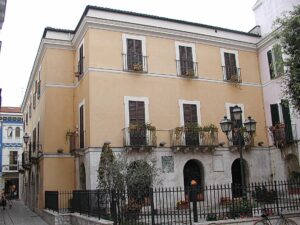
The castle is linked to the figure of Ignazio Silone, a writer and anti-fascist born in Pescina, who often mentioned these walls in his works. During restoration work, Roman-era artifacts emerged, testifying to how this hill was inhabited even before the Middle Ages. Legend has it that a secret passage connected the castle to the town center, used by the lords to escape in case of danger.