
The Sestola Fortress, located in Poggioraso, is a perfectly preserved medieval stronghold offering a unique blend of history and nature. It’s reached via a short walk from the village through a path in the chestnut woods. The site is free and accessible in every season, ideal for families and history enthusiasts.
- 360-degree panorama stretching from Mount Cimone to the Po Valley
- Three medieval towers, including the Mastio Tower with spectacular views
- Well-preserved perimeter wall walkways
- Original rainwater collection system still visible
Events nearby
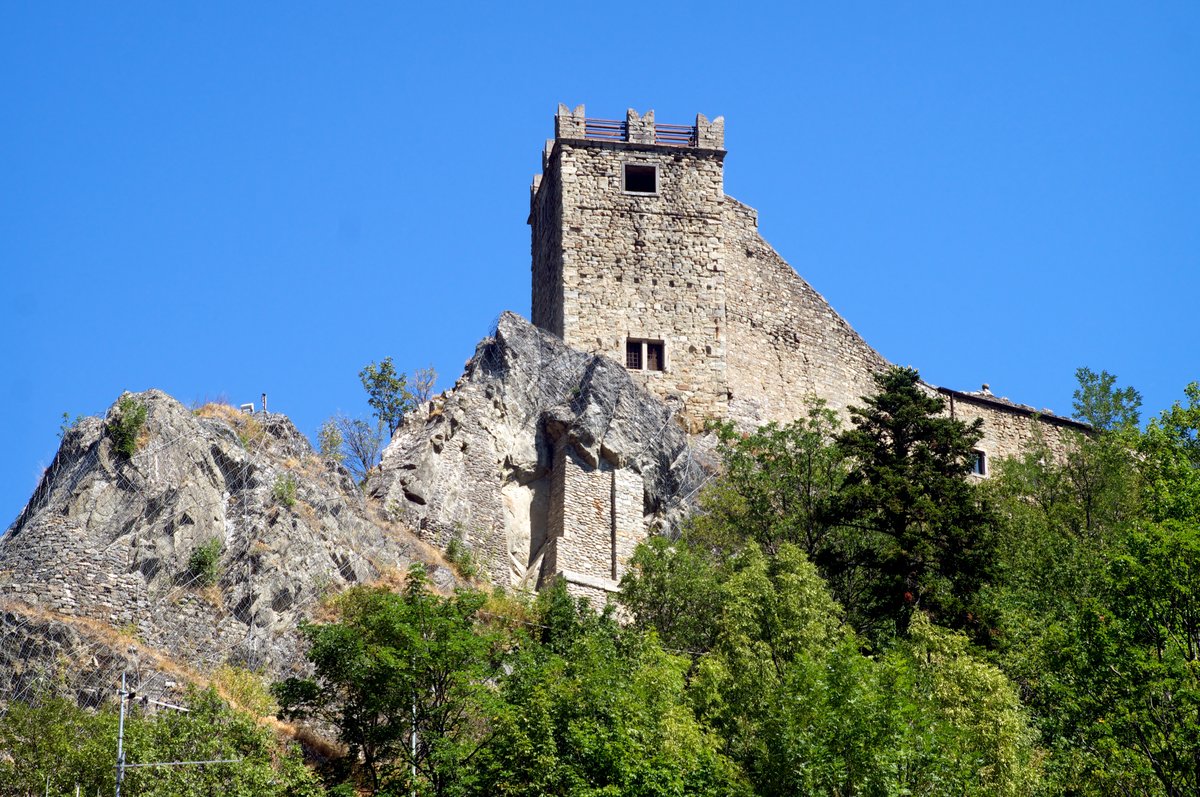
12th-13th century fortress at 1,020 meters, featuring well-preserved towers, walkways, and panoramic views from the Apuan Alps to the Po Valley. Free and open access year-round.
- Via della Rocca 12, Modena (MO)
- Open in Google Maps
- View on Google Images Rocca di Sestola a Modena
Good to know
Introduction
Arriving at the Rocca di Sestola is like stepping back in time, with its imposing walls towering over Poggioraso at 1,020 meters above sea level. The fortress dominates the Modenese Apennines with a 360-degree view stretching from the peaks of Monte Cimone to the gentler hills. It’s not just a ruin: it’s a living place where history blends with the landscape. Climbing up to the fortress offers a unique emotion, especially when the fog envelops the valleys and only the towers emerge from the white blanket. The silence here is broken only by the wind and the sound of bells from the villages below. The strategic position of the fortress is evident at a glance: it controlled the communication routes between the plains and Tuscany, and even today, it’s clear why it was so contested. The walkway along the walls allows you to admire a breathtaking panorama, with the roofs of Poggioraso looking like a nativity scene at its feet. Visiting this place means touching centuries of history, but also enjoying a rare quiet, far from the chaos of the cities.
Historical Overview
The Rocca di Sestola has ancient origins: the first evidence dates back to the 11th century, when the Counts of Panico had it built to control the Scoltenna Valley. In 1227, it came under the dominion of Modena, becoming a crucial outpost in the struggles between Guelphs and Ghibellines. In the 15th century, the Este family strengthened it with new fortifications, transforming it into a true military citadel. During the Renaissance, it also hosted illustrious figures such as the poet Matteo Maria Boiardo, who found inspiration here for some of his works. The fortress lost its strategic importance in the 18th century but remained a symbol of power until the unification of Italy. Today, after careful restoration, it preserves its towers and part of the walls intact, telling centuries of battles and dominations.
- 11th century: first fortifications by the Counts of Panico
- 1227: comes under Modena
- 15th century: strengthening by the Este family
- 19th century: military decline
- Today: restored and visitable site
The Towers and Walkways
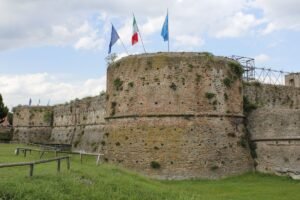
The fortress is characterized by three main towers: the Mastio Tower, the tallest, offering a spectacular view of the entire Apennines; the Levante Tower, partially collapsed but still evocative; and the Ponente Tower, better preserved, with original arrow slits still visible. The walkways along the walls are accessible for most of their length and allow visitors to imagine the life of the guarding soldiers. Particularly fascinating is the rainwater collection system, with cisterns carved into the rock that ensured self-sufficiency during sieges. Inside the mastio, the holes for the floor beams are still noticeable, while in the lower rooms, the remains of kitchens and storerooms are visible. Climbing the Mastio Tower requires some attention due to the irregular steps, but the reward is a panorama stretching from the Apuan Alps to Mount Cusna. At night, the towers are illuminated, creating a magical effect against the starry sky.
The View of the Apennines
From the Rocca di Sestola, you can enjoy one of the most extensive views of the Modenese Apennines. On clear days, the gaze stretches from Monte Cimone (2165 m) to Libro Aperto, all the way to the hills of Zocca and Pavullo. To the east, the first plains come into view, while to the west the mountains become more rugged, towards the Passo del Lupo. The best time is at sunset, when the sun tinges the peaks pink and shadows stretch across the valleys. In winter, with snow, the landscape becomes magical, while in spring the flowering meadows contrast with the gray of the stones. Particularly evocative is the play of clouds that often forms between the valleys, creating a sea of fog from which only the highest peaks emerge. Photographers will find unique angles, especially from the western terrace, where the afternoon light enhances the volumes of the towers. The silence, broken only by the rustle of the wind, completes an immersive experience in nature.
Why Visit
Visiting Rocca di Sestola is worthwhile for three concrete reasons. First, free accessibility makes it a democratic destination suitable for all budgets. Second, the unique combination of history and nature: it’s not just a monument, but a balcony overlooking the Apennines, where you understand the strategic importance of these places. Third, the possibility of combining the visit with a hike on the surrounding trails, such as the one leading to Monte Spicchio, offering a complete day blending culture and outdoor activities. Plus, the fortress is rarely crowded even on weekends, providing an authentic experience away from mass tourism. Children enjoy exploring the towers, while history enthusiasts find clear and well-maintained explanatory panels. Finally, the proximity to Poggioraso allows you to conclude your visit with a stop at one of the area’s characteristic mountain huts, sampling local products.
When to Go
The ideal time to visit Rocca di Sestola is late spring or early autumn, when long days and mild weather allow you to fully enjoy the panoramic views. In summer, it’s best to arrive early in the morning or late afternoon to avoid the hottest hours and the haze that often obscures the scenery. In winter, with snow covering the landscape, the view is magical, but it’s essential to check road accessibility and wear appropriate footwear. The most enchanting moment remains sunset, when the sun dips behind the mountains and golden light envelops the towers, creating unforgettable atmospheres. In every season, it’s worth checking the forecast: a clear day offers views stretching to the plains, while with low clouds, the fortress emerges like an island in the sky.
In the Surroundings
Two nearby locations complete the experience around Rocca di Sestola. The first is the Sanctuary of Madonna del Ponte in Pievepelago, a Baroque gem nestled in the woods, featuring 18th-century frescoes and an atmosphere of peace. The second is Lago della Ninfa, an artificial reservoir reachable via an easy walk, perfect for a picnic with mountain views. Both fit seamlessly into a day dedicated to exploring the Modenese Apennines, adding spirituality and relaxation to the historical visit of the fortress.
Itineraries nearby

💡 Did You Know…?
Legend has it that during the siege of 1390, defenders held out for weeks thanks to a secret passage connecting the fortress to the village cellars. Today, the entrance to this tunnel can still be glimpsed, hidden among the ruins. Locals say that on full moon nights, the footsteps of sentinels can still be heard along the walls.