
🧭 What to Expect
- Ideal for history enthusiasts and hiking lovers, with medieval castles and Apennine landscapes.
- Highlights: Matildic heritage, authentic villages, typical food and wine such as Felina salami.
- Offers unique cultural experiences, from the Don Camillo and Peppone Museum to Renaissance palaces.
- Includes mapped stops for a complete itinerary between art, nature and tradition.
Events nearby
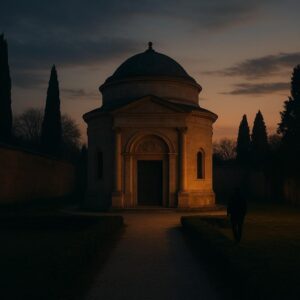
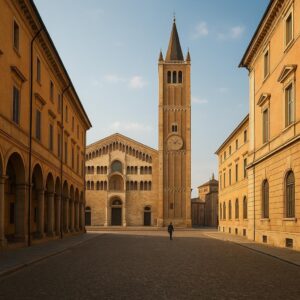
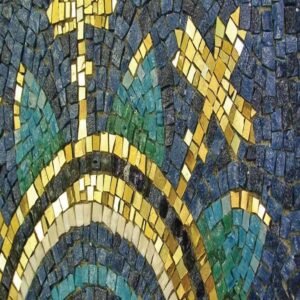
The Province of Reggio Emilia is a territory that surprises with its variety: from the imposing medieval fortresses dominating the hills to historic villages rich in history, passing through symbolic places of Emilian culture. Here you breathe the authentic atmosphere of the land of Matilda of Canossa, with castles that tell centuries of battles and dominations. The capital, Reggio Emilia, offers elegant squares and interesting museums, while the Reggio Apennines enchant with breathtaking landscapes like the Pietra di Bismantova, a unique cliff of its kind. The province is also a land of good food, with specialties like Felina salami and products of Emilian tradition. For art lovers, there are prestigious collections and historic theaters that animate the local cultural life.
Overview
Itineraries nearby

Canossa Castle
- Go to the page: Canossa Castle: Medieval Ruins and the Humiliation of Henry IV in 1077
- Via Canossa, Canossa (RE)
- http://www.castellodicanossa.com
- Open in Google Maps
- View on Google Images
- info@castellodicanossa.com
- +39 0522 877104
 The Castello di Canossa is not just a picturesque ruin perched on the first hills of Reggio Emilia, but a place that marked European history. Here in 1077, Emperor Henry IV waited for three days and three nights in the snow, kneeling before Pope Gregory VII to obtain the revocation of his excommunication. Today, mainly the imposing perimeter walls and the foundations of the towers remain of the castle, but its charm is intact. The strategic position on a sandstone spur offers you a breathtaking panorama over the Enza Valley and the Apennines. Inside the complex, you'll find the 'Naborre Campanini' National Museum, which collects local archaeological finds and reconstructs life in medieval Emilia. Don't miss the Chapel of Sant'Apollonio, with traces of Romanesque frescoes. The climb to the castle is a short walk among the calanchi, typical clay formations of the area. The site is perfect for a half-day visit, perhaps combined with lunch at one of Canossa's trattorias that serve tortelli with greens and other traditional dishes from Reggio Emilia.
Bismantova Stone
- Castelnovo ne' Monti (RE)
- Open in Google Maps
- View on Google Images
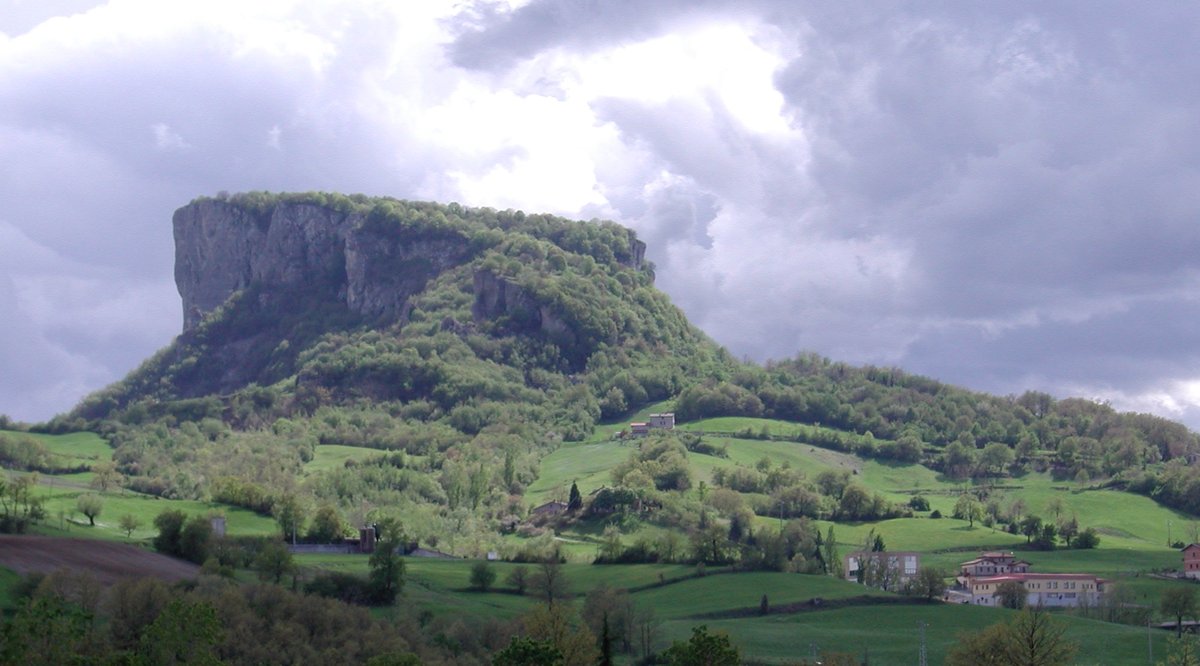 The Bismantova Stone is one of the most recognizable natural symbols of the Reggiano Apennines, a majestic limestone cliff rising in isolation at 1,047 meters above sea level. Its flat table-like shape makes it a landmark visible from kilometers away, creating a unique landscape that even inspired Dante Alighieri in the Divine Comedy. The approach trail starts from Piazzale Dante parking area, where the main path begins leading to the base of the rock face. Along the way, you'll encounter the Bismantova Hermitage, an ancient place of worship nestled in the rock dating back to the Middle Ages, still a pilgrimage destination today. The ascent is accessible to everyone, with a moderate elevation gain of about 200 meters that rewards hikers with breathtaking views over the Enza Valley and surrounding hills. For climbing enthusiasts, the vertical wall offers over 100 routes of varying difficulty, from easy to challenging, while casual hikers can complete the full circuit around the base in about an hour and a half. The area is equipped with picnic areas and refreshment points where you can sample local products like Felina Salami and Apennine cheeses. In spring, the blooming wild orchids color the meadows, while in autumn the beech and oak woods turn shades of red and gold. The Stone is accessible year-round, but the best periods are from April to October when trails are drier and visibility is optimal.
Boiardo Fortress
- Go to the page: Rocca dei Boiardo: Renaissance Frescoes and Historic Gardens in Scandiano
- Via Ferdinando Cesari, Scandiano (RE)
- Open in Google Maps
- View on Google Images
 If you're looking for a place that makes you feel like the protagonist of a Renaissance story, the Boiardo Fortress in Scandiano is the perfect stop. This medieval fortress transformed into a noble residence welcomes you with its crenellated towers and moat, elements that narrate centuries of Emilian history. Upon entering, you'll be struck by the frescoes in the Hall of Honor, where Matteo Maria Boiardo, poet of Orlando Innamorato, lived and created. The rooms preserve period furnishings and monumental fireplaces, perfect for imagining banquets and diplomatic meetings. Don't miss the stone spiral staircase leading to the towers: from up there, the view spans across the Reggio hills and Lambrusco vineyards. The inner courtyard, with its central well, is ideal for a break before exploring the underground prisons, where illustrious prisoners are said to have been held. For those traveling with children, guides often organize themed treasure hunts, revealing anecdotes about the Boiardo family and secret passages. If you visit in spring, take advantage of the food and wine events in the park: tasting local cheeses here, among ancient walls, is an experience that combines culture and flavor. Remember to check opening hours on the official website, as they vary for temporary exhibitions.
Bentivoglio Palace in Gualtieri
- Piazza Quattro Novembre, Gualtieri (RE)
- Open in Google Maps
- View on Google Images
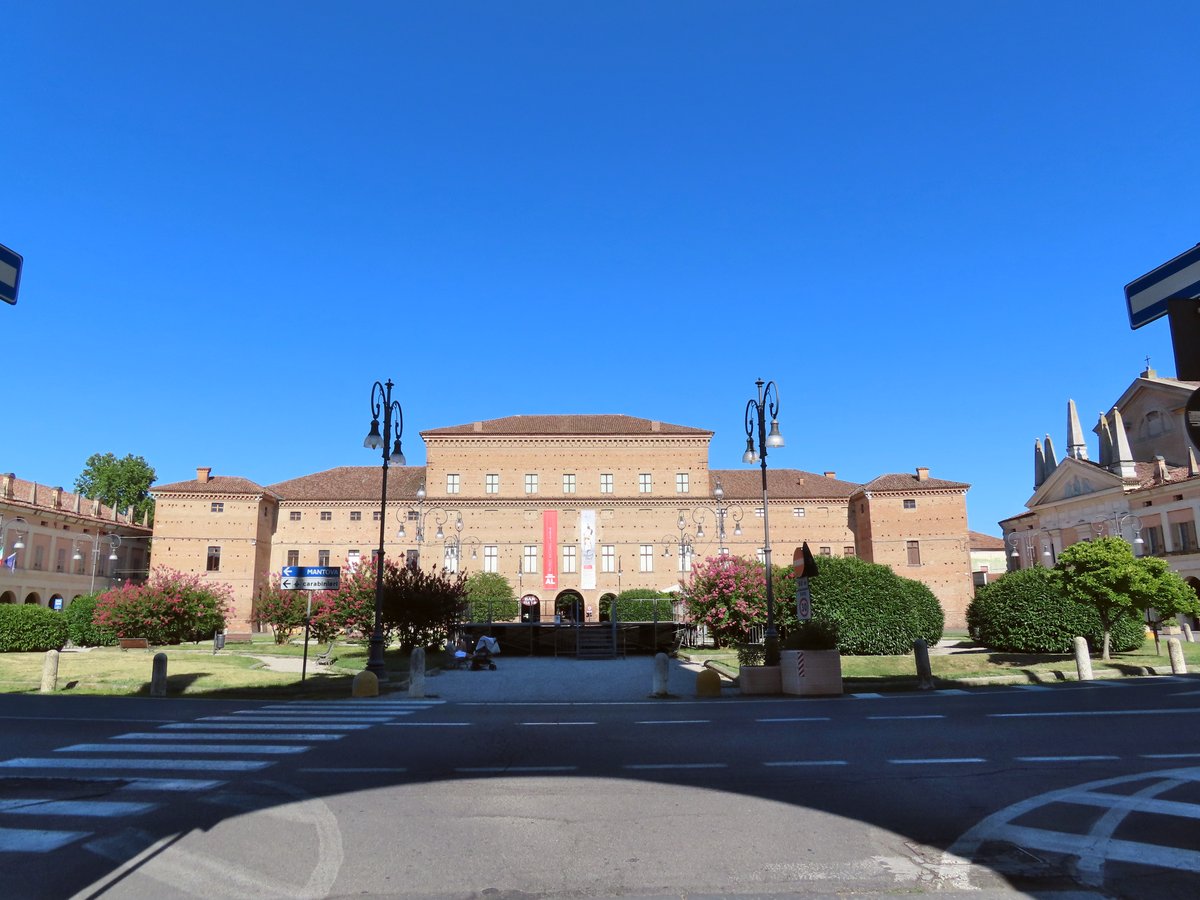 If you're looking for an architectural gem that tells centuries of history, Bentivoglio Palace in Gualtieri is the stop for you. This majestic building, commissioned by Cornelio I Bentivoglio at the end of the 16th century, dominates Bentivoglio Square with its brick facade and corner towers. It's not just a palace, but a symbol of the family's power that marked the territory. Inside, the frescoed halls transport you to an era of splendor: the Hall of the Giants stands out, with mythological scenes that enchant with their details and colors. Today, the palace hosts temporary exhibitions and the Antonio Ligabue Museum, dedicated to the naïve painter who lived right in Gualtieri. It's a living place where art and history merge: you can admire Ligabue's works and discover how creative genius found inspiration in these spaces. The visit is a plunge into Emilian culture, perfect for those who love authentic stories. I recommend checking opening hours on the official website, especially if you want to catch the current exhibitions. For a complete experience, combine your visit with a walk through Gualtieri's historic center, declared one of the most beautiful villages in Italy.
Peppone and Don Camillo Museum
- Piazza Pompeo Mingori, Brescello (RE)
- Open in Google Maps
- View on Google Images
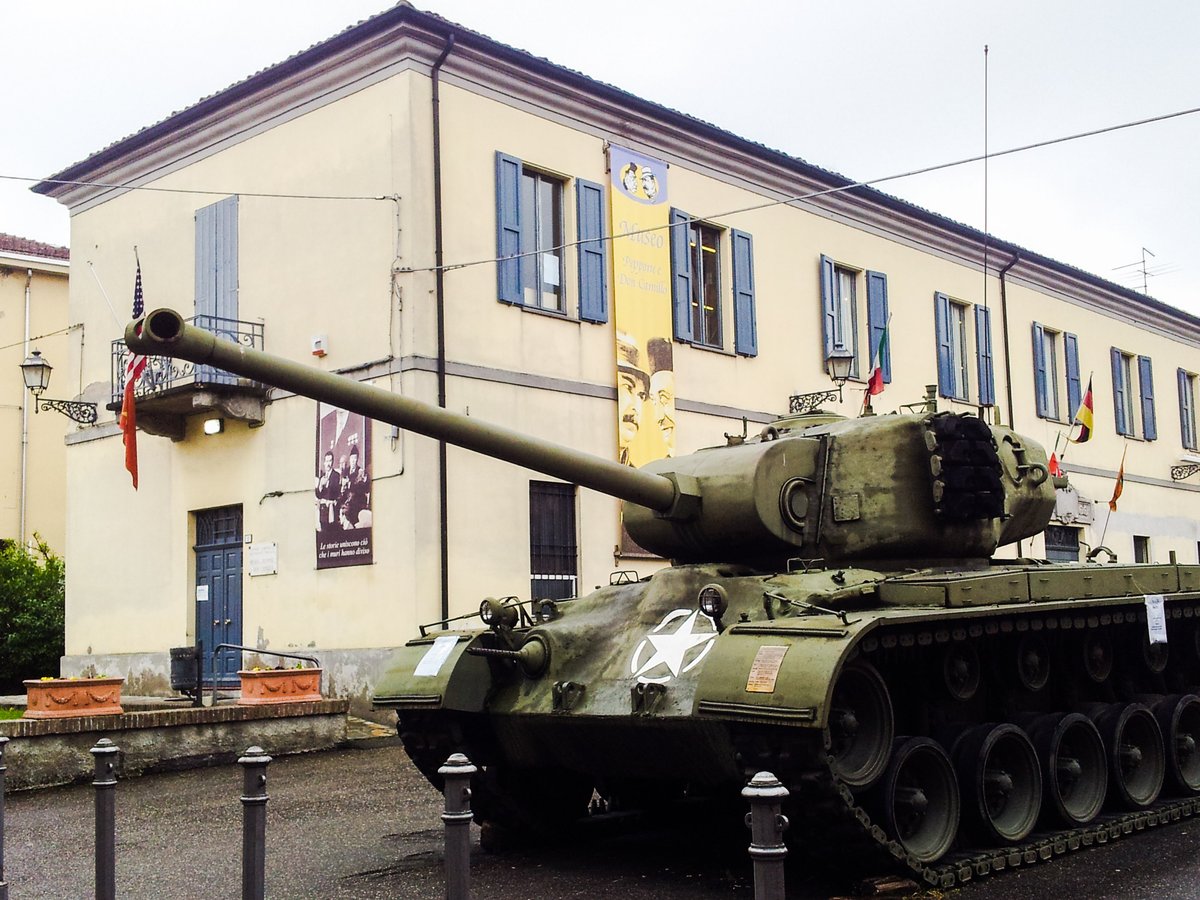 If you love Italian cinema, the Peppone and Don Camillo Museum in Brescello is an unmissable stop. This museum takes you straight into the world created by Giovannino Guareschi, with original memorabilia from the films starring Gino Cervi and Fernandel. The vintage posters, costumes, and behind-the-scenes photos will make you relive the historic battles between the communist mayor and the parish priest. Don't miss the reconstruction of Peppone's office and Don Camillo's sacristy, settings that seem to have come straight from the big screen. The museum is small but rich in details, perfect for a one-hour visit. The ticket office is in Piazza Matteotti, right opposite the church where some iconic scenes were filmed. If you're a fan, also look for the statues of the two characters in the town: they're great spots for souvenir photos. Brescello is easily reachable by car or train from Reggio Emilia, and the museum is open year-round with flexible hours. A tip: combine your visit with a stroll through the village streets, where you'll find other film references, like the bar that appears in the movies.
Bianello Castle
- Via Bianello, Quattro Castella (RE)
- Open in Google Maps
- View on Google Images
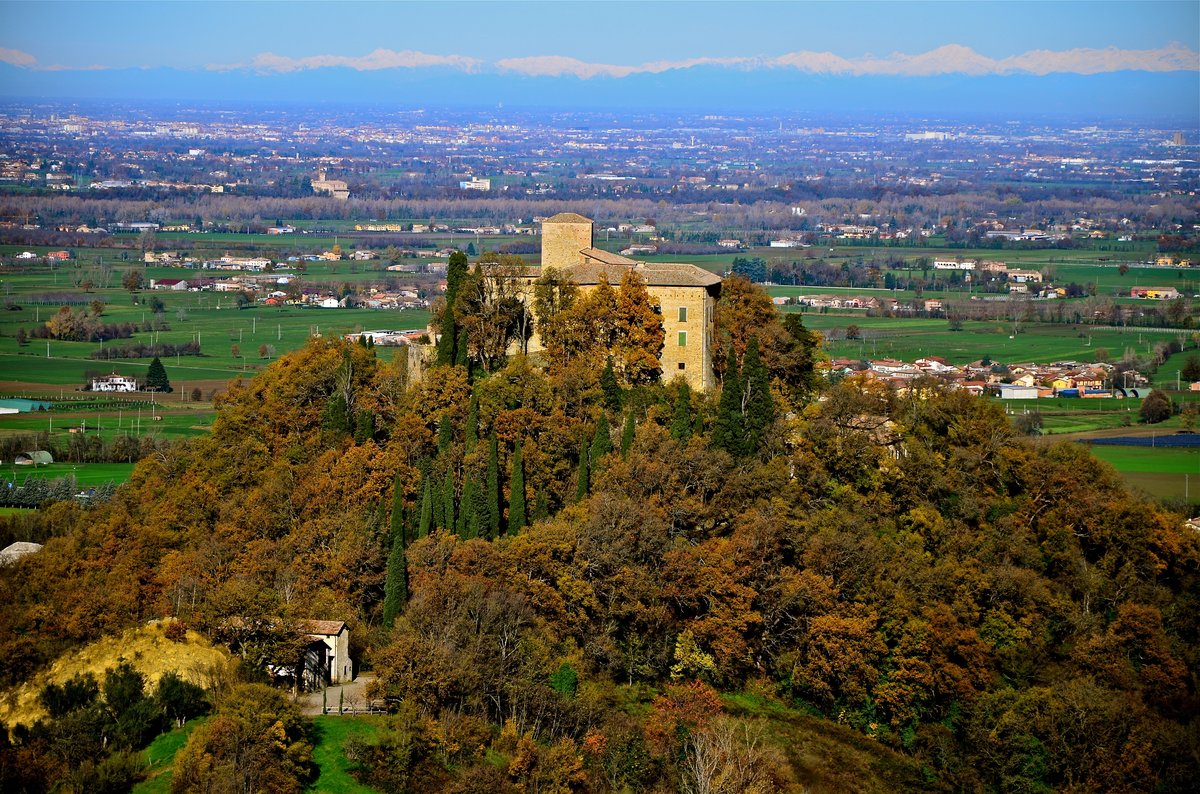 Bianello Castle dominates the hill of Quattro Castella with an atmosphere that transports you directly to the Middle Ages. This isn't just a castle, but one of the four fortresses that give the town its name, and the only one open to visitors year-round. Its history is inextricably linked to Matilda of Canossa, who stayed here multiple times between the 11th and 12th centuries. As you ascend the unpaved road leading to the castle, you can already feel the ancient air. Inside, the rooms preserve period furnishings and frescoes that tell centuries of history. Don't miss the weapons hall with its collection of swords and armor, and the room where Emperor Henry V is said to have slept. The view from the tower is spectacular: it embraces the entire Po Valley all the way to the Apennines. The castle frequently hosts events and historical reenactments, like the Palio di Quattro Castella in September, which bring its walls to life with costumed performers. To visit, always check the hours on the official website as they change seasonally. The entrance ticket includes a guide who will share curious anecdotes, such as the one about Dante Alighieri's passage, who apparently drew inspiration from these places for the Divine Comedy. If you come in spring, take advantage of a walk along the surrounding trails, where nature bursts with color. Remember: it's a perfect spot for a day trip, away from the crowds, where history and landscape merge into a unique experience.
Castellarano Fortress
- Via Torre 1, Castellarano (RE)
- Open in Google Maps
- View on Google Images
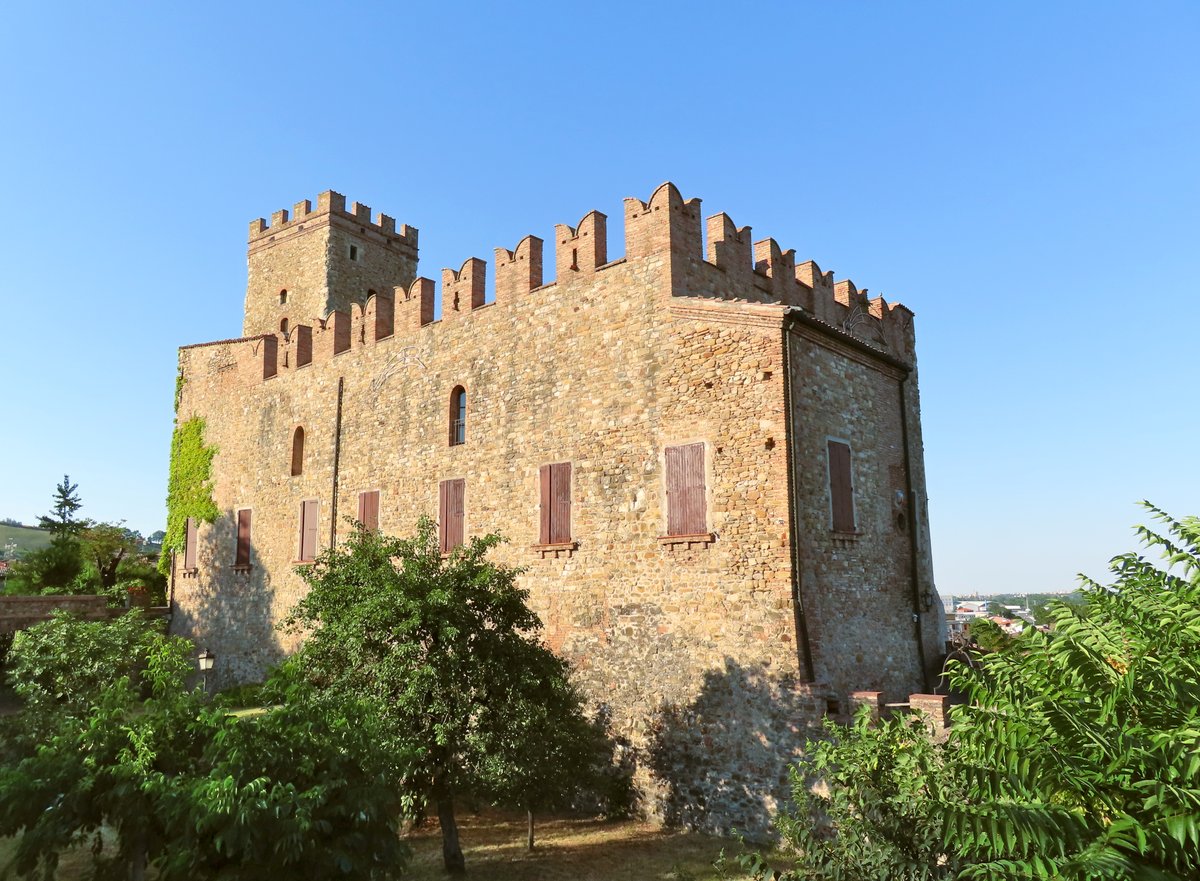 The Castellarano Fortress dominates the town from atop a rocky spur, offering an authentic glimpse of medieval Emilia. Built between the 12th and 13th centuries, this stronghold witnessed the rule of the Da Dovara, Boiardo, and finally the Este families, who turned it into a strategic defensive bastion. Today it stands as a well-preserved complex, with the imposing quadrangular tower rising prominently and the crenellated walls encircling the historic village. Climbing up to the fortress means immersing yourself in an atmosphere of bygone eras: the cobblestone alleys, stone houses, and covered passages transport you back through the centuries. From the fortress square, the view stretches across the Secchia Valley and the first hills of the Apennines—a panorama that alone makes the visit worthwhile. Inside, the spaces are freely accessible and often host temporary exhibitions or cultural events. For photography enthusiasts, the best spots are along the patrol walkway and from the tower, where you can capture unique views of the town below. The village of Castellarano, with its artisan workshops and typical taverns, completes the experience: after your visit, stop to sample the local cured meats or a plate of green tortelli, a regional specialty. I recommend visiting the fortress in the late afternoon, when the warm light enhances the stone colors and creates evocative shadow plays.
Sarzano Castle
- Go to the page: Sarzano Castle: Medieval Fortress with Renaissance Frescoes and Apennine Views
- Via Castello, Casina (RE)
- Open in Google Maps
- View on Google Images
 Sarzano Castle stands atop a hill in Casina, offering breathtaking views over the green hills of the Reggiano Apennines. This medieval complex, dating back to the 10th century, is a perfectly preserved architectural gem. The structure consists of a fortress, a fortified village, and the Church of San Michele, creating an atmosphere from another era. Strolling through the cobblestone alleys, you can feel the history: here the Canossa, Boiardo, and Este families have left their mark on the urban fabric. The main tower, 25 meters high, is accessible and provides a 360-degree panorama of the Secchia River valley. Within the village, you'll notice the ancient stone houses, some still inhabited, maintaining their original appearance. The castle hosts cultural events, exhibitions, and historical reenactments, such as the Sarzano Palio in September. For a break, stop by the local tavern to sample Felina cured meats and a glass of Lambrusco, typical products of the area. Access is free, and parking is just a few minutes' walk away. Ideal for a family outing or history enthusiasts, Sarzano is an authentic corner of Emilia-Romagna, far from the more crowded tourist routes.
Montecchio Castle
- Go to the page: Montecchio Emilia Castle: Medieval Fortress with Towers and Panoramic Views
- Piazza della Repubblica, Montecchio Emilia (RE)
- Open in Google Maps
- View on Google Images
 The Montecchio Castle stands imposingly in the center of Montecchio Emilia, a perfectly preserved medieval gem that transports you back in time. Built in the 14th century by the Dalli family, this manor has maintained its original structure with characteristic crenellated towers and the moat that once completely surrounded it. Today, the moat has been transformed into a garden, but the atmosphere of bygone eras remains palpable. The unique aspect of this castle is that it's not just a monument to admire from the outside: you can visit the interiors and discover the frescoed halls that tell centuries of local history. On the first floor, you'll find the splendid Hall of the Giants, with Renaissance frescoes depicting mythological figures of great visual impact. The castle regularly hosts temporary exhibitions and cultural events, becoming a vibrant community hub. If you visit during the Christmas season, don't miss the Christmas market held in the inner courtyard, a magical atmosphere with lights and artisan stalls. For photography enthusiasts, the best spot for shooting is from the public garden in front, where you can enjoy a complete view of the main facade with its towering spires against the sky. Remember that admission is free, but it's wise to check opening hours as the castle is sometimes used for weddings and private events.
Palace of the Princes
- Via Contarelli, Correggio (RE)
- Open in Google Maps
- View on Google Images
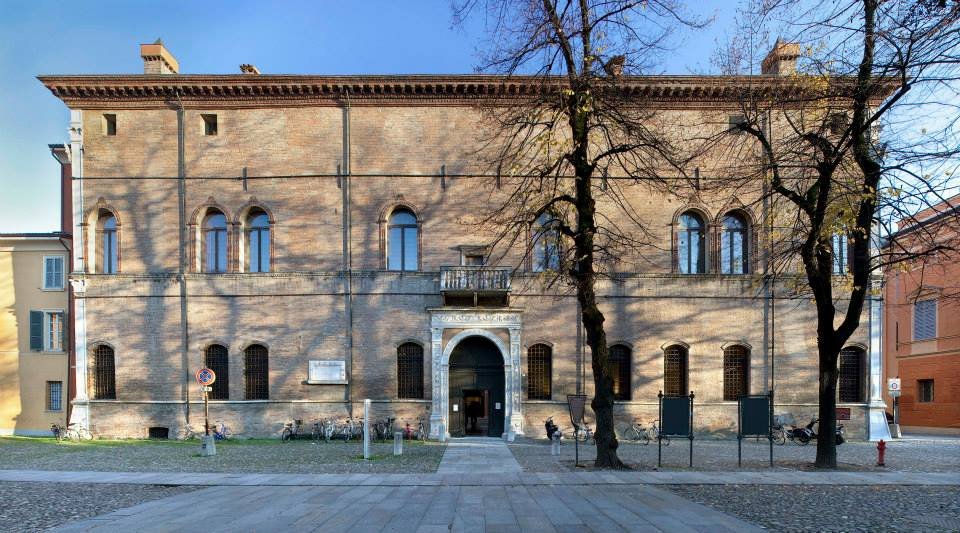 If you're passing through Correggio, the Palace of the Princes is an unmissable stop. This Renaissance building, constructed in the 16th century, was the residence of the Da Correggio family, who ruled the city. Today it houses the Civic Museum, where you can admire local artworks, including paintings by Antonio Allegri, known as Il Correggio, who was born right here. The brick facade and frescoed halls transport you to an era of artistic splendor. Inside, the Fireplace Hall stands out, with decorations that tell stories of court life. The palace overlooks Piazza Garibaldi, the heart of the historic center, and often hosts temporary exhibitions and cultural events. It's an ideal spot for art and history lovers, without requiring hours of visitation: just a few minutes are enough to capture the essence of Correggio. In Emilia-Romagna, places like this help you understand why the region is a treasure trove of culture. Take a break, step inside, and let yourself be enchanted by the details: it's free and accessible, perfect for a low-cost trip.
Salvaterra Castle
- Go to the page: Salvaterra Castle: A Matildic Fortress with Panoramic Views over the Secchia Valley
- Via Canalazzo, Casalgrande (RE)
- Open in Google Maps
- View on Google Images
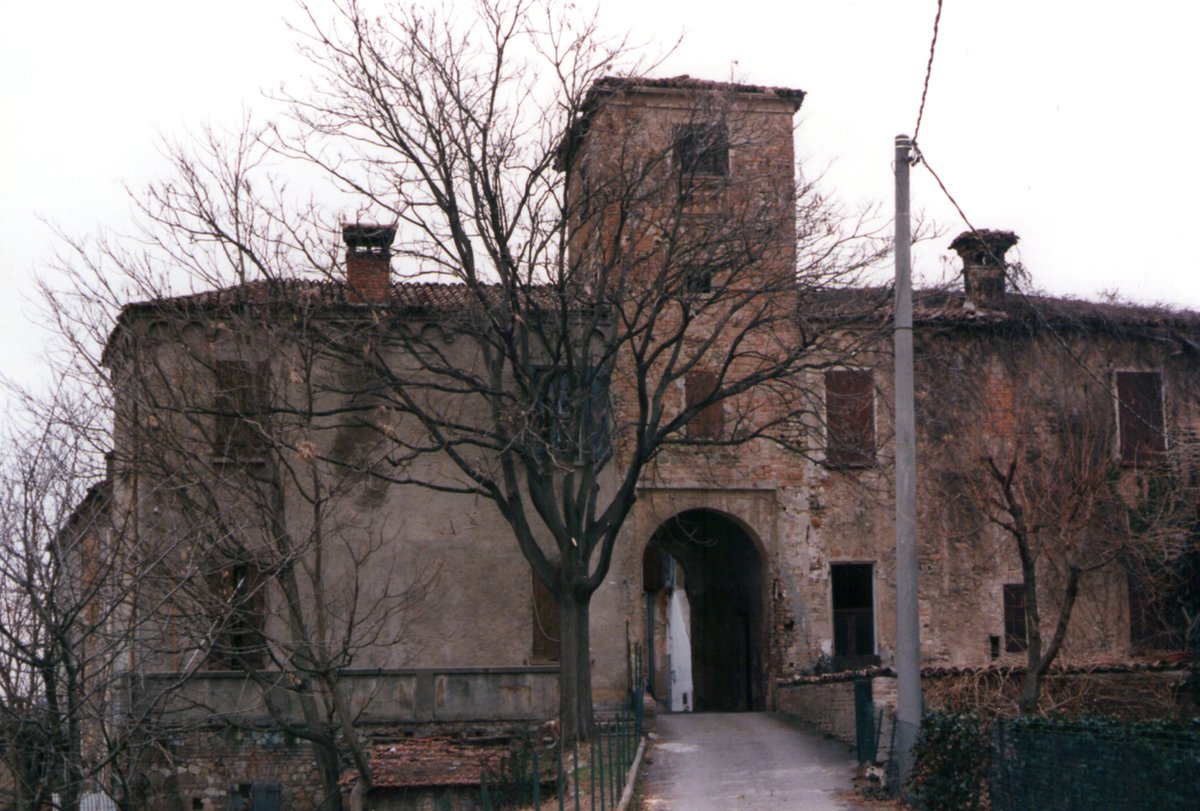 Salvaterra Castle stands on a hill in Casalgrande, offering spectacular views over the Reggiana plain. Built in the 13th century as a defensive fortress, it has preserved its original structure with crenellated towers and mighty walls. Today it is privately owned but can be visited during special occasions and cultural events. The main tower, 25 meters high, is the most iconic element and still retains the arrow slits for archers. Inside, you can admire frescoed halls with coats of arms of the families who lived there, from the Da Salvaterra to the Boiardo. The internal courtyard, paved in stone, often hosts historical reenactments and tastings of typical products such as Parmigiano Reggiano DOP. To reach it, simply follow the signs for Casalgrande Alto and park in the small square below. The walk is short but steep, so wear comfortable shoes. If you visit in spring, you might witness the cherry blossoms in the hanging garden. A tip: check the Casalgrande Municipality website for special opening hours.
Rocca Estense of San Martino in Rio
- Via Facci, San Martino in Rio (RE)
- Open in Google Maps
- View on Google Images
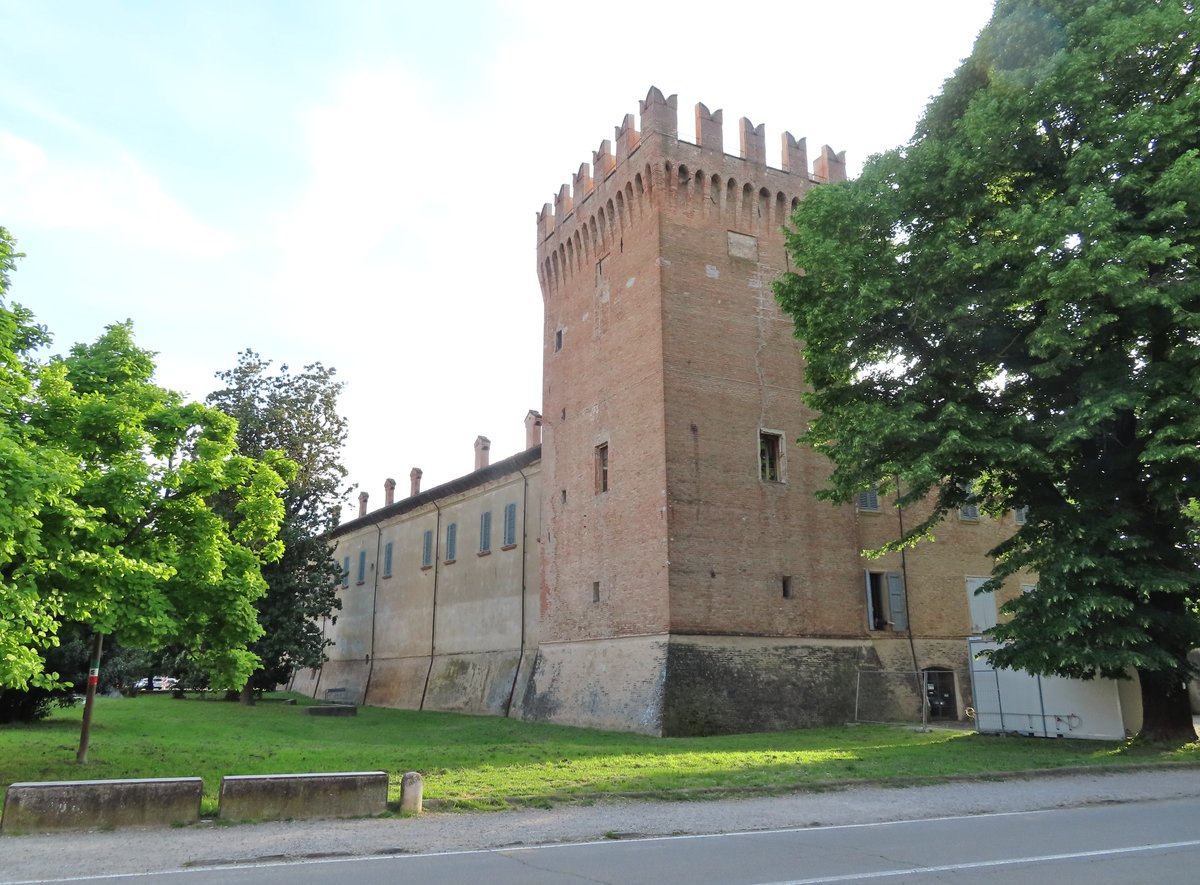 The Rocca Estense of San Martino in Rio is an architectural gem that welcomes you with its imposing medieval appearance, although the current structure mainly dates back to the 15th century, when the Este family rebuilt it on the foundations of a previous castle. Strolling through the inner courtyard, you'll immediately notice the harmony of the red bricks and the two soaring towers: the Civic Tower, with its clock, and the more massive north tower. Today, the Rocca houses the Museum of Agriculture and Rural World, which takes you on a journey into the peasant life of Emilia-Romagna, with period tools, documents, and reconstructions of traditional environments. Climbing the towers, the view stretches over the surrounding countryside and the historic center of San Martino in Rio, a breathtaking sight worth the effort. The museum is small but well-curated, perfect for a one-hour visit, and often organizes workshops for families, ideal if you're traveling with children. Outside, the dry moat and surrounding gardens invite you to a peaceful stop. To make the experience complete, combine the visit with a walk through the village, where you'll find artisan shops and typical taverns. Remember: the Rocca is open all year round, but check the hours on the official website to avoid surprises, especially on holidays.
Carpineti Castle
- Via Castello delle Carpinete, Savognatica (RE)
- Open in Google Maps
- View on Google Images
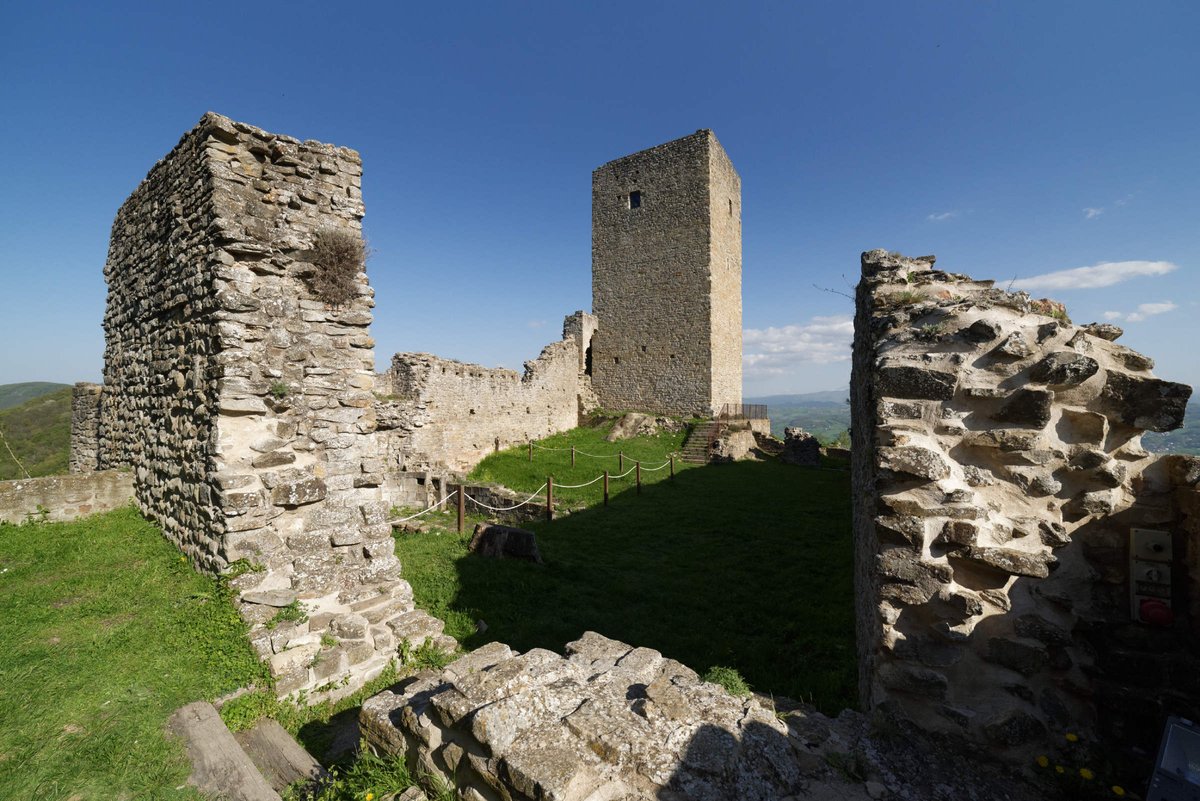 Carpineti Castle stands majestically on a rocky spur at 805 meters above sea level, offering a breathtaking panoramic view of the surrounding valleys. Built between the 11th and 12th centuries, this fortress represents one of the most important examples of medieval military architecture in the Reggiano Apennines. Its strategic position made it a crucial defensive stronghold for controlling the Apennine passes. Today, you can admire the imposing perimeter walls, the central keep, and the remains of the corner towers that tell centuries of history. Particularly evocative is the patrol walkway, from which you can glimpse a panorama stretching from the Bismantova Stone to the first hills of the Po Valley. During your visit, you'll notice the signs of the 2012 earthquake that required significant consolidation works, now almost completed. The castle is open year-round, but the best time to visit is from April to October when the days are longer and you can fully enjoy the view. Don't miss the Chapel of San Nicolò within the complex, with its well-preserved 15th-century frescoes. To reach it, follow the signs for Savognatica and then for Carpineti - the route is well-marked with brown tourist signs.
Rossena Castle
- Località Rossena, Rossena (RE)
- Open in Google Maps
- View on Google Images
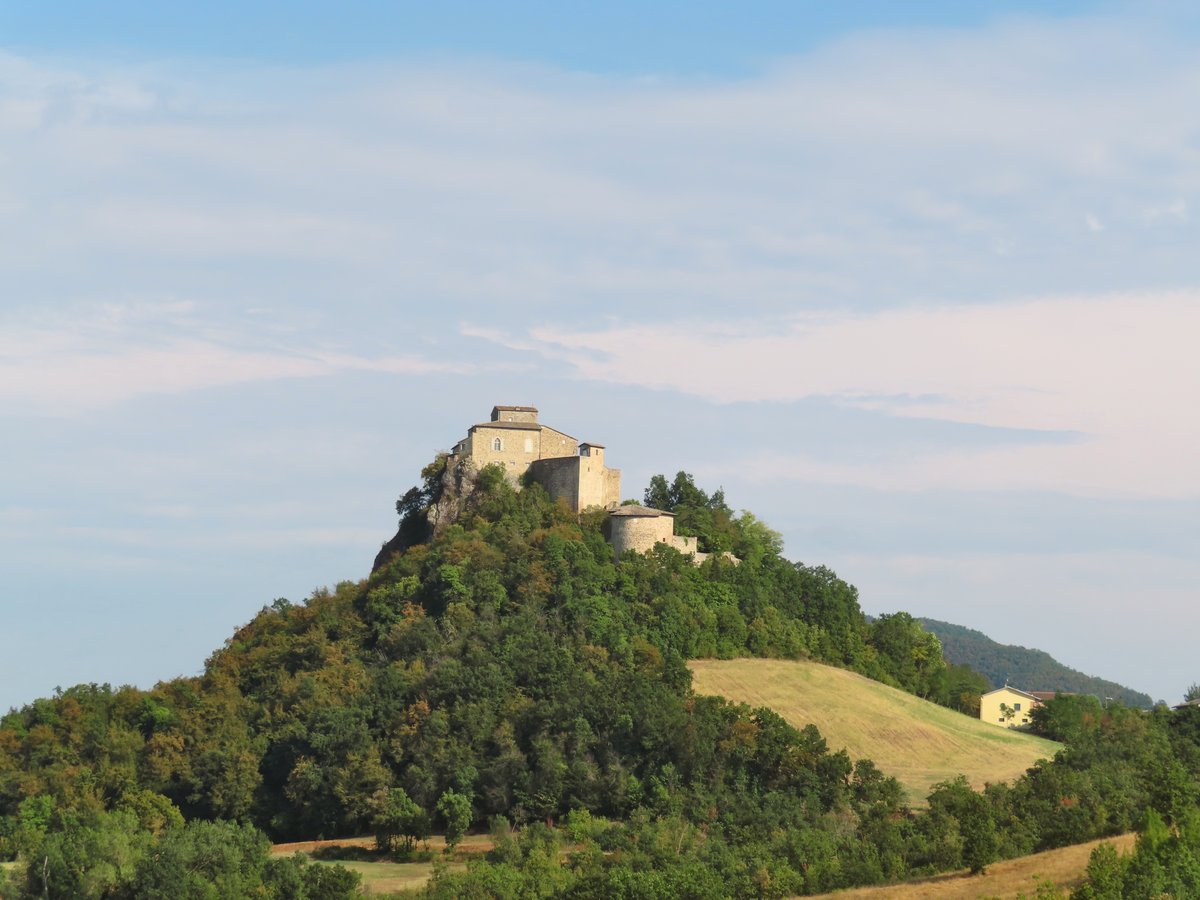 Rossena Castle dominates the landscape from atop a volcanic rock spur, just a few kilometers from Canossa. Built in the 10th century as a defensive outpost for the Canossa family, it now stands as a well-preserved complex that includes the main fortress and the adjacent village. Ascending the narrow road leading to the castle transports you to another era, with dark stone walls contrasting against the green hills. Inside, you can explore the restored halls, the chapel, and the keep, which offers a breathtaking panoramic view over the Enza River valley and the Apennines. The castle frequently hosts cultural events, such as historical reenactments and concerts, which bring the village to life, especially in summer. For a complete visit, I recommend combining the climb to the castle with a walk along the nearby trail leading to the Rossenella Tower, another fortification not far away. Admission is charged, and it's best to check the opening hours on the official website, as they vary by season. If you're passing through, don't miss the chance to sample the local cured meats in nearby towns, such as Felina salami, a specialty of the Reggio Emilia Apennines.
Felina Salami
- Via Fratelli Kennedy, Castelnovo ne' Monti (RE)
- Open in Google Maps
- View on Google Images
 If you're passionate about typical products of Emilia-Romagna, you can't miss Felina Salami in Castelnovo ne' Monti. This cured meat, linked to the norcina tradition of the Apennines, stands out for its fine grain and delicate flavor, the result of processing that respects ancient methods. Pork, often locally raised, is stuffed into natural casings and cured in cool, ventilated environments typical of the mountainous area. Visiting local producers allows you to discover processing secrets passed down through generations, such as the use of selected spices and maturation times that vary based on climatic conditions. Many agritourism farms and norcinerie organize guided tastings, where you can sample the salami paired with local cheeses or homemade bread. It's an experience that combines culture and taste, ideal for those seeking authenticity. Remember: Felina Salami is perfect to bring home as a souvenir, but always check regulations for transporting food products. Try it also in traditional dishes, such as appetizers or accompanied by chestnut honey from the Apennines.