
The Basilica of San Gaudenzio dominates Novara with its iconic Antonelli dome, a masterpiece of 19th-century engineering. Inside, Renaissance and Baroque artworks enrich the naves of this spiritual symbol of the city.
- 121-meter-high Alessandro Antonelli dome with panoramic views of Novara
- Italy’s tallest masonry bell tower, completed in the 18th century
- Gaudenzio Ferrari’s polyptych in the Chapel of San Michele
- Renaissance frescoes and Baroque works by Tanzio da Varallo
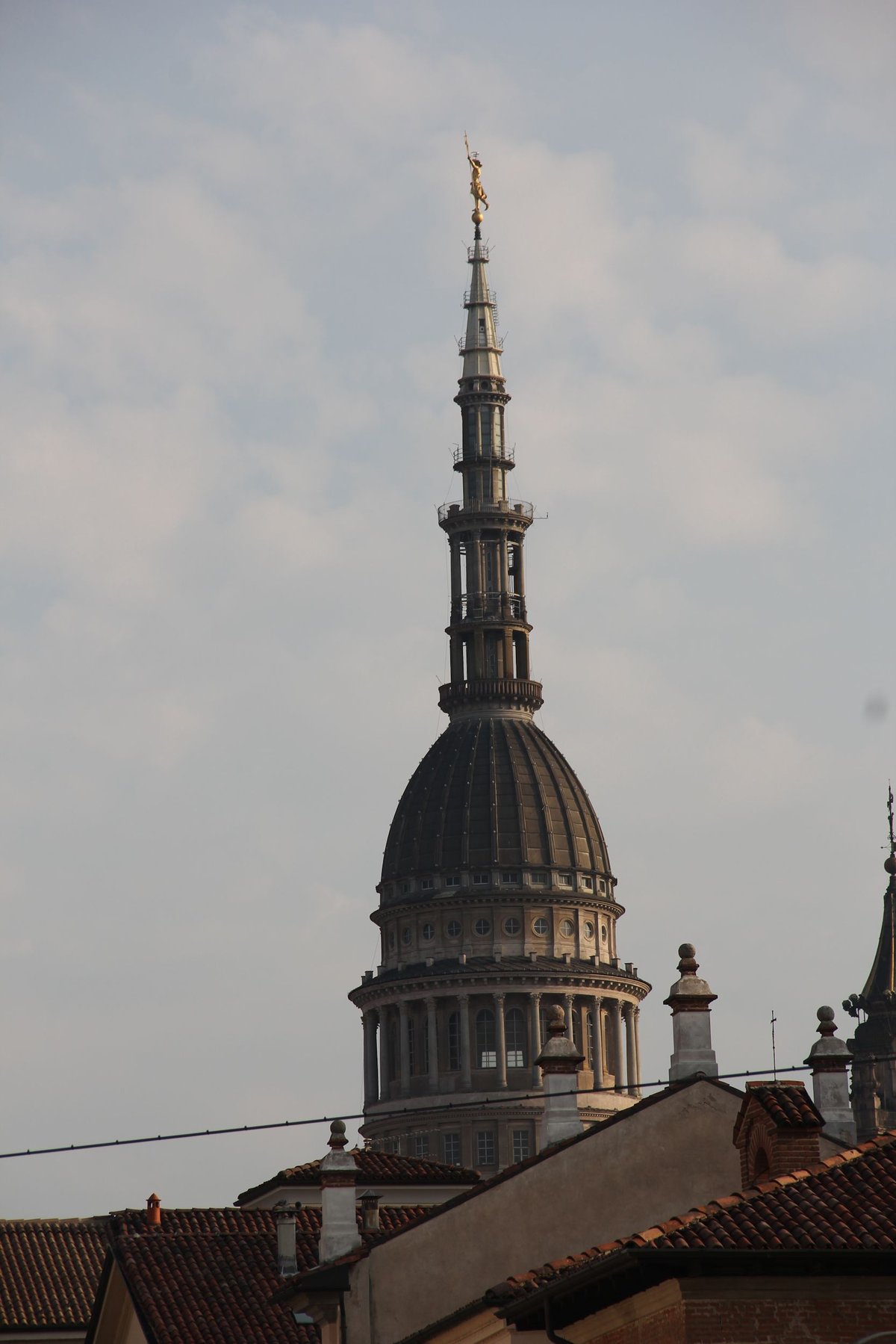
The Basilica of San Gaudenzio in Novara houses Alessandro Antonelli’s 121-meter-high dome and Italy’s tallest masonry bell tower. Inside, admire Gaudenzio Ferrari’s polyptych, Renaissance frescoes, and the historic organ.
- Via Carlo Bescapè, Novara (NO)
- Open in Google Maps
- View on Google Images Basilica di San Gaudenzio a Novara
Good to know
Introduction
The Basilica of San Gaudenzio dominates Novara’s skyline with its Antonellian dome, an icon that stands out against the Piedmontese sky. Upon entering, you breathe in an atmosphere of devotion and art: the neoclassical facade by Alessandro Antonelli welcomes visitors, while inside you’ll discover Renaissance and Baroque masterpieces. The basilica is not just a place of worship, but a symbol of the city, with its tallest bell tower in Italy reaching nearly 121 meters. Walking through the naves means immersing yourself in centuries of history, where every detail tells the story of Novara’s greatness and the mastery of artists like Gaudenzio Ferrari and Tanzio da Varallo. It’s an experience that impresses with its grandeur and artistic richness, a must-see for anyone visiting Piedmont.
Historical Overview
The history of the Basilica of San Gaudenzio begins in the 16th century, when it was built to house the relics of Novara’s patron saint. The original building, designed by Pellegrino Tibaldi, was expanded and modified over time, but the crucial moment came with Alessandro Antonelli, who in 1841 began work on the dome, completed only in 1888. Antonelli, the same architect of Turin’s Mole Antonelliana, created a bold and innovative structure that became a symbol of 19th-century engineering. Inside, works by Gaudenzio Ferrari and Tanzio da Varallo enrich the chapels, showcasing the artistic fervor of the Renaissance and Baroque periods in Piedmont.
- 1577: Construction of the basilica begins
- 1841: Alessandro Antonelli starts work on the dome
- 1888: Completion of the Antonellian dome
- 16th-17th centuries: Creation of the interior artworks
Antonelli’s Dome
The Alessandro Antonelli’s dome is the heart of the basilica, a masterpiece of engineering that soars 121 meters above Novara. Built of brick and iron, it combines Neoclassical elegance with structural innovation, offering breathtaking views of the city and the Piedmont hills from its summit. Climbing its 167 steps (or taking the elevator) provides a unique experience, with panoramas stretching as far as Monte Rosa on clear days. The dome is not just an architectural element, but a symbol of resilience, having survived wars and harsh weather, and today it is one of the most beloved landmarks for Novara residents and tourists alike. Its silhouette has become the very image of Novara, immortalized in photos and travel memories.
Art and Devotion Within
Beyond the dome, the basilica houses artistic treasures that tell centuries of faith and creativity. In the Chapel of the Nativity, the frescoes by Gaudenzio Ferrari, a master of the Piedmontese Renaissance, depict scenes from the life of Christ with vibrant colors and intense expressions. Tanzio da Varallo, on the other hand, left Baroque works such as the ‘Martyrdom of Saint Gaudentius’, where light and drama merge to move visitors. Don’t miss the main altar, a triumph of marble and gilding, and the stained glass windows that filter the light, creating an intimate atmosphere. Every corner speaks of local history, from the paintings celebrating Novara’s saints to the sculptures adorning the naves, making the visit a journey into the sacred art of Piedmont.
Why Visit It
Visiting the Basilica of San Gaudenzio is worthwhile for three practical reasons: first, the view from the dome is among the best in Piedmont, with a 360-degree panorama over Novara and its countryside; second, the internal artworks, such as the frescoes by Gaudenzio Ferrari, are masterpieces accessible for free, ideal for art history enthusiasts; third, the bell tower, at 121 meters tall, is an Italian record that attracts the curious and photographers. Additionally, the basilica is located in the historic center, easy to reach on foot, and offers moments of tranquility away from the crowds. It’s an experience that combines culture, spirituality, and scenic beauty in one place.
When to Go
The most enchanting time to visit the basilica is at sunset, when the sun’s rays set the dome ablaze with gold and create plays of light through the stained-glass windows. In autumn, the red leaves of the surrounding trees add magic to the setting, while in spring the soft light enhances the architectural details. Avoid peak hours to enjoy greater tranquility inside.
In the Surroundings
After visiting the basilica, explore the Broletto of Novara, a medieval complex with courtyards and historic architecture just a short walk away, perfect for immersing yourself in the city’s past. For a culinary experience, try the local restaurants to sample the typical Piedmontese risotto, accompanied by regional wines such as Gattinara.
💡 Did You Know…?
The dome, built between 1841 and 1878, was an extraordinary engineering feat for its time. Antonelli designed a self-supporting structure without the use of centering, utilizing over 5,000 cubic meters of bricks. During construction, the people of Novara watched with trepidation as the dome rose, becoming a symbol of the city’s rebirth. The statue of the Savior at the summit, 4 meters high, was placed in 1878, completing the work that still characterizes Novara’s skyline today.