Cornello dei Tasso: An Intact Medieval Village and the Tasso Postal Museum

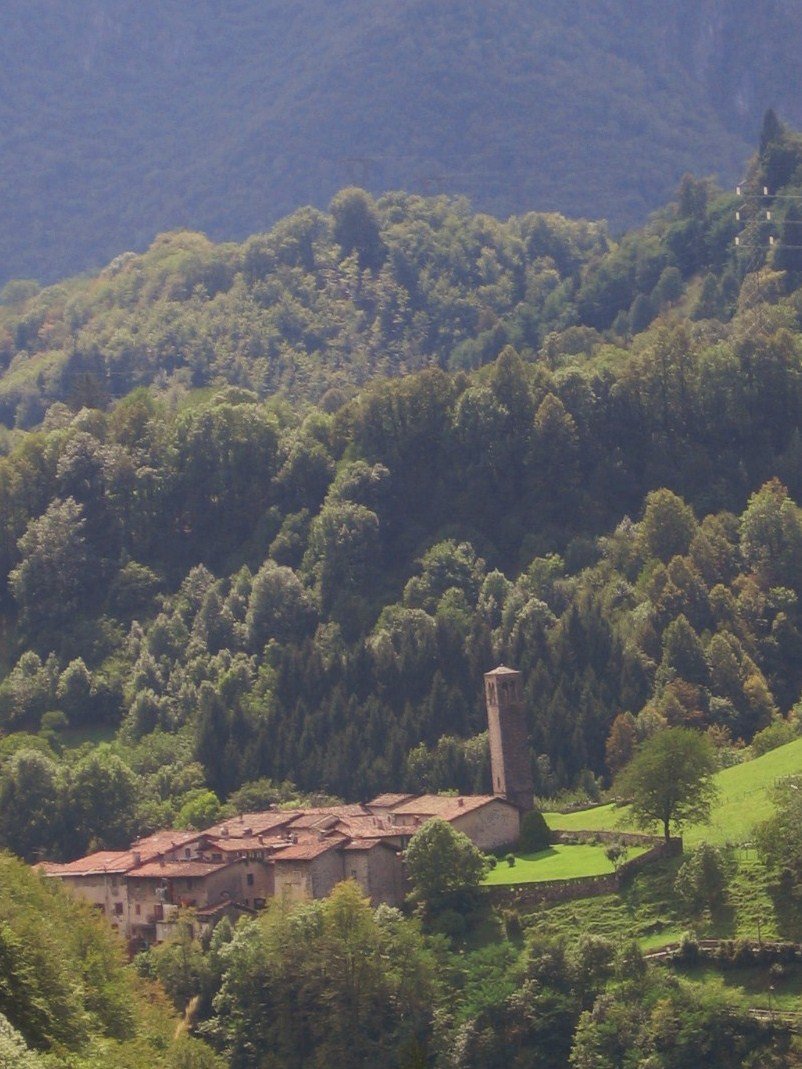
Cornello dei Tasso is a perfectly preserved medieval village in Val Brembana, accessible only on foot. This is the birthplace of the Tasso family, who established Europe’s first postal service. The village offers an authentic atmosphere, free from traffic, with a museum dedicated to postal history.

  • Intact medieval village with no vehicle access, reachable only on foot
  • Tasso Museum and Postal History Museum in the deconsecrated Church of San Marco
  • Stone houses, covered portico, arches, and 15th-century frescoes
  • Panoramic location overlooking Val Brembana with breathtaking photo opportunities
Copertina itinerario Cornello dei Tasso: An Intact Medieval Village and the Tasso Postal Museum
A car-free medieval village in Val Brembana, accessible only on foot from Camerata Cornello. Visit the Tasso Museum in the Church of San Marco, admire stone houses, porticoes, and 15th-century frescoes.

Good to know


Introduction

Arriving at Cornello dei Tasso is like stepping back in time. This medieval village perched on the mountainside in Val Brembana welcomes you with its stone houses clinging to the rock, connected by narrow cobbled alleys and characteristic arches. The atmosphere hangs suspended between past and present, with the Brembo River rushing noisily at the bottom of the valley. Here you won’t find cars – it can only be reached on foot via a scenic trail – and this isolation has preserved the magic of the place intact. Walking through these lanes means breathing in the history of the Tasso family, who from this very spot gave birth to the European postal service. Every corner tells a story, every stone holds a secret.

Historical Overview

Cornello dei Tasso owes its fame to the Tasso family, who between the 13th and 16th centuries revolutionized communications across Europe. From this small village in Val Brembana, the Tassos organized the first structured postal service, with couriers connecting Venice to Innsbruck via the San Marco Pass. The Tasso Museum, housed in the ancient Church of San Marco, preserves original documents and reconstructions that bear witness to this extraordinary achievement. Its strategic location along the Via Mercatorum, an ancient trade route, made Cornello a crucial crossroads for commerce between the Po Valley and transalpine territories.

  • 13th century: Earliest documents confirming the presence of the Tasso family
  • 1490: Omodeo Tasso organizes the postal service for Emperor Maximilian I
  • 16th century: Peak of the Tasso postal operations in Europe
  • 1593: Construction of the Church of Saints Cornelius and Cyprian
  • Today: Village included in the ‘Most Beautiful Villages of Italy’ association

Intact Medieval Architecture

The uniqueness of Cornello dei Tasso lies in its original urban structure, which has remained practically unchanged since the Middle Ages. The local stone houses are built on multiple levels, connected by external staircases and wooden balconies. The covered portico running through the village is a unique feature: here, markets and commercial activities once took place, protected from the elements. Look closely at the stone portals with noble family crests and the bifora windows that testify to ancient prosperity. The Church of Saints Cornelius and Cyprian, with its detached bell tower, preserves 15th-century frescoes and an ancient organ that still works. The absence of drivable roads has preserved the authenticity of the place, making every visit a timeless experience.

The Postal Museum

Don’t miss the Tasso Family and Postal History Museum, housed in the deconsecrated Church of San Marco. Here you’ll discover how a humble family from Val Brembana created a postal empire that stretched from Milan to Vienna and Brussels. The museum displays original documents, ancient maps of postal routes, and reconstructions of mail transportation methods. Particularly fascinating is the section dedicated to the horseback couriers who traversed the Alps in all weather conditions. Through explanatory panels and authentic artifacts, you’ll understand the logistical organization that anticipated modern delivery services by centuries. The visit concludes with a reproduction of the family crest that inspired the name ‘taxi’ in many European languages.

Why Visit

Three concrete reasons to plan your visit: first, the car-free authenticity gives you a pure medieval atmosphere without traffic noise. Second, the postal history is engagingly told through the museum, a unique educational experience in Italy. Third, the panoramic location overlooking Val Brembana offers breathtaking photo opportunities, especially from the natural terrace above the village. Plus, the small size allows you to explore everything leisurely in just a few hours, perfect for a day trip that combines culture and nature.

When to Go

The best time to visit Cornello dei Tasso is during late spring or early autumn mornings, when the slanting light enhances the stone colors and the morning mist creates a magical atmosphere. Avoid the busiest summer weekends and opt for weekdays to enjoy the village in peace. In winter, if there’s no snow making the access path treacherous, you might have the place all to yourself, with the fireplace lit in the small inn warming the crisp air.

In the Surroundings

Complete your experience with a visit to the Sanctuary of the Madonna dei Campi in Stezzano, about half an hour’s drive away, an example of Lombard Baroque with seventeenth-century frescoes. For enthusiasts of industrial archaeology, the Corneliani Foundries in Zogno tell the story of ironworking in the Val Brembana through a well-curated museum route. Both sites enrich the understanding of the Bergamo area between sacred art and manufacturing tradition.

💡 Did You Know…?

It was right here that the Tasso family was born, who in the 16th century organized the first European postal service. Their network of couriers connected Venice to Innsbruck, passing through Val Brembana. Even today, in the village, you can find the Tasso family’s tower-house and the Tasso and Postal History Museum, which tells this extraordinary story. A local legend says that the couriers were so fast they delivered letters in record time, thanks to secret passages through the mountains.