Church of San Martino Vescovo in Pianiga: Medieval Frescoes and Intimate Atmosphere

The Church of San Martino Vescovo in Pianiga is a 12th-century Romanesque church with well-preserved 14th-15th century medieval frescoes, offering an authentic experience away from mass tourism. Its intimate and quiet atmosphere makes it ideal for a contemplative break during an itinerary in the province of Venice.

  • Medieval frescoes from the 14th and 15th centuries with biblical scenes and depictions of San Martino
  • Original Romanesque architecture from the 12th century typical of Venetian countryside churches
  • Intimate atmosphere and quiet setting, perfect for a peaceful visit without crowds
  • Accessible location in the heart of Pianiga, near other attractions such as Venetian villas


Events nearby


Copertina itinerario Church of San Martino Vescovo in Pianiga: Medieval Frescoes and Intimate Atmosphere
12th-century Romanesque church in Pianiga with 14th-15th century frescoes, intimate atmosphere, and accessible without crowds. Discover the frescoes of San Martino and authentic Venetian architecture.

Good to know


Introduction

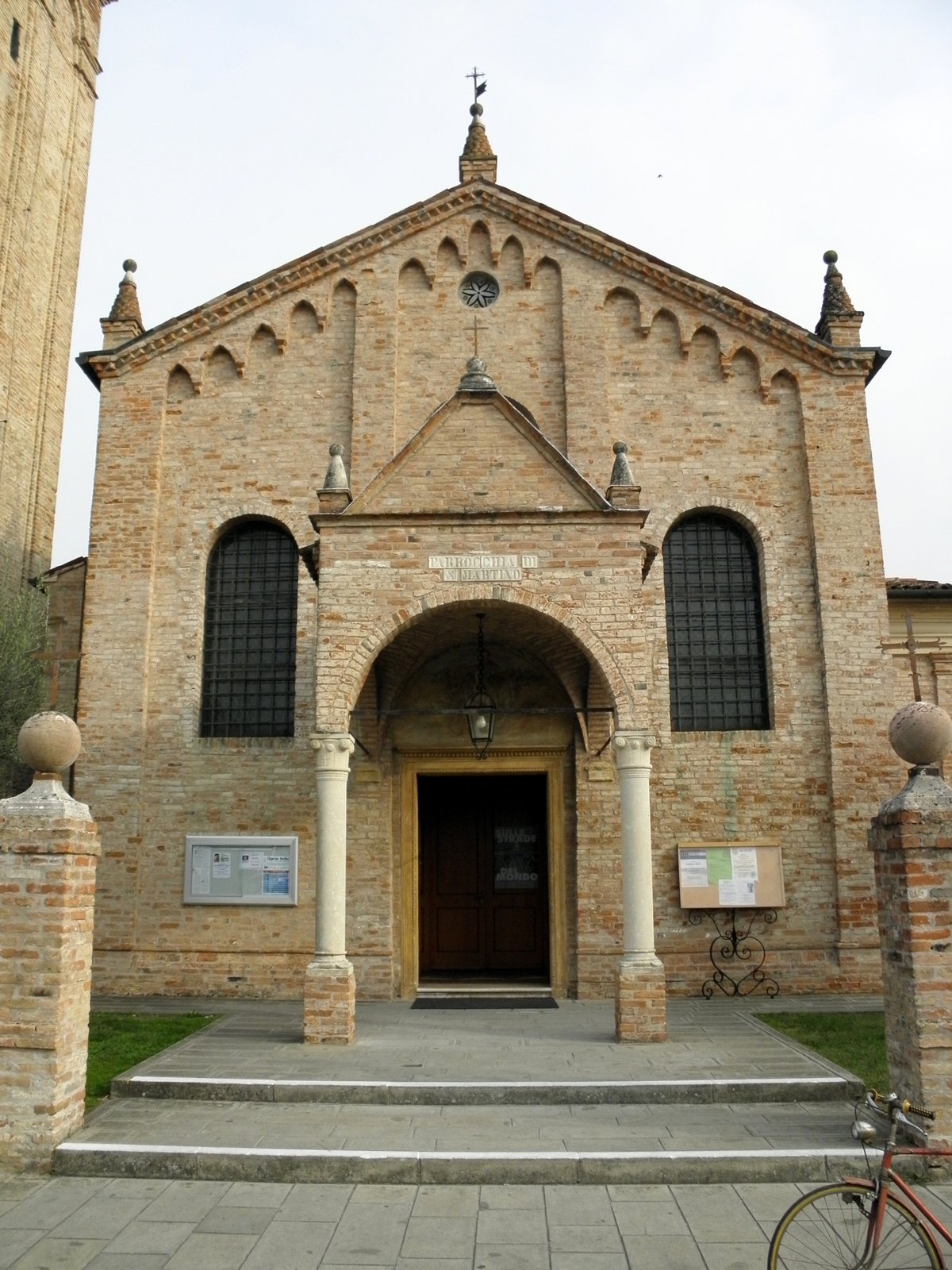
Just off the beaten tourist paths, the Church of San Martino Vescovo in Pianiga emerges as a collected and authentic surprise. This gem of sacred art in Veneto is not a mass destination, but a peaceful corner where time seems to have stood still. Its simple brick façade conceals an interior that takes your breath away: here, within ancient walls, you breathe an intimate and devout atmosphere, far from the chaos. It’s the perfect place for a rejuvenating cultural stop, where you can admire well-preserved medieval frescoes that tell stories of faith and art. The church, with its Romanesque structure and slender bell tower, silently dominates the rural landscape, offering a suggestive glimpse that invites discovery.

Historical Overview

The origins of the Church of San Martino Vescovo date back to the 12th century, as evidenced by its Romanesque architecture typical of the Veneto region. Over the centuries, the building has undergone modifications and restorations but has retained its original character. The interior frescoes, dating from the 14th and 15th centuries, depict biblical scenes and figures of saints, attributed to local craftsmen influenced by the Giotto school. The church has been a spiritual landmark for the community of Pianiga, dedicated to Saint Martin of Tours, the patron saint of travelers and the poor. Its history is linked to the local noble families who have overseen its preservation.

  • 12th century: Construction of the church in Romanesque style.
  • 14th-15th centuries: Creation of the interior frescoes.
  • Subsequent centuries: Restorations and maintenance to preserve the structure.
  • Today: A monument of historical and artistic interest open to the public.

The Hidden Frescoes

Inside, the church reveals its most precious treasure: a series of medieval frescoes that envelop the walls with subtle yet expressive colors. These works, dating from the 14th to the 15th centuries, depict scenes from the life of Christ and the saints, with particular attention to Saint Martin of Tours, to whom the church is dedicated. The artists, likely from local workshops, have left traces of a simple yet effective narrative style, where details of clothing and faces tell stories of devotion. The most famous fresco shows Saint Martin dividing his cloak with a poor man, a symbolic image that still conveys a message of charity today. The light filtering through the side windows illuminates these works, creating chiaroscuro effects that enhance their beauty.

The Intimate Atmosphere

Beyond the frescoes, what stands out in the Church of San Martino is its intimate and silent atmosphere. The interior, with its single nave and wooden truss ceiling, invites contemplation and reflection. The wooden pews, simple altar, and lack of excessive decorations create an essential space where one immediately feels at ease. It’s an ideal place for a moment of reflection, away from noise and haste. The church, often not crowded, allows for a calm appreciation of every detail, from the ancient stones to the traces of time on the walls. Here, one senses the deep connection with the local community, which has carefully preserved this heritage over the centuries.

Why Visit It

Visiting the Church of San Martino Vescovo is worthwhile for at least three concrete reasons. First, the medieval frescoes are a rare example of well-preserved sacred art in a rural setting, accessible without queues or expensive tickets. Second, the intimate and cozy atmosphere offers an authentic experience, far from mass tourism, perfect for those seeking moments of peace. Third, the church represents a piece of local history, with its Romanesque architecture and stories related to Saint Martin, patron saint of travelers, adding symbolic value to the journey. It is a cultural stop that enriches without requiring too much time, ideal for integrating into a broader itinerary.

When to Visit

The most enchanting time to visit the church is during the late afternoon hours, when natural light filters through the windows and illuminates the frescoes, creating a warm, golden atmosphere. In terms of seasons, spring and autumn are ideal for enjoying the surrounding landscape, with green fields or colorful leaves framing the brick structure. Avoid local holidays when the church might be busier due to religious events, and opt for weekdays for a more peaceful visit. In winter, the cozy interior offers a welcoming refuge from the cold, while in summer, the coolness of the ancient walls is pleasant after a day of exploration.

In the Surroundings

To enrich your visit to Pianiga, consider a stop at the Museum of Peasant Civilization in Mirano, a few kilometers away, where you can discover local traditions and historical objects related to Venetian rural life. Another nearby thematic experience is Villa Foscarini Rossi in Stra, along the Brenta Riviera, famous for its frescoes and gardens, which offers an interesting contrast with the simplicity of the church. Both places are easily accessible and complete a cultural itinerary in the province of Venice, showcasing different facets of the area’s artistic and historical heritage.

Itineraries nearby


💡 Did You Know…?

Inside, look for traces of the medieval frescoes that once decorated the walls. Although partly deteriorated by time, they remain precious testimonies of local devotion and art between the 14th and 15th centuries. Also notice the simple yet elegant bell tower, a visual landmark for the village. The church is dedicated to Saint Martin of Tours, a saint particularly venerated in the Veneto area, linking it to a deep-rooted religious tradition. Its history is intertwined with that of the Pianiga community, having been for centuries the focal point of the village’s religious life.