
🧭 What to Expect
- Ideal for a walking itinerary through the medieval and Renaissance historic center.
- Highlights: Torre Donà (66 meters), Accademia dei Concordi with Venetian art gallery, Palazzo Roverella for exhibitions.
- Includes interactive map with 11 geolocated points of interest.
- Tranquil and authentic atmosphere of Polesine, away from tourist crowds.
The City of Rovigo, capital of Polesine, preserves a medieval historic center that develops around Piazza Vittorio Emanuele II. Here stand out the two symbolic towers of the city: Torre Donà, one of the tallest in Italy at 66 meters, and Torre Grimani, which together tell centuries of history. The Rovigo Cathedral, dedicated to Pope Saint Stephen, houses valuable artworks, while Palazzo Roverella hosts temporary exhibitions of national level. The Accademia dei Concordi preserves a rich art gallery with Venetian paintings from the 15th to 19th centuries. Among the churches, San Bartolomeo stands out with its Baroque facade and the Church of Saints Francis and Justina with its Gothic structure. Rovigo offers a compact urban itinerary, perfect for a walking discovery between art and history.
Overview
Donà Tower
- Piazza Giacomo Matteotti, Rovigo (RO)
- Open in Google Maps
- View on Google Images
 If you're looking for a landmark in the heart of Rovigo, Donà Tower is the perfect choice. This imposing medieval structure, standing approximately 66 meters tall, is one of the surviving towers from the ancient city walls that once protected the town. Built in the 13th century by the powerful Este family, it represents one of the most recognizable symbols of Rovigo's historic center. Its massive red brick structure, with a sloping base and Ghibelline battlements, tells centuries of Venetian history. Today, while not always accessible inside, the tower offers a spectacular view from Piazza Vittorio Emanuele II, where it stands majestically next to the nearby Roverella Palace. Its height makes it visible from various points throughout the city, creating a suggestive skyline that recalls Rovigo's medieval past. For photography enthusiasts, the contrast between the tower's red bricks and the Venetian sky provides memorable shots in every season. Its central location makes it easy to combine your visit with other nearby monuments, such as the Cathedral and historic palaces. Donà Tower is a must-see for anyone wanting to capture the medieval essence of Rovigo, a piece of history that withstands time and continues to characterize the identity of this Polesine city.
Accademia dei Concordi
- Go to the page: Accademia dei Concordi Rovigo: 400 Works from the 15th to the 19th Century and a Historic Library
- Piazza Vittorio Emanuele II 14, Rovigo (RO)
- https://www.concordi.it/
- Open in Google Maps
- View on Google Images
- +39 0425 27991
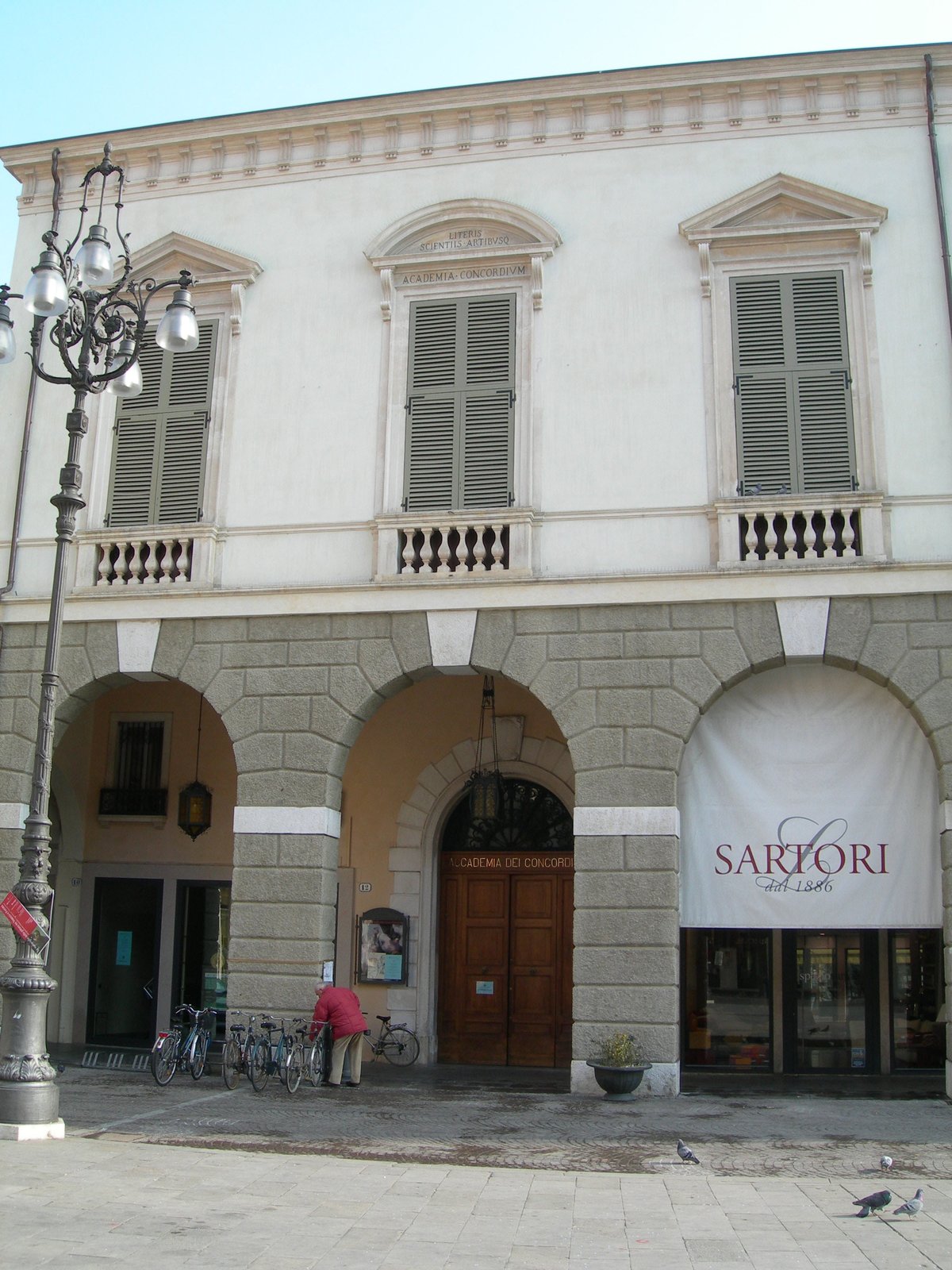 The Accademia dei Concordi is one of the most significant cultural sites in Rovigo, founded in 1580 by Gaspare Campo. Located in Piazza Vittorio Emanuele II, this historic building houses one of the richest art galleries in Veneto, with a collection spanning from the 14th to the 18th century. Among the most precious works stand out paintings by Giovanni Bellini, such as the Madonna and Child, and canvases by Palma il Giovane and Giambattista Tiepolo. The picture gallery also includes works by local artists like Domenico Tintoretto, offering a journey through Venetian art that few would expect in a city like Rovigo. The Accademia is not just a museum: it's a living institution, with a historic library preserving rare manuscripts and incunabula, including illuminated manuscripts from the 15th century. The visit immerses you in Renaissance atmospheres, with frescoed halls and an internal cloister that invites tranquility. For art lovers, it's an essential stop to discover the cultural heritage of Polesine, often overlooked but of extraordinary quality. I recommend checking opening hours on the official website, as it occasionally hosts temporary exhibitions that enrich the experience.
Roverella Palace
- Go to the page: Palazzo Roverella in Rovigo: Art Exhibitions of Chagall and De Chirico in a Renaissance Palace
- Galleria Bernardino da Feltre, Rovigo (RO)
- Open in Google Maps
- View on Google Images
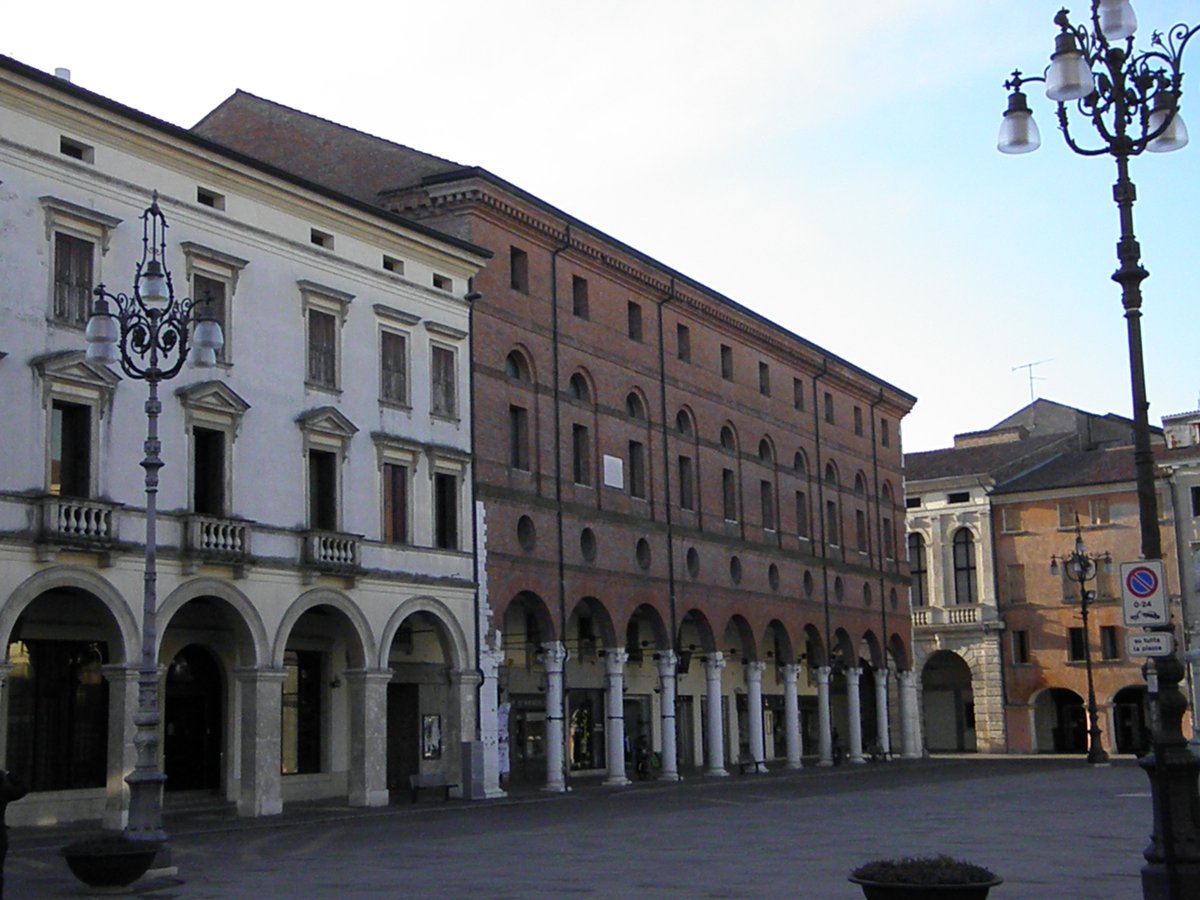 If you're looking for a place that combines art, history, and culture in one fell swoop, Roverella Palace is your must-visit stop in Rovigo. This splendid Renaissance building, located right in the historic center, is not just architecture to admire but a truly dynamic cultural hub. Built between the 15th and 16th centuries at the behest of the Roverella family, the palace stands out for its elegant facade and internal courtyard, which transports you back in time. Today, Roverella Palace hosts high-level temporary exhibitions, often dedicated to great masters of Italian and international art, attracting visitors from all over Veneto and beyond. The carefully curated exhibitions range from ancient to contemporary art, making each visit a unique experience. Inside, the frescoed halls and permanent collections of the Accademia dei Concordi enrich the journey, with works that tell the story of the local area and beyond. A practical tip: always check the schedule of current exhibitions on the official website, because the offerings change seasonally and you might catch events of great interest. Roverella Palace is easily reachable on foot from the Cathedral and other city center attractions, ideal for a one- or two-hour visit, perhaps combined with a stop at one of the nearby historic cafes. The atmosphere is welcoming and professional, with staff available for questions and insights. Don't miss the courtyard windows: they offer picturesque glimpses of the city that few know about. In short, if you want to understand the cultural soul of Rovigo, here you'll find the perfect starting point.
Rovigo Cathedral
- Piazza Duomo, Rovigo (RO)
- Open in Google Maps
- View on Google Images
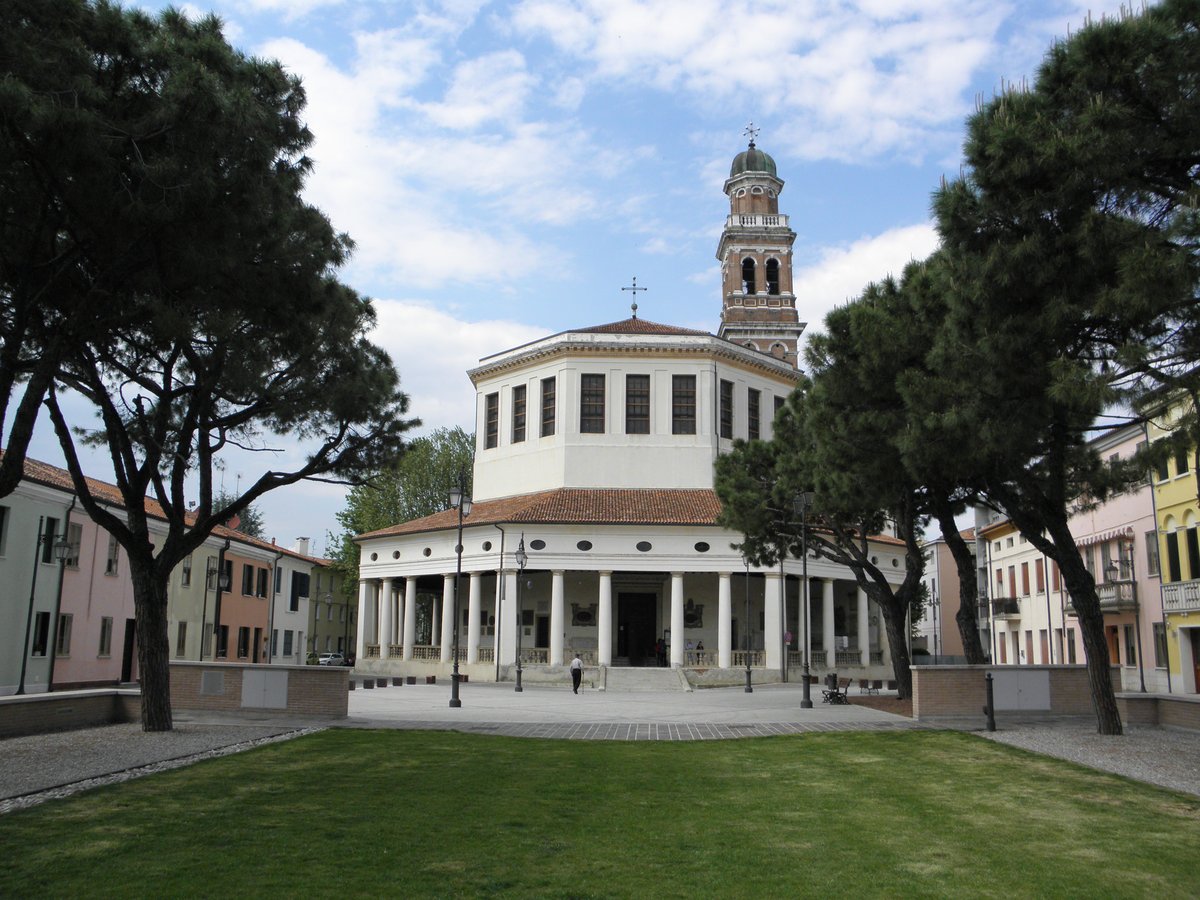 The Rovigo Cathedral, dedicated to Pope and Martyr Saint Stephen, is the main place of worship in the city and one of the most significant religious buildings in Polesine. Its unfinished brick facade conceals an interior rich in surprises that absolutely deserves an in-depth visit. The current structure dates back to 1696, designed by the Ferrarese architect Girolamo Frigimelica, but it stands on previous places of worship dating back as far as the 10th century. Upon entering, one is struck by the harmony of forms and the precious altarpiece by Palma il Giovane depicting the Madonna and Child with Saints, a masterpiece of the late Venetian Renaissance. Particularly interesting is the underground crypt, accessible via a side staircase, which preserves archaeological remains of the previous churches and offers a fascinating journey through the city's historical stratification. The 18th-century organ, recently restored, provides moments of great acoustic atmosphere during celebrations. Its central location in Piazza Duomo makes it easily incorporated into any Rovigo itinerary, just steps from Palazzo Roverella and the Accademia dei Concordi. To fully appreciate the atmosphere, I recommend visiting in the morning hours, when light filters through the stained glass windows creating particularly evocative plays of light along the aisles.
Grimani Tower
- Via Grimani, Rovigo (RO)
- Open in Google Maps
- View on Google Images
 If you're looking for a privileged viewpoint over Rovigo, Grimani Tower is the perfect choice. This medieval tower, located in Piazza Vittorio Emanuele II, is one of the city's most recognizable symbols. Built in the 14th century as part of the defensive system, it now stands majestically next to the Town Hall. Its red brick structure and characteristic Ghibelline battlements make it immediately identifiable. Climbing its steps is an experience that delivers authentic emotions: from the top, you can enjoy a 360-degree panoramic view of the historic center, with the rooftops of houses, churches, and squares stretching out to the Polesine countryside. It's not just a monument to admire from afar: access is permitted, and once at the top, you can appreciate details like the ancient arrow slits and the still-functioning historic clock. The tower is well integrated into the urban fabric, just steps away from other points of interest like the Accademia dei Concordi and Palazzo Roverella. For those visiting Rovigo, it's a must to understand the city's history and evolution, from its medieval origins to the present day. I recommend visiting at sunset, when the warm light enhances the colors of the bricks and creates unforgettable atmospheres.
San Bartolomeo (San Bortolo)
- Piazzale San Bartolomeo, Rovigo (RO)
- Open in Google Maps
- View on Google Images
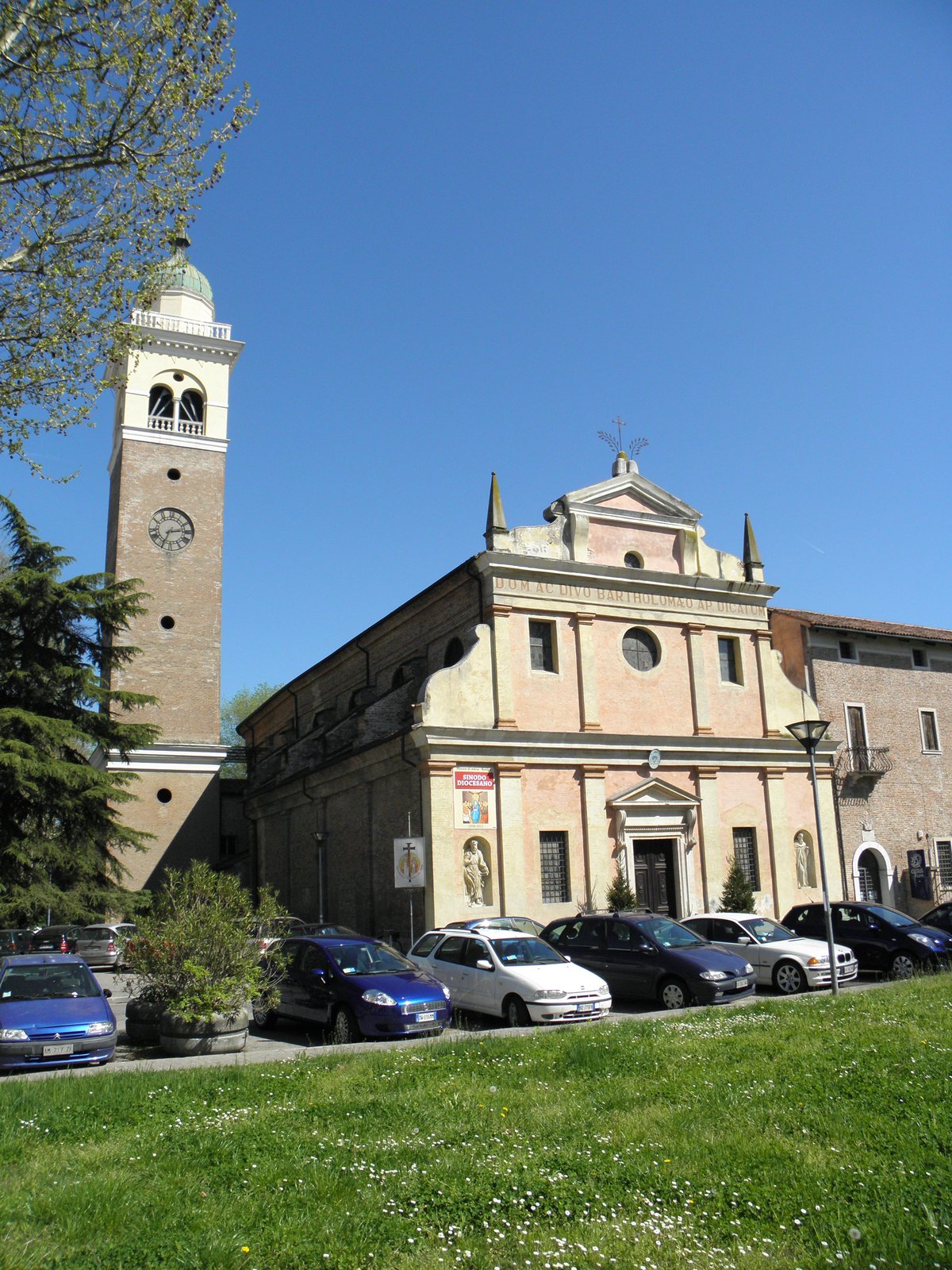 The Church of San Bartolomeo, affectionately called San Bortolo by the people of Rovigo, is one of those places that surprises you with its discreet elegance. Located right in the historic center, just steps from Piazza Vittorio Emanuele II, this church represents a refined example of Renaissance architecture in the Polesine region. Built in the 16th century based on a design by Biagio Rossetti, the same architect who worked for the Este family in Ferrara, the brick facade displays that sober harmony typical of the early Venetian Renaissance. Upon entering, the eye immediately falls on the main altar with the altarpiece of Saint Bartholomew, a work of significant artistic value that dominates the apse. The church also preserves interesting 16th-century frescoes and a historic organ that fills the space with sacred music during celebrations. What strikes you about San Bortolo is the intimate and authentic atmosphere: it's not a crowded tourist destination, but rather a place where you can breathe in the local spirituality and history. Its central location makes it perfect for a stop during your exploration of Rovigo's center, perhaps combined with a visit to the nearby Palazzo Roverella. The advice is to carefully observe the architectural details of the side chapels and the craftsmanship of the capitals, evidence of the period's masterful artistry.
Church of Saints Francis and Justina
- Via Silvestri, Rovigo (RO)
- Open in Google Maps
- View on Google Images
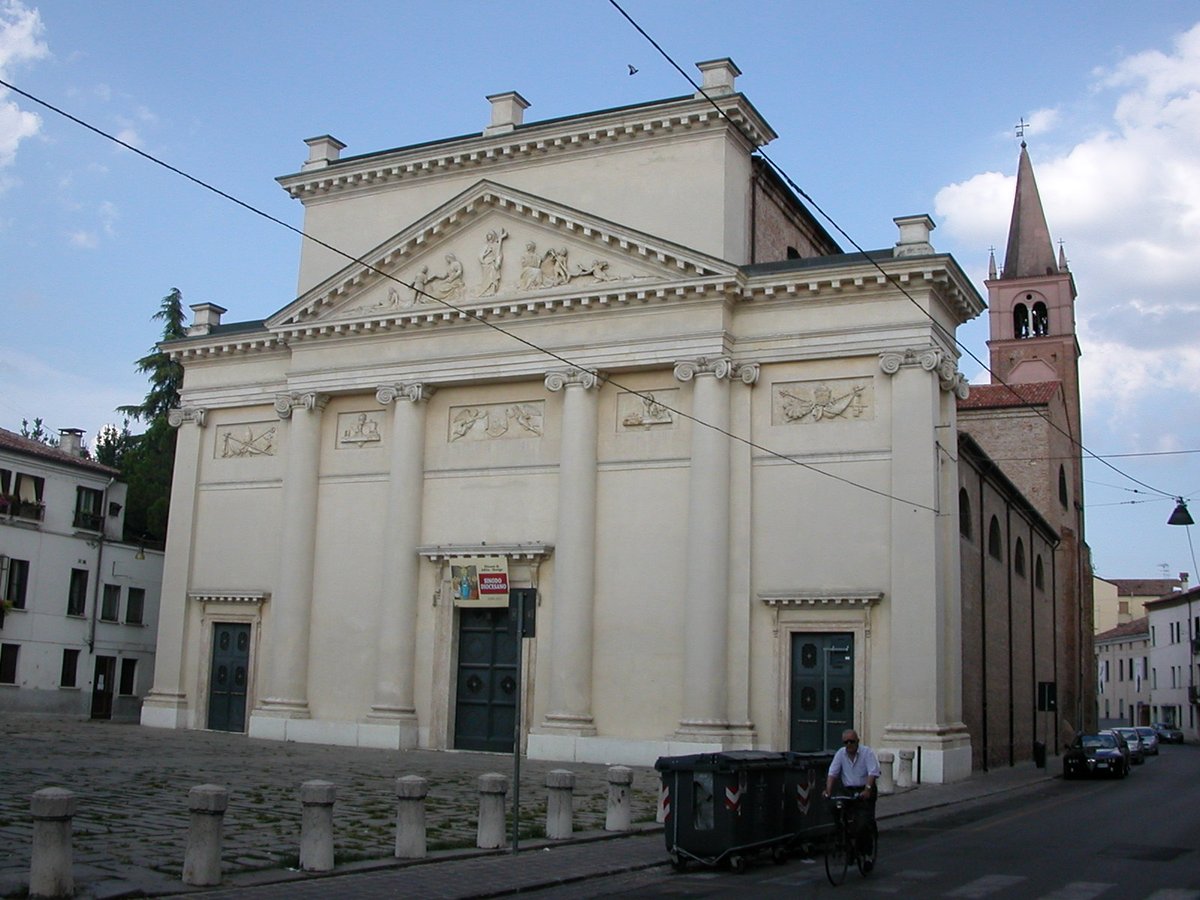 If you're looking for a corner of peace and beauty in the center of Rovigo, the Church of Saints Francis and Justina is an unmissable stop. Built in the 14th century as part of a Franciscan convent complex, this church holds a discreet charm that strikes you with its authenticity. The exterior, with its brick facade and Gothic portal, welcomes you with a medieval atmosphere that transports you back in time. Upon entering, you'll be struck by the 16th-century coffered ceiling, a masterpiece of wood carving that dominates the single nave. The Renaissance frescoes, although partly deteriorated, tell stories of saints and biblical moments, while the main altar in polychrome marble adds a touch of Baroque elegance. Don't miss the Chapel of Saint Francis, where a pictorial cycle dedicated to the saint of Assisi offers moments of spiritual reflection. The church is also linked to local history: memories of the Roverella family, who contributed to its artistic enrichment, are preserved here. It's an ideal place for a contemplative break, away from the crowds, where you can breathe in the history and art of Polesine. I recommend visiting in the morning hours, when light filters through the side windows, illuminating the most hidden details.
Roncale Palace
- Via Alessandro Manzoni, Rovigo (RO)
- Open in Google Maps
- View on Google Images
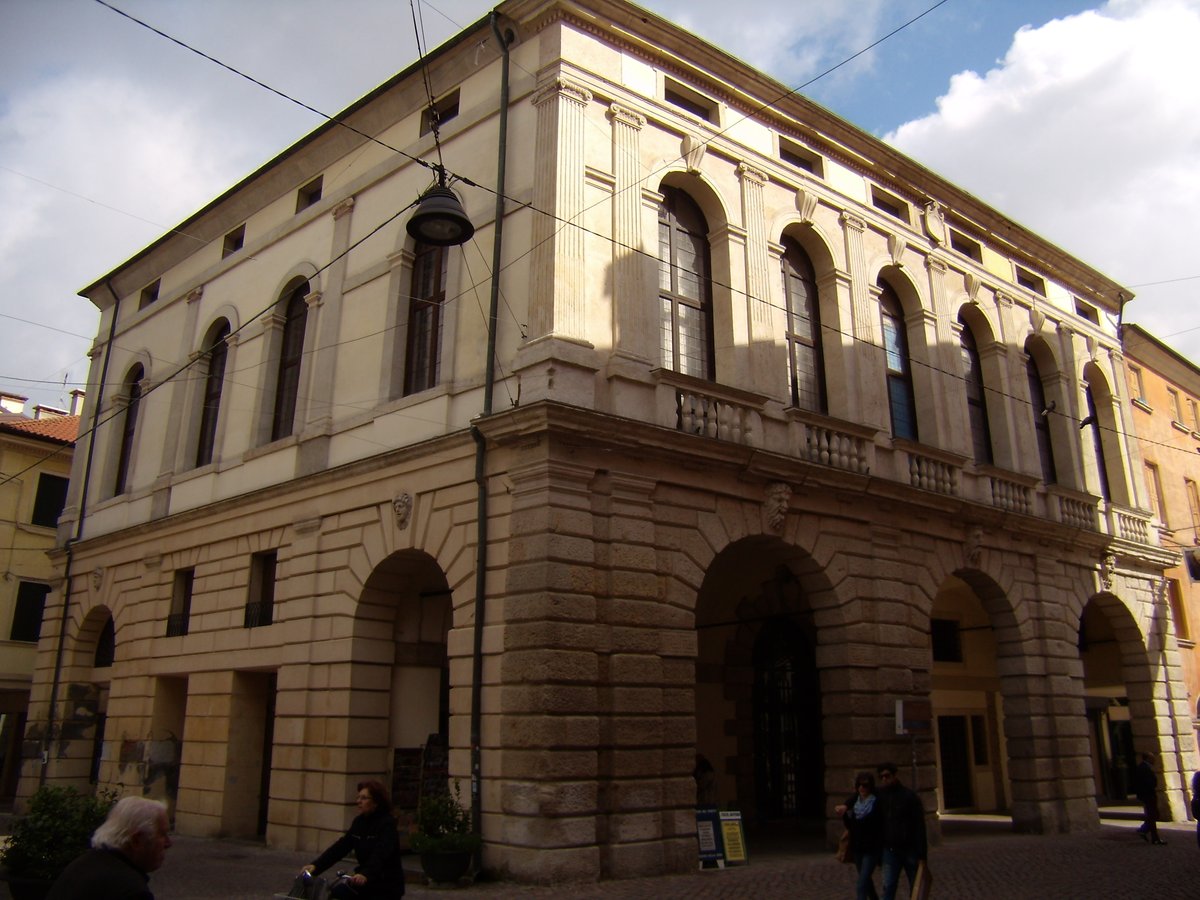 If you visit Rovigo, Roncale Palace is an unmissable stop. This splendid 16th-century building is located right in Piazza Vittorio Emanuele II, the city's elegant drawing room. Built for the Roncale family, merchants from Bergamo, the palace represents one of the most significant examples of Renaissance architecture in the Polesine region. The brick façade with its elegant round arches and decorated windows immediately transports you to the atmosphere of the 16th century. Upon entering, you'll be struck by the porticoed courtyard that preserves its original structure intact, with marble columns and finely worked capitals. Today the palace hosts important temporary exhibitions organized by the Fondazione Cassa di Risparmio di Padova e Rovigo, often dedicated to Venetian and Italian art. The exhibition halls on the first floor, with their coffered ceilings and brick floors, create the perfect environment for admiring works by artists like Giovanni Bellini and Titian. Don't miss the opportunity to climb the grand staircase, a true masterpiece of elegance. The palace is open year-round with hours that vary based on current exhibitions, so always check the schedule before going. For those who want to delve deeper, guided tours are often available that recount the history of the Roncale family and the architectural transformations of the building. A practical tip: purchase the combined ticket that also includes Roverella Palace, so you optimize both time and budget.
Church of Sant'Apollinare
- Via Don Aser Porta, Rovigo (RO)
- Open in Google Maps
- View on Google Images
 The Church of Sant'Apollinare is located right in the historic center of Rovigo, along Via Silvestri, and represents one of the most interesting examples of Baroque architecture in the Polesine city. Built in the 17th century based on a design by architect Baldassare Longhena, the church immediately strikes visitors with its exposed brick facade, typical of the Venetian tradition, featuring an elegant portal topped by a broken pediment. Upon entering, the single-nave interior reveals an intimate and evocative atmosphere, enriched by white and golden stuccoes that frame the artworks housed within. Among these, the altarpiece by Andrea Vicentino stands out, depicting the Madonna and Child with saints, a masterpiece that testifies to the artistic vibrancy of 17th-century Rovigo. Also noteworthy are the side altars, dedicated to various local devotions, and the still-functional 18th-century organ, occasionally used for concerts. Although modest in size, the church is an active place of worship and is often chosen for private celebrations due to its intimate setting. To visit, check the opening hours, which may vary depending on religious services; admission is free and allows visitors to admire up close details such as the polychrome marble floors and the windows that filter a soft light, creating an ideal atmosphere for a moment of reflection while exploring Rovigo.
Church of Saint Anthony
- Via Alcide de Gasperi, Rovigo (RO)
- Open in Google Maps
- View on Google Images
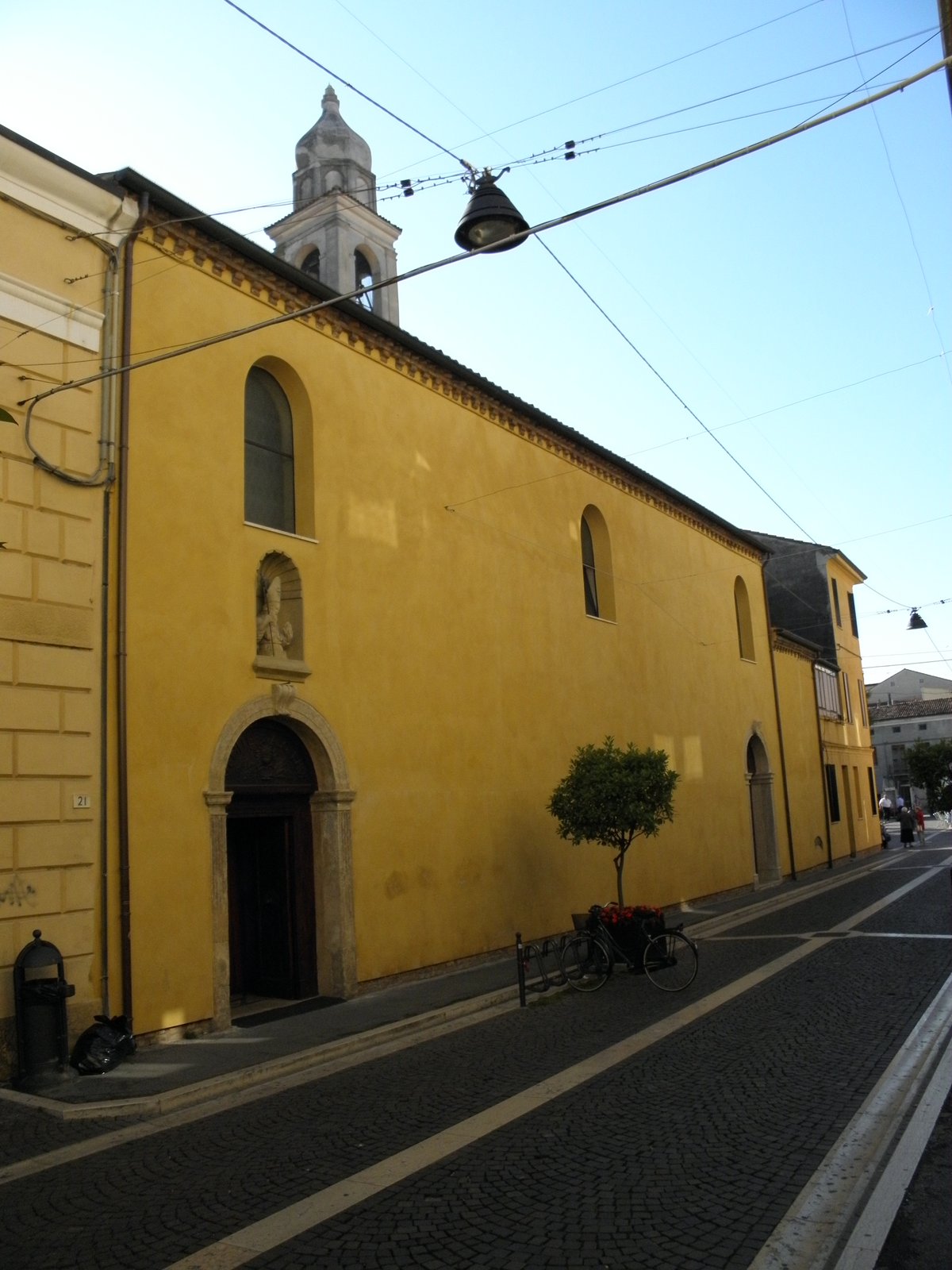 The Church of Saint Anthony is located on Via Silvestri, in the historic center of Rovigo, and represents one of the most significant examples of Baroque architecture in the city. Built between 1691 and 1702 based on a design by Venetian architect Antonio Gaspari, a pupil of Baldassarre Longhena, the church stands out for its exposed brick facade, articulated by pilasters and crowned by a triangular pediment. The interior, with a single nave and side chapels, houses valuable works of art, including the altarpiece by Antonio Zanchi, depicting Saint Anthony of Padua preaching to the fish, and the 18th-century frescoes on the vault, attributed to Francesco Zugno. Particularly interesting is the chapel dedicated to Saint Francis of Paola, with a canvas by Giovanni Battista Piazzetta. The church, managed by the Conventual Franciscans, remains an active place of worship today and occasionally hosts sacred music concerts. To visit, it's advisable to check the opening hours, typically in the morning and late afternoon, as it's not always accessible during the day. Its central location makes it easily reachable on foot from other attractions such as Palazzo Roverella and the Duomo.
Church of San Zenone
- Via Montebello, Rovigo (RO)
- Open in Google Maps
- View on Google Images
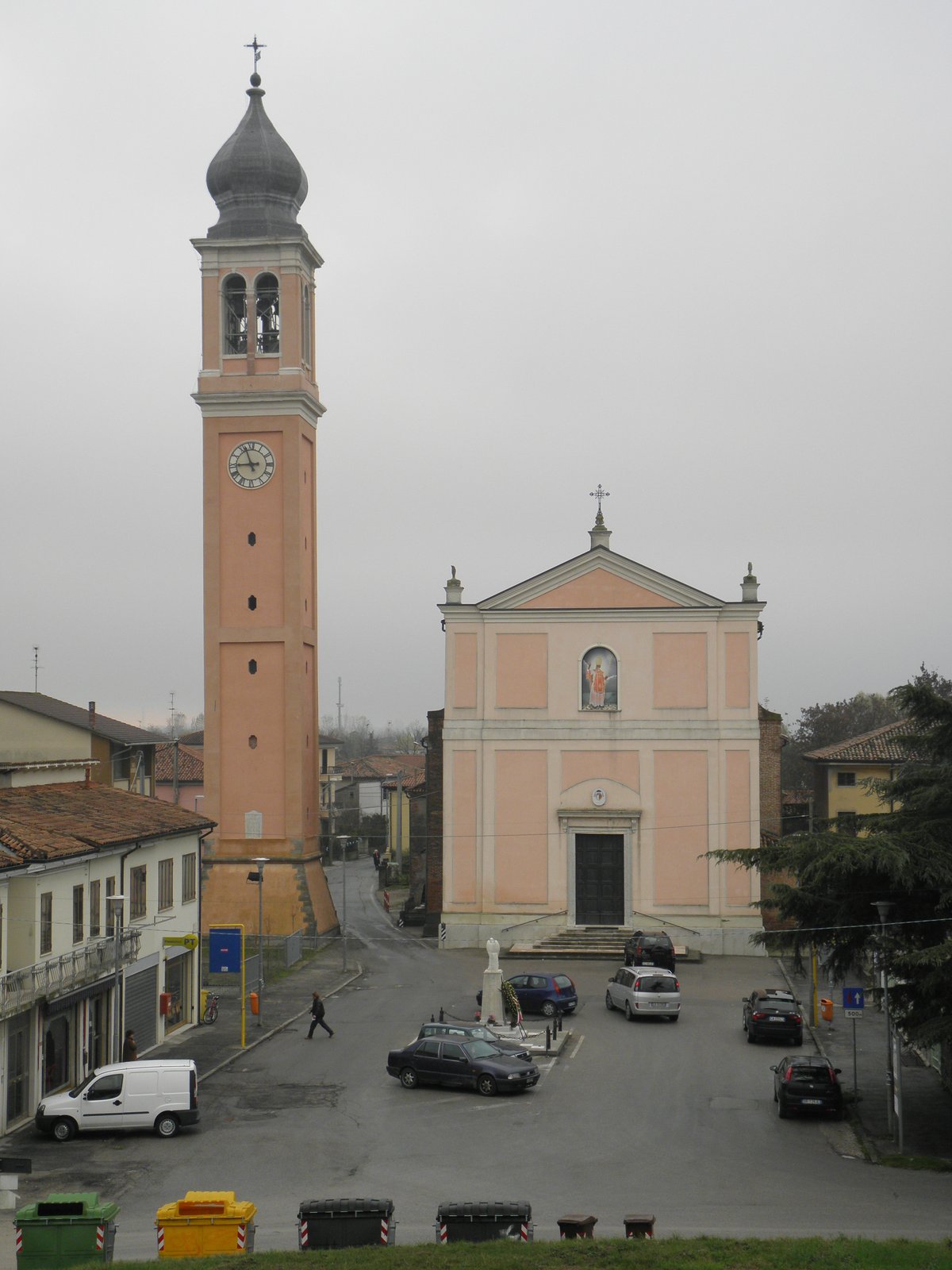 If you're looking for a place that tells the oldest story of Rovigo, the Church of San Zenone is your must-visit stop. Considered the city's oldest church, this religious building likely dates back to the 10th century and represents a rare example of Romanesque architecture in Polesine. Its location, right in the historic center, makes it easily accessible during a stroll through Rovigo's alleyways. The simple and austere facade hides an interior that preserves traces of medieval frescoes, precious testimonies of local devotion and art. Unfortunately, over the centuries it has undergone several modifications, but the semicircular apse and general structure still maintain their original imprint. Don't expect lavish decorations: here, essentiality is the true richness. It's a perfect spot for a brief stop, perhaps combined with a visit to the nearby Duomo or Palazzo Roverella. The intimate and silent atmosphere allows you to breathe in history without distractions, away from the tourist crowds of more popular destinations. A practical tip: always check the opening hours, as it's not an active parish church and may have limited access. If you love discovering authentic and lesser-known corners, San Zenone will give you that sense of discovery that makes every journey special.