Castel Juval: Reinhold Messner Museum with Tibetan Artifacts and Val Venosta Views

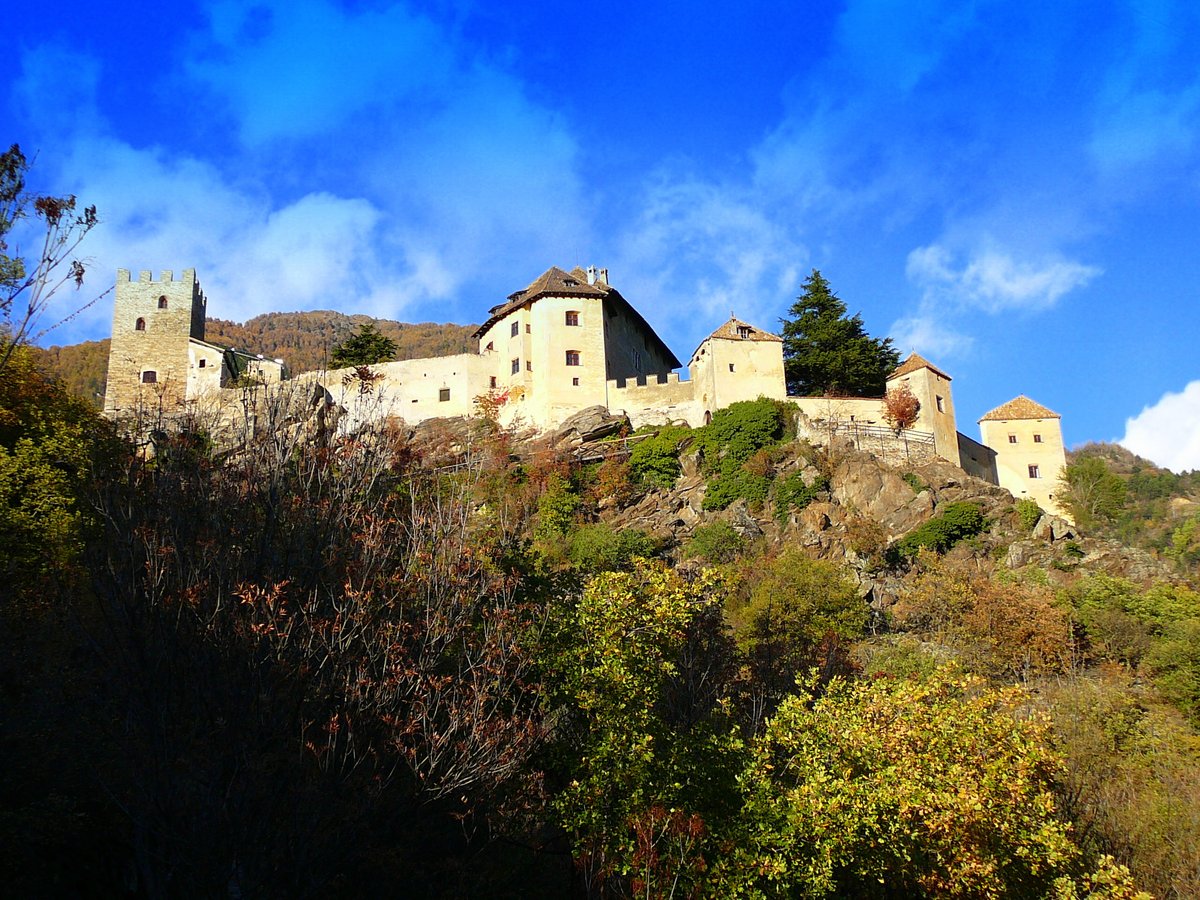
Castel Juval is the private home of Reinhold Messner and one of the six museums in his circuit, dedicated to the relationship between humans and mountains. Perched on a rocky spur at 1,000 meters, it offers breathtaking views of Val Venosta and the Dolomites.

  • Mountain Cultures Museum featuring Tibetan masks and ritual objects collected by Messner
  • Terraced gardens with an organic vegetable patch, heritage roses, and a vineyard producing local wine
  • Private residence restored by Reinhold Messner since 1983, with an intimate and authentic atmosphere
  • Panoramic location overlooking Val Venosta, reachable with a short walk from the parking area


Events nearby

Copertina itinerario Castel Juval: Reinhold Messner Museum with Tibetan Artifacts and Val Venosta Views
Castel Juval, the private residence of mountaineer Reinhold Messner, houses the Mountain Cultures Museum with Tibetan masks and ritual objects. It overlooks Val Venosta with panoramic views of the Dolomites, accessible via a short scenic walk.

Good to know


Introduction

Perched on a rocky spur at 1,000 meters above sea level, Castel Juval dominates the Val Venosta with breathtaking grandeur. It’s not just a medieval castle, but the private residence of Reinhold Messner, the legendary mountaineer, who has created one of his six mountain museums here. The view of the Ortles peaks and Val Senales is stunning, and the atmosphere is a unique blend of history, culture, and passion for adventure. If you love places that tell stories, this is a must-see.

Historical Background

The origins of Castel Juval date back to the 13th century, built as a fortress by the lords of Juval. In 1913, Swiss artist and writer Emil Lucke purchased it and began a restoration, but it was Reinhold Messner who gave it new life in 1983, transforming it into his residence and the Mountain Cultures Museum. Today it houses a collection of objects gathered by Messner during his expeditions in Asia, Africa, and South America, related to mountain peoples.

  • 13th century: construction of the castle
  • 1913: purchase by Emil Lucke
  • 1983: Reinhold Messner buys and restores it
  • Today: private residence and museum

The Museum of Mountain Cultures

Inside the castle, the Museum of Mountain Cultures offers a fascinating journey through the traditions of high-altitude peoples. Don’t expect sterile rooms: here you’ll find Tibetan masks, Himalayan carpets, and ritual instruments collected by Messner from around the world. Each object has a story tied to spirituality and survival in extreme environments. The layout is intimate, almost as if you’re in an explorer’s home, with personal annotations that make the experience authentic and engaging.

The Gardens and Organic Vegetable Garden

Surrounding the castle, the terraced gardens are a delightful surprise: not only do they beautify the area, but they also produce fruit, vegetables, and aromatic herbs organically, following Messner’s philosophy of living in harmony with nature. Strolling among the flowerbeds, visitors can admire antique roses, medicinal plants, and a vineyard that yields a local wine. It’s a peaceful corner where the sound of the Senales stream at the valley bottom accompanies the visit, perfect for a contemplative break before moving on.

Why Visit It

Visiting Castel Juval is worthwhile for three concrete reasons. First, to enter the world of Reinhold Messner: it’s not just any museum, but an intimate place that reveals his vision of the mountains. Second, for the unique panoramas of the Val Venosta, which from here looks like a painting. Third, for the combination of history and culture: the medieval castle blends with exotic objects, creating an experience that captivates both history lovers and adventurers.

When to Go

The best time to visit Castel Juval is in late spring or early autumn, when the days are long and the weather is mild, perfect for enjoying the blooming gardens or the warm colors of the valley. Avoid the summer peaks if you prefer fewer crowds. For a magical atmosphere, try visiting early in the morning, when the slanting light illuminates the castle stones and the mist rises from the stream, offering unforgettable photo opportunities.

In the Surroundings

After Schloss Juval, explore the Vinschgau Valley with a visit to nearby Churburg Castle in Sluderno, another medieval gem with an extraordinary armory. For a themed experience, stop in Mals, where you can discover the Agricultural Museum to delve into local rural traditions. Both places are just a short drive away and enrich your day with history and culture, without straying from the valley’s authentic atmosphere.

Itineraries nearby


💡 Did You Know…?

Castel Juval is linked to a local legend: it is said that the name derives from “Jupiter,” because in Roman times, a temple dedicated to the god Jupiter stood here. Messner chose this place for its isolation and energy, calling it his “refuge of silence.” Inside, don’t miss the frescoed chapel with images of saints and the collection of Himalayan masks, which Messner considers sacred objects. In summer, the castle is surrounded by a lush organic vineyard, where “Juval” wine is produced, a Lagrein that you can taste in the cellar. An interesting detail: the tower houses a small exhibition of objects related to the Yeti myth, to which Messner has dedicated research.