
The Castle of Zumelle is a perfectly restored medieval fortress, situated on a rocky spur overlooking the Piave Valley with breathtaking views of the Belluno Dolomites. Its location along the ancient Via Claudia Augusta Altinate makes it a site of great historical interest, where you can explore walls, towers, and internal courtyards. Ideal for families and history enthusiasts, the castle regularly hosts historical reenactments that bring its ancient stones to life.
- Panoramic view of the Belluno Dolomites and the Piave Valley from the main tower
- Complete exploration of perfectly preserved walls, towers, courtyards, and medieval walkways
- Events and historical reenactments recreating the medieval atmosphere with knights and merchants
- Family-friendly activities with open spaces where children can run and dedicated play areas
Events nearby



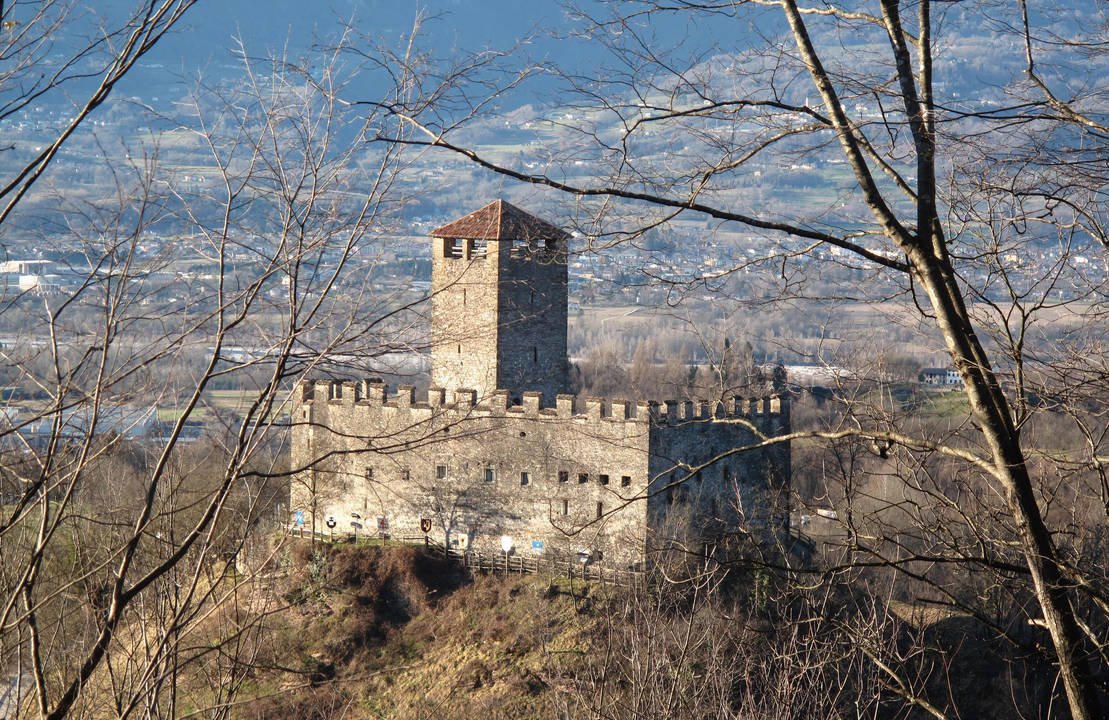
Medieval manor perched in Villa di Villa (Belluno) with visitable walls, towers, and courtyards. It offers panoramic views of the Piave Valley and the Dolomites, family-friendly activities, and hosts historical events along the ancient Via Claudia Augusta.
- https://www.castellodizumelle.it
- Via San Donà 4, Belluno (BL)
- +39 0437 548122
- Open in Google Maps
- View on Google Images Castello di Zumelle a Belluno
Good to know
Introduction
Historical Background
- 10th century: probable foundation
- Middle Ages: peak splendor as a fortress
- Centuries of abandonment and decay
- Recent restoration and reopening to the public
Exploring the Manor
Panoramas and Photography
Why Visit It
When to Go
In the Surroundings
Itineraries nearby


💡 Did You Know…?
The most fascinating legend linked to the Castle of Zumelle tells of two brothers, Meliore and Giovanni, who in the Middle Ages contended for control over the area. It is said that Meliore, after killing his brother in battle, founded the castle as a symbol of his power but was later tormented by remorse. Historically, the site has Roman origins (as evidenced by archaeological finds) and was strengthened during the Lombard period. During World War I, its walls served as an observation post, adding another layer of history. Today, restorations have brought to light elements such as the water cistern and the foundations of the chapel, making the visit a true journey through time.