Introduction
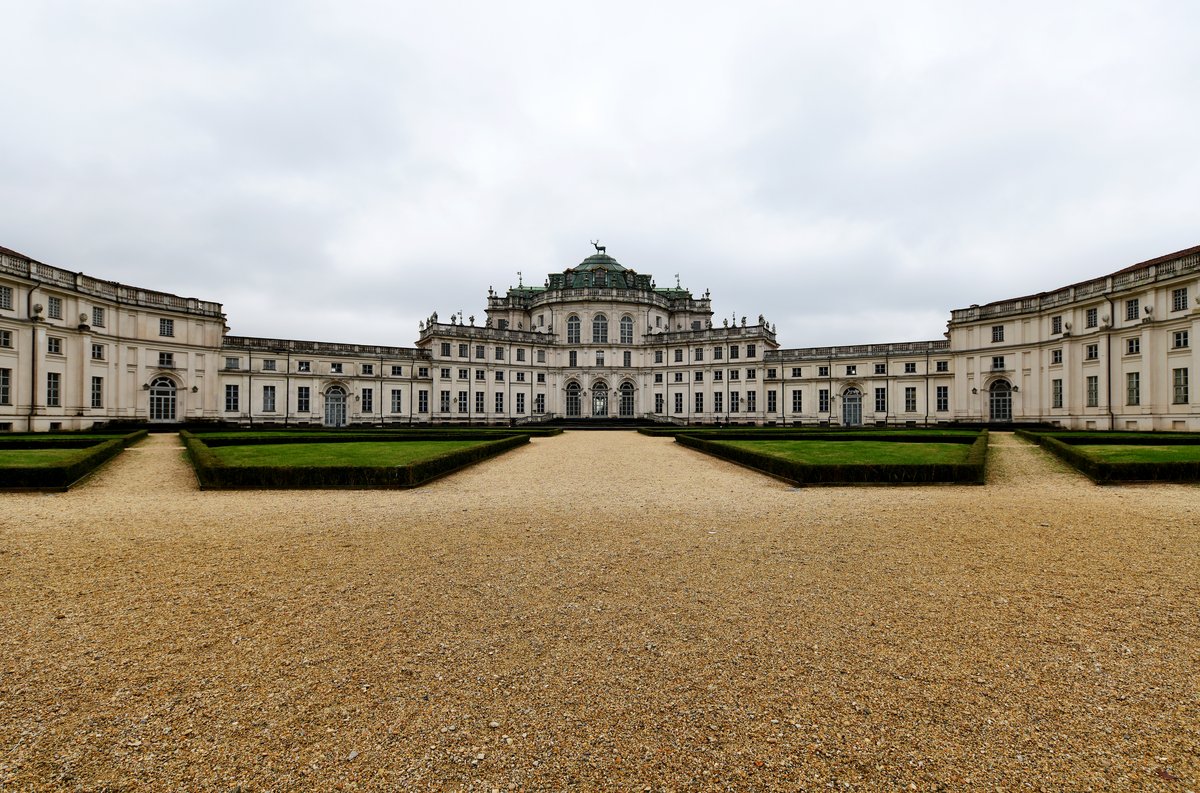
As soon as you pass through the gate, you immediately understand that the Palazzina di Caccia di Stupinigi is not just a simple palace. It’s an explosion of Piedmontese Baroque, a masterpiece by Filippo Juvarra that leaves you in awe. The view of the central dome with the golden stag on top is iconic; you almost expect to see the Savoys returning from a hunting expedition. The surrounding park, vast and silent, creates an atmosphere suspended in time. It’s not just a museum; it’s a plunge into eighteenth-century luxury, perfect for those seeking something different from the usual Turin attractions. Personally, I was struck by how this place manages to be majestic yet not overwhelming, perhaps because it was designed for pleasure, not politics.
Historical Background
The history here is closely tied to the House of Savoy and their passion for hunting.
Victor Amadeus II commissioned this residence in 1729, entrusting it to Juvarra, the court architect already famous for the Basilica of Superga. It was not a permanent dwelling but a leisure retreat, where the nobility organized lavish hunts in the nearby park. In the 18th and 19th centuries, it hosted memorable celebrations and even Napoleon during the Italian campaign. Today, it is a national museum but retains that air of worldly elegance. The timeline helps outline the key milestones:
- 1729: Construction begins at the behest of Victor Amadeus II.
- Mid-1700s: Period of greatest splendor under Charles Emmanuel III.
- 1805: Napoleon stays here during the Italian campaign.
- 1919: Becomes property of the Italian State.
- Today: National museum and UNESCO site since 1997.
Fairy-Tale Interiors
If the exterior is majestic, the interiors are a true plunge into opulence. The Central Hall is the heart of the hunting lodge: tall, bright, with frescoes celebrating hunting and gilded stucco everywhere. Walking here makes you feel like an honored guest, even though it’s full of tourists today. The private rooms, like the King’s Apartment, display original furniture and precious fabrics—some recently restored, others with that slightly lived-in charm I prefer. Don’t miss the Hall of Mirrors, where light plays create magical effects, especially when sunlight filters through the windows. Pay attention to the details: the fireplaces, crystal chandeliers, even the door handles tell stories of refined craftsmanship. Sometimes I wonder what it was like to live here, among sumptuous dinners and conversations in the drawing rooms.
The Park and Its Green Surroundings
The hunting lodge wouldn’t be the same without its historic 1,500-hectare park, once a royal hunting reserve. Today, it’s a green area perfect for a relaxing stroll, away from the city’s hustle and bustle. The tree-lined avenues, meadows, and small bodies of water invite you to take a break after touring the interiors. If you’re lucky, you might spot squirrels or birds—the atmosphere is peaceful, ideal for a picnic or reading a book. It’s not a park equipped with playgrounds, but it has that natural charm that appeals to those seeking a bit of tranquility. Personally, I find the contrast between the opulence of the interiors and the simplicity of the park to be one of this place’s strengths. Perhaps that’s exactly what makes it so special: a blend of art and nature.
Why Visit It
Three concrete reasons not to miss it. First: it’s a unique example of Piedmontese Baroque architecture, designed by Juvarra, who gave his best work here. Second: the interiors are authentic, with original furnishings and decorations that transport you to the 1700s – no fake reconstructions. Third: the park offers a huge, free green space, perfect for unwinding after the cultural visit. Plus, it’s less crowded than other Turin sites, so you can enjoy it at your leisure. For history enthusiasts, every corner tells stories of the Savoy dynasty; for art lovers, the frescoes alone are worth the ticket. I’d return for that sense of discreet elegance you rarely find elsewhere.
When to go
The best time? A late spring or early autumn afternoon, when the light is warm and the park is lush. In summer it can be hot, but the interiors are cool; in winter, the charm is more intimate, though the park loses some of its colour. Avoid peak season weekends if you prefer fewer crowds. Personally, I love visiting towards closing time, when the sun’s rays illuminate the Central Hall creating spectacular shadow play. There’s no wrong season, but if you want the maximum atmosphere, aim for those transitional periods where everything seems more magical.
In the Surroundings
To complete the Savoy experience, here are two nearby thematic suggestions. First: the Venaria Reale Palace, just a few kilometers away, is another spectacular royal residence with enormous gardens and temporary exhibitions – perfect for a historical pairing. Second: if you love typical products, take a trip to Porta Palazzo Market in Turin, Europe’s largest open-air market, where you can taste Piedmontese cheeses and cured meats. Both places enrich your visit with art and flavor without straying too far from the travel theme. I consider them an excellent excuse to explore beyond the hunting lodge as well.