If you love architecture and history, this 1-day walking itinerary in central Milan will take you to discover some of the city’s most splendid noble palaces. Among these, Palazzo Clerici and Villa Necchi Campiglio, two gems that recount the luxury and elegance of Milanese aristocratic families. Strolling through the streets of the center, you can admire Baroque and Neoclassical facades, inner courtyards, and secret gardens, on a route that combines art and daily life. Perfect for a city break, this Milan historic palaces tour is ideal for those who want to experience Milan authentically, away from the more crowded tourist circuits. Get ready to be amazed by the hidden beauty of these palaces, true open-air museums. An experience that will make you fall even more in love with the Milanese city. This Milan walking itinerary is designed to be completed in one day, with well-connected stops and practical tips to enjoy every detail.
🗺️ Your trip at a glance
A one-day itinerary to discover Milan’s most fascinating noble palaces, with a walking route that combines history, art, and architecture. Ideal for those who want to experience the city authentically, away from the usual tours.
- Ideal for history and architecture enthusiasts seeking an exclusive experience.
- Highlights: historic palaces of great value, free entry to some, and an easy, central route.
- For whom: a detail-oriented city-breaker, a curious traveler, a lover of beauty.
Itinerary stops
Stop no. 1
Archbishop’s Palace
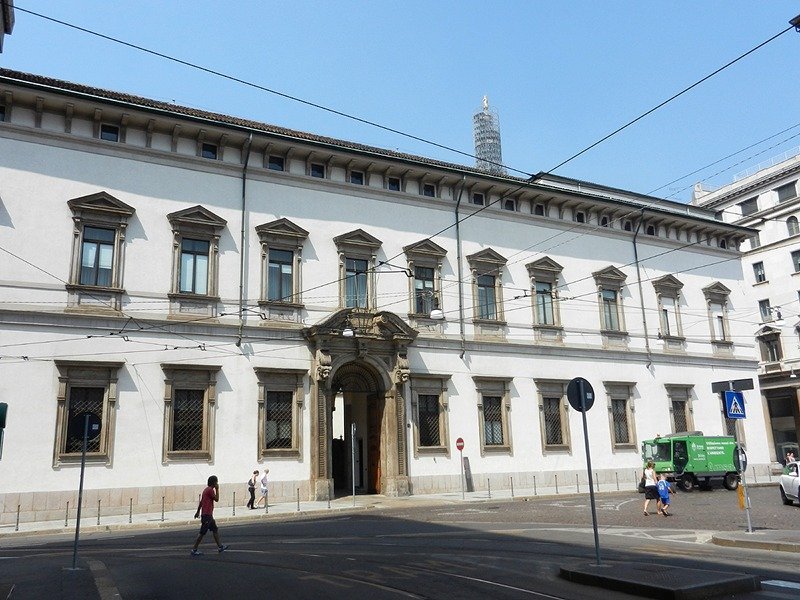 We begin our itinerary from a place that is not only the archbishop’s residence but a true treasure chest of stories. The Archbishop’s Palace, overlooking Piazza Fontana, has ancient origins: the first building dates back to the 5th century, but its current appearance is the result of 16th-century renovations commissioned by Saint Charles Borromeo and the neoclassical intervention of Giuseppe Piermarini in 1784. The façade is imposing, but the real gem is the Courtyard of the Canonica, with its double row of round arches in rusticated stone, an example of austere Counter-Reformation architecture. Walking here, I think of what happened within these walls: in 1945, Cardinal Ildefonso Schuster attempted mediation between Mussolini and the CLNAI, right in these halls. A place that seems to whisper secrets. Too bad it’s not open to the public except by appointment for study purposes – but just looking at it from the outside makes you breathe centuries of power.
- Via Carlo Maria Martini, Milano (MI)
- Open in Google Maps
- View on Google Images

You should go if…
Stop no. 2
Palazzo Clerici: Tiepolo’s Hidden Gem
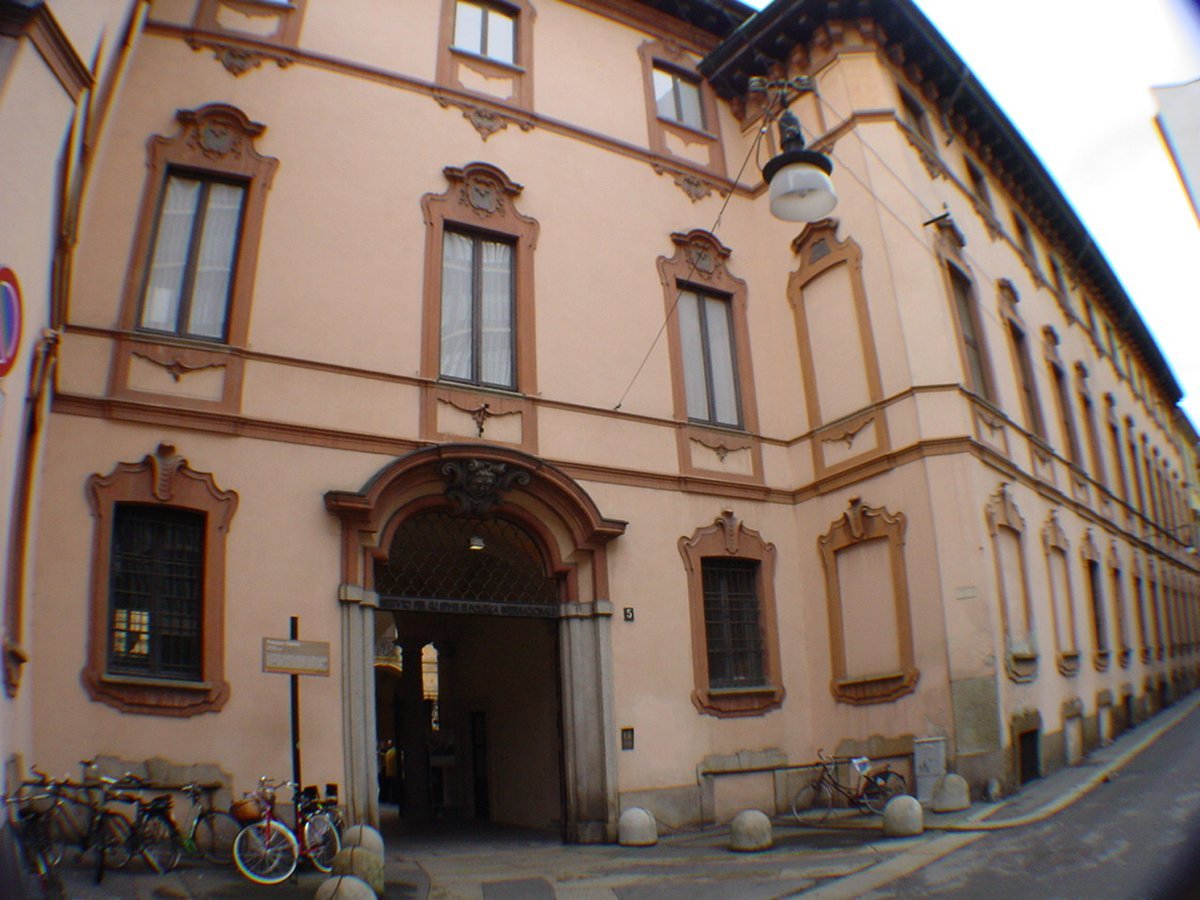 If you think you know Milan, think again. Just a stone’s throw from the Duomo, on a quiet side street, lies Palazzo Clerici, one of the most lavish patrician residences of 18th-century Milan. Its crowning jewel is the Galleria del Tiepolo: a ceiling frescoed by Giambattista Tiepolo in 1741 depicting the Course of the Sun Chariot among deities and allegories of the continents. The effect is breathtaking, with trompe-l’œil that makes you feel suspended between heaven and earth. The walls are adorned with Flemish tapestries and gilded boiserie by Giuseppe Cavanna. The palace also retains its courtyard of honor with paired Doric columns and a monumental staircase decorated with female statues in oriental attire. Admission is free but by reservation only (via email to ISPI, the institute that now houses the palace). Book well in advance, as spaces are limited. Amidst history and art, here you can breathe the luxury of a bygone era.
- Via Clerici, Milano (MI)
- Open in Google Maps
- View on Google Images
You should go if…
Stop no. 3
Palazzo Melzi di Cusano
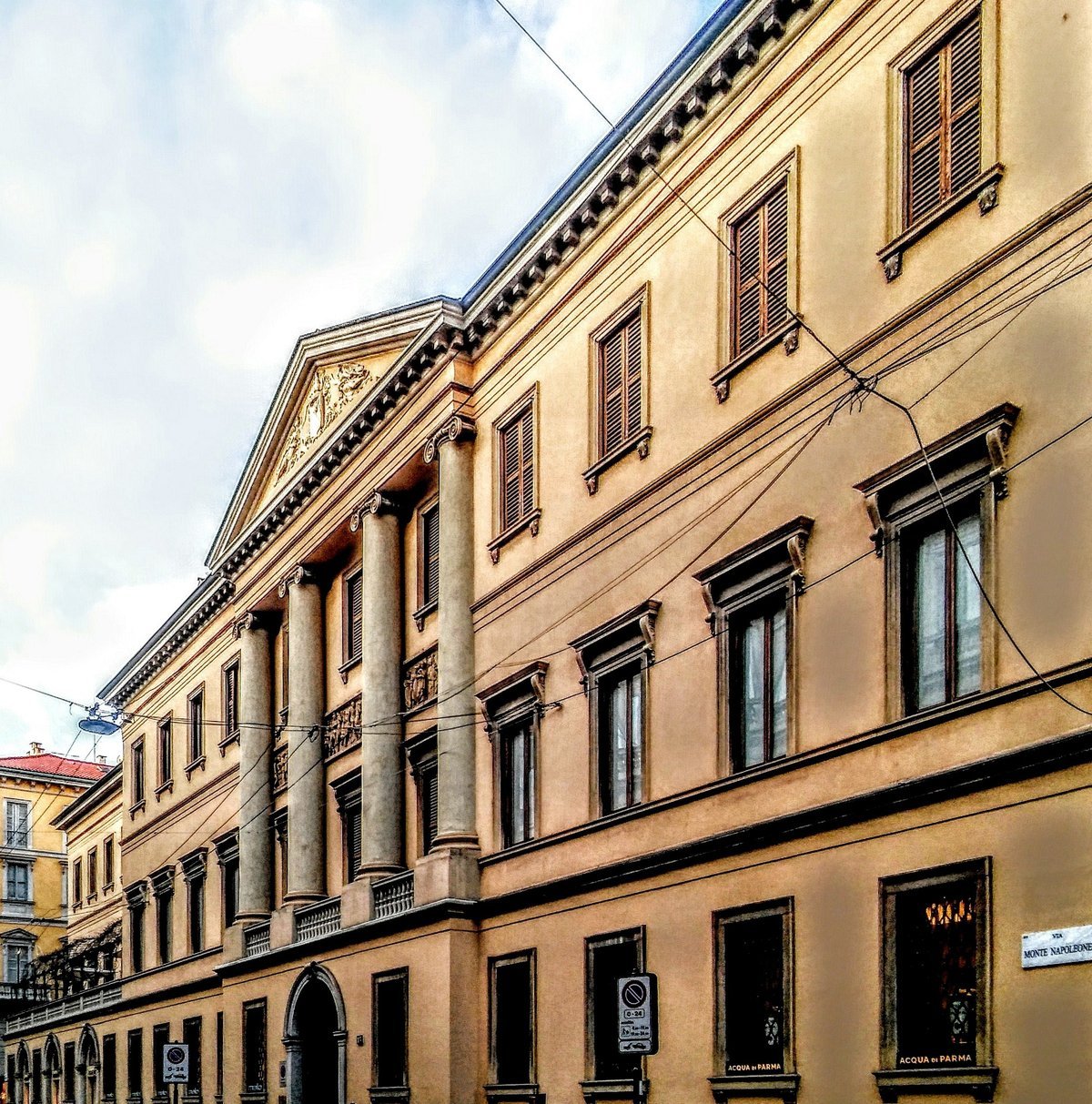 Continuing along Via Montenapoleone, at number 18 you’ll find Palazzo Melzi di Cusano, a neoclassical jewel that seems to belong to another era. Built between 1830 and 1847 based on a design by Giovanni Battista Bareggi, it takes inspiration from Palazzo Serbelloni but with a more massive touch. The facade is dominated by a giant Ionic colonnade supporting a triangular tympanum, with a high relief by Gaetano Monti depicting the Deeds of Francesco Sforza. Inside, the main apartment preserves original stucco and mosaic floors. Today the space hosts exhibitions of design and luxury furnishings, such as Casa Conte, which maintains the atmosphere of a private apartment. If you enjoy the contrast between history and modernity, you’ll find a perfect balance here. And keep an eye on the calendar: there are often public events.
- Via Santo Spirito, Milano (MI)
- Open in Google Maps
- View on Google Images
You should go if…
Stop no. 4
Villa Necchi Campiglio
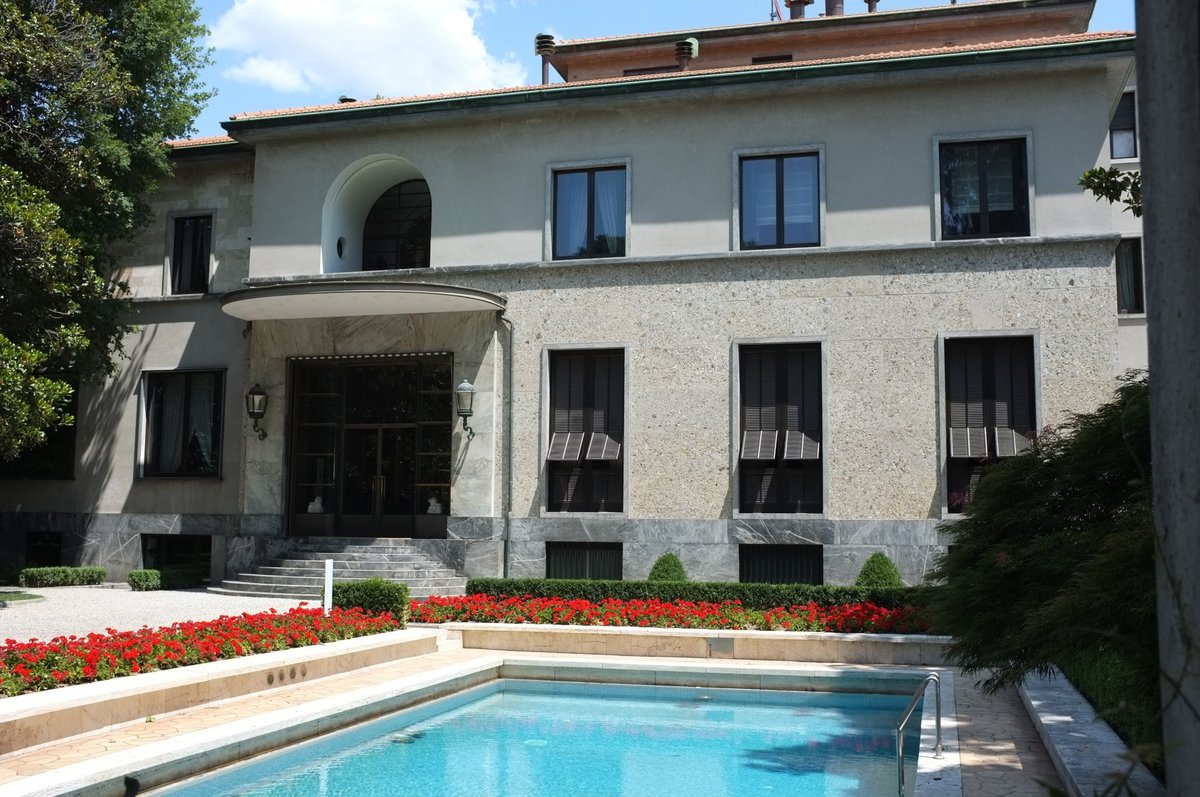 Leaving behind the neoclassical rigor of Palazzo Melzi, you enter via Mozart where, at number 14, stands Villa Necchi Campiglio, a rationalist masterpiece designed by Piero Portaluppi in 1935. Here, Milan’s industrial bourgeoisie wanted a country residence in the city, complete with a heated swimming pool (the first private one in Milan) and a tennis court, hidden in a quiet garden. The architect plays with precious materials – marble, onyx, fine woods – and futuristic solutions such as elevators and dumbwaiters. Today the villa, donated to FAI, retains original furnishings and three extraordinary art collections: masterpieces by Boccioni, De Chirico, and Morandi in the Gian Ferrari collection, 18th-century paintings by Canaletto and Tiepolo in the De Micheli collection, and drawings by Modigliani and Picasso in the Sforni collection. Admission is €15 (free for FAI members) and it is open from Wednesday to Sunday, 10 am to 6 pm. Worth a stop to breathe in the elegance of an era.
- Via Wolfgang Amadeus Mozart, Milano (MI)
- https://fondoambiente.it/luoghi/villa-necchi-campiglio
- Open in Google Maps
- View on Google Images
You should go if…
Stop no. 5
Palazzo Chiesa: an Eclectic Gem Between History and Design
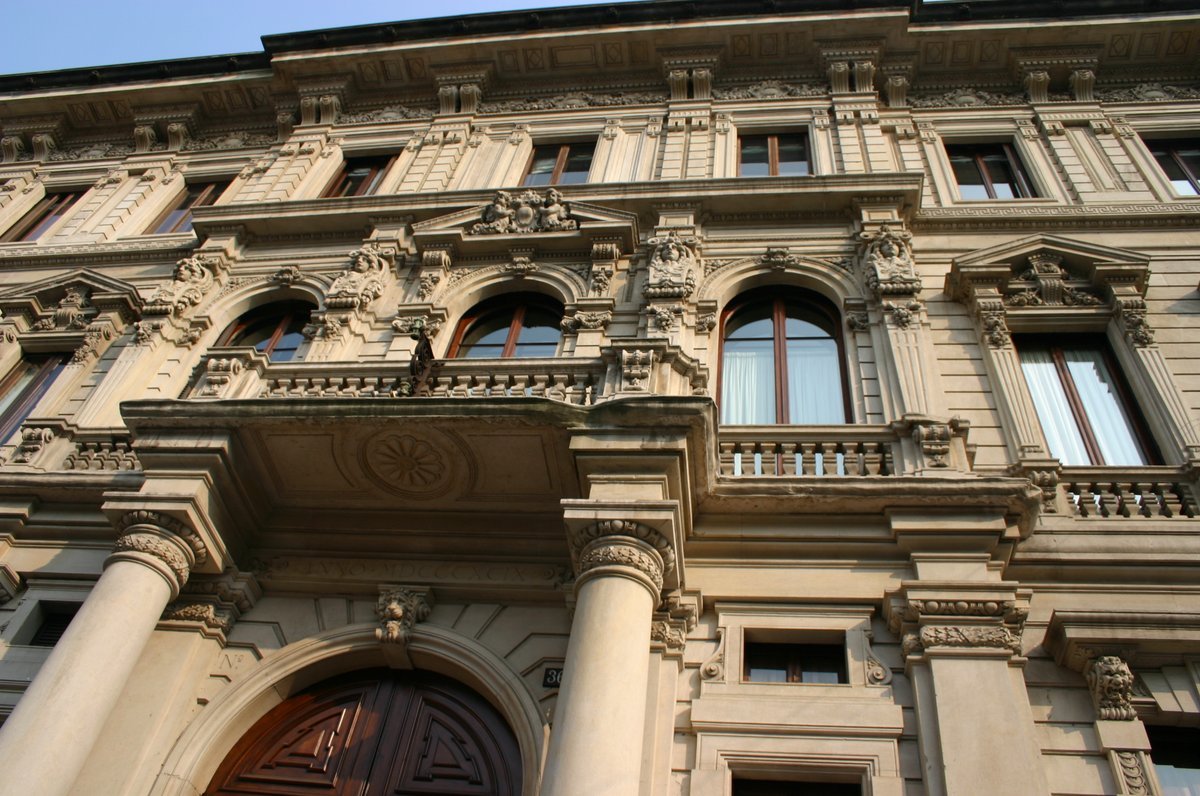 After the rationalism of Villa Necchi, you step into a completely different atmosphere at Palazzo Chiesa (Corso Venezia 36). Built between 1897 and 1899 to a design by Savoldi and Borsani, the building stands where the garden of a Capuchin convent once was. Its eclectic style blends Genoese Renaissance, neoclassical, and proto-modernist elements, foreshadowing Milan’s Liberty style. The façade strikes you with its monumental Doric pronaos and rich decoration of herms and grotesque masks. Inside, there’s a grand staircase in red Verona marble and halls with stuccoes, frescoes, and stained glass. The inner garden is a small oasis, once home to flamingos. Today it houses offices and private residences, but during events like Design Week it opens its doors with temporary exhibitions. Even just from the outside, it’s worth a stop: observing the details is like reading a book on architecture.
- Corso Venezia, Milano (MI)
- Open in Google Maps
- View on Google Images
You should go if…
Stop no. 6
Palazzo Durini
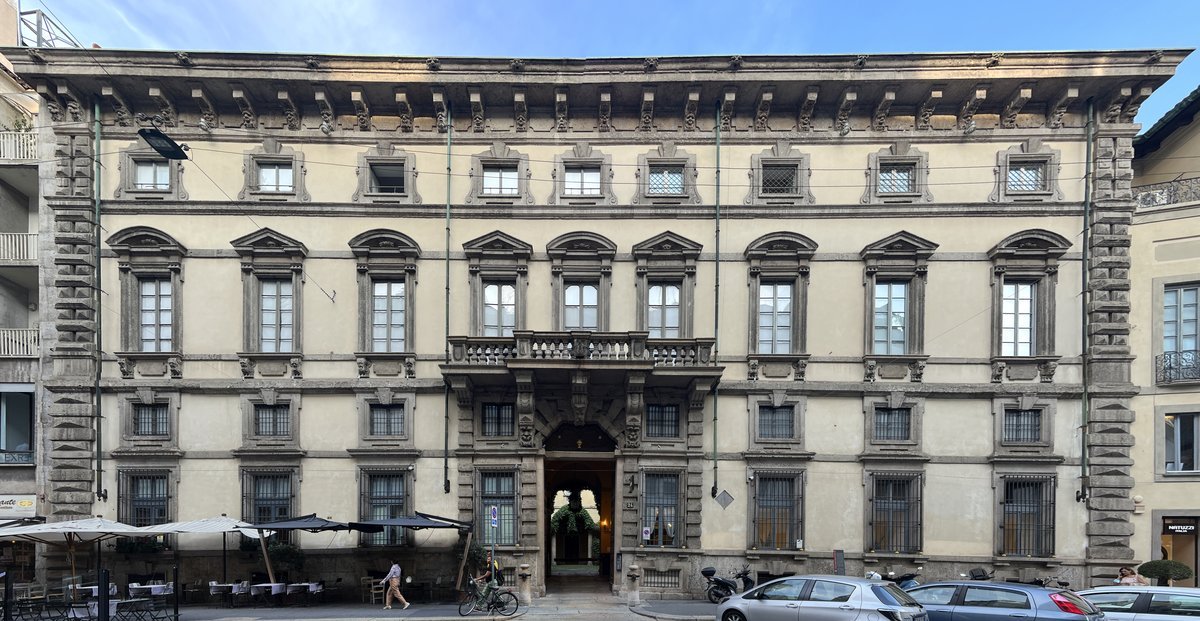 From the eclectic splendor of Palazzo Chiesa, it’s just a few blocks to Palazzo Durini, one of the most fascinating examples of Milanese Baroque. Built between 1645 and 1648 on a design by Francesco Maria Richini for Count Giovan Battista Durini, the palace has a sober façade adorned with a rusticated portal and alternating pedimented windows. Crossing the entrance, a porticoed courtyard with Doric double columns opens up, while the grand staircase in red Verona marble leads to the piano nobile, where the frescoed hall with Melchiorre Gherardini’s Triumph of Eros and the gilded wooden ceilings leave you breathless. Today, the palace houses the Edra showroom, which places contemporary furnishings among the 17th-century stuccoes. During Design Week, it becomes a hub for events and exhibitions. Although partly used as offices, the common areas are free to visit, offering a dive into Milan’s artistic history, amidst traces of figures like Canova and Bossi who lived and worked here.
- Largo Arturo Toscanini, Milano (MI)
- Open in Google Maps
- View on Google Images
You should go if…
Stop no. 7
Palazzo Visconti di Modrone: A Hidden Rococo Gem
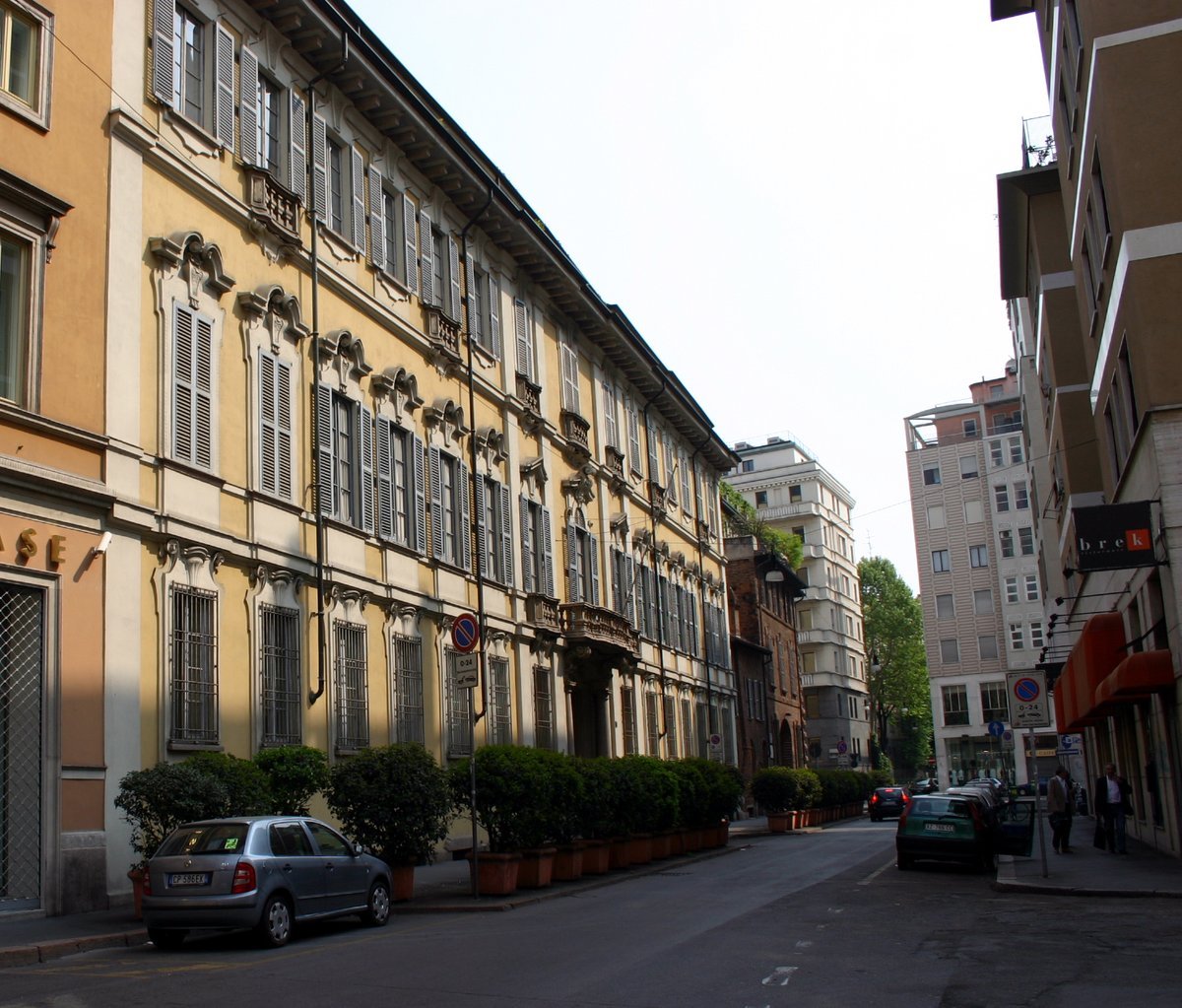 Leaving behind the baroque of Palazzo Durini, continue towards via Cino del Duca, where Palazzo Visconti di Modrone stands as one of the most opulent examples of Milanese Rococo. Built in 1708 for Giuseppe Bolagnos, the palace later passed to the Visconti di Modrone family, who embellished it with frescoes and stuccowork. Legend has it that a very young Mozart once performed a concert here. Beyond the entrance, a porticoed courtyard with paired columns opens up; on the piano nobile, the ballroom frescoed by Nicola Bertuzzi and the ceiling painted by Gersam Turri will leave you breathless. Today, the palace serves as an event venue, but during Milan Design Week it opens its doors for exhibition-installations. If you’re lucky, you can peek into the rooms during guided tours: a dive into an 18th-century elegance that still breathes.
- Via Cino Del Duca, Milano (MI)
- Open in Google Maps
- View on Google Images
You should go if…