
The Risorgimento Museum of Asti, located in Palazzo Ottolenghi in the historic center, offers a compact and engaging cultural experience through authentic 19th-century memorabilia. The modern setup with explanatory panels makes history accessible to all, with a special focus on the Astigian territory.
- Original tricolor flag raised during the 1821 uprisings
- Complete uniforms of Astigian bersaglieri with characteristic plumes
- Personal documents and autographed letters, including material from Garibaldi
- Collection dedicated to clandestine printing and the local contribution to the Risorgimento
Events nearby



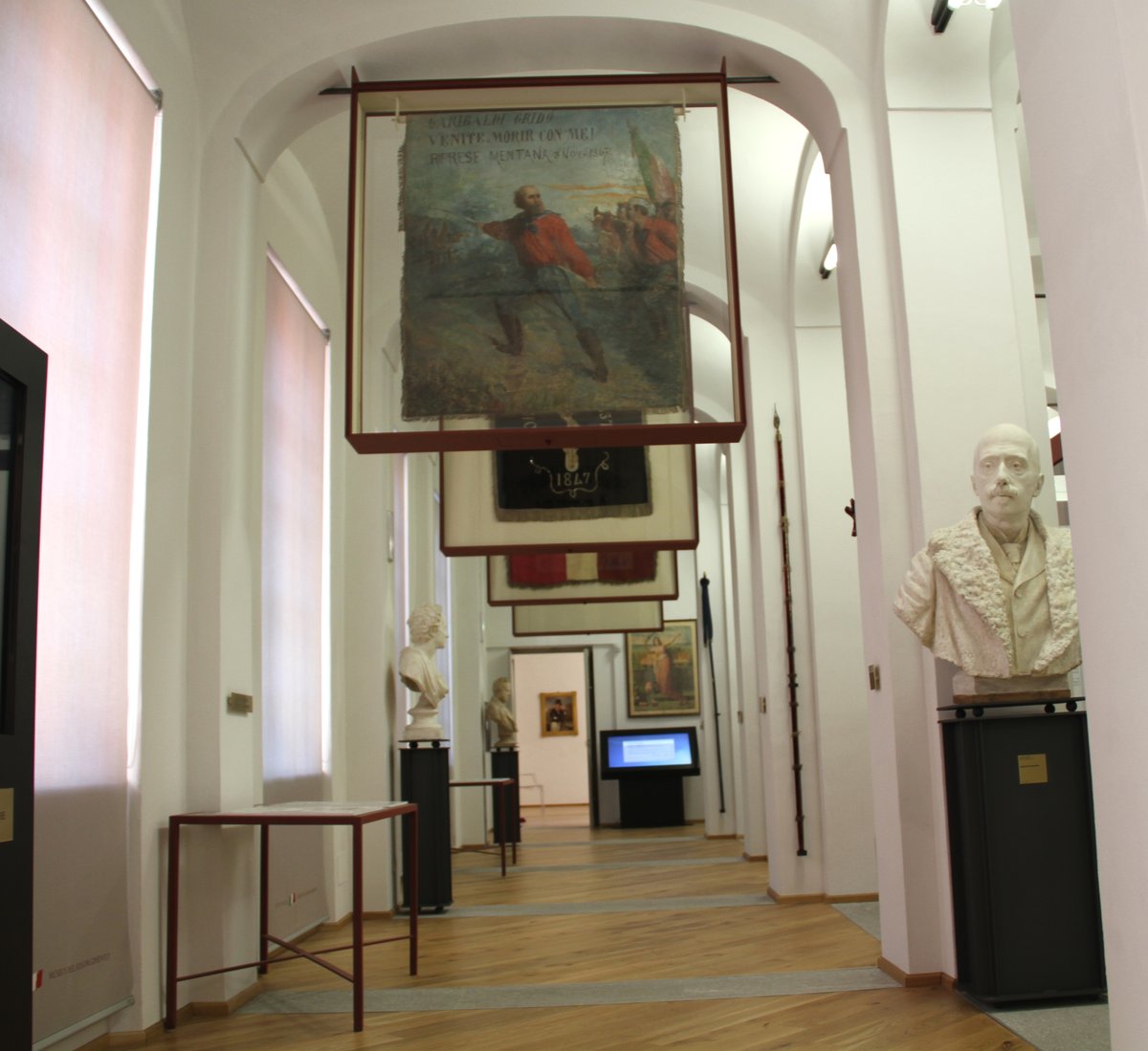
The Risorgimento Museum of Asti displays original documents, military uniforms, and the 1821 tricolor flag in the heart of Palazzo Ottolenghi. Discover the local contribution to the Unification of Italy.
- https://www.comune.asti.it/pagina948_museo-del-risorgimento.html
- musei@comune.asti.it
- Corso Vittorio Alfieri 350, Asti (AT)
- +39 0141 399555
- Open in Google Maps
- View on Google Images Museo del Risorgimento a Asti
Good to know
Introduction
Stepping into the Museum of the Risorgimento in Asti is like opening a living history book that breathes within the walls of Palazzo Ottolenghi. It’s not just a collection of relics, but an emotional journey through the events that shaped modern Italy, with a special focus on the Asti region. Here, original documents, uniforms, and weapons tell the stories of local patriots who fought for national unity. The atmosphere is intimate and engaging, perfect for those seeking an authentic cultural experience away from the busier tourist crowds. Each room is meticulously curated with attention to detail, making the visit a total immersion into the past.
Historical Overview
The museum was officially established in 1938 through the initiative of local scholars, gathering testimonies of the Asti Risorgimento. Asti, a crossroads of liberal ideas, was the scene of uprisings and support for the 1821 revolts, with figures like Giovanni Battista De Rolandis who inspired the struggle. During the Wars of Independence, many Asti residents enlisted as volunteers. The collection includes autographed letters from Garibaldi and relics from the Battle of San Martino.
- 1821: Carbonari uprisings involve Asti patriots
- 1848-49: Participation in the Wars of Independence
- 1938: Official founding of the museum
- Today: Permanent exhibition in Palazzo Ottolenghi
The Artifacts That Speak
Among the most significant pieces stands the original tricolour flag raised during the 1821 uprisings, a rare artifact that emanates a palpable energy. Then, the complete uniforms of the Asti Bersaglieri, with their distinctive plumes, and period weapons such as rifles and sabres, each with a story to tell. Personal documents are also present, like soldiers’ diaries describing life at the front with moving detail. These objects are not merely displayed but contextualised through explanatory panels that explain their use and significance, making the visit accessible even to non-experts.
The Asti Legacy
What makes this museum unique is its inseparable bond with the local territory. It’s not just about national events, but about how the people of Asti experienced them firsthand. You’ll discover stories of local families who hid patriots, or farmers who left their fields to join the Red Shirts. One section is dedicated to Asti’s clandestine press, with newspapers from that era that circulated secretly. It’s a tribute to the resilience of a community that, though far from the centers of power, actively contributed to the making of Italy.
Why Visit It
Visit to experience local history firsthand, through authentic relics that are rare elsewhere. It’s ideal for those who want to delve deeper into the Risorgimento beyond textbooks, with a human and tangible approach. Moreover, its central location in Palazzo Ottolenghi makes it easy to combine with a tour of the historic center, without wasting time. Perfect for a one-hour cultural break, it leaves a lasting impression thanks to the careful arrangement and the personal stories told.
When to Go
The best time is an autumn afternoon, when the warm light filters through the windows of Palazzo Ottolenghi and creates an intimate atmosphere, perfect for immersing yourself in the stories of the past. Avoid crowded weekends to enjoy the tranquility that enhances the experience. In spring, on the other hand, the proximity to the public gardens offers a pleasant stroll before or after your visit.
In the Surroundings
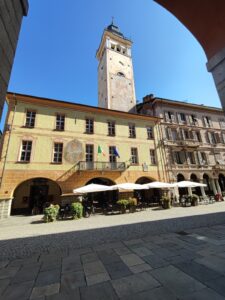
Complete your day with a visit to the Trojan Tower, a medieval symbol of Asti, offering breathtaking views of the city and surrounding hills. Nearby, the Paleontological Museum provides a fascinating contrast with fossil finds from the area, creating a coherent historical-naturalistic itinerary. Both sites are just a few minutes’ walk apart, ideal for a themed tour without the need for transportation.
Itineraries nearby


💡 Did You Know…?
Among the most significant memorabilia stands out the original flag of the Asti Battalion, preserved in excellent condition despite its 160 years. Particularly touching is the section dedicated to the letters of Asti volunteers who left for the wars of independence, with personal annotations that make history come alive and deeply moving.