
🧭 What to Expect
- Ideal for those who love art, history, and nature away from crowded cities
- Mincio Cycle Path and routes among hills and lakes
- Castles and villages: Castiglione, Solferino, Cavriana
- Thematic museums: Red Cross, Tazio Nuvolari, archaeology
- Food and wine: typical Mantuan wines and dishes
Events nearby

If you think of Mantua, does only the historic center come to mind? The province offers much more. I've traveled the roads that connect the Gonzaga to authentic villages like Castiglione delle Stiviere and Solferino, where history is breathed in fortresses and museums. Don't miss the Rocca of Solferino, a symbol of the Risorgimento, and the International Red Cross Museum. For nature lovers, the moraine hills and cycle paths along the Mincio offer unique landscapes. And then there's the food and wine: from Lambrusco wines to pumpkin tortelli, every stop is an experience. In this article you'll find the unmissable stops to discover the province of Mantua, from Renaissance masterpieces to hidden treasures, with practical tips for planning your trip.
Overview
- Ducal Palace: The Gonzaga Residence
- Palazzo Te: Giulio Romano's Masterpiece
- Basilica of Sant'Andrea: Mantua's Renaissance Masterpiece
- Castle of San Giorgio: Between Fortress and Renaissance Masterpiece
- Rocca di Solferino: Italy's Spy Tower Where History Meets Panoramic Views
- The Castle of Castiglione delle Stiviere: Where History Meets Spirituality
- Castel d'Ario Castle: History and Legend
- Teatro all'Antica: The Jewel of Sabbioneta
- Goffredo Bellini Civic Museum: A Journey Through Asolan History
- MAST Museum of Art, History and Territory: A Dive into Castel Goffredo's Past
- International Red Cross Museum
- Museum of Archaeology of Upper Mantua: A Journey from Prehistory to the Risorgimento
- Castle of Ponti sul Mincio: History and Panoramas
- Palazzo Gonzaga-Acerbi in Castel Goffredo
- Corte Castiglioni, the Home of the Courtier
Itineraries nearby
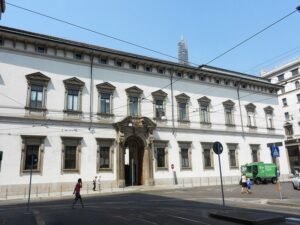
Ducal Palace: The Gonzaga Residence
- Go to the page: Palazzo Ducale of Mantua: The Gonzaga Residence Between Art and Power
- Piazza Santa Barbara, Mantova (MN)
- Open in Google Maps
- View on Google Images
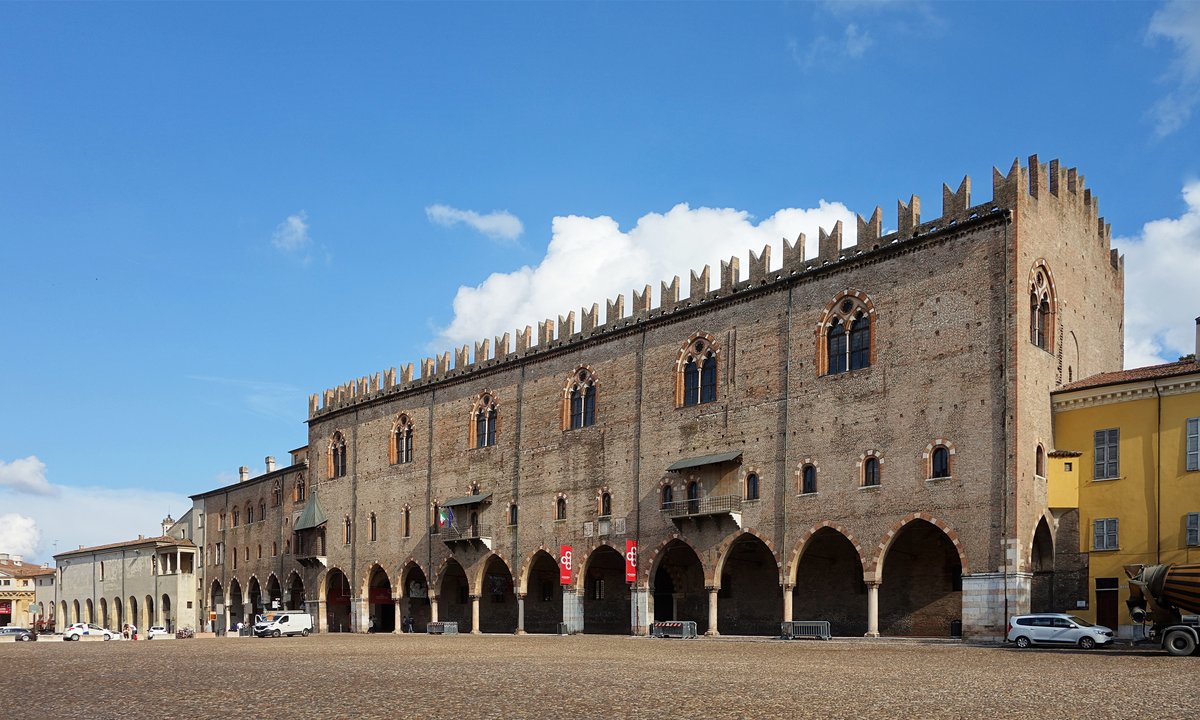 The Ducal Palace of Mantua is not just a museum: it's a city within a city. With its 35,000 sqm, over 500 rooms, 7 gardens, and 8 courtyards, it is one of the largest residences in Europe. The residence of the Gonzaga family from 1328 to 1707, its construction spans from the 13th to the 18th century: each ruler added their own touch, creating a labyrinth of courts, galleries, and apartments. The ticket (€18, reduced €2) also includes the Camera degli Sposi, an absolute masterpiece by Andrea Mantegna (1465-1474): a fresco that breaks the wall with an illusionistic oculus. But there is not only Mantegna: the Pisanello Cycle (chivalric tournament) will leave you speechless, as will the Flemish tapestries based on cartoons by Raphael, Isabella d'Este's studiolo, and the monumental Galleria della Mostra (64 meters). Don't miss the Sala di Manto with the stories of the city's foundation, and the Castello di San Giorgio, which houses the prisons of the Martyrs of Belfiore. Pay attention to opening hours: open Tue-Sun 8:15 AM-7:15 PM (last entry 6:15 PM), closed on Mondays. Book online to avoid queues. The palace is huge: allow at least two hours, or even three to fully enjoy it. If you are a fan of the Renaissance, you will find one of the highest concentrations in Italy here.
Palazzo Te: Giulio Romano's Masterpiece
- Go to the page: Palazzo Te: Giulio Romano's Mythological Frescoes and the Hall of the Giants
- Viale Te, Mantova (MN)
- http://www.palazzote.it/
- Open in Google Maps
- View on Google Images
 If there's one place in Mantua that embodies the genius of the Renaissance, it's Palazzo Te. Built between 1525 and 1535 by order of Federico II Gonzaga as a suburban villa for leisure and receptions, it is the absolute masterpiece of Giulio Romano, Raffaello's pupil. As soon as you step through the entrance at Viale Te 13, the sobriety of the facade strikes you: but inside, wonder explodes. The courtyard of honor, the frescoed halls... The Sala dei Giganti is an overwhelming experience: walls and ceiling merge into a single apocalyptic scene, with Jupiter striking down the Titans. You feel like you're inside the painting. The Sala dei Cavalli, on the other hand, impresses with its incredibly realistic horses, almost following you with their gaze. Don't miss the Camera di Amore e Psiche, dedicated to banquets, with mythological frescoes celebrating love. Besides the frescoes, the palace houses the Museo Civico with four permanent collections: the Gonzaga section with weights and measures, the Mondadori donation, the Egyptian collection of Giuseppe Acerbi, and the Mesopotamian collection of Ugo Sissa. An immersion in millennia of history. After the visit, stop at Spazio Te, the new bistro in the courtyard, for an aperitivo with a view of the Giardino dell'Esedra. Local flavors and a relaxed atmosphere round off the experience beautifully. The palace is open every day: Monday to Friday and Sunday from 9 am to 7:30 pm, Tuesday from 1 pm. The ticket also includes access to MACA and the Tempio Alberti. A tip? Book online because it's often full.
Basilica of Sant'Andrea: Mantua's Renaissance Masterpiece
- Go to the page: Basilica of Sant'Andrea: Alberti's Renaissance Masterpiece
- Piazza Mantegna, Mantova (MN)
- Open in Google Maps
- View on Google Images
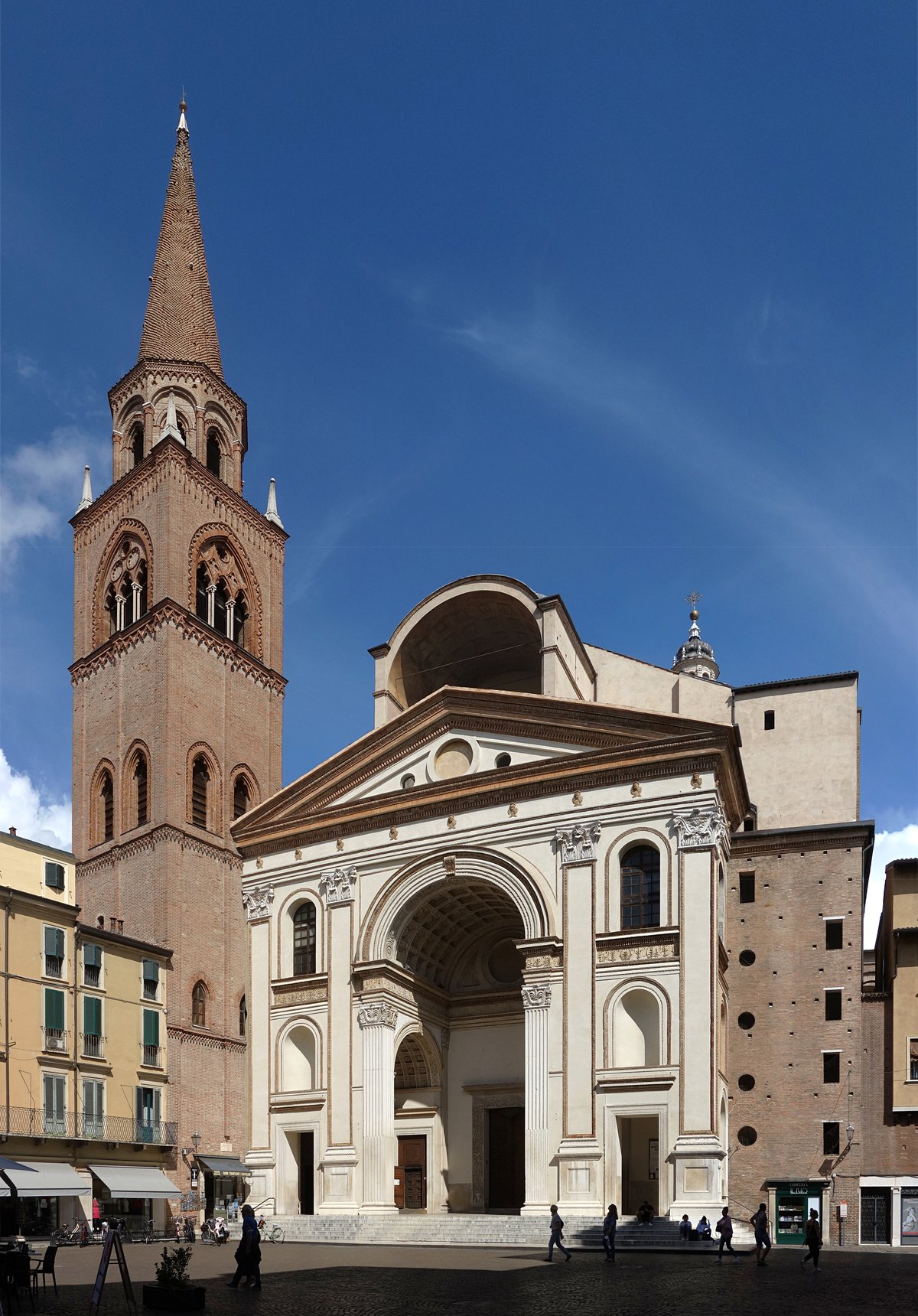 Entering the Basilica of Sant'Andrea is like diving into the Renaissance. Designed by Leon Battista Alberti starting in 1472 under Ludovico III Gonzaga, it is Mantua's largest church and one of its most fascinating. The facade, inspired by a Roman triumphal arch, strikes you immediately with its solemnity: a large central arch flanked by giant Corinthian pilasters. Below, an atrium acts as a filter between the external chaos and sacredness. The interior is a single nave with a coffered barrel vault that seems to embrace you, and side chapels hidden among the pillars. The light, filtered by the upper 'umbrella,' creates plays of half-light that direct the gaze toward the altar. In the first chapel on the left is the tomb of Andrea Mantegna, decorated with his own designs executed by Correggio. But the real treasure is in the crypt: the Sacred Vessels that, according to tradition, contain the Blood of Christ, brought to Mantua by the centurion Longinus. The relic is only displayed on Good Friday, but the octagonal crypt is open all year. And if you have a bit of nerve, climb up to the drum of the dome (added in the 18th century by Juvarra): from up there, besides seeing the structure up close, you enjoy a breathtaking view of the interior. For me, it is the place that best embodies the Gonzaga ambition: uniting power, faith, and art in a single glance. Free admission, open daily 8-12 and 15-19. I recommend going around 4 PM, when the low light emphasizes the coffers of the vault.
Castle of San Giorgio: Between Fortress and Renaissance Masterpiece
- Go to the page: San Giorgio Castle: The Bridal Chamber and Pisanello's Frescoes in Mantua
- Passeggiata Maria Teresa d'Austria, Mantova (MN)
- Open in Google Maps
- View on Google Images
 If there's one place in Mantua you absolutely can't miss, it's the Castle of San Giorgio. Built between 1395 and 1406 by order of Francesco I Gonzaga, with its square layout and four corner towers, it looks like something out of a history book. But don't be fooled: inside you won't just find battlements and drawbridges, but one of the gems of the Renaissance.
The castle was transformed into a residence by Ludovico II in 1459, and today it features a porticoed courtyard and an atmosphere that blends power and refinement. The real spectacle is on the first floor: the Camera degli Sposi, frescoed by Andrea Mantegna between 1465 and 1474. Entering here is like stepping back in time – the painted vault simulates an opening onto the sky, with putti and a perspective illusion that takes your breath away. But beware: the visit is limited to 10 minutes, just to protect the frescoes, but it's worth every second.
The castle also has a dark side. During Austrian rule, it became a maximum-security prison, and the Martyrs of Belfiore, Risorgimento patriots, were held here. Walking through the prisons, still marked with graffiti and traces of their passage, you feel a strong emotion.
Practical info: access is from Palazzo Ducale in Piazza Sordello. Open every day except Monday, from 8:15 AM to 7:15 PM. The full ticket costs €12 (includes Corte Vecchia and the Freddi Collection). The first Sunday of the month is free – but be warned, arrive early to avoid endless queues. Tip: get the audioguide, because every room has a story worth hearing.
Rocca di Solferino: Italy's Spy Tower Where History Meets Panoramic Views
- via degli Alpini, Solferino (MN)
- https://www.solferinoesanmartino.it/
- Open in Google Maps
- View on Google Images
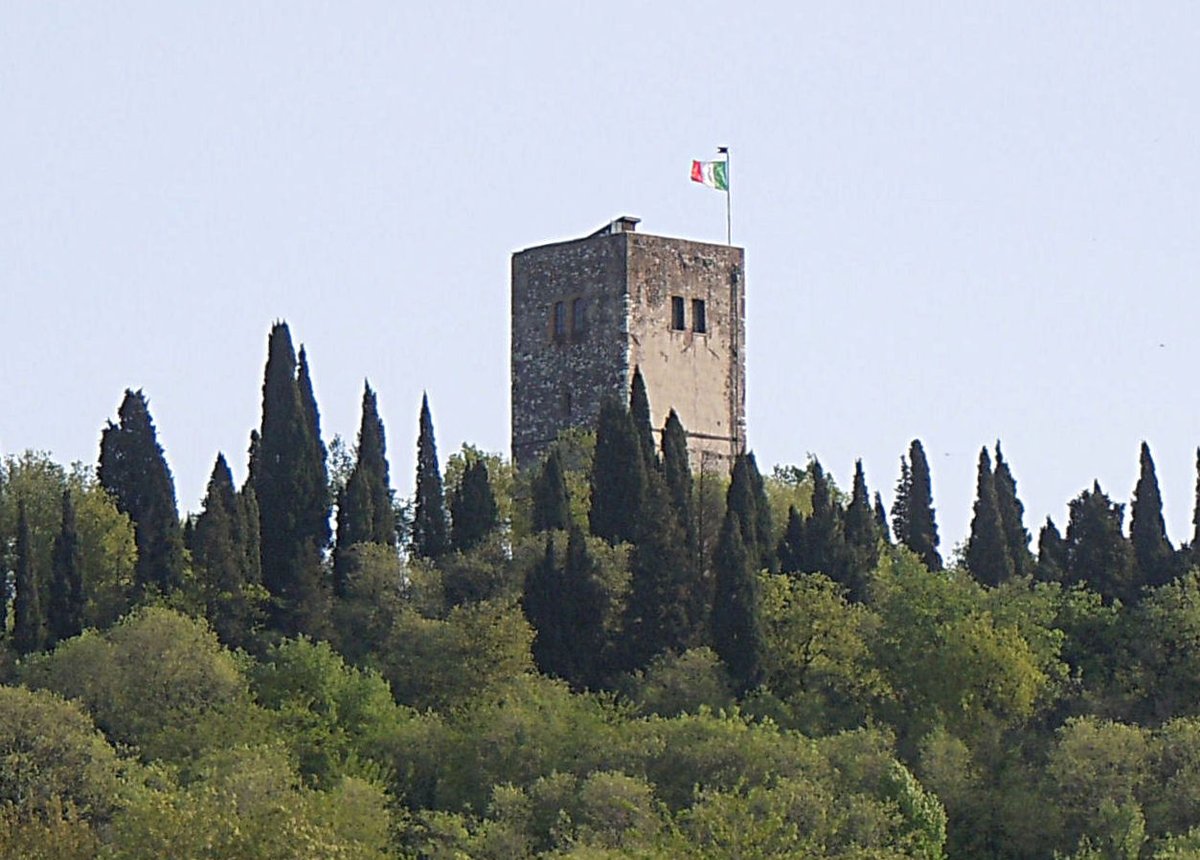 The Rocca di Solferino, known as the Spia d'Italia (Italy's Spy), is a 23-meter tower built in 1022 atop the highest hill in the province of Mantua (206 m a.s.l.). Its nickname is no coincidence: until 1866, the border between the Kingdom of Italy and the Austrian Empire passed nearby, and from its summit you could survey the entire plain. Today, it's a place steeped in history, inextricably linked to the Battle of Solferino and San Martino on June 24, 1859, a bloody clash that inspired Henry Dunant to found the Red Cross.
Climbing the wooden ramp, you pass through the Hall of Sovereigns with portraits of Napoleon III and Victor Emmanuel II, until you reach the panoramic terrace. Up there, the view is nothing short of spectacular: it stretches from Lake Garda to the Prealps, and on clear days you can even see the Apennines. On the ground floor, a small museum displays memorabilia, weapons, and documents from the battle, including busts of French generals Auger and Dieu.
The Rocca is part of a complex that also includes the Ossuary and the Battle Museum. If you want to visit, note that from March 17 to October 15 it's open daily (closed Mondays) from 9:00 AM to 12:30 PM and 2:30 PM to 7:00 PM. The combined ticket for Rocca and Museum costs €8 (valid for 7 days), or you can get the cumulative ticket for €12, which also includes the Museum of San Martino. In short, it's a dive into history that also offers an unforgettable view.
The Castle of Castiglione delle Stiviere: Where History Meets Spirituality
- Via San Carlo Borromeo, Castiglione delle Stiviere (MN)
- Open in Google Maps
- View on Google Images
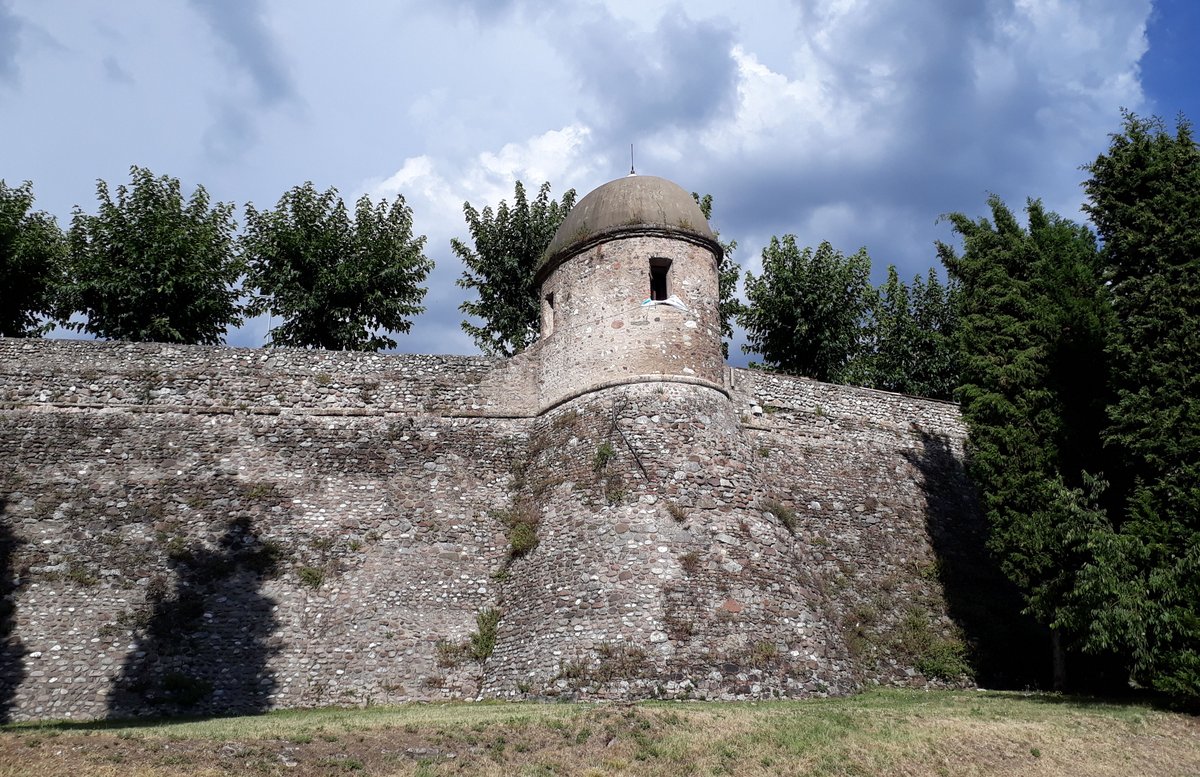 Perched on a hill overlooking the town, the castle of Castiglione delle Stiviere is a place steeped in centuries of history. Its origins date back to the 9th century, but it was under the Gonzaga family that it enjoyed its most brilliant period. Here, on March 9, 1568, Saint Luigi Gonzaga, the patron saint of youth, was born. The structure was commissioned as a family residence by Ferrante Gonzaga, the first Marquis of Castiglione, who also added the charming Church of San Sebastiano in the courtyard, built as a token of gratitude for surviving the plague of 1576. Today, of that ancient splendor, only the mighty entrance tower and part of the walls remain; the rest was unfortunately destroyed by the retreating French in 1706, and the materials were reused for the cathedral. Strolling through the courtyard, admiring the little church, and imagining court life is an experience I recommend to everyone. In the 1970s, the local community restored the spaces, turning them into a lively parish center where catechism and youth activities are now held. A blend of sacred history and everyday life makes the castle unique. The castle is now owned by a religious institution and can only be visited from the outside, but it is part of the FAI circuit, and during the FAI Spring Days, corners normally closed to the public can be discovered. Bring your camera: the view over the village is truly stunning.
Castel d'Ario Castle: History and Legend
- Go to the page: Castello di Castel d'Ario: Scaliger Fortress from 1325 with Crenellated Towers and Scenic Views
- Piazza Castello, Castel d'Ario (MN)
- Open in Google Maps
- View on Google Images
 If you're looking for an authentic medieval corner in the lower Mantua area, Castel d'Ario Castle is a stop that won't disappoint. It's a manor that seems to have stepped out of a history book, with its pentagonal walls and five towers rising in the center of the village. The most evocative part? The Torre della Fame, which owes its name to a macabre story: in 1851, during work on an icehouse, seven skeletons were unearthed. According to chronicles, they were the remains of three members of the Pico della Mirandola family and four from the Bonacolsi family, left to starve to death in 1321 and 1328 respectively. A plaque at the entrance commemorates these events. But it's not all legend: the castle is an architectural gem. Built between the 11th and 13th centuries, it was a contested border stronghold among the Scaligeri, Bonacolsi, and Gonzaga. Inside the walls is the Palazzo Pretorio, with 14th-century frescoes from the Scaliger era: a rare example of political painting celebrating the lords of Verona. The castle is free to visit every day and easily reachable from Mantua. Walking along the walls, you breathe in a bygone atmosphere. However, note: the Torre della Fame is not accessible for safety reasons, but the visit is still worthwhile. If you're lucky, you might run into volunteers from the 'Amici del Castello' group who organize guided tours. The municipality has started restoration work worth 150,000 euros, focused on the tower, to remove invasive vegetation. A tip: combine the visit with a tour of the surroundings, among the lakes of Mantua and other Gonzaga fortresses. Castel d'Ario is a small gem worth a stop.
Teatro all'Antica: The Jewel of Sabbioneta
- Via Vespasiano Gonzaga, Mezzana Sant'Antonio (MN)
- Open in Google Maps
- View on Google Images
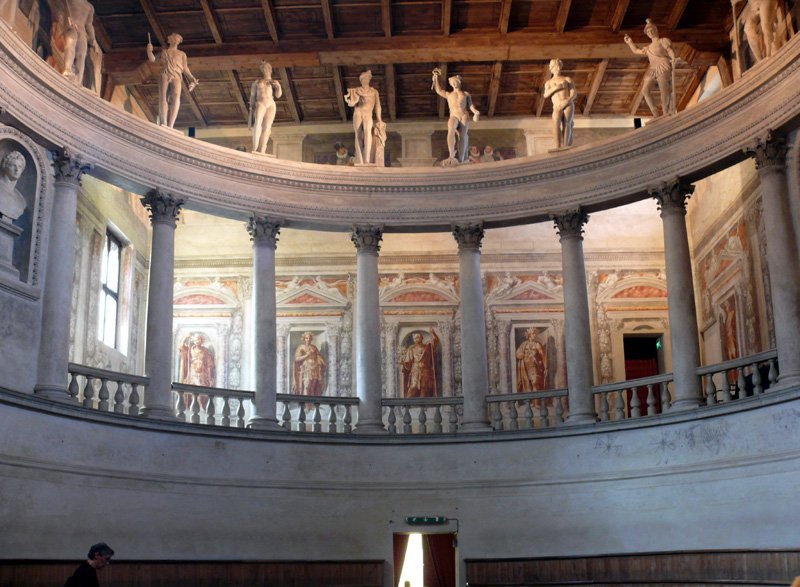 If you think modern theater was born on Italy's grand stages, you must visit the Teatro all'Antica in Sabbioneta. Built between 1588 and 1590 at the behest of Vespasiano Gonzaga, it is considered Europe's first permanent theater constructed from scratch, without relying on pre-existing structures. Designed by Vincenzo Scamozzi, a pupil of Palladio, the theater is a masterpiece of Renaissance architecture. The exterior is sober, with two orders of windows and pilasters, but it is the interior that takes your breath away. The rectangular hall is divided into two squares: the stage and the semicircular cavea, separated by the orchestra. The original fixed stage, unfortunately destroyed in the 18th century, was reconstructed in 1996 in an imaginative way. Admire the loggia with Corinthian colonnade and the statues of the Olympian gods created by Bernardino Quadri. The walls are frescoed with triumphal arches and views of ancient Rome, taken from 16th-century engravings. On the external cornice stands the inscription: "ROMA QVANTA FVIT IPSA RVINA DOCET" (How great Rome was, its very ruins teach). A tribute to the grandeur of the Empire that Vespasiano Gonzaga sought to emulate. After the duke's death, the theater fell into decay and was used as a granary, warehouse, and even a cinema. The restorations of the 1950s and 1960s brought it back to its former glory. Today it hosts early music concerts and cultural events. Visiting it is like diving into the 16th century: the atmosphere is unique, amid stuccoes, frescoes, and that sense of wonder that only such an authentic place can offer.
Goffredo Bellini Civic Museum: A Journey Through Asolan History
- Via Guglielmo Oberdan, Asola (MN)
- Open in Google Maps
- View on Google Images
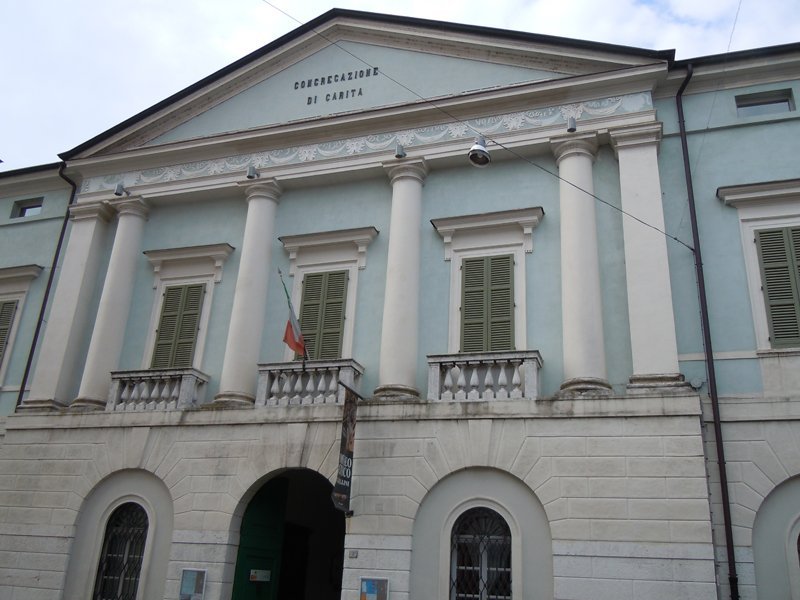 If you're passing through Asola, stop by the Goffredo Bellini Civic Museum. It's a surprising place, housed in the Palazzo Monte dei Pegni right on Via Garibaldi 7. The museum was born from the passion of Goffredo Bellini (1870-1947), who in the early 1920s started collecting everything: archaeological finds, war memorabilia, paintings, ancient books, sacred objects. The result? An eclectic collection spanning from prehistory to the 20th century. On the ground floor, two highlights await: an Egyptian funerary stele from the Middle Kingdom and a 6th-century BC Attic black-figure kylix. Then move on to archaeology, from the Bronze Age to Roman times, featuring a fine lapidarium. Heading to the first floor, the scene changes: you'll find the ethno-anthropological section with ancient crafts and tools, and the historical section with documents from Venetian rule to World War I. Artworks are not missing, including paintings by Virgilio Ripari and Serafino De Tivoli, and a contemporary surprise: the installation Sant'Andrea e Sant'Erasmo by Stefano Arienti. Also worth seeing is the topographic room, with the hospital clock and a reproduction of The Siege of Asola attributed to Tintoretto. And if you're interested in sacred art, next door is the Giovanni Battista Tosio Parish Museum. The museum is open Monday to Friday 9-13, Saturday 9-12, and Sunday 15:30-18:30. Full ticket €3. Info: 0376 733075 or museo@comune.asola.mn.it.
MAST Museum of Art, History and Territory: A Dive into Castel Goffredo's Past
- Via Andrea Botturi 3, Castel Goffredo (MN)
- http://www.mastcastelgoffredo.it
- Open in Google Maps
- View on Google Images
- info@mastcastelgoffredo.it
- +39 0376 771006
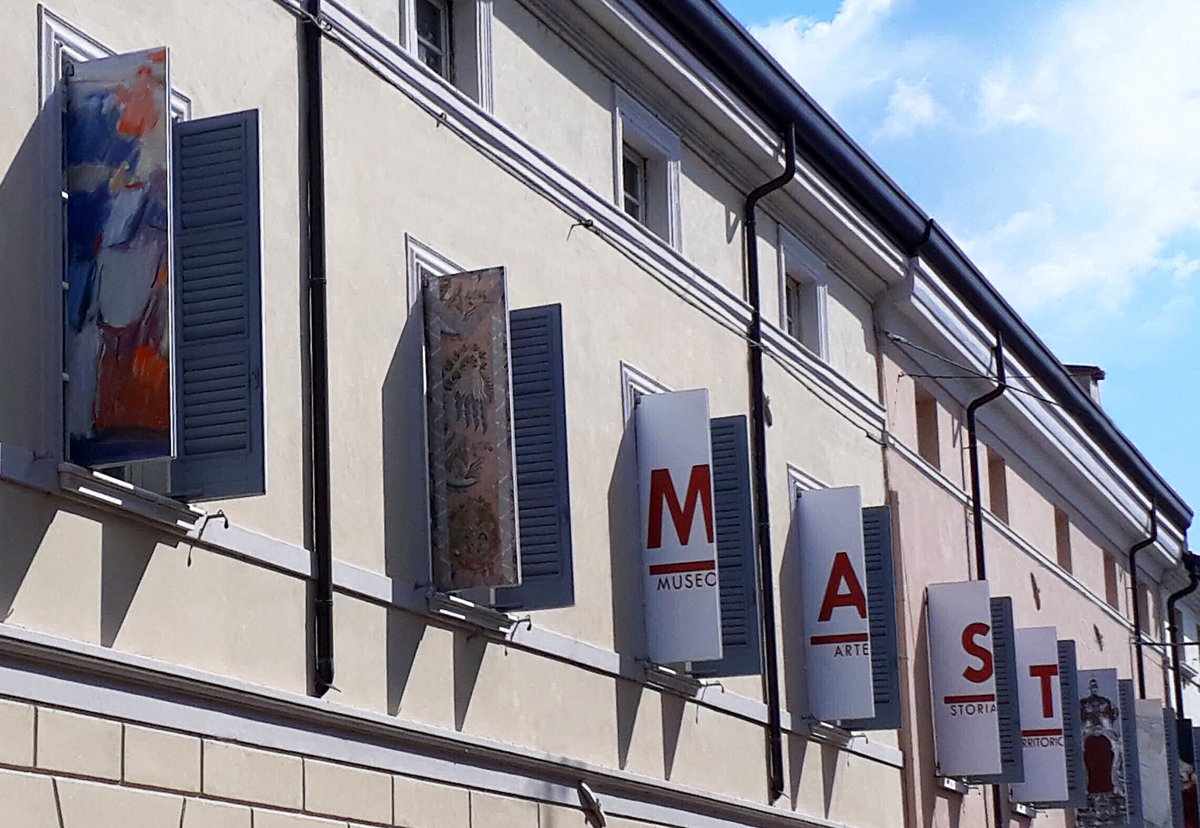 In Castel Goffredo, in the heart of Upper Mantua, the MAST (Museum of Art, History and Territory) is a discovery that goes beyond appearances. Inaugurated in October 2017, it occupies two historic palaces from the 15th and 16th centuries – Palazzo della Prevostura and Palazzo Negri – a stone's throw from the church of Sant'Erasmo. The exhibition path, spanning 900 square meters, tells the story of the community from prehistory to the present, but the heart is the Renaissance period, when Castel Goffredo was the capital of a small Gonzaga marquisate. Two key themes guide the visit: water, which shaped urban planning and the local economy, and weaving, an ancient activity that in the 20th century made the city the “capital of the sock.” Among the must-see works are the Madonna Orante by Giovanni Zebellana (circa 1480), Jewish rimonim converted into Christian bells, and the 1478 incunabulum of Lactantius. But the MAST is not just objects: three interactive installations – a talking mirror, an animated painting, and a hologram – bring history to life, especially for younger visitors. The museum is also a cultural center: it houses the Parish Historical Archive, the Ancient Clergy Library, and a specialized library. If you're passing through, don't limit yourself to seeing only the Renaissance square: the MAST deserves a stop, perhaps on one of the first Sundays of the month when it's open continuously. A small tip: call ahead to check hours, especially in summer (mornings only) and August (closed).
International Red Cross Museum
- Via Giuseppe Garibaldi 50, Castiglione delle Stiviere (MN)
- http://www.dsmnet.it/micr/
- Open in Google Maps
- View on Google Images
- info@micr.it
- +39 0376 638505
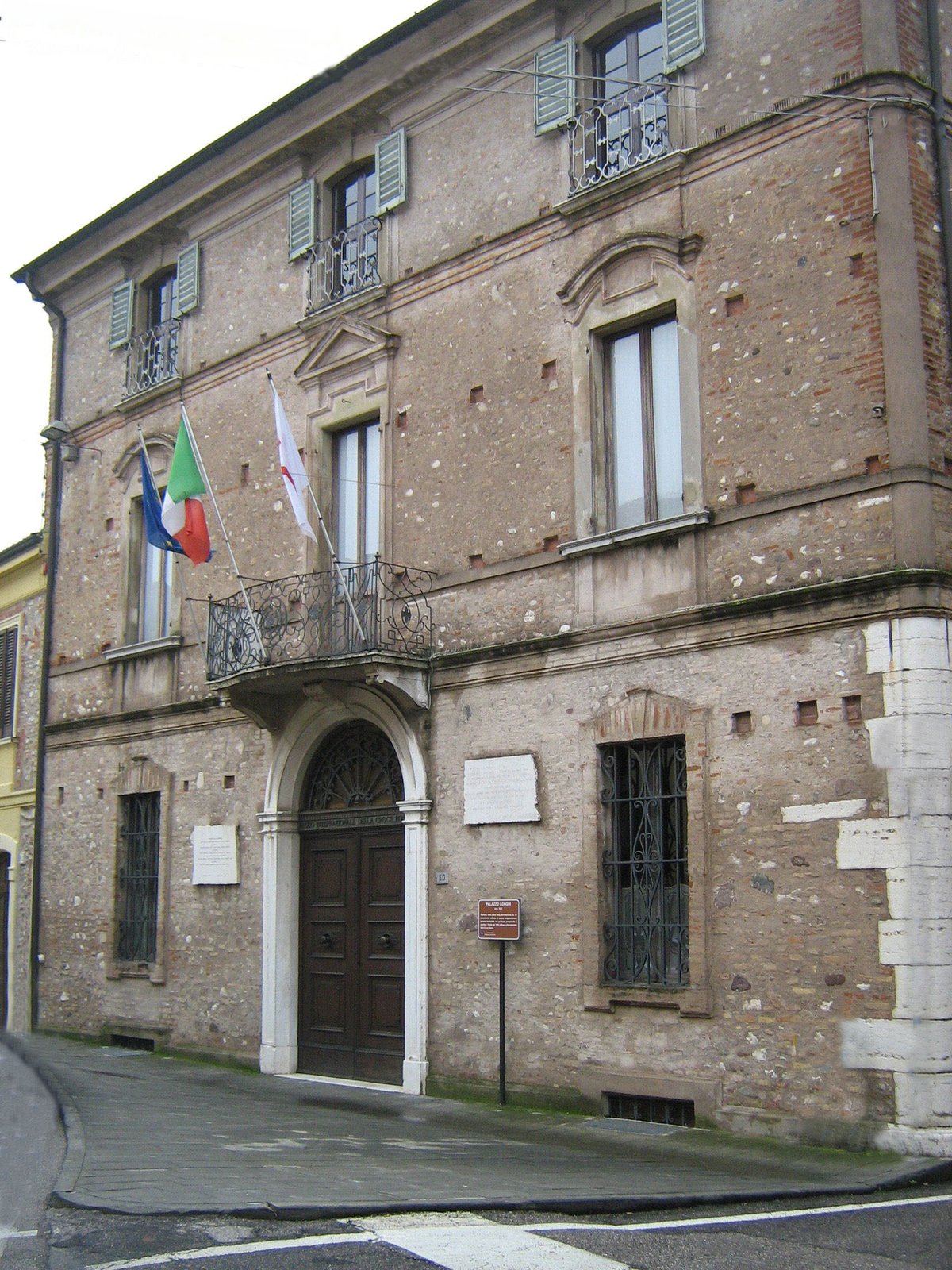 In Castiglione delle Stiviere, in the heart of the Mantua province, the International Red Cross Museum takes you back to 1859, the year of the Battle of Solferino. Housed in the historic Palazzo Longhi Triulzi (late 18th century), the museum opened in 1959 and tells how Henry Dunant, shocked by the suffering of the wounded, founded the world's largest humanitarian organization. On the ground floor, an immersive video installation plunges you into the battle; then you move up through rooms filled with stretchers, surgical instruments, and original documents. The story of the women of Castiglione, coordinated by priest Don Lorenzo Barzizza, who turned churches and homes into temporary hospitals, is particularly striking. The route unfolds over four levels, with an internal courtyard, café, and bookshop. Tip: don't miss the nearby Chiesa Maggiore, where the wounded were treated. Practical info: Via Garibaldi 50, open from April to October 9–18 (November to March 9–12 and 14–17, closed Mondays). Full ticket €8, reduced €5. Reachable by APAM bus line 2. A touching place where humanitarian history comes alive.
Museum of Archaeology of Upper Mantua: A Journey from Prehistory to the Risorgimento
- Piazza Castello 5, Cavriana (MN)
- https://www.museocavriana.it/it/index/
- Open in Google Maps
- View on Google Images
- direzione@museocavriana.it
- +39 0376 806330
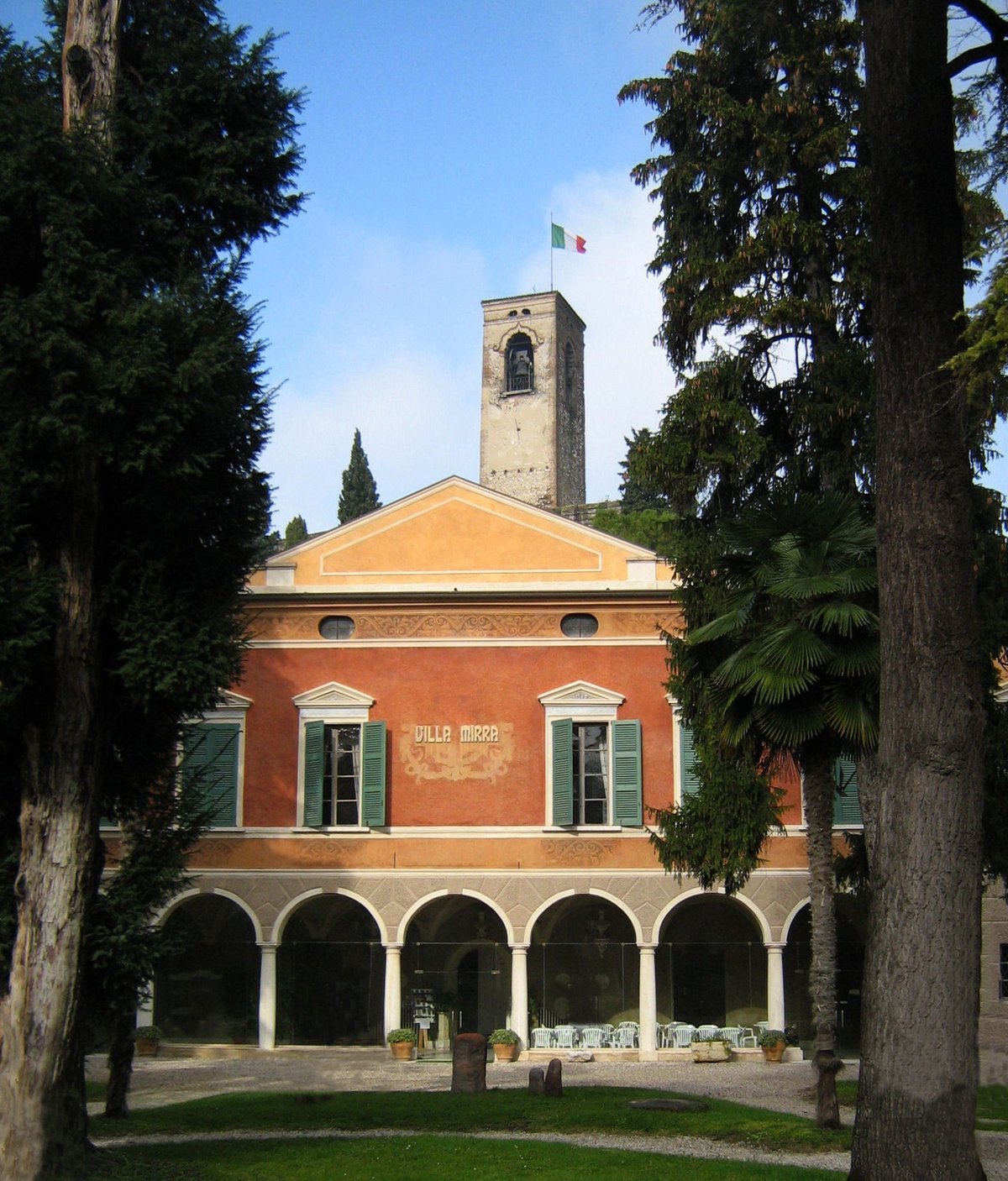 If you pass through Cavriana, don't miss the Museum of Archaeology of Upper Mantua. Housed in Villa Mirra, at the foot of the Gonzaga Fortress, this museum is a gem for history enthusiasts. Founded in the 1960s by the Cavriana Archaeological Group, it gathers artifacts from over 60 sites in the area. The route winds through 13 rooms arranged chronologically: from prehistory (with Neolithic finds and the famous pile-dwelling sites of Bande di Cavriana and Castellaro Lagusello, UNESCO World Heritage) to the Roman era, through the Middle Ages and Renaissance, up to the Risorgimento. Among the most curious objects are the so-called 'enigmatic tablets' from the Bronze Age: small terracotta artifacts with geometric signs whose meaning is still unknown. One of the most fascinating rooms is where Napoleon III stayed during the Battle of Solferino – still furnished with period furniture. The museum is also active in education: it organizes workshops for children, tactile tours for the visually impaired, and even an international archaeological film festival. Admission is free with the 'Friend of the Museum' card. Hours: Tuesday–Friday 9–12, Saturday and Sunday also 3–6:30 PM. I recommend checking the website (museocavriana.it) because it closes for a period in winter. A place that tells centuries of history, between ancient mysteries and Risorgimento memories.
Castle of Ponti sul Mincio: History and Panoramas
- Via Castello, Ponti sul Mincio (MN)
- Open in Google Maps
- View on Google Images
 Perched on a hill overlooking the Mincio River, the Castle of Ponti sul Mincio is a medieval gem waiting to be discovered. Built between 1260 and 1276 by the Scaliger lords, it was part of a defensive system controlling access to Lake Garda. Today it is open to visitors (ticket €2, free under 14) and offers an authentic experience away from the crowds. The structure is an enclosure castle with an irregular polygonal layout and five towers. Three of these are called "scudate", open to the inside: a clever defensive solution that prevented attackers from barricading themselves. The other two are closed: the keep and the Clock Tower, which can be visited inside. From here, the view stretches over the Mincio and the village, a panorama alone worth the climb. The curtain walls are made of river pebbles and brick, with partly lost battlements. Walking along the walls, you can see the arrow slits and traces of the drawbridge. Once the entrance was protected by a ravelin, still visible. The castle was never conquered by the Mantovans: it passed to the Venetians and then to the French, finally annexed to Lombardy only under Napoleon. Today, restored in the 1970s, it is a symbol of the town. Note: not accessible to wheelchairs and closes in bad weather. For visits, it's best to book (tel. 3518968121).
Palazzo Gonzaga-Acerbi in Castel Goffredo
- Piazza Giuseppe Mazzini, Castel Goffredo (MN)
- Open in Google Maps
- View on Google Images
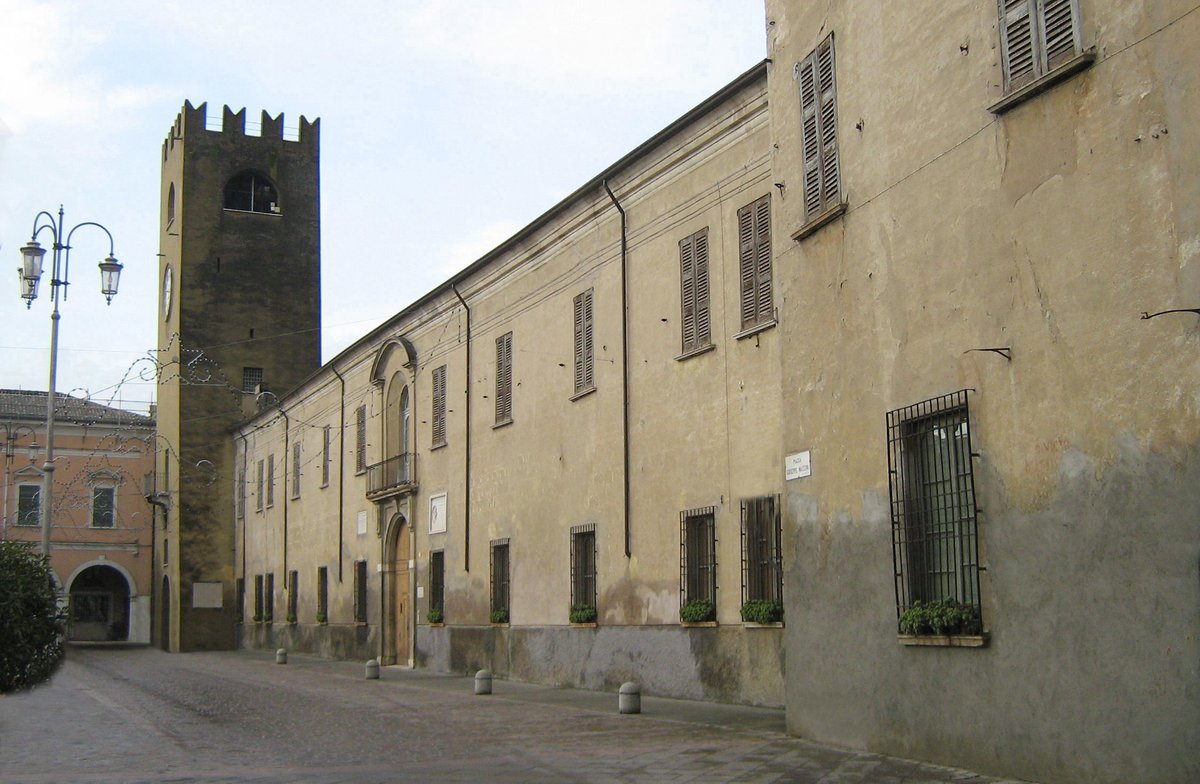 In the heart of Castel Goffredo, Palazzo Gonzaga-Acerbi occupies the entire north side of Piazza Mazzini, nestled between the Clock Tower and the massive Torrazzo. Its origins date back to the 14th century, but it was in the 16th century that Marquis Aloisio Gonzaga transformed it into a splendid Renaissance court, making Castel Goffredo the capital of his marquisate. Illustrious guests such as Emperor Charles V (1543) and poet Matteo Bandello crossed its thresholds. Upon entering, one is enchanted by the loggia with marble columns and vaults frescoed with grotesques, attributed to the school of Giulio Romano. The internal garden, desired by Aloisio, is a peaceful corner with ancient trees, a white marble fountain, and two rose gardens whose shoots were brought from Egypt by Consul Giuseppe Acerbi, who once lived here. The patriot Giovanni Acerbi, a figure among the Martyrs of Belfiore, was born in the palace, and in 1862 Garibaldi was a guest. The facade, remodeled in neoclassical style by Gaspare Turbini, retains traces of the original frieze with cupids and the motto 'Fortitudo mea, amor populi, potentorum reverentiam'. Today the palace is privately owned, but the portico and some rooms are made available for events. Free entry, no architectural barriers. A place that tells centuries of history, between the Gonzaga and the Risorgimento.
Corte Castiglioni, the Home of the Courtier
- Via Nuova 1, Casatico (MN)
- Open in Google Maps
- View on Google Images
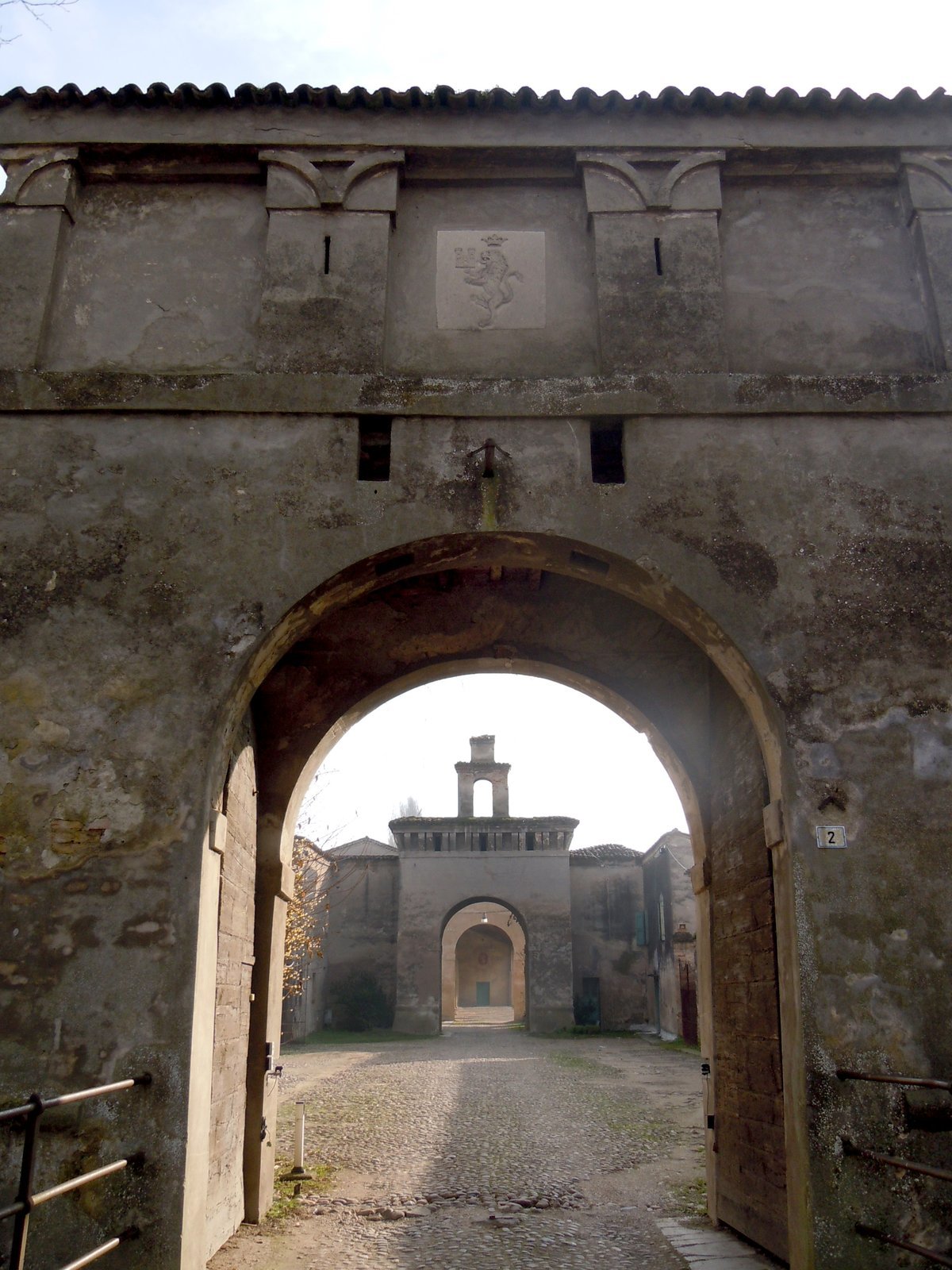 In Casatico, in the municipality of Marcaria, there is a place that seems to have stepped out of a history book: Corte Castiglioni, the birthplace of Baldassarre Castiglione, author of the famous The Book of the Courtier. The 15th-century complex, surrounded by a moat and featuring a star-shaped tower designed by Giulio Romano, has long been a hidden gem. After the 2012 earthquake, it remained closed for 14 years, but in 2025 restoration work began, funded with over 4 million euros. The most exciting news? During investigations, a frescoed room from the Giulio Romano school was uncovered, hidden for three centuries beneath an icehouse. The paintings depict clouds, deities, and pseudo-portraits, intact and free from modern restoration. Strolling through the courtyards, you breathe an atmosphere blending rural life and Renaissance splendor. The octagonal tower, once used as an icehouse, is now one of the complex's symbols. Inside, besides the frescoes, a door surmounted by a star, birds, and butterflies stands out. When the work is completed (end of 2026), the court will become a cultural hub. For now, it can be admired from the outside, dreaming of what it will become.