
San Cataldo Cathedral is the basilica dedicated to the patron saint of Taranto, founded in the 10th century on Roman remains. Its architecture showcases centuries of history, from Byzantine foundations to Baroque additions. The crypt preserves 14th-century frescoes, while the chapel houses a silver altar from 1657.
- Chapel of San Cataldo with relics and Baroque silver altar
- Roman and Byzantine spolia columns in the naves
- Medieval crypt with 14th-century frescoes
- Artworks including a 13th-century wooden crucifix and a 1771 silver antependium
Events nearby
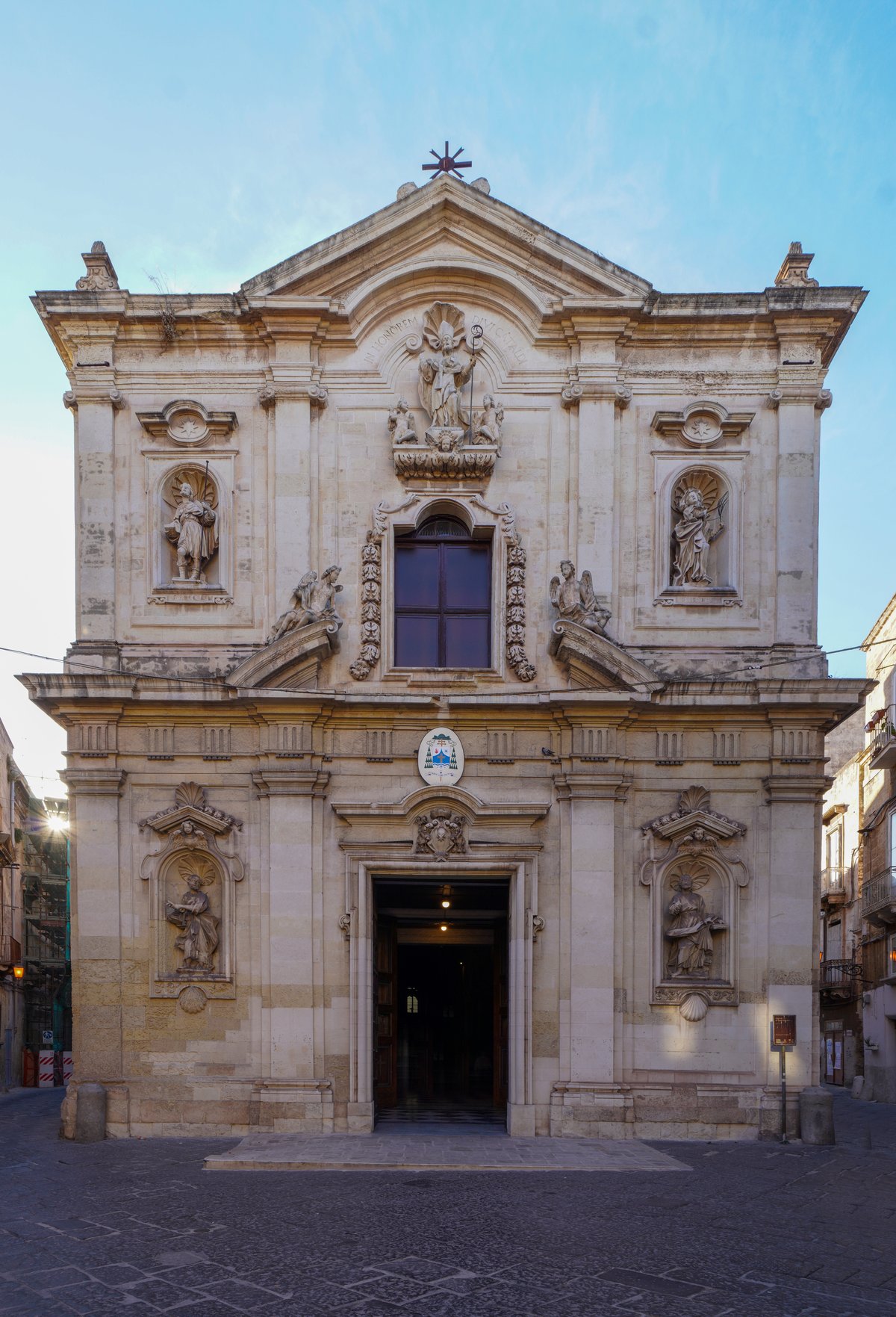
10th-century cathedral in Taranto’s old town, featuring a Baroque facade, the Chapel of San Cataldo, Roman and Byzantine columns, and medieval frescoes in the crypt.
- Largo Arcivescovado, Taranto (TA)
- Open in Google Maps
- View on Google Images Duomo di San Cataldo a Taranto
Good to know
Introduction
As soon as you cross the threshold of the Cathedral of San Cataldo, you immediately understand you’re in a special place. It’s not just a church, but the beating heart of Taranto’s ancient village, where the stone tells millennial stories. The Baroque facade welcomes you with its solemnity, but it’s upon entering that you discover the true magic: reused Roman columns, Byzantine mosaics, and that silence filled with devotion that makes you feel part of something greater. Here, among the naves scented with incense, you understand why this place has survived centuries of history, becoming the spiritual symbol of the city of two seas.
Historical Overview
The history of the Cathedral is a journey through the centuries. Founded in the 10th century on the remains of a Greco-Roman temple, it takes its name from Saint Cataldus, an Irish bishop who became the patron saint of Taranto. In 1071, it was reconsecrated following the Norman reconquest, but its current appearance is mainly due to the Baroque renovations of the 18th century. The crypt, however, still preserves its medieval layout with 14th-century frescoes.
- 10th century: foundation on Roman structures
- 1071: Norman reconsecration
- 1713: completion of the Baroque facade
- 1964: elevation to minor basilica
The Chapel of San Cataldo
Don’t miss the chapel dedicated to the patron saint, a gem of popular devotion. Here rest the relics of San Cataldo in a 17th-century silver urn, a destination for pilgrimages for centuries. The faithful leave ex-votos along the walls, moving testimonies of received graces. The Baroque altar, carved in 1657, is a masterpiece of detail: cherubs, flowers, and Marian symbols that speak to the deep veneration of the Taranto people for their protector. It’s in this chapel that you feel most strongly the bond between the city and its saint.
Hidden Treasures
Beyond its architecture, the Cathedral houses artworks of extraordinary value. Look for the 13th-century wooden crucifix in the right nave, with its suffering Christ radiating intense spirituality. Then lift your gaze to the golden coffered ceiling, where the canvas of the Madonna della Salute, painted in the 18th century, stands out. But the true treasure is the silver antependium of the main altar, crafted by Neapolitan artisans in 1771: such meticulous workmanship that it resembles embroidery.
Why You Should Visit
Three concrete reasons not to skip the Cathedral: first, it’s the only example of a medieval cathedral in Taranto that clearly displays the different construction phases, from the Byzantine base to the Baroque additions. Second, the crypt with its fourteenth-century frescoes is a rare example of medieval painting in Puglia. Third, its location in the old town allows you to combine your visit with a stroll through the characteristic alleyways, completely immersing yourself in the atmosphere of the most authentic Taranto.
When to Go
The best time is early morning between April and June, when the sunlight filters through the windows creating spectacular light plays on the Roman columns. During these hours the Cathedral is less crowded and you can enjoy the peace of the place before the groups arrive. Avoid patron saint feast days if you’re looking for tranquility, while if you want to experience popular devotion, May 10th (Feast of Saint Cataldus) is a unique experience.
In the Surroundings
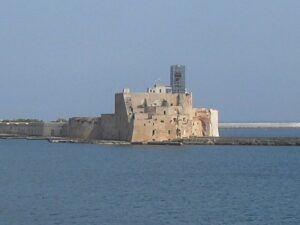
Just steps away from the Cathedral, don’t miss the National Archaeological Museum (MArTA) with its artifacts from Magna Graecia, including the famous Taranto gold jewelry. Then make a stop at the Aragonese Castle, which overlooks the navigable canal and offers breathtaking views of the two seas. Both locations perfectly complement your visit, showing you other aspects of Taranto’s rich history.
Itineraries nearby


💡 Did You Know…?
Legend has it that San Cataldo, a 7th-century Irish bishop, miraculously landed in Taranto on a stone boat. Every year, during the patron saint’s feast on May 10th, the statue of the saint is carried in procession through the city streets, an event that involves the entire Tarantine community in a unique blend of devotion and popular tradition.