
Ready to discover the ancient roots of Calabria? This Cosenza archaeological itinerary takes you on a 3-day journey through the most fascinating sites in the province, from Magna Graecia to Italic civilizations. Join me in exploring Sybaris, where the ancient Greek city comes alive through artifacts and Roman baths, then immerse yourself in Roman Scolacium with its theater and basilicas. On the third day, Capo Colonna awaits you, with the Temple of Hera Lacinia overlooking the sea. I'll guide you step by step through opening hours, tickets, and the best viewpoints, with practical tips on where to eat and how to get around. An adventure through history and landscapes that will make you feel like a true explorer!
🗺️ Your trip at a glance
A 3-day journey through the most significant archaeological sites in Cosenza province, from Magna Graecia to Italic civilizations. Follow a structured itinerary that combines history, landscapes, and authentic places.
- Ideal for ancient history enthusiasts and curious travelers seeking cultural itineraries off the beaten path.
- Highlights: a 3-day structured itinerary with 6 distinct archaeological stops, including Sybaris, Laos Park, and the Brettii site of Castiglione di Paludi.
- Who it's for: travelers interested in a journey through time among Greek colonies, Roman ruins, and Italic settlements, with practical tips integrated into the text.
Itinerary stops
Day 1 - Stop no. 1
Sybaris
 Let's begin our journey through the ancient cities of Calabria right from Sybaris, located in Cassano all'Ionio along the State Road 106 Jonica. This archaeological site catapults you back to the 6th century BC, when Sybaris was one of the wealthiest and most powerful Greek colonies in southern Italy. Walking among the remains of the settlement, you'll immediately notice the spaciousness of the areas and the complexity of the urban planning, clear signs of a city that built its fortune on trade and agriculture. Don't miss the artifacts displayed in the nearby National Archaeological Museum of Sibaritide, where you'll discover everyday objects and artifacts that testify to the opulence of the Sybarites. Visiting Sybaris is essential to understand the impact of Magna Graecia in Calabria and prepares you for the subsequent stops on the itinerary.
- Go to the page: Sybaris: Ruins of Magna Graecia with Ancient Thermal Baths and Hydraulic Systems
- Strada Statale 106 Jonica, Cassano all'Ionio (CS)
- http://www.archeocalabria.beniculturali.it/archeovirtualtour/calabriaweb/sibari1.htm
- Open in Google Maps
- View on Google Images

You should go if...
Day 1 - Stop no. 2
Ancient Theatre of Cassano all'Ionio
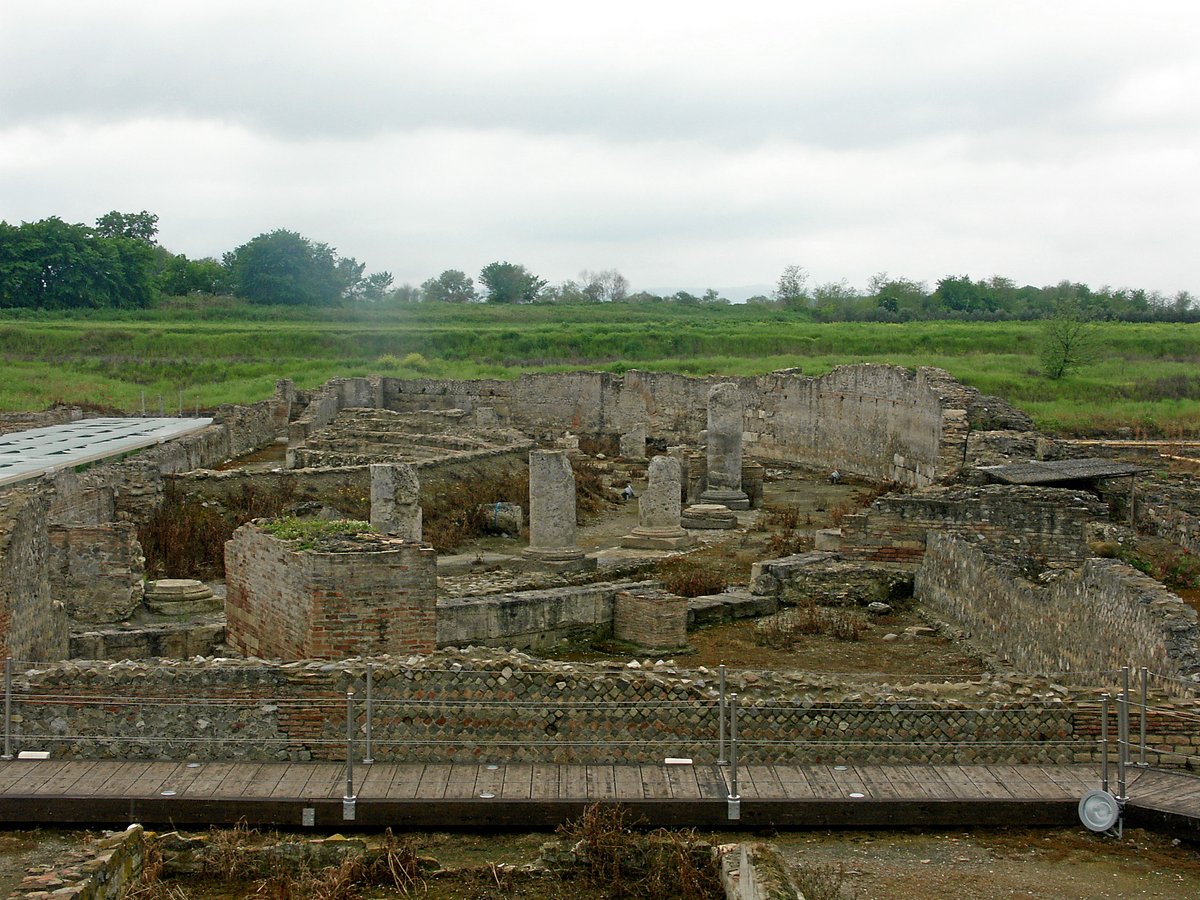 After exploring the National Archaeological Museum of Sibaritide, we move towards Heroa to discover the Ancient Theatre of Cassano all'Ionio, one of the most evocative sites of Calabrian Magna Graecia. Built in the 4th century BC, this theatre masterfully utilizes the natural slope of the hill, offering a breathtaking view over the Crati river valley. The partially preserved local stone steps allow you to imagine the tragic performances that once took place here, while the semicircular cavea could accommodate up to 3,000 spectators. Observe up close the remains of the orchestra and stage: they are tangible evidence of how the Greeks of Sybaris integrated architecture with the landscape. Perfect for a contemplative break, the site is easily accessible and well-signposted. Bring a water bottle and comfortable shoes: the terrain can be uneven, but every step is worth it to breathe in the atmosphere of a place where culture and nature have merged for millennia.
- Heroa, Cassano all'Ionio (CS)
- Open in Google Maps
- View on Google Images
You should go if...
Day 2 - Stop no. 1
Laos Archaeological Park
 Leaving the Ancient Theatre of Cassano all'Ionio behind us, we head towards Santa Maria del Cedro to explore the Laos Archaeological Park, one of the most significant sites on the Calabrian Tyrrhenian coast. This settlement was founded in the 6th century BC by refugees from Sybaris after the destruction of their city, becoming an important outpost of Magna Graecia. Walking among the remains of defensive walls and dwellings, you'll notice the typical urban organization of Greek colonies, with orthogonal streets and well-defined districts. Excavations have uncovered ceramic artifacts and coins that testify to the vibrant commercial exchanges of the era. The strategic position on a hilltop dominates the Lao River plain, offering breathtaking views of the Tyrrhenian Sea. Bring a hat and sunscreen: the exposure is total and the Calabrian sun shows no mercy. Perfect for starting the second day of the itinerary, this site will give you a plunge into the less known but equally fascinating history of the region.
- Go to the page: Laos Archaeological Park: Ancient Magna Graecia City with Panoramic Tyrrhenian Sea Views
- Sp. 9, Santa Maria del Cedro (CS)
- Open in Google Maps
- View on Google Images
You should go if...
Day 2 - Stop no. 2
Castle of San Michele
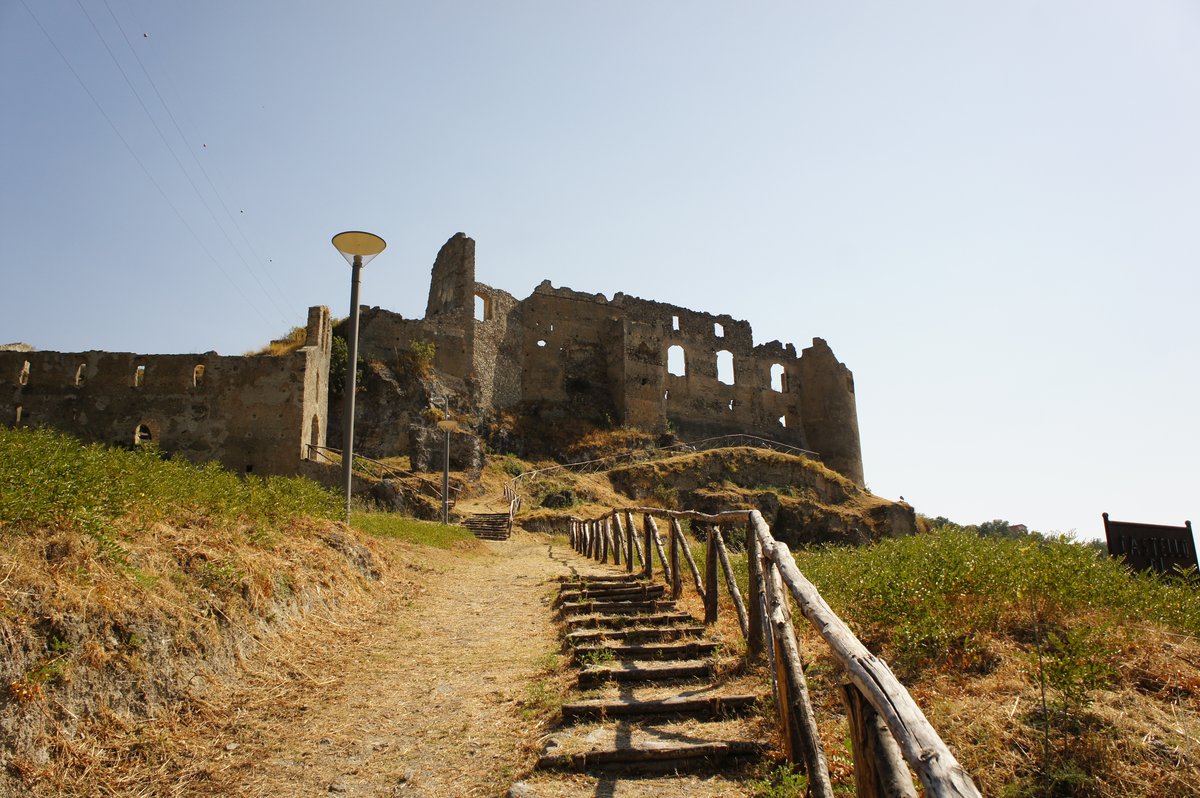 The second day of our archaeological itinerary brings us to the Castle of San Michele, located on a panoramic hill in Santa Maria del Cedro. This medieval fortress, built between the 11th and 12th centuries, represents a perfect example of Norman military architecture. Its strategic position allowed control over the Abatemarco River valley and the communication routes toward the Tyrrhenian coast. Today, visitors can admire the remains of the perimeter walls, the main tower, and the ruins of the residential quarters. The visit offers a unique perspective on medieval life in Calabria, far from major urban centers yet crucial for the defense of the territory. The site is easily accessible and well-marked, with informative panels that help understand the original structure of the complex.
- Sp. 9, Santa Maria del Cedro (CS)
- Open in Google Maps
- View on Google Images
You should go if...
Day 3 - Stop no. 1
Castiglione di Paludi
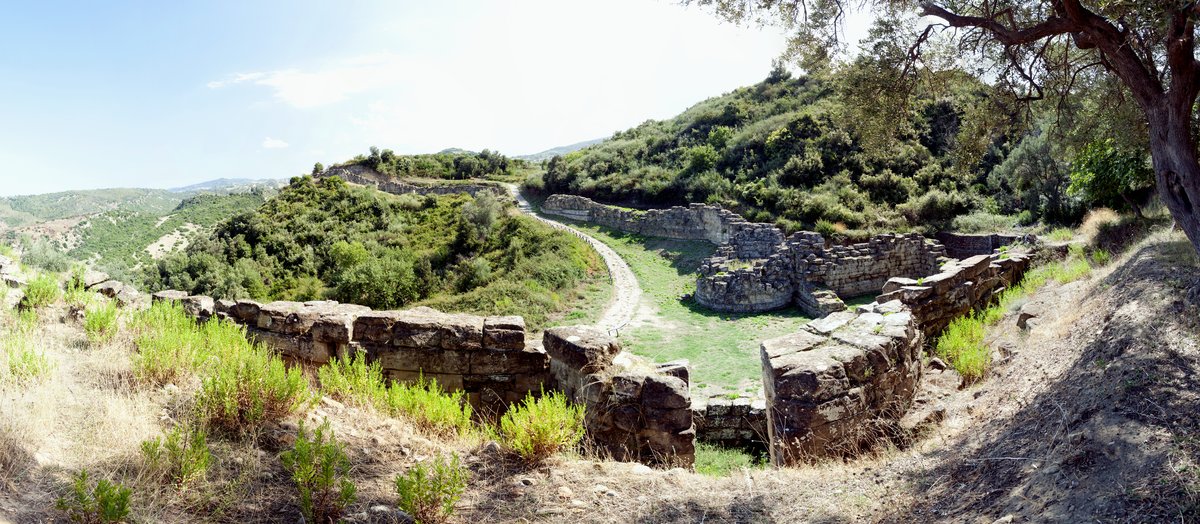 The third day of our archaeological journey begins with a fascinating stop: Castiglione di Paludi, located in the municipality of Paludi along the Archaeological Park Route. This site represents one of the most important settlements of the Bruttii, the ancient Italic people who dominated Calabria before the arrival of the Romans. The ruins extend across a hilltop overlooking the Trionto River valley, offering a strategic position for territorial control. During the visit, you can observe the remains of defensive walls, the foundations of dwellings, and the sacred area where votive artifacts have been discovered. The uniqueness of Castiglione di Paludi lies in its dual function: inhabited center and place of worship, as evidenced by the findings of statuettes and ritual ceramics. The archaeological park is well-organized with marked trails that guide you through the different areas of the site, allowing you to understand the social and urban organization of this ancient civilization. The atmosphere you breathe among these millennia-old ruins is truly unique, far from the more conventional tourist flows.
- Percorso Parco Archeologico, Paludi (CS)
- https://www.comune.paludi.cs.it/index.php?action=index&p=439
- Open in Google Maps
- View on Google Images
You should go if...
Day 3 - Stop no. 2
Blanda
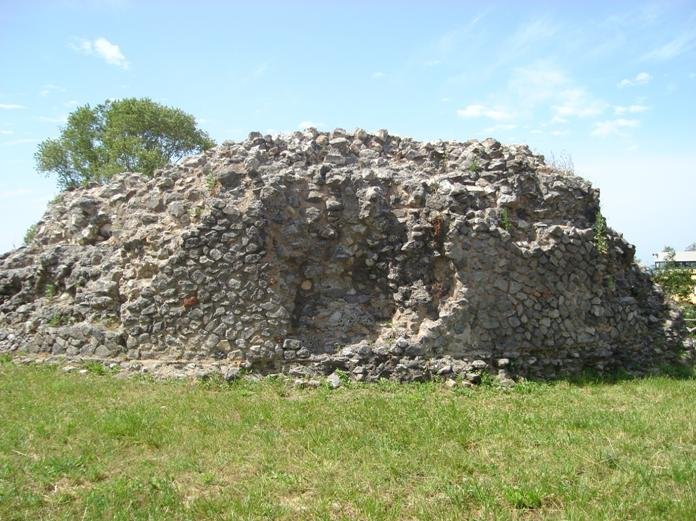 The third day of our itinerary takes us to Blanda, an archaeological site of extraordinary importance located in Tortora, along Via Palecastro. This ancient Roman settlement, founded in the 3rd century BC, offers a unique window into daily life of that era. Walking among the remains of the baths, the forum, and private residences, you immediately sense the typical urban organization of Roman colonization. The strategic hilltop position dominates the Tyrrhenian coast, offering breathtaking sea views stretching all the way to Basilicata. The artifacts discovered, such as coins and ceramics, testify to the vibrant commercial exchanges of the ancient city. For archaeology lovers, Blanda is a little-known treasure rich with history, where every stone tells centuries of dominations and transformations.
- Via Palecastro, Tortora (CS)
- Open in Google Maps
- View on Google Images
You should go if...


