The Vincenzo Lancia Museum Exhibition in Fobello is a tribute to the founder of the car company, housed in the building he had built as a school. The tour unfolds across five themed rooms (Astura, Artena, Augusta, Stratos, Aprilia) featuring documents, photos, and memorabilia. Highlights include a bibliographic collection of 400 volumes on automotive history and a section dedicated to rally triumphs from 1972 to 1992. Visits are by reservation; recently closed for renovation work funded by the PNRR.
Key points:
– 5 rooms dedicated to the most iconic Lancia models
– Specialized library with 400 volumes donated by the family
– History of rally victories (Fulvia HF, Delta)
– Historic building built by Vincenzo Lancia as a school
Evocative Introduction
In Fobello, a small village in Valsesia, a gem for car enthusiasts is hidden: the Vincenzo Lancia Exhibition Museum. It is not just any museum, but a dive into the history of one of the most iconic brands in Italian motoring. Set up on the second floor of the school building that Vincenzo Lancia himself had built, the museum is an intimate place, far from the chaos of large halls. Upon entering, the smell of old paper and the meticulously curated display make you immediately feel part of a story of ingenuity and passion.
Historical Notes
Vincenzo Lancia was born in Fobello in 1881. After a career as a driver and designer, he founded Lancia in 1906. The museum, established by the Lancia family, the Valsesia Lancia Story, and the municipality, is housed in Palazzo Giuseppe Lancia, originally built by Vincenzo himself as a school building. The rooms narrate his life and the evolution of the company, from the first cars to rally triumphs. A library of 400 volumes enriches the experience.
The Five Rooms: A Journey Through the Models
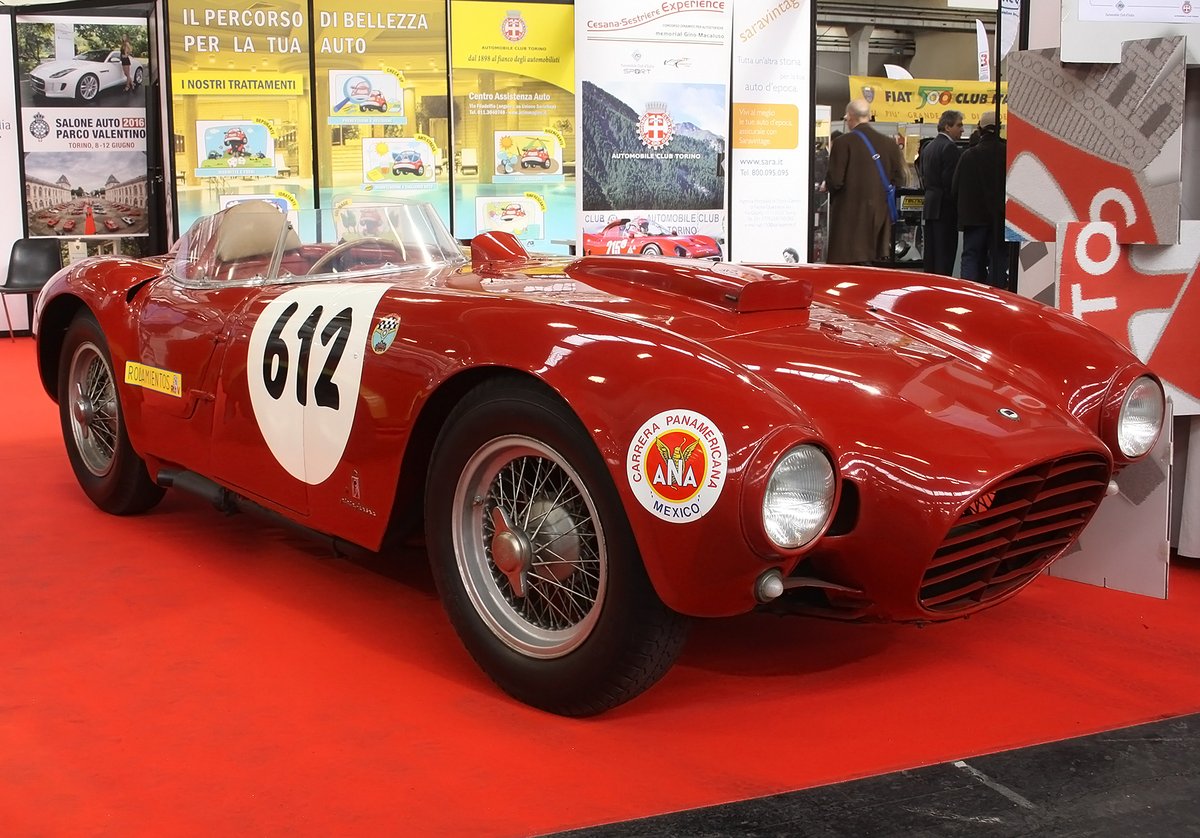
The route unfolds through five rooms, each dedicated to a Lancia model: Astura, Artena, Augusta, Aprilia, and Stratos. The Astura Room retraces the family origins, while the Artena Room recounts Vincenzo’s racing career, including references to the 1905 Gordon Bennett. The Augusta Room showcases models like the Lambda and Aurelia, highlighting the 1953 Carrera Panamericana victory. The Stratos Room is a tribute to two decades of rally victories, from the Fulvia HF to the Delta. Every corner is filled with memorabilia and original documents.
The Bibliographic Collection: A Treasure of Papers
In addition to the memorabilia, the museum houses the “Renato e Riccardo Lora Lamia” bibliographic collection, donated by member Sergio Loro Lamia. It includes over 400 volumes on automotive history, a goldmine for those who wish to delve deeper. Among shelves and display cases, vintage magazines and technical manuals emerge. A reading corner in the Aprilia Room allows visitors to browse original copies of period newspapers. A rare opportunity to experience firsthand the motor culture of the twentieth century.
Why Visit It
Three reasons: first, it’s the only museum entirely dedicated to Vincenzo Lancia, founder of a legendary brand. Second, the atmosphere is authentic: you’re in a small village, far from mass tourism, and the museum is run with passion by volunteers. Third, the chance to see rare documents up close, like photos of the first races and the designs of cars that made automotive history. An experience that combines culture, engines, and Alpine tradition.
When to Visit
The museum is open by reservation all year round, but the best time? Spring or autumn, when Fobello is quieter and the colors of Valsesia provide a perfect backdrop. If you’re an enthusiast, try to arrange your visit during the week: you’ll have the museum almost to yourself and can chat with the volunteers. In summer, the town is livelier, but the heat can be intense. In any case, call ahead to make arrangements.
Nearby
After the visit, a walk through the streets of Fobello is worthwhile, with its stone houses and the parish church. For nature lovers, the Val Mastallone offers trails through woods and alpine pastures. An idea? Continue to the Sacro Monte di Varallo (UNESCO World Heritage site), about 20 km away, for an immersion in sacred art. Or, for the more daring, take the ski lifts to the Alpe di Mera: in summer it is perfect for trekking and breathtaking views.