
The Enzo Ferrari Museum in Modena immerses you in the history of the Prancing Horse through iconic cars and personal memorabilia, displayed in a modern building next to the founder’s birthplace. It’s an experience that combines passion, design, and automotive innovation.
- Historical Cars: Ferrari 125 S (1947), F40, 250 GTO, and racing cars displayed with original license plates.
- Personal Memorabilia: Glasses, documents, and Enzo Ferrari’s original desk in his birthplace home.
- Mechanical Area: Disassembled V12 engines and interactive stations to understand technological evolution.
- Iconic Building: Modern structure with a yellow roof reminiscent of a Ferrari hood.
Events nearby
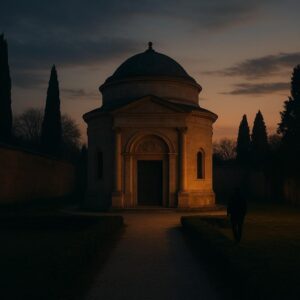
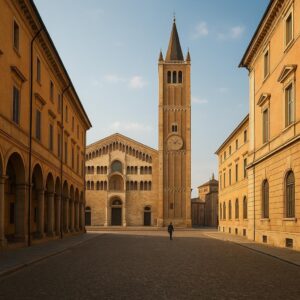

See the first Ferrari 125 S from 1947, the F40, and the 250 GTO, displayed near Enzo Ferrari’s birthplace with disassembled engines and personal memorabilia.
- https://www.ferrari.com/museums/enzo-ferrari-modena
- Via Paolo Ferrari 85, Modena (MO)
- Open in Google Maps
- View on Google Images Museo Enzo Ferrari a Modena
Good to know
Introduction
As soon as you cross the threshold of the Enzo Ferrari Museum in Modena, you immediately understand you’re in a special place. It’s not just a museum, but an emotion that grabs you by the throat. The modern structure with its iconic yellow roof, reminiscent of a Ferrari hood, perfectly dialogues with Enzo’s red brick birthplace. Here you breathe the passion for engines that made Modena world-famous. The displayed cars aren’t mere machines, but pieces of history telling stories of dreams and determination. The echo of engines resonating through the halls transports you directly to Formula 1 racetracks. An experience that goes beyond a museum visit, a true tribute to the man who forever changed the world of automobiles.
Historical Background
Enzo Ferrari was born in this very house on February 18, 1898, and grew up here dreaming of racing. After working for Alfa Romeo, he founded Scuderia Ferrari in 1929 and only in 1947 created the first car bearing his name. The museum was inaugurated in 2012 next to his birthplace, transforming the places of his childhood into a temple of motoring. Today it houses not only the most iconic Ferraris but also personal memorabilia such as his glasses and original documents that testify to his genius.
- 1898: Enzo Ferrari is born
- 1929: Foundation of Scuderia Ferrari
- 1947: First Ferrari 125 S
- 2012: Museum opening
The Cars That Made History
Walking among the displayed Ferraris is like flipping through a family album of motorsport. You won’t find just racing models, but true works of art on wheels. The Ferrari F40, the last car personally approved by Enzo, dominates the scene with its aggressive lines. Beside it, the 250 GTO from 1962, considered the most beautiful Ferrari ever, makes you understand why these models have become legends. Each car has its original license plate and the history of track victories. The special feature? Many are still functional and occasionally you hear them roar during special events. They’re not preserved relics, but machines that continue to live.
The Dream Workshop
The most captivating section is undoubtedly the area dedicated to mechanics. Here you truly understand what ‘Ferrari’ means. Not just beautiful cars to look at, but engineering masterpieces. You can observe disassembled V12 engines up close, understand the technological evolution from the first power units to today’s hybrids. The interactive stations allow you to ‘feel’ the difference between various engines without needing to be an expert. Technicians often organize live demonstrations, showing how they assemble complex components. This is where you realize that every Ferrari isn’t mass-produced, but is the result of Modenese craftsmanship passed down through generations.
Why Visit It
Three concrete reasons not to miss it: first, the unique thrill of seeing up close cars you normally only admire on television during the Grand Prix. Second, the chance to touch history through Enzo’s personal memorabilia – from his notes to unpublished photos. Third, the location itself: being in the house where the legend was born adds an emotional value that no other automotive museum can offer. It’s an experience that perfectly blends passion, history, and technology.
When to Go
The best time? Weekday mornings, when the museum is at its quietest and you can admire the cars without the crowds. Avoid official Ferrari event weekends, when it becomes a pilgrimage destination for enthusiasts from around the world. In spring and autumn, the natural light filtering through the yellow roof creates spectacular shadow plays on the car bodies. If you prefer a more intimate atmosphere, try during lunch hours when many visitors are out.
In the Surroundings
Complete your Ferrari experience with a visit to the Ferrari Museum in Maranello, just a short drive away, where you can discover current production. For an interesting contrast, head to the Figurine Museum in downtown Modena, which houses a unique collection of stickers and trading cards, showcasing how the city skillfully blends tradition and innovation across different fields. Both venues reveal distinct aspects of Modena’s identity.
Itineraries nearby

💡 Did You Know…?
The museum stands right next to the house where Enzo Ferrari was born in 1898, a historic building that now forms part of the exhibition route. Here you can see his original desk and some personal items, like the typewriter he used for letters to drivers. A little-known detail: Enzo never drove on the track himself, but from here he followed every race with a radio, listening to the engines roar as if he were there.