Basilio Cascella Civic Museum Pescara: Abruzzese art between ceramics and prints

If you’re passing through Pescara, the Basilio Cascella Civic Museum is a must-see for art lovers. This museum, dedicated to the Cascella family, takes you on a journey through ceramics, prints, and paintings that have shaped Abruzzese culture. It’s easy to reach in the city center, perfect for a quick but inspiring visit. What will you find here? Artistic ceramics with traditional motifs, vintage prints capturing local life scenes, oil paintings by Basilio and his sons, and a graphics section showcasing the evolution of printing techniques. Admission is affordable and the atmosphere is welcoming, ideal for a cultural break.
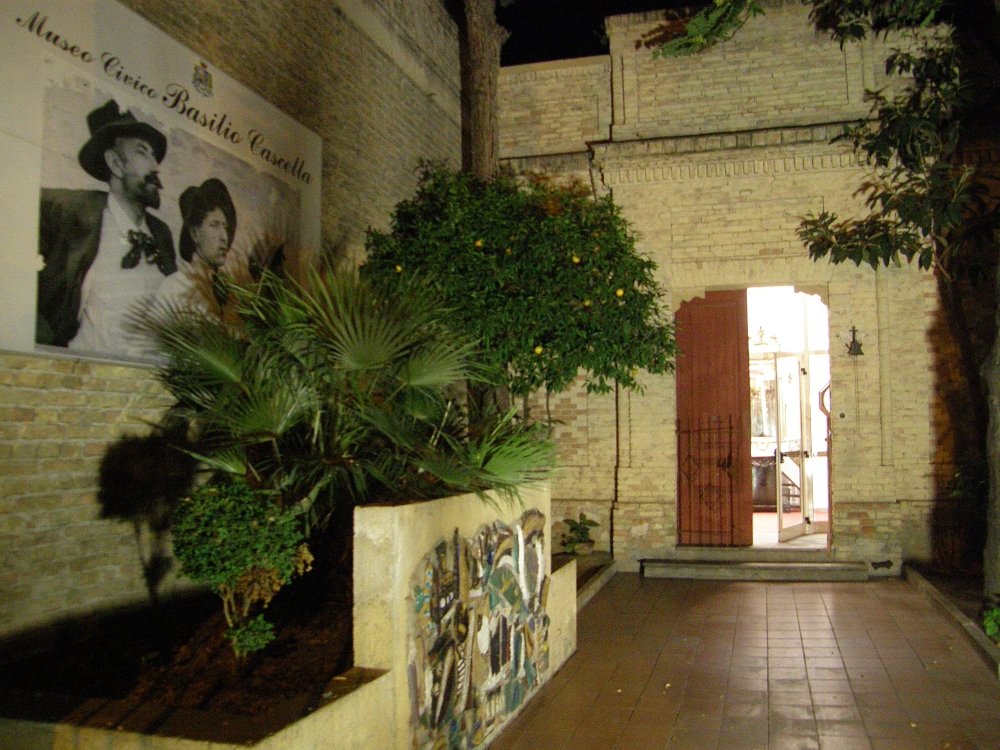
Copertina itinerario Basilio Cascella Civic Museum Pescara: Abruzzese art between ceramics and prints
The Basilio Cascella Civic Museum in Pescara houses works from the Cascella family, with ceramics, prints, and paintings that tell the story of Abruzzese art from the 19th century. Open from Tuesday to Sunday, it is located on Corso Vittorio Emanuele II.

Good to know


Introduction

Stepping into the Museo Civico Basilio Cascella is like opening a family album of Abruzzo’s art. Don’t expect a monumental or detached space: here, you’re welcomed by colorful ceramics, vibrant prints, and paintings that still seem to radiate the energy of their creators. The venue itself, on Corso Vittorio Emanuele II in the heart of Pescara, has an intimate atmosphere, almost homely. I was immediately struck by how each room tells a different story, yet all are connected by that common thread of the Cascella family’s passion for their land. It’s not just a museum; it’s a visual journey through Abruzzo from the 19th to the 20th century, where every artwork speaks with an authentic local accent.

Historical Overview

The museum was established to celebrate Basilio Cascella, a painter and ceramist born in 1860, and his prolific family of artists. The collection grew over time through donations and acquisitions, leading to its official opening in the 1970s. It is not merely an art collection but a testament to how the Cascella family interpreted Abruzzo, from its landscapes to folk traditions, using techniques ranging from ceramics to graphic arts. I found it interesting how the exhibition follows almost a genealogical line of the family’s art.

  • 1860: Birth of Basilio Cascella, founder of the artistic dynasty
  • Early 20th century: Family activities with a workshop in Pescara
  • 1970s: Establishment of the dedicated civic museum
  • Today: Collection of over 500 works including ceramics, prints, and paintings

Ceramics That Tell Stories

The ceramics section is what captivated me the most. These aren’t cold display-case pieces, but objects that still seem ready to be used: plates decorated with scenes of peasant life, vases with robust shapes, majolica plaques with portraits so expressive they look like photographs. Each piece has its own personality, and you can see how the Cascella family managed to blend traditional Abruzzo craftsmanship with a personal and, for the time, modern style. Some ceramics show floral motifs typical of the region, others depict local figures with a liveliness that almost makes them leap from the surface. It’s as if, through these everyday objects transformed into art, you could touch the Abruzzo of a century ago.

Prints and Graphics: Abruzzo in Black and White

Less showy than ceramics but equally powerful, prints and graphic works offer a different perspective on the region. Here, Abruzzo reveals itself through the bold lines of woodcuts and lithographs, featuring mountain landscapes, shepherds’ faces, and moments of work in the fields. I was surprised by how these black-and-white images manage to convey so much emotion, almost more than the vibrant colors of ceramics. Some prints have a documentary feel, others are more evocative, but all share that ability to capture the essence of a place and an era. It’s interesting to note how the Cascella family used these techniques not only for pure art but also for editorial illustrations that spread the image of Abruzzo throughout Italy and beyond.

Why Visit It

Three concrete reasons not to miss this museum. First: it’s likely the most comprehensive collection of Cascella family art, offering a unique opportunity to discover this artistic family that shaped Abruzzo’s culture. Second: the variety of techniques on display (ceramics, painting, graphics) provides a 360-degree view of their work, avoiding the monotony that sometimes plagues single-subject museums. Third: its central location in Pescara makes it incredibly easy to combine with other visits—almost an art island amid the city’s daily life. And let’s be honest, seeing how Abruzzo was represented by those who lived there and loved it adds a value no tourist guide can offer.

When to Go

Personally, I’ve found that the late afternoon hours are the most evocative, when the warm light filters through the windows and creates plays of shadows on the ceramics. In winter, the museum offers a cozy refuge from grey days, with those rooms that seem to preserve the human warmth of the artists. In summer, it’s a cool break from the Pescaran heat, a moment of quiet amid the bustle of the seaside town. There truly isn’t a wrong time, but avoid peak tourist crowds if you prefer to enjoy it leisurely, almost in solitude.

In the Surroundings

After leaving the museum, here are two thematic suggestions. Just a few steps away is Gabriele D’Annunzio’s Birthplace, another fundamental piece of Abruzzese culture: exploring the contrast between the folk art of the Cascellas and the decadentism of the Vate is fascinating. A bit further, but still in the city center, the Museum of the People of Abruzzo completes the picture with ethnographic artifacts that showcase the region’s daily life, almost as if the Cascellas’ ceramics came to life in three dimensions. These two experiences perfectly complement the visit to the Cascella Museum, creating a compact and coherent cultural itinerary.

💡 Did You Know…?

One detail that makes this museum special is the story of the Cascella family: Basilio, the founder, was a versatile artist who worked as a ceramist, painter, and printmaker. His son Michele continued the legacy, creating works that blend tradition and innovation. In the museum, you can see some of the first prints made with artisanal techniques, like lithography, which were revolutionary for Pescara at the time. These pieces are not just art, but testimonies of how one family shaped the city’s cultural identity.