
🧭 What to Expect
- Ideal for a cultural weekend on foot in a compact historic center.
- Highlights: Udine Castle with panoramic view, Piazza Matteotti as the city's heart, Tiepolo's frescoes in the Patriarchal Palace.
- Art and museums: from the Civic Museums of history to the Diocesan Museum, and the Museum of Modern Art Casa Cavazzini.
- Architecture: Bollani Arch by Palladio, Gothic Church of San Francesco, Renaissance Palazzo Antonini.
- Relaxation: Parco del Cormôr with paths along the stream, just steps from the center.
- Authenticity: a destination away from crowded circuits, with ethnographic and sacred art museums to discover Friuli.
Udine, the capital of Friuli-Venezia Giulia, is a human-scale city easily explored on foot. Its heart is Piazza Giacomo Matteotti, surrounded by arcades and historic cafés, from which you can reach the Castle of Udine in just a few minutes—a city symbol with panoramic views over the rooftops and hills. Don't miss the Patriarchal Palace with Tiepolo's frescoes and the Arco Bollani, the gateway to the Castle hill. For art, the Civic Museums and Galleries of History and Art and the Diocesan Museum and Tiepolo Galleries are must-see stops. The Church of San Francesco and Palazzo Antonini Maseri, a work by Palladio, enrich the itinerary. For a green break, Parco del Cormôr is perfect. Complete your visit with the Ethnographic Museum of Friuli and the Museum of Sacred Art of the Cathedral. Udine surprises with its authenticity and the easy accessibility of its treasures.
Overview
- Udine Castle
- Piazza Giacomo Matteotti: The Beating Heart of Udine
- Patriarchal Palace: The Historical and Religious Heart of Udine
- Bollani Arch
- Civic Museums and Galleries of History and Art
- Diocesan Museum and Tiepolo Galleries
- Church of San Francesco
- Palazzo Antonini Maseri: Renaissance Architecture in the Heart of Udine
- Cormôr Park: A Green Oasis in the Heart of Udine
- Casa Cavazzini: The Modern Art Museum in the Heart of Udine
- Ethnographic Museum of Friuli
- Museum of Sacred Art of the Cathedral
Itineraries nearby


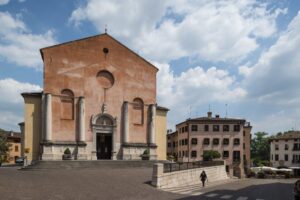
Udine Castle
- Go to the page: Udine Castle: Civic Museums, Frescoed Halls, and Alpine Views
- Salita al Castello, Udine / Udin (UD)
- Open in Google Maps
- View on Google Images
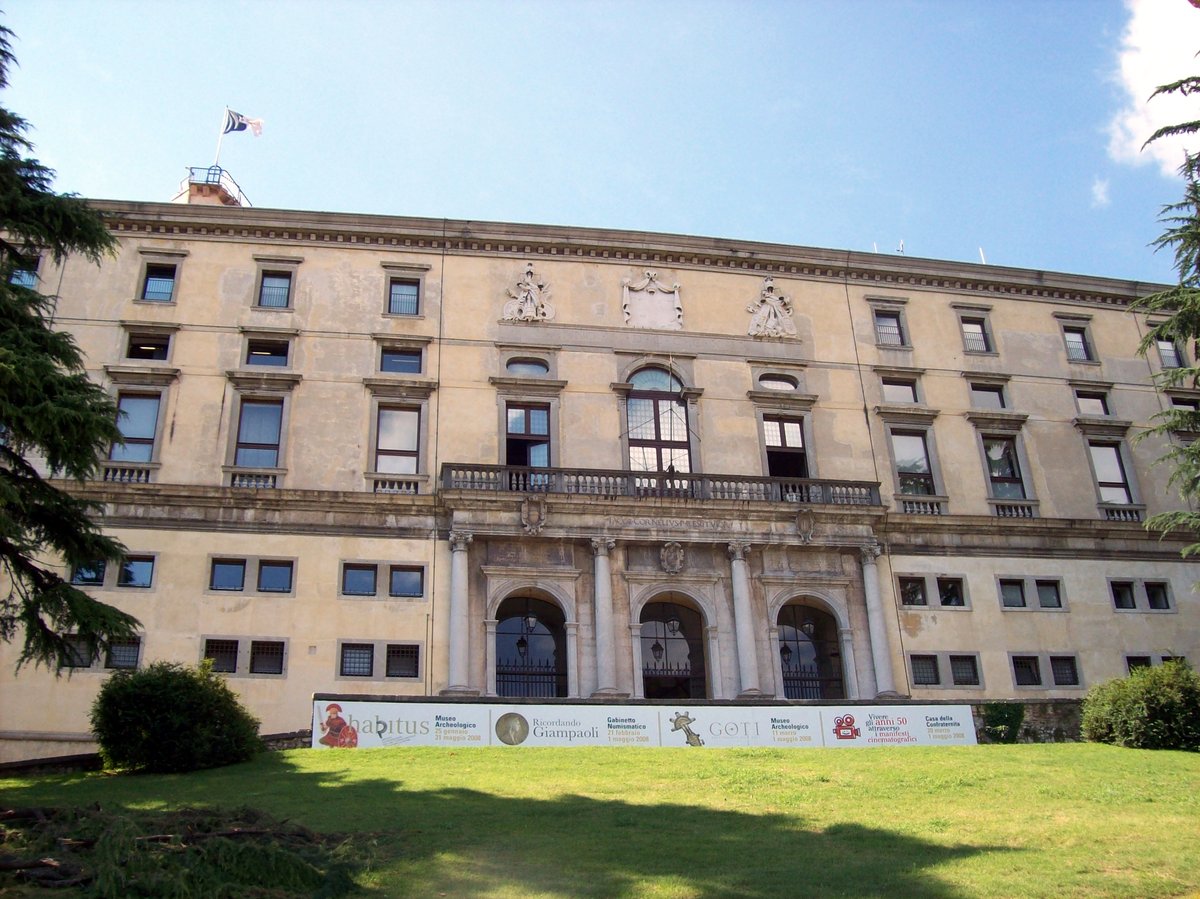 If you visit Udine, Udine Castle is a must-see stop you absolutely cannot miss. Located atop an artificial hill in the heart of the city, this historic complex offers not only a journey through time but also a spectacular view over the Friulian plain and the Julian Alps. Its strategic position, with the Castle Hill rising 138 meters above sea level, makes it a landmark visible from every corner of Udine.
The current structure mainly dates back to the 16th century, when the Republic of Venice rebuilt the castle after an earthquake, but its origins are much older, linked to legends that tell of a hill created by Attila's soldiers. Today it houses the Civic Museums and Galleries of History and Art, where you can admire collections ranging from archaeology to painting, with works by local and international artists. Don't miss the Parliament Hall, with its Renaissance frescoes, and the panoramic terrace, perfect for taking unforgettable photos.
The castle is open year-round, with hours varying by season, and admission is charged, though there are often days with free access. It's easily reachable on foot from the historic center, by climbing the picturesque Lippomano Staircase or taking the public elevator. For a complete experience, also visit the nearby Cathedral Museum and enjoy a stroll in the surrounding gardens, ideal for a relaxing break.
Piazza Giacomo Matteotti: The Beating Heart of Udine
- Piazza Giacomo Matteotti, Udine / Udin (UD)
- Open in Google Maps
- View on Google Images
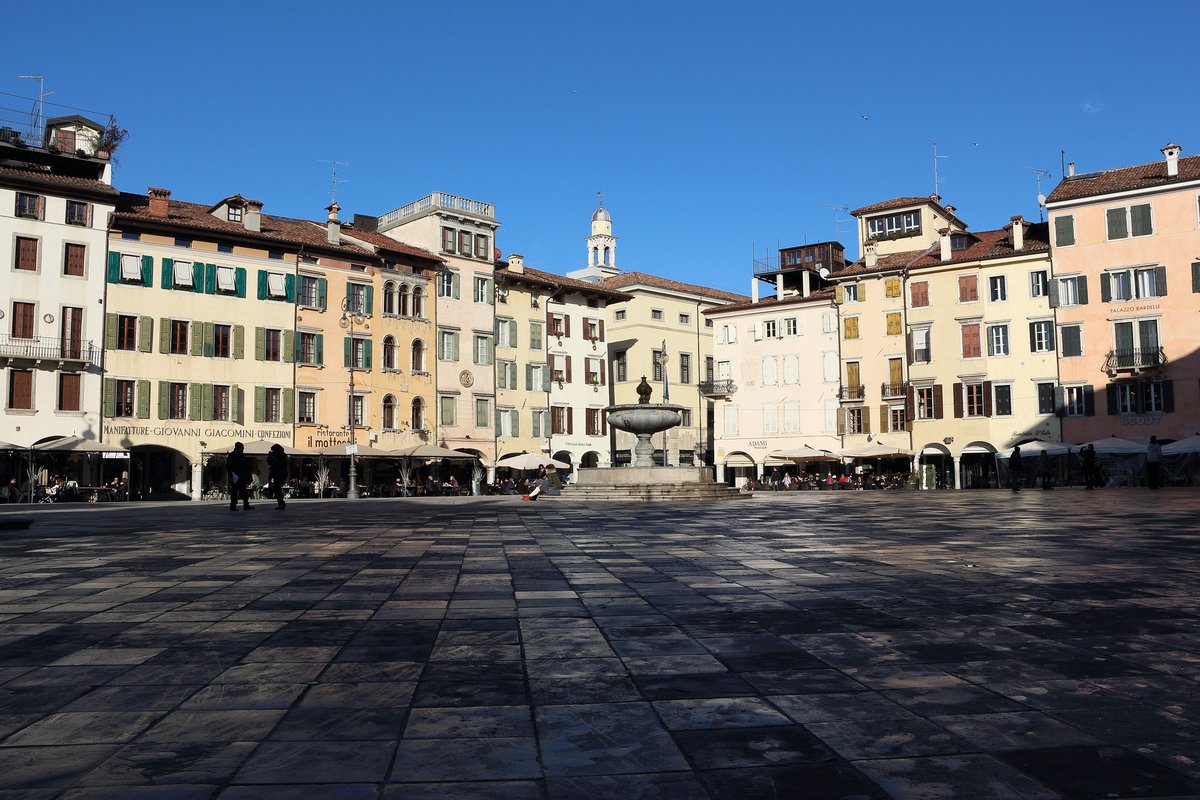 Piazza Giacomo Matteotti, affectionately known to locals as Piazza San Giacomo, is the true beating heart of Udine. It is not merely a square but the city's living room, where daily life intertwines with centuries of history. Its current name, dedicated to the anti-fascist politician, coexists with the traditional one linked to the Church of San Giacomo, creating a bridge between past and present. What immediately strikes you is the harmonious blend of architectural styles: elegant Renaissance porticos, offering shelter in every season, stand alongside pastel-colored facades typical of Venetian urban planning, which has deeply influenced the city. At its center, the nineteenth-century fountain adds a touch of freshness and movement, becoming a customary meeting point. The square is vibrant at any time of day: in the morning, it buzzes with the comings and goings of shoppers at the covered market, while in the afternoon and evening, its cafes and establishments fill with students, families, and tourists. It is the ideal starting point for exploring the historic center, just steps away from Udine Castle and the Loggia del Lionello. Here, you don't just visit a monument; you breathe in the authentic atmosphere of a city that knows how to be both monumental and welcoming.
Patriarchal Palace: The Historical and Religious Heart of Udine
- Go to the page: Patriarchal Palace of Udine: Giovanni da Udine's Golden Staircase and Renaissance Frescoes
- Piazza del Patriarcato, Udine / Udin (UD)
- Open in Google Maps
- View on Google Images
 The Patriarchal Palace, also known as the Archbishop's Palace, is one of Udine's architectural gems that tells centuries of religious and civic history. Located in Piazza Patriarcato, right behind the Cathedral, this building was the official residence of the Patriarchs of Aquileia from the 16th century, when the patriarchate was moved here from Aquileia. Its sober Renaissance-style facade hides interiors rich with surprises. Today, besides being the seat of the archbishopric, it houses the Diocesan Museum and the Tiepolo Galleries, another reason to visit. Inside, you can admire extraordinary frescoes by Giambattista Tiepolo, created between 1726 and 1729, which decorate the Golden Staircase and the Throne Room. These masterpieces, with their biblical and allegorical scenes, are considered among the most important works by the Venetian master in Friuli. The palace also offers a museum itinerary that includes sacred furnishings, paintings, and sculptures, telling the story of the diocese's devotion and art. The visit is a dive into the past, between ecclesiastical power and artistic splendor, perfect for those who love history and art without being overwhelmed by the crowds of large museums. Remember to check opening hours, as the museum may have seasonal variations.
Bollani Arch
- Go to the page: Bollani Arch in Udine: Lion of Saint Mark and Panoramic View from the Castle
- Salita al Castello, Udine / Udin (UD)
- Open in Google Maps
- View on Google Images
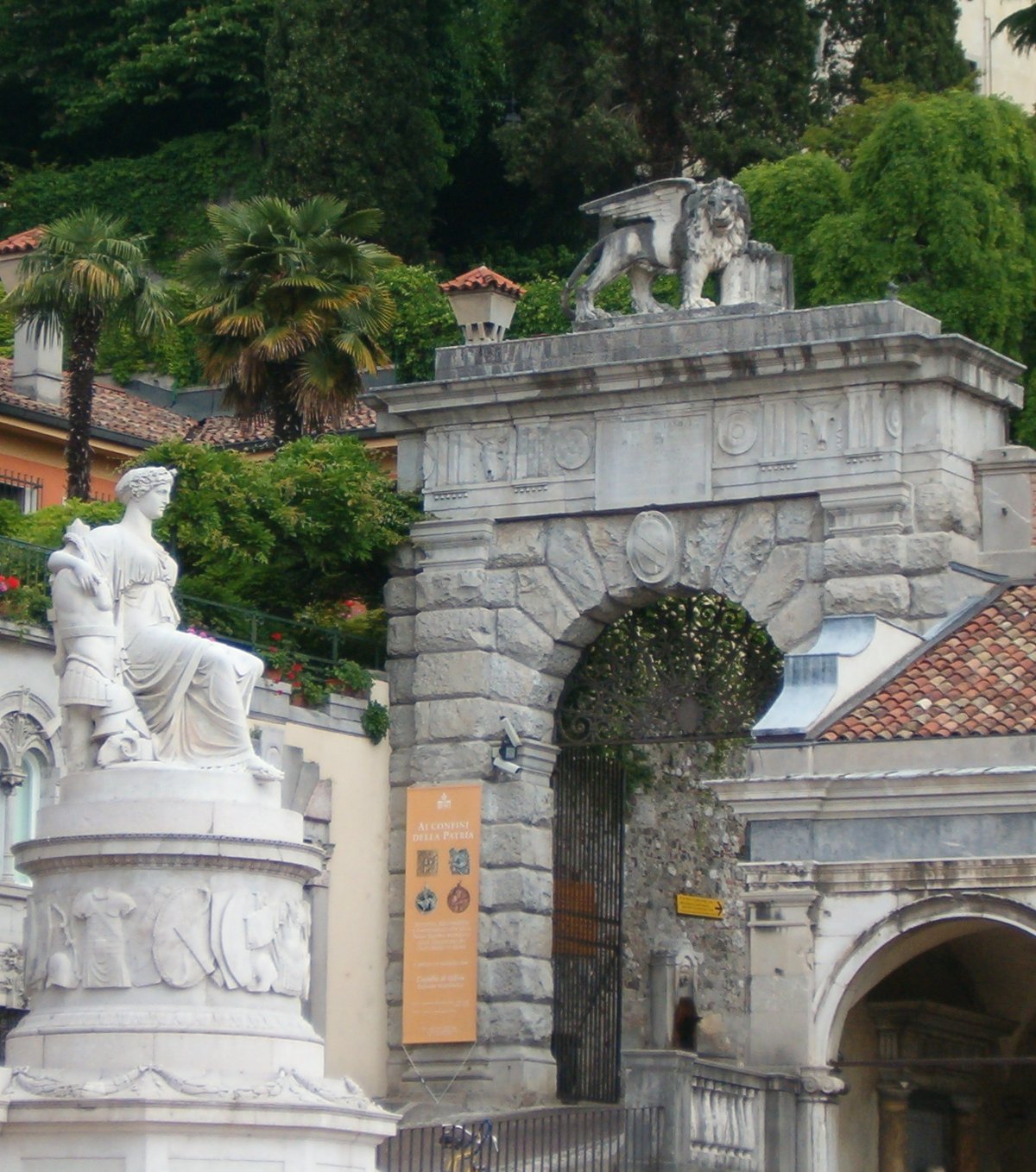 If you're exploring Udine's historic center, you can't miss the Bollani Arch, an imposing Renaissance gate that serves as the main entrance to the hill of the Castle. Built in 1556 based on a design by architect Andrea Palladio, this triumphal arch is dedicated to Venetian lieutenant Domenico Bollani, who governed the city at that time. What makes it special is its strategic location: crossing it, you immediately find yourself on the Stairway to the Hill, a steep staircase that leads directly to Udine Castle, offering unique panoramic glimpses of the city and the Friulian mountains. The white stone structure, with its classical style and understated decorations, contrasts pleasantly with the greenery of the hill and the medieval atmosphere of the path. It's a must-pass point for those visiting the Castle, but also a photogenic stop in itself, especially at sunset when the warm light enhances the architectural details. Remember that access is always free and open, and you can cross it at any time of day. For a complete experience, combine it with a visit to the nearby Castle and its museums, or simply enjoy the view from the top of the staircase. The Bollani Arch is not just a historical monument, but a true connector between the lower city and its highest symbol, offering a moment of pure Friulian magic.
Civic Museums and Galleries of History and Art
- Go to the page: Civici Musei Udine: Works by Carpaccio, Tiepolo, and Friulian Art in the Castle
- Salita al Castello, Udine / Udin (UD)
- https://www.civicimuseiudine.it/it
- Open in Google Maps
- View on Google Images
- civici.musei@comune.udine.it
 If you're looking for the cultural heart of Udine, the Civic Museums and Galleries of History and Art are a must-visit. Located in the Castle of Udine, this museum complex is not just a container of artworks, but a true journey into the history and identity of Friuli. The visit begins with the Art Gallery, which houses a collection of paintings from the 14th to the 19th centuries, featuring works by local artists and Venetian masters like Giambattista Tiepolo, who left a significant mark on the city. The archaeological section, on the other hand, takes you back in time with Roman and medieval artifacts found in the area, telling the ancient roots of this region. But what makes this museum special is its ability to unite art and local history: you won't just find paintings, but also documents, prints, and everyday objects that reconstruct life in Udine over the centuries. The path winds through the castle halls, also offering panoramic views of the city from its windows. For art enthusiasts, the modern and contemporary art collection includes 20th-century Friulian works, showcasing the creative evolution of the region. It's a place where every object has a story to tell, perfect for those who want to delve deeper into Friulian culture beyond the usual tourist attractions. I recommend dedicating at least a couple of hours to explore it leisurely, perhaps combining it with a visit to the nearby Diocesan Museum for a complete experience of sacred art.
Diocesan Museum and Tiepolo Galleries
- Piazza del Patriarcato 1, Udine / Udin (UD)
- Open in Google Maps
- View on Google Images
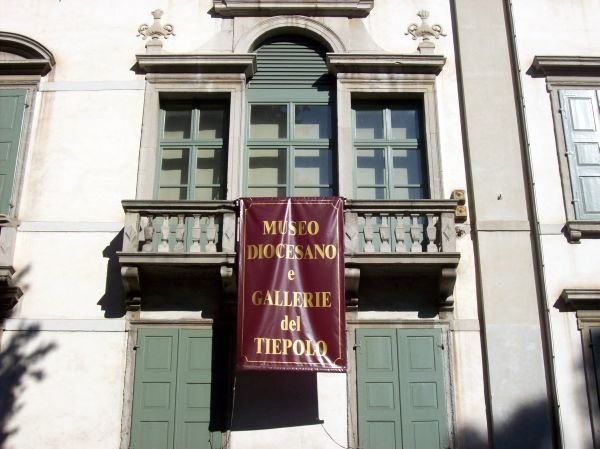 If you're looking for a cultural experience that combines spirituality with high-level art, the Diocesan Museum and Tiepolo Galleries is an unmissable stop in Udine. Located within the Patriarchal Palace (or Archbishop's Palace), right next to the Cathedral, this museum offers a fascinating journey through the city's religious and artistic history. The visit unfolds across multiple levels: on the ground floor, the Diocesan Museum houses a rich collection of sacred art, with works ranging from the Middle Ages to the 18th century, including wooden sculptures, liturgical vestments, and precious reliquaries that tell the story of Friulian devotion.
But the true beating heart of the place is the Tiepolo Galleries on the first floor. Here, you immerse yourself in the world of Giambattista Tiepolo, one of the greatest Italian painters of the 18th century, who worked in Udine from 1726 to 1728. The rooms are decorated with his mythological and biblical frescoes, notably the Fall of the Rebel Angels and the Stories of Abraham. The light filtering through the windows enhances the vibrant colors and dynamic figures, creating a truly engaging atmosphere. Don't miss the Red Room, with its tapestries and paintings, and the opportunity to admire the preparatory sketches up close. The museum is well-organized, with clear informational panels, and its central location makes it easy to include in a walking itinerary through the historic center. It's a place that captivates both art enthusiasts and the curious, offering an authentic glimpse into Friulian heritage.
Church of San Francesco
- Via Beato Odorico da Pordenone, Udine / Udin (UD)
- Open in Google Maps
- View on Google Images
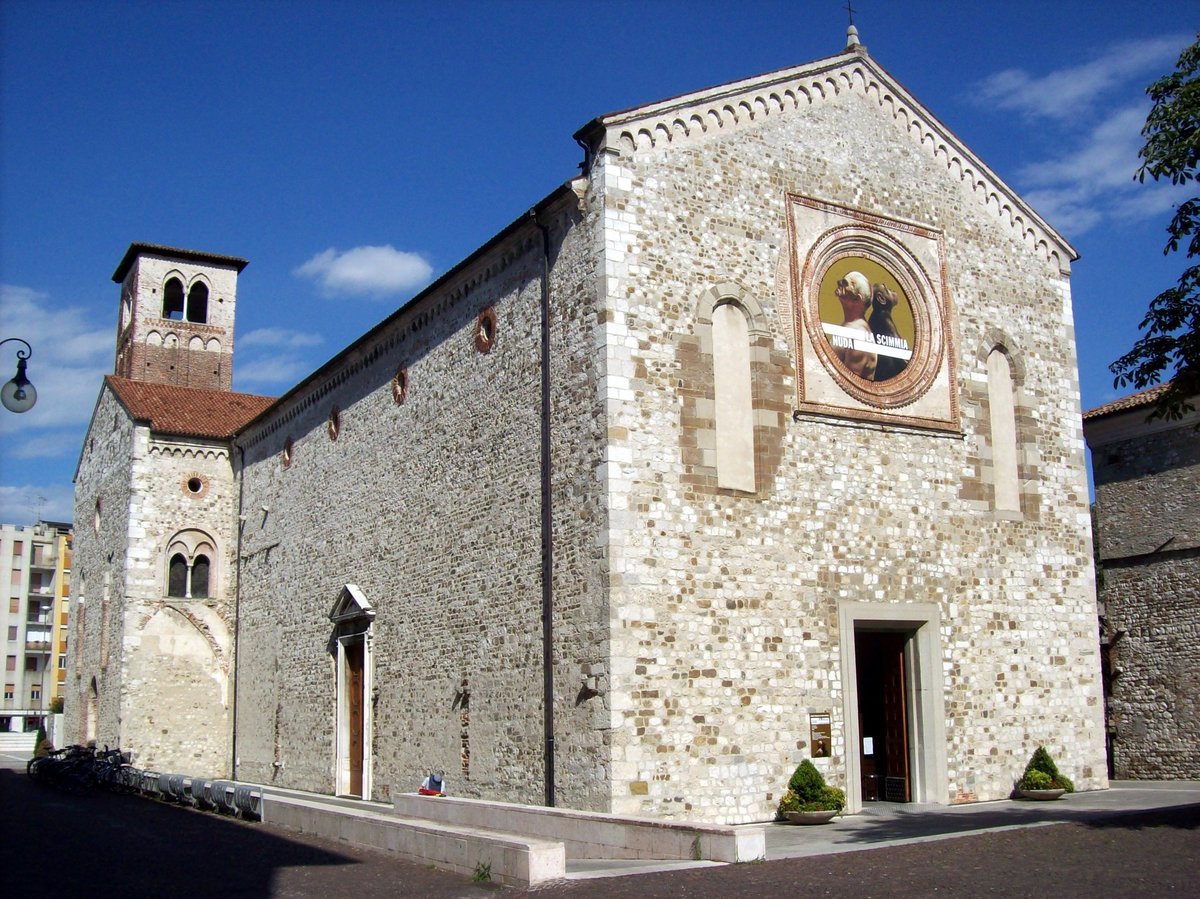 If you're looking for a corner of peace and history in the center of Udine, the Church of San Francesco is an unmissable stop. Built in the 13th century, this Gothic church welcomes you with its simple stone facade, which hides a surprisingly rich interior atmosphere. Upon entering, you'll immediately notice the polygonal apse, a rare architectural feature in Friuli, which gives the space a particular luminosity. The 14th-century frescoes on the walls, though partially damaged by the 1976 earthquake, tell sacred stories with a vividness that transports you back in time. Look carefully at the fragments depicting Saint George and the Dragon or the Stories of Saint Francis: they are precious testimonies of Friulian medieval painting. The church is also linked to the figure of Pietro Zorutti, a 19th-century dialect poet buried here, adding a touch of local identity. Today, after careful restoration, the building occasionally hosts exhibitions and concerts, keeping its cultural function alive. Admission is free, and I recommend stopping for a few minutes in silence to appreciate the natural acoustics of the nave, perfect for listening to sacred music. It's a place where art, history, and spirituality blend, away from the crowds of the main squares.
Palazzo Antonini Maseri: Renaissance Architecture in the Heart of Udine
- Go to the page: Antonini Maseri Palace in Udine: Gino Valle's Modern Architecture in the Historic Center
- Piazzetta Antonini, Udine / Udin (UD)
- Open in Google Maps
- View on Google Images
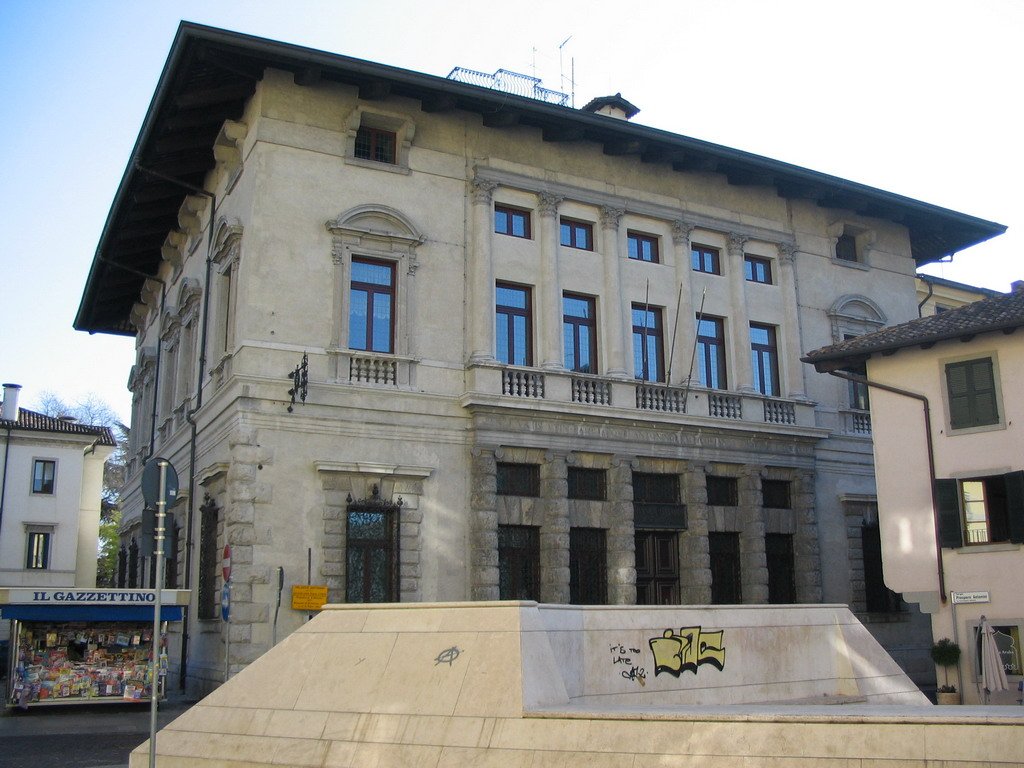 While strolling through Udine's historic center, you can't miss Palazzo Antonini Maseri, a building that catches the eye with its elegant Renaissance façade. Built in the latter half of the sixteenth century, this palace perfectly represents the period of architectural splendor that Udine experienced under Venetian rule. Its history is tied to the powerful Antonini family, who commissioned the work to assert their status in Udine's society of the time. The symmetrical architecture and windows with Istrian stone frames are characteristic elements that instantly transport you to sixteenth-century Friuli. Today, the palace houses the University of Udine's Faculty of Economics, a contemporary use that breathes new life into these historic spaces without compromising their identity. The building is located on Via Gemona, one of the main streets in the center, easily reachable on foot from Piazza Matteotti. Unfortunately, the interiors are not always accessible to the public, but it's worth admiring the exterior and imagining what life must have been like inside when it was a private residence. The particularity of this palace lies in its being a well-preserved example of Renaissance civil architecture in Friuli, less known compared to other Udine monuments but equally significant. If you visit Udine, stop to observe the details of the façade: you'll notice how each element tells a story of power, culture, and local identity.
Cormôr Park: A Green Oasis in the Heart of Udine
- Udine / Udin (UD)
- Open in Google Maps
- View on Google Images
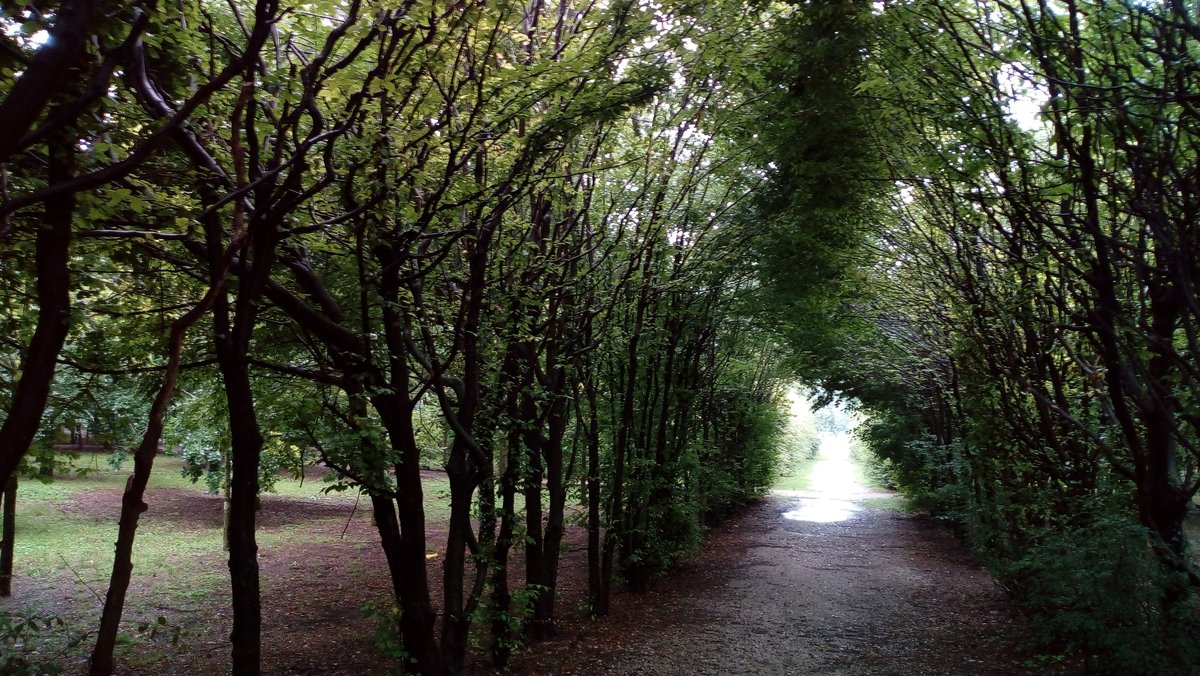 If you're looking for a break from the liveliness of Udine's historic center, Cormôr Park is the ideal spot. This expansive green space stretches along the banks of the Cormôr stream, offering a tranquil and rejuvenating atmosphere just steps from the Castle. The park has been revitalized in recent years, becoming a go-to destination for locals and visitors seeking to unplug without straying far from the city. Here, you'll find wide lawns perfect for picnics, well-maintained paths suitable for leisurely walks or morning runs, and several equipped areas with benches and children's play areas. One of the most appreciated features is the cycling and pedestrian path that runs alongside the stream, connecting the park to other green areas in the city. In spring and summer, the lush vegetation and colorful flowers create a charming scene, while in autumn, the falling leaves provide a picturesque atmosphere. Cormôr Park isn't just a recreational area: it also hosts occasional events like markets or small cultural gatherings, especially on weekends. It's the perfect place to observe local life, see families playing, or simply enjoy some peace. Remember that access is free and the park is open year-round, with hours varying slightly by season. Bring a blanket, a book, or simply the desire to walk: here, you'll find your own corner of tranquility.
Casa Cavazzini: The Modern Art Museum in the Heart of Udine
- Via Savorgnana, Udine / Udin (UD)
- Open in Google Maps
- View on Google Images
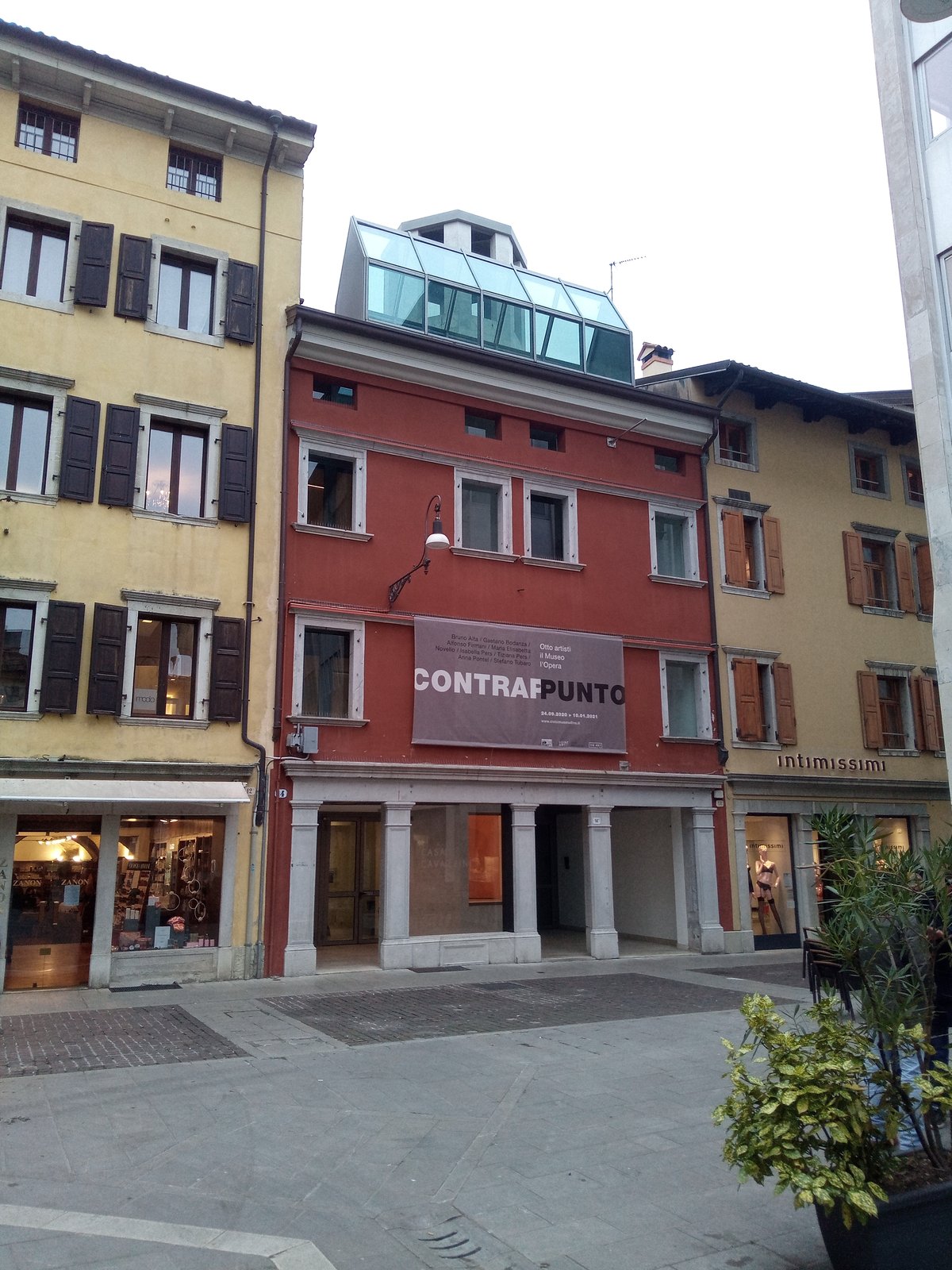 If you think Udine is only about medieval castles and Venetian architecture, prepare for a pleasant surprise: Casa Cavazzini is the place that shows how the city can look to the future while preserving its past. This Renaissance palace, located right in the historic center just steps from Piazza Matteotti, was completely renovated in 2012 to become the home of the Museum of Modern and Contemporary Art of Udine. The most interesting part? The building itself tells a story: built in the 16th century, it underwent numerous transformations over the centuries, culminating in the intervention of architect Gae Aulenti, who turned it into a museum gem. Upon entering, you're greeted by a unique atmosphere where old and modern continuously interact: original structures coexist with contemporary displays, creating a truly unique exhibition path. The permanent collections are a journey through 20th-century Friulian and Italian art, with works by artists like Afro Basaldella, Mirko Basaldella, and Dino Basaldella—the famous Udine-born brothers who left their mark on the national art scene. But it's not just local art: you'll also find works by international masters like De Chirico, Fontana, and Burri. Temporary exhibitions are always carefully curated and often feature emerging artists alongside established names. A special section is dedicated to the Astaldi Collection, donated to the museum and considered one of Italy's most important private collections of modern art. The building spans three floors with bright spaces and a panoramic terrace offering an unusual view over Udine's rooftops. Admission is free every first Sunday of the month, while on other days the ticket is very affordable (around 5 euros). The museum regularly organizes workshops for children and themed guided tours, making it suitable for families too. If you love art or simply want to discover a lesser-known side of Udine, Casa Cavazzini is an unmissable stop that demonstrates how the city values both its history and contemporary creativity.
Ethnographic Museum of Friuli
- Via Brenari, Udine / Udin (UD)
- https://www.civicimuseiudine.it/it
- Open in Google Maps
- View on Google Images
- civici.musei@comune.udine.it
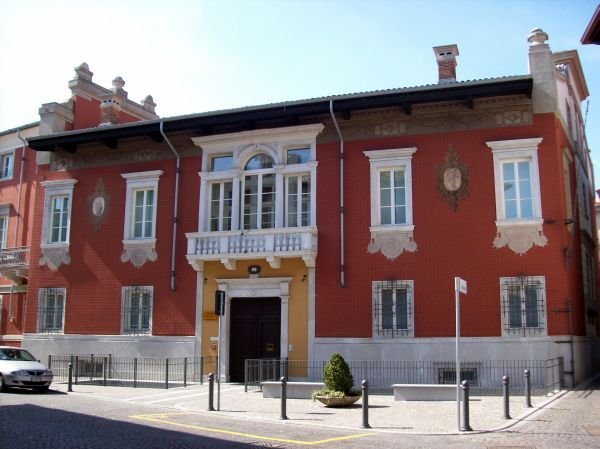 If you truly want to understand Friuli, a visit to the Ethnographic Museum of Friuli is a must. It's not your typical dusty museum, but a vibrant place that tells the story of ordinary people through everyday objects. It's housed in the eighteenth-century Palazzo Giacomelli, a historic building that's worth a look in itself. Inside, you'll find a fascinating journey through the region's traditions, work, and domestic life. You'll see reconstructions of typical settings, like a period Friulian kitchen with its hearth, and collections of agricultural tools, craftsman's tools, and traditional costumes. One section is dedicated to material culture, with objects ranging from woodworking to weaving, showcasing the extraordinary local manual skills. Particularly interesting is the focus on folk festivals and annual cycle rituals, which will reveal a Friuli built on community and deep-rooted traditions. The museum often organizes temporary exhibitions and educational activities, keeping the visit fresh and engaging. It's an experience that goes beyond art, touching the authentic heart of this land.
Museum of Sacred Art of the Cathedral
- Piazza del Duomo 13, Udine / Udin (UD)
- Open in Google Maps
- View on Google Images
- +39 0432 506830
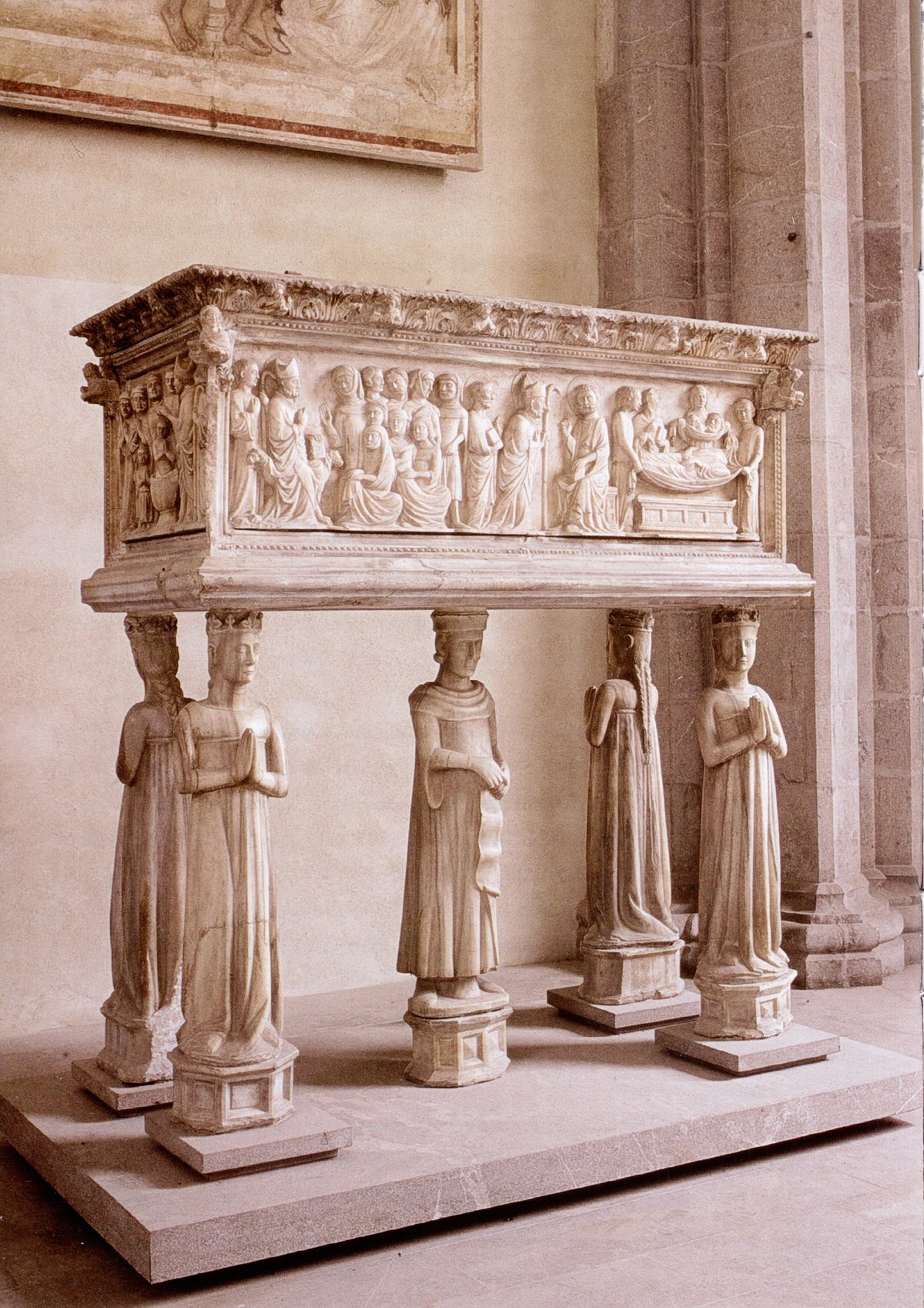 If you think Udine Cathedral is just a splendid Gothic church, prepare for a pleasant surprise. Inside, in fact, lies the Museum of Sacred Art of the Cathedral, a small gem that tells centuries of Friulian faith and art. Access is simple: it's located right inside the cathedral, often overlooked, but just ask for directions to discover this intimate and history-rich space.
The collection is a journey through time via liturgical objects and artworks that have accompanied the city's religious life. Among the most significant pieces stand out the medieval reliquaries, finely crafted in silver and gold, which testify to the importance of relic veneration in local tradition. There are also altar frontals and sacred vestments embroidered with mastery, some dating back to the Renaissance, showcasing the high level of Friulian textile craftsmanship.
Particularly interesting are the panel and canvas paintings from Venetian and Friulian schools, including works by artists active between the 15th and 18th centuries. These paintings, often small in size but of great devotional value, depict saints, madonnas, and biblical scenes, offering a glimpse into sacred painting at the border between Venice and Austria. The museum, despite its simplicity, allows visitors to grasp the evolution of artistic style and technique in Friuli, making it an unmissable stop for those wanting to delve deeper into local culture beyond the more beaten paths.