
🧭 What to Expect
- Ideal for a cultural weekend between Habsburg architecture and the Adriatic Sea.
- Highlights: Miramare Castle perched on the gulf, Audace Pier for sunsets, museums like the Revoltella and the Civic Museum of the Sea.
- Includes interactive maps for each stop and an overview with geolocation.
- A compact and human-scale destination, away from mass tourism.
Trieste is not an Italian city like the others. Here, the atmosphere is Central European, with historic cafés that smell of literature and a port looking out to the Adriatic and Central Europe. The center unfolds between majestic squares like Piazza Unità d'Italia, directly facing the sea, and alleys climbing towards the Castle of San Giusto. Don't miss Miramare Castle, a Habsburg residence with a park perched over the gulf, and the Victory Lighthouse, a symbol of the city. Trieste is perfect for those seeking culture without giving up a stroll along the Molo Audace or an aperitif with a view. It's a compact and human-scale destination where in two days you can savor the essence of a crossroads of history and sea.
Overview
- Miramare Castle
- Castle of San Giusto
- Revoltella Museum: A Palace That Tells the Story of Modern Art
- Victory Lighthouse
- Audace Pier
- Roman Theatre of Trieste
- Natural History Museum
- Civico Aquario Marino
- Civic Botanical Garden
- Foiba di Basovizza / Šoht: A Place of Memory and Reflection
- Risiera di San Sabba: A Place of Remembrance
- Giuseppe Verdi Opera House
- Politeama Rossetti
- Civico Museo Sartorio
- Civic Museum of the Sea
Itineraries nearby


Miramare Castle
- Go to the page: Miramare Castle: 22-Hectare Botanical Park and 19th-Century Interiors Overlooking the Sea
- Viale Miramare, Trieste (TS)
- https://miramare.cultura.gov.it/il-castello/
- Open in Google Maps
- View on Google Images
- info@castello-miramare.it
- +39 040 224143
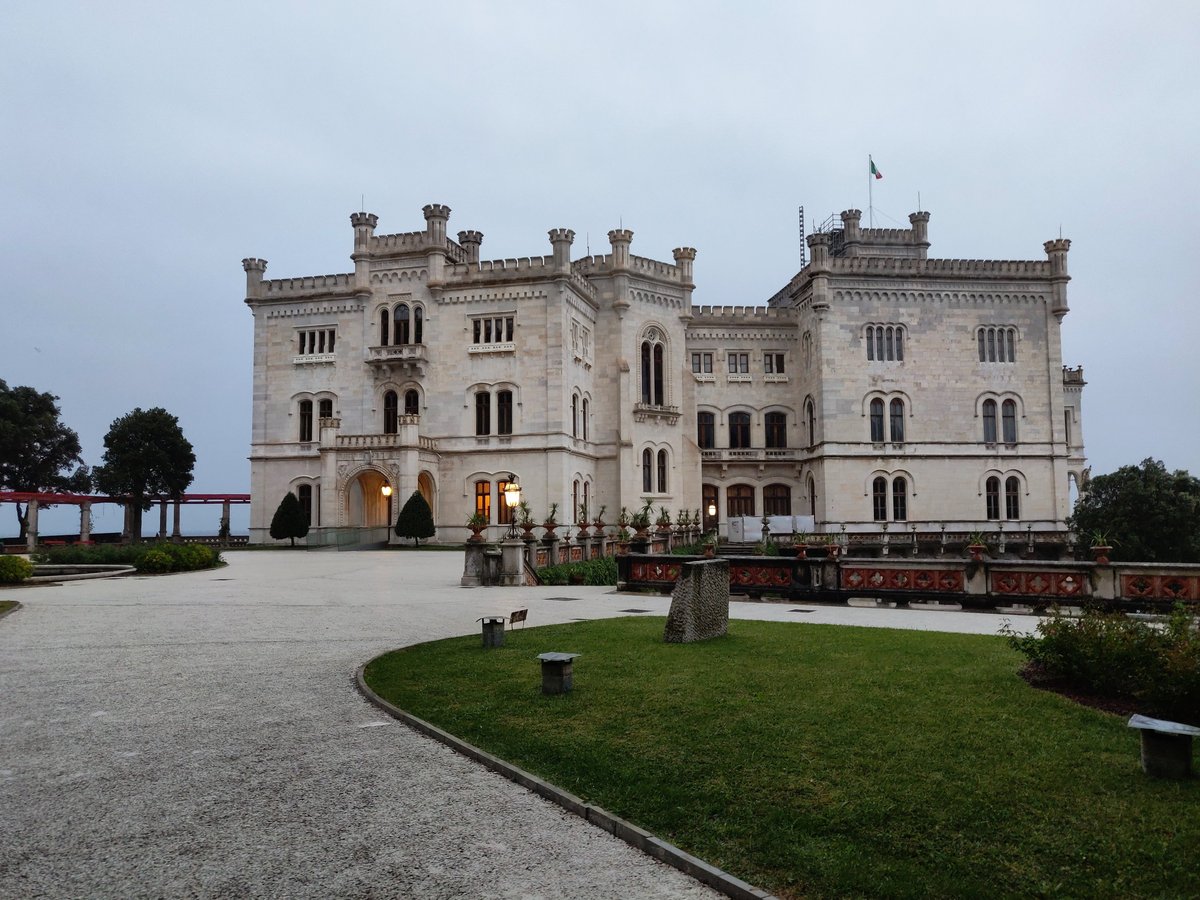 Miramare Castle is one of those places that makes you feel catapulted into a fairy tale. Built at the behest of Archduke Maximilian of Habsburg in the mid-19th century, this white castle mirrored in the Adriatic has a melancholic and romantic atmosphere that immediately captivates you. It is not just a noble residence, but a true refuge conceived for a couple in love, even though history later took a tragic turn. Upon entering, you can still breathe the air of that era: the rooms are furnished with original furniture, precious tapestries, and personal objects, as if the owners had just stepped out. Maximilian's bedroom, with its four-poster bed, and the apartments of his wife Charlotte are particularly evocative. But what truly strikes you is the panoramic view of the Gulf of Trieste from the windows and terraces – on clear days, you can see as far as the Istrian coast. The surrounding park is another wonder: designed as an English garden, it hosts rare botanical species, shaded paths, and quiet corners perfect for a break. There is also a small castle, the Castelletto, which served as a temporary residence during construction works. A curiosity? It is said that Maximilian wanted the windows oriented to see the first morning sun – a detail that tells much about the character. Personally, I find that the charm of Miramare lies precisely in this mix of splendor and intimacy, of architectural grandeur and personal touches. It is a place that invites you to slow down, to get lost among the rooms and pathways, perhaps imagining the lives that unfolded here. I recommend dedicating some time to the walk along the coast, right below the castle: the perspective from below is equally spectacular.
Miramare Castle
Castle of San Giusto
- Go to the page: San Giusto Castle: Civic Museum and Panoramic View of the Gulf of Trieste
- Via San Giusto, Trieste (TS)
- Open in Google Maps
- View on Google Images
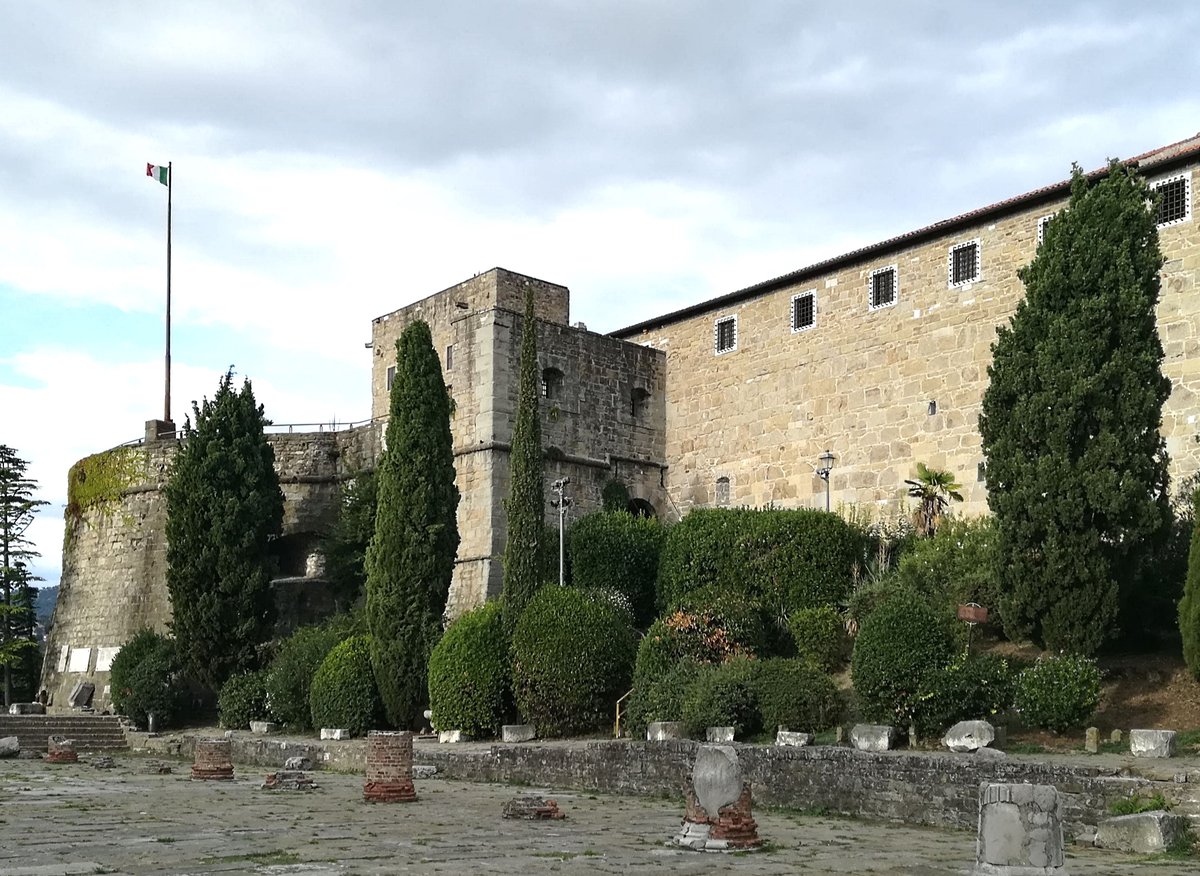 The Castle of San Giusto is Trieste's landmark, perched on a hill that offers a breathtaking view of the gulf and the city. It's not just a historical monument, but a living place that tells centuries of history through its stones. The current structure dates back to the 15th century, but its foundations include Roman and medieval remains, a true architectural palimpsest. Walking up from the center, you pass through the characteristic medieval village, with cobblestone streets that seem frozen in time. Once inside, you can visit the Civic Museum, which houses ancient weapons, armor, and artifacts that narrate Trieste's history, from Venetian to Habsburg rule. Personally, I find the Chapel of San Giorgio fascinating, with its well-preserved frescoes that seem to whisper forgotten stories. The inner courtyard is perfect for a break, with a silence broken only by the wind coming from the sea. Don't miss climbing the towers: from up there, you truly understand why this place has been strategic for centuries. Sometimes I wonder what life must have been like here during sieges, with that panorama that today seems so peaceful. The castle also hosts events and summer concerts, a way to experience it differently. Note the closing days: usually Mondays, but it's best to always check online. Admission is paid, but the price is affordable and includes access to the museum. If you visit Trieste, skipping the Castle of San Giusto would be like going to Rome without seeing the Colosseum: it's the heart of the city, both geographically and historically.
Castle of San Giusto
Revoltella Museum: A Palace That Tells the Story of Modern Art
- Go to the page: Revoltella Museum Trieste: Modern Art by De Chirico, Morandi and Fontana in a Historic Palace
- Piazza Venezia, Trieste (TS)
- https://museorevoltella.it/
- Open in Google Maps
- View on Google Images
 If you think Trieste is just coffee and sea, the Revoltella Museum will make you think again. This place is a true gem, a 19th-century palace that Baron Pasquale Revoltella bequeathed to the city with the precise idea of creating a modern art gallery. And what an idea! You enter and feel like you've stepped back in time: the rooms on the first floor preserve the baron's original furnishings, with those sumptuous pieces of furniture and chandeliers that make you feel like you're in an aristocratic residence. But the best part comes later. As you ascend to the upper floors, designed by architect Carlo Scarpa in the 1960s, the atmosphere changes completely. Here, the lighting is carefully planned, the spaces are airy, and the artworks range from the late 19th century to the second half of the 20th century. I lost myself in front of paintings by De Chirico, Fontana, and Morandi – some pieces are truly surprising. The permanent collection is rich, but there are also temporary exhibitions that often feature important names. One thing I appreciated? The panoramic terrace. After seeing so much art, stepping outside and looking down on Trieste from above is an unexpected pleasure. The museum isn't huge; you can visit it in a couple of hours without rushing, and it's perfect for a cultural break between a stroll in the city center and a stop at one of the historic cafés. Sometimes modern art museums can feel a bit cold, but not here: there's a story, that of the baron and his city, that you can still feel.
Revoltella Museum - Modern Art Gallery
Victory Lighthouse
- Go to the page: Victory Lighthouse: Statue of the Unknown Sailor and 360° View of Trieste
- Strada del Friuli, Trieste (TS)
- https://www.farodellavittoria.it/
- Open in Google Maps
- View on Google Images
 The Victory Lighthouse is not just a landmark for ships sailing the Adriatic, but a true monument that tells a story of rebirth. It rises on a rocky promontory overlooking the sea, in the Gretta district, and stands out against the sky with its 68 meters of height, making it one of the tallest lighthouses in Italy. Built between 1923 and 1927 based on a design by architect Arduino Berlam, it commemorates the sailors who fell in World War I – a dedication clearly read in the inscription at the base: 'Shine and remember those who fell at sea.' The structure is imposing and solemn, with that statue of the winged Victory at the top that seems almost to protect the city. Climbing up to the panoramic terrace requires some breath (there are 285 steps, but there's also an elevator for those who prefer it), but the effort is rewarded by a breathtaking view: from up there, you can take in the entire Gulf of Trieste with your gaze, from Miramare Castle to the Slovenian coast. The lighthouse's light, visible up to 35 nautical miles, creates a white beam at night that seems to caress the dark water – a spectacle I found almost hypnotic. Inside, a small chapel and a shrine add a touch of contemplation, while the statue of the Unknown Sailor, sculpted by Giovanni Mayer, gives a human face to the memory. Personally, I was struck by how this place combines architectural grandeur and a sense of deep peace: it's not just a tourist stop, but a moment of reflection suspended between sea and sky. Pay attention to the opening hours, as it's not always accessible – better to check before going. And bring a jacket: even in summer, the wind blows strongly up there.
Victory Lighthouse
Audace Pier
- Molo Audace, Trieste (TS)
- Open in Google Maps
- View on Google Images
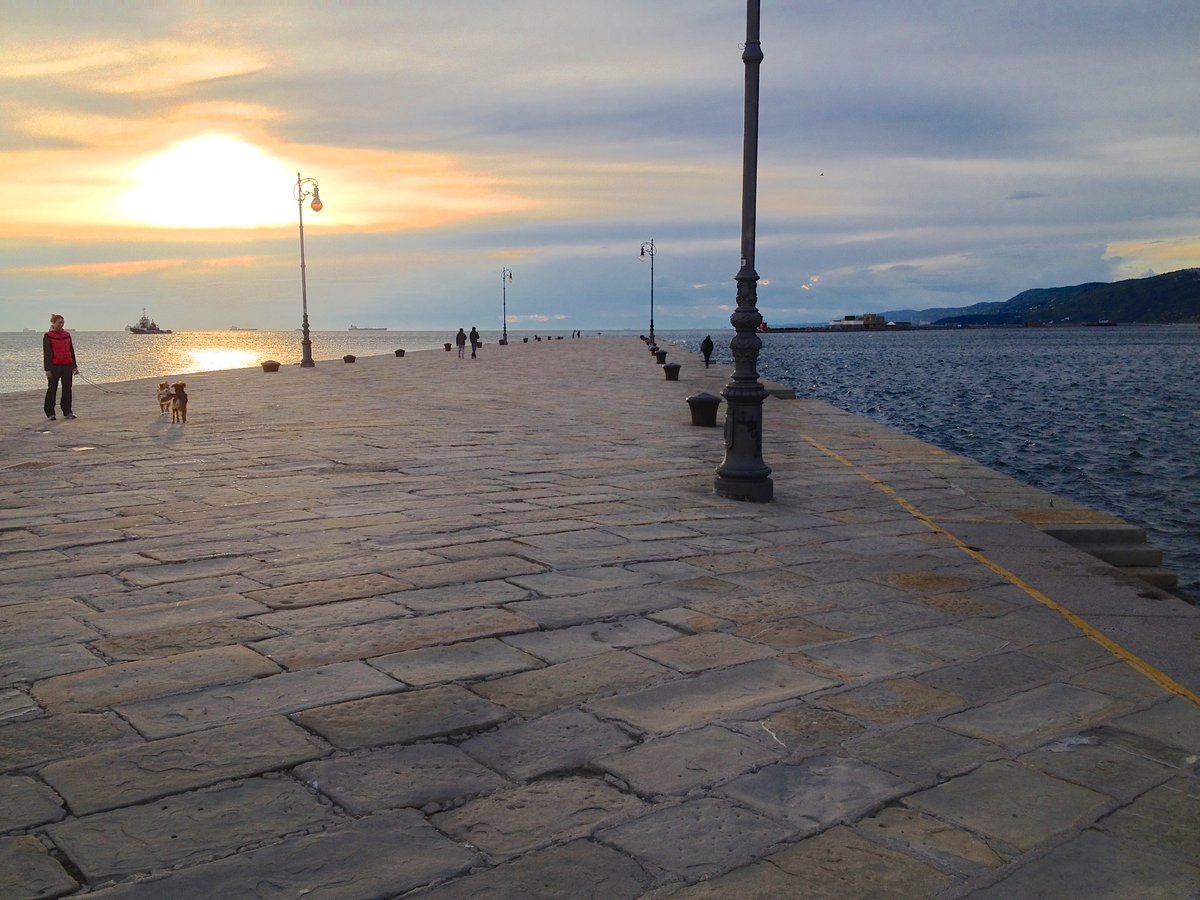 If you arrive in Trieste and are looking for its most iconic spot, Audace Pier is the one you can't miss. It's not just a pier, but a true walkway over the water that stretches over 200 meters into the Gulf of Trieste. What makes it special is its history: it takes its name from the first Italian ship that docked there in 1918, the cruiser Audace, symbolically marking the city's return to Italy. Today, it's a place of daily life and contemplation. Early in the morning, you'll find it almost deserted, perfect for a solitary walk listening only to the sound of the waves lapping against the Istrian stone blocks. At sunset, however, it comes alive: couples, families, and tourists gather to admire one of the most spectacular sunsets on the Adriatic, with the sun setting behind the city's skyline and the distant Miramare Castle. The pavement of stone slabs is smooth, worn by time and footsteps, and walking on it gives you the strange sensation of floating between sky and sea. Personally, I love sitting at the end, where the railing stops, and watching the boats entering and leaving the port. Sometimes I wonder what it must have been like to see that ship arrive a century ago. Today, it's the ideal starting point to get your bearings: from here, you can see San Giusto Hill, the Lanterna, and the entire waterfront. It's not a place of monuments but of atmospheres. Bring a jacket, even in summer: the bora wind can suddenly pick up, making the walk an... exhilarating experience! And if you have the chance, stop to watch the local fishermen or the young people diving from the sides of the pier in summer: they're small glimpses of authentic Trieste life.
Audace Pier
Roman Theatre of Trieste
- Go to the page: Roman Theatre of Trieste: Cavea with Gulf View and 1st Century AD Remains
- Via del Teatro Romano, Trieste (TS)
- Open in Google Maps
- View on Google Images
 When you think of Trieste, you probably picture historic cafés or Miramare Castle. But there's a corner of Roman history that often surprises visitors, right in the heart of the city: the Roman Theatre. It's not a huge site like those in Southern Italy, but it has a particular charm because it seems almost hidden, nestled between modern buildings and the San Giusto hill. You can easily reach it on foot from the center, and when you arrive, the view immediately strikes you: the white Istrian stone tiers overlook the sea directly, with the Gulf of Trieste as a backdrop. Consider that this theatre, built between the 1st and 2nd centuries AD, could host up to 6,000 spectators – a remarkable number for the time, giving you an idea of Tergeste's (the ancient name of Trieste) importance in the Roman Empire. Today, unfortunately, it's not fully intact: mainly the cavea (the tiers) and part of the stage remain, but walking through it makes you feel a bit like an ancient Triestine going to see comedies. One thing I particularly like is the location: it's as if the theatre dialogues with the modern city, with the surrounding buildings and traffic flowing nearby. Don't expect reconstructions or elaborate setups; here the atmosphere is more sober, almost rustic. But that's precisely what makes it authentic. If you visit the site, notice the details: the remains of the side corridors, the Latin inscriptions on the stones, and the sense of space the cavea gives you. Sometimes, in summer, performances or concerts still take place here – imagine attending an event with this panorama! Personally, I find it a perfect spot for a quiet break, away from the crowds of more popular tourist spots. Bring a small bottle of water, as there aren't many services in the immediate vicinity, and enjoy the silence broken only by the wind coming from the sea. It's one of those places that remind you how Trieste has always been a crossroads of cultures, from the Romans to the Austrians, and how its history is layered like the stones of the theatre.
Roman Theatre
Natural History Museum
- Go to the page: Trieste Natural History Museum: Whale Skeletons and Karst Minerals
- Via dei Tominz, Trieste (TS)
- Open in Google Maps
- View on Google Images
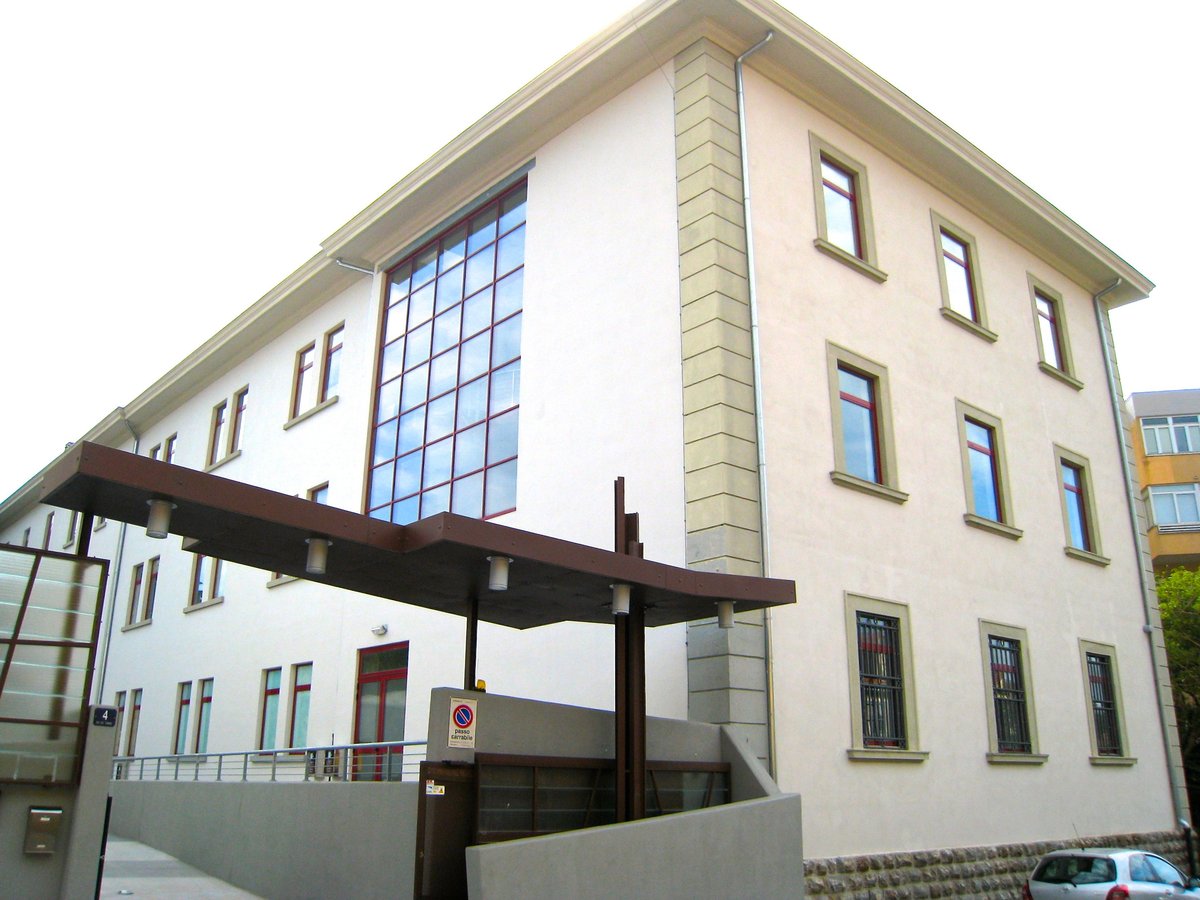 If you think natural history museums are just dusty display cases, the one in Trieste will surprise you. Located on Via dei Tominz, in a building that seems a bit austere from the outside, inside it's an explosion of curiosity. The undisputed attraction is the skeleton of a nearly 20-meter-long fin whale, hanging from the ceiling of the main hall. It's impressive to see it there, suspended, and makes you feel small as you walk beneath it. It's not just about size: the story of how it arrived here, stranded in the Gulf of Trieste in 1903, adds a touch of local epic. Then there are the mineral collections, with specimens that shine under the lights, and fossils that tell of when these areas were submerged by the sea. I was struck by the section dedicated to the fauna of the Karst, with those elusive animals that few are lucky enough to see in person. It's a museum that works very well for families, thanks to clear panels and "touchable" exhibits in some areas. Sometimes I wonder if it's a bit underrated compared to other Trieste sites, but perhaps that's its charm: there's no crowd, you can take your time. The atmosphere is calm, almost intimate, and you can feel that old-fashioned naturalist passion. Perfect for a rainy morning or to escape the chaos of the city center.
Natural History Museum
Civico Aquario Marino
- Molo della Pescheria, Trieste (TS)
- https://www.aquariomarinotrieste.it/
- Open in Google Maps
- View on Google Images
- acquario@comune.trieste.it
- +39 040 306201
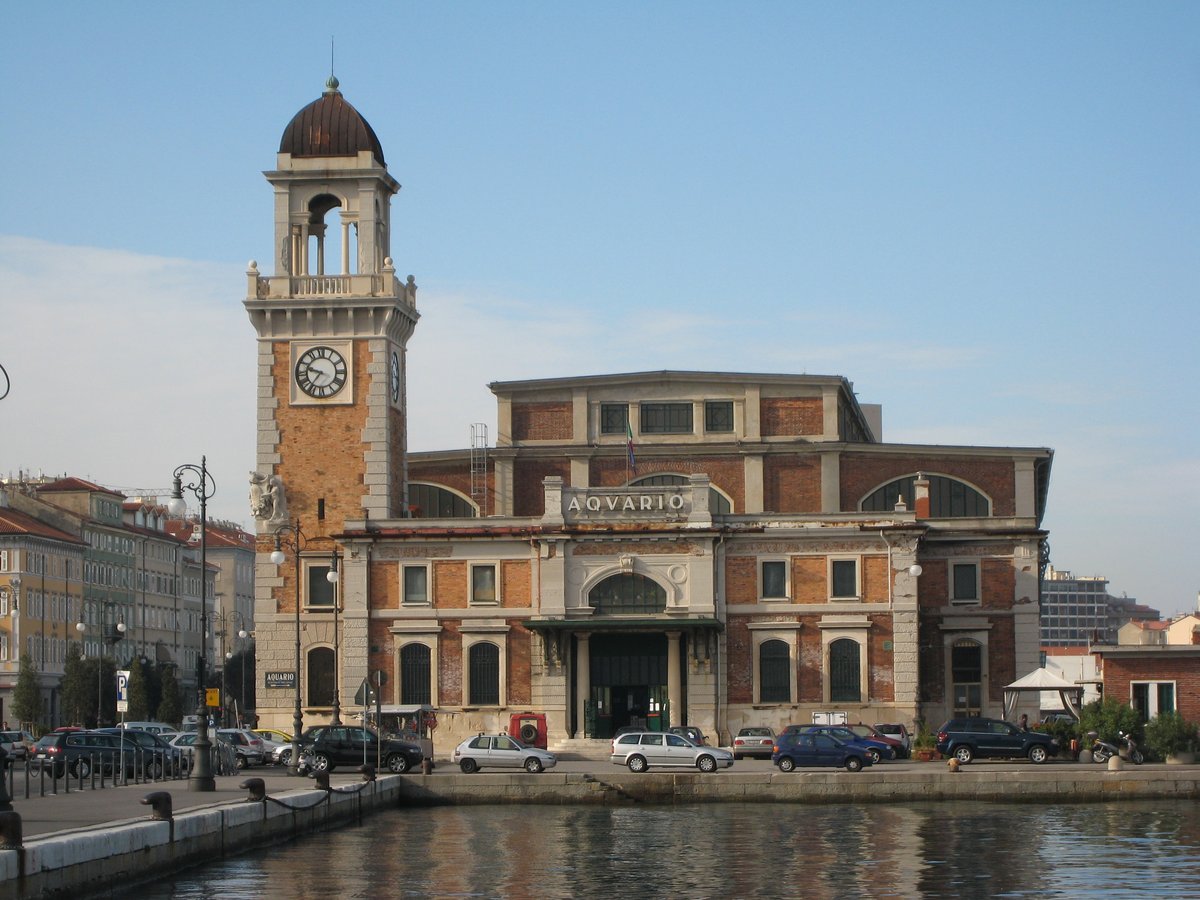 If you think Trieste is just coffee and literature, the Civico Aquario Marino will change your mind. This small gem, founded in 1933, is one of Italy's oldest and is located right on the waterfront, in a building that once housed a marine biology station. Don't expect giant tanks like in modern aquariums: here the atmosphere is intimate, almost like a historical laboratory, and in my opinion, that's exactly its charm. The tanks, about twenty in number, host species typical of the Upper Adriatic, such as the Mediterranean moray eel, the porter crab, and the red starfish. One thing that struck me is the tank dedicated to marine cave fauna, with those pale, almost transparent fish that seem to come from another world. There are often sea turtles in rehabilitation too, cared for in collaboration with specialized centers – seeing these animals up close as they recover is a heart-touching experience. The aquarium is managed by the Natural History Museum, so there's always a scientific focus behind each display. The space is small, taking about half an hour or a bit more to visit, but it's perfect for a different kind of break during a city tour. Note: sometimes the older tanks show signs of age, but to me, this adds character. I recommend going in the morning, when natural light streams through the large windows and illuminates the water in a suggestive way. For children, it's a must, but adults will also appreciate the feeling of stepping into a piece of Trieste's history, where marine research began almost a century ago.
Civico Aquario Marino
Civic Botanical Garden
- Go to the page: Civic Botanical Garden Trieste: Historic Greenhouses, Medicinal Plants and Free Admission
- Via Carlo De Marchesetti 2, Trieste (TS)
- Open in Google Maps
- View on Google Images
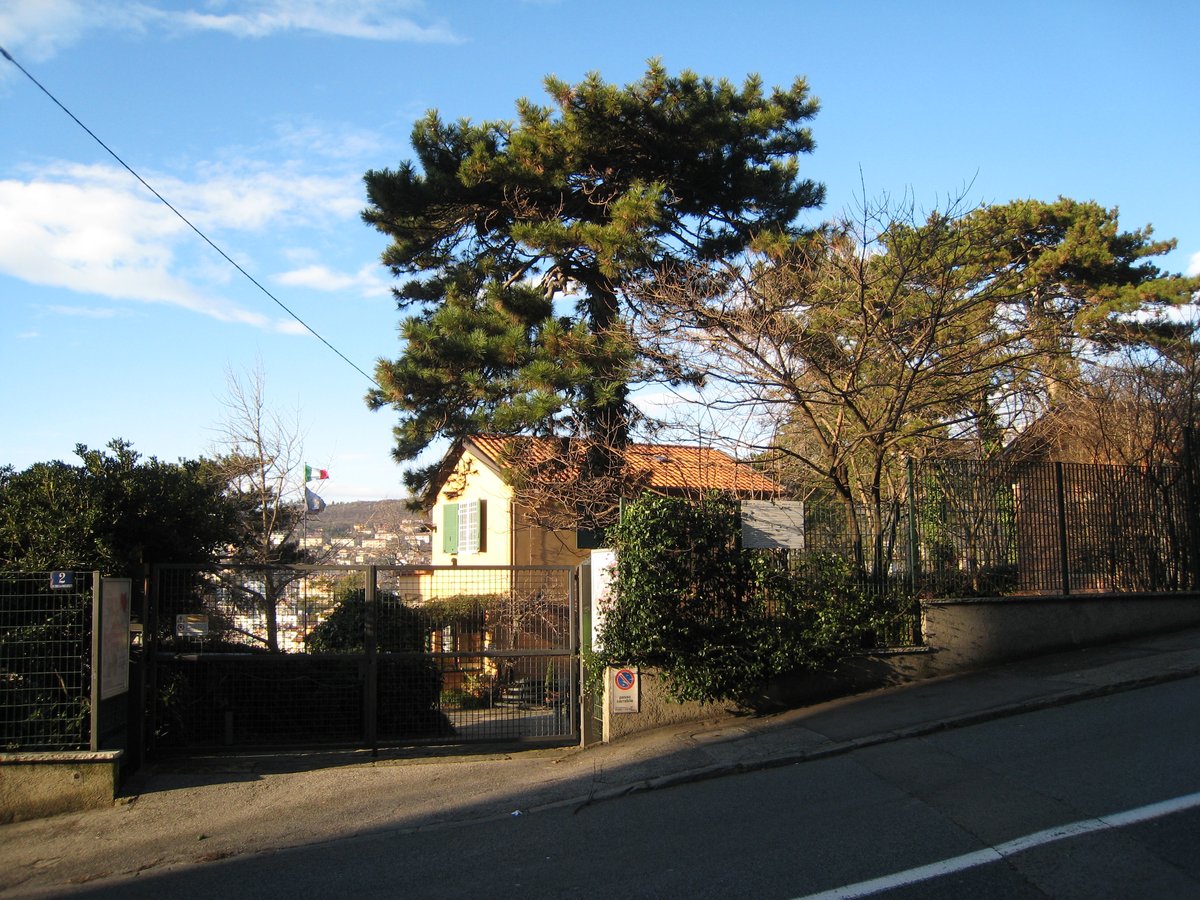 If you're looking for a break from the urban chaos, the Civic Botanical Garden of Trieste is the perfect place. It's not just a garden, but a true green lung that extends over about two hectares, hidden among the streets of the city center. You'll find it on Via Carlo de' Marchesetti, a quiet residential area, and admission is free, making it ideal for a spontaneous stop. Founded in 1842, this garden has a fascinating history linked to scientific research, but today it's primarily a place of relaxation. Strolling along the pathways, you'll immediately notice the extraordinary variety of plants, from Mediterranean species to exotic ones, with a section dedicated to the native flora of the Karst. Personally, I love the greenhouse area, where you can breathe in an almost tropical atmosphere, and the pond with water lilies, which attracts birds and insects, offering moments of pure serenity. It's an ideal spot for families, with children who can run around safely, or for those who want to read a book in the shade of a centuries-old tree. Pay attention to the hours: it's usually only open during the day, and at certain times of the year it might close earlier, so it's better to check in advance. Don't expect spectacular attractions, but rather a peaceful corner where time seems to flow more slowly. If you visit Trieste in spring or summer, you'll find the flowers in full bloom, but even in autumn it has its charm, with the leaves changing color. In short, it's one of those gems that few tourists know about, but it's worth discovering to breathe in a bit of nature without leaving the city.
Civic Botanical Garden
Foiba di Basovizza / Šoht: A Place of Memory and Reflection
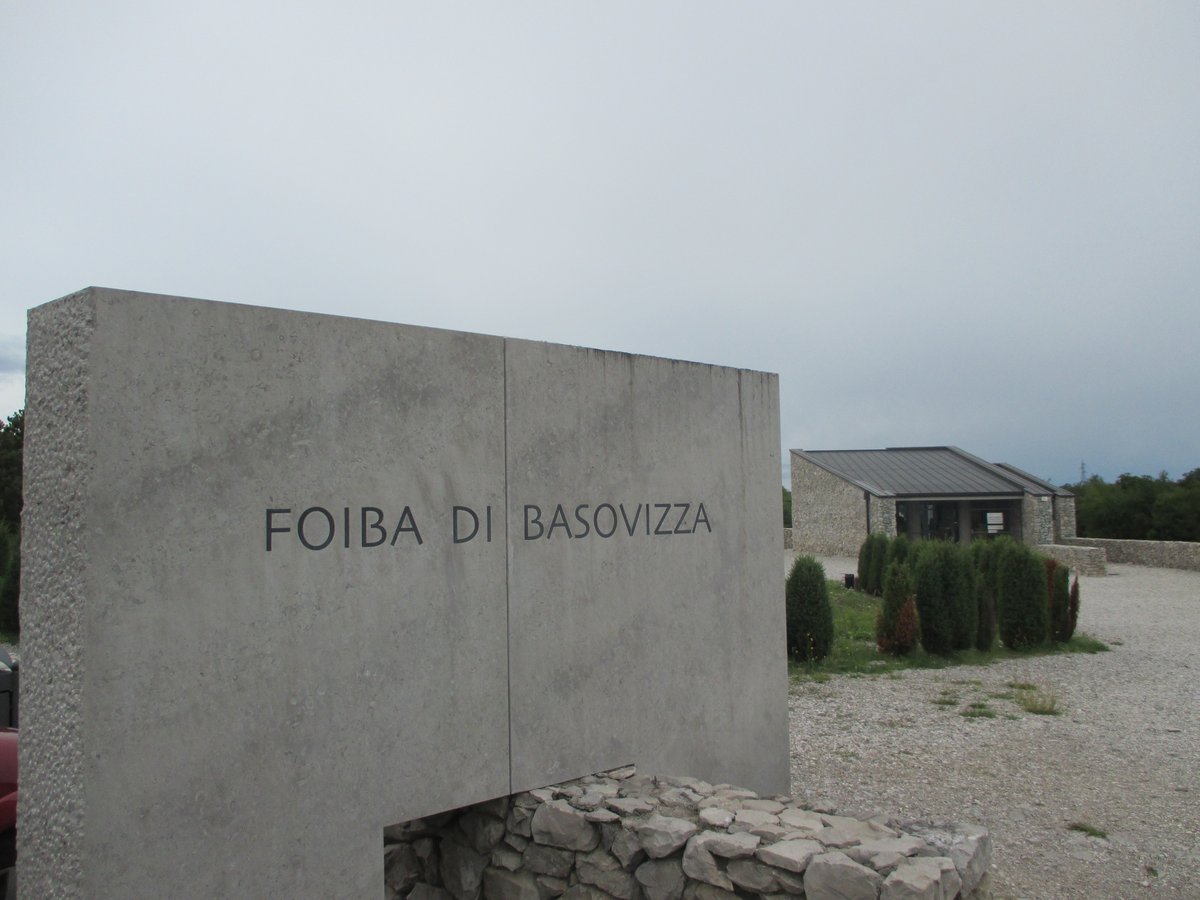 Visiting the Foiba di Basovizza, or Šoht in Slovenian, is an experience that leaves you in silence. It is not a tourist stop in the classic sense, but a place of memory that compels you to reflect. Located just outside Trieste, on the road to Basovizza, it is a natural well over 200 meters deep, carved into the karst rock. Today, it is a national monument, recognized as a memorial, with a simple plaque and a commemorative area. The atmosphere is solemn, almost suspended: there is little to see in terms of architecture, but much to feel. Personally, I found its simplicity to be its strength. There are no intrusive explanatory panels, just the place and its history. The foiba is linked to events in the aftermath of World War II, when it became a burial site for victims of the violence of that period. It is a painful and complex chapter in the history of Trieste, a border city that experienced tensions and changes. If you decide to go, prepare for an introspective experience. It may not be for everyone, but I believe that understanding these places is part of truly knowing Trieste, beyond its historic cafés and the sea. The site is freely accessible, always open, but I recommend learning about the historical context before your visit to approach it with awareness. Sometimes, the simplest places are the ones that stay with you the longest.
Foiba di Basovizza / Šoht
Risiera di San Sabba: A Place of Remembrance
- Go to the page: Risiera di San Sabba: Italy's Only Extermination Camp in Trieste
- Via Giovanni Palatucci 5, Trieste (TS)
- https://risierasansabba.it/
- Open in Google Maps
- View on Google Images
- risierasansabba@comune.trieste.it
- +39 040 826202
 Visiting the Risiera di San Sabba is an experience that stays with you, a dive into a dark page of history that must be known. This industrial complex converted into a prison and extermination camp during the Nazi occupation is the only Nazi concentration camp with a crematorium oven on Italian soil, a reality that strikes even more when you see it with your own eyes. Today it is a museum and national monument, but the atmosphere is palpable despite the decades that have passed. The original structure was partially destroyed by the fleeing Nazis in 1945, but what remains is enough to make you understand. The crematorium oven was blown up before the retreat, but the foundations are still visible, protected by a glass case. Walking through the courtyards and buildings, you immediately notice the detention cells, cramped and dark, and the so-called 'death cell' where prisoners destined for execution were held. What particularly struck me was the Hall of Crosses, where the names of some victims are displayed—a necessary moment of pause for reflection. The museum setup is essential, with informative panels that explain the history of the place without rhetoric, from its construction as a rice-hulling plant to its tragic conversion. Admission is free, but I recommend taking the necessary time: this is not a place to 'consume' quickly. Show respect, speak softly, and let the stones tell their story. For me, it was a fundamental stop to understand Trieste beyond its architectural beauty, a piece of truth that completes the puzzle of this border city.
Risiera di San Sabba / Rižarna pri Sveti Soboti
Giuseppe Verdi Opera House
- Go to the page: Teatro Lirico Giuseppe Verdi Trieste: Neoclassical Architecture and Opera Season Since 1801
- Riva Tre Novembre 1, Trieste (TS)
- https://www.teatroverdi-trieste.com/
- Open in Google Maps
- View on Google Images
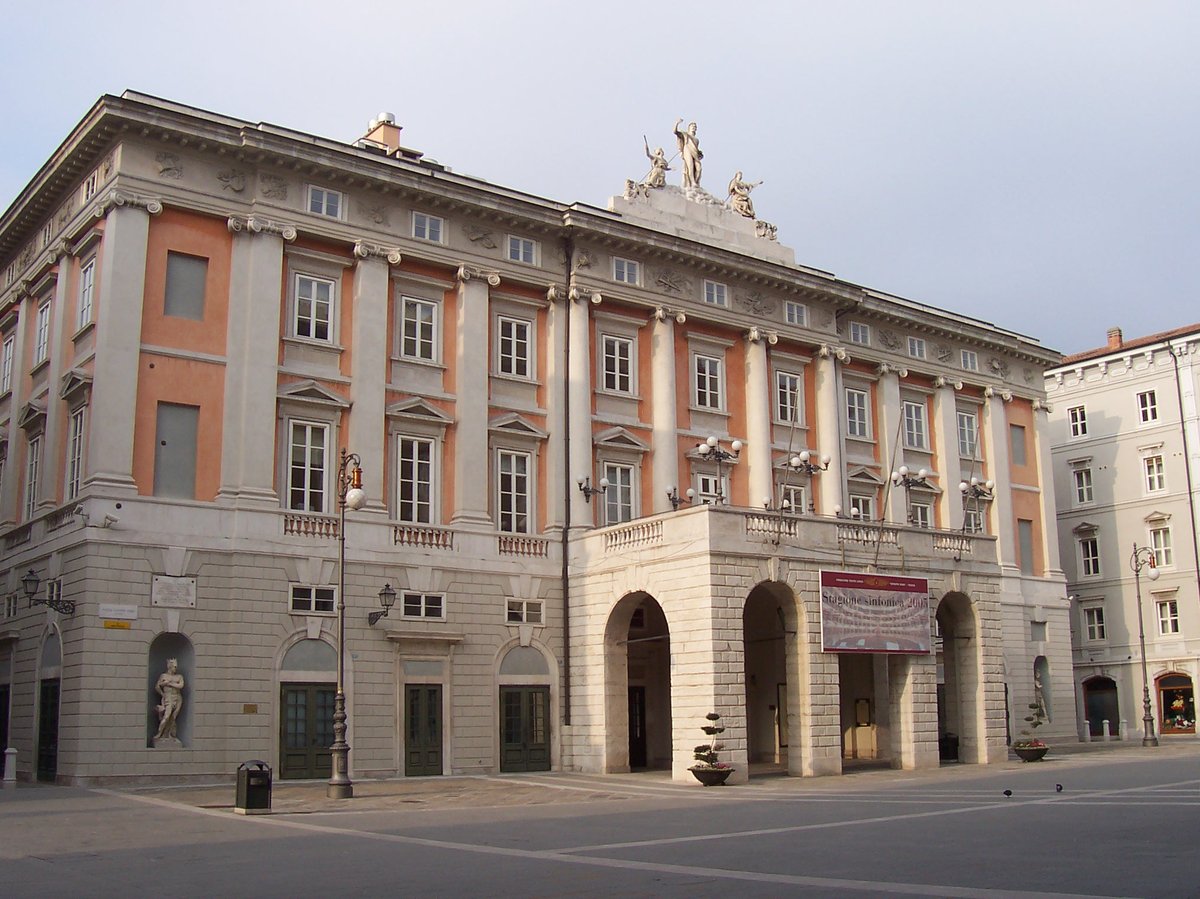 When you think of Trieste, historic cafes or the sea might come to mind, but there's a place that tells another side of the city's story: the Giuseppe Verdi Opera House. It's not just a theater; it's a piece of living history. Built in 1801, it's one of Italy's oldest active opera houses, and walking inside makes you feel the weight of years and emotions. The exterior, in neoclassical style, is elegant yet understated, almost preparing you for the surprise within: a horseshoe-shaped hall with four tiers of boxes and a frescoed ceiling that seems suspended in time. What struck me? The acoustics. They say it's perfect, and during a guided tour, I got to test it with a bit of singing—incredible how every note rings out crystal clear, without any need for microphones. Important operas debuted here, like Verdi's 'Il corsaro' in 1848, and today, the opera season still draws enthusiasts from across the region. It's not just for connoisseurs: even if you're not an opera expert, it's worth stepping inside to breathe in that old-world European atmosphere. I sometimes wonder how it has survived through changes, but perhaps it's this very authenticity that makes it special. If you're passing through Trieste, check the schedule: there might be a performance lined up, or at least a guided tour to discover behind-the-scenes details, like the deep stage. A tip? Sit for a moment in the orchestra seats and imagine the front rows filled with Austrian nobility—it's a leap into the past you won't forget.
Giuseppe Verdi Opera House
Politeama Rossetti
- Go to the page: Politeama Rossetti: Historic Theater with a 20-Meter Stage and Diverse Programming
- Largo Giorgio Gaber 1, Trieste (TS)
- https://www.ilrossetti.it/
- Open in Google Maps
- View on Google Images
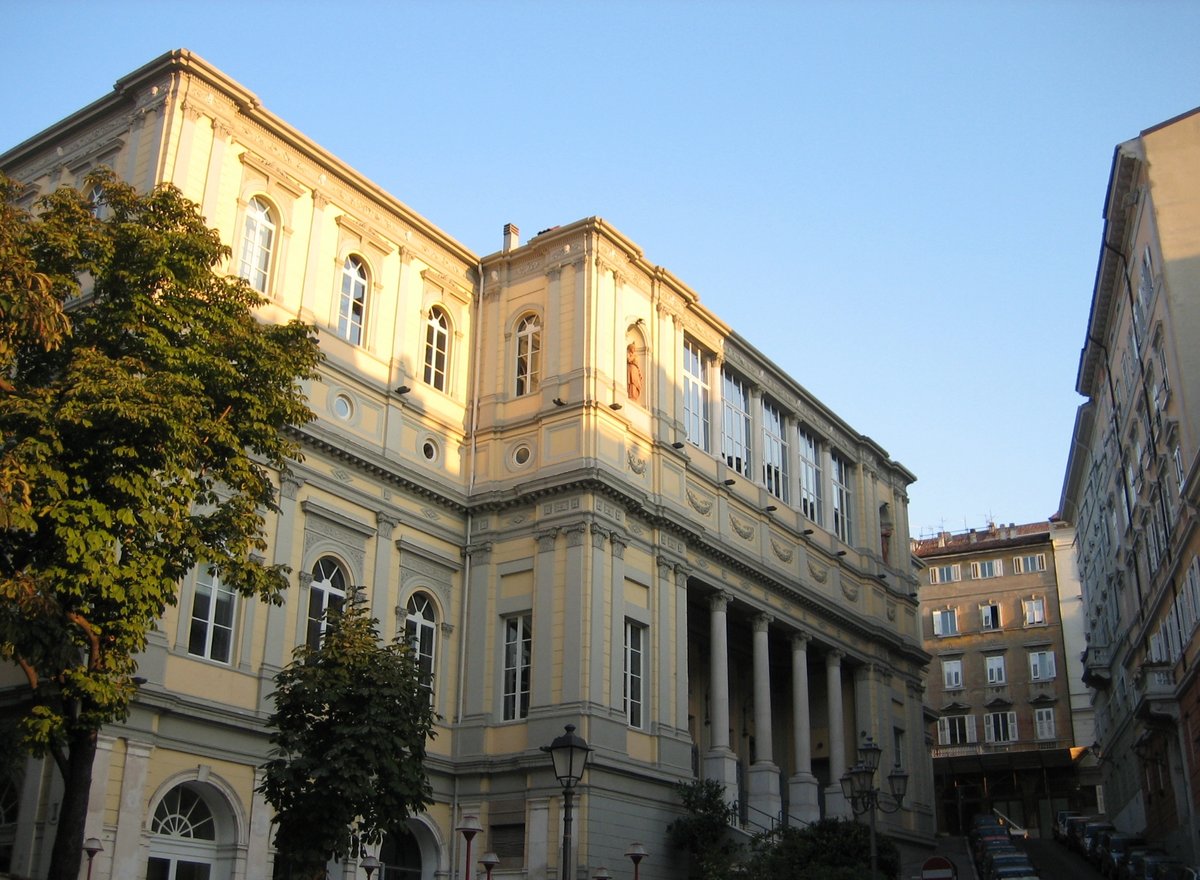 When you think of a theater in Trieste, the Verdi probably comes to mind, but the Politeama Rossetti is another story. Literally. Inaugurated in 1878, this red-brick colossus in neorenaissance style dominates the waterfront, with a facade that looks like a Venetian palace transported by magic. What strikes you immediately? It's not just an indoor theater. Here there's a huge open-air amphitheater that in summer transforms into one of Italy's most evocative stages. Imagine: sitting on the steps, your gaze sweeping from the stage to the Gulf of Trieste as the sun sets. It's an experience that stays with you. Inside, the main hall (the Assicurazioni Generali Hall) is a late 19th-century gem, with gilded boxes and acoustics that seem perfect. I attended a piano concert there and it felt like being in a bubble, isolated from the world. The Rossetti isn't just opera or drama: the program is a surprising mix. In summer, under the stars, musicals, opera, ballet, and even rock or pop concerts take the stage. Last year there was a contemporary dance performance that used the port lights as scenery – brilliant. In winter, everything moves indoors, with programming ranging from experimental theater to great classics. A detail few notice: the foyer. It's enormous, with chandeliers hanging from a very high ceiling, and often hosts temporary exhibitions. You can happily lose yourself there before the show. Practical advice: if you go in summer, book early for the amphitheater. The best seats are up high, where the sea view is complete. And don't worry about rain: the show moves indoors, but loses a bit of its magic. Sometimes I wonder if Triestines truly appreciate this place, or take it for granted. Seeing it lit up at night, with lights mirrored in the water, is one of those views that define the city.
Politeama Rossetti
Civico Museo Sartorio
- Go to the page: Civico Museo Sartorio: Neoclassical Palace with Original Furnishings and Rare Ceramics
- Largo Papa Giovanni Ventitreesimo 1, Trieste (TS)
- https://museosartoriotrieste.it/
- Open in Google Maps
- View on Google Images
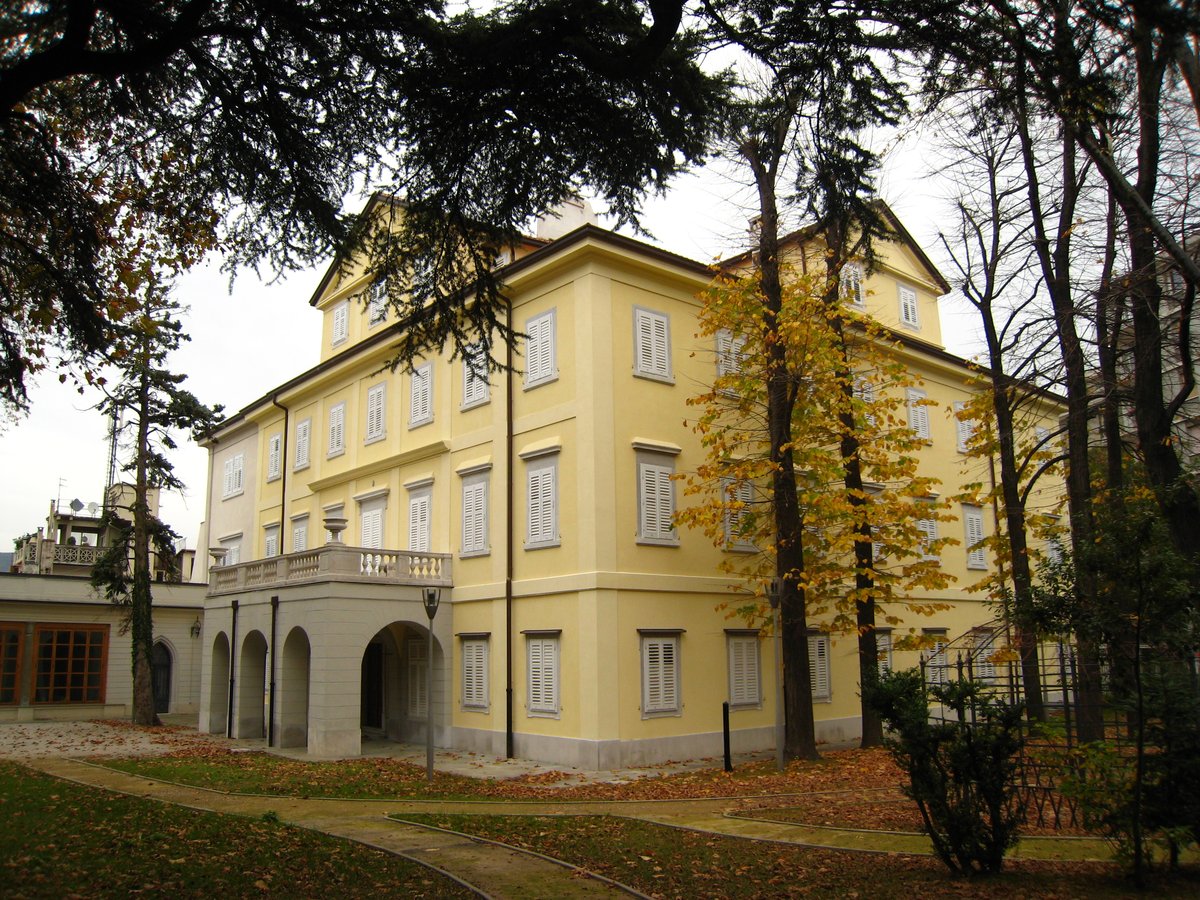 If you're looking for a corner of Trieste off the beaten path, the Civico Museo Sartorio is a surprising stop. It's not your typical crowded museum: located in a 19th-century neoclassical palace, once the residence of the Sartorio family, it retains that intimate, cozy atmosphere that makes you feel almost like a private guest. The visit begins with locally produced and Venetian ceramics, pieces that tell the city's artisanal history, but it's the glass collection that leaves you in awe. There are 18th-century Murano glass pieces and works by contemporary artists, a variety that shows how this tradition is still alive. Then there are the paintings, with works by 19th-century Triestine and Venetian artists, and a section dedicated to drawings and prints that often go unnoticed but deserve a closer look. Personally, I got lost among the family portraits and period furnishings, which give a sense of how Trieste's bourgeoisie lived. The museum isn't huge, but every room has a story to tell, and admission is free—a notable detail. Note the hours: it usually opens only in the afternoon, so check before you go. If you love art without the crowds and want to discover a more authentic side of Trieste, here you'll find a small treasure.
Civico Museo Sartorio
Civic Museum of the Sea
- Via di Campo Marzio 2, Trieste (TS)
- Open in Google Maps
- View on Google Images
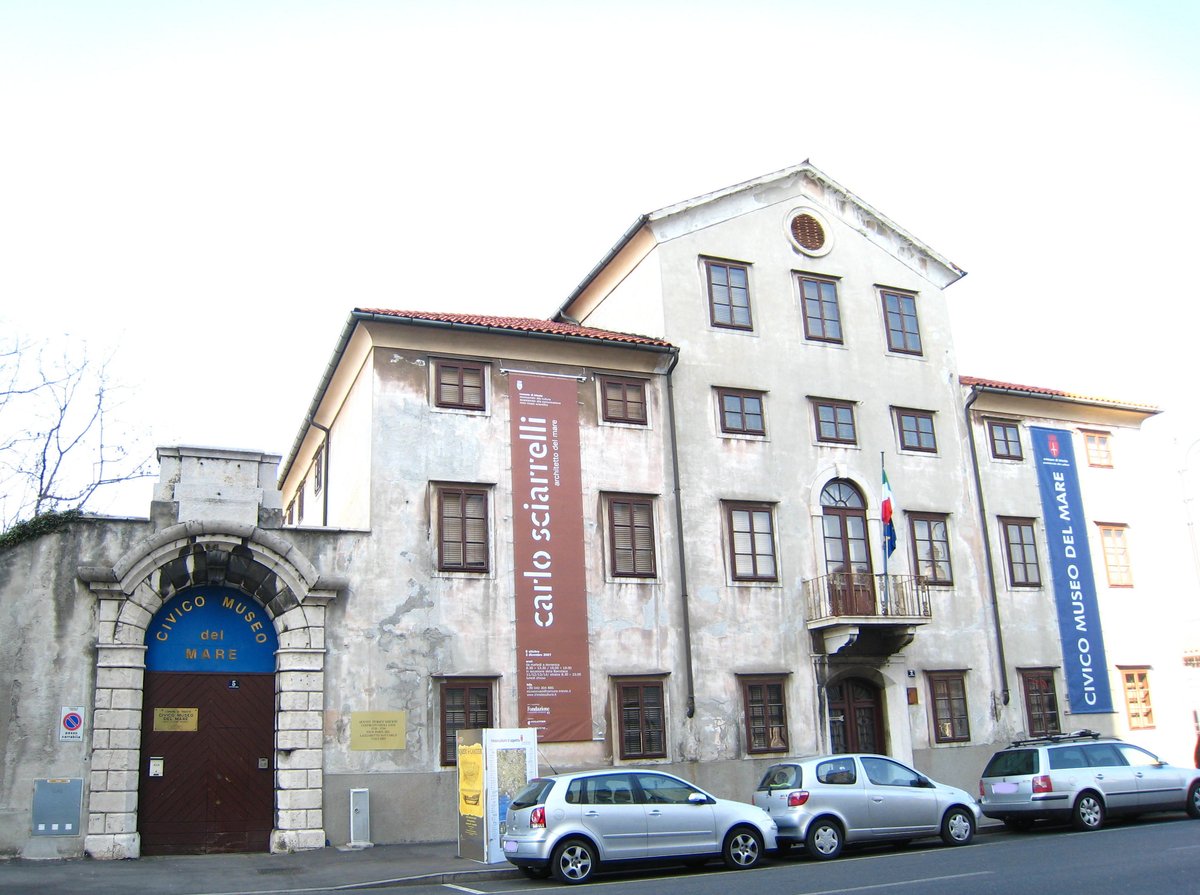 If you think Trieste is just coffee and the bora wind, the Civic Museum of the Sea will make you think again. Housed in a historic building on Via Campo Marzio, this museum is a small gem that tells the story of the city's intimate bond with the Adriatic. Don't expect a huge, sprawling place: here the atmosphere is cozy, almost familiar, and you can breathe an air of times gone by. The collection, established in 1904, is a journey through centuries of navigation, with particular attention to the Habsburg period and 19th-century Trieste, when the port was a vital commercial crossroads. What stands out, beyond the classic meticulously crafted ship models (there are hundreds!), are the authentic relics: compasses, nautical instruments, fishing gear, and even an entire section dedicated to traditional fishing in the upper Adriatic, with typical nets and boats. Personally, I found the ancient nautical charts and logbooks fascinating, giving a concrete idea of how people navigated before GPS. There is also a room commemorating the great transatlantic liners, with period photos showing life on board. It's a museum that might not take a whole day, but if you love the sea or local history, it's absolutely worth a stop. Perfect for a visit when the bora wind is blowing outside or simply to understand a lesser-known, yet fundamental, aspect of Trieste's identity.
Civic Museum of the Sea