Donnafugata Castle: A Neo-Gothic Residence with a Maze and Hall of Mirrors

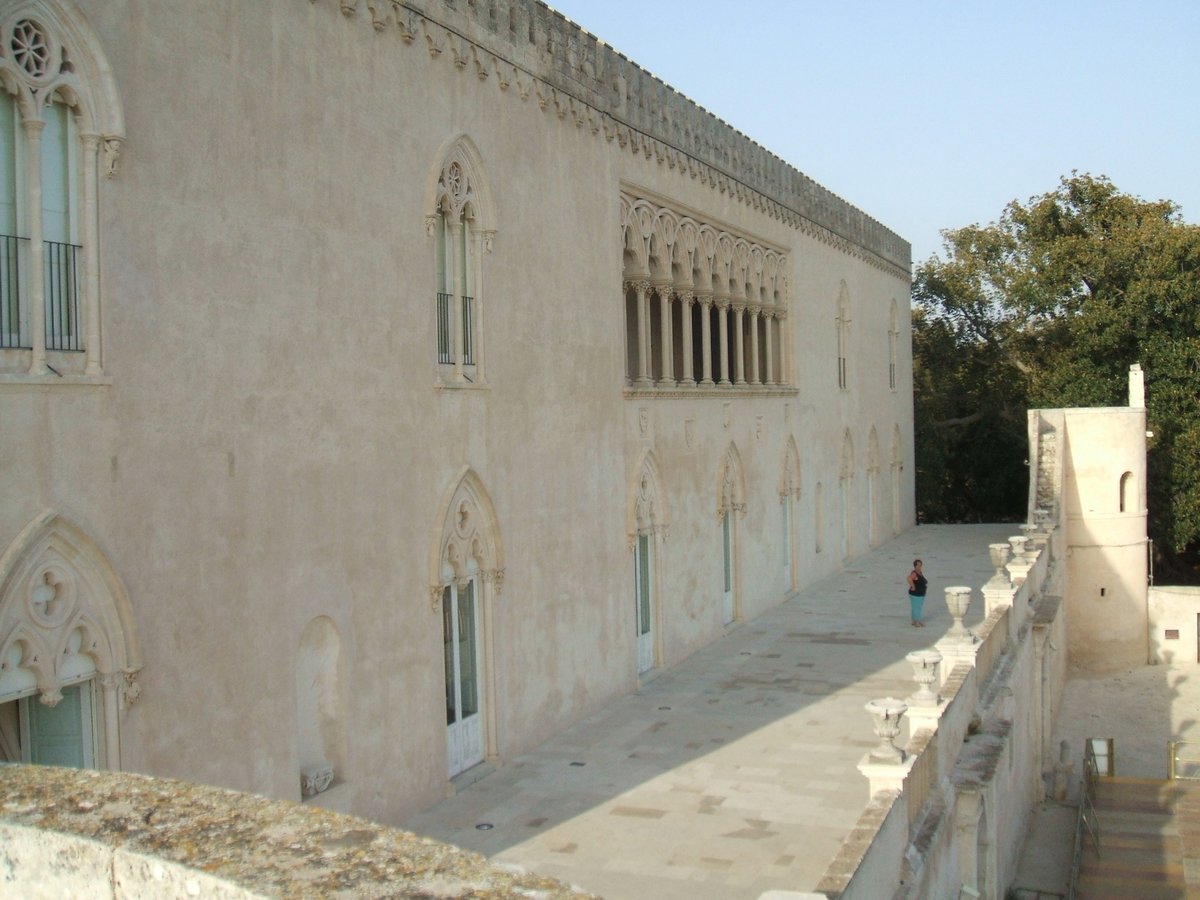
Donnafugata Castle is a 19th-century Neo-Gothic noble residence nestled in the Ragusa countryside, just a few kilometers from Ragusa. It offers a comprehensive visit through Baroque architecture, historic interiors, and a lush park.

  • Sumptuous interiors with a Hall of Mirrors, period furniture, and frescoed ceilings
  • White stone maze in the park for a fun and unique experience
  • Collection of antique carriages perfectly preserved in the stables
  • Tranquil atmosphere away from the crowds, ideal for a relaxing stroll in the park
Copertina itinerario Donnafugata Castle: A Neo-Gothic Residence with a Maze and Hall of Mirrors
A 19th-century noble residence in Ragusa with furnished interiors, a park, and a white stone maze. Discover rooms with period furniture, frescoed ceilings, and a collection of antique carriages.

Good to know


Introduction

Donnafugata Castle is not just a building, it’s an atmosphere. As you approach, that dazzling white against the blue Sicilian sky immediately strikes you, it almost seems like a mirage among the Ragusan countryside. Don’t expect a gloomy medieval fortress: here we are in the heart of Sicilian Baroque, with that long, theatrical facade that looks like a stage. The feeling is of entering a somewhat decadent fairy tale, where every room tells stories of nobles, parties, and perhaps some secrets. I was surprised by how immersed in the silence of the countryside it is, far from the chaos, as if time had stopped here.

Historical Background

The castle’s history is a tapestry of families and transformations. Originally a fortified farmhouse, it owes its current appearance primarily to the Arezzo de Spuches, a noble family who, between the 19th and 20th centuries, turned it into a sumptuous country residence. Walking through it, you can truly breathe in that era: reception halls, private rooms, even a private theater. It’s not a static museum; you can feel it has been lived in. A fun fact? The castle is famous for being one of the filming locations for Commissario Montalbano, but its true soul is that of a manor house of the Sicilian aristocracy between the 19th and 20th centuries.

  • Origins: Medieval fortified farmhouse
  • 15th-18th centuries: Owned by various noble families
  • 19th-20th centuries: Transformation into a sumptuous residence by the Arezzo de Spuches family
  • Today: Cultural heritage site open to visitors, managed by the Municipality of Ragusa

The Labyrinth and the Park

One of the most enjoyable moments of the visit is getting lost – literally – in the white stone labyrinth in the park. It’s not huge, but it’s well-crafted, with boxwood hedges creating a maze of paths. Watching children (and even adults) laugh as they search for the exit is part of the place’s charm. The park itself deserves a leisurely stroll: there are palm trees, exotic plants, and shaded corners to sit in. They say the count wanted it to amaze his guests, and it still succeeds today. Personally, I found that this green space adds an extra breath of fresh air to the visit, lightening the richness of the interiors.

The Interiors: Between Opulence and Everyday Life

Inside, the castle surprises with its variety. There are truly sumptuous rooms, like the Hall of Mirrors, where you can imagine dances and conversations, but also more intimate spaces that tell the story of daily life. I was struck by the painted ceilings, antique furniture, and porcelain collections. Not everything is perfectly restored, and perhaps that’s for the better: you can feel the passage of time. In some bedrooms, the canopy beds still seem to be waiting for someone. It’s a journey into the aristocratic life of the past, without overly polished filters.

Why Visit It

For at least three concrete reasons. First, it is a unique example of Neo-Gothic and Baroque architecture applied to a countryside residence in Sicily, distinct from urban palaces. Second, it offers a complete visit: rich interiors, a relaxing park, and that maze that delights everyone. Third, its isolated location in the Ragusan countryside provides rare peace, away from the crowds of historic centers. It is a place to be savored slowly, appreciating details and silences.

When to go

The best time? Early afternoon in spring or early autumn. The light is warm and low, perfect for photographing the white facade and playing with shadows in the park. In summer it’s hot, but if you go, prefer early morning to avoid the most sultry hours. In winter, the countryside colors are muted, but the castle’s interior is still evocative. In short, when the weather is mild, everything seems to shine more.

In the Surroundings

A visit to the castle pairs perfectly with a stroll through the historic center of Ragusa Ibla, a UNESCO World Heritage site, with its Baroque churches and narrow alleys. Another thematic experience is seeking out the locations from Inspector Montalbano scattered throughout the province, such as the marina at Punta Secca (Montalbano’s house) or Scicli. These are all places that tell the same story of Sicily, blending real history with television fiction.

💡 Did You Know…?

A curiosity that makes the visit special is the Hall of Mirrors, where a play of reflections creates a unique optical illusion, making the room appear larger than it is. Additionally, in the park you’ll find a stone labyrinth that, according to tradition, was used to entertain guests during summer parties. Don’t miss the collection of original carriages preserved in the stables, perfectly restored and witnesses to an era when travel was a slow and romantic adventure. These details, along with the stories passed down about the worldly evenings organized by the family, will make you feel part of the history of this magical place.