
The Sardinian Railway Museum in Cagliari preserves a century of Sardinian train history in a former railway depot. Here you can see steam and diesel locomotives up close, board vintage carriages, and discover objects from daily railway life.
- Visitable Carriages: physically enter historical carriages with original interiors
- Restored Locomotives: machines that traversed Sardinia for decades
- Detail Collection: ticket offices, uniforms, models, and historical documents
- Authentic Atmosphere: space managed by volunteers with personal anecdotes
Events nearby

05/09/2026 - 04/10/2026
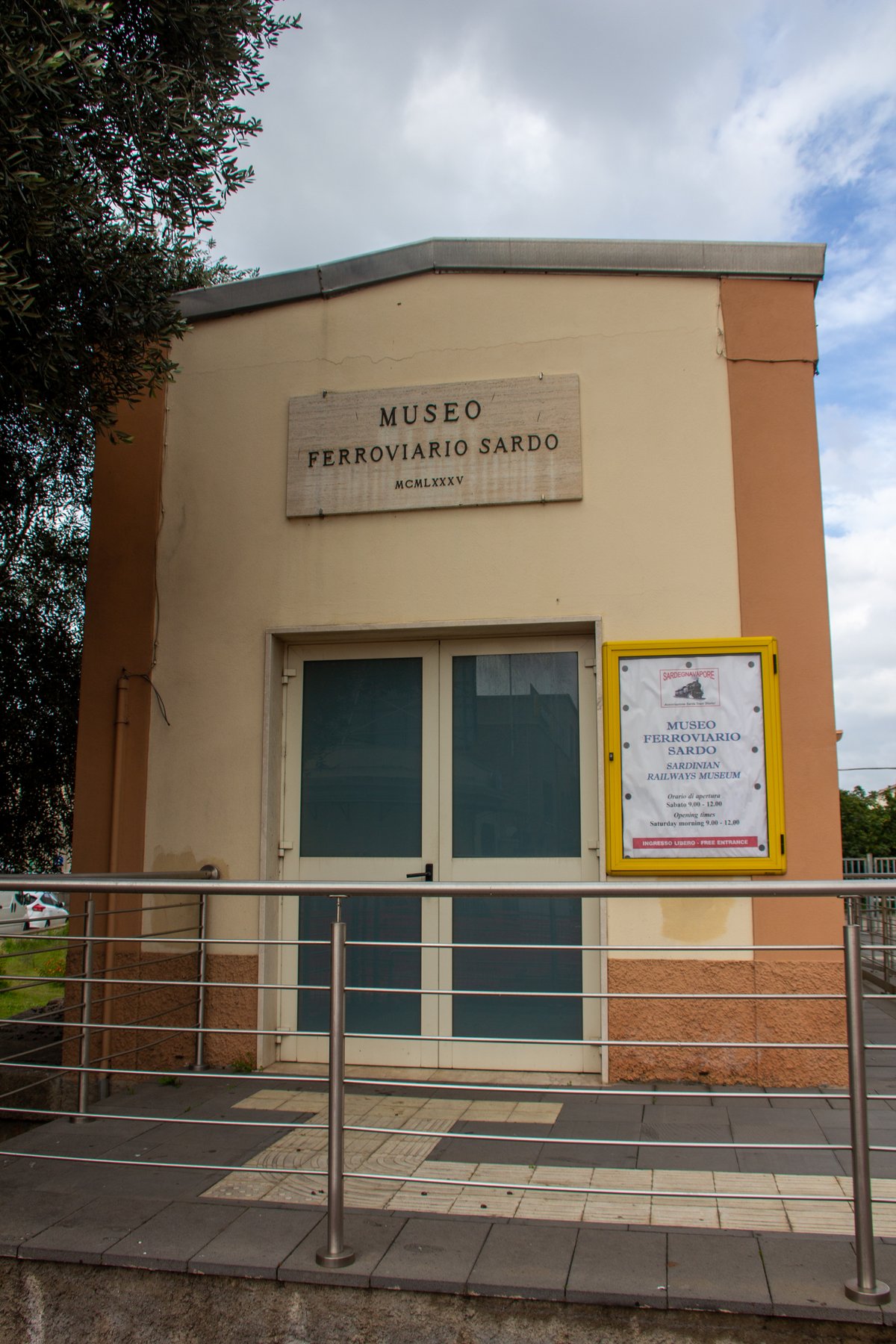
Museum with restored locomotives, visitable carriages, and a collection of historical railway objects in Cagliari. Authentic atmosphere, suitable for families and history enthusiasts.
- Via Sassari, Cagliari (CA)
- Open in Google Maps
- View on Google Images Museo Ferroviario Sardo a Cagliari
Good to know
Introduction
As soon as you pass through the gate of the Sardinian Railway Museum, you feel like taking a leap back in time. It’s not just a museum; it’s a living piece of history that welcomes you with imposing locomotives and vintage carriages, all there, still but full of stories. Located in Cagliari, in a former railway depot area, it has that rustic charm that makes you feel more like an explorer than a tourist. I went there somewhat by chance, drawn by the sight of those iron giants from the gate, and I fell in love with it. The visual impact is strong: you see up close machines that have traversed Sardinia for decades, some carefully restored, others showing the marks of time. It’s not the usual sterile museum; here you breathe the passion of those who wanted to preserve this memory. Perfect if, like me, you love places with an authentic soul, far from the beaten paths.
Historical Overview
The history of this museum is closely tied to the Sardinian Railways and the closure of many secondary lines. Born from the dedication of enthusiasts and former railway workers, it found its home in the 1990s in what was once a locomotive depot in Cagliari. The collection tells a century of transportation on the island, from the first steam locomotives to the more modern diesel engines. There are unique pieces, such as the royal carriage used by the House of Savoy, that help you understand how railways have shaped daily life and the development of Sardinia. It’s a story made of people, sweat, and steel, not just dates.
- Late 1800s/Early 1900s: Arrival of the first railways in Sardinia, with lines connecting mines and towns.
- 1930s-1950s: Expansion of the network and introduction of new rolling stock, some of which are on display today.
- 1970s-1980s: Gradual closure of many secondary lines; the collection of historical material begins.
- 1996 (approximately): Official opening of the museum in its current location in Cagliari.
- Today: Museum managed by associations, with ongoing restorations and openings often tied to events.
Boarding the Carriages
What struck me the most? Being able to physically step inside some of the carriages. It’s not always possible, but when it happens, it’s an experience worth the trip. You enter those old third-class cars, with their uncomfortable wooden seats and half-opening windows, and wonder how passengers endured hours of travel. Then there are the more luxurious carriages, with fine wood interiors and velvet curtains, which make you imagine travelers in bowler hats. The details are incredible: the original lamps, luggage racks, even the bathrooms with period ceramics. I particularly enjoyed peeking into the driver’s cabin of a diesel locomotive: buttons, levers, gauges… it looks like the control panel of a 1960s spaceship. It’s a museum you can touch, not just observe from afar. For children (and adults who are a bit childlike), it’s a dream.
The Hidden Small Treasures
Beyond the grand locomotives, the museum houses a collection of small yet fascinating objects that tell the story of everyday railway life. I spent a lot of time observing the old ticket offices, brass stamps worn from use, stationmasters’ lanterns, and railway workers’ uniforms hanging like silent ghosts. There’s a section dedicated to model trains, built with meticulous precision by enthusiasts, recreating yards and stories in miniature. And then the documents: yellowed railway timetables, black-and-white photographs of stations now gone, maintenance manuals filled with pencil annotations. It’s these details that give the place its soul, making you hear the rumble of trains and the voices of travelers from the past. This isn’t encyclopedia material; it’s living memory, sometimes a bit dusty, but all the more real for it.
Why Visit It
First: it’s a museum for everyone, not just train enthusiasts. If you love social history, here you’ll see how people traveled in Sardinia in the 1900s. If you’re with family, children have a blast exploring the train cars. Second: it offers a different perspective on Cagliari, away from the beaches and historic center, in a character-filled industrial area. Third: the atmosphere is informal and welcoming, often the guides are volunteers who share personal anecdotes, not a pre-packaged lesson. I returned because it left me wanting to learn more about Sardinian railways, and because it’s one of those places where time seems to flow more slowly.
When to Go
The museum has variable opening hours, often dependent on volunteer availability, so check in advance. For the most atmospheric experience, I recommend visiting on a spring morning or in early autumn, when the sun isn’t too harsh and the slanting light illuminates the locomotives spectacularly, highlighting textures and colors. In summer, the outdoor area can be muggy during the hottest hours, but inside the carriages, it’s often pleasantly cool. I visited in October, under a clear blue sky, and the photos turned out wonderfully. Avoid heavy rainy days if you want to comfortably explore the exterior, though there’s still plenty to see under the shelters.
In the Surroundings
To continue the historical-industrial theme, just a few minutes’ drive away is the Mulinu Vezzu, an ancient restored watermill in the Stampace neighborhood, which tells another piece of Sardinian tradition. If you prefer a total contrast, head to the Monte Urpinu Park, a large green area with ponds and trails, perfect for a relaxing walk after visiting the museum. Both places are authentic and uncrowded, ideal for those, like me, seeking genuine corners of the city.
Itineraries nearby


💡 Did You Know…?
An ultra-realistic curiosity: the museum houses the FS 740.423 steam locomotive, nicknamed ‘the queen’ by Sardinian railway workers because it pulled the island’s most important trains until the 1970s. Museum volunteers recount that during restorations, they found old travel tickets and a notebook with a train driver’s notes hidden in a compartment: small details that make the visit exciting and personal.