
Kamarina combines Greek archaeology and the sea in a unique site where you can walk among millennia-old ruins with views of the Mediterranean. The sandy beach with crystal-clear waters is ideal for a swim after visiting the theater and defensive walls. The Regional Museum displays votive terracottas and artifacts from the polis allied with Syracuse.
- Greek ruins from 598 BC with theater and Temple of Athena
- Sandy beach with shallow, crystal-clear waters
- Regional Museum with votive terracottas and local artifacts
- Spectacular sunset from the highest point of the site
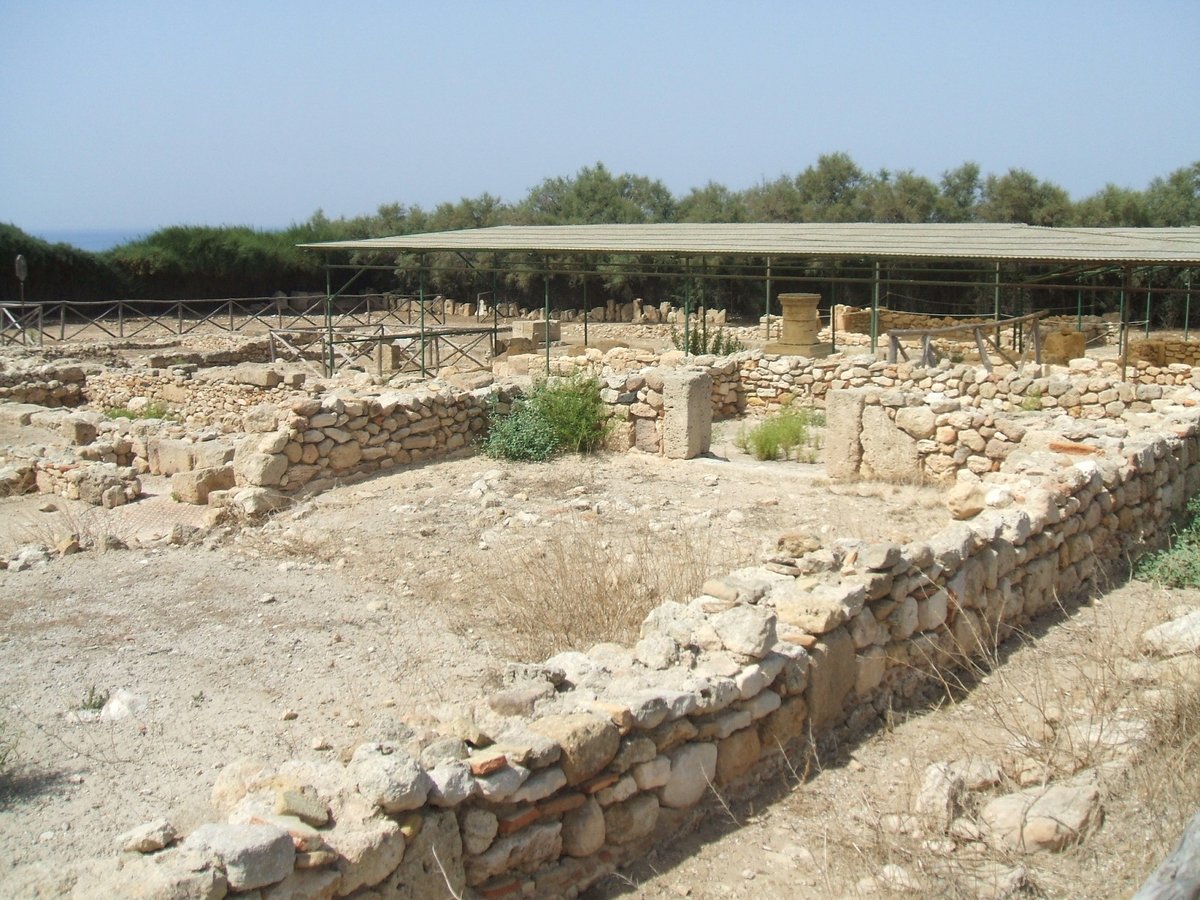
Ancient Greek colony from 598 BC with a theater, defensive walls, and Temple of Athena, directly accessible from a sandy beach. Museum with local artifacts and spectacular sunset views.
- Strada provinciale Cammarana-Scoglitti (litoranea), Ragusa (RG)
- Open in Google Maps
- View on Google Images Kamarina a Ragusa
Good to know
Introduction
Historical Overview
- 598 BC: Foundation by Syracuse
- 553 BC: First destruction
- 461 BC: Reconstruction
- 258 BC: Definitive abandonment
- Modern excavations: from the 20th century
Between Ruins and Beach
The Charm of the Sunset
Why Visit It
When to Go
In the Surroundings
💡 Did You Know…?
During excavations, the famous ‘Knight of Kamarina’ was discovered, a bronze statuette of a warrior on horseback, now exhibited at the Paolo Orsi Museum in Syracuse. It is said that on full moon nights, some visitors have heard whispers among the ruins of the acropolis, as if the ancient Greek souls still watch over the city. The beach in front of the archaeological area is locally known for its fine sand and gently sloping seabed, particularly suitable for families. Near the site, you can observe the Tower of Camarina, a 16th-century watchtower that testifies to the strategic importance of the place in later periods.