
🧭 What to Expect
- Ideal for those seeking destinations off the beaten tourist path and authentic Sicily.
- Highlights: Greek archaeological sites like Gela, medieval castles, and the history of sulphur mines.
- Includes an interactive map with 15 geolocated stops to plan your trip.
- Distinctive experiences: walking among the Timoleontean Walls and visiting the Sulphur Museum of Trabia Tallarita.
Events nearby


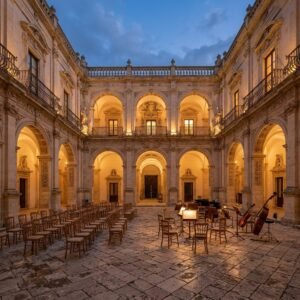
The Province of Caltanissetta will surprise you with its authentic Sicilian character, far from the usual tourist trails. Here you'll find one of the most important archaeological areas of Greek Sicily in Gela, where you can walk among the Timoleontean Walls and visit the Archaic Greek Emporium. The territory is marked by the history of sulfur mining, told at the Trabia Tallarita Sulfur Mine Museum in Riesi. Medieval castles dominate the hills, from the Manfredonic Castle of Mussomeli to Pietrarossa Castle overlooking Caltanissetta. The Sabucina archaeological area and the Vassallaggi site in San Cataldo bear witness to ancient Sican civilizations. It's a destination for those seeking the most genuine Sicily, among rural landscapes, farming traditions, and uncrowded historical sites.
Overview
- Regional Archaeological Museum of Gela
- Timoleontean Walls
- Manfredonic Castle of Mussomeli
- Pietrarossa Castle
- Trabia Tallarita Sulphur Mines Museum
- Sabucina
- Vassallaggi Archaeological Site
- Polizzello Archaeological Area
- Disueri Necropolis
- Archaic Greek Emporium of Gela
- Hellenistic Baths of Gela
- Manfria Tower
- Mazzarino Castle
- Dolmen of Monte Bubbonia
- Monte Bubbonia
Itineraries nearby


Regional Archaeological Museum of Gela
- Corso Vittorio Emanuele 1, Gela (CL)
- https://www.regione.sicilia.it/beniculturali/dirbenicult/database/page_musei/pagina_musei.asp?ID=19&IdSito=19
- Open in Google Maps
- View on Google Images
- +39 0933 912626
 The Regional Archaeological Museum of Gela is a true treasure trove that tells the ancient history of this important Greek colony. Located in a modern building next to the Acropolis, the museum houses unique artifacts from excavations of ancient Gela and the surrounding area. The collection spans from prehistoric times to the medieval period, with particular emphasis on the Greek phase when Gela was one of the most powerful cities in Sicily. Among the most significant pieces are the Attic red-figure pottery, the gold jewelry from the necropolis, and the armor found in warriors' tombs. Unmissable are the Orphic gold lamellae with Greek inscriptions, rare testimonies of mystery cults. The section dedicated to the Archaic Greek emporium displays artifacts documenting the city's Mediterranean trade. The exhibition path is well-organized and accessible, with clear explanatory panels guiding visitors through the different historical eras. For those visiting Gela, this museum is a must-see to fully understand the archaeological importance of the area.
Timoleontean Walls
- Via Rio de Janeiro, Gela (CL)
- Open in Google Maps
- View on Google Images
- +39 0933 91226
 The Timoleontean Walls represent one of the most significant archaeological sites in Gela, a tangible testament to the era when the Greek city experienced its period of greatest splendor. Built in the 4th century BC at the behest of the Corinthian commander Timoleon, these fortifications protected the settlement from enemy attacks and marked the boundaries of the ancient polis. Today, what remains of these walls is mainly located in the acropolis area, where you can observe sections of masonry made from local limestone blocks, arranged according to typically Greek construction techniques. The visit allows you to walk along the paths once patrolled by guards, offering a unique perspective on the daily life of the ancient Geloans. The site has been the subject of numerous excavation campaigns that have uncovered ceramic artifacts and coins, now preserved in the nearby Regional Archaeological Museum of Gela. The walls extend for approximately seven kilometers, including watchtowers and access gates, such as the Golden Gate, which allowed entry to the city from the sea side. The strategic position, on a hill overlooking the plain and coastline, makes this place not only an important historical testimony but also an exceptional panoramic viewpoint. For those visiting Gela, the Timoleontean Walls are a must-see stop to understand the city's urban evolution and its role in antiquity. The site is accessible year-round, but spring and autumn are the best times to fully enjoy the archaeological walk, avoiding the hottest hours of the day. Remember to wear comfortable shoes and bring a water bottle with you, especially during the summer months.
Manfredonic Castle of Mussomeli
- Strada provinciale 16, Mussomeli (CL)
- Open in Google Maps
- View on Google Images
 The Manfredonic Castle dominates the landscape of Mussomeli from its height of 778 meters, perched on a rocky spur that makes it visible from kilometers away. Built in the 14th century by the will of Manfredi III Chiaramonte, this fortress represents one of the best-preserved examples of medieval military architecture in Sicily. Its strategic position was no coincidence: it controlled the communication routes between the inland areas and the southern coast of the island. Today, the castle is accessed via a stone bridge that crosses the natural moat, replacing the ancient drawbridge. Inside, visitors can admire the noble halls with their monumental fireplaces, the prisons carved into the rock, and the chapel dedicated to Saint George. Particularly evocative is the Hall of the Barons, where the most important meetings were held. From the keep, there is a breathtaking panoramic view of the valley below, and on the clearest days, even the sea can be glimpsed. The castle is perfectly intact in its original structure, with its crenellated walls and towers retaining their warrior charm. During the visit, the medieval atmosphere is vividly felt, made even more authentic by the presence of period furnishings and armor. An interesting detail: in the dungeons, the graffiti left by prisoners over the centuries are still preserved. The guided tour is the only way to access the castle and lasts about an hour, allowing visitors to discover all the secrets of this fortress that has withstood wars and sieges.
Pietrarossa Castle
- Via Castello Di Pietrarossa, Caltanissetta (CL)
- Open in Google Maps
- View on Google Images
 The Pietrarossa Castle stands majestically on a rocky spur at 600 meters above sea level, offering an extraordinary panoramic view of the city and the Salso Valley. Probably built during the Norman period between the 11th and 12th centuries, it owes its name to the distinctive reddish hue of the rocks on which it rests. The structure features an irregular layout that perfectly adapts to the terrain, with three main towers connected by curtain walls. The keep tower, approximately 20 meters high, represents the highest point of the complex and still retains traces of the original Guelph merlons. Unfortunately, an earthquake in 1567 caused severe damage, leaving the castle in a state of ruin, but this very aspect gives it a particular charm. Today, the site is freely accessible, and visitors can walk along the pathways on the walls, from which the ancient Church of Santa Maria degli Angeli at its base can also be glimpsed. The castle is easily reachable on foot from the historic center of Caltanissetta, following the signs to the Angeli district. The visit is particularly evocative at sunset, when the slanting light enhances the red color of the stones.
Trabia Tallarita Sulphur Mines Museum
- Strada statale delle Solfare, Riesi (CL)
- Open in Google Maps
- View on Google Images
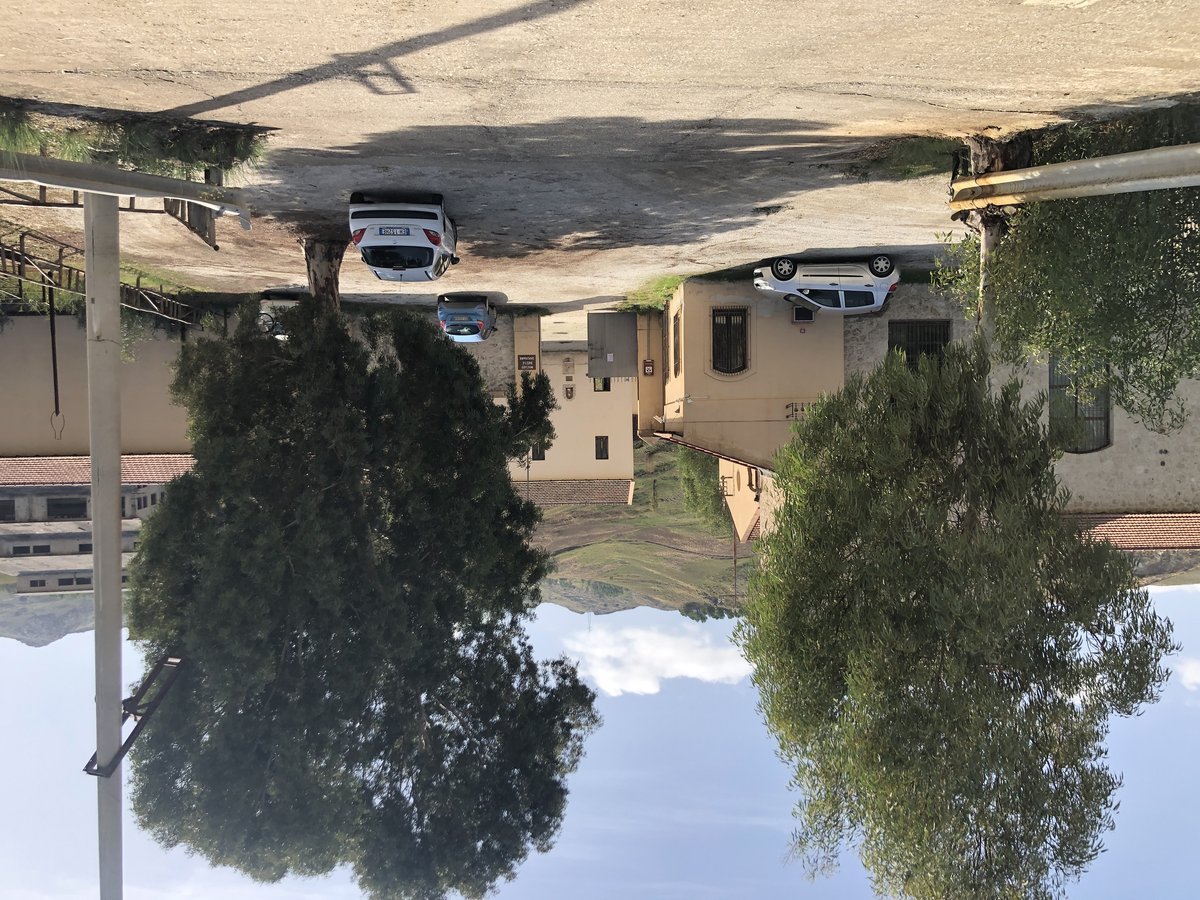 The Trabia Tallarita Sulphur Mines Museum in Riesi is one of those places that lets you touch the real history of Sicily. Not a traditional museum, but an emotional journey inside the sulphur mines that marked generations of workers. Here you'll discover how the mineral was extracted, with original tools on display and faithful reconstructions of the working environments. The site preserves the main gallery where the carts entered, the extraction areas, and the rooms where the 'carusi', the child miners, spent their days. The visit immerses you in an authentic atmosphere, with sounds and lights recreating the underground working environment. There are also direct testimonies from the miners, collected in audio and video, that make the story vivid and moving. The museum is part of the Trabia Tallarita Mining Park, an area that also includes external structures like the fusion furnaces and warehouses. It's an experience that helps you understand the human sacrifice behind the industrial development of the area. Perfect for those looking for a visit off the usual tourist trails, with a strong emotional impact. Remember to book the guided tour, essential to grasp all the historical and technical details.
Sabucina
- Go to the page: Sabucina: Greek Necropolis with Rock-Cut Tombs and Prehistoric Huts
- Strada statale Agrigentina, Caltanissetta (CL)
- Open in Google Maps
- View on Google Images
 Sabucina is one of the most fascinating archaeological sites in the Caltanissetta province, situated on a plateau at about 600 meters above sea level that overlooks the Salso River valley. This ancient settlement, inhabited since the Bronze Age, represents an exceptional example of continuous habitation spanning from the Sican people to the Greeks, and up to the medieval era. Excavation campaigns have uncovered the remains of a Sican village from the 12th century BC characterized by circular huts, followed by a Greek settlement with rectangular houses and an extra-urban sanctuary. Among the most significant finds are the indigenous painted ceramics with geometric patterns and the terracotta statuettes that testify to local cults. The strategic location of the site offers a breathtaking panorama over the Nisseno countryside and the nearby Erei Mountains, making the visit an experience that combines history and nature. Today, it's possible to walk the trails that cross the archaeological area, observing the foundations of the dwellings and the locations of the necropolises. The site is particularly evocative at sunset, when the warm light enhances the profiles of the ancient structures. For a complete understanding, I recommend combining the visit with the Archaeological Museum of Caltanissetta, where many artifacts from Sabucina are preserved.
Vassallaggi Archaeological Site
- Go to the page: Vassallaggi: Reconstructed Huts and Sican Necropolis in San Cataldo
- Strada statale Agrigentina, San Cataldo (CL)
- Open in Google Maps
- View on Google Images
 The Vassallaggi Archaeological Site is located on a hill a few kilometers from San Cataldo, in the province of Caltanissetta. This settlement dates back to the Bronze Age and was inhabited by the Sicans before becoming an important Greek center. Today you can explore the remains of the Cyclopean walls that surrounded the acropolis, built with large blocks of local stone. The site also includes necropolises with chamber tombs and rock-cut tombs, where ceramic artifacts and everyday objects have been found. Walking along the dirt paths, you'll notice traces of ancient dwellings and sacred areas. The elevated position offers a panoramic view over the Salso Valley, ideal for photography. The atmosphere is quiet and evocative, perfect for those seeking an experience away from mass tourism. Remember to wear comfortable shoes and bring water, especially in summer. The site is accessible year-round, but spring and autumn are the best times to visit, thanks to the mild climate. There are no facilities on site, so plan everything in advance.
Polizzello Archaeological Area
- Strada provinciale 16, Mussomeli (CL)
- Open in Google Maps
- View on Google Images
 The Polizzello Archaeological Area is located a few kilometers from Mussomeli, on a plateau overlooking the valley. This site is fundamental for understanding Sican civilization, with artifacts dating from the 10th to the 6th century BC. You'll discover necropolises with grotto tombs, carved directly into the rock, and the remains of a prehistoric village organized with huts and communal spaces. The ceramics found here display unique geometric decorations, evidence of an autonomous culture before the arrival of the Greeks. The place is rarely crowded, ideal for an intimate experience with history. Wear comfortable shoes: the terrain is uneven and the path requires attention. Access is free, but verify opening hours by contacting the Mussomeli municipality. A tip: visit in the morning to enjoy the best light and the silence that envelops these ancient ruins.
Disueri Necropolis
- Strada statale delle Solfare, Mazzarino (CL)
- Open in Google Maps
- View on Google Images
 The Disueri Necropolis represents one of the most fascinating archaeological sites in the province of Caltanissetta. Located in Mazzarino, this vast burial area dates back to the Early and Middle Bronze Age, between 2200 and 1400 BC, offering a unique testimony of ancient Sicilian populations. The site extends across a rocky hill characterized by artificial cave tombs, carved directly into the limestone rock. These burials, organized in groups, display various architectural typologies that narrate the evolution of funerary practices over the centuries. The particularity of the necropolis lies in its long continuity of use, which allows us to trace the cultural changes of local communities through the grave goods discovered. During the visit, you can observe tombs of various sizes, from simple cavities to more elaborate burials with antechambers and multiple chambers. The landscape context is spectacular: the necropolis overlooks the valley below, offering breathtaking views of the Nisseno countryside. The archaeological finds from the site - ceramics, bronze objects, and personal ornaments - are now preserved at the Archaeological Museum of Caltanissetta, where they complete the understanding of this important chapter of Sicilian prehistory. The visit takes about an hour and a half, with an easy path winding through the best-preserved tombs.
Archaic Greek Emporium of Gela
- Lungomare Federico Secondo di Svevia, Gela (CL)
- Open in Google Maps
- View on Google Images
 The Archaic Greek Emporium of Gela is one of the most significant archaeological sites in south-central Sicily, a tangible testament to the commercial importance of the Greek colony founded in 688 BC. Located along the coast, just steps from the ancient port area, this emporium was the hub of trade between the city and the Mediterranean. Here, warehouses for storing goods, imported ceramics from Corinth and Athens, and amphorae transporting wine, oil, and grain have been unearthed. The partially preserved structures reveal the organization of spaces with adjoining rectangular rooms, typical of Greek commercial facilities. The visit allows you to imagine the intense activity that animated this place: merchants haggling, ships laden with precious goods docking. The emporium is closely linked to the Regional Archaeological Museum of Gela, where many artifacts are displayed, including seals and coins that confirm ties with other colonies. To fully appreciate the site, it's useful to know that admission is free and informational panels help contextualize the findings. Don't miss the chance to walk among these ruins, which tell centuries of history and cultural exchanges.
Hellenistic Baths of Gela
- Via Europa, Gela (CL)
- Open in Google Maps
- View on Google Images
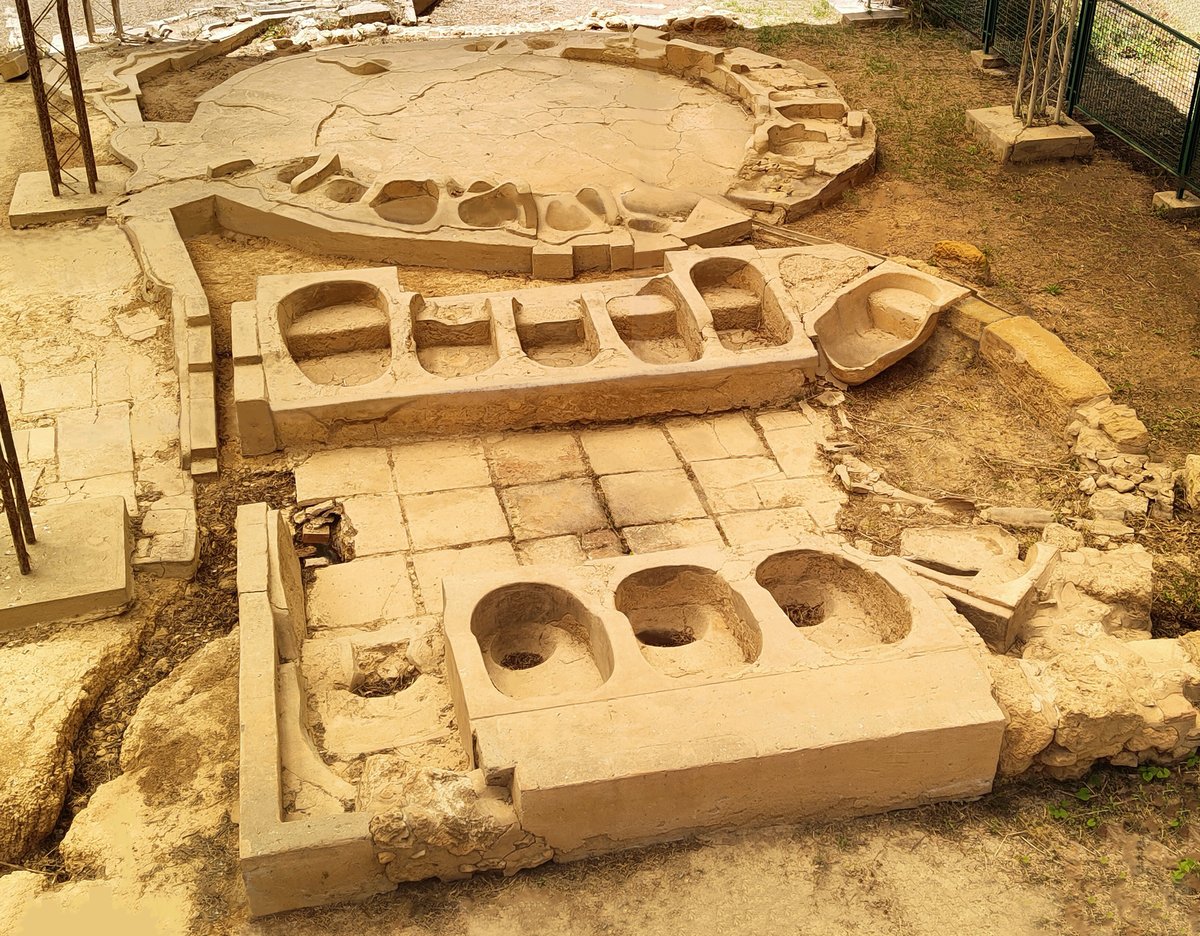 The Hellenistic Baths of Gela represent one of the most fascinating testimonies of the ancient Greek colony in Sicily. Accidentally discovered during construction work in the 1950s, these baths date back to the 4th century BC and show a surprising level of architectural refinement for the period. The complex develops across several rooms: the calidarium with its hypocaust heating system, the tepidarium, and the frigidarium stand out, organized according to the classic Roman sequence but with clear Greek influences. The floor mosaics, although partially preserved, reveal geometric and figurative motifs of great value. Particularly interesting is the hydraulic system: terracotta cisterns and conduits demonstrate advanced technology for water supply. The location of the baths, not far from the acropolis, suggests they served the city's elite. Today the site, protected by a modern covering, allows visitors to appreciate the original layout and some decorative elements. The visit takes about 30-40 minutes and combines well with the nearby Regional Archaeological Museum, where artifacts from the area are displayed. Access is easy, with nearby parking and explanatory panels that guide the route.
Manfria Tower
- Via della Canapa, Gela (CL)
- Open in Google Maps
- View on Google Images
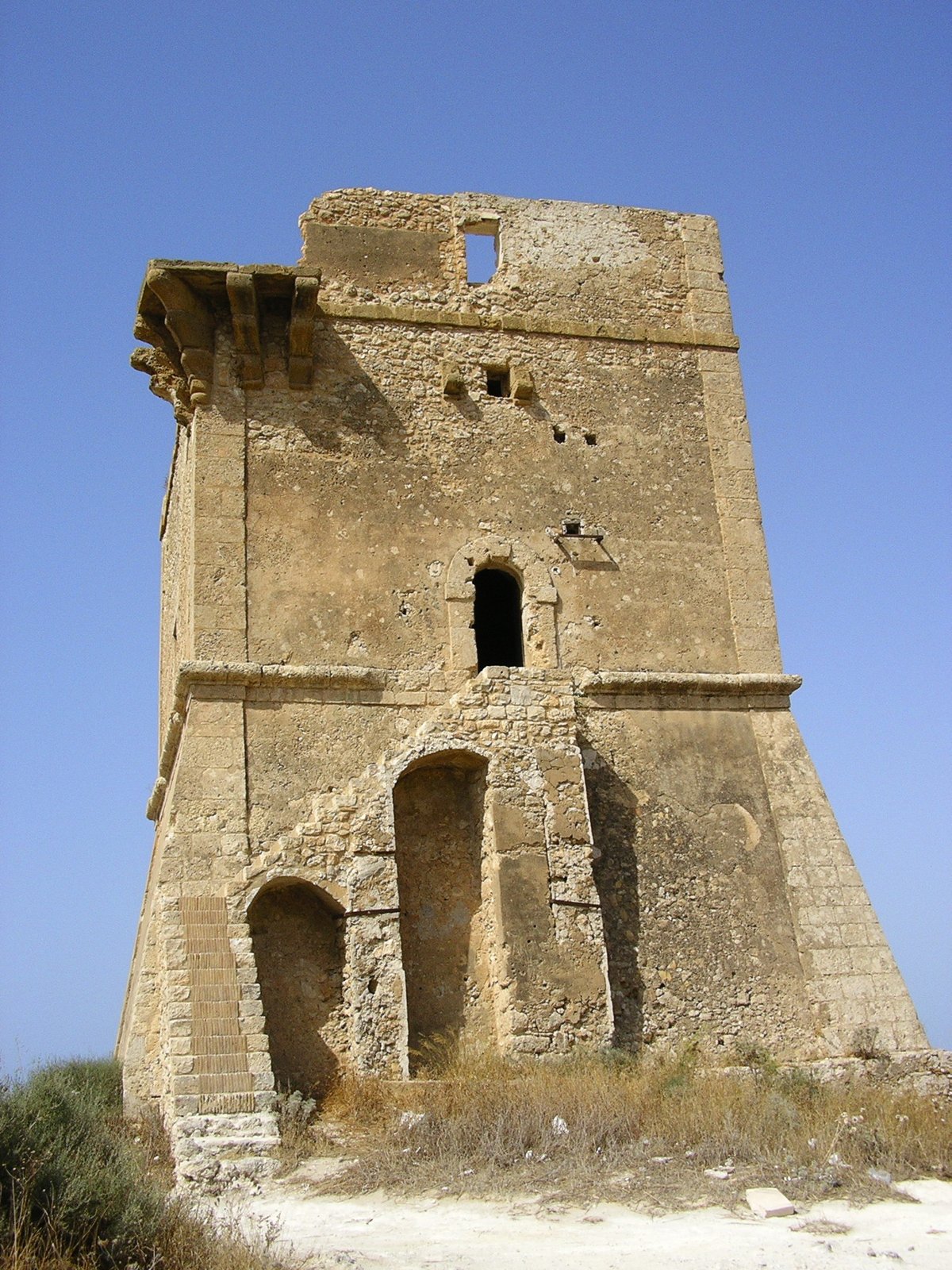 The Manfria Tower stands alone on a hill overlooking the sea, just a few kilometers from the center of Gela. Built in the 16th century as part of the coastal defense system against pirate raids, this watchtower dominates a stretch of coastline that remains wild and sparsely inhabited. The structure, made of local limestone, features a square base and rises over two levels, with narrow slits that testify to its original function. Today, despite its ruined state, it retains a particular charm, especially at sunset, when its silhouette stands out against the fiery sky. The view from the hill is spectacular: to the east, you can glimpse the outline of the city of Gela, with its port and refineries, while to the west lies a rugged, rocky coastline lapped by crystal-clear waters. The surrounding area is characterized by dense Mediterranean scrub, with shrubs of mastic, spurge, and broom that scent the air, especially in spring. To reach the tower, you follow a dirt road that starts from the coastal road, suitable for a short walk on foot. There are no services in the immediate vicinity, so it's advisable to bring water and a hat for the sun. The visit is free and accessible year-round, but the best time is undoubtedly the afternoon, to admire the sun setting over the sea. Beyond its historical value, the tower offers an authentic glimpse of rural and coastal Sicily, far from the more beaten tourist paths.
Mazzarino Castle
- Via Castelvecchio, Mazzarino (CL)
- Open in Google Maps
- View on Google Images
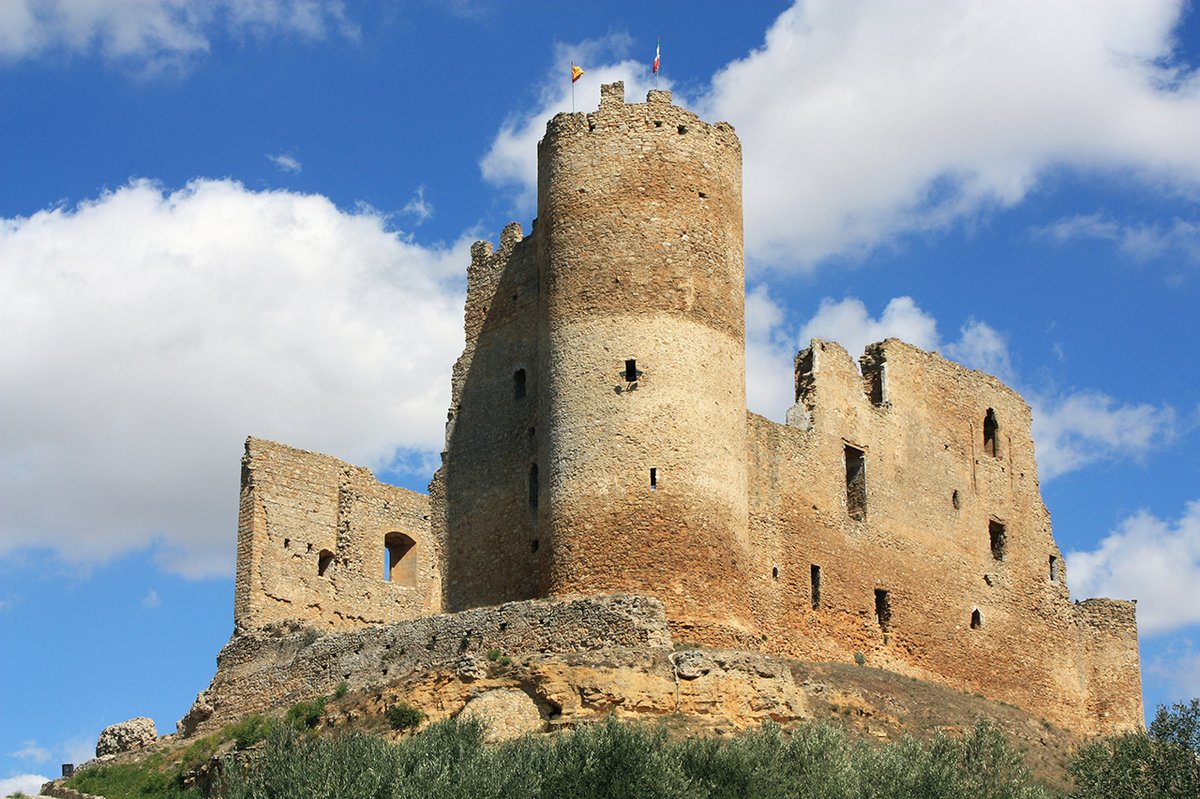 The Mazzarino Castle stands majestically in the heart of the historic center, offering tangible evidence of the city's medieval past. Built during the Norman period between the 11th and 12th centuries, this fortress has undergone numerous transformations over the centuries while maintaining its imposing defensive structure. The strategic hilltop position allows it to dominate the entire surrounding valley, a military advantage that the Normans fully exploited.
Walking through its walls, one immediately notices the different architectural styles that have been superimposed: from the Norman quadrangular towers to subsequent Aragonese modifications. Particularly interesting is the internal chapel, where traces of medieval frescoes are preserved. The castle was owned by various Sicilian noble families, including the Branciforte princes, who made it their main residence.
Today the monument is open to visitors and represents one of the most important cultural landmarks of Mazzarino. During the ascent to the castle, visitors pass through characteristic cobblestone alleys that preserve the medieval atmosphere. The panoramic view from the top of the towers embraces the entire inhabited center and extends to the surrounding countryside, offering unique photographic opportunities.
The castle visit is ideally completed with a visit to the nearby Disueri Necropolis, an important archaeological site that testifies to the ancient origins of the territory. The complex is well preserved despite the centuries, and recent restoration work has ensured its accessibility to visitors.
Dolmen of Monte Bubbonia
- Strada provinciale Gela-San Giuliano, Butera (CL)
- Open in Google Maps
- View on Google Images
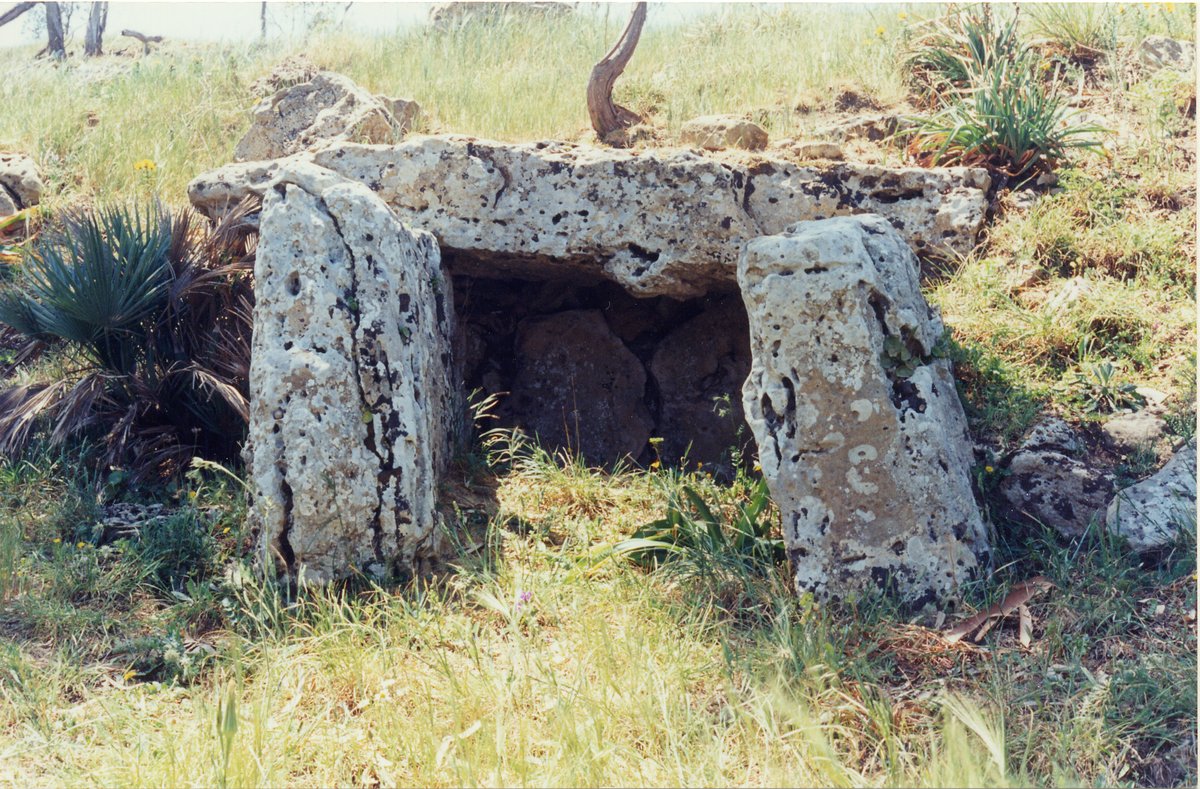 The Dolmen of Monte Bubbonia represents one of the most fascinating testimonies of Sicilian prehistory. Located at 595 meters above sea level, this megalithic monument dates back to the Bronze Age and sits in an exceptional panoramic position overlooking the valley below. The structure consists of local limestone slabs, with a horizontal slab supported by vertical stones forming a burial chamber. The astronomical orientation of the dolmen towards the sunrise during equinoxes suggests advanced knowledge by the ancient indigenous populations. The site is part of a broader prehistoric settlement that also includes remains of huts and rock-cut tombs. The breathtaking view from the mountain top ranges from the Mediterranean Sea to the Nisseno countryside, making the visit a complete experience between history and nature. The path to reach the dolmen is well-marked and accessible on foot, though I recommend comfortable shoes for the rocky terrain. During spring, the mountain becomes covered with wildflowers and aromatic plants typical of the Mediterranean scrub.
Monte Bubbonia
- Strada provinciale 13 Mazzarino-Cimia, Mazzarino (CL)
- Open in Google Maps
- View on Google Images
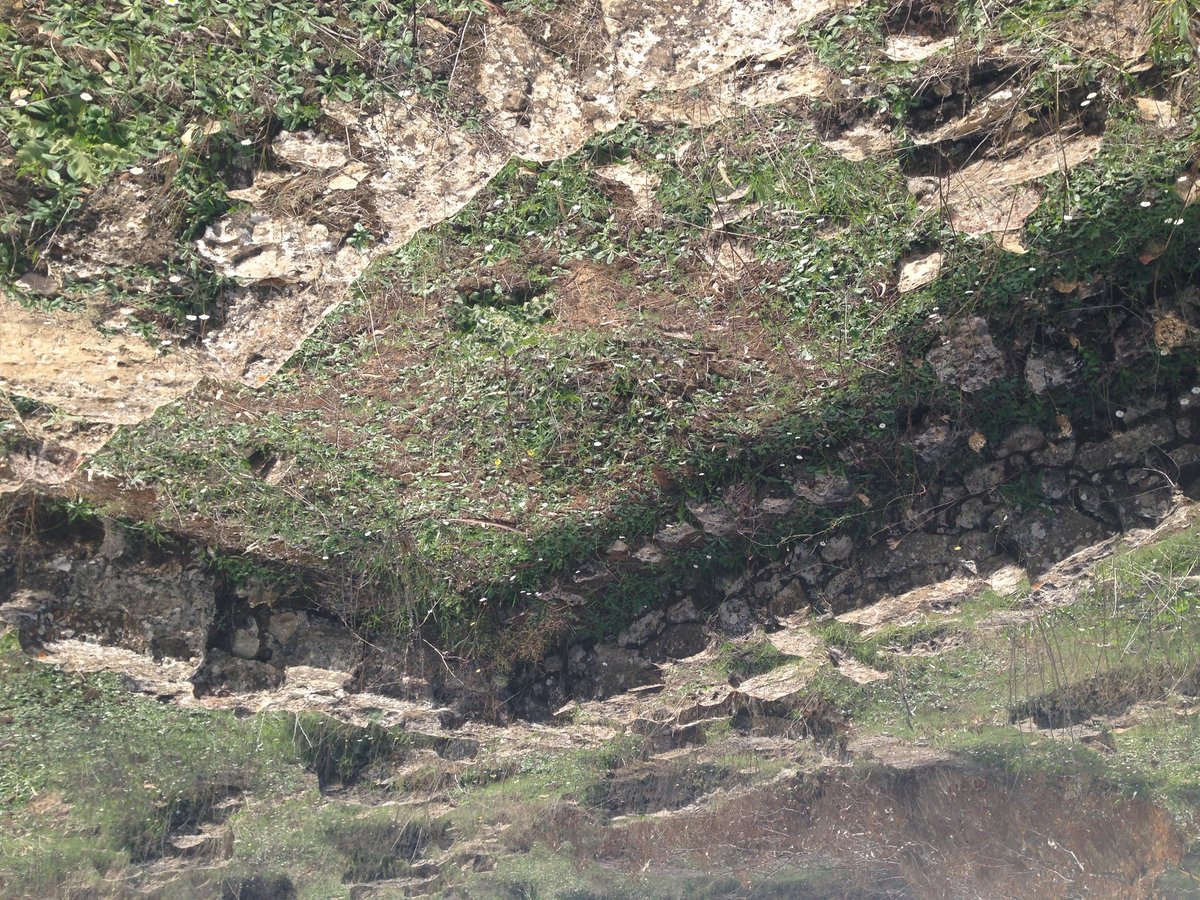 Monte Bubbonia is a place that surprises you with its dual soul: archaeological and natural. At 595 meters above sea level, it overlooks the Gela plain offering spectacular views all the way to the sea. Here you'll find the remains of a Sican settlement dating back to the Bronze Age, later Hellenized. The traces of Cyclopean walls and necropolises tell ancient stories, while the dolmen at the summit adds an aura of mystery. The site is rarely crowded, ideal for those seeking tranquility and authenticity. The trails are well-marked and suitable for a light walk, with explanatory signs guiding you to the key points. Bring water and a hat, especially in summer, because shade is scarce. Access is free and parking is available at the base, from which the paths start. Perfect for a half-day excursion, it uniquely combines culture and nature.