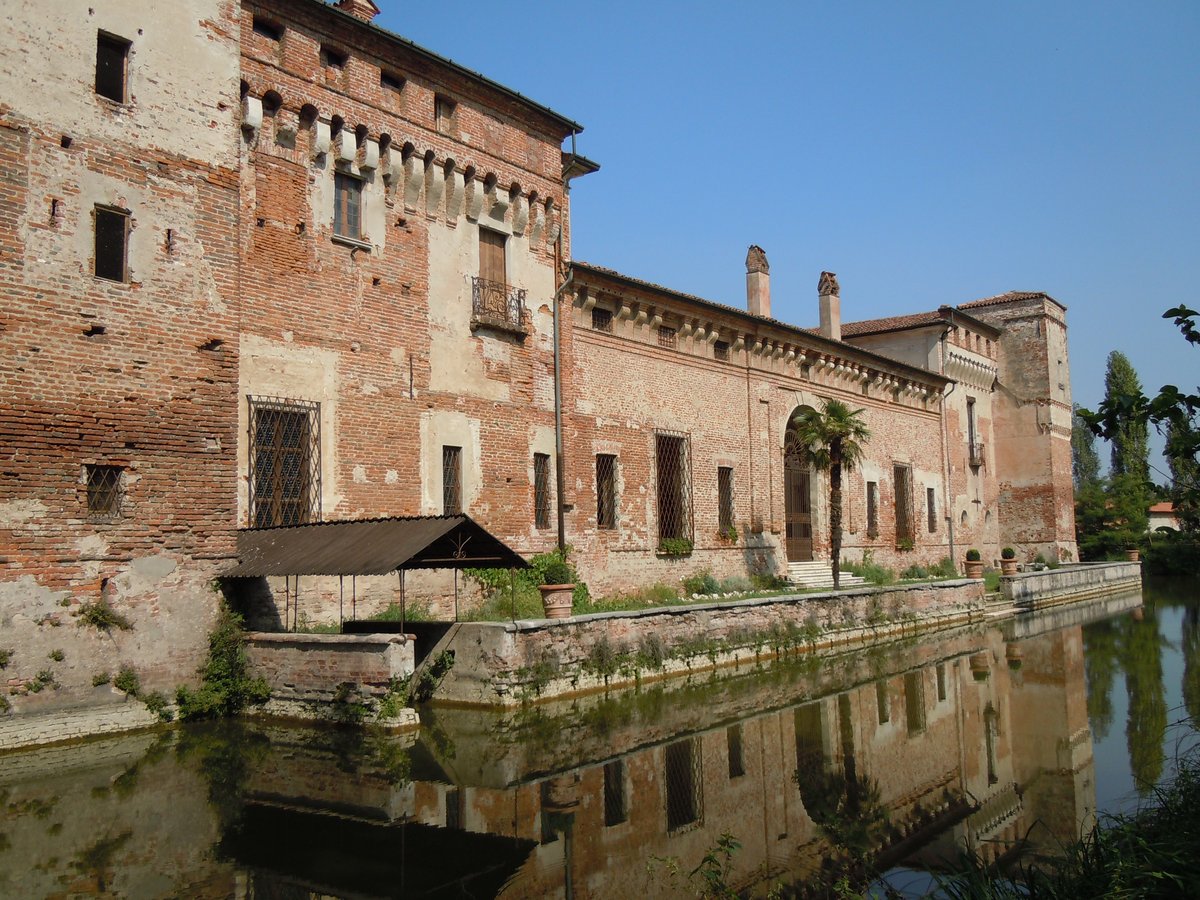
Padernello Castle, in the Brescian countryside, is a restored 15th-century manor offering an authentic cultural experience away from mass tourism. The visit includes frescoed halls, an 18th-century ballroom, and ancient kitchens with original utensils, all immersed in the legend of the White Lady.
- Renaissance architecture with a moat and drawbridge
- Legend of the ghost Biancamaria Martinengo (White Lady)
- Frescoed halls, spiral staircases, and noble rooms
- Temporary exhibitions, cultural events, and seasonal workshops
Introduction
Do you ever stumble upon a place that feels like it’s straight out of a fairy tale? The Castello di Padernello, nestled in the Brescian countryside in Borgo San Giacomo, is exactly that. It’s not just a well-preserved Renaissance building, but a spot that makes you feel like you’ve taken a leap back in time. Its imposing structure, surrounded by a moat and greenery, immediately catches your eye. And there’s something magical in the air, perhaps due to the legend of the White Lady said to inhabit it. This isn’t your typical crowded tourist castle; here, you breathe in an authentic, almost intimate atmosphere. Perfect for those seeking a cultural weekend away from the hustle and bustle, it offers that rare thrill of discovery. I visited on a slightly cloudy day, and the effect was even more evocative: the stones seemed to tell stories.
Historical Overview
The history of Padernello Castle is a tapestry woven from noble families and events that have shaped the Lower Brescia region. Built in the
15th century at the behest of the powerful Martinengo family, it served as a fortified noble residence. It later passed to the Salvadego family, who in the 18th century renovated it in a Neoclassical style, adding elegant features such as stucco decorations. A crucial moment was its abandonment in the 20th century, when the castle fell into ruin. Fortunately, a lengthy restoration project begun in the 2000s has restored it to its former glory. Today, it is managed by a foundation that promotes its cultural heritage. The timeline helps outline the key milestones:
- 15th century: Construction initiated by the Martinengo family.
- 18th century: Neoclassical renovation carried out by the Salvadego family.
- 20th century: Period of abandonment and decay.
- 2005-present: Restoration and reopening to the public as a cultural site.
The Legend of the White Lady
Every self-respecting castle has its ghost, and Padernello is no exception. Legend tells of Biancamaria Martinengo, a young noblewoman who is said to have died tragically in the fifteenth century after falling from a window of the manor. Since then, her spirit, the ‘White Lady’, is said to appear on full moon nights, wandering through the halls. Whether you believe it or not, this story adds a mysterious charm to the visit. During the tour, guides often mention sightings and tales passed down through generations. Personally, I haven’t seen any ghosts, but in the oldest rooms, with their coffered ceilings and monumental fireplaces, the imagination soars. It’s an element that makes the castle feel alive, not just a museum. If you’re passionate about mysteries, ask for information: sometimes they organize themed evening events.
Architecture and Interiors Not to Be Missed
The castle’s architecture is a fascinating blend of styles. Externally, the Renaissance dominates with its towers and drawbridge (now fixed) spanning the moat. Inside, however, the eighteenth century comes alive: the Salvadego rooms are decorated with refined stucco work and period furniture. Two things particularly struck me. The first is the ballroom, with a majestic chandelier and pastel-colored walls that evoke images of elegant parties. The second is the kitchen, still furnished with original utensils; it feels as if the cooks have just stepped out. Pay attention to the details: the fireplaces are works of art, and in some rooms, traces of the original frescoes are still visible. It’s not a huge place, but every corner tells a different story. I recommend taking the guided tour, as the explanations about the restorations are enlightening.
Why Visit It
Why is it worth making a detour to Padernello? First, for its authenticity: it’s not an overcrowded destination, you can visit at a leisurely pace, and you can feel the passion of those who manage it. Then, for the legend of the White Lady, which adds a layer of mystery rarely found in other castles. Finally, for the cultural activities: the foundation often organizes contemporary art exhibitions, concerts, and workshops for children, turning the place into a vibrant hub. I found the contrast between the historic architecture and modern installations during a temporary exhibition particularly interesting. It’s a place that surprisingly unites history and the present. Ideal for a couple’s outing or a family trip, especially if the little ones enjoy ghost stories.
When to Go
The best time? Without a doubt in autumn, when the colors of the surrounding countryside burst into red and gold, and the atmosphere becomes even more romantic and melancholic. The days are often clear, and the warm afternoon light enhances the castle’s stones. In summer, it can be hot, but the moat and trees offer some coolness. In winter, if a foggy day occurs, the effect is eerie and perfect for lovers of legend. Personally, I prefer visits in the late afternoon, when tourists thin out and you can enjoy the tranquility. Avoid days of heavy rain, as some outdoor areas might be less accessible.
In the Surroundings
The castle visit can be the focal point of a themed itinerary in Lower Brescia. A few kilometers away, I recommend a stop at the Sanctuary of Madonna della Pieve in Pontevico, a Baroque jewel with surprising frescoes. If you’d like to combine culture and taste, head to one of the Franciacorta wineries (the area is nearby) for a sparkling wine tasting: the pairing with the local history is perfect. Another idea is to explore the small rural villages in the area, such as Orzinuovi, which preserve ancient walls and tranquil atmospheres. These are not places with major attractions, but for those seeking authenticity, they’re worth a detour.