Trostburg Castle, perched above Waidbruck, is one of the most significant castles in South Tyrol with authentic interiors and spectacular views. The visit includes frescoed halls, rampart walkways, and the history of the Wolkenstein family.
- Perfectly preserved medieval architecture with frescoed halls and original furnishings
- 360-degree panoramas of the Dolomites from the main tower and ramparts
- Collections of ancient armor and period furniture recreating the noble atmosphere
- Historic strategic position along the ancient Brenner route controlling access to Val Gardena
Introduction
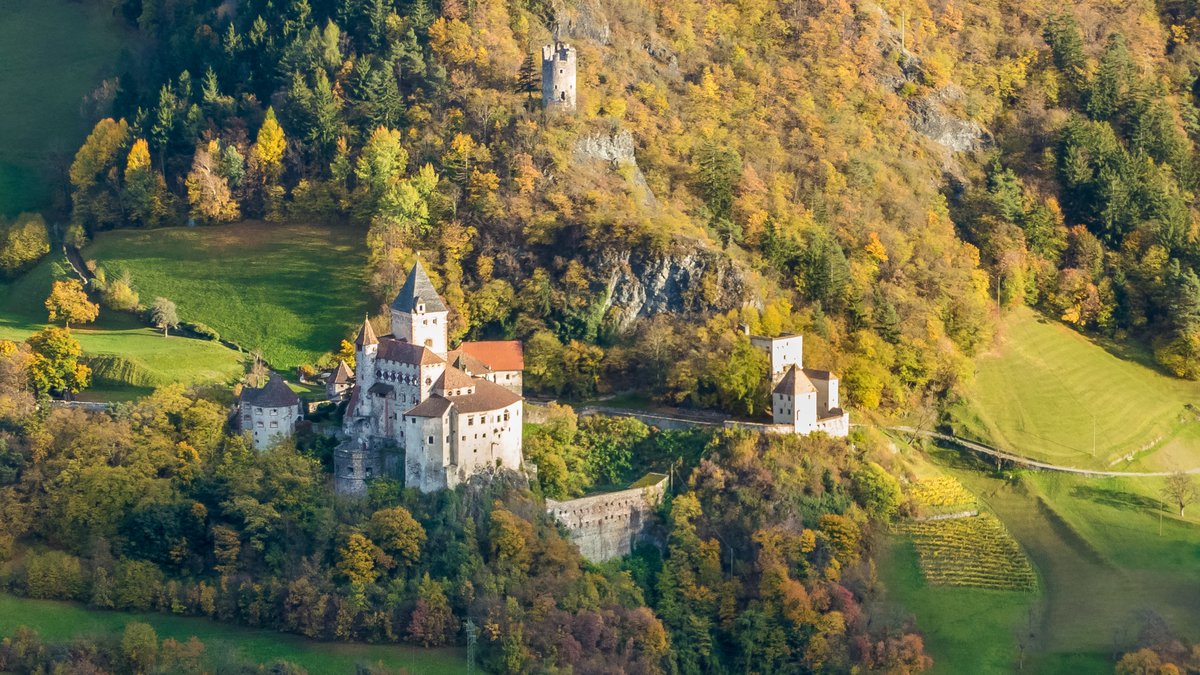
Perched on a rocky spur above the village of Waidbruck – Ponte Gardena, Trostburg dominates the valley with a majestic presence that takes your breath away. This medieval castle, known as the manor of the Counts of Wolkenstein, is not just a historical monument but a true panoramic balcony over the Dolomites. Upon arrival, you are captivated by its imposing silhouette, which seems to emerge from the rock itself. The location is strategic: it controls access to Val Gardena, offering breathtaking views of the surrounding Dolomite peaks. Visiting Trostburg means immersing yourself in an atmosphere of bygone eras, where every stone tells centuries of history. The path to reach it, via a well-marked trail, adds a touch of adventure, preparing you for the excitement of discovering one of the best-preserved castles in South Tyrol. It is an experience that combines culture, nature, and that sense of wonder that only authentic places can provide.
Historical Background
The history of Trostburg is closely tied to the noble Wolkenstein family, who made it their main residence from the 13th century. The castle was built around 1200 but acquired its current form through the work of Oswald von Wolkenstein, a medieval poet and knight, in the 15th century. It was he who transformed the fortress into an elegant Renaissance manor, adding elements such as the chapel and frescoed halls. Over the centuries, Trostburg has withstood wars and changes, preserving its structure intact. Today, it is privately owned but open to the public, carefully managed to preserve its heritage. An interesting fact: the castle is known for hosting important historical figures, contributing to the region’s cultural life. Its exceptional preservation makes it a rare example of medieval architecture still livable.
- Around 1200: initial construction of the castle
- 13th century: becomes the residence of the Counts of Wolkenstein
- 15th century: Oswald von Wolkenstein renovates the manor in Renaissance style
- Today: privately owned and open for visits, managed as a museum
Architecture and Interiors
Entering Trostburg is like stepping back in time, thanks to its well-preserved architecture and richly detailed interiors. The castle features a compact structure with thick walls and towers that testify to its original defensive function. Inside, the Knights’ Hall stands out—a spacious room with vaulted ceilings and Renaissance frescoes depicting scenes of courtly life. The private chapel, dedicated to Saint George, preserves valuable wooden altars and sacred decorations. Particularly interesting is the collection of antique weapons and period furniture, which furnish the rooms and provide an authentic sense of noble life. Don’t miss the view from the main tower: from there, your gaze sweeps over the Val Gardena and the Dolomites, with a panorama that alone is worth the visit. Every corner of the castle tells a story, from the stone staircases to the monumental fireplaces, making the exploration an immersive experience.
Scenery and Natural Setting
One of Trostburg’s key strengths is undoubtedly its natural setting, making it a unique spot in the South Tyrolean landscape. The castle stands on a porphyry spur, surrounded by spruce and larch forests that turn spectacular colors in autumn. From its walls, you enjoy a 360-degree view of the Dolomites, with front-row seats to iconic peaks like Sassolungo and the Sella Group. This panorama isn’t just beautiful to photograph—it also offers a sense of tranquility and connection with nature. The trail leading to the castle passes through a protected area, ideal for short walks before or after your visit. In spring, the flowering meadows around the fortress create a charming contrast with the gray stone. It’s a perfect place for those seeking a mix of culture and scenery, where each season brings different emotions.
Why Visit It
Visiting Trostburg offers concrete advantages that set it apart from other castles in the area. First, it is one of the few medieval manors in South Tyrol still furnished with original furniture and art collections, allowing you to touch history firsthand. Second, its isolated location on a rocky spur ensures an authentic and uncrowded atmosphere, far from mass tourism. Third, guided tours are led by local experts who reveal anecdotes about the Wolkenstein family and life in the Middle Ages, adding depth to the experience. Additionally, the admission ticket includes access to temporary exhibitions on historical themes, often related to the region. Finally, for photography enthusiasts, the panoramic viewpoints from the castle are ideal for capturing memorable shots of the Dolomites, especially at sunrise or sunset. It is a time investment that pays off in culture and beauty.
When to Go
To experience Trostburg at its best, I recommend planning your visit in spring or early autumn. During these periods, the weather is mild, trails are accessible without snow, and crowds are smaller compared to peak summer. The sunlight in these seasons enhances the colors of the Dolomites and the surrounding forest, creating magical atmospheres. If you prefer summer, opt for early morning or late afternoon hours to avoid the heat and enjoy the tranquility. In winter, the castle may be closed or accessible only in favorable weather conditions, but if open, the snow adds a fairytale charm. Generally, avoid the busiest summer weekends for a more intimate experience. Every moment has its charm, but the mildness of the shoulder seasons offers that perfect mix of comfort and unforgettable scenery.
In the Surroundings
After visiting Trostburg, it’s worth exploring the surroundings to enrich your journey. Just a few minutes’ drive away, you’ll find Castelrotto, a well-preserved medieval village with frescoed houses and a charming central square, perfect for a gastronomic stop with South Tyrolean specialties. Another nearby thematic experience is the Val Gardena Museum in Ortisei, which delves into local history and woodcarving, famous in the area. If you love nature, the nature trail along the Isarco River offers relaxing walks with views of the castle from different angles. These places complement the visit to Trostburg, showcasing the cultural and landscape richness of Val Gardena without the need for long trips.