
Founded in 954 AD by Benedictine monks, Vangadizza Abbey is a monastic complex with well-preserved ruins that invite tranquility. The visit provides picturesque views, especially at sunset when warm light enhances the exposed brick architecture.
- Renaissance cloister with surviving arches and pillars
- 12th-century brick bell tower with Romanesque bifora windows
- Frescoes and sculptures in the Church of San Teobaldo
- Meditative atmosphere away from chaos, ideal for a rejuvenating break
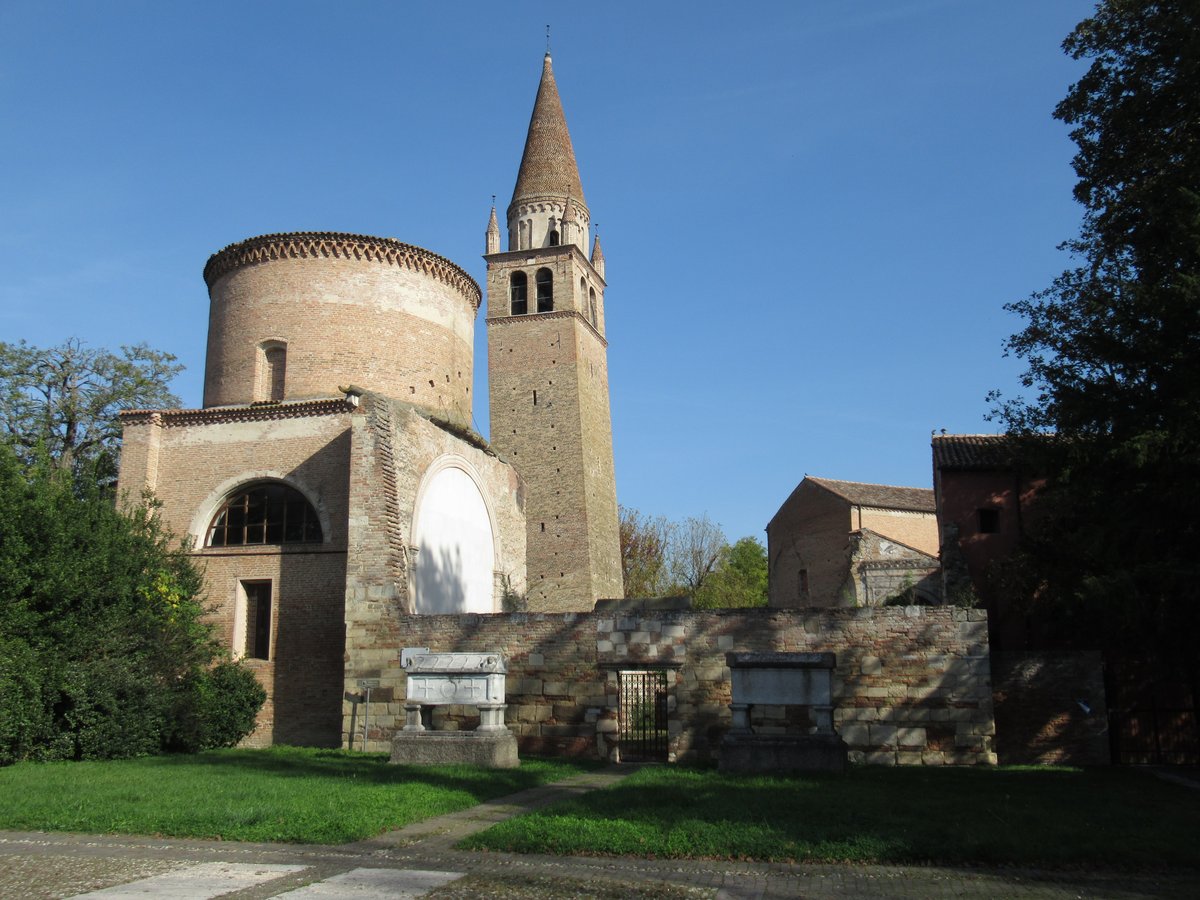
Vangadizza Abbey in Badia Polesine features a Renaissance cloister, a 12th-century bell tower, and frescoes in the Church of San Teobaldo. Free admission offers a peaceful experience in the Polesine countryside.
- Piazza Vangadizza, Rovigo (RO)
- Open in Google Maps
- View on Google Images Abbazia della Vangadizza a Rovigo
Good to know
Introduction
As soon as you pass through the gate of the Vangadizza Abbey, time seems to stand still. This former 10th-century Benedictine monastery, nestled in the Polesine countryside of Badia Polesine, welcomes you with an almost palpable silence. The red brick walls and the remains of the ancient church tell centuries of history, while the atmosphere suspended between spirituality and decay captivates you immediately. It’s not just a monument, but a place to breathe in the peace of the Lower Po Valley, far from the chaos. Ideal for a restorative break, the abbey impresses with its simplicity: no frills, just stones, grass, and a vast sky that converses with the surviving architecture. Come here if you’re looking for an authentic corner of Veneto, where art and nature merge into a minimalist and intense experience.
Historical Overview
Founded in 954 AD by Benedictine monks, the Abbey of Vangadizza was for centuries a leading religious and cultural center in the Polesine region. During the Middle Ages, it managed vast agricultural lands and influenced local life, but its decline began with Napoleon’s suppression in 1810. Today, the 12th-century bell tower, parts of the church, and some monastic rooms remain, all in a state of controlled ruin. The stones speak of abandonment and rebirth, like the recent restoration that secured the area without compromising its charm. An interesting fact: the name ‘Vangadizza’ is said to derive from the Lombard word ‘wang’, meaning ‘meadow’, recalling the site’s rural origins.
- 954 AD: Benedictine foundation
- 12th century: Construction of the bell tower
- 1810: Napoleonic suppression and abandonment
- 2000s: Conservation restoration
Architecture and Ruins
Walking among the ruins of the abbey is like leafing through an art history book. The brick bell tower, slender and austere, dominates the complex with its bifora windows and pilasters—a well-preserved example of Po Valley Romanesque architecture. Nearby, the remains of the church reveal traces of frescoes and intricately carved capitals, while the collapsed vaults offer glimpses of the sky. Particularly evocative is the cloister, where only the arches and pillars remain, once a place of meditation for the monks. Notice the details: the herringbone brickwork, the niches for lost statues, the wild herbs sprouting from the cracks. It’s not a perfect place, but its very incompleteness makes it magnetic, inviting you to imagine how it once was.
Atmosphere and Spirituality
The Abbey of Vangadizza is not just to be seen, but to be experienced. Here, silence is broken only by the rustling of leaves and the calls of birds, creating an ideal atmosphere for a meditative pause or personal reflection. Many visitors recount sensing a special energy, perhaps inherited from centuries of Benedictine prayer. Sitting on a bench among the ruins, with your gaze sweeping from the tower to the surrounding fields, offers a rare sense of calm. It’s a place where you can disconnect from the frenzy, listen to yourself, and appreciate the value of slowness. Perfect for those seeking not just culture, but also an inner experience, far from the crowds of more touristy spots.
Why Visit It
Three concrete reasons not to miss the Vangadizza Abbey: first, it’s a unique example of Polesine monastic architecture, with ruins that speak for themselves without needing explanations. Second, access is free and unrestricted, with no complicated opening hours: come whenever you want and stay as long as you need. Third, it’s an oasis of tranquility just minutes from the center of Badia Polesine, perfect for recharging after a day of exploration. Plus, the remains are well-maintained and safe, suitable even for families with children curious about history. In short, if you love places off the beaten path of mass tourism, here you’ll find authenticity and peace at zero cost.
When to Go
The best time to visit the abbey is at sunset, when the warm sunlight enhances the brick colors and creates long shadows that accentuate the mystery of the place. In autumn, with falling leaves and crisp air, the atmosphere becomes even more evocative, almost like a romantic painting. Avoid the midday hours during summer days, when the heat can be intense and the direct light dulls the architectural details. In winter, if there’s a light fog, the place takes on a magical aura, but always check the weather conditions to enjoy it at its best.
In the Surroundings
Complete your day with a visit to the Museum of the Great Rivers in Rovigo, where you’ll discover the history of Polesine through artifacts and multimedia exhibits. If you love nature, head to the Veneto Regional Park of the Po Delta, less than an hour’s drive away, for boat excursions through canals and birdwatching oases. Both locations enrich your experience with culture and unique landscapes, without straying too far from the intimate atmosphere of the abbey.
💡 Did You Know…?
A local legend tells that Benedictine monks hid a treasure during invasions, never found. Today, it’s said that on full moon nights, you can hear their Gregorian chants echoing in the cloister. Additionally, the abbey was visited by historical figures such as Matilda of Canossa, who contributed to its fame in the Middle Ages.