
🧭 What to Expect
- Ideal for medieval history enthusiasts and Romanesque architecture lovers.
- Highlights: perfectly preserved medieval historic center, Papal Palace with the first conclave, labyrinthine San Pellegrino Quarter.
- Includes interactive map with 15 marked locations and practical information for each stop.
- Combines art (Etruscan museums), history (archaeological sites), and wellness (58°C thermal baths).
Events nearby
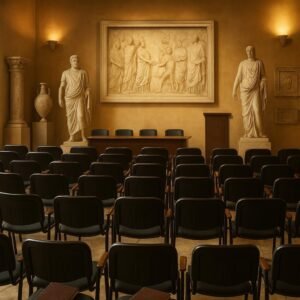

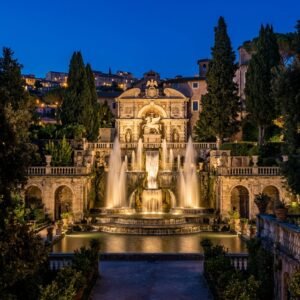
The City of Viterbo welcomes you with its perfectly preserved medieval historic center, where time seems to have stood still. The San Pellegrino Quarter is a labyrinth of alleys, arches and tower houses that tell centuries of history. The majestic Papal Palace dominates Piazza San Lorenzo with its Gothic architecture and the halls where the first papal conclave in history took place. Nearby, the Papal Baths offer relaxation in thermal waters that spring at 58°C. Don't miss the Machine of Santa Rosa, a UNESCO heritage site, which every year on September 3rd illuminates the city with its transportation. Viterbo is a destination that uniquely combines art, history and wellness.
Overview
- Papal Palace
- St. Lawrence Cathedral
- Villa Lante in Bagnaia
- Basilica of San Francesco alla Rocca
- National Etruscan Museum Rocca Albornoz
- Ferento
- San Martino al Cimino Abbey
- Cathedral Hill Museum
- San Silvestro
- Santa Maria Nuova
- San Sisto
- Santa Rosa
- Santa Maria della Verità
- Santa Maria del Suffragio
- St. Thomas Fountain
Itineraries nearby

Papal Palace
- Piazza San Lorenzo, Viterbo (VT)
- Open in Google Maps
- View on Google Images
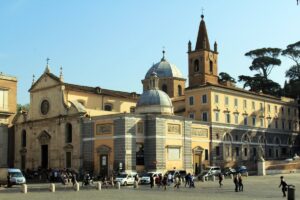
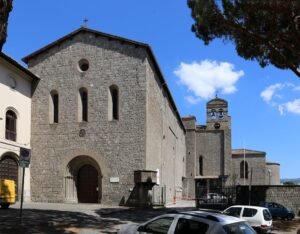
 The Papal Palace in Viterbo is one of Italy's most important medieval monuments. Built between 1255 and 1266, it served as the papal residence for over twenty years during the 13th century. Its Gothic architecture immediately strikes you: the main facade with its mullioned windows and the entrance portico transport you directly to the Middle Ages. Upon entering, don't miss the Conclave Hall, where the longest conclave in history took place from 1268 to 1271, lasting a full 33 months. Exasperated by the wait, the people of Viterbo literally removed the roof to force the cardinals to make a decision. The hall still preserves the atmosphere of those tumultuous days, with frescoes depicting biblical stories and papal coats of arms. Ascending to the upper floor, the Loggia of the Blessings offers a breathtaking view over the medieval district of San Pellegrino. Notice the architectural details: the columns made of peperino, the local stone that characterizes all of Viterbo, and the capitals carved with vegetal motifs. The palace also houses the Museum of the Duomo Hill, with artifacts ranging from the Etruscan era to the Renaissance. Among these, the 13th-century sacred vestments and medieval ceramics discovered during excavations stand out. The popes' private chapel, dedicated to Saint Thomas, preserves traces of original frescoes. Also visit the treasury room, where the Church's most important documents were once kept. The complex includes the Cathedral of San Lorenzo, with its Romanesque facade and bell tower dominating the city. The internal courtyard, with its central well, was the heart of daily life in the palace. Here, popes received ambassadors and made decisions that influenced all of Christian Europe. Today, the palace hosts temporary exhibitions and cultural events, maintaining its vocation as a cultural center.
Papal Palace
St. Lawrence Cathedral
- Piazza San Lorenzo, Viterbo (VT)
- Open in Google Maps
- View on Google Images
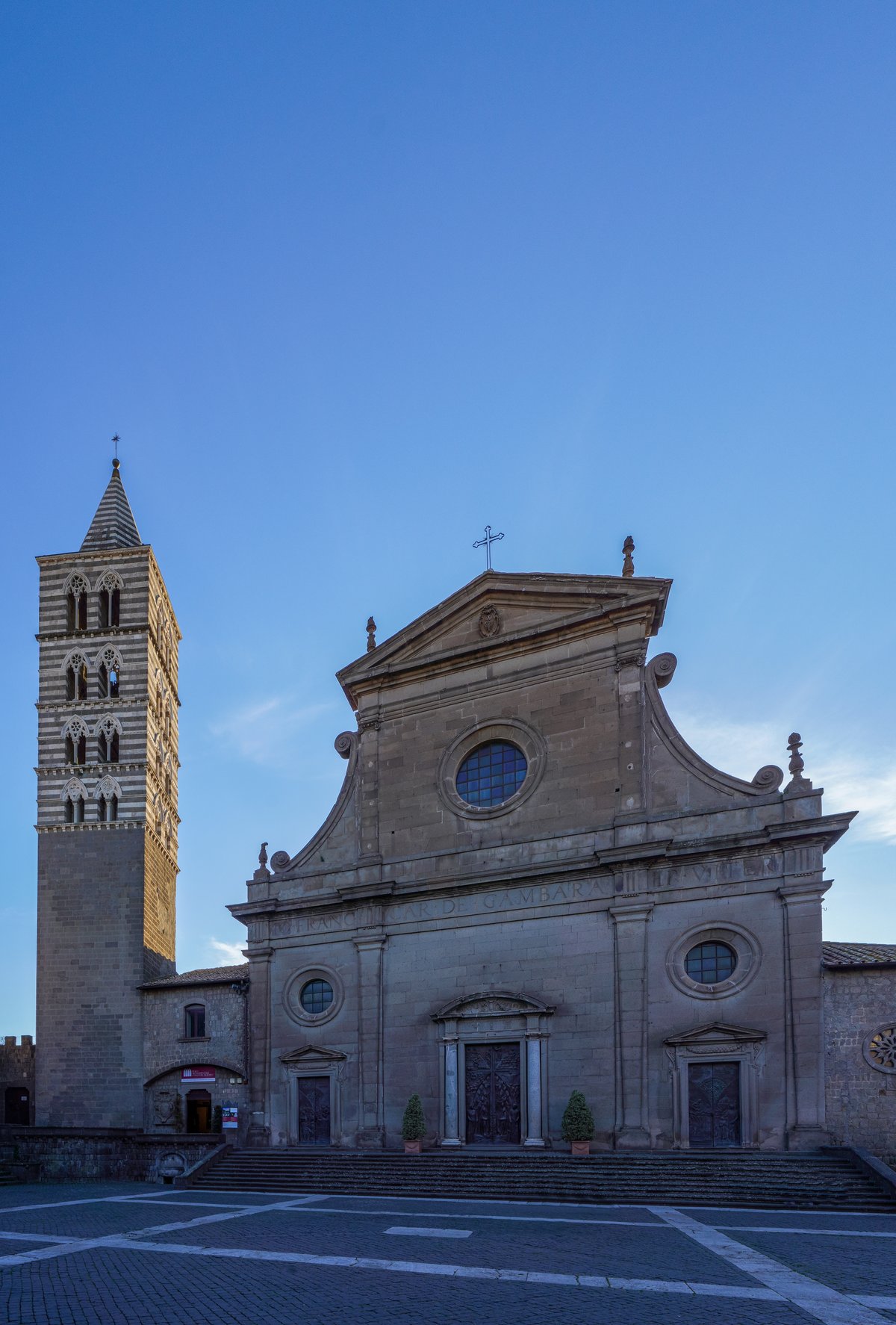 The St. Lawrence Cathedral dominates Piazza San Lorenzo with its Romanesque facade of grey peperino stone. You enter and immediately notice the contrast between the sober exterior and the Baroque interiors. The Gothic bell tower, 44 meters high, is a landmark visible from throughout the historic center. Inside, look for the 15th-century marble ciborium above the high altar and the 13th-century baptismal font. The Chapel of the Madonna della Carbonara preserves 14th-century frescoes that tell Marian stories. Descend into the crypt to see the recycled Roman columns and medieval capitals. The original Cosmatesque floor survives in parts, with colored marble tesserae. This is where the longest conclave in history took place in 1271, when the cardinals were deadlocked for 33 months. Today the cathedral is still an active place of worship, with daily masses. The 18th-century organ plays during solemn celebrations. The light filtering through the modern stained-glass windows creates plays of color on the marbles. Visit in the morning to enjoy the quiet, before the groups arrive.
St. Lawrence Cathedral
Villa Lante in Bagnaia
- Viterbo (VT)
- Open in Google Maps
- View on Google Images
 Villa Lante in Bagnaia, a hamlet of Viterbo, represents one of the most refined examples of an Italian garden from the 16th century. Designed by Jacopo Barozzi da Vignola for Cardinal Gianfrancesco Gambara, the villa stands out for its symmetrical architecture and the water features that characterize it. The complex is divided into two twin buildings, Palazzo Gambara and Palazzo Montalto, connected by a series of terraces and fountains. The Fountain of the Moors, with its sculptures of male figures, is among the most photographed. The gardens are organized on three levels, linked by staircases and pathways that guide visitors through a journey of discovery. The fish ponds, water games, and artificial grottoes create a magical atmosphere. The villa never had a proper hunting park, but its gardens were conceived as a place of leisure and contemplation. Today, it is possible to visit the interiors, although with limited access, and admire the frescoes decorating the rooms. The entrance ticket includes access to the gardens and, when available, to the noble floor rooms. We recommend checking the opening hours on the official website, as they may vary by season. Villa Lante is easily reachable by car from Viterbo, with parking nearby. Ideally, set aside at least an hour and a half to explore every corner at a leisurely pace.
Villa Lante
Basilica of San Francesco alla Rocca
- Piazza della Rocca, Viterbo (VT)
- Open in Google Maps
- View on Google Images
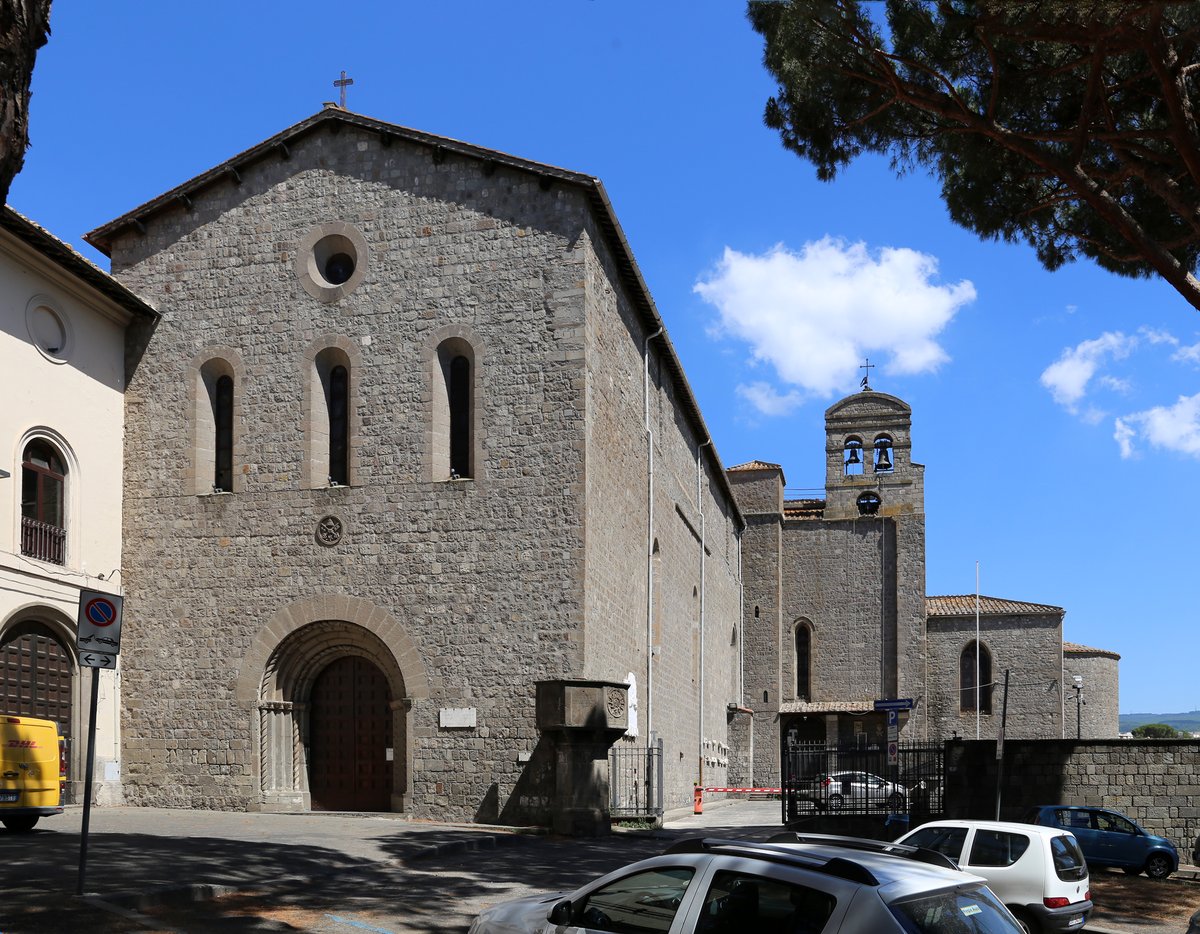 The Basilica of San Francesco alla Rocca stands majestically in the historic center of Viterbo, just steps away from the famous Papal Palace. Founded in 1237, this church represents one of the most significant examples of Franciscan architecture in Lazio. The Romanesque facade, sober and essential, conceals an interior that tells centuries of Viterbo's history. Upon entering, the perfectly preserved wooden truss ceiling immediately catches the eye, typical of mendicant order churches. To the right of the main altar lies the Mazzatosta Chapel, a true Renaissance jewel with frescoes attributed to Pastura. But it's in the crypt that the basilica reveals its most precious treasure: here rest the remains of Pope Clement IV, who died in Viterbo in 1268. The church's position, leaning against the city walls and close to the Albornoz Fortress, made it a strategic point in the city's religious and political life for centuries. Today, in addition to its liturgical function, the basilica occasionally hosts sacred music concerts that highlight the exceptional acoustics of the spaces. The visit is completed with the adjacent cloister, where silence invites contemplation.
Basilica of San Francesco alla Rocca
National Etruscan Museum Rocca Albornoz
- Piazza della Rocca 21/b, Viterbo (VT)
- https://www.polomusealelazio.beniculturali.it/index.php?it/174/museo-nazionale-etrusco-rocca-albornoz
- Open in Google Maps
- View on Google Images
- pm-laz@beniculturali.it
- +39 0761 325929
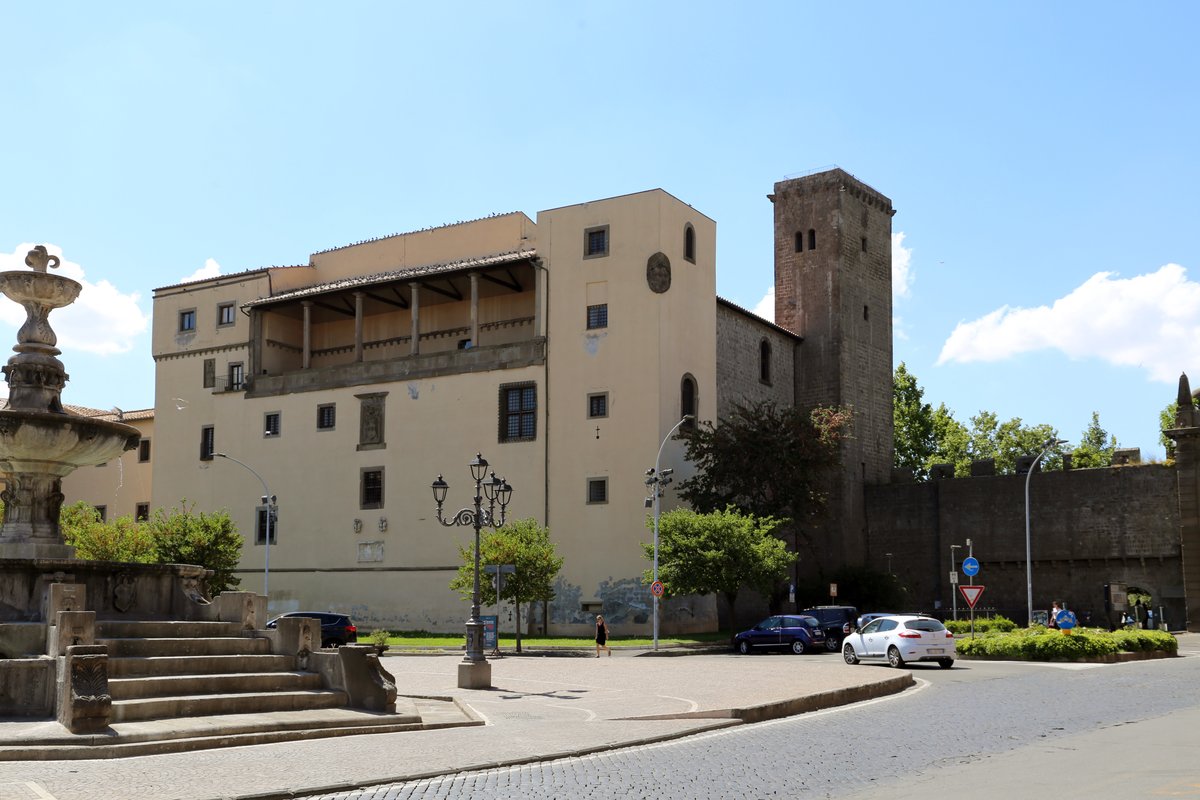 The National Etruscan Museum Rocca Albornoz welcomes you inside a 14th-century fortress, built at the behest of Cardinal Albornoz. The location itself is spectacular: climb the walls and enjoy the view over Viterbo. Inside, the Etruscan collection is rich with unique artifacts. Don't miss the funerary assemblages from local necropolises, with painted vases and everyday objects that tell ancient stories. The red-figure pottery and votive bronzes are among the most significant pieces. The museum is organized on multiple levels, with thematic rooms guiding you through the Etruscan civilization in the Viterbo area. Practical info: the ticket costs just a few euros, and there are often temporary exhibitions. Check the opening hours, as they can vary. The staff is available for any questions. A tip: also visit the nearby Basilica of San Francesco alla Rocca to complete your experience.
National Etruscan Museum Rocca Albornoz
Ferento
- Strada Ferento, Viterbo (VT)
- Open in Google Maps
- View on Google Images
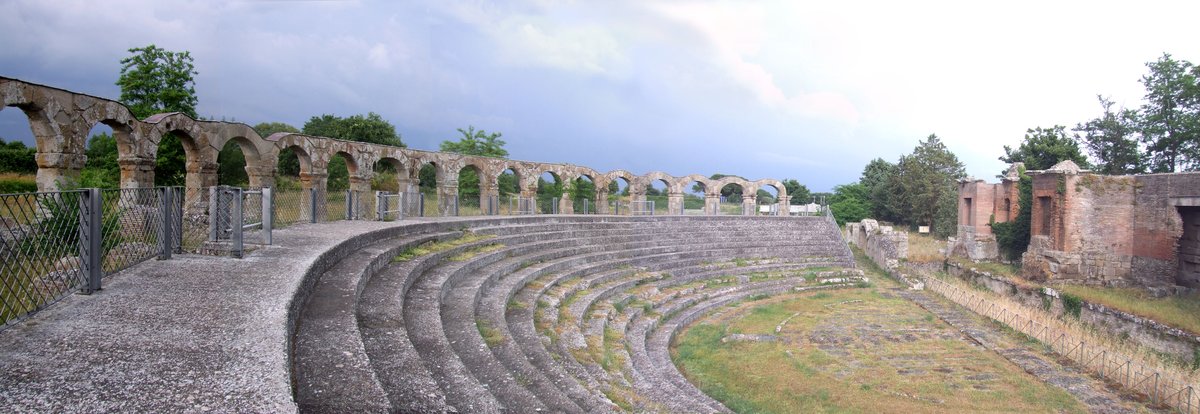 Ferento welcomes you with its imposing archaeological ruins that tell a thousand-year-old story. This site, just a few kilometers from Viterbo, was an important Etruscan center before becoming a thriving Roman city. Walking among the remains, you'll immediately notice the Roman theater, well-preserved and still used for summer performances. The cavea, carved into the hillside, offers a suggestive view of the surrounding countryside. Continue to the public baths, where you'll admire the polychrome mosaics and the hypocaust heating system. Don't miss the domus with its residential spaces and artifacts that testify to daily life of the era. Ferento was destroyed in 1172 by the people of Viterbo, but its ruins continue to evoke emotion. The site is easily accessible and ideal for a half-day visit. Bring water and comfortable shoes, as the terrain is uneven. The atmosphere is tranquil, far from tourist crowds. Here you'll breathe history unfiltered, among centuries-old olive trees and the silence that envelops every stone.
Ferento
San Martino al Cimino Abbey
- Piazza Nazionale, Viterbo (VT)
- Open in Google Maps
- View on Google Images
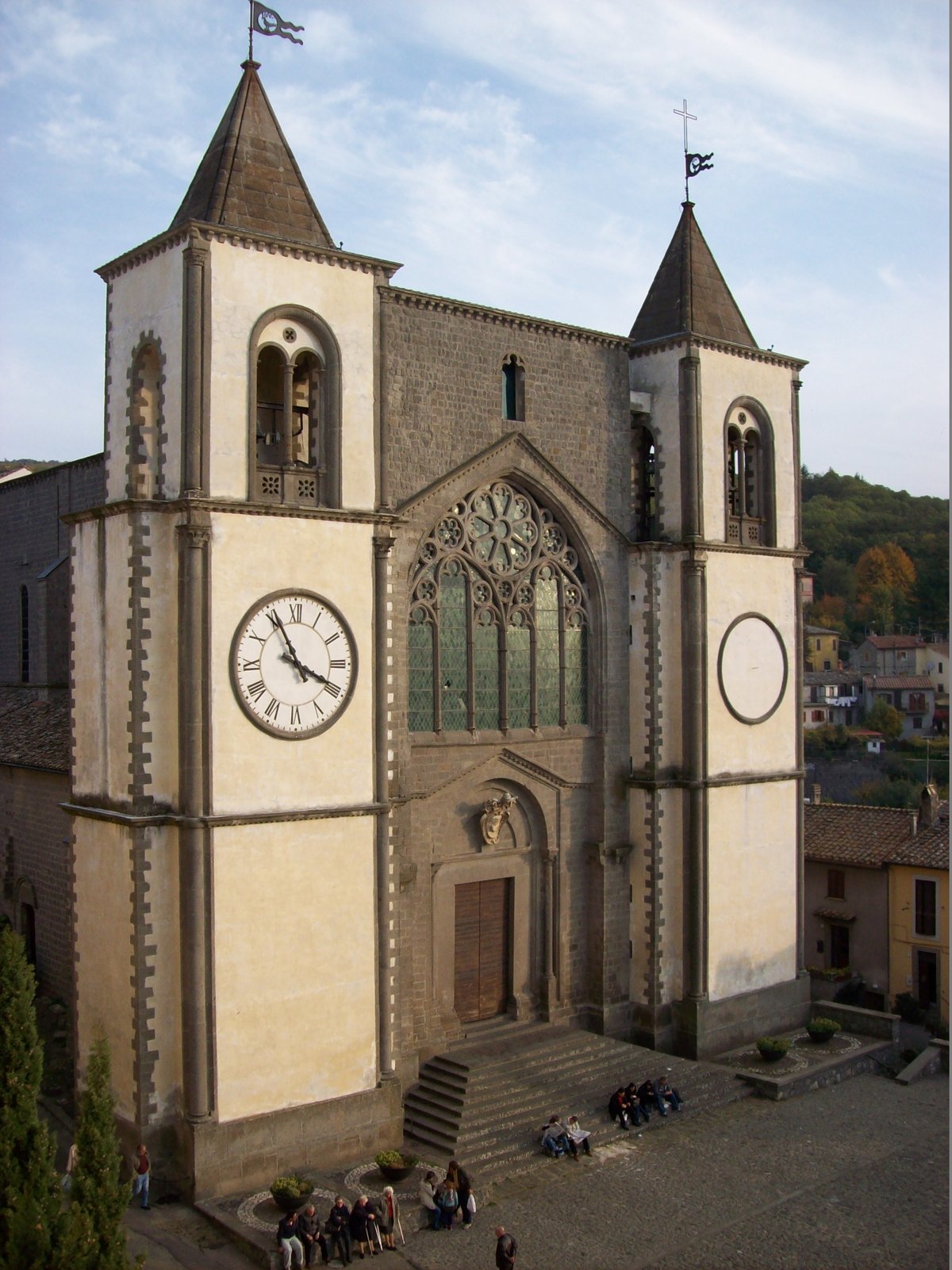 San Martino al Cimino Abbey welcomes you with its imposing Gothic facade that dominates the small village just a few kilometers from Viterbo. Founded in the 12th century by Cistercian monks, this monastic complex retains its medieval charm intact. Upon entering the church, you are immediately struck by the soaring naves and the atmosphere of contemplation, enhanced by the light filtering through the stained-glass windows. Look carefully at the central rose window, one of the oldest in Lazio, and the entrance portal with its sculpted reliefs. The cloister, although partially modified over time, maintains its original structure with pointed arches. The abbey's location is strategic: it stands along the ancient Via Francigena, testifying to the crucial role it played in welcoming pilgrims. Today, it remains an active place of worship, with masses celebrated regularly. Don't miss the crypt, accessible upon request, where you can breathe in the most authentic essence of monastic life. The surroundings offer walks through beech and chestnut woods, ideal for those seeking a moment of tranquility away from the city chaos. The abbey occasionally organizes sacred music concerts that enhance the natural acoustics of the spaces.
San Martino al Cimino Abbey
Cathedral Hill Museum
- Piazza San Lorenzo 10, Viterbo (VT)
- https://www.archeoares.it/museo-colle-del-duomo/
- Open in Google Maps
- View on Google Images
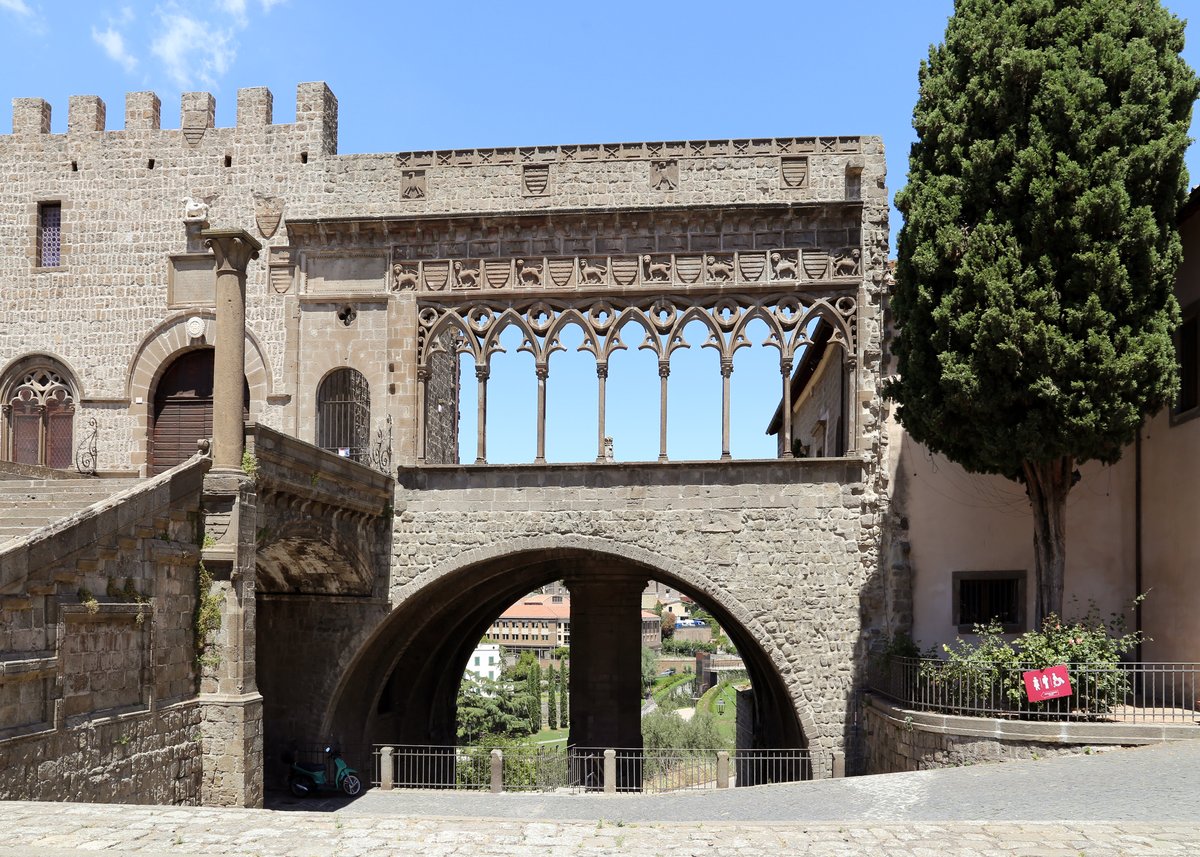 The Cathedral Hill Museum is located right next to the Cathedral of San Lorenzo, in one of the highest and most picturesque spots of the historic center. This museum houses sacred artworks from the cathedral and other city churches, offering a journey through Viterbo's religious and artistic history. Upon entering, you're welcomed by the Treasury Room with liturgical vestments, chalices, and reliquaries that bear witness to centuries of devotion. The collection includes embroidered altar frontals from the 18th century and sacred silverware of exquisite craftsmanship. Ascending to the first floor, admire the panel paintings from the Viterbo school, among which stands out a Madonna and Child attributed to Lorenzo da Viterbo. Particularly interesting is the section dedicated to medieval illuminated manuscripts, with codices that narrate the city's life during the papal period. From the museum's loggia, you can enjoy a panoramic view over the San Pellegrino district and the medieval walls. The tour concludes with the Chapel of Saint Catherine, where detached 15th-century frescoes are preserved. The museum is small but incredibly rich, perfect for a one-hour visit between art and spirituality.
Cathedral Hill Museum
San Silvestro
- Piazza del Gesù, Viterbo (VT)
- Open in Google Maps
- View on Google Images
 The Church of San Silvestro is located in the heart of the medieval San Pellegrino district, one of the best-preserved in Italy. Built in the 13th century, this Romanesque church retains its original charm intact. Look closely at the peperino facade, the volcanic stone typical of the area, which still shows the marks of time. The interior surprises with its simplicity: a single nave with pointed arches and few decorations, just as it would have appeared to the faithful of the Middle Ages. Don't miss the 14th-century fresco depicting the Madonna and Child, a rare example of medieval Viterbo painting still visible. The church is part of the Romanesque churches of Viterbo route and represents a fundamental piece for understanding the city's religious architecture. Its location, at the intersection of characteristic alleys, makes it a must-see stop during your visit to the district. Notice the details of the decorated capitals and the light filtering through the narrow windows, creating a suggestive atmosphere. San Silvestro is more than just a church: it's a journey through time that tells the story of medieval Viterbo through its essential and authentic architecture.
San Silvestro
Santa Maria Nuova
- Piazza Santa Maria Nuova, Viterbo (VT)
- Open in Google Maps
- View on Google Images
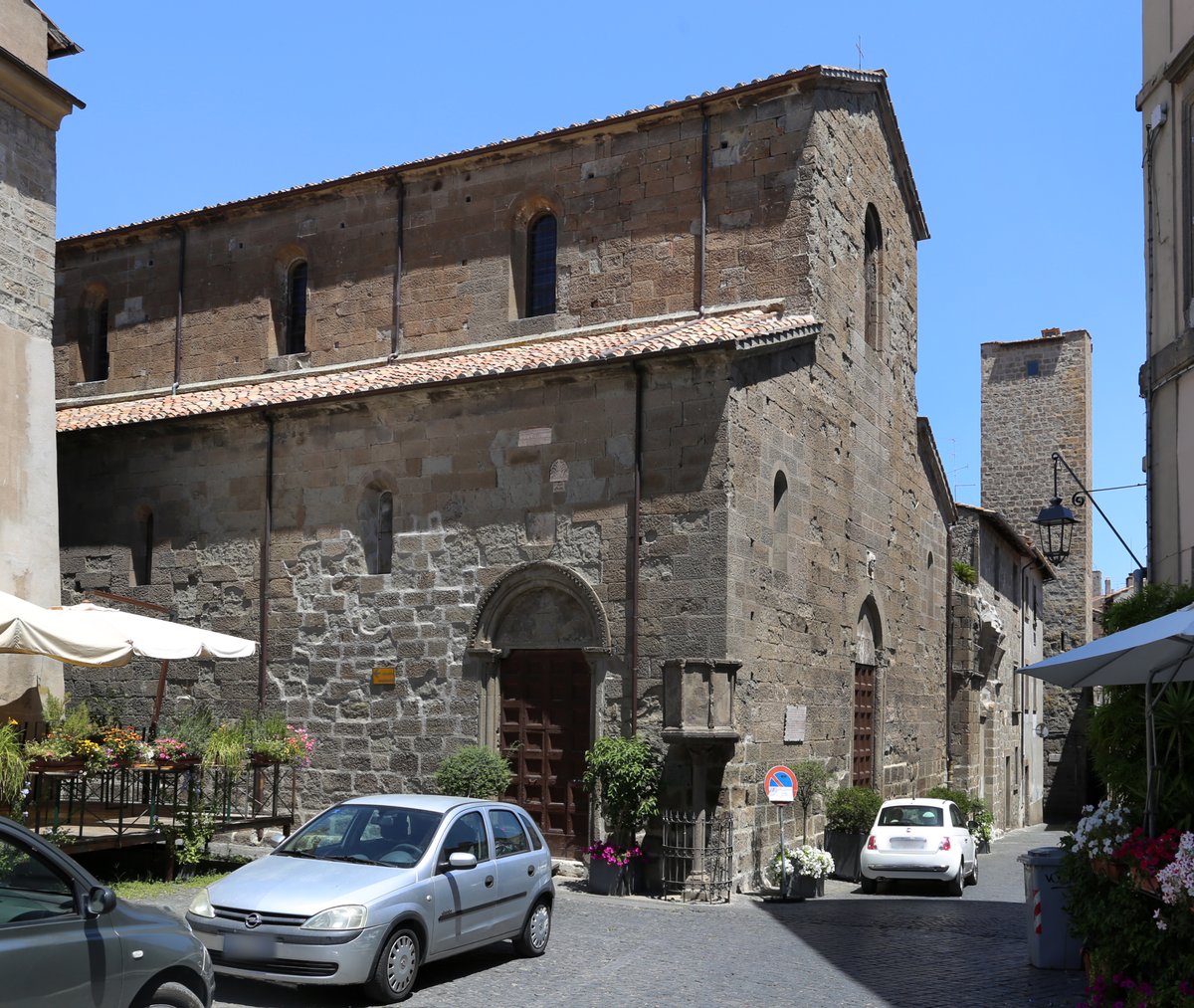 Santa Maria Nuova is located in the enchanting medieval district of San Pellegrino in Viterbo. The church dates back to the 12th century and represents an example of Romanesque architecture. Observe the facade made of local stone, with its central rose window and simple yet elegant portal. Inside, the atmosphere is intimate and serene. Look for the 14th-century frescoes adorning the walls, some recently restored. The bell gable is another characteristic detail. The church is active and occasionally hosts sacred music concerts. Its location in the San Pellegrino district allows you to combine your visit with a stroll through the cobblestone alleyways and tower houses. Admission is free. Check the opening hours, as they may vary. Santa Maria Nuova offers a moment of tranquility away from the crowds. It's a little-known but authentic gem.
Santa Maria Nuova
San Sisto
- Piazza San Sisto, Viterbo (VT)
- Open in Google Maps
- View on Google Images
 The church of San Sisto is located in the medieval district of San Pellegrino in Viterbo. Built in the 12th century, it features a Romanesque-style facade with a simple portal and a small rose window. Inside, the hall has a single nave, typical of churches from that period. The 14th-century frescoes depict sacred scenes, including a Madonna and Child. The bell gable is a distinctive element, visible from the narrow streets of the district. The church is linked to papal history: the 1271 conclave was held here. Today, it is an active place of worship and occasionally hosts cultural events. Admission is free, but it's advisable to check the opening hours. To reach it, simply walk along Via San Pellegrino, one of the best-preserved medieval streets in Viterbo. The silence and intimate atmosphere make San Sisto an ideal stop for those seeking a moment of peace away from the crowds.
San Sisto
Santa Rosa
- Via Santa Rosa, Viterbo (VT)
- Open in Google Maps
- View on Google Images
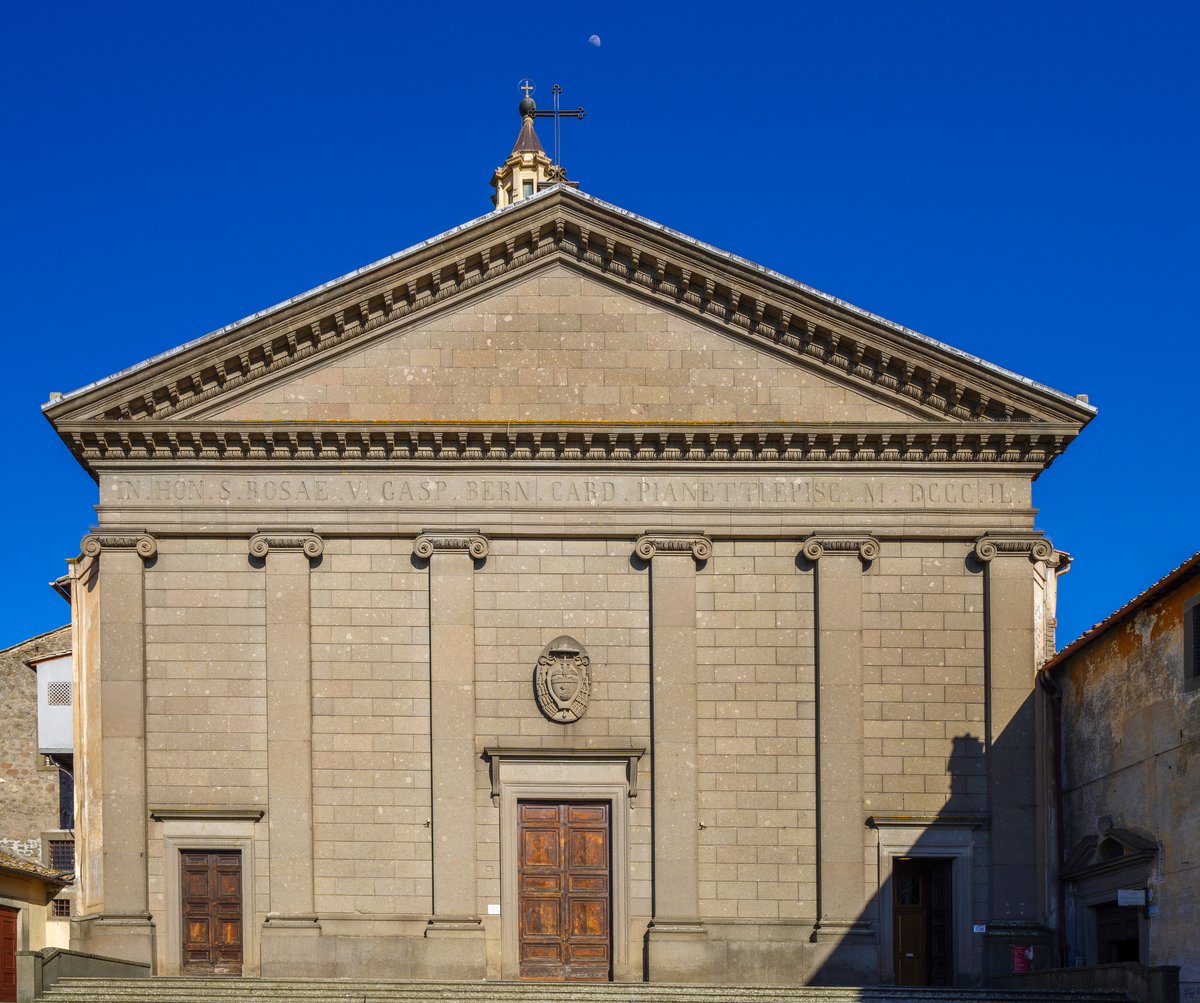 Santa Rosa is one of Viterbo's most significant sites. The church, dedicated to the city's patron saint, stands in the heart of the medieval San Pellegrino district. The incorrupt body of Santa Rosa is preserved in a crystal urn inside the church, a destination for devotional pilgrimages. The building, reconstructed in the 17th century over a previous medieval structure, features a Baroque façade made of peperino, the local stone. Inside, the frescoes by Giuseppe Passeri depicting the saint's life stand out. The Chapel of Santa Rosa, with its wooden statue of the saint, is the focal point of popular devotion. Every year on September 3rd, the Macchina di Santa Rosa, a towering 30-meter-high baldachin, is carried in procession through the city streets. This UNESCO-recognized event attracts thousands of visitors. The church is easily accessible on foot from the historic center. Admission is free, but it's advisable to check opening hours, especially during holidays. The adjoining convent, still inhabited by nuns, preserves artifacts related to the saint's life. Santa Rosa is not just a place of worship but an identity symbol for the people of Viterbo. Its history intertwines with that of the city, making the visit an authentic experience.
Santa Rosa
Santa Maria della Verità
- Via Lorenzo da Viterbo, Viterbo (VT)
- Open in Google Maps
- View on Google Images
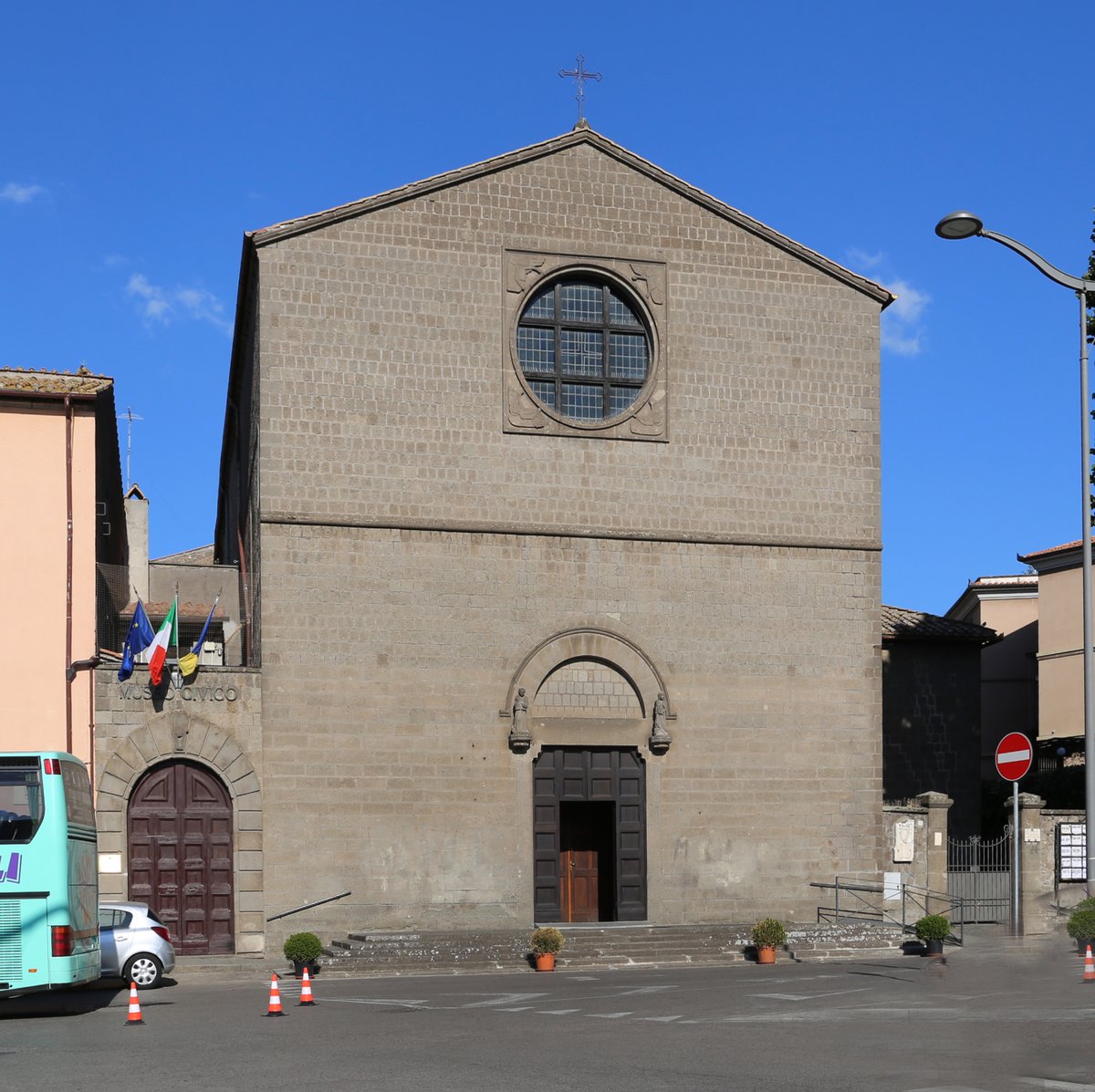 Entering the Church of Santa Maria della Verità means immersing yourself in a place of worship that holds centuries of Viterbo's history. The Romanesque facade, sober and imposing, conceals an interior rich with surprises. The fresco of the Madonna and Child from the 15th century immediately captures the eye with its vibrant colors and delicate brushstrokes. The Mazzatosta Chapel, created in the fifteenth century, is a masterpiece of Renaissance art with decorations that tell both sacred and secular stories. Look closely at the architectural details of the columns and capitals, evidence of the skill of local craftsmen. The church stands in the medieval district of San Pellegrino, just steps from the Papal Palace, making it a must-see stop for anyone exploring the historic center. The intimate and silent atmosphere invites contemplation, away from the crowds of more touristy spots. Don't miss the adjacent cloister, where time seems to have stood still among the stone pathways and lush greenery. Santa Maria della Verità is not just a monument, but a journey into the art and spirituality of Tuscia.
Santa Maria della Verità
Santa Maria del Suffragio
- Corso Italia, Viterbo (VT)
- Open in Google Maps
- View on Google Images
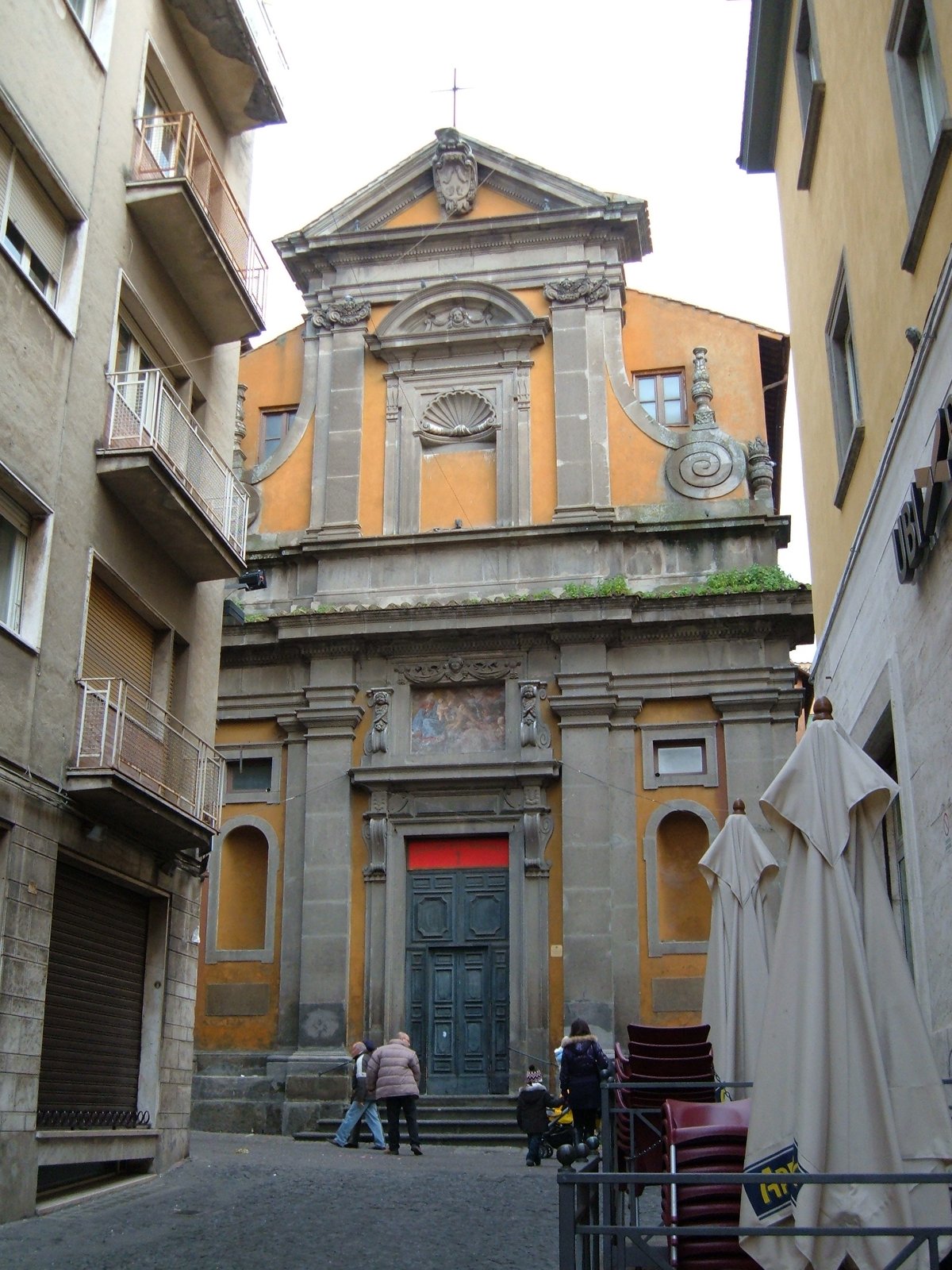 Santa Maria del Suffragio is located in Piazza del Plebiscito, the beating heart of Viterbo. The church was built in 1629 at the behest of the Compagnia della Morte, a confraternity dedicated to burying those condemned to death. The building stands out for its Baroque facade made of peperino, the local stone, and for the majolica dome that dominates the city skyline. Upon entering, you'll immediately notice the main altar in polychrome marble, created by Francesco Rosa in the 18th century. To the right, the Cappella del Crocifisso houses a 15th-century wooden crucifix, an object of particular devotion. The church is known for the sculptural group of the Pietà by Francesco Mochi, a renowned artist who also worked on St. Peter's Basilica. Observe the details: the stuccoes, the frescoes on the vaults, and the original terracotta floor. Santa Maria del Suffragio is a little-known gem, but well worth a visit for its history and the art it preserves. Open every day, admission is free. I recommend also accessing the sacristy, where sacred vestments and ancient documents are displayed.
Santa Maria del Suffragio
St. Thomas Fountain
- Piazza della Morte, Viterbo (VT)
- Open in Google Maps
- View on Google Images
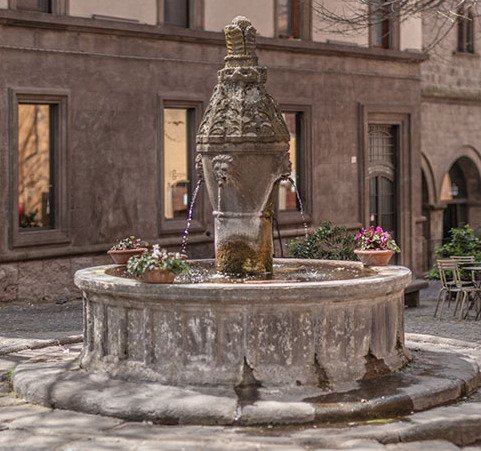 The St. Thomas Fountain is located in the charming medieval San Pellegrino district, just steps away from the famous San Pellegrino Square. Built in the 13th century, this fountain represents one of the finest examples of medieval hydraulic architecture in Viterbo. The structure features a rectangular basin made of peperino, the typical local stone, with two bronze spouts that continuously flow with fresh, drinkable water. Notice the details: the papal coats of arms carved on the back wall testify to the importance of this water source for the daily life of the neighborhood. The fountain was indeed a gathering place for residents who would draw water and wash clothes here. Today it's perfect for a refreshing stop while exploring the district. Note how the water flows constantly, keeping alive the tradition of Viterbo's public fountains. The location is strategic: you're just meters away from the Palazzo degli Alessandri and the Church of San Pellegrino. Take advantage of the proximity to also visit the Fountain of Death, another medieval gem. In the evening, the lighting enhances the dark stone, creating a magical atmosphere. Remember that this fountain, like many in Viterbo, is still functioning and the water is safe to drink. Bring a bottle to fill: it will be a lovely souvenir of the city.
St. Thomas Fountain