San Vincenzo al Volturno Abbey: Carolingian Frescoes and Lombard Monastery

The Abbey of San Vincenzo al Volturno is an 8th-century Lombard monastic site, home to some of Italy’s oldest Carolingian frescoes. The archaeological complex includes the basilica, cloister, and workshops, set within the rural Molise landscape.

  • Unique Carolingian frescoes in the Crypt of Epiphanius, dated 824-842
  • Archaeological area with a 70-meter basilica, cloister, and medieval workshops
  • Founded in 703 AD, visited by Charlemagne in 787
  • Secluded location in the Volturno Valley, away from mass tourism

Copertina itinerario San Vincenzo al Volturno Abbey: Carolingian Frescoes and Lombard Monastery
Visit the ancient Benedictine abbey founded in 703 AD, featuring unique Carolingian frescoes in the Crypt of Epiphanius and an archaeological area showcasing medieval monastic life.

Good to know


Introduction

The Abbey of San Vincenzo al Volturno welcomes you with its majestic millennial presence nestled in the tranquility of the Volturno Valley. Upon arrival, you’ll be struck by the atmosphere of peace that envelops this monastic complex, where time seems to have stood still. The imposing stone ruins stand out against the green backdrop of the Molise mountains, creating a visual contrast that immediately captures your attention. Walking among the remains of the ancient monastery, you feel the weight of history these walls have preserved for over twelve centuries. The isolated location, far from urban chaos, makes the visit an almost meditative experience, perfect for those seeking an authentic connection with the past. The abbey is not just a monument to observe, but a place to experience, where every stone tells stories of monks, emperors, and pilgrims who shaped the history of medieval Europe.

Historical Overview

Founded in 703 AD by three Beneventan nobles, the abbey quickly became one of Europe’s most important cultural centers, rivaling Montecassino in prestige and wealth. By the 9th century, it housed over 300 monks and owned lands throughout Italy. Its fame was such that Charlemagne himself visited in 787, granting special privileges. The most dramatic moment came in 881, when the Saracens sacked and destroyed most of the complex, forcing the monks to flee. The rebirth occurred in the 12th century with the construction of the new church, but decline was inevitable after the Napoleonic suppressions. Today, archaeological excavations have uncovered unique frescoes such as the Crucifixion in Epiphanius’s crypt, masterpieces of Carolingian art.

  • 703 AD – Foundation of the abbey
  • 787 – Charlemagne’s visit
  • 881 – Saracen destruction
  • 12th century – Reconstruction
  • 1807 – Napoleonic suppression

The Crypt Frescoes

The true gem of the abbey is the Crypt of Epiphanius, an underground space preserving one of the most important pictorial cycles of the early Italian Middle Ages. The frescoes, dating between 824 and 842, display a rare blend of Byzantine and Carolingian influences, with vividly colored figures depicting biblical stories and saints’ lives. Particularly moving is the Crucifixion scene, where Christ is portrayed with poignant realism, surrounded by angels and saints. The painting technique, using precious pigments like lapis lazuli, attests to the abbey’s wealth and cultural sophistication. The crypt, accessible via a staircase carved into the rock, offers an intimate and secluded atmosphere that amplifies the emotional impact of the artworks. These frescoes represent a unique testimony to early medieval painting in Italy.

The Archaeological Area

Walking through the archaeological area of the abbey means embarking on a journey through the centuries, among remains that tell the story of medieval monastic life. Recent excavations have uncovered the entire layout of the Carolingian monastery, including the 70-meter-long main basilica, the cloister, workshops, and monks’ cells. Particularly fascinating is the water channeling system, which demonstrates the advanced hydraulic engineering of the time. Among the most significant finds are the mosaic pavements with geometric patterns and the funerary inscriptions that reveal the names and origins of the monks. The organization of the spaces follows the Benedictine Rule, with separate areas for prayer, work, and communal life. Every corner reveals surprising details, such as the bread ovens and the vats for dyeing parchment.

Why Visit It

Three concrete reasons make this abbey unmissable: first, the Carolingian frescoes in the crypt are among the best preserved in Italy and represent a unique feature in the national artistic landscape. Secondly, the completeness of the archaeological site allows for a full understanding of the organization of a large medieval monastery, from the basilica to the productive areas. Finally, the isolated location in the valley guarantees an atmosphere of authentic peace, away from mass tourism, ideal for a contemplative visit. The attached museum completes the experience with original artifacts that help contextualize the daily life of the monks.

When to Go

The best time to visit the abbey is in the early morning hours, when the low-angled sunlight enhances the colors of the stones and creates evocative shadow plays among the ruins. The Volturno Valley, sheltered by the mountains, enjoys a unique microclimate that makes visits pleasant even during the shoulder seasons. Avoid days of heavy rain, as some archaeological areas may be less accessible. Late spring is ideal for fully enjoying the surrounding landscape, with flowering meadows framing the ancient walls.

In the Surroundings

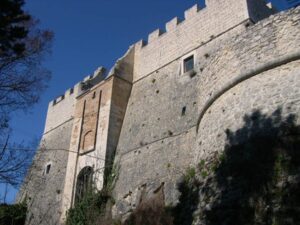
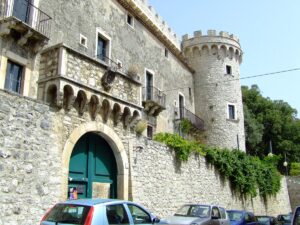
Complete your experience with a visit to the Castle of Rocchetta a Volturno, perched on the hill overlooking the valley, with its Norman tower and perfectly preserved medieval alleys. Not far away, the Abruzzo, Lazio and Molise National Park offers trails through ancient beech forests and the chance to spot deer and chamois. For an authentic food and wine experience, stop at one of the local farms producing caciocavallo di Agnone, a DOP cheese from Molise tradition.

Itineraries nearby


💡 Did You Know…?

Legend has it that the monks, during the Saracen invasion of 881, hid the abbey’s treasure in a secret place never found. Excavations have uncovered a necropolis with tombs of monks and Lombard nobles, testifying to the site’s importance as a spiritual and political center. The fresco of Saint Vincent in the crypt is considered one of the rare examples of Carolingian painting in Italy.