
UNESCO Heritage
Italian sites recognized by UNESCO.

Vercelli: 2-Day Itinerary Among Rice Fields, 3 Castles, and Lucedio Abbey
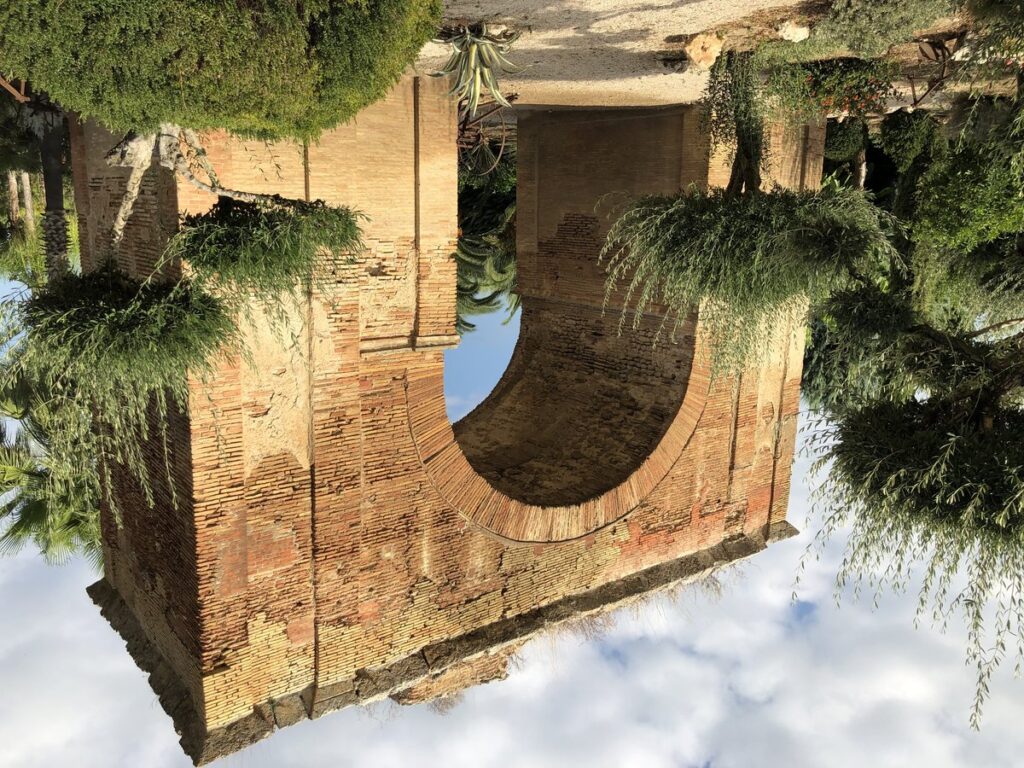
Trajan’s Arch Canosa: 2nd Century White Marble Along the Ancient Via Traiana
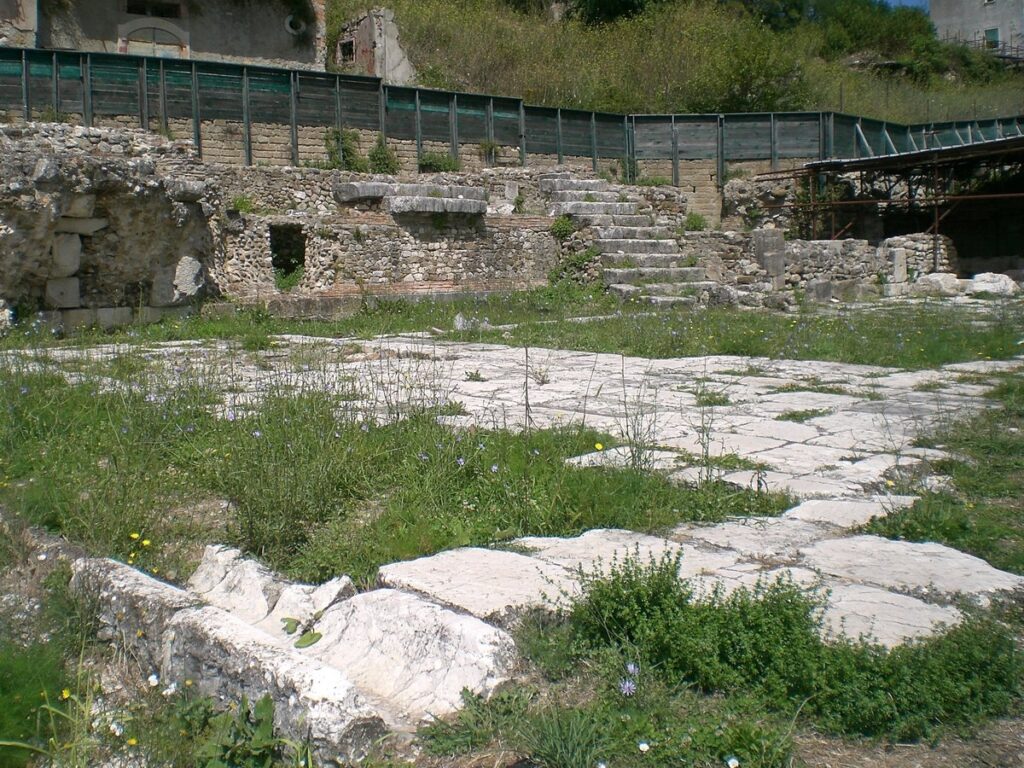
Compsa: Roman Cisterns and Irpinian Forum with Views of the Ofanto Valley

Cornus-Columbaris: Paleochristian Basilica with Mosaics and Punic Necropolis
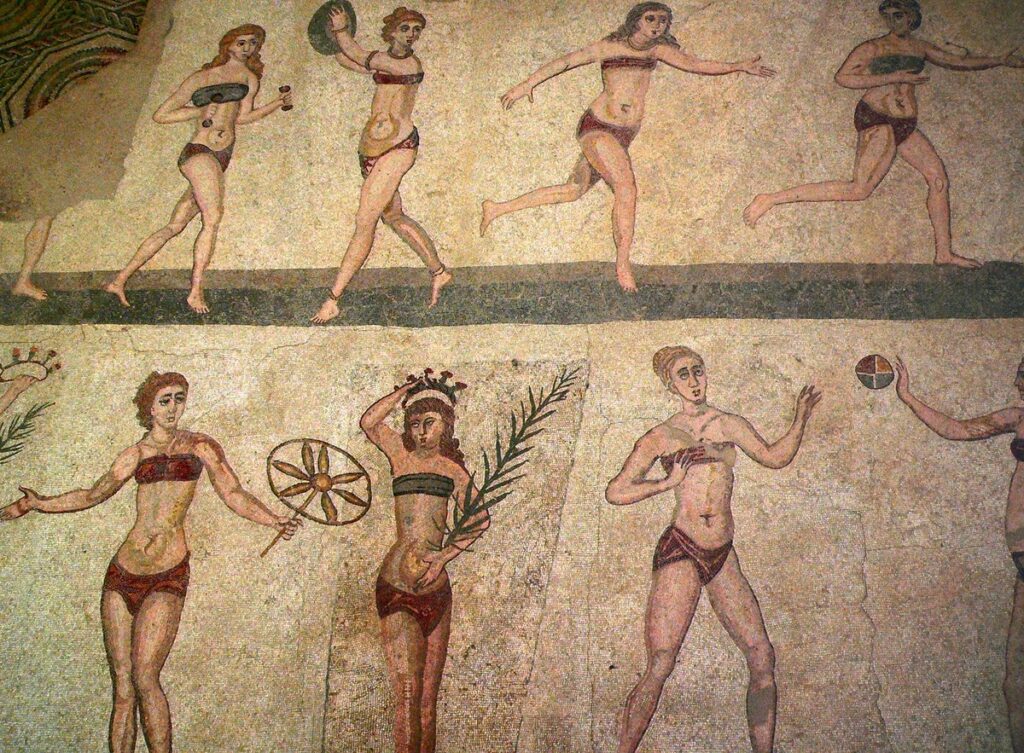
Villa Romana del Casale: 3,500 m² of perfectly preserved Roman mosaics
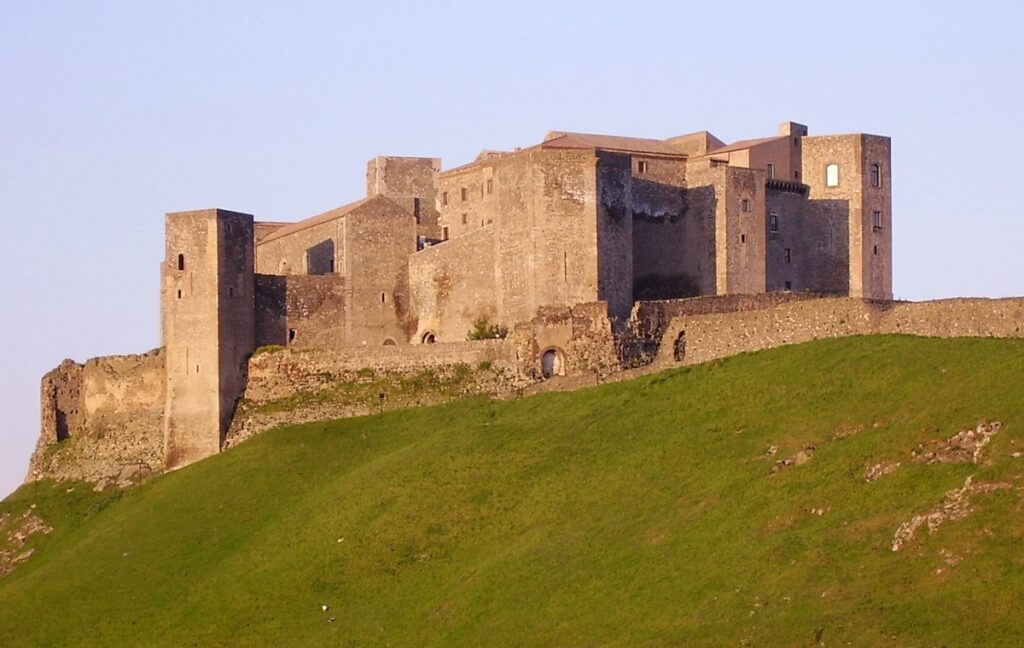
Melfi Castle: Norman fortress with archaeological museum and panoramic views
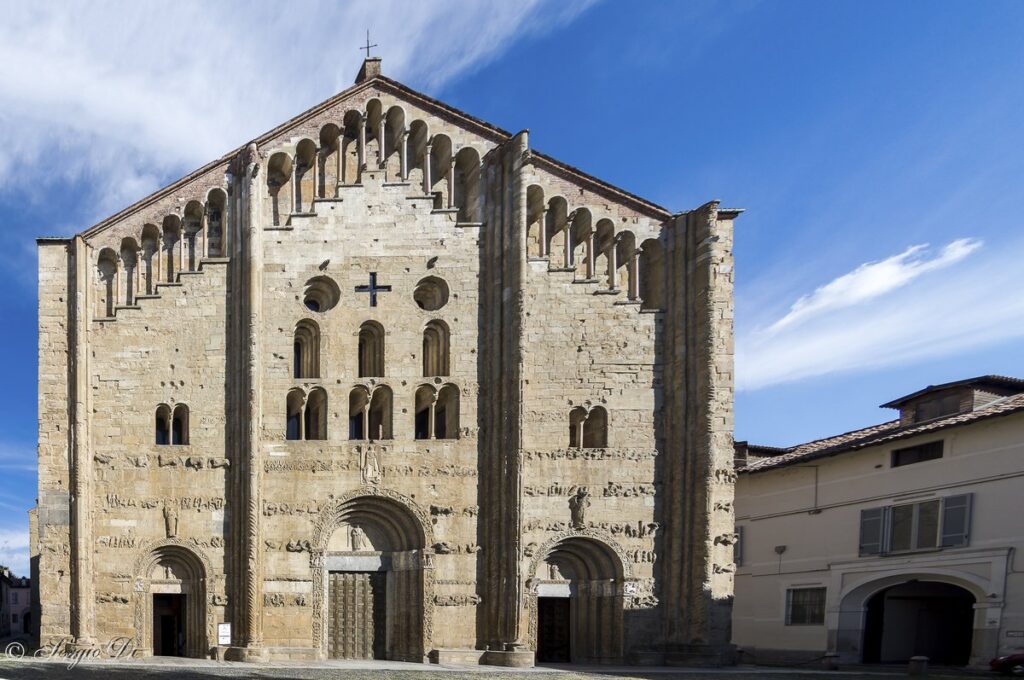
Pavia in 1 Day on Foot: 8 Stops from Romanesque to the Ticino with Map

Saepinum: Ancient Roman City with Walls, Forum, Baths and Theater in Molise

Roman Theater of Saepinum: Intact Cavea for 3,000 Spectators and Perfect Acoustics
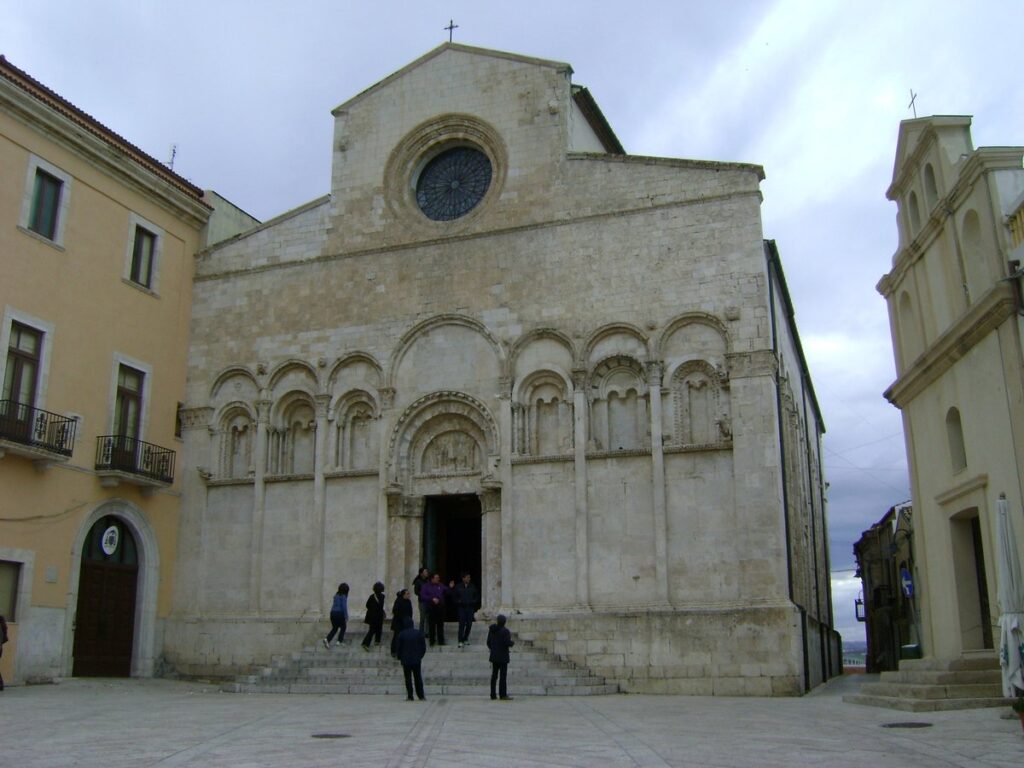
Termoli Cathedral: 12th-century crypt and Adriatic Sea view

Gibil Gabib: Prehistoric Rock-Cut Tombs and Sicilian Panoramas
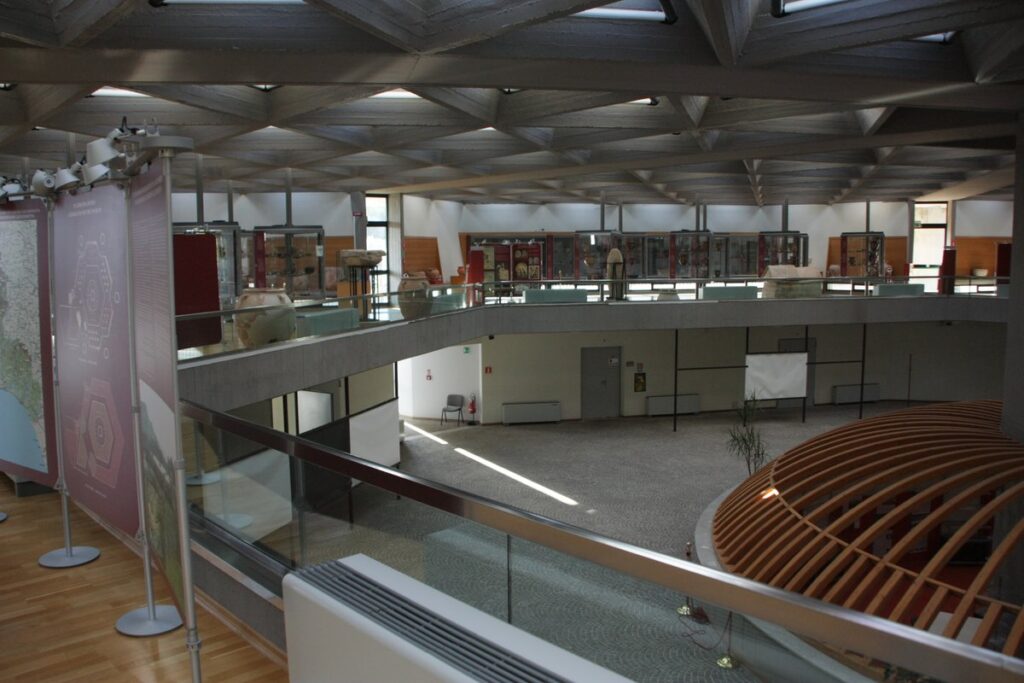
Caltanissetta Archaeological Museum: Greek Vases and Sabucina Treasures
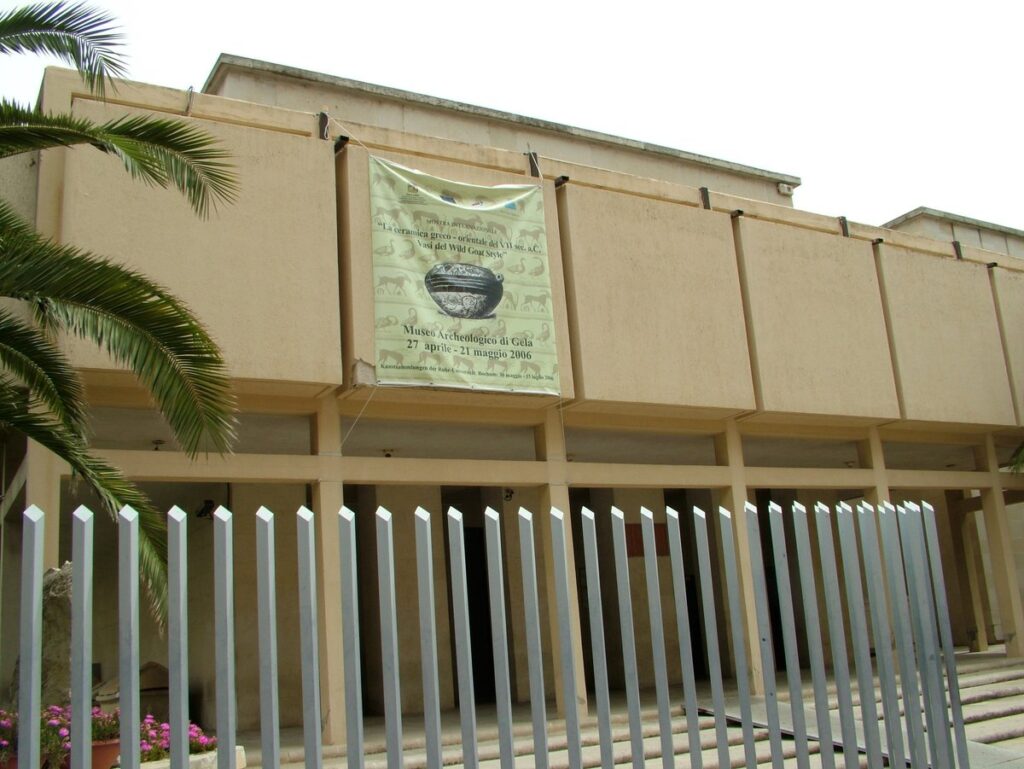
What to See in Caltanissetta: 15 Stops Among Greek Sites, Castles, and Mines

What to see in Caltanissetta: 7 stops among castles, museums, and archaeological sites

Bessa Gold Ecomuseum: Ancient Roman Mine with 10-Meter-High Pebble Mounds

Caltanissetta: A 2-Day Archaeological Itinerary Between Sicanian Sites and Medieval Castles
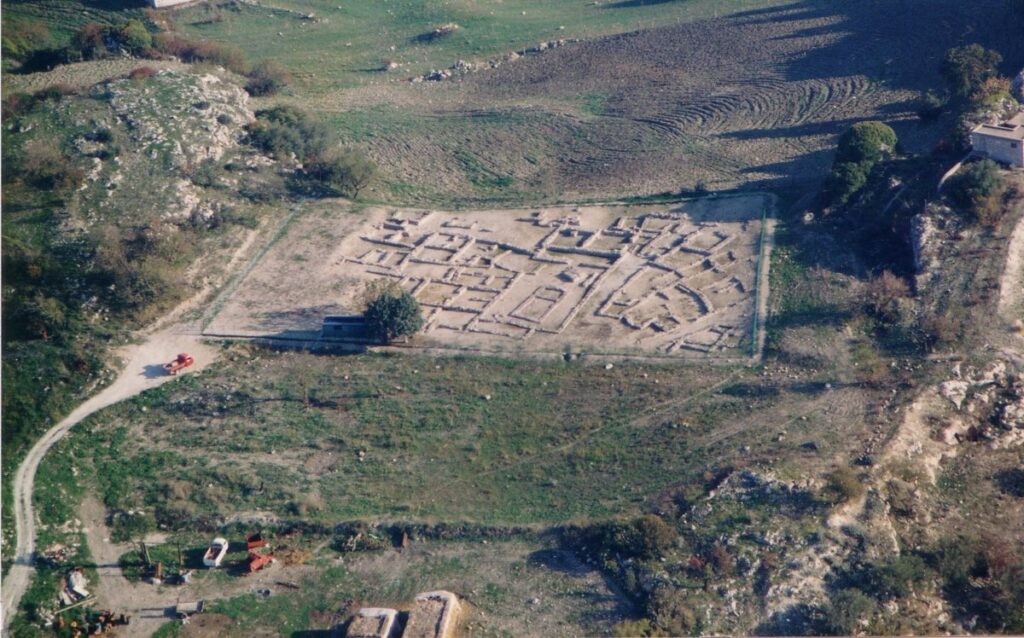
Vassallaggi: Reconstructed Huts and Sican Necropolis in San Cataldo
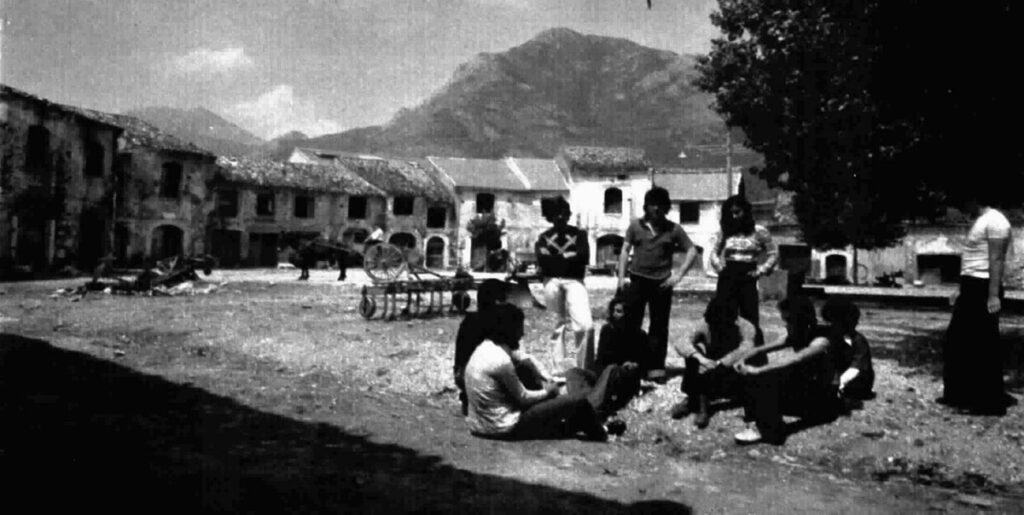
Verlascio Amphitheatre: 1st-century Roman arena among ancient olive groves in Molise