Verlascio Amphitheatre: 1st-century Roman arena among ancient olive groves in Molise

The Verlascio Amphitheatre in Venafro is a Roman archaeological gem from the 1st century AD that emerges among the ancient olive groves of Molise, offering an authentic experience away from the crowds. Built by exploiting the natural slope of the hill, the arena could accommodate about 3,000 spectators for gladiatorial shows.

  • 1st-century Roman arena perfectly preserved with limestone seating tiers and perimeter ambulatory
  • Unique integration with the active rural landscape, surrounded by ancient olive groves producing DOP oil
  • Completely free access without closing hours, visitable at any time
  • Exceptional panoramic view of Venafro, Pandone Castle and the Matese mountains from the upper cavea

Copertina itinerario Verlascio Amphitheatre: 1st-century Roman arena among ancient olive groves in Molise
1st-century AD Roman arena perfectly integrated into the Venafro rural landscape. Free access, panoramic view of Venafro and Pandone Castle, surrounded by olive groves producing DOP oil.

Good to know


Introduction

Arriving at the Verlascio Amphitheatre in Venafro is like discovering a well-kept secret. This Roman jewel emerges among the centuries-old olive groves of Molise, with the Matese mountains forming a majestic backdrop. It’s not a crowded tourist site, but a place where time seems to have stood still. Walking among its limestone seating tiers makes you feel the echo of the gladiators who once fought here. The unique feature? The amphitheatre integrates perfectly with the surrounding agricultural landscape, creating a striking contrast between ancient history and contemporary rural life. You’ll see farmers working the olive groves right beside the Roman walls – an image that tells centuries of history without needing words.

Historical Overview

The Verlascio Amphitheatre dates back to the 1st century AD, built when Venafro was an important Roman municipium. The city, already famous for its olive oil celebrated by classical authors, chose to build this arena for gladiatorial games and venationes (animal hunts). The structure could accommodate approximately 3,000 spectators, a significant number for that era. The construction techniques used are typical of Republican Roman architecture, with perfectly squared blocks of local stone. During the Middle Ages, some of the stones were repurposed for other constructions, but the main structure miraculously survived.

  • 1st century AD: Construction of the amphitheatre during the imperial era
  • Middle Ages: Partial dismantling and reuse of materials
  • 20th century: First excavation campaigns and enhancement efforts
  • 2000s: Consolidation and safety improvement works

Architecture That Speaks

What immediately strikes you is how the amphitheatre was built by taking advantage of the natural slope of the hill. Here the Romans demonstrated all their engineering prowess, partially excavating into the rock and constructing only what was necessary. The ellipse measures approximately 90×70 meters and still perfectly preserves the perimeter ambulatory and part of the seating tiers. Looking closely at the stone blocks, you’ll notice the holes for the metal clamps that held them together – a technical detail that speaks to Roman construction precision. The cavea was divided into three sections, with separate entrances for different social classes. Today you can still identify the vomitoria, the passageways through which spectators accessed the seating areas.

The Rural Context

The amphitheater is not an isolated monument but lives in symbiosis with the surrounding territory. It is surrounded by centuries-old olive groves that still produce the DOP olive oil of Venafro, the same oil the Romans considered among the finest in the empire. During the visit, you can often hear the calls of farmers working among the trees, creating an auditory bridge between past and present. The unique aspect is that there are no intrusive fences: the site is freely accessible and blends seamlessly with the agricultural landscape. In winter, when the olive trees are bare, the view of the amphitheater becomes even more evocative. In spring, however, the blossoming of the fruit trees creates a colorful carpet around the ancient stones.

Why Visit

Three compelling reasons will convince you to stop here. First: it’s one of the few Roman amphitheaters perfectly integrated into an active rural setting, not a sterilized archaeological area. Second: access is completely free with no closing hours – you can visit whenever you want and stay as long as you wish. Third: from the upper cavea you get an exceptional panoramic view of Venafro, with Pandone Castle dominating the hill and the Matese mountains in the background. Plus, not being a mass-tourism site, you can enjoy it in peace, perhaps sitting on the ancient steps for a picnic with local products.

When to Go

The best time is early afternoon, when the sun perfectly illuminates the steps creating enchanting light displays. Avoid midday hours during summer, when the heat can be intense. As for seasons, autumn is magical: the surrounding olive groves are laden with ripe olives and the crisp air makes the visit particularly pleasant. Late spring, when the countryside is in full bloom, also offers unforgettable atmospheres. In winter, if there’s a light snowfall, the ancient stones take on a fairytale appearance.

In the Surroundings

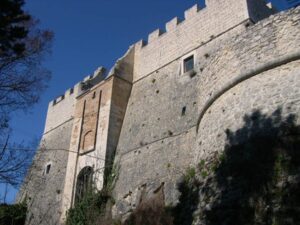
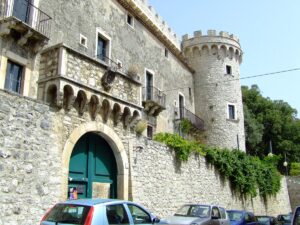
Complete your visit with Pandone Castle, just a few minutes’ walk in Venafro’s historic center. This medieval fortress transformed into a national museum houses unique life-size horse frescoes from the 16th century. For an authentic food and wine experience, stop at one of the local olive mills to sample Venafro’s DOP olive oil, the same that made the city famous in Roman times. If you have time, head to the Venafro Thermal Baths, where you can immerse yourself in the same healing waters cherished by the ancient Romans.

Itineraries nearby


💡 Did You Know…?

Here you can still breathe the echo of the gladiators who fought for the Venafran public. The unique aspect? The amphitheatre stands on a previous Samnite settlement, testifying to the historical stratification of the place. During excavations, artefacts emerged that tell of daily Roman life, now preserved in the Venafro Archaeological Museum. The view of the surrounding mountains makes the visit a unique experience, where history and nature blend perfectly.