
🧭 What to Expect
- Ideal for history and archaeology enthusiasts, away from mass tourism.
- Highlights: Norman castle with panoramic view, archaeological and mineralogical museums with unique artifacts.
- Includes prehistoric archaeological sites (Sabucina, Gibil Gabib) and historical monuments from the twentieth century.
- Offers an interactive map with all locations to plan the itinerary.
Events nearby


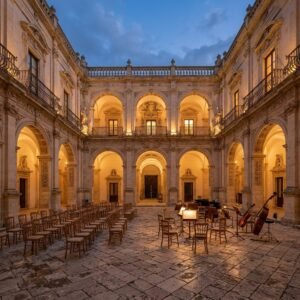
Caltanissetta is not just the provincial capital, but a crossroads of history and culture in the heart of Sicily. Here Sicilian archaeology blends with medieval heritage and the important mining tradition. Pietrarossa Castle dominates the city from above, a witness to the Norman past, while the archaeological sites of Sabucina and Gibil Gabib tell the story of ancient Sicilian civilizations. The Archaeological Museum preserves unique artifacts from the territory, while the Mineralogical Museum documents the richness of the Nissen subsoil. The city monuments, such as the one to the Redeemer and to the Fallen, complete the journey between art and memory. An authentic destination, away from mass tourist flows.
Overview
Itineraries nearby


Pietrarossa Castle
- Via Castello Di Pietrarossa, Caltanissetta (CL)
- Open in Google Maps
- View on Google Images
 Pietrarossa Castle dominates Caltanissetta from the top of a rocky hill, offering a breathtaking view of the city and the surrounding valley. Probably built during the Norman period between the 11th and 12th centuries, the castle takes its name from the distinctive reddish hue of the rocks on which it stands. Today it appears as a fascinating complex of medieval ruins that tell centuries of Nisseno history. The original structure included three main towers connected by defensive walls, of which imposing remains still stand today, allowing visitors to imagine its ancient splendor. The castle's strategic position was no accident: it controlled the communication routes between the inland areas and the coast, representing a privileged observation point for territorial control. When visiting the site, you can still recognize the remains of the palatine chapel and the ancient cisterns for collecting rainwater. The visit route winds through the ruins, allowing you to appreciate the majesty of the perimeter walls and the architectural complexity of the building. The best time to visit is at sunset, when the warm sunlight enhances the reddish color of the stones and creates evocative atmospheres. Access to the castle is free and the site is always open, although some areas require attention due to the presence of steep sections. Bring your camera: the 360-degree panoramas of Caltanissetta and the surrounding countryside are worth the climb alone.
Pietrarossa Castle
Archaeological Museum of Caltanissetta
- Go to the page: Caltanissetta Archaeological Museum: Greek Vases and Sabucina Treasures
- Via Santo Spirito, Caltanissetta (CL)
- Open in Google Maps
- View on Google Images
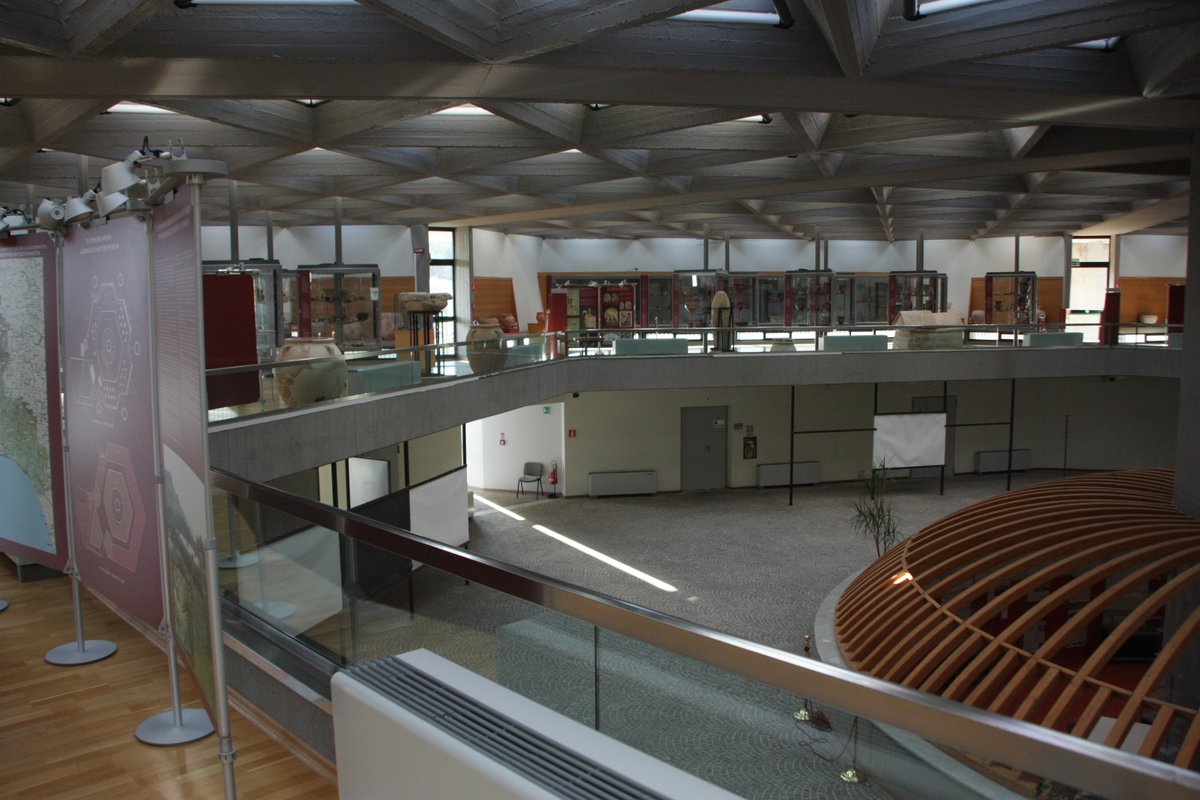 The Archaeological Museum of Caltanissetta is an unmissable stop for anyone wanting to discover the most ancient roots of central Sicily. Housed in the former Benedictine monastery of Santo Spirito, the museum welcomes you in a suggestive atmosphere where history and architecture blend seamlessly. The permanent collection spans two floors and tells the story of the Nisseno territory's evolution from prehistory to the medieval age. On the ground floor, the artifacts from the Sabucina and Gibil Gabib necropolises stand out—two important archaeological sites in inland Sicily. Here you'll admire Corinthian vases, indigenous ceramics, and everyday objects that testify to the exchanges between the Sicanian populations and Greek colonists. Ascending to the first floor, the section dedicated to the classical age will surprise you with the treasures of Vassallaggi, including splendid Attic red-figure vases. Particularly fascinating is the reconstruction of a chamber tomb with its complete funeral assemblage. Don't miss the room dedicated to the Castle of Pietrarossa, where artifacts discovered during excavations of the medieval fortress are displayed. The museum regularly organizes themed guided tours and educational workshops for schools and families. The modern layout and clear labels make the visit accessible to everyone, even those who aren't archaeology experts. A tip: allow at least an hour and a half to fully appreciate each section.
Archaeological Museum
Caltanissetta Mineralogical Museum
- Go to the page: Caltanissetta Mineralogical Museum: Complete Collection of Sicilian Sulfur Minerals
- Viale della Regione, Caltanissetta (CL)
- Open in Google Maps
- View on Google Images
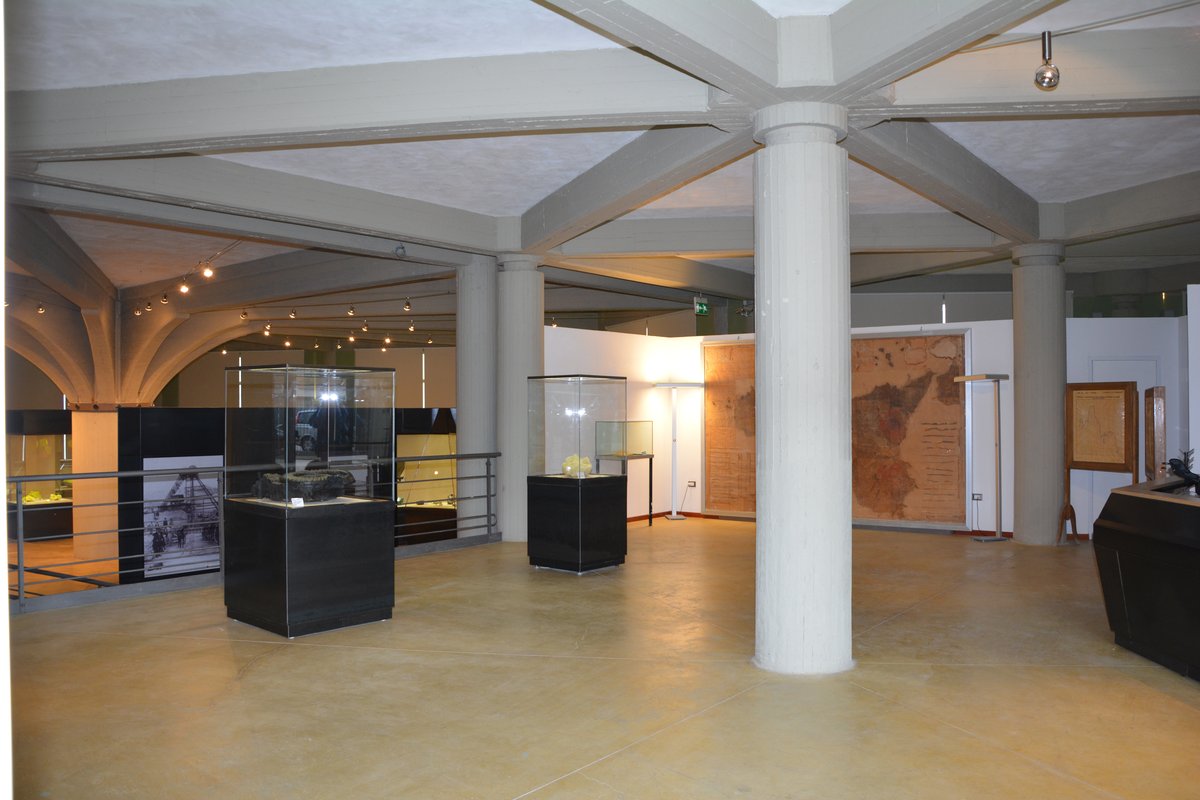 The Caltanissetta Mineralogical Museum is an unmissable stop for those wanting to discover the geological roots of this land. Located in the historic center, the museum tells the mining history of the province through an extraordinary collection of minerals and fossils. The section dedicated to sulfur is particularly significant, with specimens that testify to the ancient mining activity that shaped the local economy. Among the most precious pieces stand out the selenite gypsum crystals of remarkable size, true natural works of art. The exhibition path unfolds across two floors, with thematic rooms guiding visitors through rock formation and territorial evolution. The illuminated display cases highlight the beauty of minerals, from quartz to calcite, creating a suggestive effect. Many artifacts come from decommissioned mines in the area, like the Gessolungo mine, and represent tangible memories of the industrial past. The museum also offers educational workshops for schools and guided tours by reservation, making the experience accessible to everyone. The atmosphere is intimate and quiet, ideal for cultural immersion away from the crowds. The ticket office is affordable and there are often temporary exhibitions that enrich the offering. For those who love geology or simply seek an authentic cultural corner, this museum is a surprising discovery.
Mineralogical Museum
Sabucina
- Go to the page: Sabucina: Greek Necropolis with Rock-Cut Tombs and Prehistoric Huts
- Strada statale Agrigentina, Caltanissetta (CL)
- Open in Google Maps
- View on Google Images
 Sabucina is one of those places that makes you understand just how ancient and layered Sicily's history truly is. Situated on a plateau at about 600 meters above sea level, this archaeological site preserves the remains of a settlement that witnessed the passage of various civilizations: from the Sicanians to the Greeks. Upon arriving here, you're immediately struck by its commanding position: the view stretches across the Salso River valley and makes you imagine why the ancients chose precisely this spot to settle. Walking among the ruins, you can recognize traces of the fortification walls that protected the village and the remains of some circular huts typical of the Bronze Age. But it's the necropolis that leaves a lasting impression: here, grotto tombs have been found that tell of ancient funeral rituals. One of the most significant artifacts is the statue of a bull in limestone, now preserved at the Archaeological Museum of Caltanissetta, which testifies to the cults and beliefs of the local populations. The site is well-marked and accessible, with explanatory panels that help you find your way around. I recommend visiting during the cooler hours of the day, especially in summer, and combining the trip with a visit to the city museum for a complete picture. Bring water and a hat with you, as there isn't much shade outdoors. Sabucina isn't just a collection of stones: it's a plunge into a distant past that makes you feel, for a moment, part of that history.
Sabucina
Gibil Gabib
- Go to the page: Gibil Gabib: Prehistoric Rock-Cut Tombs and Sicilian Panoramas
- Via Gibil Gabib, Caltanissetta (CL)
- Open in Google Maps
- View on Google Images
 Gibil Gabib is one of those places that makes you feel the weight of history. It is a prehistoric archaeological site that overlooks the Salso River valley, just a few kilometers from the center of Caltanissetta. Here, between the 4th and 2nd millennium BC, a Copper Age village developed, one of the most important in central Sicily. Walking among the remains of huts and defensive structures gives you the impression of traveling back in time. The site has been excavated multiple times, bringing to light decorated ceramics, obsidian tools, and remains of domestic animals, evidence of an organized community dedicated to agriculture. The location is strategic: from above, you can enjoy a spectacular view of the Nisseno countryside, with gullies and hills stretching to the horizon. It is not a crowded place; in fact, you often feel like the only visitors. Access is easy, but it's advisable to wear comfortable shoes because the terrain is uneven. For those who love archaeology, Gibil Gabib is a must-see stop to understand the most remote origins of this land. The site is free and always accessible, with no tickets or schedules to worry about. Bring a bottle of water and, if you like, a camera: the sunsets here are unforgettable. A tip: combine your visit with the nearby Caltanissetta Archaeological Museum, where many of the artifacts found in the area are preserved.
Gibil Gabib
Monument to the Redeemer
- Piazza Ernesto Basile, Caltanissetta (CL)
- Open in Google Maps
- View on Google Images
 The Monument to the Redeemer in Caltanissetta is one of the city's most iconic landmarks, situated at the summit of Sant'Anna Hill at an altitude of 612 meters. Created in 1900 to celebrate the Holy Year, this imposing Carrara marble statue depicts Christ the Redeemer with open arms in a gesture of welcome. The sculpture, approximately 7 meters tall, stands atop a local limestone base that reaches a total height of 15 meters. The strategic location offers breathtaking panoramic views of Caltanissetta's historic center and the surrounding valley. The monument is accessible via a staircase that winds up the hill, a path many locals traverse during religious celebrations. Particularly evocative is the sunset, when the statue stands out against the sky taking on golden hues. The site is always accessible and serves as a landmark for the local community, as well as a must-see stop for visitors wanting to capture the city's spiritual and scenic essence. The statue was recently restored to preserve its original beauty, maintaining its symbolic meaning of protection over the city.
Monument to the Redeemer
Monument to the Fallen
- Viale Regina Margherita, Caltanissetta (CL)
- Open in Google Maps
- View on Google Images
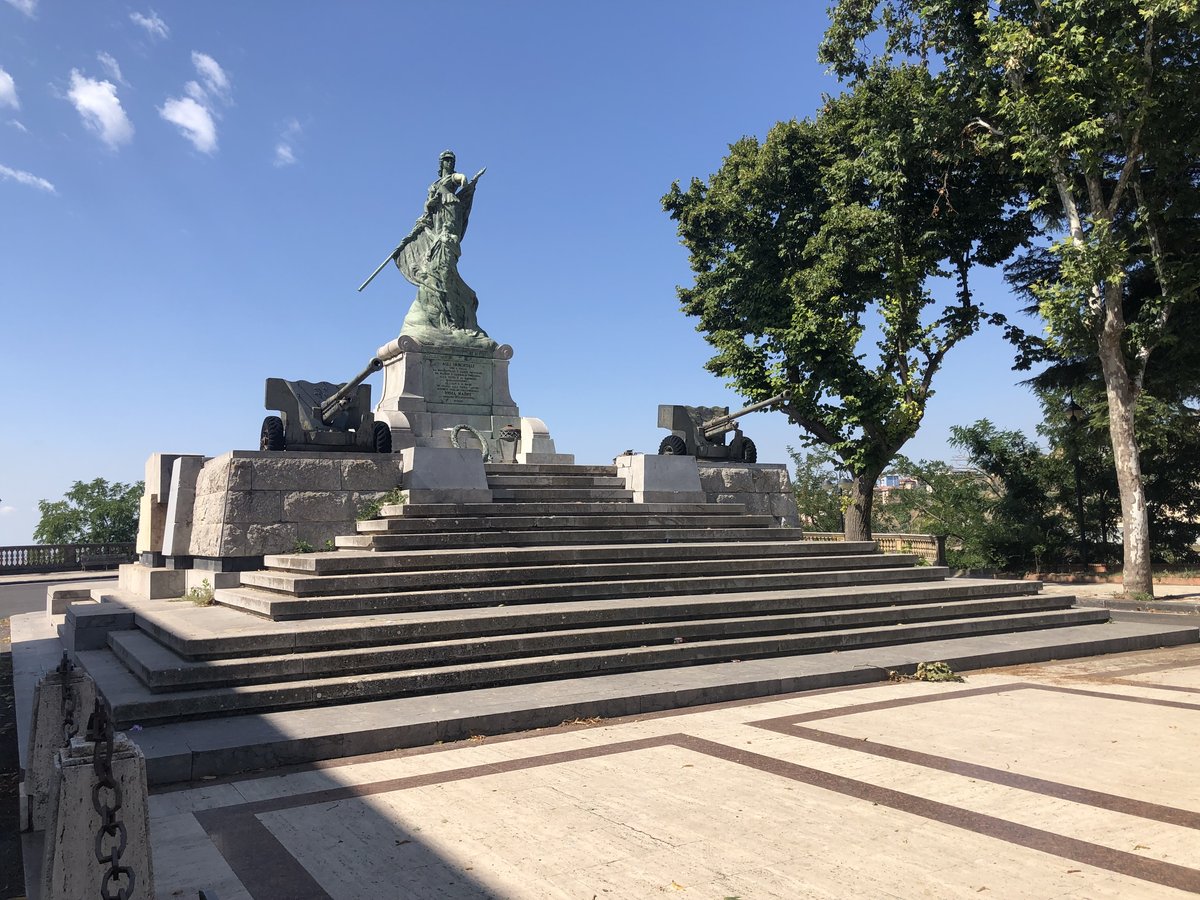 The Monument to the Fallen in Caltanissetta stands in Piazza Garibaldi, the vibrant heart of the city. Created in 1926 by sculptor Michele Tripisciano, a native of Caltanissetta, this memorial honors the Nisseni soldiers who fell during the First World War. The bronze sculpture depicts a dying infantryman being supported by a winged Victory, a powerful image that blends the drama of war with the symbol of redemption. The monument rests on a base made of local limestone, typical of the quarries in the Nisseno territory. Its central location makes it an unavoidable landmark during a city stroll. Up close, you can observe the realistic details of the soldier's face and the folds of his uniform, which testify to Tripisciano's mastery. This is not just a work of art, but a place of collective memory where commemorative ceremonies still take place today. Its placement allows it to be admired at any time of day, gently illuminated in the evening. For those visiting Caltanissetta, stopping here means grasping an important piece of the city's identity, as well as appreciating a significant example of early 20th-century Sicilian monumental sculpture.
Monument to the Fallen