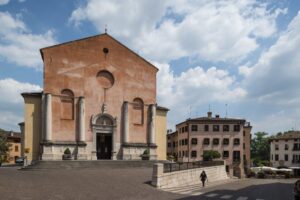
Longobard Temple: Polychrome Stuccoes and 8th-Century Frescoes in Cividale

The Longobard Temple in Cividale del Friuli is an 8th-century UNESCO gem with polychrome stuccoes and frescoes among the best-preserved from the Lombard period. Located in the historic village overlooking the Natisone River gorges, it offers an intense cultural experience in a serene atmosphere.

  • Early medieval stuccoes with figures of saints like Saint John the Baptist and Saint Elizabeth, among the best-preserved in the world
  • 12th-13th century frescoes in the Romanesque apse with Christ in Majesty and evangelist symbols
  • 8th-century architecture built as a palatine chapel for Lombard dukes Ratchis or Aistulf
  • Serene and quiet atmosphere ideal for calmly admiring the details, away from the crowds
Copertina itinerario Longobard Temple: Polychrome Stuccoes and 8th-Century Frescoes in Cividale
The Longobard Temple in Cividale del Friuli, a UNESCO World Heritage site, preserves some of the world’s best-preserved early medieval stuccoes and 12th-13th century frescoes in the apse. An 8th-century palatine chapel with stucco figures of saints.

Good to know


Introduction

As you cross the threshold of the Longobard Temple in Cividale del Friuli, time seems to stand still. This UNESCO gem, nestled in the heart of the historic village, welcomes you with an atmosphere of rare sacredness. It’s not just a monument, but an emotional experience: the light filtering through the windows illuminates the pure white stuccoes and the frescoes with soft colors, creating chiaroscuro effects that capture your gaze. Its compact architecture and refined decoration transport you directly to the 8th century, making you feel part of an ancient and precious history. Perfect for those seeking an authentic connection with early medieval art, the Temple is an unmissable stop that leaves a deep impression, even during a brief visit.

Historical Background

The Longobard Temple was built around the mid-8th century, likely commissioned by the Lombard Duke Ratchis or his brother Aistulf, as a palatine chapel attached to the ducal complex. Cividale, then the capital of the first Lombard duchy in Italy, was a center of power and culture. The monument has endured through the centuries, undergoing modifications such as the addition of the apse in the 12th century, while preserving its original core intact. The extraordinary stuccoes and frescoes, featuring saints and geometric decorations, represent one of the highest testimonies of Lombard art in Italy, earning it UNESCO recognition in 2011 as part of the serial site “The Lombards in Italy. Places of Power.”

  • Mid-8th century: construction as a Lombard palatine chapel.
  • 12th century: addition of the Romanesque-style apse.
  • 2011: inclusion in the UNESCO World Heritage List.

The Stuccoes: A Masterpiece of Delicacy

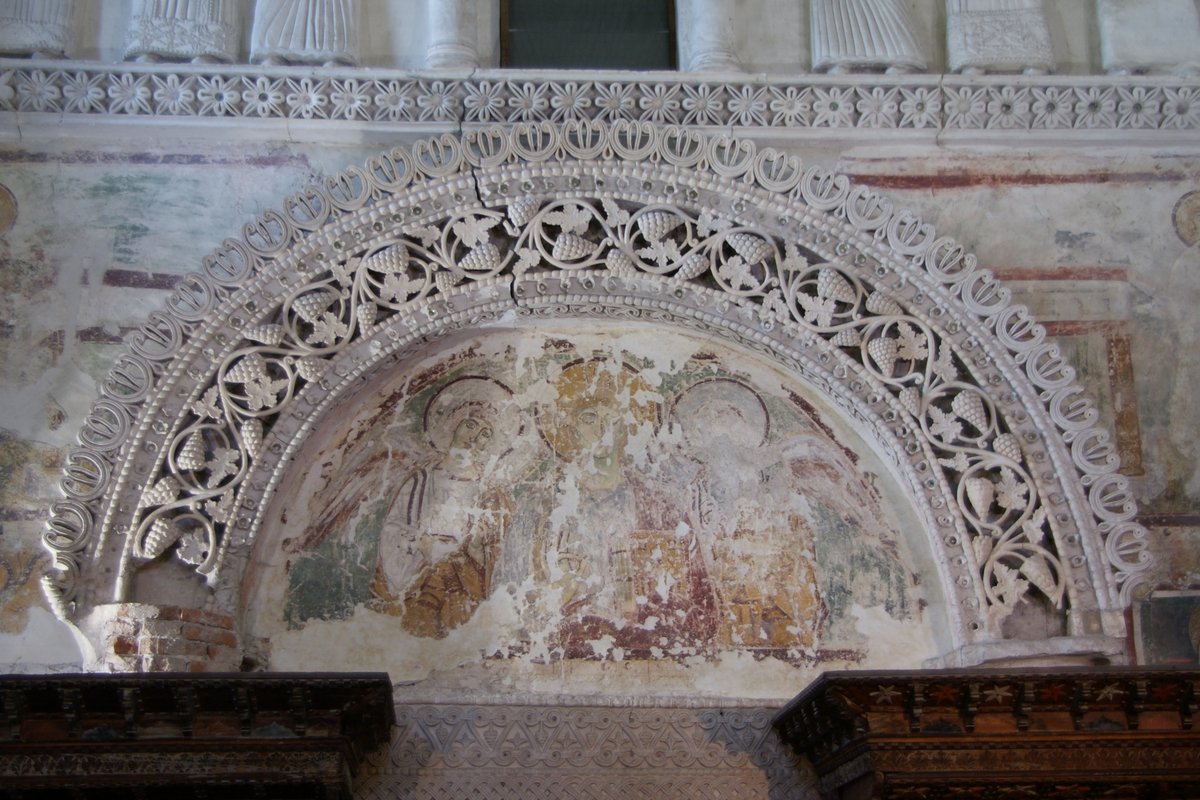
What makes the Tempietto unique are its early medieval stuccoes, among the best preserved in the world. Observe them up close: the figures of saints, such as Saint John the Baptist and Saint Elizabeth, emerge from the walls with surprising plasticity. The faces are expressive, the drapery of the garments appears moved by the wind, and the details—like the crowns or symbols—are crafted with touching precision. The technique used, based on plaster and lime, has miraculously withstood the test of time. They are not mere decorations, but a true stone book that tells of the devotion and artistic skill of the Lombards. Few places in Italy offer such a direct and moving testimony of this era.

The Apse and the Hidden Frescoes

Don’t stop at the nave: the Romanesque apse, added centuries later, holds another treasure. Here, beneath layers of plaster, 12th-13th century frescoes were discovered, depicting Christ in Majesty among evangelist symbols and saints. The colors, though faded, retain a particular softness, with ochre, red, and blue tones that converse with the severity of the Lombard stuccoes. This artistic “double layer” – Lombard and medieval – makes the Tempietto a stratified place where each era left its mark without erasing the previous one. It’s a rare example of historical continuity visible to the naked eye, fascinating both experts and curious visitors alike.

Why Visit It

Visiting the Lombard Temple is worthwhile for at least three concrete reasons. First, it is an authentic and rare testimony of Lombard art: few sites in Italy display stuccoes so well preserved. Second, its compactness makes it perfect for a short but intense visit: in half an hour, you can grasp the essence of the place without rushing. Third, the intimate and silent atmosphere offers a moment of peace, away from the crowds, ideal for reflection or simply admiring the details calmly. Additionally, being part of a UNESCO site, it guarantees a quality experience, meticulously curated.

When to Go

The best time to visit the Tempietto is early in the morning, right when it opens, as natural light streams through the windows and spectacularly illuminates the stuccoes, creating golden reflections. Alternatively, opt for late afternoon hours in autumn or spring, when the low sun highlights the reliefs and the atmosphere becomes more intimate. Avoid crowded summer weekends if you’re seeking tranquility. In winter, with the village enveloped in fog or frost, the Tempietto takes on a melancholic and evocative charm, perfect for lovers of cozy atmospheres.

In the Surroundings

After visiting the Tempietto, explore the National Archaeological Museum of Cividale, which houses Lombard artifacts such as the famous Pittachiera (a decorated buckle), completing the historical picture. A short distance away, cross the Devil’s Bridge over the Natisone River: a medieval structure with a breathtaking view of the gorge, perfect for a souvenir photo. If you love art, also stop by the Church of San Francesco, with its fourteenth-century frescoes. For a tasty experience, sample the local wines at one of the town’s wine bars, such as Refosco or Friulano, typical of the area.

Itineraries nearby


💡 Did You Know…?

One of the most fascinating details is the veiled female figure among the stuccoes, likely a saint or a Longobard queen, who seems to have been observing visitors for centuries. The light filtering through the windows creates suggestive plays on the reliefs, especially in the early morning hours. According to some local sources, the temple was built on a previous Roman place of worship, adding historical layering. Its location above the Natisone Gorge is not accidental: it symbolized the Longobard power that dominated the territory.