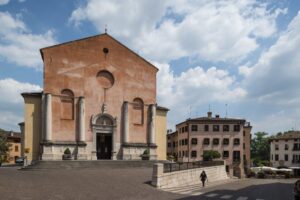
Church of San Nicolò in Spilimbergo: 14th-Century Gothic Frescoes and Views of the Village

The Church of San Nicolò, built between the 13th and 14th centuries, is a Gothic jewel in the heart of Spilimbergo. The vivid 14th-century frescoes cover the walls with sacred scenes and portraits of local figures. Its elevated position offers lovely views over the medieval village and surrounding hills.

  • 14th-century Gothic frescoes among the best-preserved in Friuli, featuring Stories of Christ and the Chapel of St. John the Baptist
  • Medieval architecture with polygonal apse, cross vaults, and a simple stone façade
  • Authentic and intimate atmosphere, away from crowds, perfect for contemplation
  • Panoramic view over the rooftops of Spilimbergo and the Friulian hills
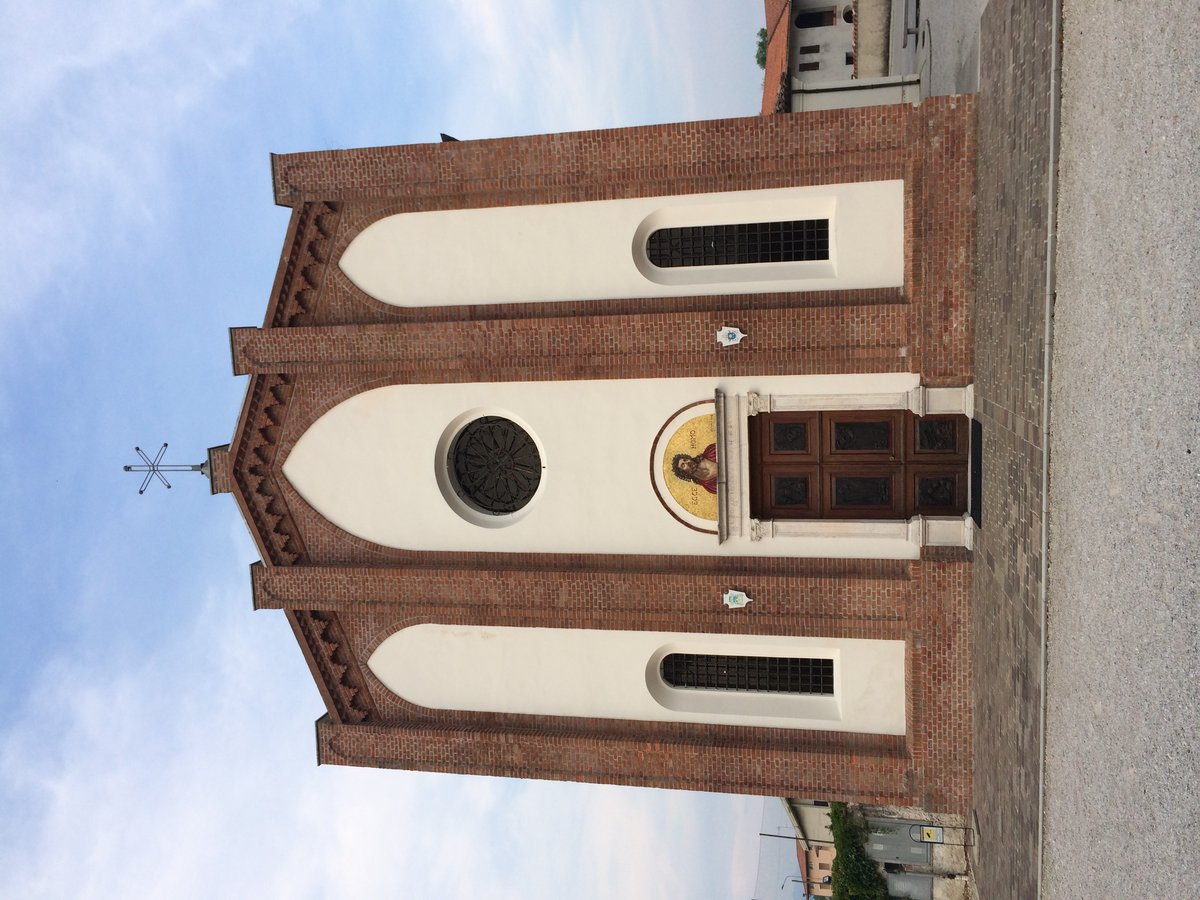
Copertina itinerario Church of San Nicolò in Spilimbergo: 14th-Century Gothic Frescoes and Views of the Village
The Church of San Nicolò in Spilimbergo houses a cycle of 14th-century Gothic frescoes, among the best-preserved in Friuli. Admire the Stories of Christ, medieval architecture, and views over the village rooftops.

Good to know


A Gothic Jewel in the Heart of Spilimbergo

As soon as you cross the threshold of the Church of San Nicolò, you are greeted by an atmosphere of silent majesty. It is not just a place of worship, but a true treasure trove of medieval art that tells centuries of Friulian history. Its stone facade, sober and elegant, hides an unexpected treasure inside: Gothic frescoes that completely cover the walls, creating a breathtaking visual effect. These paintings, created between the 14th and 15th centuries, are not mere decorations, but a true Bible of the Poor that told sacred stories to those who could not read. Every corner of the church speaks of devotion and art, from the soaring central nave to the side chapels that house works of great value. Visiting San Nicolò means taking a journey through time, immersing yourself completely in the spiritual and artistic atmosphere of the Friulian Middle Ages, an experience that remains etched in the memory of every traveler attentive to authentic beauty.

History Carved in Stone and Colors

The Church of San Nicolò has its origins in the 13th century, when Spilimbergo was an important commercial and cultural center under the rule of the counts of the same name. Construction began around 1280 and continued for several decades, reflecting in its architecture the transition from Romanesque to Gothic style. The frescoes that make it famous were mainly created in the 14th century by local and Venetian master craftsmen, forming one of the most important pictorial cycles in Friuli Venezia Giulia. Over the centuries, the church has undergone various restoration works that have preserved its integrity, the most recent of which brought to light parts of the frescoes previously hidden. Today it stands as one of the best-preserved examples of medieval religious architecture in the region, a silent witness to the spiritual and social life of Spilimbergo through the centuries.

  • 13th century: Construction of the church begins
  • 14th century: Creation of the Gothic fresco cycle
  • 15th-16th centuries: Addition of side chapels and further decorations
  • Subsequent centuries: Various restoration and conservation interventions
  • Today: A monument of great historical-artistic value open to the public

The Pictorial Cycle: A Visual Catechesis

What makes the Church of San Nicolò unique is its cycle of Gothic frescoes that cover almost the entire interior walls. These works are not merely decorations but constitute a complete iconographic program designed to educate the faithful. Particularly evocative are the frescoes in the Chapel of St. John the Baptist, where scenes from the saint’s life are depicted with vibrant colors and meticulous details. In the central nave, the Stories of Christ stand out, unfolding in narrative sequence from the Nativity to the Resurrection. Every figure, gesture, and symbol carries precise theological meaning, making the visit not only an aesthetic but also a cultural experience. The painting technique, with its earthy and ochre tones, creates a warm and intimate atmosphere that invites contemplation.

Architecture that Speaks of Power and Faith

The church’s structure reveals much about the medieval society of Spilimbergo. The polygonal apse, a typical feature of Gothic architecture, is not merely an aesthetic solution but demonstrates the skill of local builders. Inside, the rib vaults create a sense of upward thrust, characteristic of the Gothic style that aimed to bring the faithful closer to the divine. The stone columns, some with capitals decorated with vegetal motifs, elegantly support the entire structure. Particularly interesting is the arrangement of the side chapels, added in later periods, which show how the noble families of Spilimbergo wished to leave their mark on the city’s most important place of worship. Every architectural element, from the façade to the apse, tells a story of power, faith, and craftsmanship.

Three Reasons Not to Miss It

Visiting the Church of San Nicolò is worth the trip for at least three concrete reasons. First, the Gothic frescoes are among the best preserved in Friuli and offer a rare example of medieval painting still intact in its original location. Second, the atmosphere inside is authentic and non-touristy: here you won’t find noisy crowds but the necessary silence to fully appreciate the art and spirituality of the place. Third, the church represents an ideal starting point for understanding the history of Spilimbergo, having been for centuries the center of the community’s religious and social life. Every visit offers new discoveries, from the details of the frescoes that emerge with the right light to the ancient inscriptions on the walls.

The Perfect Time for a Visit

The best time to visit the Church of San Nicolò is late morning, when natural light filters through the side windows, perfectly illuminating the frescoes in the central nave. During this time of day, the sun’s rays hit the walls at an angle that enhances the colors and details of the paintings, creating plays of light and shadow that make the experience even more evocative. Avoid the midday hours when the light is too harsh and flat. As for the season, autumn offers a special atmosphere: with fewer tourists and softer light, you can enjoy the visit at a leisurely pace, perhaps combining it with a stroll through the historic center of Spilimbergo as the leaves begin to change color.

Complete the Experience in the Surroundings

After visiting the Church of San Nicolò, I recommend exploring the historic center of Spilimbergo, with its medieval arcades, frescoed houses, and the majestic Castle overlooking the town. Just a few steps from the church, in the heart of the village, you’ll find the Friuli Mosaic School, a world-renowned institution where you can admire contemporary works created with the ancient art of mosaic and, if you’re lucky, watch artists at work. This combination of medieval art and modern mosaic tradition creates a coherent cultural journey that allows you to appreciate the continuity of artistic creativity in this area of Friuli.

Itineraries nearby


💡 Did You Know…?

A detail that makes the visit unique: look carefully at the frescoes on the right wall. Among the sacred figures, you can spot portraits of local figures from the time, perhaps the patrons of the work, immortalized with realistic clothing and features. This direct connection with the 14th-century community adds a touch of humanity to the majesty of the art. Additionally, the church stands on an ancient cemetery area: during some restorations, medieval tombs were discovered beneath the floor, testifying to the site’s long history as a sacred place.