A Hidden Gem
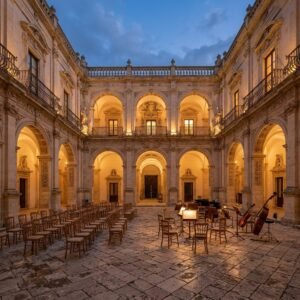
The Civic Museum of Naro is not one of those enormous museums that tire you out after half an hour. It’s an intimate and surprising place, nestled in the heart of the Baroque historic center. Upon entering, you immediately breathe a different atmosphere, far from the tourist chaos. The rooms, housed in an ancient building, hold treasures that tell a story spanning millennia, but with a nearly domestic closeness that makes everything more authentic. You don’t feel like an anonymous visitor, but rather a curious guest to whom family secrets are being revealed. The light filtering through the windows onto the medieval ceramics is, for me, one of the most beautiful details.
Historical Background
The collection was born from the passion of local scholars who, starting in the 1950s, began gathering artifacts found in the area.
This is not a museum created by decree, but out of love. The oldest pieces come from nearby Sicanian and Greek necropolises, while medieval and Renaissance ceramics testify to Naro’s importance under the Chiaramonte family and later. There’s also a section dedicated to the 19th century, with documents recounting the local Risorgimento. The timeline below gives you a clear idea of the journey:
- Prehistoric and Sicanian period: stone axes and ceramics from local caves.
- Greek and Roman era: coins, oil lamps, and pottery fragments.
- Middle Ages and Renaissance: the heart of the collection, with decorated majolica and family crests.
- 19th and 20th centuries: documents, period photographs, and everyday objects.
The Speaking Maiolica
The section that struck me the most was the one featuring medieval and Renaissance maiolica. These aren’t pieces displayed in sterile glass cases, but objects that still seem warm from the kiln. The geometric patterns, the cobalt blue and green colors, the stylized figures tell stories of artisan workshops active for centuries. Some plates still bear the coats of arms of the noble families who commissioned them, like the Chiaramonte. Looking at them up close, you notice the imperfections, the tiny air bubbles from the firing, which make them feel alive. It’s a lesson in applied art history, but without academic heaviness. You feel the urge to touch them, even though, of course, you can’t.
The Story of the Land
This museum has the great merit of being deeply rooted in its territory. Each artifact has a precise origin: from the Giummare district, from Sant’Anna, from the countryside around Naro. These are not objects that arrived by chance, but direct testimonies of the lives of those who inhabited these hills. The display cases with Neolithic stone axes, found in a nearby cave, help you understand how ancient human presence is here. Then there are Greek and Roman coins, which speak of trade along Sicily’s inland routes. Visiting it is like taking a journey back in time, while keeping your feet firmly planted in the land of Agrigento.
Why Visit It
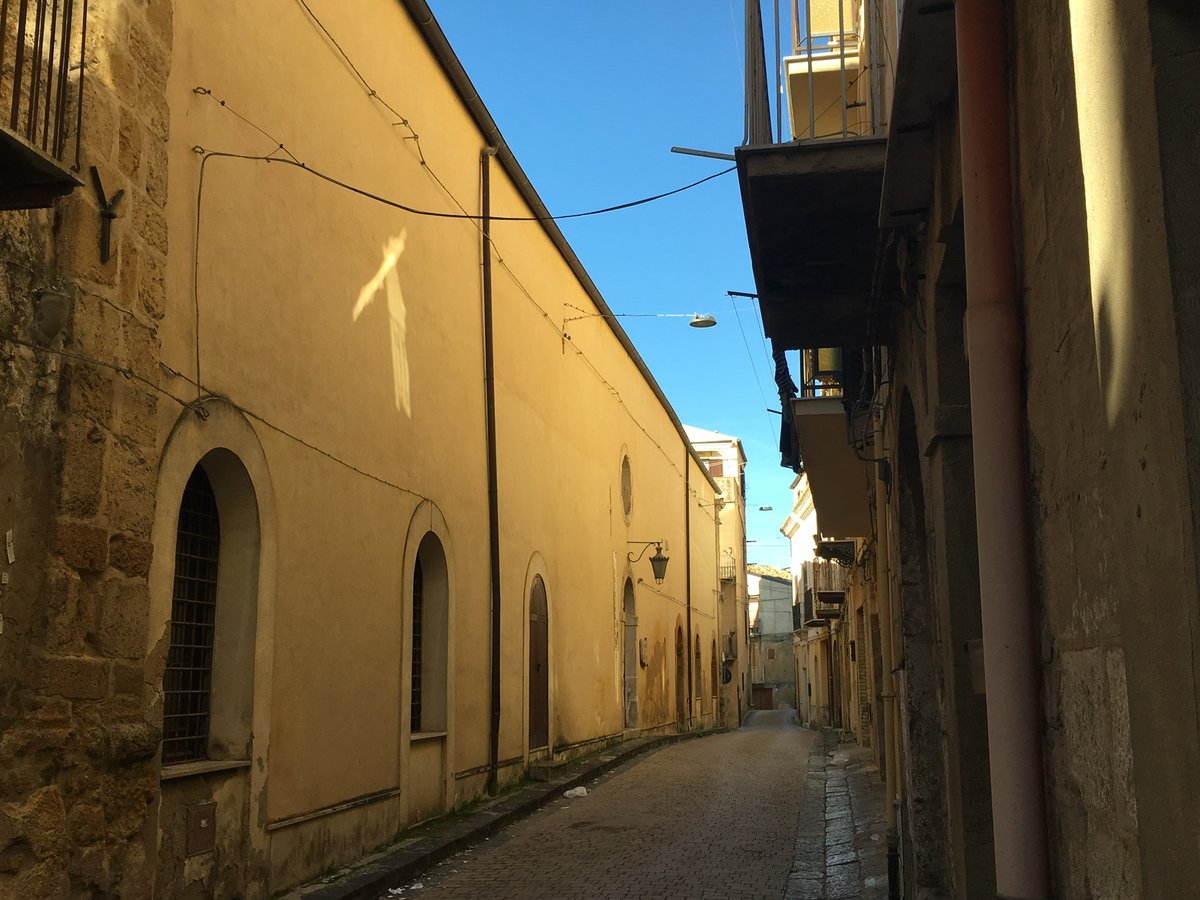
For at least three concrete reasons. First, it’s an antidote to mass tourism: here you won’t find crowds, but silence and the chance to observe calmly. Second, it offers an authentic perspective on Sicilian history, not just that of the great temples, but the everyday history made of craftsmanship and rural life. Third, its location in Naro’s historic center allows you to perfectly combine culture and exploration: step out of the museum and find yourself immersed in a labyrinth of staircases and Baroque churches. It’s a concentrated and rich experience, without the need for extensive travel.
When to Go
The best time? A winter afternoon, when the light is low and golden. In winter, inland Sicily has a special light that enters obliquely through the museum windows, illuminating the ceramics in a magical way. Summer can be muggy, and the historic center of Naro, although at a high altitude, fills with heat. Autumn or spring works perfectly, but avoid the midday hours. Personally, I prefer going around 4:00 PM, when the sun begins to set and the atmosphere becomes more intimate. After the visit, you can enjoy the sunset from one of the town’s viewpoints.
In the Surroundings
After leaving the museum, to continue your journey of discovery, take a short walk to Naro Castle. It’s an imposing Norman fortress, with towers that rise above the town and breathtaking views of the valley. Not far away, also in Naro, is the Church of San Francesco, a Baroque jewel with incredible stucco work. If you’d prefer a different but related thematic experience, look for one of the educational farms in the area that organize tastings of local products, such as DOP Valle del Belice olive oil or Nero d’Avola wine. They help you understand the connection between the land and the history you’ve just seen at the museum.