
🧭 What to Expect
- Ideal for cultural weekends and as a base to explore Tuscan Maremma.
- Historic center enclosed by perfectly preserved Medici walls with pedestrian walkway.
- Museums like the Archaeological and Maremma Art Museum and the Natural History Museum.
- Archaeological sites including the Roselle Area (Etruscan-Roman) and the Roman Amphitheater.
- Historical architecture such as Palazzo Aldobrandeschi, Teatro degli Industri, and Convento delle Clarisse.
- Views from the walls: Bastione Fortezza, Bastione Garibaldi, and Cassero Senese.
Events nearby

If you're planning a visit to the Maremma, the City of Grosseto is undoubtedly worth a stop. It's not just the provincial capital, but a place where history and nature meet in surprising ways. Its historic center, completely surrounded by perfectly preserved 16th-century Medici walls, is a gem to discover on foot. Walking along the pedestrian path on the walls, with views of bastions like the Fortress Bastion and the Garibaldi Bastion, is a unique experience offering glimpses of the city and surrounding countryside. Inside the walls, the atmosphere is tranquil, with welcoming squares like Piazza Dante and streets where you can still sense the ancient flavor. Grosseto isn't just about walls: it's also the gateway to exploring archaeological sites in the area, such as the important Roselle Archaeological Area, a few kilometers away, and the coastal towers dotting the nearby Maremma coast. For culture lovers, the city's museums house artifacts telling millennia of this territory's history. In short, Grosseto is a perfect base for those wanting to combine cultural visits with moments of relaxation, with the advantage of being well-connected and serviced.
Overview
- Roselle Archaeological Area
- Fortress Bastion
- Archaeological and Art Museum of Maremma
- The Sienese Cassero
- Maremma Natural History Museum
- Roman Amphitheatre
- Teatro degli Industri
- Aldobrandeschi Palace
- Garibaldi Bastion
- Maiano Bastion
- Porta Corsica: The Historic Gateway to Grosseto
- Porta Vecchia: The Historic Gateway to Grosseto's Heart
- Clarisse Convent
- San Rabano Abbey
- Scoglietto Temple Area
Itineraries nearby

Roselle Archaeological Area
- Go to the page: Roselle Archaeological Area: Etruscan and Roman ruins with baths and panoramic amphitheater
- Strada dei Ruderi, Grosseto (GR)
- Open in Google Maps
- View on Google Images
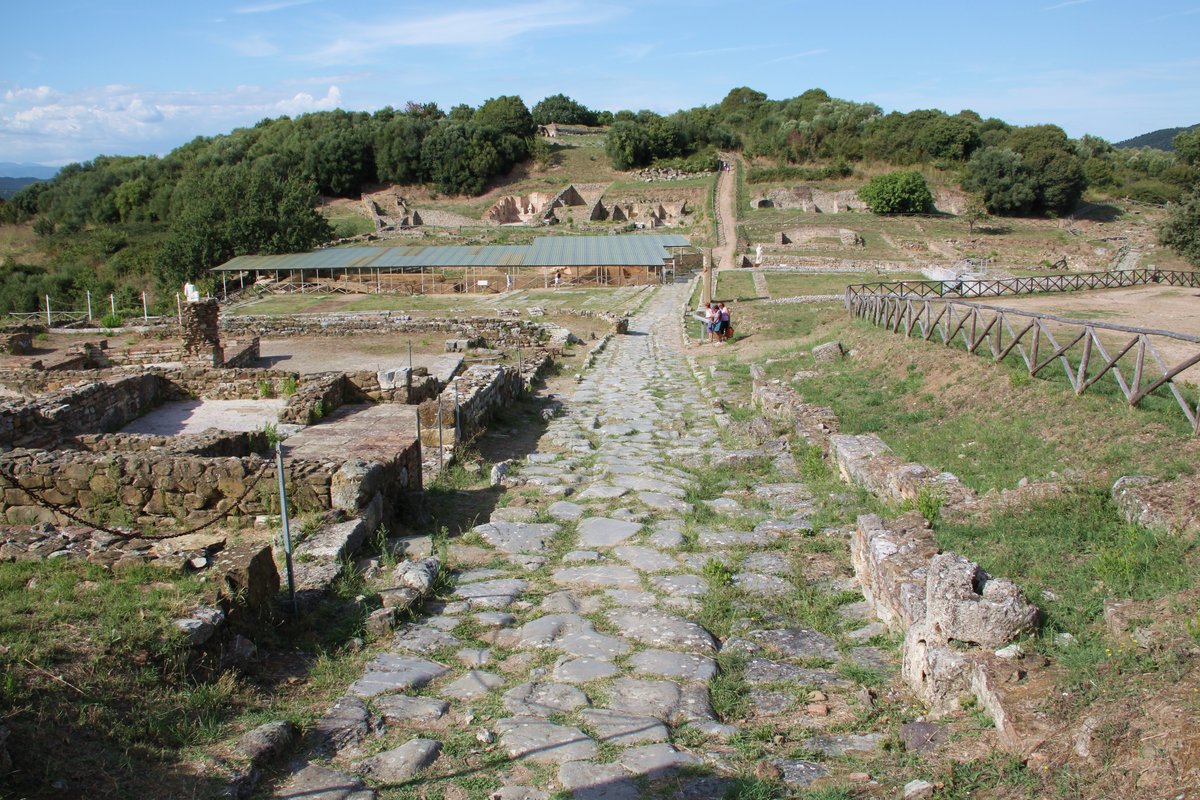 If you think Grosseto is just medieval walls, get ready for a surprise. Just a few kilometers from the center, the Roselle Archaeological Area catapults you back over two thousand years, to what was one of the most important cities of northern Etruria. Walking among these ruins is an experience that makes you feel like an archaeologist for a day. The site is vast, but don't be intimidated: it's easy to explore on foot, and the atmosphere is incredibly peaceful, far from the crowds of more touristy spots. What immediately strikes you are the Etruscan walls, imposing and well-preserved, surrounding the entire area. As you stroll, you'll come across the remains of the Roman forum, where public life once unfolded, and the domus with their mosaics that still hint at colors and designs. Personally, I find the amphitheater fascinating, even though it's partially carved into the hillside: imagining gladiatorial games here, with this view over the Maremma countryside, is a mind-blowing leap through time. Don't miss the basilica and the baths, which give a sense of this city's complexity. Bring water and comfortable shoes, as the terrain is a bit uneven in some spots. In summer, it gets hot, so it's better to visit in the morning or at sunset. Admission is charged, but it's absolutely worth it: it's one of those places that makes you realize how many layers of history there are in this part of Tuscany, often underestimated. A tip? Dedicate a couple of hours to it calmly, without rushing, to truly absorb the atmosphere.
Fortress Bastion
- Go to the page: Grosseto Fortress Bastion: Access to the Medici Walls with 360° View over Maremma
- Piazza d'Armi, Grosseto (GR)
- Open in Google Maps
- View on Google Images
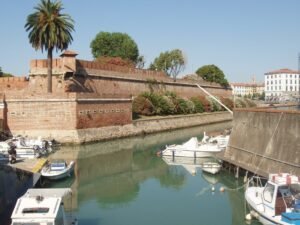
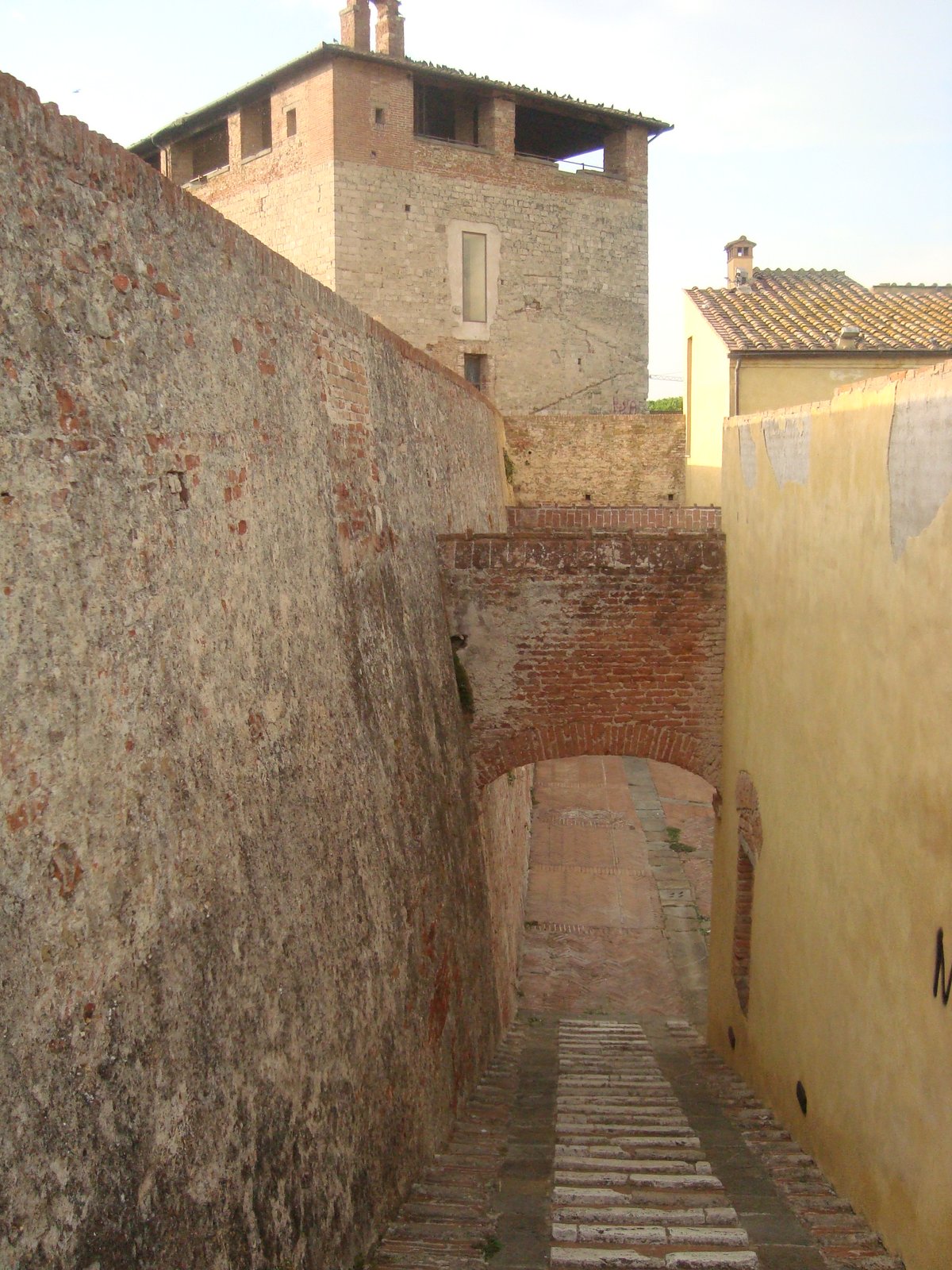 If you're looking for a panoramic spot that immediately helps you understand Grosseto's history, the Fortress Bastion is the right place. It's not only one of the best-preserved fortifications of the Medici walls but also a place where you can breathe in the atmosphere of times past, with that mix of grandeur and everyday life that characterizes the Maremma. Built in the 16th century as part of the defensive system commissioned by Cosimo I de' Medici, today it appears as a spacious terrace, perfect for a quiet break. Climbing to the top, the view stretches over the rooftops of the historic center and, on clear days, reaches as far as the surrounding hills. I like to think that here, centuries ago, sentinels kept watch over the Maremma plain, while today visitors stop to take photos or simply enjoy the silence. The structure of red bricks and pietra serena has a rustic, almost severe charm, but it's precisely this authenticity that makes it special. You'll notice the original walkways and the gun ports, details that tell of an era when Grosseto was a strategic stronghold. Unlike other more touristy bastions, here you won't find kiosks or noise: it's a secluded corner, ideal for those wanting to escape the crowds. Personally, I passed through on an autumn afternoon, with the low sun setting the bricks aglow in warm tones, and I understood why the people of Grosseto hold this place dear. It's not just a monument but a piece of the city's identity. If you visit Grosseto, don't just look at the walls from afar: step into the Fortress Bastion and let yourself be won over by its essential beauty.
Archaeological and Art Museum of Maremma
- Strada Vinzaglio, Grosseto (GR)
- Open in Google Maps
- View on Google Images
 If you think Grosseto is only about medieval walls, prepare to change your mind. The Archaeological and Art Museum of Maremma, housed in the former convent of the Clarisse, is one of those surprises that completely redefines your perception of a city. Upon entering, you're greeted by an atmosphere blending sacred and secular: the ancient vaults of the cloister converse with display cases filled with Etruscan artifacts from Roselle and Vetulonia, two of the area's most important sites. These aren't just dusty shards: here you can see up close decorated cinerary urns, amber jewelry, and bronze statuettes that tell the story of daily life in a fascinating civilization. The archaeological section is clearly organized, almost chronological, allowing you to follow the evolution of the territory from prehistory to the Roman age. Personally, I was struck by the funeral assemblages: there's something very intimate about seeing the objects that accompanied the deceased on their final journey. Then, going up to the upper floor, the museum changes face. Here we move to art, with a collection spanning from the Middle Ages to the twentieth century. The painted panels from the Sienese school are genuine gems, often little known outside Tuscany, showing how Grosseto was a crossroads of artistic influences. Don't expect only sacred paintings: there are also works by Maremma artists from the 19th and 20th centuries, depicting landscapes and scenes of local life with an almost photographic eye. The museum isn't huge, and perhaps that's an advantage: you can visit without rushing, absorbing every detail. Some rooms might seem a bit dated in their display, but that's part of its authentic character. I recommend not skipping the section dedicated to the Chelli collection, donated by a passionate priest who gathered artifacts from all over Maremma: it's a beautiful example of how personal passion can become everyone's heritage. If you're traveling with children, note that there are occasional educational workshops, but even on their own, the little ones remain fascinated by the models of Etruscan tombs. One last thing: the bookshop sells interesting publications on local history, perfect for deepening your knowledge after the visit.
The Sienese Cassero
- Piazza del Cassero, Grosseto (GR)
- Open in Google Maps
- View on Google Images
 If you're looking for a panoramic spot offering a 360-degree view of Grosseto and the Maremma, the Sienese Cassero is the perfect place. This fortified tower, built in the 14th century by the Sienese, stands imposingly at the southwest corner of the Medici walls. It's not just a viewpoint: it's a piece of history that tells the story of Siena's rule over the city. Climbing its narrow stone steps – be careful, they're steep and a bit slippery – you reach the top, where your gaze sweeps from the rooftops of the center to the Maremma countryside. The feeling is one of being suspended in time. Inside, the structure is essential, without grand decorations, but it's precisely this austerity that makes it authentic. You'll notice the crossbow loopholes and the marks of time on the walls. Personally, I find the best time to visit is late afternoon, when the warm sunlight enhances the pinkish hue of the stone. A detail that struck me? The original entrance door, still visible, which was once the only access to the tower. If you're passionate about photography, you'll take memorable shots here, especially at sunset. Remember that access is paid and sometimes there are short lines, but it's worth it. It's one of those places that makes you understand how deeply Grosseto is connected to its medieval history, despite its modern appearance.
Maremma Natural History Museum
- Strada Corsini 5, Grosseto (GR)
- Open in Google Maps
- View on Google Images
 If you think a natural history museum is just a collection of dusty display cases, the Maremma Natural History Museum in Grosseto will change your mind. Housed in a former 17th-century Franciscan convent, this space is a true treasure trove of Maremma's biodiversity, with an atmosphere that surprisingly blends the sacred and the scientific. Upon entering, the first thing that strikes you is the modern, well-curated exhibition design, which guides you on a journey through the natural environments of the province: from the wetlands of Diaccia Botrona to the Metalliferous Hills, all the way to the Tyrrhenian coast. The paleontology section is a must-see, with fossils of prehistoric mammals found right in the area, like the ancient elephant of Roselle – seeing those remains helps you understand just how alive this territory was millennia ago. Then there are the rooms dedicated to the current fauna, with dioramas reconstructing natural habitats and a collection of taxidermy birds that look ready to take flight. Personally, I found the section on insects fascinating – often overlooked but presented here with care – and the one dedicated to local geology, which explains why the Maremma soil is so unique. The museum also organizes educational workshops and guided tours, ideal if you're traveling with curious children. A tip? Don't skip the section on the Diaccia Botrona Nature Reserve, with interactive models showing the wetland ecosystem – it gives you an excellent foundation if you then want to explore the area in person. Admission costs just a few euros, and the staff is available to answer questions, even the more technical ones. It might not be the most famous museum in Tuscany, but to truly understand Maremma, beyond the landscapes, a stop here is essential.
Roman Amphitheatre
- Cardo Maximus, Grosseto (GR)
- Open in Google Maps
- View on Google Images
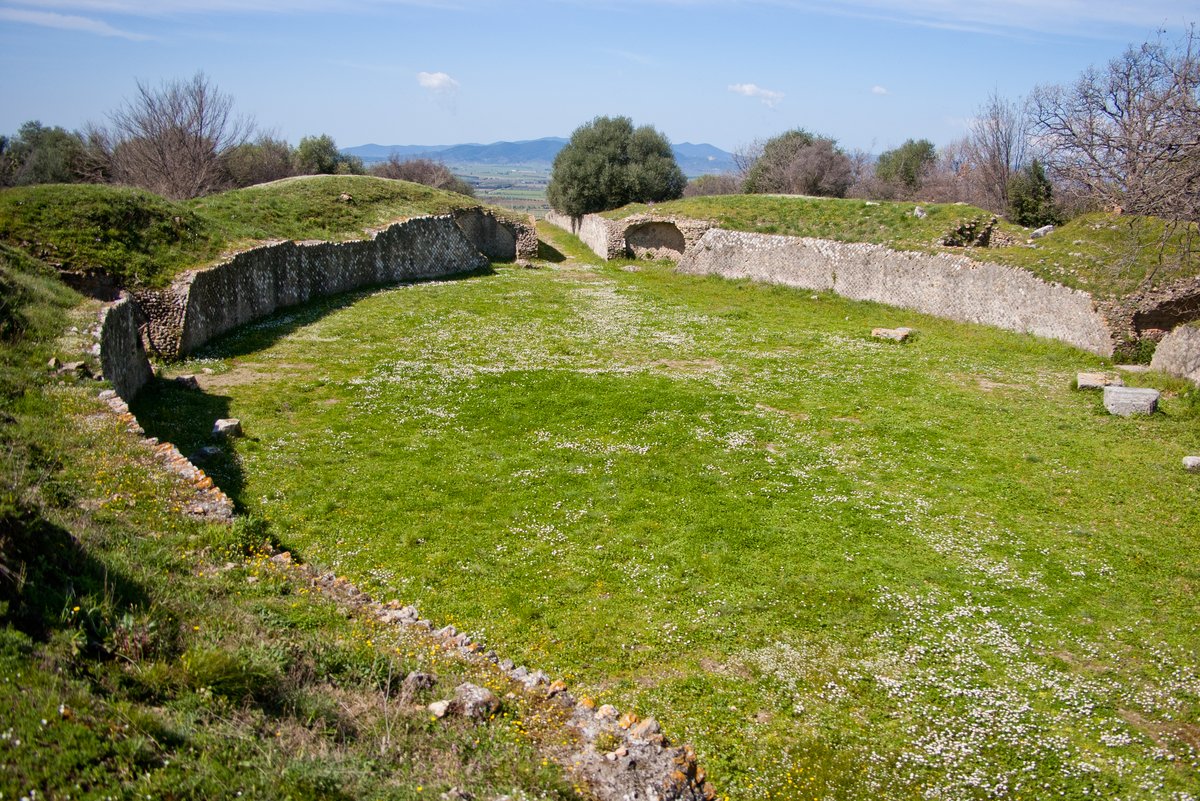 If you think Grosseto is just medieval walls, prepare for a surprise. The Roman Amphitheatre is one of those places that makes you understand how layered the history of this area is. It's located right in the historic centre, a stone's throw from the Medici walls, but it's a leap back centuries. Don't expect a miniature Colosseum: here we're talking about well-preserved archaeological remains, with the cavea and part of the supporting structures still visible. What struck me is how it's integrated into the modern urban fabric, almost hidden among the buildings. Walking among the stone steps, you can easily imagine the buzz of the crowd during gladiatorial shows. They say it was also used for theatrical performances and public assemblies, a true social centre of ancient Grosseto. Access is free and unrestricted, making it a perfect stop for a quick visit while exploring the city. Personally, I find the contrast between the ancient stones and the surrounding urban context fascinating. Note: there are no detailed explanatory panels, so if you want to delve deeper into the history, it's better to inform yourself beforehand or look for a local guide. In any case, it's worth stopping by, even just for a moment of silence and reflection.
Teatro degli Industri
- Go to the page: Teatro degli Industri in Grosseto: A Neoclassical Gem with a Horseshoe Interior
- Via del Mulino a Vento, Grosseto (GR)
- Open in Google Maps
- View on Google Images
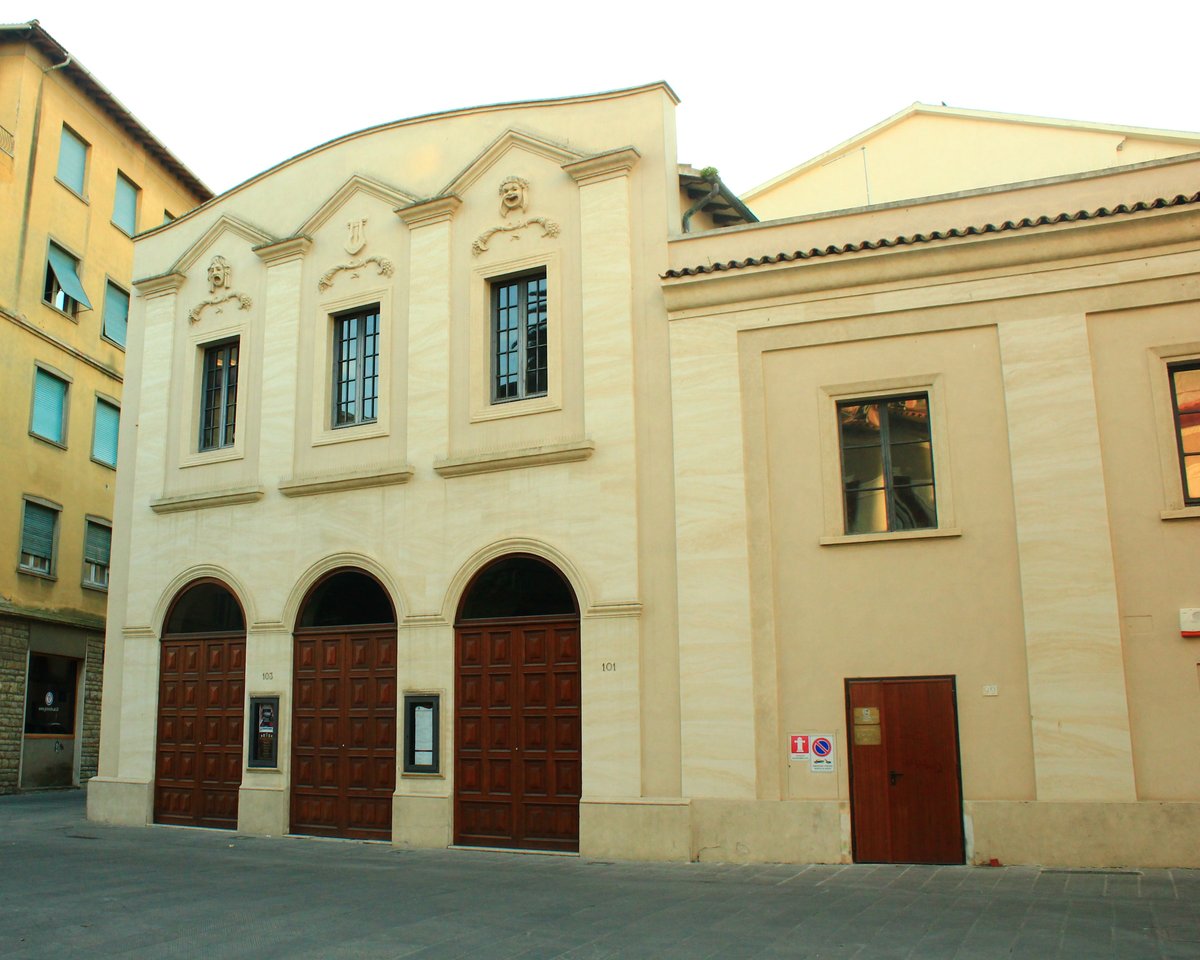 If you think Grosseto is just medieval walls and archaeological museums, the Teatro degli Industri will surprise you. This small 19th-century theater, inaugurated in 1819, is a true hidden gem in the historic center, just steps from Piazza Dante. The neoclassical facade, sober and elegant, doesn't hint at the richness inside. Upon entering, you're struck by the horseshoe-shaped hall, with its three tiers of decorated wooden boxes. The gilded stuccoes, red velvets, and frescoed ceiling create an intimate and refined atmosphere. It reminded me of certain provincial theaters, those that retain an authentic air without overly invasive restorations. What impressed me most is its history: born as a theater for the city's bourgeoisie, it has experienced ups and downs, closures and reopenings, until its recent restoration. Today it hosts a varied theater season, with drama performances, concerts, and events for children. It's not a monumental or lavish place, but it has a discreet charm. Perhaps it's precisely this human scale that makes it special. If you're passing through Grosseto, check the schedule: attending a performance here, with its warm acoustics and close-up view of the stage, is a different experience from large theaters. Even just visiting on a quiet morning, perhaps with a guide sharing anecdotes about its history, is worthwhile. You'll find it on Via Mazzini, easily reachable on foot from the walls. A tip: observe the details, like the painted medallions on the boxes or the central chandelier. They're small treasures that tell the story of the vibrant cultural life of a 19th-century Grosseto, far from the stereotypes of a purely agricultural city.
Aldobrandeschi Palace
- Piazza Dante, Grosseto (GR)
- Open in Google Maps
- View on Google Images
 If you're looking for the symbol of medieval power in Grosseto, Aldobrandeschi Palace is the right place. This sandstone building, with its austere façade and mullioned windows, dominates Piazza Dante right opposite the Cathedral. It's not a traditional museum – today it houses the Province and Prefecture offices – but its architecture tells ancient stories. The striking details? The noble coats of arms on the façade, especially that of the Aldobrandeschi, the powerful family that ruled the Maremma for centuries. Sometimes I wonder what life must have been like here in the 1200s, when the palace was the center of local power. The interior isn't always accessible to the public, but even just admiring it from the outside is worthwhile: the dark stone contrasts with the blue Tuscan sky, creating an almost theatrical atmosphere. The location is strategic: it's situated along the Medici walls, so you can easily combine your visit with a walk along the fortifications. A tip? Look closely at the details of the windows and portals – they may seem simple, but they have a sober elegance that speaks of a past rich in history. For me, it's one of those places that makes Grosseto feel more authentic, far from the usual tourist clichés.
Garibaldi Bastion
- Via Alessandro Manetti, Grosseto (GR)
- Open in Google Maps
- View on Google Images
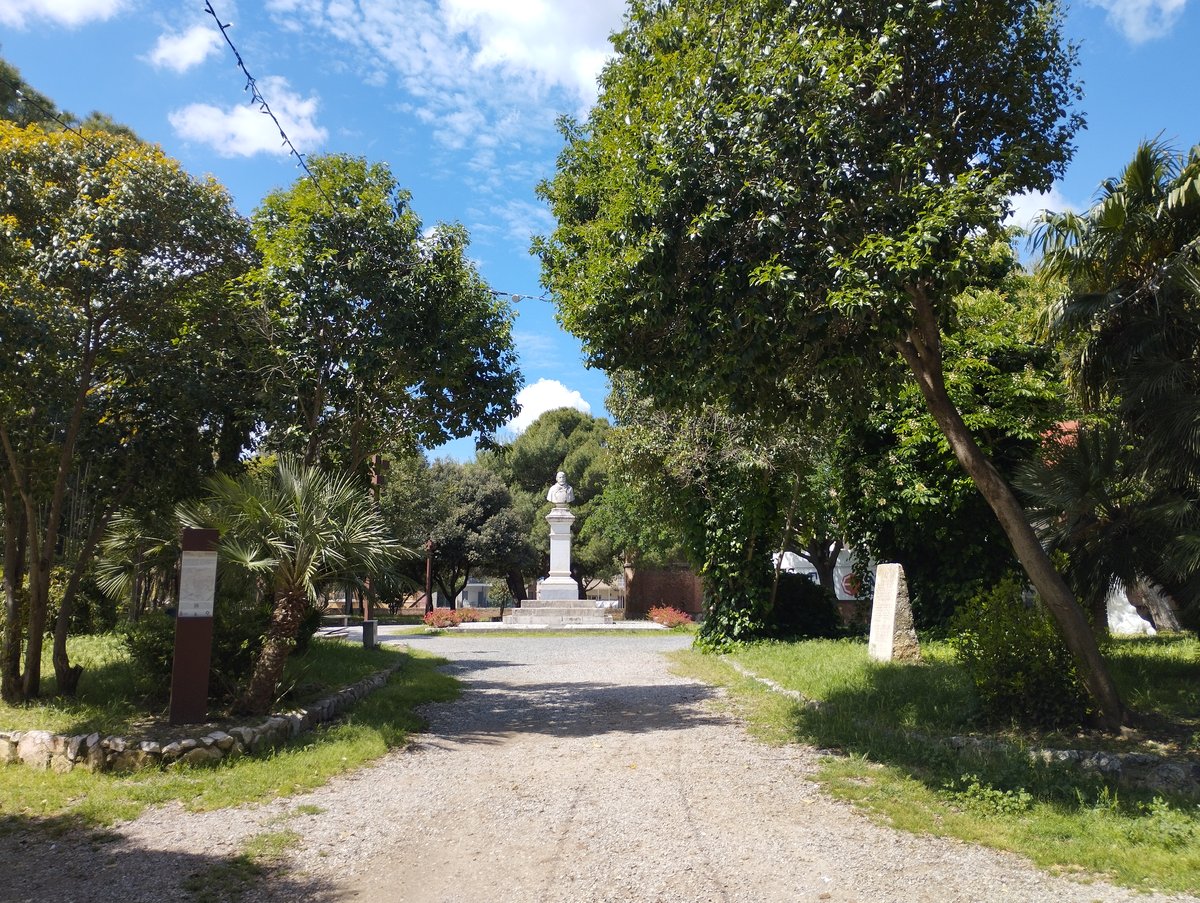 If you're looking for a privileged viewpoint over Grosseto's Medici walls, the Garibaldi Bastion is the right place. It's not only one of the best-preserved defensive structures of the city walls but also a natural terrace offering unique glimpses of the city and the Maremma countryside. Built in the 16th century as part of the fortification system commissioned by the Medici, it now appears as a large green space, perfect for a relaxing break. What strikes you most is the 360-degree view: from here, you can take in the historic center with its red roofs and bell towers, then gaze out toward the surrounding hills and plains, especially at sunset when the colors become warm and evocative. Personally, I find it one of those places where you stop almost without realizing it, perhaps sitting on a bench to watch the quiet comings and goings of the city below. Don't expect grand structures or museum displays: the charm of the Garibaldi Bastion lies precisely in its simplicity and authenticity. It's a piece of history that still breathes, frequented by locals who pass by for a walk and tourists curious to discover less-trodden corners. If you visit Grosseto, don't skip it: even just ten minutes here gives you a sense of how the city harmoniously blends past and present.
Maiano Bastion
- Via dei Lavatoi, Grosseto (GR)
- Open in Google Maps
- View on Google Images
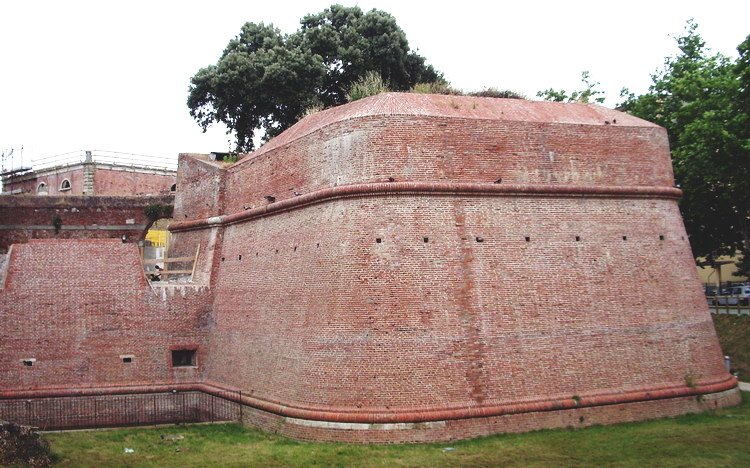 If you're looking for a panoramic spot that offers a breath of tranquility, the Maiano Bastion is just what you need. It's not just one of the fortifications of Grosseto's Medici walls, but a true balcony over the Maremma. I like to think of it as a break from the city's pace: here, leaning against the brick curtain, your gaze freely spans the countryside, with its colors changing with the seasons. In spring, for example, the green is so intense it's almost overwhelming. The structure, dating back to the 16th century, has a pentagonal shape and has been recently restored, yet it retains that authentic atmosphere that makes it special. Don't expect elaborate displays or detailed explanatory panels: the charm of the Maiano Bastion lies in its simplicity. It's a place where you stop to observe, perhaps at sunset, when the warm light caresses the walls and the landscape turns golden. Personally, I find it one of the best spots for photographing Grosseto from above, without the crowds that sometimes gather at other more central bastions. If you visit the city, don't skip it: even just ten minutes here are worth it. It's accessible on foot by walking along the wall's path, and you'll often find it almost deserted, perfect for a solitary stop. A tip? Bring a small bottle of water in summer, as there isn't much shade, and enjoy the silence broken only by the wind or birdsong. It's one of those details that make Grosseto more intimate and memorable.
Porta Corsica: The Historic Gateway to Grosseto
- Via Antonio Gramsci, Grosseto (GR)
- Open in Google Maps
- View on Google Images
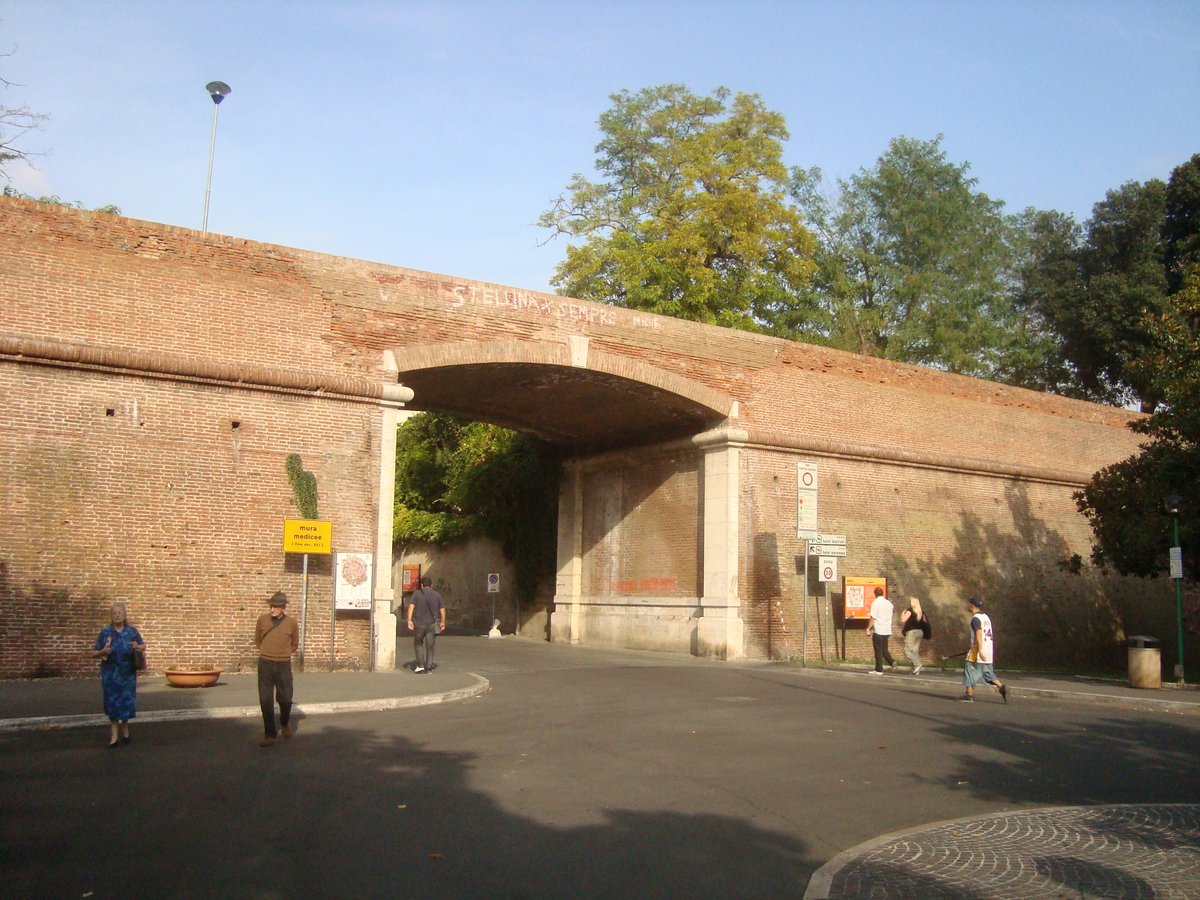 If you arrive in Grosseto from the south, Porta Corsica is your first encounter with the walled city. It's not just an entrance, but a true symbol of transition between the outside world and the historic heart enclosed by the Medici walls. Built in the 16th century, this gate was part of the defensive system commissioned by the Medici family and takes its name from the direction toward Corsica, though today it leads you directly into the center. What immediately strikes you is its massive yet elegant structure, with the large stone arch that still seems ready to withstand sieges. Passing underneath, you quickly notice the traces of time: the stone is worn, there are signs of restorations, but the atmosphere is authentic. I like to think that carts, soldiers, and pilgrims once passed through here, and today we travelers pass through with smartphones in hand. A fun fact? The gate was reopened to the public only after careful restoration that preserved its original structure, removing modern additions that had obscured its view. It's not an isolated monument: from here, you can start walking along the walls or immediately immerse yourself in the narrow streets of the center. In the evening, with soft lighting, it takes on an almost romantic air—perfect for a photo without the crowds of peak times. Personally, I find it an interesting vantage point for understanding Grosseto's urban evolution: from here, you can see how the city has developed beyond the walls, while the ancient core remains protected and recognizable. If you visit the Archaeological Museum, you'll discover that Porta Corsica was a key point for controlling goods and people, a detail that makes your visit more insightful. In short, don't skip it as just a passage: stop to observe the details, the stones, the arch, and imagine the stories it has witnessed.
Porta Vecchia: The Historic Gateway to Grosseto's Heart
- Via San Martino, Grosseto (GR)
- Open in Google Maps
- View on Google Images
 When you arrive in Grosseto, Porta Vecchia is your first true encounter with the historic city. It's not just an opening in the Medici walls, but a genuine passage through time. They call it that because it's the oldest among the city gates, and you immediately understand why: that massive stone structure, with its pointed arch that seems to embrace you, has a different air about it. Perhaps because it's the only one that still preserves its original medieval appearance, while the others have been modified over the centuries. Passing beneath it, I immediately noticed the marks of time on the stones—they're not damages, but stories. Here, you can still breathe the atmosphere of the fourteenth century, when Grosseto was a fortified village and this gate was one of the few controlled entrances. What struck me the most? Its strategic position. It's located on the northern side of the walls, facing Siena, and was the main entrance for those coming from that direction. Today, crossing it means leaving the modern city behind and entering the maze of streets that is the historic center. It's not just a monument to photograph, but an experience to live. I paused for a moment under the arch, looking both outward and inward, and understood why the people of Grosseto care so much about this place: it's their symbol of continuity, the point where past and present meet every day. An interesting fact? The gate is always open, as it was centuries ago, and I really liked that—no ticket, no schedule, just free access to history.
Clarisse Convent
- Strada Vinzaglio, Grosseto (GR)
- Open in Google Maps
- View on Google Images
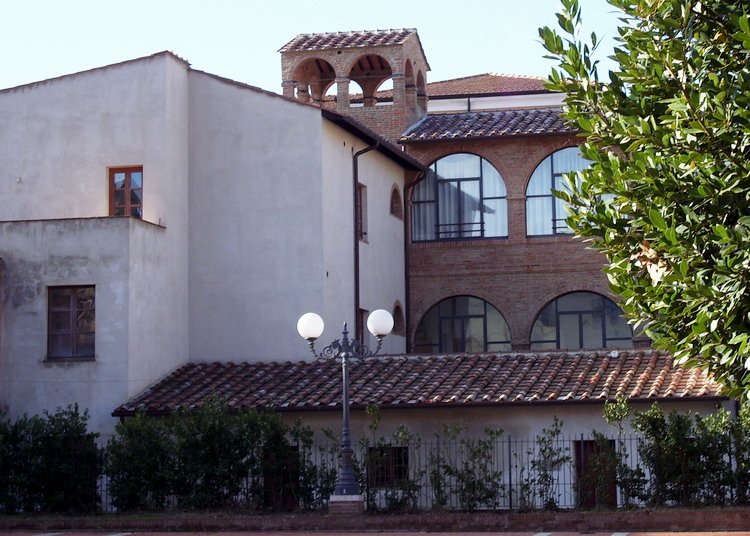 If you're looking for a peaceful corner away from the hustle and bustle of the city center, the Clarisse Convent is the perfect spot. It's located right within the Medici walls, just a stone's throw from Piazza Dante, but as soon as you pass through the gate, it feels like stepping into another world. The silence here is almost palpable, broken only by the rustling of leaves in the cloister. The building dates back to the 17th century and retains that intimate, somewhat austere atmosphere typical of cloistered convents. Today, it no longer functions as an active monastery but hosts temporary exhibitions and cultural events—I found it open for a contemporary art showcase, a pleasant surprise. The interior spaces are minimalist: the cloister with its central well is the heart of the complex, surrounded by brick arches that create beautiful plays of light at sunset. There's also a small church, the Church of San Francesco, which preserves some traces of the original frescoes, though unfortunately partly deteriorated. In my opinion, it's worth taking a look at the refectory, where they sometimes display works by local artists. Don't expect lavish decorations or crowded museums: here, the essence is simplicity. Admission is usually free, but always check the opening hours as it's not always accessible—I found the door open on a Saturday afternoon. It's an ideal place for a refreshing break, perhaps after visiting the busier museums. Personally, I enjoyed sitting on a bench in the cloister and imagining the lives of the nuns centuries ago. A curious detail: on the exterior facade, you can still see the emblem of the Clarisse. Small things that tell stories.
San Rabano Abbey
- Strada degli Ulivi, Grosseto (GR)
- Open in Google Maps
- View on Google Images
 If you're looking for a place where history blends with an almost primordial landscape, San Rabano Abbey is an unmissable stop. It's located in the heart of the Maremma Regional Park, not far from Alberese, and reaching it means immersing yourself in a truly unique atmosphere. The abbey, of Benedictine origin, dates back to the 11th century and was built with the typical local limestone, which now appears weathered by time but still full of character. What immediately strikes you is its position: it gently overlooks the surrounding plain, offering a view that stretches from the hills to the distant sea. The structure, though in ruins, preserves fascinating elements like the apse and parts of the perimeter walls, which hint at the original three-nave layout. Walking among these ruins gives a feeling of almost mystical peace, amplified by the silence broken only by the wind and bird calls. Personally, I find the charm of San Rabano lies precisely in this balance between decay and persistent beauty—it's not a perfectly restored monument, but an authentic place that tells centuries of Maremma history. Access is only possible on foot or by bicycle, following the park trails, which adds an aura of adventure to the visit. Remember to wear comfortable shoes and bring water, especially in summer, because the path can be challenging but is absolutely worth it. If you love historical sites off the usual tourist trails, you'll find a corner of Tuscany that's still genuine and surprising here.
Scoglietto Temple Area
- Strada del Mare, Grosseto (GR)
- Open in Google Maps
- View on Google Images
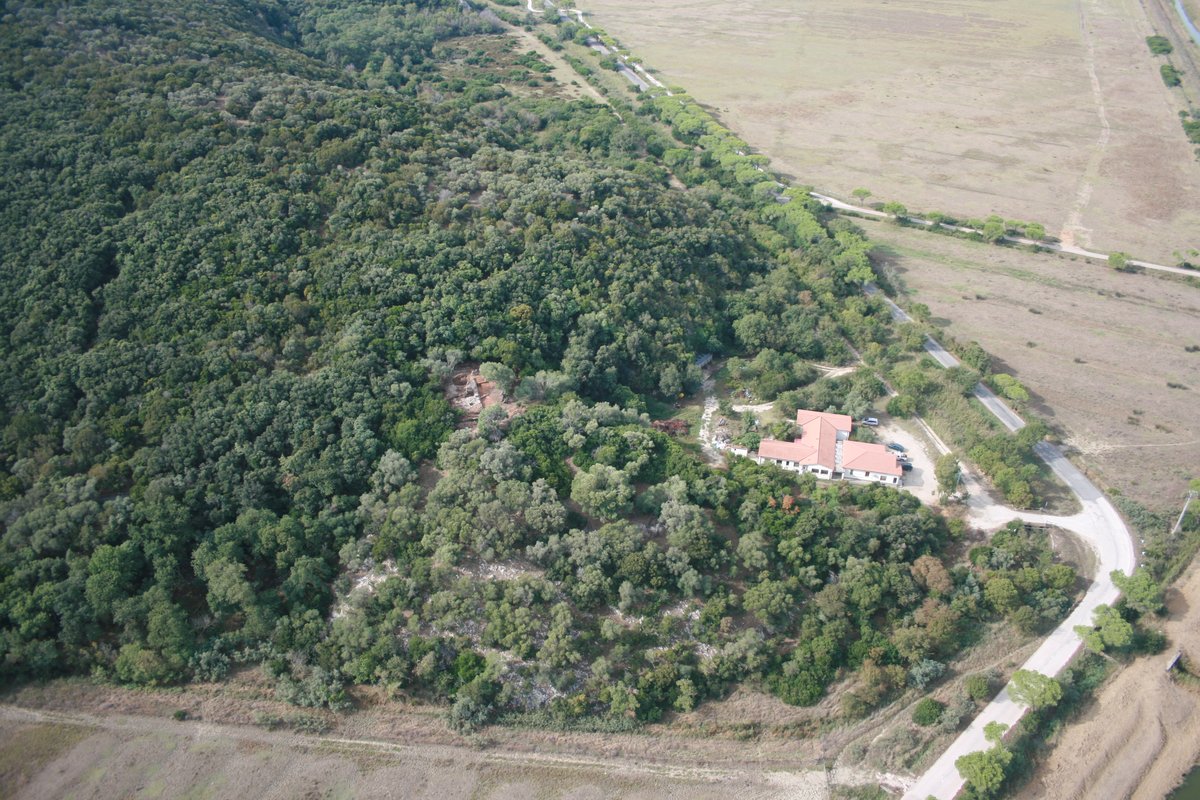 The Scoglietto Temple Area is one of those places that surprises you with its almost magical ability to unite archaeology and nature. Don't expect a monumental site like those seen in history books – here, the beauty lies precisely in the delicacy of the remains and the context in which they are set. It is an Etruscan-Roman sacred complex situated on a small hill a few kilometers from the center of Grosseto, surrounded by the typical Maremma Mediterranean scrub. What immediately strikes you is the panoramic position: from here, the gaze sweeps over the plain below, and on the clearest days, you can even glimpse the sea in the distance. The visible remains mainly belong to two temples from different eras, built one on top of the other. The oldest dates back to the Etruscan period, while the upper one is from the Roman Republican era. Walking among the column bases and fragments of pavement, you have the feeling of discovering something intimate, almost secret. The absence of invasive barriers or fences allows you to approach the remains naturally, as if you were taking a walk in the countryside with a historical surprise along the way. Personally, I greatly appreciated the silence that reigns in this place – far from the noise of traffic, interrupted only by the rustling of the wind through the plants and the songs of birds. It is an ideal spot for those seeking an archaeological experience without the crowds of more famous sites, where you can calmly imagine what religious life must have been like in this area centuries ago. The spontaneous vegetation growing among the ancient stones adds a poetic touch to everything, creating a fascinating contrast between human work and that of nature. I recommend visiting at sunset, when the warm sunlight enhances the colors of the stones and the surrounding scrub.