Feltre Civic Museum: Roman Artifacts and Sacred Art in Palazzo Villabruna

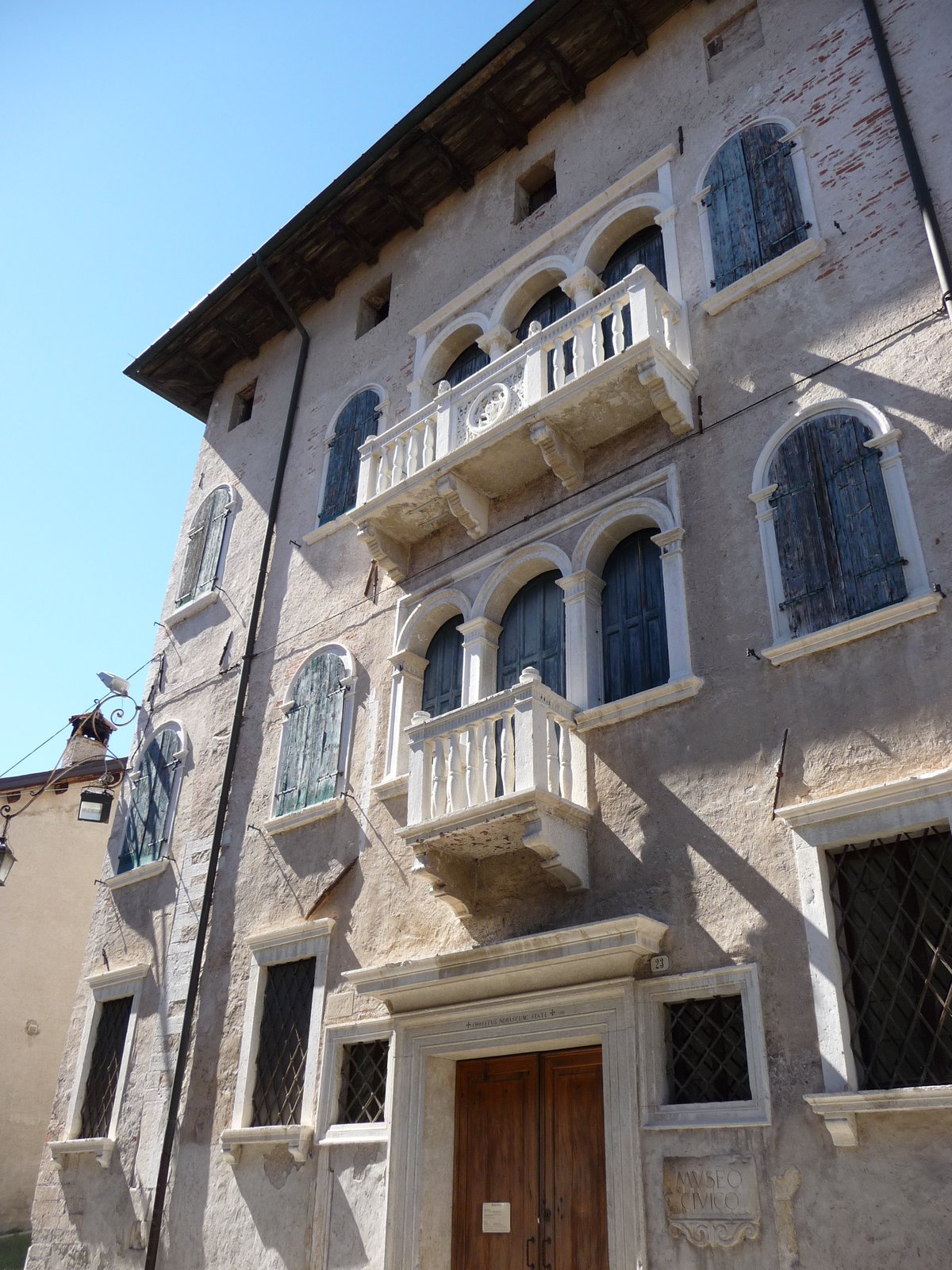
The Civic Museum of Feltre, hosted in Palazzo Villabruna since 1928, offers an intimate journey through the city’s history. The collection ranges from archaeological artifacts of the Roman and Paleovenetian periods to paintings and sculptures of the Venetian school, as well as documents on local daily life.


Events nearby


Copertina itinerario Feltre Civic Museum: Roman Artifacts and Sacred Art in Palazzo Villabruna
The Civic Museum of Feltre, housed in Palazzo Villabruna, displays Roman and medieval archaeological finds, sacred art from the Middle Ages to the Renaissance, and a section on local traditions. Admission fee with discounts available.

Good to know


Introduction

Entering the Civic Museum of Feltre is like opening a living history book, but without the dust. Don’t expect a cold, distant place: here, within the walls of a Renaissance palace that’s worth a visit in itself, you breathe the authentic soul of Feltre. The feeling is that of being invited into someone’s home, where the city’s treasures have been safeguarded for centuries. The light filtering through ancient windows illuminates artifacts ranging from the Iron Age to the Renaissance, creating an intimate and surprisingly welcoming atmosphere. I was immediately struck by how each room tells a different story, yet together they sketch the profile of this Belluno village, proud and rich in history. It’s not just a museum; it’s a key to understanding why Feltre has that discreet, enduring charm that makes you want to spend an entire day there.

Historical Notes

The museum’s history begins in the nineteenth century, when a group of cultured citizens decided to collect and protect the local heritage, but its roots go much further back. The oldest artifacts speak of the Paleoveneti and the Romans, who had a settlement here called Feltria. Then, in the Middle Ages, Feltre became a free commune, and the museum preserves traces of that turbulent and vibrant period. One thing that made me reflect is how the museum itself is a witness to the city’s transformations: born as a private collection, it grew through donations and discoveries, until it found its permanent home in Palazzo Villabruna in 1928. Every object, from the Roman brooch to the sixteenth-century painting, seems to have a story to whisper.

  • Iron Age and Roman era: early settlements and everyday artifacts.
  • Middle Ages: Feltre as a free commune, artistic and documentary evidence.
  • Renaissance: artistic flourishing, works of the Venetian school.
  • 1928: official inauguration in Palazzo Villabruna.
  • Today: a collection ranging from archaeology to modern art.

The Archaeological Section: A Dive into the Distant Past

This part of the museum is perhaps the most surprising because it lets you truly grasp how ancient and layered life in Feltre was. It’s not just display cases full of pottery shards: here you see everyday objects used by the Paleoveneti, like fibulae and bronze tools, which tell of an organized and skilled community. Then come the Romans, with coins, oil lamps, and even an inscription mentioning the city. What struck me is the ordinariness of these artifacts: they’re not fairy-tale treasures, but tangible evidence of how people lived, traded, and believed. One display case in particular, with pottery and kitchen utensils, almost makes you smell the meals prepared centuries ago. It’s a section that debunks the myth of the boring museum: here, history is palpable, and you understand why Feltre wasn’t born yesterday.

The Art Rooms: From the Middle Ages to the Twentieth Century

After the archaeology section, the museum becomes more colorful and narrative. The art rooms are a journey through the centuries, with paintings, sculptures, and furnishings that show the evolution of taste and devotion in Feltre. There are works from the Venetian school of the Renaissance, such as altarpieces and portraits, which reveal close ties with Venice and an unexpected artistic richness for a mountain town. But it’s not just sacred art: you’ll also find antique furniture, local ceramics, and even a collection of popular ex-votos, those naive little paintings that tell of received graces and small miracles. I particularly liked a corner dedicated to twentieth-century art, with works by Belluno artists who reinterpret the territory. It’s as if the museum doesn’t want to stop at the past, but dialogues with the present, showing that creativity here has never ended.

Why Visit It

Three concrete reasons not to skip this museum? First, because it’s the quickest and most comprehensive way to understand Feltre: in one hour, you journey from the Paleoveneti to the 20th century, grasp the city’s roots, and appreciate its cultural layers. Second, because the location itself is a work of art: Palazzo Villabruna, with its frescoed ceilings and noble rooms, is worth visiting even without the collections. Third, because it’s a human-scale museum: it doesn’t overwhelm you with information but leaves room for curiosity and questions. For example, I spent a long time gazing at a display of Roman coins, imagining the hands that used them. It’s an experience that blends culture and inspiration, perfect for those who want to delve deeper without stress.

When to Go

The best time? An autumn or winter afternoon, when the low sunlight streams through the ancient windows and creates plays of shadow on the artworks. In summer, it can be a pleasant break from the heat, but in my opinion, it’s during the colder season that the museum reveals its full, cozy and intimate atmosphere. Avoid peak weekend hours if you prefer tranquility: I visited on a Thursday afternoon and it was almost deserted, allowing me to linger over the details without rush. If possible, try visiting after a walk through the historic center in the rain: the effect is even more magical, like stepping into a refuge of stories.

In the Surroundings

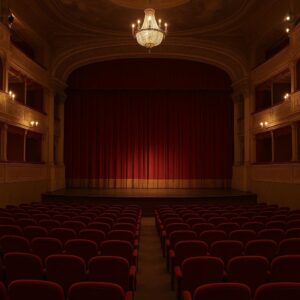
After leaving the museum, don’t miss two nearby experiences that complete the picture. First, Teatro de la Sena, an eighteenth-century gem just a few steps away: even if you don’t attend a performance, its architecture and history (it’s one of the oldest theaters in Veneto) are worth a stop. Then, take a quick visit to the Galleria d’arte moderna “Carlo Rizzarda”, also in Feltre: here you transition from ancient to contemporary, with a collection of wrought iron and twentieth-century works that showcase another side of local creativity. Both places, together with the Civic Museum, create a compact and rich cultural itinerary, all concentrated in the heart of the village.

Itineraries nearby


💡 Did You Know…?

Among the most curious works is a small collection of 17th and 18th-century ex-votos, donated by the faithful for received graces, which offer a vivid and moving glimpse into the popular devotion of the time. In one room, you can admire a wooden model of 18th-century Feltre, crafted with artisanal precision, which allows you to see what the city looked like before modern transformations. A detail that few notice: some floors of the palace housing the museum still preserve the original terracotta or stone pavements from centuries ago, on which its ancient inhabitants walked.