Villa Medicea di Seravezza: UNESCO Heritage Residence with Views of the Apuan Alps

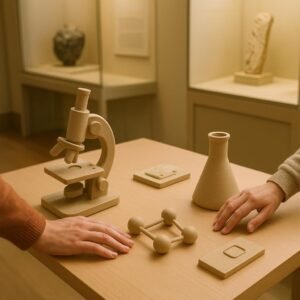
The Villa Medicea di Seravezza, a UNESCO World Heritage site since 2013, was built in 1560 as a summer residence and control center for the marble quarries of the Apuan Alps. Today, it hosts temporary exhibitions by the Museum of Work and Popular Traditions of Historical Versilia. The complex includes the main villa, restored stables, and gardens, all open to visitors.

  • Authentic Medici Renaissance architecture, away from the crowds of art cities
  • Unique location at the foothills of the Apuan Alps with panoramic mountain views
  • Temporary exhibitions by the Museum of Work showcasing local traditions and historical crafts
  • Essential garden that directly engages with the natural landscape of the Apuan Alps


Events nearby

Copertina itinerario Villa Medicea di Seravezza: UNESCO Heritage Residence with Views of the Apuan Alps
Renaissance residence of Cosimo I de’ Medici, administrative center for marble and iron mines. Visit the main villa, stables, gardens, and exhibitions at the Museum of Work and Popular Traditions.

Good to know


Introduction

Upon arrival, the Medici Villa of Seravezza strikes you with its Renaissance elegance nestled among the Apuan Alps. It’s not just a palace, but an experience that uniquely blends art and nature. The view of the mountains behind the serene stone facade is something that stays with you. I paused to gaze at it for a while, almost surprised by how a sixteenth-century building can feel so alive and integrated into the landscape. It’s one of those places that makes you understand why the Medici loved building here: the air is fresh, the silence is broken only by the wind through the trees, and there’s a sense of peace rarely found at other historical sites. Perfect for a cultural break without the crowds of more famous art cities.

Historical Background

The villa was commissioned by Cosimo I de’ Medici in 1560 as a summer residence and a center for exploiting the marble quarries of the Apuan Alps. It was not merely a place of leisure: here, a significant economic activity was managed, with artists working the marble for Florence. In the 18th century, it passed to the House of Lorraine, who used it for agricultural purposes, and today it hosts temporary exhibitions and the Museum of Work and Popular Traditions. Its history is deeply intertwined with the local territory, a blend of power, art, and daily labor.

  • 1560: Construction begins at the behest of Cosimo I
  • 1564: Completion of the main structure
  • 1737: Transfer to the House of Lorraine after the extinction of the Medici line
  • 2013: Inclusion on the UNESCO list as part of the “Medici Villas and Gardens in Tuscany” site

The Interiors: Simplicity and Function

Upon entering, you immediately notice that this is not an opulent villa like those in Florence. The spaces are essential, with vaulted ceilings and terracotta floors that evoke a practical countryside residence rather than a ceremonial palace. The rooms are spacious but sparsely decorated, because people came here to work and relax, not to impress guests. I was struck by the ground-floor hall, where meetings about the quarries were probably held: it still seems full of stories. The furnishings are minimal, but this leaves room for imagination. It’s a pity there aren’t many original pieces of furniture, but perhaps that’s for the best: you focus on the architecture and the sense of place.

The Garden and Its Relationship with the Apuan Alps

The garden is not a formal Italian-style park, but a green space that directly dialogues with the mountains. It is small, with simple flowerbeds and ancient trees shading the pathways. Walking through it, I had the impression it was designed to enjoy the view of the Apuan Alps, which seem so close you could almost touch them. In summer, it’s a cool spot to sit after your visit. Don’t expect fountains or elaborate statues: here, nature is the protagonist, with that scent of earth and vegetation reminding you that you’re in a secluded valley. Personally, I preferred this minimalist approach compared to the more manicured gardens of other villas.

Why Visit It

Three concrete reasons: first, it’s an authentic example of Medici architecture away from the city, where you can see how the family actually lived outside Florence. Second, the natural setting is unmatched: the Apuan Alps form the backdrop in every photo, and the clean air is a bonus. Third, the Museum of Work adds an unexpected piece, showcasing local traditions beyond noble history. It’s ideal for those seeking a cultural experience without rush, perhaps paired with a walk in the area. I found it more interesting than many crowded museums, precisely because of this dual character.

When to Go

In my opinion, the best time is a late spring or early autumn afternoon, when the light is warm and the mountains display vivid colors. Summer can be hot, but the garden provides shade; in winter, if it’s sunny, the atmosphere is evocative with snow-capped peaks. Avoid days of heavy rain, as much of the charm lies outdoors. I visited in October and it was perfect: few people, crisp air, and that silence that lets you appreciate every detail. I don’t know if it’s like this all year, but in that season it seemed just right.

In the Surroundings

Just a few minutes away is Pietrasanta, the city of artists, with sculptors’ ateliers and still-active marble foundries: a perfect thematic complement to understand the legacy of the Medici quarries. Or, if you prefer nature, head to the Fantiscritti Marble Quarries in Carrara, where marble has been extracted for centuries—a unique industrial and landscape experience. Both places are on the same road, ideal for a day dedicated to art and territory. I did it this way and felt like I completed the puzzle of this area’s history.

Itineraries nearby


💡 Did You Know…?

Take a close look at the fireplace in the Fireplace Room. Local legend has it that the large fireplace was built with a special stone, the ‘lightning stone,’ believed to ward off evil spirits and protect the house. A detail that blends popular superstition and Renaissance art. Additionally, if you visit the chapel, note the particular arrangement of the windows: they are designed to let in light in such a way as to perfectly illuminate the altar only at a specific time of day, a trick of sacred architecture that few notice.