
🧭 What to Expect
- Ideal for Renaissance art enthusiasts and medieval villages away from mass tourism.
- Highlights: Piero della Francesca's frescoes in Arezzo, Etruscan collections in Cortona, fortified villages like Gargonza.
- Includes an interactive map with 15 geolocated places to plan your itinerary.
- A complete experience between art, history, and landscapes of Casentino and Valdichiana.
Events nearby
10/09/2026 - 04/01/2027
03/06/2026 - 10/06/2026

The Province of Arezzo is a corner of authentic Tuscany, far from the beaten track. Here you'll find Arezzo with its Piazza Grande and the Basilica of San Francesco, home to Piero della Francesca's frescoes. Then there's Cortona, perched on the hills with its Etruscan museum and Girifalco Fortress. Casentino offers the Hermitage of Camaldoli and Romena Castle, while Valdichiana surprises with villages like Gargonza. Flavors abound: from wine to cheeses, every town has its specialty. It's the perfect place if you're looking for art, history, and nature without the crowds.
Overview
- Basilica of San Francesco
- Co-Cathedral of Santa Maria Assunta
- MAEC - Museum of the Etruscan Academy and the City of Cortona
- Camaldoli Hermitage
- Castle of the Guidi Counts
- Romena Castle
- Gargonza, the Medieval Village Nestled Among the Hills
- Sansepolcro Civic Museum
- National Archaeological Museum Gaio Cilnio Mecenate
- Piazza Grande
- Medici Fortress
- Girifalco Fortress
- Montevarchi Paleontological Museum
- Museum of Folk Arts and Traditions of the Upper Tiber Valley
- Museum of the New Lands
Itineraries nearby

Basilica of San Francesco
- Via San Francesco, Arezzo (AR)
- https://www.discoverarezzo.com/en/ticket-office/
- Open in Google Maps
- View on Google Images
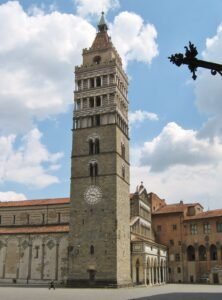
 The Basilica of San Francesco is one of Arezzo's most precious artistic gems, a place that holds centuries of history and timeless masterpieces. Built between the 13th and 14th centuries in Gothic style, this Franciscan basilica stands out for its unfinished stone facade, which conceals an interior of extraordinary richness. The true treasure of the church is the Bacci Chapel, home to Piero della Francesca's fresco cycle The Legend of the True Cross, created between 1452 and 1466. This work, considered one of the greatest masterpieces of the Italian Renaissance, tells the story of the wood of Christ's cross through ten scenes, with a mastery of perspective and color that takes your breath away. In addition to Piero della Francesca's frescoes, the basilica preserves other significant works such as the 14th-century wooden crucifix on the main altar and Spinello Aretino's frescoes in the Chapel of San Bartolomeo. Visiting the basilica allows you to fully immerse yourself in Arezzo's medieval and Renaissance atmosphere, experiencing firsthand the artistic evolution that has characterized this city. Admission is paid with advance booking recommended, especially to admire Piero della Francesca's frescoes up close, protected by a climate control system that ensures their preservation.
Basilica of San Francesco
Co-Cathedral of Santa Maria Assunta
- Piazza del Duomo, Cortona (AR)
- Open in Google Maps
- View on Google Images
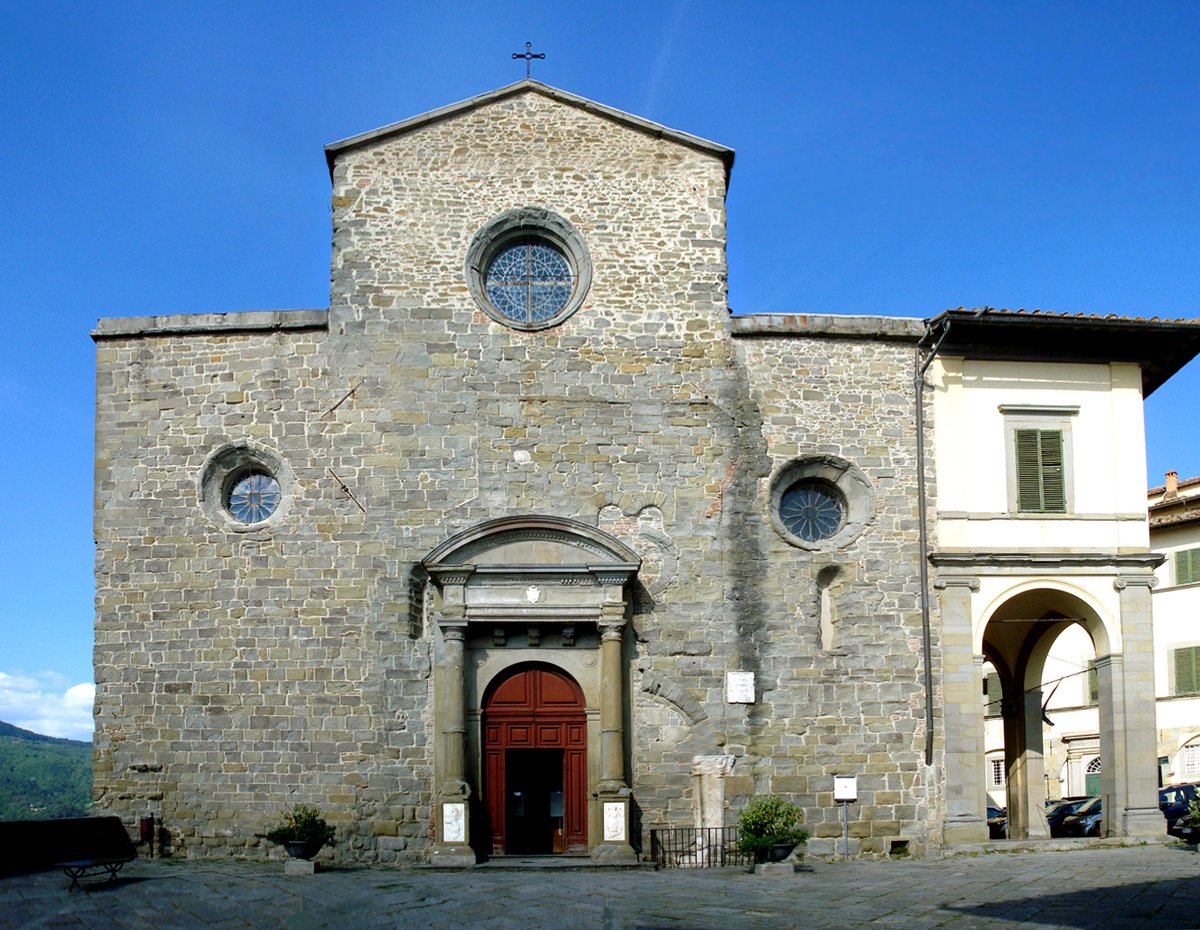 The Co-Cathedral of Santa Maria Assunta, also known as Cortona Cathedral, stands in Piazza del Duomo, at the heart of the historic center. Built on the site of an ancient pagan temple, its sandstone facade dates back to the 15th century, while the interior is a triumph of Renaissance art. Upon entering, visitors are immediately struck by the gilded coffered ceiling, crafted by Francesco di Pietro, and the main altar featuring the polyptych by Lorenzo di Niccolò, dated 1402. To the right, the Chapel of the Sacrament houses a marble ciborium by Andrea Sansovino, a masterpiece of 16th-century sculpture. In the left nave, the canvas of the Assumption of the Virgin by Pietro Berrettini, nephew of Pietro da Cortona, dominates the wall. The accessible crypt preserves Roman and medieval remains, bearing witness to the site's historical layers. The church serves as the seat of the Diocese of Arezzo-Cortona-Sansepolcro and occasionally hosts organ concerts, making use of the still-functional 18th-century instrument. Visiting means immersing oneself in centuries of faith and art, with a breathtaking view of the Valdichiana from the external stairways.
Co-Cathedral of Santa Maria Assunta
MAEC - Museum of the Etruscan Academy and the City of Cortona
- Piazza Luca Signorelli 9, Cortona (AR)
- http://www.cortonamaec.org/
- Open in Google Maps
- View on Google Images
- info@cortonamaec.org
- +39 0575 630415
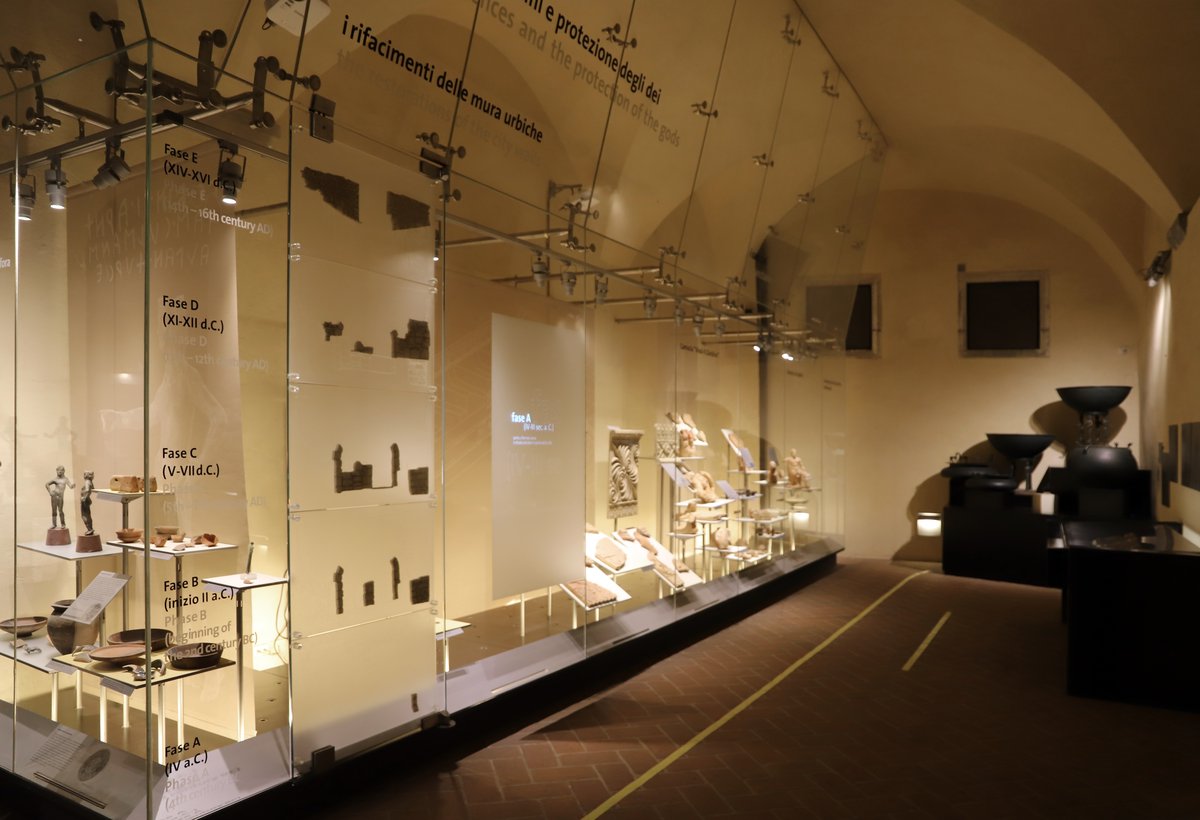 The MAEC - Museum of the Etruscan Academy and the City of Cortona is a place that immediately captures you, not only for its location in the heart of Cortona's historic center, but for how it tells a millennia-old story. You'll find yourself facing one of the most important Etruscan collections in Tuscany, with artifacts spanning from the 9th to the 1st century BC. Among these stands out the Etruscan Chandelier, a 5th-century BC bronze discovered in 1840 that has become the museum's symbol. But it's not just archaeology: the path winds through Cortona's history, from the Romans to the Middle Ages, up to the modern era. On the ground floor, the section dedicated to the Etruscan Academy, founded in 1727, introduces you to a heritage of books, manuscripts, and artworks that testify to the city's enduring interest in antiquity. As you ascend, the rooms guide you through the funerary goods from local necropolises, like that of Sodo, with everyday and ritual objects that help you understand the complexity of Etruscan civilization. The museum is housed in Palazzo Casali, a medieval building that alone is worth the visit, with its frescoed ceilings and intimate atmosphere. Here, every display case has a story to tell, like the Tabula Cortonensis, a bronze tablet with Etruscan inscriptions that revolutionized studies of the language. For those traveling with curiosity, it's an experience that combines scientific rigor and emotion, in a context where the past converses with the present.
MAEC - Museum of the Etruscan Academy and the City of Cortona
Camaldoli Hermitage
- Via Eremo, Poppi (AR)
- Open in Google Maps
- View on Google Images
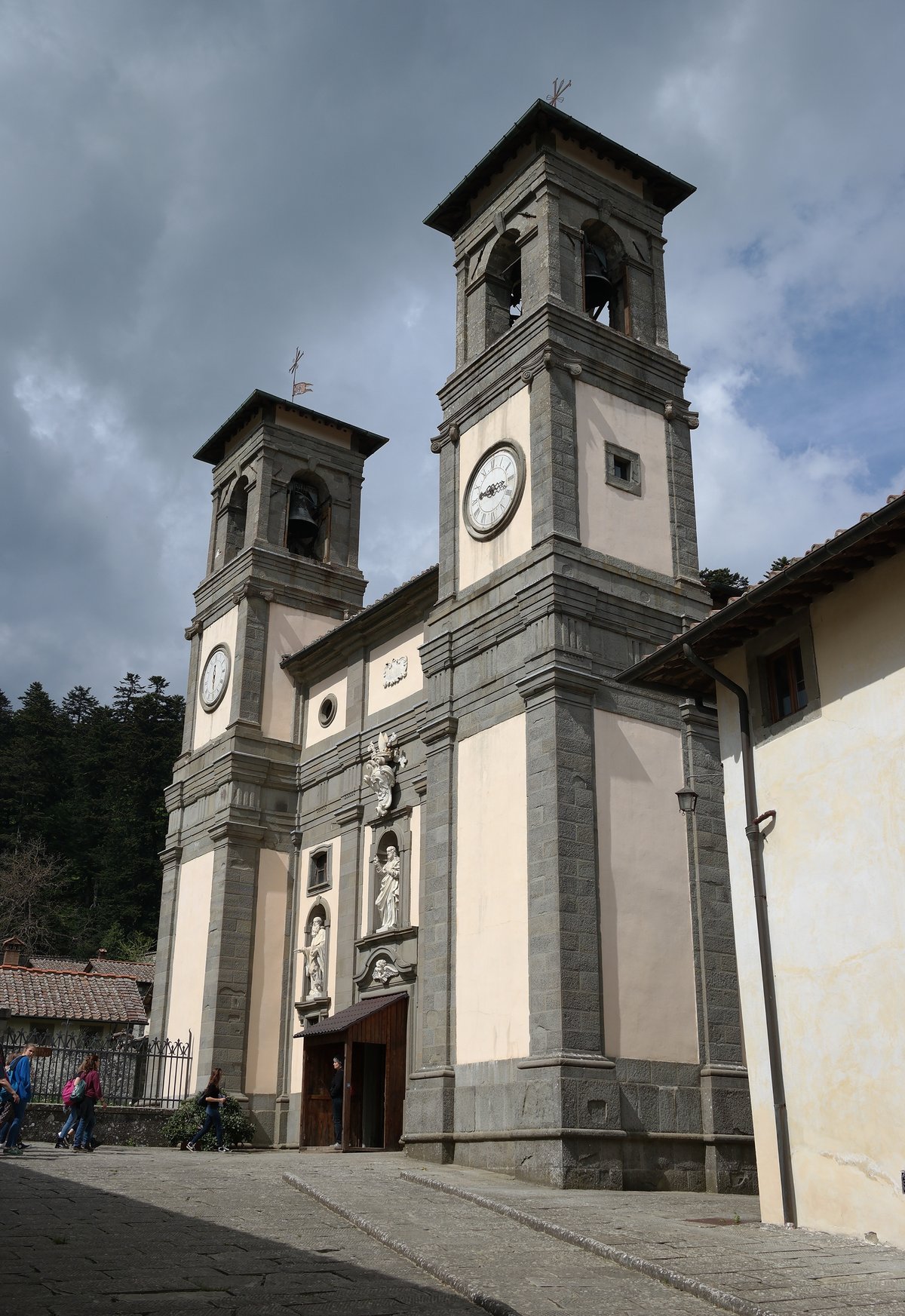 The Camaldoli Hermitage is nestled within the ancient forests of the Casentinesi Forest National Park, just a few kilometers from the center of Poppi. Founded in 1012 by Saint Romuald, this monastic complex represents one of the most important spiritual sites in Tuscany. The structure consists of two distinct parts: the monastery proper, where the monks reside, and the hermitage, composed of twenty individual cells where the religious live in complete isolation. The visit begins at the main church, dedicated to the Transfiguration of the Holy Savior, which houses artworks of notable value such as the 13th-century wooden crucifix and frescoes from the Florentine school. The monastic pharmacy, active since 1543, is one of the oldest in Europe and still produces herbal preparations following ancient Benedictine recipes. The tour allows access to the Renaissance cloister and the historic library, which preserves medieval manuscripts and valuable incunabula. The atmosphere is one of profound peace and contemplation, enhanced by the silence enveloping the complex and the forest trails leading to the individual hermit cells. For those seeking a deeper experience, it is possible to participate in liturgical celebrations with the monastic community or stay overnight at the inn managed by the monks. The best time to visit is from April to October, when the climate allows full appreciation of the surrounding natural trails as well.
Camaldoli Hermitage
Castle of the Guidi Counts
- Ponte a Poppi (AR)
- http://www.castellodipoppi.it
- Open in Google Maps
- View on Google Images
- +39 0575 520516
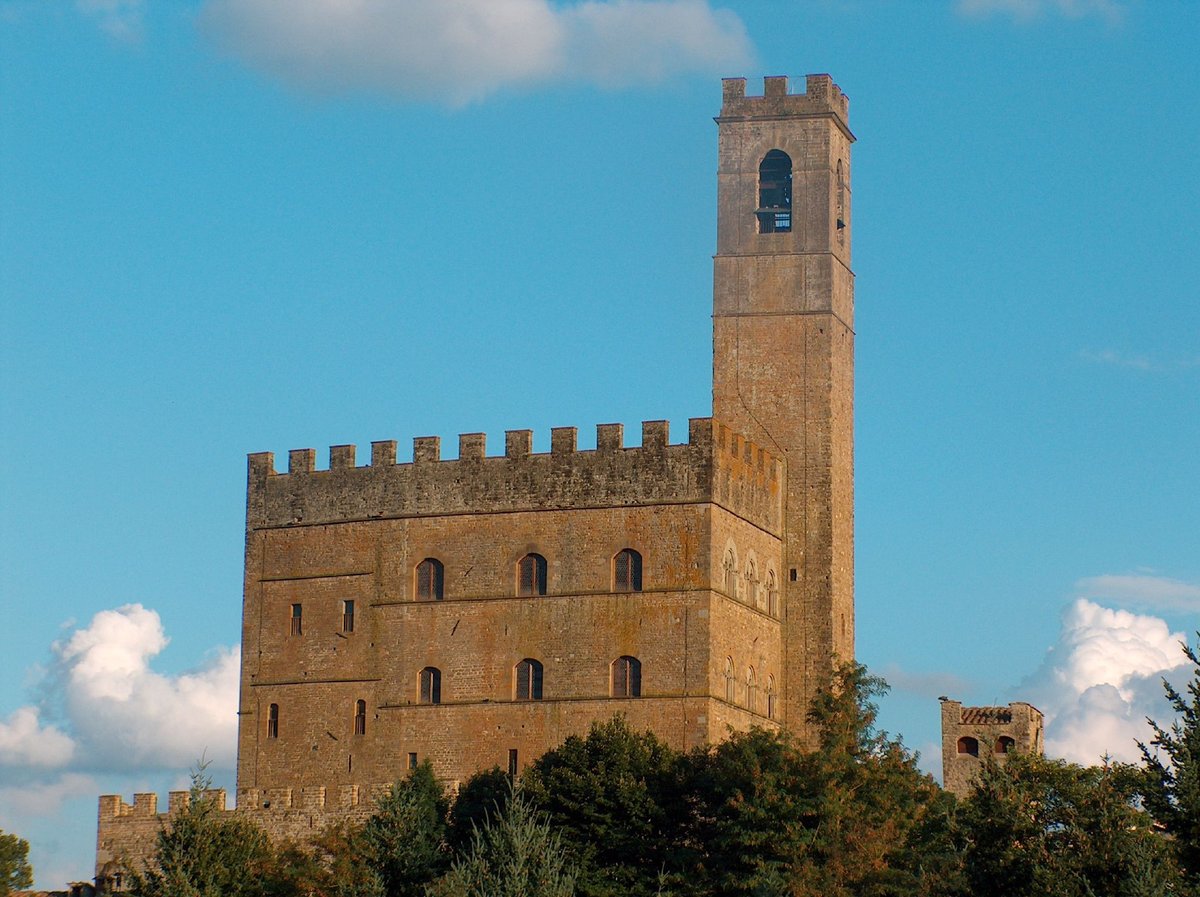 The Castle of the Guidi Counts in Ponte a Poppi is one of the most recognizable symbols of the Casentino, perched on a rocky spur that dominates the valley. Built between the 12th and 13th centuries, this fortress represents an exceptional example of medieval military architecture in Tuscany. Its imposing 35-meter-high square tower stands out against the sky and offers a breathtaking panoramic view of the entire valley, stretching to the Apennines. Inside, visitors can explore the frescoed halls, including the Chapel of San Lamberto with its 14th-century pictorial cycles, and the porticoed courtyard with its central well. The castle served as the residence of the Guidi Counts, powerful feudal lords who controlled much of the territory, and also hosted Dante Alighieri during his exile. Today, in addition to its museum function, it hosts cultural events and temporary exhibitions. The structure preserves intact the crenellated walls, the drawbridge (though no longer functional), and the prisons, which tell centuries of local history. Its strategic location between Florence and Arezzo makes it a privileged observation point, while the authentic atmosphere attracts visitors seeking a plunge into the past, away from the more crowded tourist flows.
Castle of the Guidi Counts
Romena Castle
- Strada Comunale di San Paolo, Pratovecchio (AR)
- Open in Google Maps
- View on Google Images
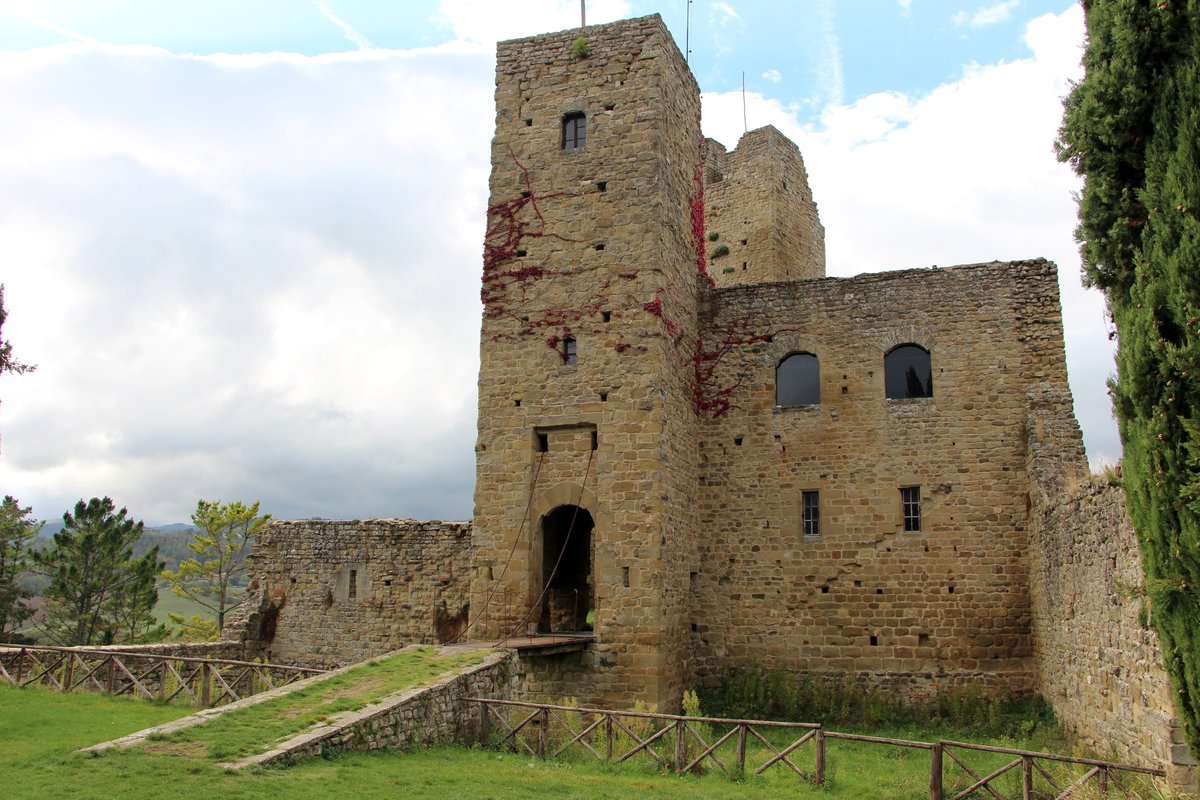 Romena Castle dominates the Casentino valley from a hilltop in Pratovecchio, offering one of the most authentic historical experiences in the province of Arezzo. Built in the 11th century, this fortress is renowned for being mentioned by Dante Alighieri in the Divine Comedy, specifically in Canto XXX of the Inferno, where the poet alludes to the counterfeiting of gold florins that took place right here. Today, its three towers – the Postierla Tower, the Mastio Tower, and the Bell Tower – stand out against the sky, surrounded by walls that enclose the Chapel of San Michele and the remains of the ancient settlement. The visit allows you to walk among the well-preserved ruins, observing architectural details such as the arrow slits and stone staircases, while informative panels recount the history of the Guidi counts, who ruled here for centuries. From the inner courtyard, the view stretches over the forests of the Casentinesi Forest National Park, a panorama that invites reflection on the medieval past of this area. Access is easy, with parking nearby, and the entrance ticket also includes admission to the nearby Camaldoli Hermitage during certain times of the year, making it a convenient option for those wishing to delve deeper into local history. I recommend visiting on a clear day to fully enjoy the light illuminating the ancient stones, creating an almost magical atmosphere.
Romena Castle
Gargonza, the Medieval Village Nestled Among the Hills
- Go to the page: Gargonza: A Medieval Tuscan Village with a 13th-Century Tower and Intact Walls
- Strada di Gargonza, Verniana (AR)
- Open in Google Maps
- View on Google Images
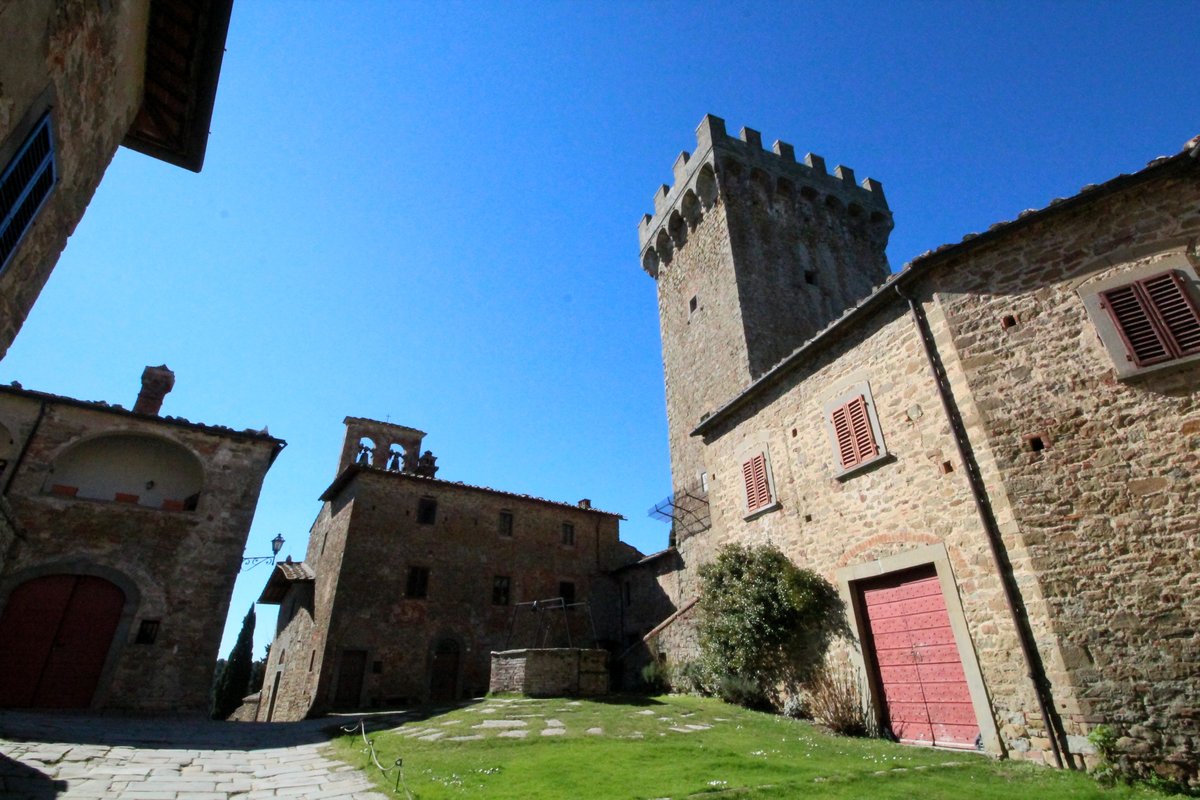 Gargonza is a fortified medieval village perched on a hill at 560 meters above sea level, in the municipality of Monte San Savino, not far from Arezzo. Its 14th-century walls enclose a perfectly preserved historic core, with stone houses, cobbled alleys, and the crenellated tower overlooking the landscape. The village, mentioned as early as the 13th century, was a possession of the Ubertini counts and has retained its original structure intact. Today it is a village-hotel, where ancient dwellings have been transformed into welcoming accommodations, offering a unique lodging experience. Strolling through its streets means immersing yourself in an atmosphere suspended in time, far from the chaos. The Church of San Tiburzio, within the village, preserves Renaissance frescoes and represents a point of historical and artistic interest. Gargonza is surrounded by olive groves and vineyards, typical of the Tuscan landscape, and offers breathtaking views of the Valdichiana. The village is also known for being a venue for cultural events, such as concerts and literary readings, which enliven its squares in summer. Its isolated location makes it ideal for those seeking tranquility and an authentic connection with history and nature. There are no shops or public restaurants within the walls, but the hospitality of the village-hotel ensures every comfort. Gargonza is a hidden gem, perfect for a rejuvenating escape.
Gargonza
Sansepolcro Civic Museum
- Via Niccolò Aggiunti 65, Sansepolcro (AR)
- Open in Google Maps
- View on Google Images
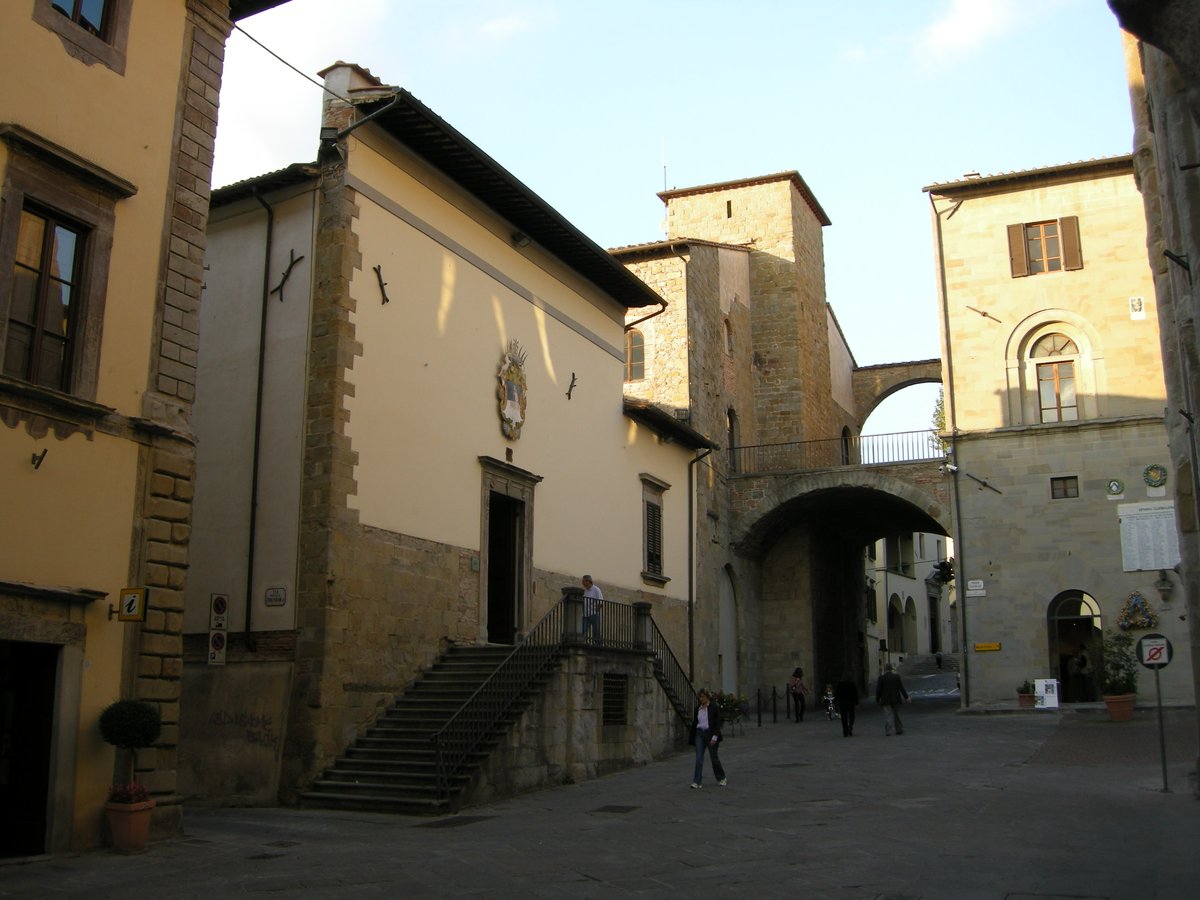 The Sansepolcro Civic Museum is not just a museum, but the beating heart of Tuscan Renaissance culture. Housed in the historic Palazzo della Residenza, a building that once served as the city's government seat, this museum safeguards works that have shaped the history of Italian art. The highlight is undoubtedly Piero della Francesca's Resurrection, a monumental fresco that dominates the main hall with its majestic composition and masterful use of perspective. Piero della Francesca, born right here in Sansepolcro, left some of his most significant works in this museum, including the Polyptych of the Misericordia and Saint Louis of Toulouse. These pieces showcase the evolution of his style, from International Gothic to the Renaissance innovations that made him famous. Beyond Piero's masterpieces, the museum boasts a rich collection of local art spanning from the Middle Ages to the Baroque period. Notable are the Umbrian and Tuscan school panels, wooden artifacts, and Renaissance ceramics that depict daily life in Valtiberina between the 14th and 17th centuries. The visit unfolds through well-organized rooms, with explanatory panels that contextualize the artworks within their historical period. The museum also features an archaeological section with Roman and medieval artifacts unearthed in the area, testifying to Sansepolcro's ancient origins. Recently renovated in its displays, the Civic Museum perfectly blends tradition and modernity, with a well-stocked bookshop and guided tours available upon reservation. For art enthusiasts, it's an essential stop to fully grasp Tuscan Renaissance art beyond the more frequented circuits.
Civic Museum
National Archaeological Museum Gaio Cilnio Mecenate
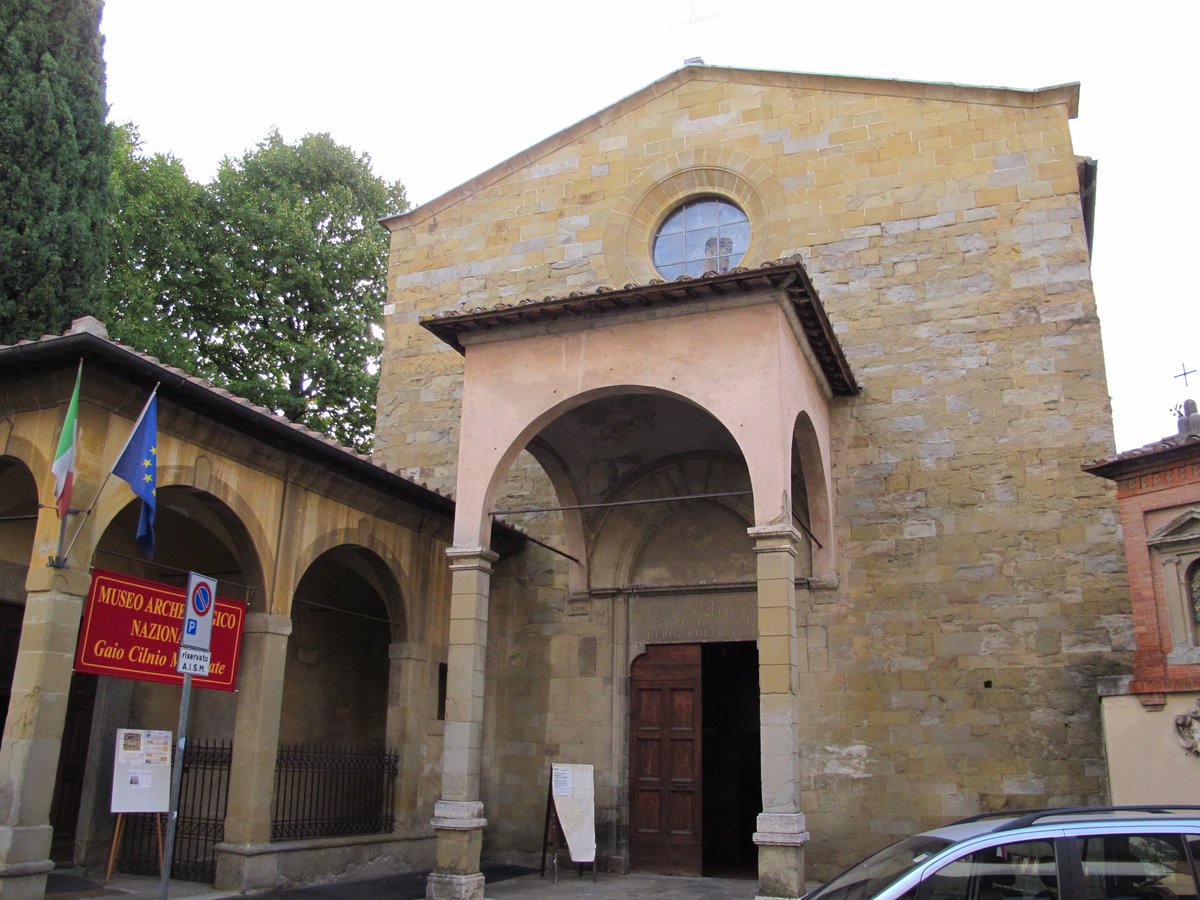 The National Archaeological Museum Gaio Cilnio Mecenate is housed in the former monastery of San Bernardo, a building that in itself tells centuries of history. Its strategic location, right next to the Roman amphitheater, immediately immerses you in the ancient atmosphere. Upon entering, you're greeted by a collection spanning from prehistory to late antiquity, with a particular focus on the Etruscan and Roman periods. Among the highlights stands the Euphronios krater, an Attic red-figure vase representing one of the most significant works of Greek ceramic art in Italy. But it's not the only treasure: the local coral-red pottery, typical of Arezzo, testifies to the city's importance as a ceramic production center in Roman times. The section dedicated to Etruscan bronze statuettes allows you to discover details about the daily and religious life of this people, while the artifacts from the amphitheater, such as inscriptions and sculptures, reconstruct the identity of Roman Arezzo. The museum is clearly organized, with explanatory panels that guide you without weighing down the visit. It's a place where history takes shape, ideal for those who want to understand the roots of this area without getting lost in technicalities. I recommend dedicating at least an hour and a half to appreciate each room, perhaps combining the visit with the external amphitheater for a complete experience.
National Archaeological Museum Gaio Cilnio Mecenate
Piazza Grande
- Piazza Grande, Arezzo (AR)
- Open in Google Maps
- View on Google Images
 Piazza Grande is the vibrant heart of Arezzo, a trapezoidal space that encapsulates centuries of history and art. Dominated by the Loggia del Vasari, designed by Giorgio Vasari in 1573, the square is a perfect example of Tuscan Renaissance architecture. Here, emblematic buildings such as the Palazzo della Fraternita dei Laici, with its Gothic and Renaissance façade, and the Palazzo delle Logge, which houses still-active artisan workshops, overlook the square. The sloping pietra serena stone pavement creates a unique perspective effect, emphasized during the Antiques Market, one of Italy's oldest, held here since 1968 on the first weekend of every month. The square is also famous for being the set of Roberto Benigni's Life Is Beautiful, where the protagonist rides his bicycle through the city. Today, in addition to historical events, it hosts the Giostra del Saracino, a medieval reenactment that enlivens the square twice a year. Visitors can admire architectural details, such as the heraldic coats of arms on the palaces and the central well, while locals gather in the cafés under the arcades. A place where past and present coexist, offering an authentic glimpse into Arezzo's life.
Piazza Grande
Medici Fortress
- Viale Bruno Buozzi, Arezzo (AR)
- Open in Google Maps
- View on Google Images
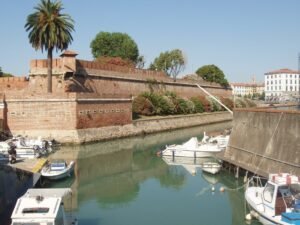
 The Medici Fortress stands atop San Donato Hill, offering breathtaking panoramic views over Arezzo and the Valdichiana valley. Built between 1538 and 1560 at the behest of Cosimo I de' Medici, this fortress represents an example of Renaissance military architecture, designed to control the city after the 1529 rebellion. The structure, with its irregular star shape and angular bastions, is constructed from brick and pietra serena, typical local materials. Today, the fortress is a public park with free access, where visitors can stroll along the walkways and admire the remains of the walls and bastions. Inside, there are green spaces perfect for picnics and relaxation, while the outdoor areas occasionally host cultural events and summer concerts. Its elevated position makes it a prime spot for photography at sunset, with the city and Tuscan hills in the background. Despite damage sustained during World War II, the fortress retains a palpable historical charm, telling centuries of Medici rule and urban transformations. To reach it, a short uphill walk from the historic center is recommended—a route that offers charming glimpses of Arezzo's rooftops.
Medici Fortress
Girifalco Fortress
- Via di Fortezza, Cortona (AR)
- Open in Google Maps
- View on Google Images
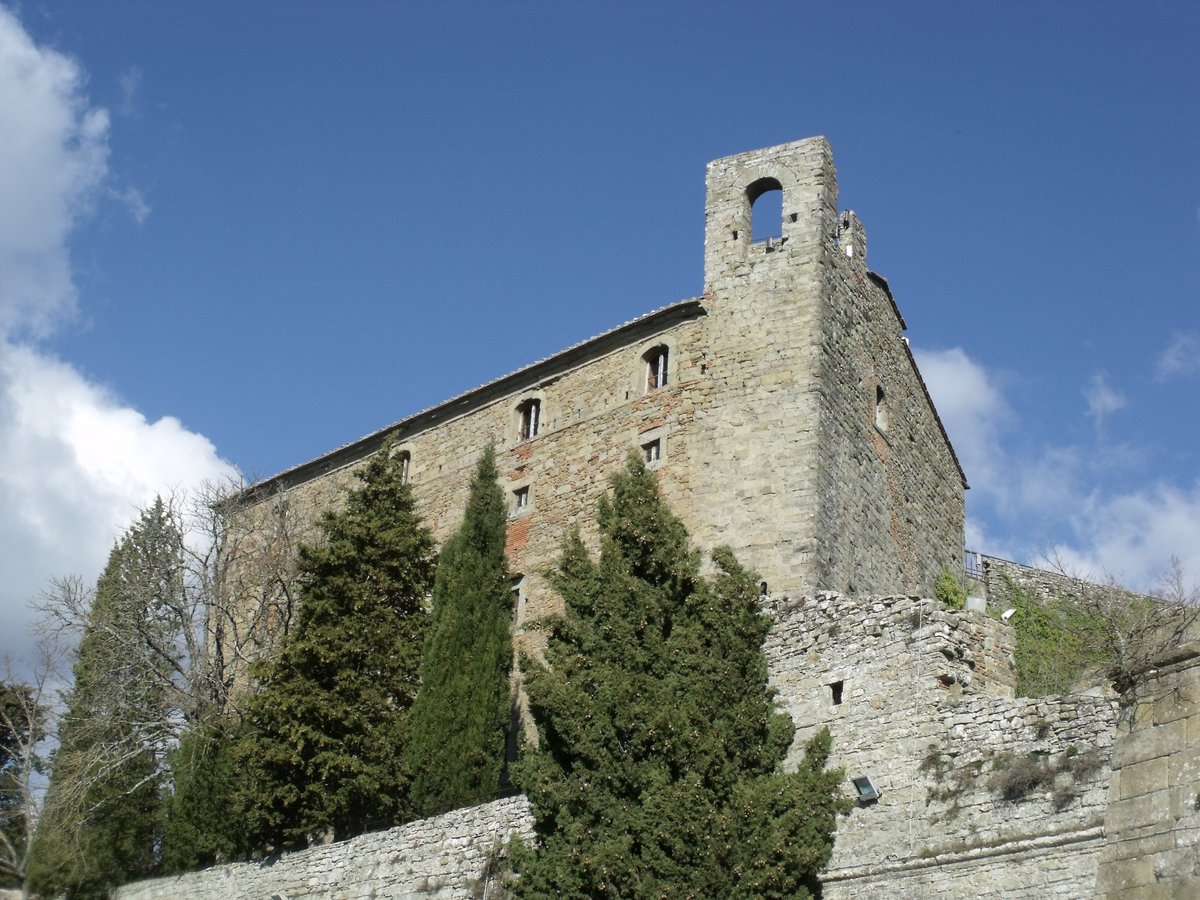 The Girifalco Fortress is an imposing military structure built by the Medici in the 16th century on a hilltop overlooking Cortona. Its strategic position offers a breathtaking panoramic view of the Valdichiana valley and the surrounding mountains, making it a privileged observation point. The fortress was erected to consolidate Florentine control over the territory and features massive walls, angular bastions, and an inner courtyard that showcase Renaissance military architecture. Today, it is accessible on foot via a path starting from Cortona's historic center—a walk that reveals charming glimpses of the Etruscan city. Inside, visitors can admire the remains of gun emplacements and walkways, along with spaces occasionally used for exhibitions and cultural events. A visit is especially recommended at sunset, when the warm light enhances the ancient stones and the landscape is painted with intense colors. The Girifalco Fortress is not just a historical monument but a place where you can breathe in the history and atmosphere of Cortona, away from the crowds of more frequented routes. For those seeking an authentic experience, here you can grasp the essence of a Tuscan village that has preserved its traditions for centuries.
Girifalco Fortress
Montevarchi Paleontological Museum
- Via Poggio Bracciolini, Montevarchi (AR)
- https://www.museopaleontologicomontevarchi.it/
- Open in Google Maps
- View on Google Images
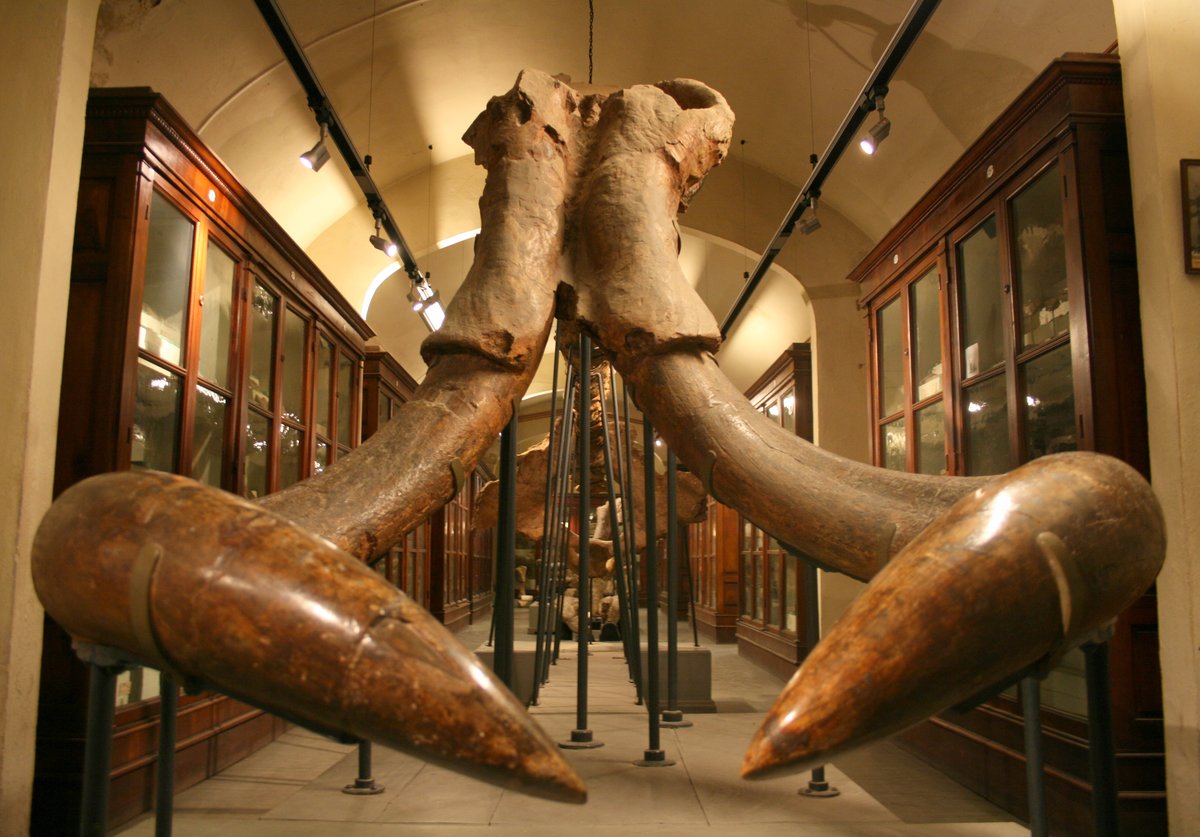 The Montevarchi Paleontological Museum is a true gem for those wanting to discover Tuscany's most ancient history. Housed in the former convent of San Ludovico, the museum safeguards one of Italy's most important paleontological collections, with finds that narrate the evolution of the Upper Valdarno over the last 3 million years. Here you can admire complete skeletons of ancient elephants, hippopotamuses, and rhinoceroses that inhabited these lands when the climate was tropical. The undisputed star is Anancus arvernensis, an extinct proboscidean whose remains are among the best preserved in the world. The display cases also feature skulls of Ursus etruscus, the ancestor of the brown bear, and jaws of Macaca florentina, a monkey that lived here during the Pliocene. The exhibition route unfolds across two floors, with clear educational panels explaining fossilization processes and climate changes. The ground floor houses large mammals, while the upper floor displays smaller finds and fossil flora. The museum regularly organizes workshops for children and themed guided tours, making it perfect for families. Don't miss the section dedicated to hyena skulls and shark teeth found in the yellow sands of Valdarno, evidence of when this was a coastal area. The modern setup and attention to detail make the visit engaging even for non-experts. The entrance ticket costs just a few euros and includes access to the specialized library. The museum is open year-round, with extended hours on weekends.
Paleontological Museum
Museum of Folk Arts and Traditions of the Upper Tiber Valley
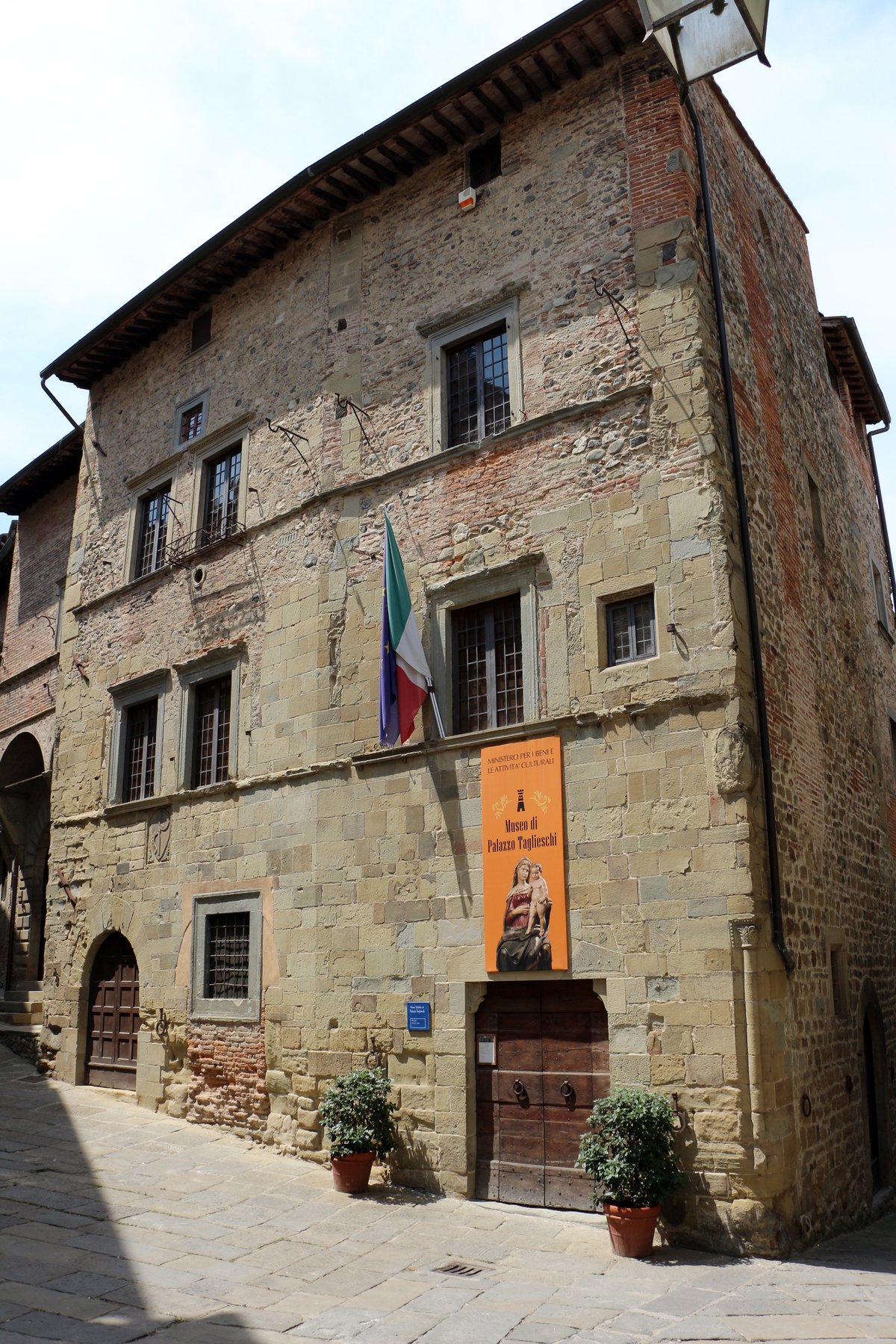 If you're looking for an authentic experience in the province of Arezzo, the Museum of Folk Arts and Traditions of the Upper Tiber Valley at Palazzo Taglieschi in Anghiari is an unmissable stop. Housed in a 15th-century Renaissance palace, the museum collects over 2000 objects that tell the story of peasant and artisan life in the area between the 19th and 20th centuries. The permanent collection includes agricultural tools, weaving looms, local ceramics, and domestic furnishings, all organized by themes such as agriculture, pastoralism, and traditional crafts. Particularly interesting is the section dedicated to silk production, an activity that characterized the economy of the Upper Tiber Valley. The museum is not just a collection of objects, but a true slice of social history: through the artifacts, you understand how people lived, worked, and celebrated holidays in this part of Tuscany. Palazzo Taglieschi itself deserves attention: with its typical architecture and inner courtyard, it offers an ideal setting to immerse yourself in the atmosphere of the past. The visit is enriched by clear explanatory panels and occasional temporary exhibitions that delve into specific aspects of folk culture. For those who want to understand the roots of Anghiari and its territory, this museum is an essential starting point, off the beaten track but rich in meaning.
Museum of Folk Arts and Traditions of the Upper Tiber Valley - Palazzo Taglieschi
Museum of the New Lands
- Largo Masolino da Panicale, San Giovanni Valdarno (AR)
- Open in Google Maps
- View on Google Images
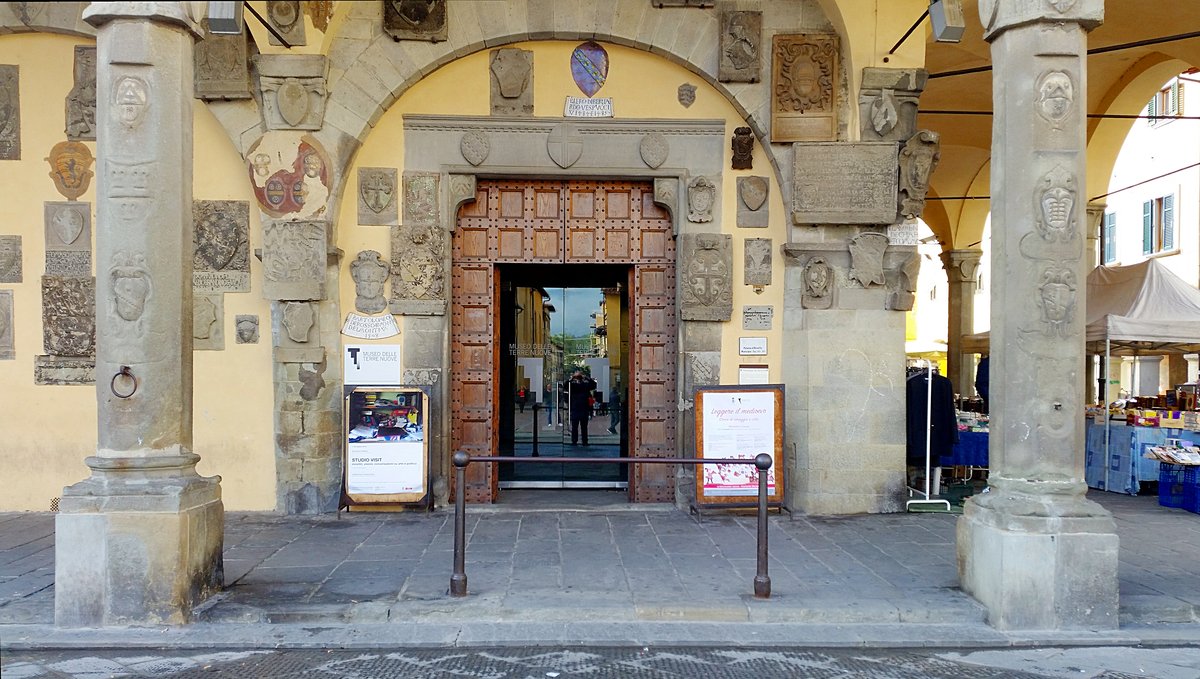 The Museum of the New Lands in San Giovanni Valdarno is a unique place that tells the extraordinary story of the Tuscan new lands, founded between the 13th and 14th centuries to repopulate and control the territory. Located in the Palazzo d'Arnolfo, a symbolic building of the city, the museum immerses you in the urban and social history of these planned settlements. Through archaeological finds, ancient maps, and multimedia installations, you'll discover how San Giovanni Valdarno was born as a Florentine new land, with a grid urban layout that still characterizes the historic center today. The exhibition halls guide you through daily life, economy, and architecture of the era, with a focus on original documents and reconstructions that make the past tangible. Particularly interesting is the section dedicated to medieval construction techniques and local findings, which highlight the evolution of the territory. The museum is not just a collection of objects, but an experience that connects visitors to the community's roots, enhancing a heritage that is often little known. Ideal for those seeking an in-depth historical perspective, it's accessible and well-organized, with clear panels and a logical path. Its location in the heart of San Giovanni Valdarno makes it easy to include in an itinerary exploring Valdarno, perhaps combined with a visit to the nearby Casa Masaccio.
Museum of the New Lands