
The Sanna National Museum in Sassari offers a journey through Sardinian history through archaeological collections displayed in an elegant palace in the historic center. Ideal for families and enthusiasts, it features a clear layout with captions in Italian and English.
- Nuragic statuettes and bronze figurines that tell the stories of ancient civilizations
- Section dedicated to Punic and Roman Sardinia with ceramics and coins
- Artifacts from the Neolithic to the Middle Ages, including the “Mother Goddess” of Ozieri
- Central location perfect for combining your visit with a stroll through Sassari’s historic center
Events nearby
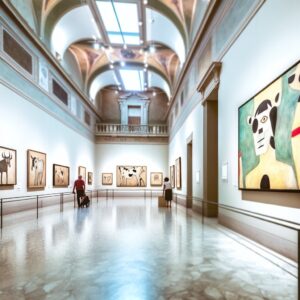
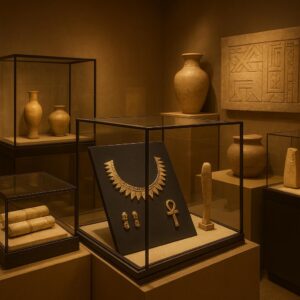
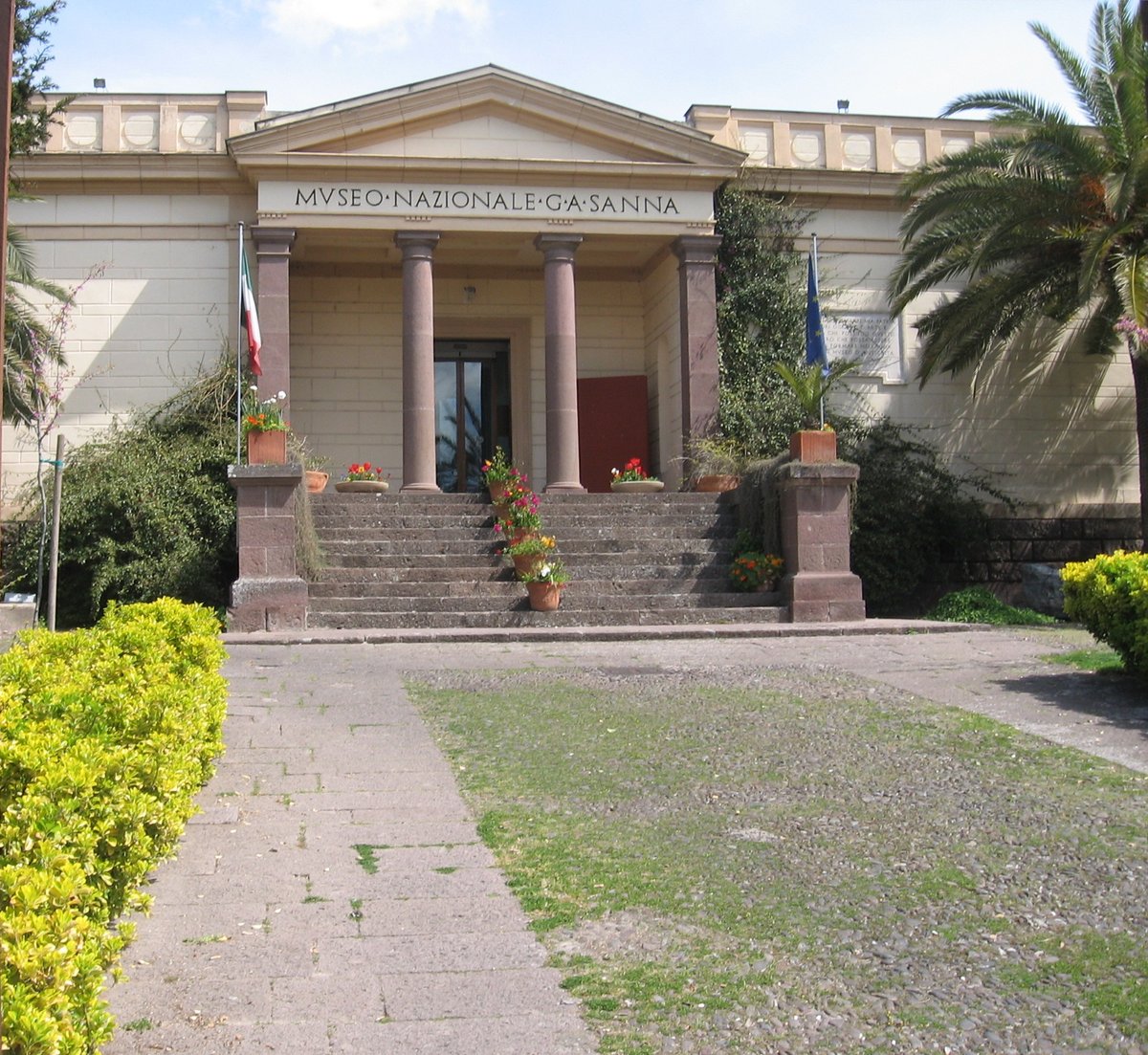
The Sanna National Museum in Sassari displays Sardinian archaeological finds from the Neolithic to the Middle Ages, including Nuragic statuettes, bronze figurines, and Punic-Roman ceramics, housed in a historic center palace with a clear and engaging layout.
Good to know
Introduction
Entering the Sanna National Museum in Sassari is like opening a Sardinian history book that unfolds before your eyes. Don’t expect a dusty, silent museum: here, archaeology comes alive through objects that tell stories of ancient peoples. I was immediately struck by the atmosphere: warm lights illuminate artifacts that seem freshly unearthed, with clear captions that guide you without being tedious. The feeling is that of traveling through time, from the Neolithic to the Middle Ages, without ever leaving an elegant building in the heart of the city. Perfect for those who, like me, love discovering the roots of a region through what it has left behind.
Historical Background
The museum originated from the passion of Giovanni Sanna, a lawyer from Sassari who began collecting archaeological artifacts in the 19th century. His private collection grew so significant that the civic museum was inaugurated in 1932, later becoming a state museum in 1947. It is not merely a repository of objects, but the result of a love for Sardinia that has spanned decades. I found it interesting how many artifacts come from excavations in the province of Sassari, particularly from Nurra and Anglona, making the museum a key reference point for understanding this area. The timeline below gives you an idea of the key moments:
- Late 1800s: Giovanni Sanna begins his collection
- 1932: Opening of the civic museum
- 1947: Becomes a national museum
- 2000s: Renovations and new exhibitions
The Neolithic Halls: When Stone Spoke
The Neolithic section is perhaps the one that fascinated me the most. It’s not just pots and tools, but testimonies of a distant everyday life. Here you can see the statuettes of mother goddesses, those female figures with generous forms that perhaps represented fertility. I stopped to observe the obsidian arrowheads, still so sharp after millennia, and thought about what it must have been like to hunt with those. The layout is clever: the artifacts are grouped by site of origin, so you immediately understand which corner of the province you’re exploring. A personal note: the display cases aren’t too high, perfect even for children who can approach without any issues.
Sardinia’s Middle Ages: Between Byzantines and Judicates
Stepping into the Middle Ages is a leap into darkness illuminated by golden crosses, coins, and decorated ceramics. This section shows how Sardinia was not isolated but at the center of commercial and cultural exchanges. I was struck by a glazed ceramic plate with green and brown geometric patterns, likely used in a wealthy home during the Judicate period. The captions explain the historical context well without being heavy-handed: it’s clear that life here was shaped by Byzantine, Pisan, and Genoese influences. It might not be the most visually spectacular part, but it’s essential for anyone wanting to understand the medieval roots of Sassari and its territory.
Why Visit It
Three concrete reasons not to skip the Sanna. First: it’s the most comprehensive museum on the ancient history of northern Sardinia, with artifacts you wouldn’t see so well displayed elsewhere. Second: the labels are in Italian and English, clear and not too technical, ideal for families or casual visitors. Third: its location in the center of Sassari allows you to combine the visit with a tour of the city, perhaps stopping for a coffee in Piazza d’Italia. Personally, I found it an excellent introduction to the province before exploring the archaeological sites scattered throughout the area.
When to go
The best time? A winter afternoon, when the low sunlight streams through the windows and creates shadow plays on the display cases. In summer it can get crowded during peak hours, but around 5:00 PM it empties out and a more intimate atmosphere settles in. I’ve noticed that on weekdays there are fewer people, especially in the morning, and you can take your time reading the explanations without rushing. Avoid Mondays, as it’s closed, and keep in mind that in Sassari the climate is mild almost year-round, so there’s no need to wait for a particular season.
In the Surroundings
After leaving the museum, I recommend two nearby experiences to continue your journey through history. The first is the Rosello Fountain, a symbol of Sassari, just a few minutes’ walk away: it’s not as ancient as the Sanna Museum artifacts, but it tells the city’s identity through its allegorical statues. The second is a stroll through the historic center to the Cathedral of San Nicola, where you can see traces of the city’s medieval and Baroque past. If you’re craving something sweet, look for a pastry shop to try sebadas or Sardinian amaretti, a taste of traditions that continue.
Itineraries nearby


💡 Did You Know…?
A little-known fact: among the exhibits is the “Mother Goddess” of Ozieri, a Neolithic statuette representing one of the oldest artistic testimonies of Sardinia. Discovered in the 1950s, it symbolizes fertility and the connection to the land, offering an intimate glimpse into the beliefs of the island’s earliest communities. Additionally, the museum preserves personal items from the Roman era, such as mirrors and jewelry, which make history more human and relatable.