
🧭 What to Expect
- Ideal for history enthusiasts and travelers seeking authenticity away from tourist crowds.
- Highlights: Phoenician-Punic and Nuragic archaeological sites, medieval castles, Spanish coastal towers and Roman baths.
- Includes an interactive map with the location of all described places.
- Each stop comes with practical information such as addresses, contacts and useful links.
Events nearby
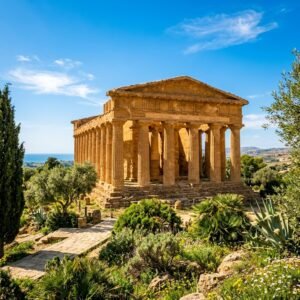
The Province of Oristano is a territory that holds some of the most authentic treasures of Sardinia. Here, archaeology blends with breathtaking coastal landscapes, as seen at the Tharros Archaeological Area in Cabras, where Phoenician-Punic ruins overlook the sea directly. Nearby, the Mont'e Prama Archaeological Site preserves the famous Stone Giants, Nuragic statues that have revolutionized ancient Sardinian history. Inland, Serravalle Castle dominates Bosa from above, while the Roman Baths of Fordongianus testify to a past of well-being even in ancient times. The coast offers wild beaches and watchtowers like Torre Grande and Torre di San Giovanni di Sinis, strategic points for admiring unforgettable sunsets. A journey in this province means discovering a genuine Sardinia, far from the most crowded tourist routes.
Overview
- Tharros Archaeological Area
- Mont'e Prama Archaeological Site
- Serravalle Castle
- Roman Baths of Fordongianus
- Torre Grande
- Nuraghe Losa
- Santa Cristina Well
- Menhir Museum - Museum of Prehistoric Statuary in Sardinia
- Cornus - Columbaris
- Cape San Marco Lighthouse
- San Giovanni di Sinis Tower
- Antiquarium Arborense
- Gramsci House
- Medusa Castle
- Terralba Co-Cathedral of St. Peter
Itineraries nearby


Tharros Archaeological Area
- Go to the page: Tharros: Ancient Phoenician-Punic City with Roman Baths and Unique Sardinian Tophet
- Cardo Maximus, Crabas/Cabras (OR)
- https://www.tharros.sardegna.it/
- Open in Google Maps
- View on Google Images
- info@tharros.sardegna.it
- +39 0783 370019
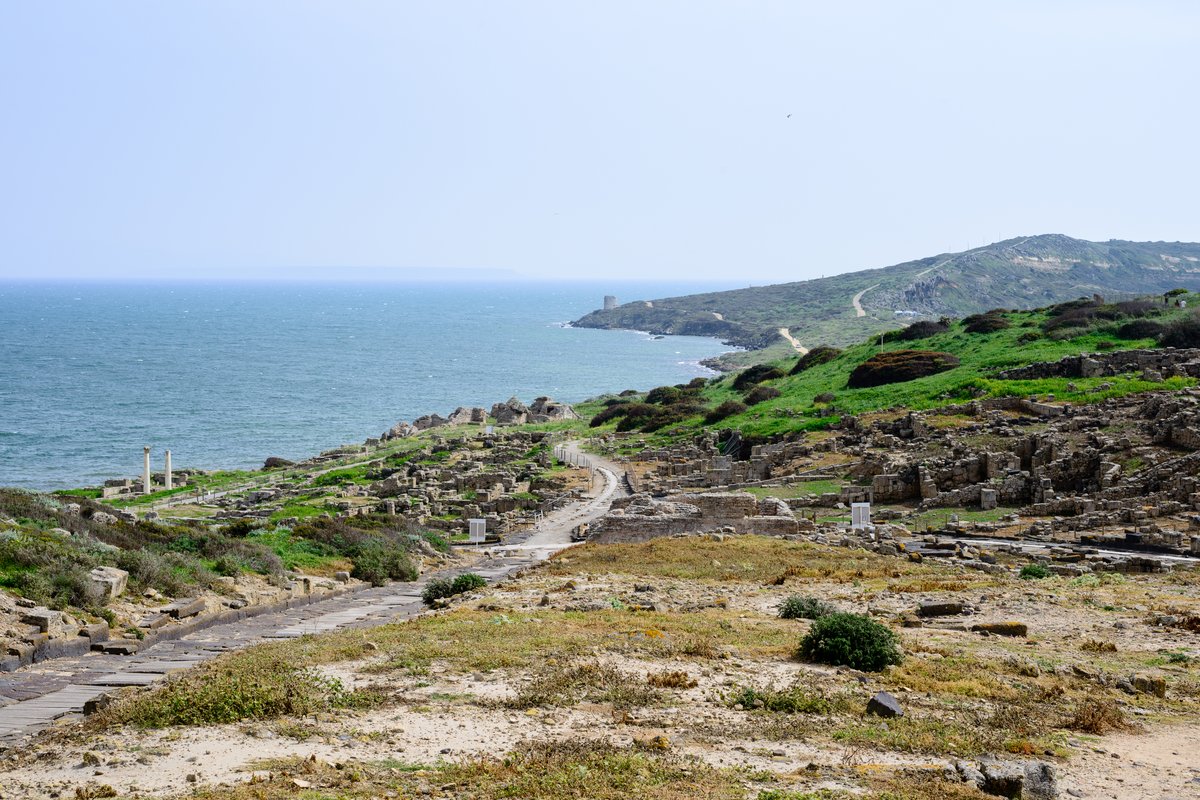 The Tharros Archaeological Area is one of those places that makes you feel the weight of history. Arriving from the Sinis peninsula, you're greeted by a unique scene: ancient ruins mirrored in the blue sea, with the Tower of San Giovanni standing guard. Tharros isn't just an archaeological site; it's a window onto 2,500 years of history that saw Phoenicians, Carthaginians, and Romans pass through. Walking among the remains of the monumental temple and Punic dwellings, you can still breathe in the atmosphere of what was once one of the most important cities in the western Mediterranean. The highlight? The perfectly preserved cardo and decumanus, which guide you through what was the beating heart of the city. Don't miss the necropolis with its shaft tombs and the tophet, the sacred area where Phoenician rites took place. But what strikes you most is the strategic position: built on a promontory between the Cabras lagoon and the sea, Tharros dominated trade routes. Today you can admire the mosaics of the Roman baths and the sewer system that demonstrates the advanced engineering level achieved. Bring comfortable shoes because the site is extensive and the ground is rocky. The best time to visit? Spring and autumn, when the climate is mild and the sunset light makes everything magical.
Mont'e Prama Archaeological Site
- Go to the page: Giants of Mont'e Prama: 2-Meter-Tall Nuragic Statues from the 9th Century BC
- SP7, Crabas/Cabras (OR)
- Open in Google Maps
- View on Google Images
 The Mont'e Prama Archaeological Site is one of the most extraordinary discoveries in the Mediterranean, a place that has rewritten the history of the Nuragic civilization. Here, in 1974, a farmer ploughing his field accidentally uncovered what is now known as the Giants' Cemetery: over 5,000 fragments of limestone statues depicting warriors, archers, and boxers standing up to 2.5 meters tall. These sculptures, dating back to the 9th and 8th centuries BC, are the oldest free-standing statues in the Western Mediterranean, predating even the Greek kouroi. Visiting the site allows you to walk among the reconstructed shaft tombs where the deceased were buried, surrounded by replicas of the imposing statues (the originals are preserved at the Civic Museum of Cabras and the Archaeological Museum of Cagliari). The atmosphere is magical: the wind blowing from the nearby Cabras lagoon seems to whisper tales of ancient battles and mysterious rituals. Don't miss the sight of the statues that appear to stand eternal watch over the landscape, with their concentric-circle eyes that will follow you throughout your visit. A practical tip: the site is fully accessible and well-signposted, with explanatory panels that will guide you through this exceptional journey back in time.
Serravalle Castle
- Go to the page: Serravalle Castle: 15th-Century Frescoes and Views Over the Temo River in Bosa
- Scale al Castello, Bosa (OR)
- https://www.castellodibosa.com/
- Open in Google Maps
- View on Google Images
 The Serravalle Castle stands majestically on the Serravalle hill, guarding the city of Bosa and the Temo River. Built in the 12th century by the Malaspina family, this fortress represents one of the finest examples of medieval military architecture in Sardinia. The climb to the castle, though challenging, rewards visitors with breathtaking views over Bosa's historic center, with its colorful houses reflected in the river's waters. Within the walls lies the Church of Nostra Signora de Sos Regnos Altos, a Romanesque-Gothic jewel preserving 14th-century frescoes from the Tuscan school. The towers, still well-preserved, offer privileged observation points over the valley and the sea. The castle is open year-round, but the best time to visit is spring, when temperatures are mild and the surrounding vegetation is lush. Don't forget to bring your camera: the sunsets from here are unforgettable. Admission is charged, with reduced rates for children and seniors over 65. For history and architecture enthusiasts, a visit to Serravalle Castle is a must to understand Bosa's strategic importance in the Middle Ages.
Roman Baths of Fordongianus
- Via Terme, Fordongianus (OR)
- Open in Google Maps
- View on Google Images
- +39 0783 60157
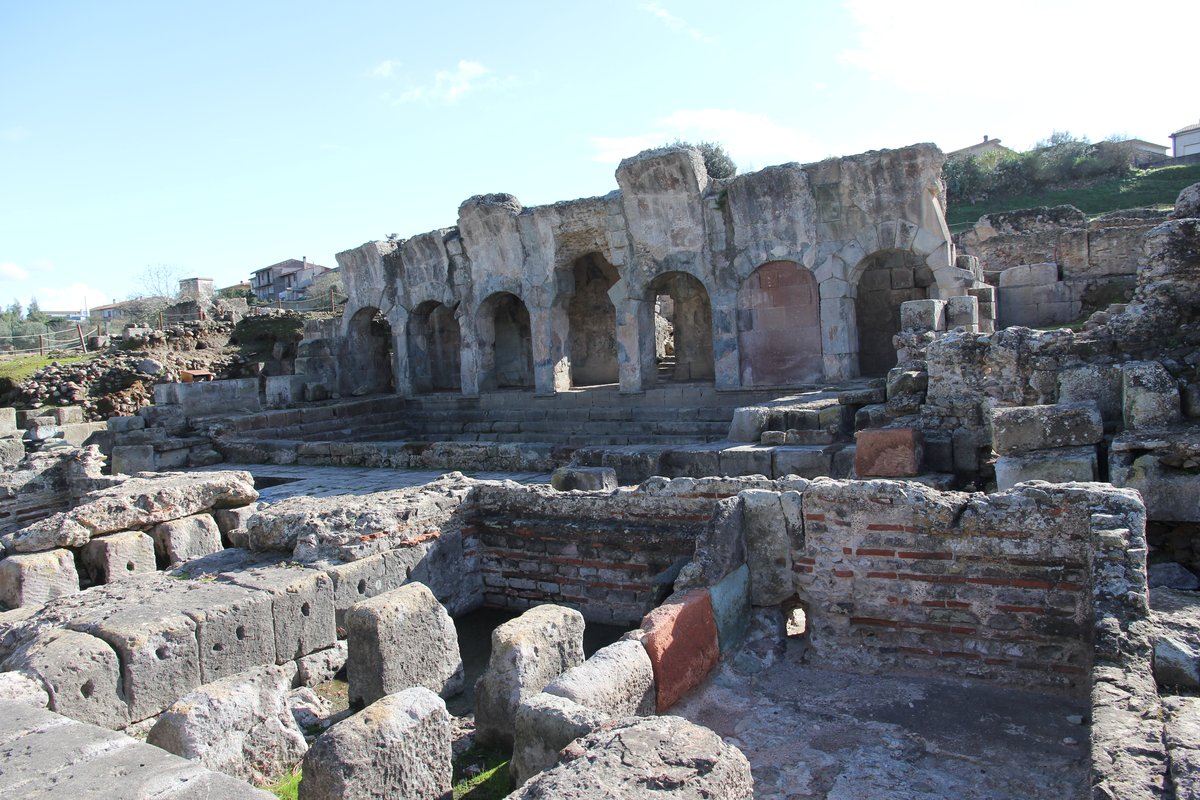 The Roman Baths of Fordongianus represent one of the most fascinating archaeological sites in Sardinia, a place where history merges with natural wellness. Located in the heart of the town, these baths were built in the 1st century AD, harnessing the thermal springs that still flow today at 54°C. The sulfurous waters were already known to the Romans, who called them Aquae Hypsitanae and considered them curative for rheumatism and skin problems. The complex is divided into two parts: the older baths, with the perfectly preserved calidarium and the trachyte pools, and the imperial baths from the 3rd century, more monumental. Walking among the remains, you can see the hypocaust heating systems and the channels that conveyed the hot water. Today, it's possible to see the thermal pools still fed by the same springs, with an atmosphere that combines archaeology and relaxation. The site is well signposted and accessible, with explanatory panels that tell the story of daily life in ancient Rome. For those visiting Fordongianus, it's a unique experience: here you don't just admire a relic, but breathe in a thousand-year history. Admission is charged, but the ticket includes access to the archaeological area and the baths. I recommend combining the visit with the nearby Roman bridge over the Tirso River for a complete itinerary.
Torre Grande
- Go to the page: Torre Grande: Oristano's urban beach with fine sand and 16th-century Spanish Tower
- Piazza della Torre, Aristanis/Oristano (OR)
- Open in Google Maps
- View on Google Images
 Upon arriving at Torre Grande, the first thing that strikes you is its imposing cylindrical structure standing out against the Sardinian sky. This Spanish tower from the 16th century, built in 1542, was part of the coastal defense system against pirate raids. Its strategic position at the entrance to the Gulf of Oristano allowed it to control the entire stretch of sea. Today, after careful restoration, the tower is in excellent condition, with its characteristic limestone stone shining under the sun. Climbing the internal steps leads to the upper terrace, where you can enjoy a breathtaking panoramic view stretching from the Sinis peninsula to the inland mountains. What makes Torre Grande special is its perfect integration with the surrounding environment: on one side, the fishing village with its typical little restaurants, and on the other, the long golden beach extending for kilometers. Many visitors don't know that here, during the clearest days, you can even spot the silhouettes of the Sulcis islands on the horizon. The tower is visitable year-round, but the best time is at sunset, when the sun's reflections on the sea create unforgettable light displays. In the immediate vicinity, the small harbor offers the opportunity for short boat excursions to admire the coast from a different perspective.
Nuraghe Losa
- Strada Statale 131 Diramazione Centrale Nuorese, Abbasanta (OR)
- https://www.nuraghelosa.net/
- Open in Google Maps
- View on Google Images
- info@nuraghelosa.net
- +39 0785 52302
 The Nuraghe Losa is one of the most fascinating and best-preserved archaeological complexes in Sardinia, located in the territory of Abbasanta. This imposing basalt monument dates back to the Bronze Age (around 1500 BC) and represents a perfect example of Nuragic architecture. The main structure, standing approximately 13 meters high, features a trilobate plan with three lateral towers developing around the central keep. What makes Nuraghe Losa unique is the exceptional state of preservation of its walls, which allows visitors to fully appreciate the construction techniques of the island's ancient inhabitants. Inside, you can explore the corridors and chambers that make up the complex, including the tholos (false dome) of the keep, still intact. The site also includes a surrounding Nuragic village, with the remains of huts that testify to daily life during that era. During the visit, you immediately notice the mastery with which the stones were placed without the use of mortar, creating a resilient structure that has withstood millennia. The panoramic view from the top offers a suggestive outlook over the Abbasanta plain and the surrounding countryside, allowing you to imagine the strategic importance of this location. For those visiting the province of Oristano, Nuraghe Losa is an unmissable stop to understand the historical richness of prehistoric Sardinia.
Santa Cristina Well
- Strada Statale 131 Carlo Felice, Paulle/Paulilatino (OR)
- Open in Google Maps
- View on Google Images
 The Santa Cristina Well in Paulilatino is one of the most extraordinary monuments of the Nuragic era, a place that leaves you breathless with its architectural precision and mystery. Built between the 12th and 11th centuries BC, this sacred well was not just a water source, but a true temple dedicated to the cult of water. The structure consists of an atrium, a descending staircase, and a tholos (false dome chamber) that houses the spring. What strikes you is the astronomical perfection: during the spring and autumn equinoxes, sunlight filters through the upper opening and perfectly illuminates the bottom of the well, a phenomenon that demonstrates the advanced knowledge of the Nuragic builders. The site also includes a Nuragic village with circular huts and a meeting enclosure, where community rituals took place. Visiting it means immersing yourself in a magical atmosphere, among polished basalt stones and a silence that speaks of millennia of history. Remember to wear comfortable shoes to explore the archaeological area and bring a water bottle, especially in summer. The entrance ticket is affordable and includes access to the nearby museum, which enriches your understanding of the context.
Menhir Museum - Museum of Prehistoric Statuary in Sardinia
- Piazza Guglielmo Marconi 10, Làconi/Laconi (OR)
- http://www.menhirmuseum.eu
- Open in Google Maps
- View on Google Images
- menhirlaconi@tiscali.it
- +39 0782 693238
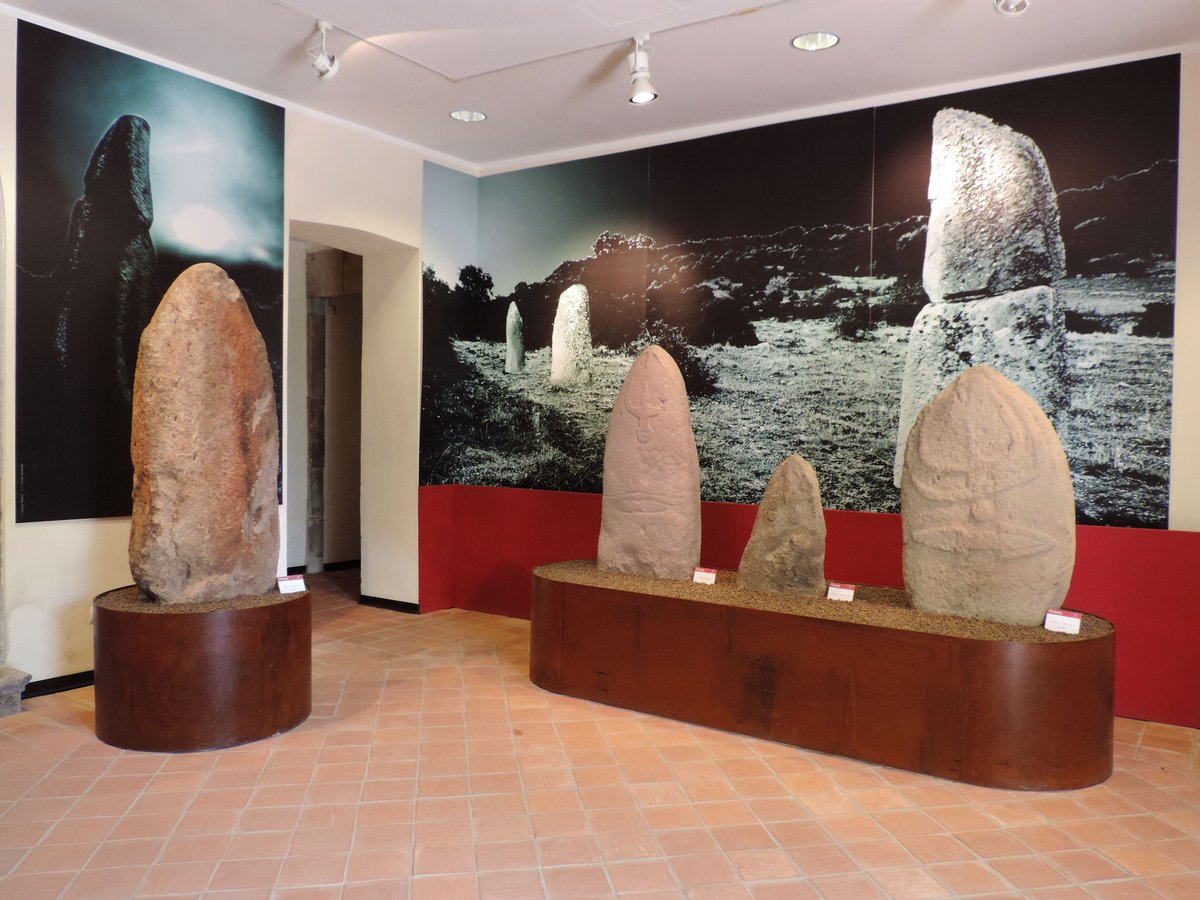 The Menhir Museum in Laconi is a unique venue in the Sardinian museum landscape, entirely dedicated to prehistoric statuary. Located in the heart of the town, within Palazzo Aymerich, the museum houses an extraordinary collection of anthropomorphic menhirs discovered in the surrounding area. These imposing basalt stone stelae, dating from the late Neolithic to the Copper Age, depict stylized human figures with faces, arms, and symbols that still fascinate scholars and visitors today. The main hall displays over forty specimens, including the famous Menhir of Perdu Pes, nearly two meters tall and characterized by cross engravings and geometric patterns. The labels are clear and accessible, explaining stone-working techniques and the cultural significance of these artifacts, linked to funerary rites or fertility symbols. The route winds through three floors, with exhibits organized by theme: from the oldest stelae to the most elaborate ones, up to the interactive panels that reconstruct the daily life of the pre-Nuragic populations. Don't miss the section dedicated to local excavations, which also includes obsidian tools and ceramics, testimonies of a remote past. The museum is well-lit and accessible, with an intimate atmosphere that invites contemplation. For those visiting Laconi, it's an unmissable opportunity to immerse themselves in the most authentic Sardinia, away from conventional tourist routes. I recommend combining the visit with a stroll in the adjacent Parco Aymerich, where nature and history blend harmoniously.
Cornus - Columbaris
- Go to the page: Cornus-Columbaris: Paleochristian Basilica with Mosaics and Punic Necropolis
- Via dell'Alisso, Cùllieri/Cuglieri (OR)
- Open in Google Maps
- View on Google Images
 If you're looking for a place that tells centuries of history without needing many words, Cornus - Columbaris is the answer. This archaeological site in Cùllieri/Cuglieri takes you back in time, among the ruins of the ancient city of Cornus, founded by the Carthaginians and later becoming Roman. Walking among the remains, you'll discover the thermal baths, cisterns, and paved streets that testify to daily life two thousand years ago. But it's not just archaeology: here also stands the Paleochristian basilica of Columbaris, a 5th-century gem dedicated to the cult of Sardinian martyrs. The polychrome mosaics and bishops' tombs will let you breathe a unique atmosphere, suspended between paganism and Christianity. The site is perfect for a quiet visit, away from the crowds, with breathtaking views of the sea and Montiferru. Bring comfortable shoes and a camera: every corner hides a detail to capture, like the Latin inscriptions still readable on the stones. Ideal for those who love history without giving up contact with nature.
Cape San Marco Lighthouse
- Cardo Maximus, Crabas/Cabras (OR)
- Open in Google Maps
- View on Google Images
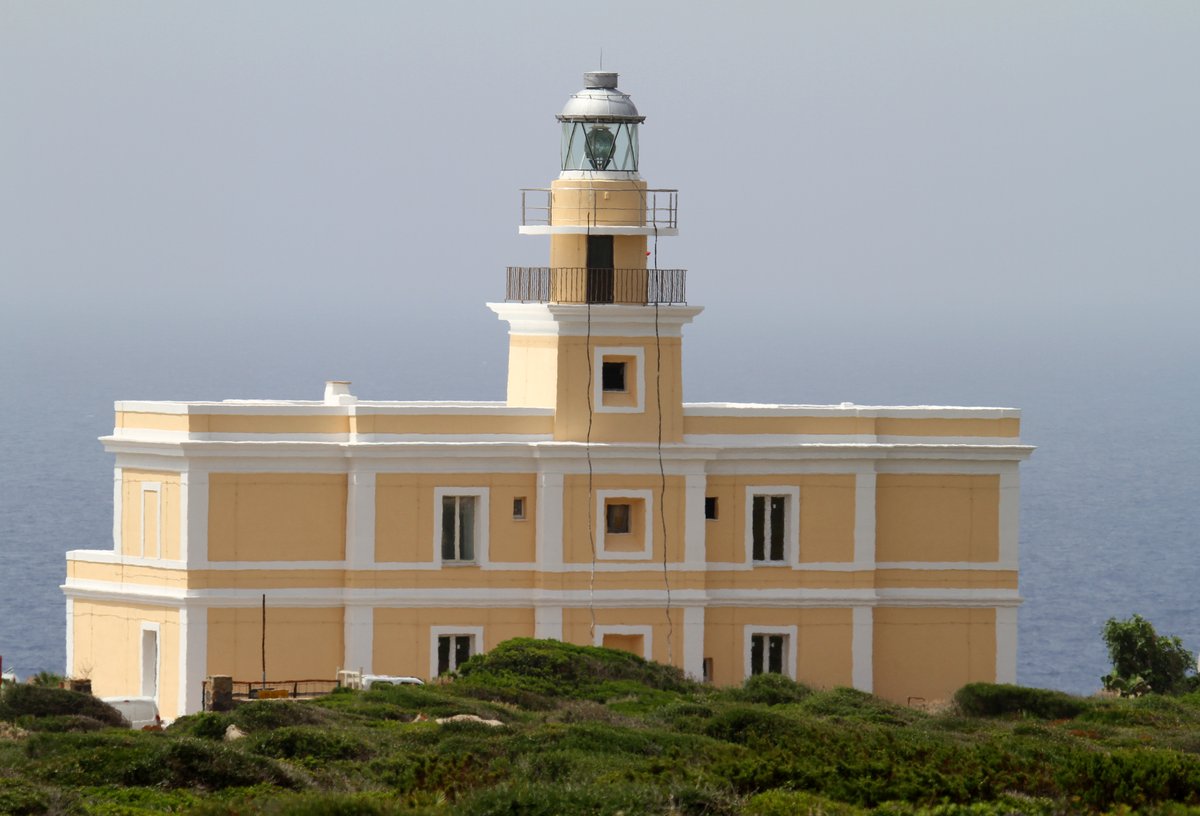 The Cape San Marco Lighthouse stands majestically at the tip of the Sinis peninsula, in a position that dominates the entire Gulf of Oristano. Built in 1924, this historic lighthouse still guides ships navigating these waters today, maintaining its original function intact despite nearly a century of service. Its slender white structure contrasts beautifully with the deep blue of the sea and the green of the surrounding Mediterranean scrubland.
The true uniqueness of this place is its proximity to the archaeological area of Tharros, one of the most important Phoenician-Punic sites in the Mediterranean. From the lighthouse, you can enjoy a unique panoramic view that encompasses both the ruins of the ancient city and the island of Mal di Ventre in the background. The path to reach the lighthouse is an experience in itself: you walk along a trail that skirts sheer cliffs overlooking the sea, amidst the scents of helichrysum and myrtle, with the sound of waves crashing against the rocks below.
The area is particularly popular with photographers, especially at dawn and sunset, when the low-angled light creates spectacular shadow plays on the ruins and illuminates the lighthouse tower in shades of red and orange. Although not accessible inside, the lighthouse represents an essential landmark for anyone exploring Sinis, offering that feeling of contemplative solitude that only borderland places can provide.
San Giovanni di Sinis Tower
- Cardo Maximus, Crabas/Cabras (OR)
- Open in Google Maps
- View on Google Images
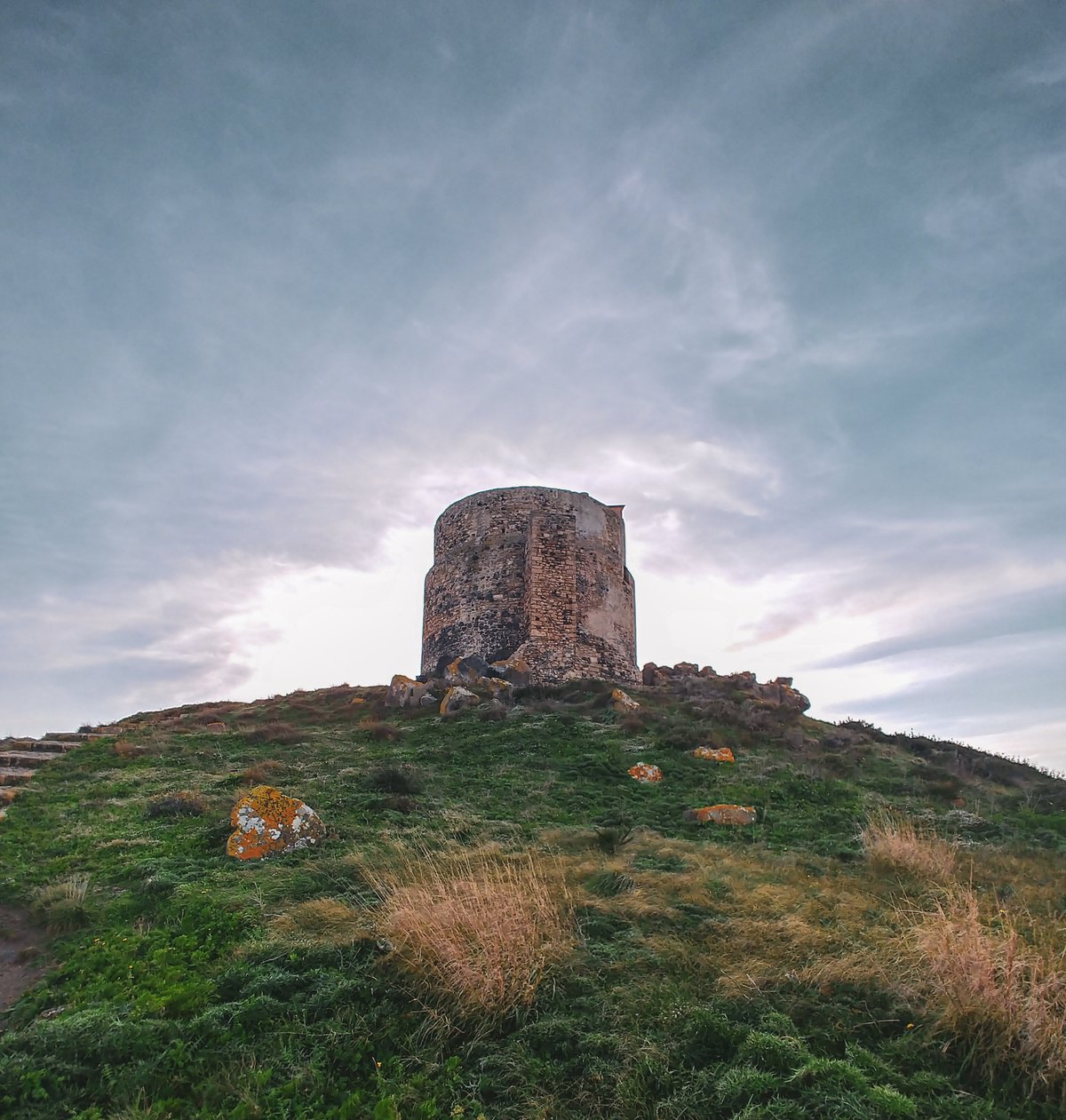 The San Giovanni di Sinis Tower stands imposingly at the tip of the Sinis Peninsula, guarding the ancient port of Tharros. Built by the Spanish in the 16th century as part of the coastal defense system against pirate raids, this Aragonese tower now offers one of the most spectacular views of the Oristano coast. Climbing its steep stone steps rewards visitors with a 360-degree panorama embracing the Tharros Archaeological Area, the Mistras Lagoon, and the Capo San Marco promontory. The strategic location is no coincidence: from here, both access to the lagoon and sea routes were controlled—a defense system that spoke of a rich yet vulnerable territory. The tower, perfectly preserved despite the centuries, maintains its original structure with its characteristic circular layout and lookout slits. Sunset from the summit is an unforgettable experience, when the sun's rays gild the Phoenician-Punic ruins below and the sea takes on shifting hues. The proximity to the Church of San Giovanni, one of Sardinia's oldest Paleo-Christian buildings, creates an architectural dialogue that recounts centuries of Sardinian history. Visiting the tower means immersing oneself in a past where territorial control and coastal defense were matters of life and death for local communities.
Antiquarium Arborense
- Piazza Giuseppe Corrias, Aristanis/Oristano (OR)
- http://www.antiquariumarborense.it/
- Open in Google Maps
- View on Google Images
- info@antiquariumarborense.it
- +39 0783 791262
 If you truly want to understand the history of Oristano, the Antiquarium Arborense is an essential stop. This archaeological museum, located in the heart of the historic center at Piazza Corrias, takes you on a journey that begins in the Nuragic age and continues through to the Middle Ages. The permanent collection is organized chronologically, starting with the oldest artifacts such as Nuragic ceramics and bronze statuettes, then moving on to Phoenician-Punic and Roman discoveries. Among the most significant pieces are the locally produced medieval ceramics and artifacts from the ancient city of Tharros. The rooms are well-lit and the explanatory panels in Italian and English make the visit accessible to everyone. On the ground floor, you'll also find a section dedicated to underwater finds, with amphorae and anchors recovered from the sea of the province. The museum is housed in a former 18th-century Carmelite convent, which alone is worth visiting for its architecture. The atmosphere is intimate and allows you to fully immerse yourself in history without distractions. The entrance ticket costs just a few euros and includes access to all rooms. I recommend dedicating at least an hour to fully appreciate the collection, perhaps focusing on the medieval artifacts that tell the story of the birth of the Giudicato of Arborea. The bookshop offers specialized publications on Sardinian history, perfect for deepening your understanding of what you've seen.
Gramsci House
- Corso Umberto Primo 57, Ilartzi/Ghilarza (OR)
- https://www.casagramscighilarza.org/
- Open in Google Maps
- View on Google Images
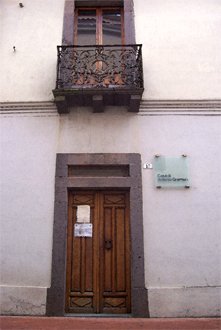 Visiting Gramsci House in Ghilarza means stepping into the place that shaped the childhood and adolescence of one of Italy's most important 20th-century thinkers. The house-museum, located on Via Umberto I in the historic center of the town, preserves intact the domestic environment where Antonio Gramsci lived from 1898 to 1911. The original rooms maintain the atmosphere of the period, with period furniture and personal objects that tell the story of the family's daily life. Particularly significant is the bedroom that Gramsci shared with his brothers, where you can see the books he read as a young man and his early writings. The museum itinerary spans two floors and includes documents, photographs, and letters that reconstruct the philosopher's connection to Sardinia. The kitchen, with its original hearth, is one of the most evocative spaces, where you can imagine the family gathered together. In the inner courtyard, the well that served the house still stands. The visit offers an immersion into rural Sardinia at the turn of the century, showing how these places influenced Gramscian thought. The museum periodically organizes temporary exhibitions and cultural events related to the philosopher's legacy. For those who wish to delve deeper, bibliographical materials and audio guides in Italian and English are available. Gramsci House is not just a museum, but a place of memory that continues to engage with the present through cultural and educational initiatives.
Medusa Castle
- Strada Comunale Asuni - Meana Sardo, Samugheo (OR)
- Open in Google Maps
- View on Google Images
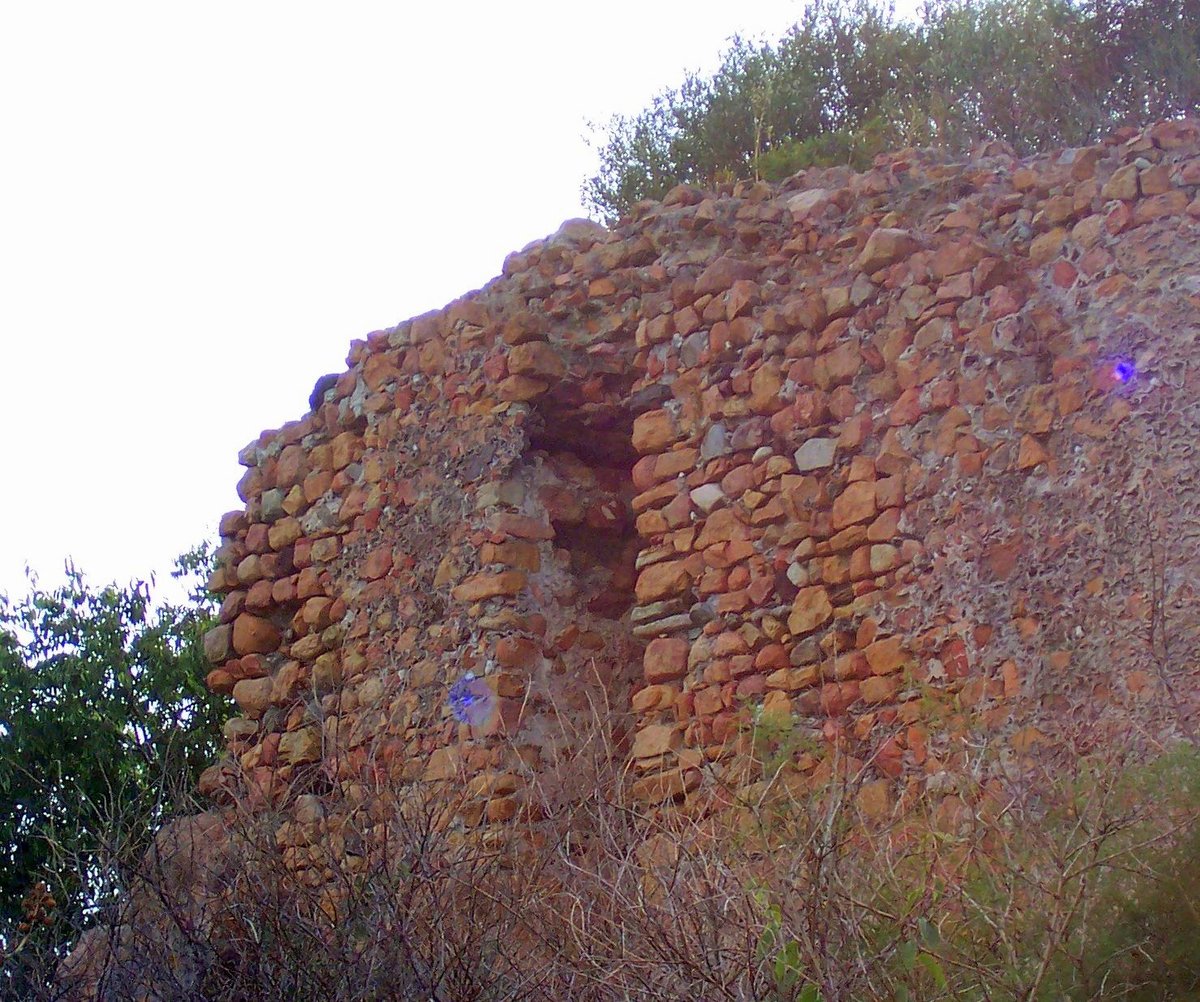 The Medusa Castle in Samugheo is one of those places that seems to have emerged from an epic tale. Perched on a hill at 400 meters above sea level, it dominates the Tirso Valley with an atmosphere that blends history and mystery. The structure, of medieval origin, still shows the remains of the perimeter walls and the main tower, built from the dark basalt typical of the area. What makes this site unique are the popular legends that envelop it: it is said to have been the dwelling of a queen named Medusa, a figure straddling history and myth, and to have hidden treasures guarded by snakes. The castle was likely built between the 11th and 12th centuries, a period of conflict among the Sardinian judicates, and served as a strategic control point over communication routes. Today, visiting it, one senses the allure of a distant past: the ruins, though partial, allow one to imagine the original grandeur, with the tower offering a breathtaking panorama over the surrounding countryside, dotted with olive groves and Mediterranean scrub. Access is free, and the path to reach it on foot is suitable for everyone, offering moments of tranquility away from mass tourism. For photography enthusiasts, the sunsets here are spectacular, with the light caressing the ancient stones. Remember to wear comfortable shoes and bring water, especially in summer. Medusa Castle is not just a historical stop but an experience that immerses you in the most authentic soul of Sardinia.
Terralba Co-Cathedral of St. Peter
- Via Camillo Benso Conte di Cavour, Terraba/Terralba (OR)
- Open in Google Maps
- View on Google Images
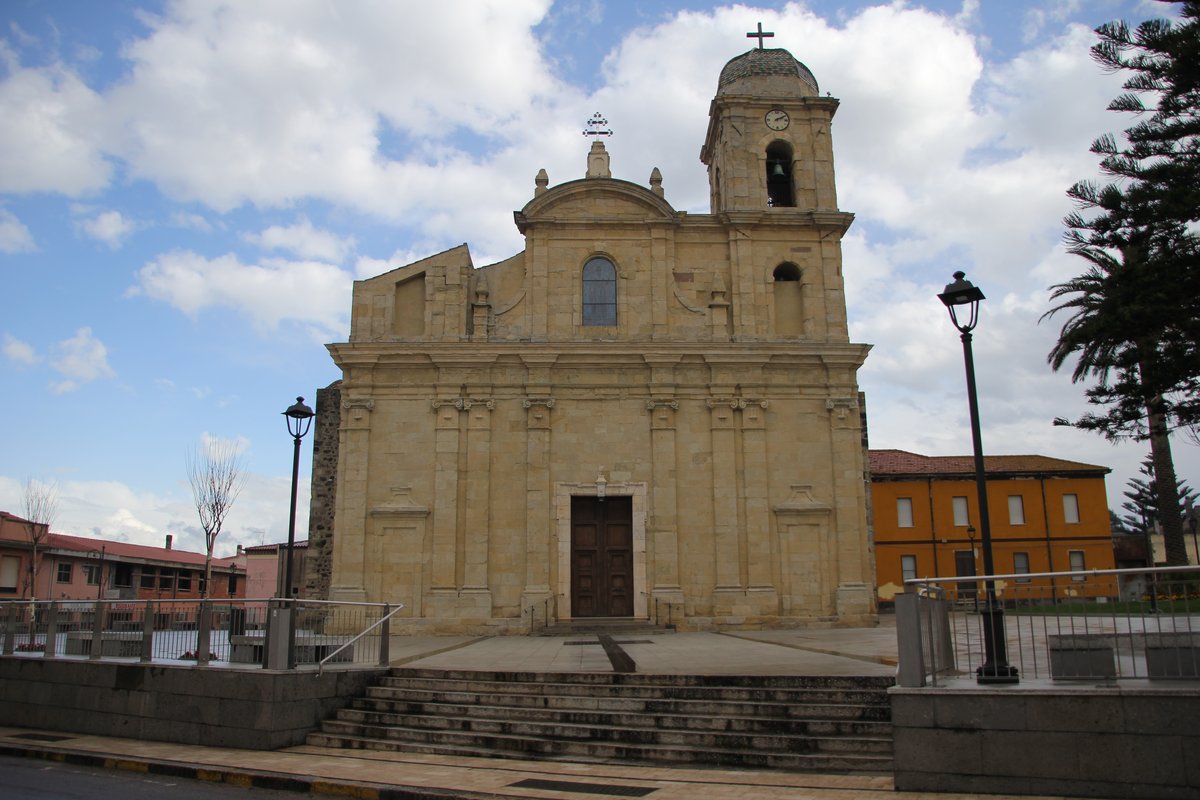 The Co-Cathedral of St. Peter in Terralba is an architectural gem that tells centuries of Sardinian history. Located in the heart of the town, this church has ancient origins: the first evidence dates back to the 12th century, when it was built in Pisan-Romanesque style. What immediately strikes you is its facade made of local sandstone, characterized by a central rose window and decorative elements showing the influence of Comacine masters. Upon entering, you're enveloped in an atmosphere of sacredness: the interior has three naves, with round arches and capitals carved with vegetal motifs and symbolic figures. One of the distinctive features is the bell tower, which towers over Terralba's skyline and offers a breathtaking view of the surrounding plain and Mount Arci. The church has been modified several times over the centuries, especially after the 1617 earthquake, which severely damaged its structure. Today, in addition to its religious function, it's a reference point for cultural events, such as sacred music concerts and art exhibitions. Don't miss the side chapel dedicated to St. Peter, where 18th-century wooden statues and an ancient still-functioning pipe organ are preserved. The Co-Cathedral is easily reachable on foot from Terralba's center, and admission is free. Remember to check opening hours, especially during patron saint festivities, when the church becomes the heart of celebrations.