Capo Ferro Lighthouse: Historic 1864 Lighthouse with 360° Views of the Costa Smeralda

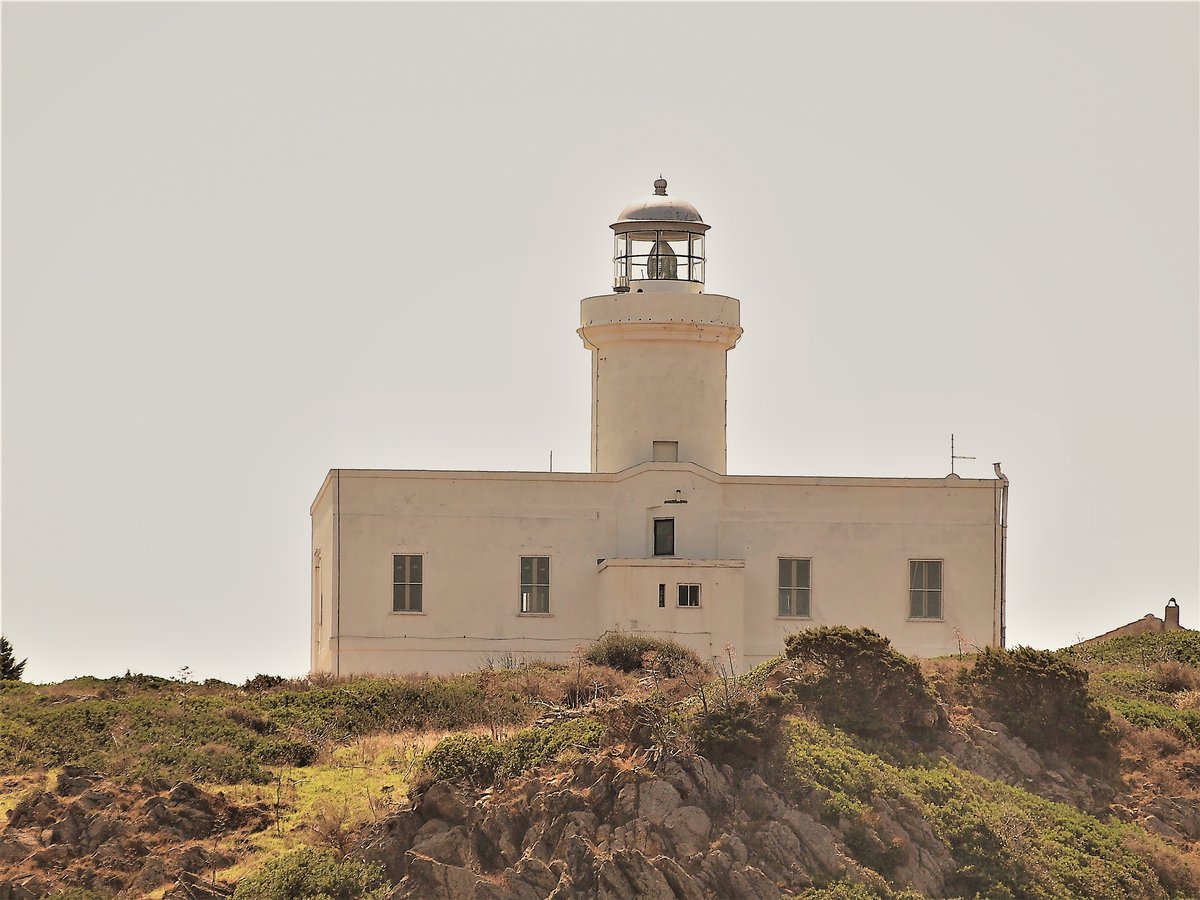
The Capo Ferro Lighthouse, first lit in 1864, is a historic lighthouse still in operation that offers 360-degree views of the Costa Smeralda. Located on a rocky promontory, it is accessible via an unpaved path through Mediterranean scrubland and is perfect for relaxing walks and photography, especially at sunset. Access is free with no entrance tickets.

Copertina itinerario Capo Ferro Lighthouse: Historic 1864 Lighthouse with 360° Views of the Costa Smeralda
Historic 1864 lighthouse still operational on a rocky promontory with panoramic views of Porto Cervo and Cala di Volpe. Walk through Mediterranean scrubland, unpaved path, and sunset photos with no entrance fee.

Good to know


A Lighthouse That Captures the Gaze

It’s not just a lighthouse; it’s a landmark for the soul. The Capo Ferro Lighthouse stands tall on a pink granite spur, overlooking a sea that takes on incredible hues here. Getting there is already part of the adventure: you leave the bustle of Porto Cervo behind to immerse yourself in a scenic road that hugs the coastline. When you see it, you immediately understand why it’s worth it: its white silhouette against the blue of the sky and sea is an image that stays with you. It’s not a place to pass through; it’s a destination. The impression it gives is of being suspended between sky and water, with the Costa Smeralda unfolding at your feet in all its wild and luxurious beauty. A place where the wind tells stories and the view takes your breath away, every single time.

A Story in a Few Lines

Its history is inextricably linked to navigation in a stretch of sea that is not always easy. The Capo Ferro Lighthouse was first lit in 1864, an era when sailing boats plied these waters. For decades, it guided sailors, with its oil light first and then electric, away from the emerging rocks. There are no great battles or epic events associated with this place, and perhaps that’s the beauty of it: its history is one of silent and constant service, of nights on watch and days of lashing wind. It is a piece of living history, still essential today. A timeline to set the record straight:

  • 1864: The original lighthouse becomes operational.
  • Mid-1900s: Electrification and modernization.
  • Today: Automated lighthouse, an iconic landmark.

The Path of Scents

Reaching the lighthouse on foot is an experience in itself. You park in the designated area and take a dirt path that is easy to walk, gently climbing through the Mediterranean scrub. In spring, the air is filled with the scent of myrtle, helichrysum, and mastic. As you walk, your gaze already sweeps over hidden coves and that sea that looks painted. The route isn’t long, but each bend offers a new perspective on the promontory. I recommend taking it easy—it’s not a race. Stop to listen to the wind through the rocks and the call of the seagulls. Reaching the top on foot, with that slight breathlessness, makes the view from the lighthouse even more satisfying and well-earned. It’s the best way to fully savor the natural setting it’s immersed in.

360-Degree Panoramas

Once you arrive, the reward is complete. From the base of the lighthouse, your gaze spans 360 degrees without obstacles. To the northeast, you can glimpse Mortorio Island and its crystal-clear waters. Turning southwest, the La Maddalena Archipelago emerges on the horizon with its recognizable shapes. Below you, rocks sculpted by the sea and the crashing waves. It’s one of those perfect places for a contemplative pause. Bring a small bottle of water and perhaps a piece of fruit, sit on a flat rock, and let the panorama do its work. Be careful, though: on windy days, the gusts can be powerful, but they contribute to making the atmosphere even more epic and vibrant. Here, you don’t just photograph with a camera, but with all your senses.

Why It’s Worth Visiting

Because it’s a natural balcony overlooking the Costa Smeralda like few others, away from the crowds yet with an unparalleled panoramic view. Because it combines an authentic nature walk in Gallura with a functioning historical monument—a winning combination. And finally, because it offers that sense of peace and vastness that can sometimes be missing among the local spots and small harbors. It’s an antidote to the frenzy, a place to breathe deeply and recharge with pure beauty. You won’t find kiosks or services here, and that’s precisely the point: it’s an essential experience that speaks directly to the traveler seeking genuine emotions and breathtaking landscapes.

The Right Moment

Avoid the midday hours during the hottest summer days, unless you love scorching sun. My honest advice? Aim for the late afternoon, when the sun begins to set. The light turns golden, the pink granite glows, and the atmosphere becomes magical. It’s the perfect time for photos, but above all to enjoy the spectacle in peace. The shoulder season, when the air is fresh and the Mediterranean scrub is lush, also offers special emotions. In winter, with the sea storms, the show is powerful but the wind can be relentless. Choose based on what kind of experience you’re seeking: golden peace or wild energy.

In the Surroundings

The lighthouse visit pairs perfectly with another natural icon of the area: the Prince’s Beach. It’s one of those picture-perfect coves, with fine sand and water of incredible colors, reachable with a short walk from a dedicated parking area. A perfect contrast: the majestic rock of the lighthouse and the gentleness of this beach. If instead you want to continue on the theme of ‘panoramic views’, take a trip to the Punta Capriccioli Belvedere. Another viewpoint over a stretch of rugged and breathtaking coastline, perfect for another sweeping look at this corner of paradise.

💡 Did You Know…?

The lighthouse is managed by the Italian Navy, and its light, visible up to 25 nautical miles, has guided vessels navigating the stretch of sea between Sardinia and Corsica for decades. The original structure, made of local stone, has been preserved over time, with maintenance work that retains its historical character. Nearby, the remains of an old semaphore station add a touch of military archaeology. During World War II, the area served as a strategic observation point, and on clear days, you can spot the silhouettes of minor islands on the horizon. The constant sea breeze keeps the air fresh even in summer, creating a pleasant microclimate for a refreshing stop.