
🧭 What to Expect
- Ideal for a cultural weekend on foot, blending art, history, and Tuscan cuisine.
- Highlight: Piazza del Duomo, a UNESCO site with the Tower, Cathedral, and Baptistery.
- Includes interactive maps for each attraction and routes along the Arno River.
- Museums like San Matteo and Palazzo Blu for medieval and modern art.
- Authentic glimpses in Piazza dei Cavalieri and Santa Maria della Spina by the river.
- Vibrant university atmosphere and historic neighborhoods like Piazza delle Vettovaglie.
Events nearby

Pisa is much more than its Leaning Tower. The City of Pisa holds a compact and surprising historic center, perfect for exploring on foot over a weekend. Start at Piazza del Duomo, a UNESCO World Heritage site, where beyond the Tower you'll find the Cathedral, the Baptistery, and the Monumental Cemetery. Then wander through the city center streets: Piazza dei Cavalieri with the Palazzo della Carovana, the Gothic church of Santa Maria della Spina on the Lungarno, and museums like the National Museum of San Matteo and Palazzo Blu. The Arno River offers romantic views, while the typical eateries around Piazza delle Vettovaglie are perfect for a break. It's a vibrant university city, with a youthful atmosphere blending with millennia of history. Plan your visit avoiding peak hours for the Tower and discover an authentic Pisa, away from the usual clichés.
Overview
- Piazza del Duomo, the monumental heart of Pisa
- The Leaning Tower: More Than Just a Tilt
- The Cathedral of Santa Maria Assunta
- Camposanto Monumentale
- National Museum of San Matteo
- Knights' Square
- Santa Maria della Spina
- Palazzo Blu: An Artistic Gem on the Lungarno
- Piazza delle Vettovaglie
- Museum of the Cathedral's Works
- Basilica of San Piero a Grado
- Museum of Ancient Ships of Pisa
- Botanical Garden of Pisa
- Scotto Garden
- Teatro Verdi: The Cultural Heart of Pisa
Itineraries nearby

Piazza del Duomo, the monumental heart of Pisa
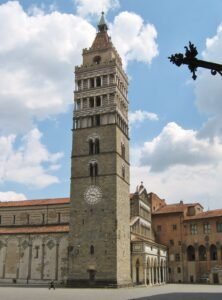
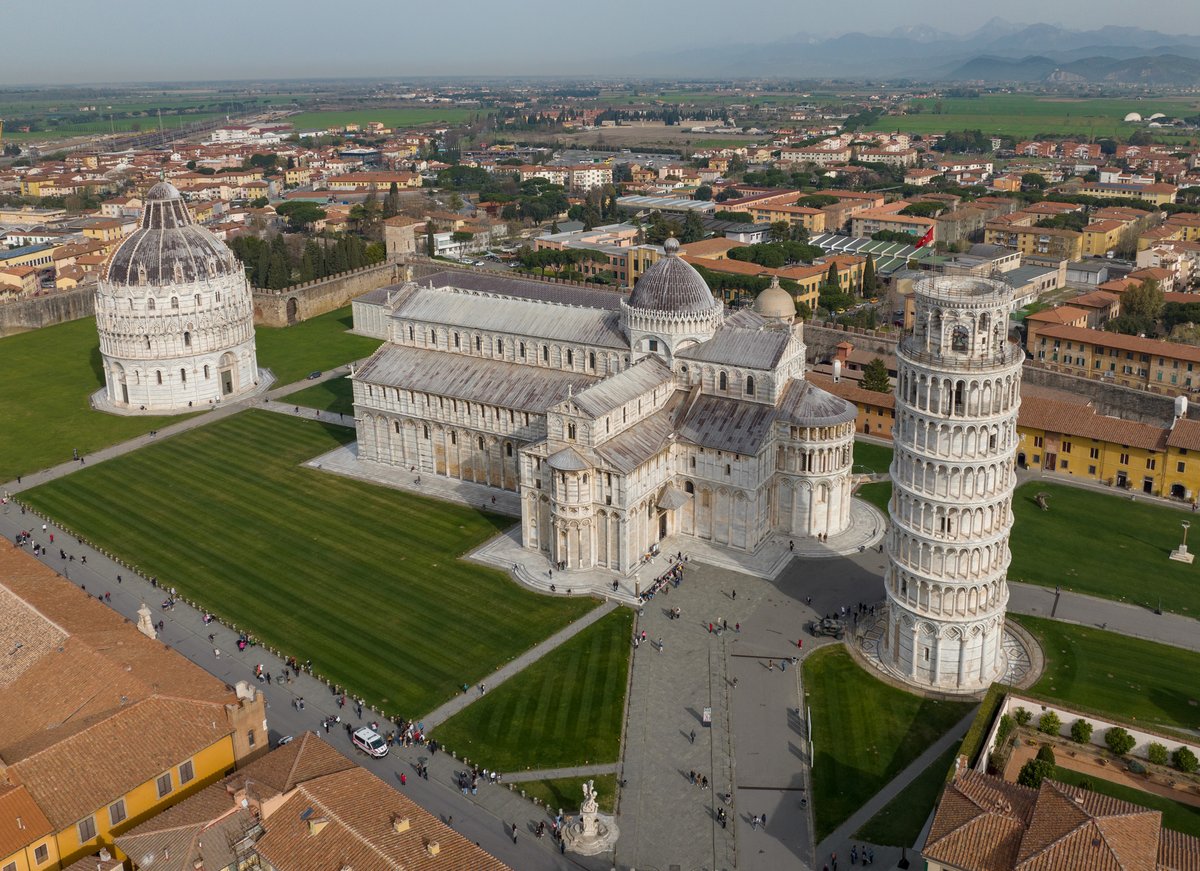 Often simply called the Field of Miracles, Piazza del Duomo is much more than just a backdrop for the Leaning Tower. As soon as you cross the entrance, you're greeted by an atmosphere suspended in time, with that green lawn making the dazzling white of the marbles stand out. The feeling is that of stepping into a living art history book. The monumental complex has been a UNESCO World Heritage Site since 1987, and it's not hard to see why: each building tells a piece of Pisa's maritime power in the Middle Ages. The Cathedral of Santa Maria Assunta, with its striped white and grey façade, is a masterpiece of Pisan Romanesque architecture. Inside, don't miss the pulpit by Giovanni Pisano, carved with such drama that it almost seems to move. Then there's the Baptistery, the largest in Italy, with its incredible acoustics: if you happen to catch a custodian singing a note, it's an almost mystical experience. The Monumental Cemetery, on the other hand, houses fourteenth-century frescoes like the famous Triumph of Death, though unfortunately damaged during World War II. Personally, I find the best time to visit the square is at sunset, when the warm light tinges the marbles pink and the Tower's shadow stretches across the lawn. A practical tip: buy the combined ticket online to avoid queues, especially in high season. And don't just take the usual perspective photo with the Tower: take some time to sit on a bench and observe the details, like the intricate decorations on the portals or the golden mosaics inside the Duomo. It's a place that deserves to be savoured slowly, because every corner hides a treasure.
The Leaning Tower: More Than Just a Tilt
- Go to the page: Leaning Tower of Pisa: Climb the 294 Leaning Steps in the UNESCO Piazza dei Miracoli
- Piazza del Duomo, Pisa (PI)
- https://www.opapisa.it/
- Open in Google Maps
- View on Google Images
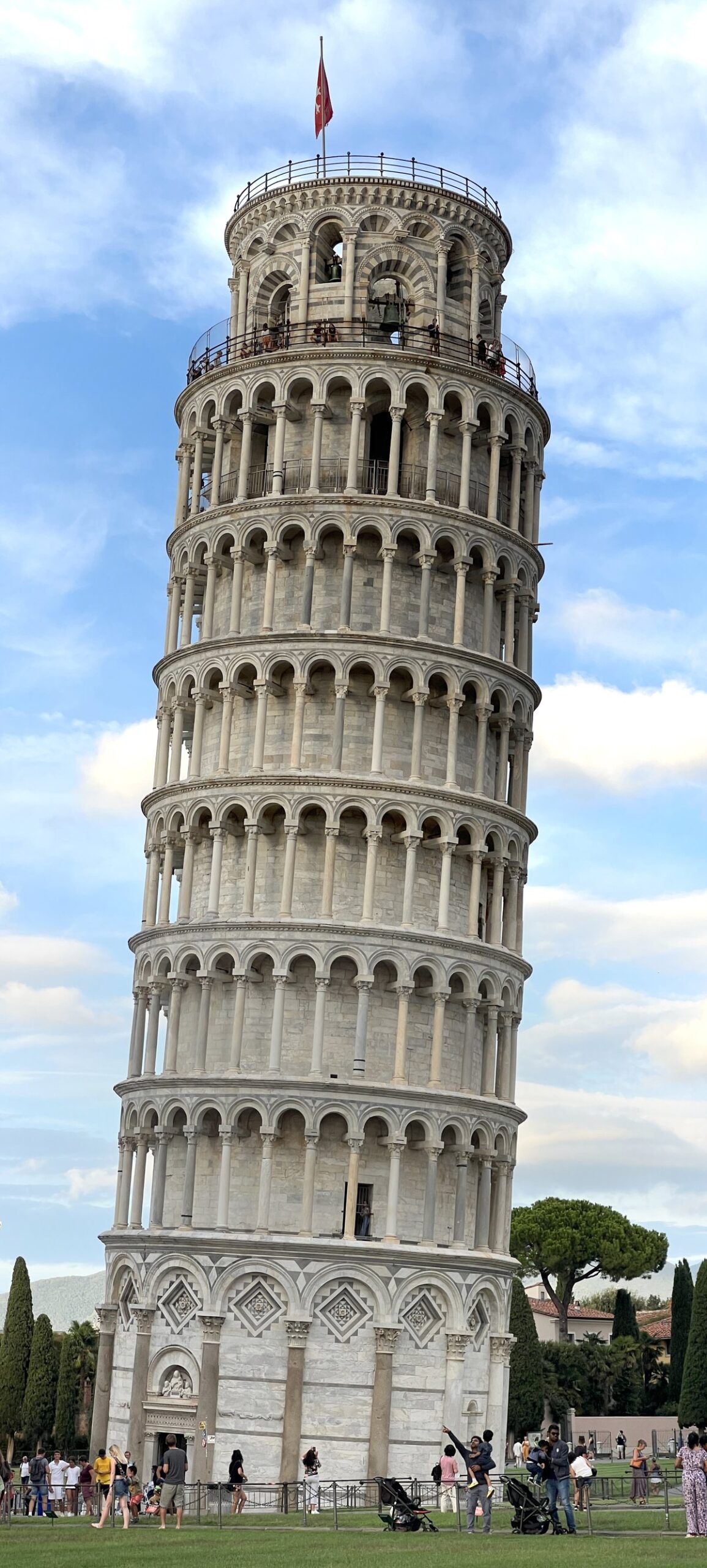 The Leaning Tower of Pisa is much more than just a crooked monument: it's a masterpiece of Pisan Romanesque architecture that has defied the laws of physics for centuries. Built between the 12th and 14th centuries, this 56-meter-high bell tower began to tilt during construction, due to the clayey and unstable ground on which it stands. The incredible thing? Despite the obvious structural problem, medieval builders continued the work, adding floors and trying to correct the tilt with ingenious solutions. Today the tilt is about 4 degrees, stabilized after complex consolidation work completed in 2001. Climbing the 294 spiral steps is a unique experience: you clearly feel the lean as you ascend, and once at the top, the view of Piazza dei Miracoli is simply breathtaking. Personally, I've always been struck by how this tower, originally built as a simple bell tower for the Cathedral, has become the undisputed symbol of the city. Legend has it that Galileo Galilei used the tower for his experiments on falling bodies, although historians have some doubts about the truth of this anecdote. What is certain is that every year millions of visitors seek the perfect perspective for the classic photo: the one where they appear to hold up the tower with one hand. A practical tip: tickets should be booked in advance, especially during high season, and access is regulated to groups of maximum 30 people every 30 minutes to preserve the structure. The tower is open year-round, but in my opinion the best time to visit is early in the morning, when the light is soft and crowds are smaller.
The Cathedral of Santa Maria Assunta
- Go to the page: Pisa Cathedral: Byzantine Mosaics, Giovanni Pisano's Pulpit, and Romanesque Façade
- Piazza del Duomo, Pisa (PI)
- https://www.opapisa.it
- Open in Google Maps
- View on Google Images
 While everyone crowds for a photo with the Leaning Tower, I lose myself inside the Cathedral of Santa Maria Assunta, the true heart of the monumental complex of Piazza dei Miracoli. It almost feels like a sin to simply call it the 'Duomo,' because it is much more than a church: it is an open book of art history, with pages written in white Carrara marble and green Prato stone. The horizontally striped facade strikes you immediately, with those four tiers of loggias that look like stone lace. Upon entering, the first impression is one of awe: light filters through the windows and illuminates the mosaics of the apse, where Cimabue's Christ Pantocrator stands out—yes, that very one, a work that seems to have been watching you for centuries with those penetrating eyes. I walk on the marble inlaid floor, a labyrinth of symbols telling biblical stories, and lift my gaze toward the gilded coffered ceiling, a Renaissance masterpiece that shines as if it had just been restored. I stop in front of Giovanni Pisano's pulpit, carved between 1302 and 1310: the figures seem alive, almost in motion, with a dramatic quality that anticipates the Renaissance. Some say it is the most beautiful Gothic pulpit in Italy, and after seeing it up close, I am tempted to believe it. In the right nave, Galileo's lamp (or at least the one tradition attributes to him) makes me smile: to think that perhaps right here the great scientist observed the oscillations that led him to formulate the law of the pendulum. The cathedral is full of these details that tell centuries of Pisan history, from the Maritime Republic to the Medici. I recommend taking your time: allow at least half an hour to explore every corner, from the Romanesque capitals to the side chapels, where works often overlooked by hurried visitors are hidden. A practical tip: admission is included in the ticket for the monumental complex, but always check the hours as they may vary depending on religious celebrations. And if you can, visit the cathedral early in the morning or near closing time: the light is magical, and the crowd thins out, giving you moments of authentic contemplation.
Camposanto Monumentale
- Go to the page: Camposanto Monumentale in Pisa: Medieval Frescoes and Gothic Cloister in the Square of Miracles
- Mura di Pisa, Pisa (PI)
- Open in Google Maps
- View on Google Images
 If you think the Camposanto is just a cemetery, prepare to change your mind. This place, which closes the north side of Piazza dei Miracoli, is a continuous surprise. You enter and are greeted by a rectangular white marble cloister that seems suspended in time, with a central lawn that once housed holy soil brought from the Holy Land during the Crusades – a curiosity that gives the place its name. But the real treasure are the fourteenth-century frescoes that once entirely covered the walls. Unfortunately, many were lost during World War II due to bombing and a fire, but the surviving ones, like the Triumph of Death attributed to Buonamico Buffalmacco, leave you speechless. They are works that blend sacred and profane, with grotesque details and reflections on life that still make you think today. Walking under the porticoes, you also notice Roman sarcophagi reused in the Middle Ages and tombs of illustrious Pisan figures – a historical layering that tells centuries of city life. The atmosphere is quiet, almost meditative, far from the crowds of the Tower. Personally, I lost myself observing the detached fresco fragments displayed along the walls: they seem like pages of a damaged book, but full of stories to decipher. A tip? Take the time to look at the details of the capitals and the play of light filtering through the windows – small magics that make the visit unique.
National Museum of San Matteo
- Go to the page: National Museum of San Matteo Pisa: Masterpieces by Simone Martini and Donatello
- Piazza San Matteo in Soarta 1, Pisa (PI)
- https://museitoscana.cultura.gov.it/luoghi_della_cultura/museo_nazionale_di_san_matteo/
- Open in Google Maps
- View on Google Images
- +39 050 541865
 If you think Pisa is just the Tower, the National Museum of San Matteo will change your mind. Housed in a former Benedictine monastery overlooking the Arno River, this museum is one of Italy's most important collections of Tuscan medieval art. Upon entering, you'll find a quiet atmosphere, far from the crowds of Piazza dei Miracoli. The works are displayed in bright rooms that still retain traces of original frescoes. Here you'll find masterpieces like Simone Martini's Madonna and Child, a panel painting that captivates with its delicate colors and intense expression, or sculptures by Nicola and Giovanni Pisano that almost seem to speak. Personally, I was struck by the collection of medieval ceramics, with decorated plates and vases that tell the story of daily life at the time. It's not a huge museum, but every piece has a story. The painted crosses from the 13th century, for example, are displayed in a dedicated room and show moving devotional art. There's also a section of Renaissance paintings, with works by Masaccio and Fra Angelico, that complete the journey. I sometimes wonder why it's so little known compared to other Tuscan museums: perhaps because it's somewhat hidden, in a building that looks simple from the outside. But it's absolutely worth a visit, especially if you love art without frills. Admission costs just a few euros and there's often no queue, making it a perfect break from the usual tourist routine. I recommend spending about an hour there, perhaps in the afternoon, when light filters through the windows overlooking the river.
Knights' Square
- Go to the page: Knights' Square: The Medieval Heart of Pisa with Renaissance Palaces
- Piazza dei Cavalieri, Pisa (PI)
- Open in Google Maps
- View on Google Images
 If you think Pisa is just the Tower, you're very mistaken. Just a stone's throw from the Cathedral, there's another gem that often gets overlooked: Knights' Square. It's a place that makes you feel as if you've stepped back in time, to the center of Medici power in the sixteenth century. Here, Cosimo I de' Medici transformed the ancient political square of the Pisan Republic into the seat of the Order of the Knights of St. Stephen, a military and maritime order. The feeling is strange: on one hand, Renaissance elegance; on the other, an almost austere air, as if the ghosts of the knights still keep watch. The focal point of the square is the Palazzo della Carovana, now home to the Scuola Normale Superiore. Its facade, designed by Giorgio Vasari, is a masterpiece of graffiti and stucco work that tells allegories and symbols. Sometimes I wonder what the students who attend classes there today would think, knowing they walk through the same rooms where knights once gathered. Next to it stands out the Church of Santo Stefano dei Cavalieri, with its white marble facade and naval trophies captured from the Turks. Stepping inside is an experience: the interior is a triumph of gilded stuccoes and paintings celebrating the order's victories. There's also a curious collection of flags and banners, almost as a reminder that naval battles were planned here. Don't forget to look up at the Clock Tower, also known as the Torre della Muda, where, according to tradition, Count Ugolino from Dante's Divine Comedy was imprisoned. The square is small, but every corner tells a different story. By day, it's animated by students from the Scuola Normale chatting on the steps; by evening, it transforms into a quiet and suggestive place, illuminated by warm lights that enhance the textures of the facades. Personally, I find it one of those places where you can sit on a bench and imagine knights in armor parading during ceremonies. Perhaps it's not as spectacular as the Leaning Tower, but it has a more intimate, more authentic charm. If you're in Pisa, don't just take the usual photo: take half an hour to explore this square. You might discover that the city has much more to offer than you think.
Santa Maria della Spina
- Go to the page: Santa Maria della Spina: Gothic Church with Pisan Statues Overlooking the Arno
- Lungarno Gambacorti, Pisa (PI)
- Open in Google Maps
- View on Google Images
 If you think Pisa is just about the Tower, prepare for a surprise. Santa Maria della Spina is a small church that will leave you speechless, right on the riverbank. The first thing that strikes you is its location: it almost seems to float on the water, with its spires and pinnacles mirrored in the Arno. It's so small you might almost overlook it, but once you're in front of it, you realize it's a concentrated masterpiece of Tuscan Gothic art. The façade is an embroidery of white and pink marble, with statues of saints and prophets that seem to watch you as you pass by. Inside is even more surprising: it's tiny, almost intimate, and houses works like the Madonna of the Rose by Andrea Pisano. Legend has it that a thorn from Christ's crown was kept here—hence the name—though today the relic is elsewhere. Personally, I find the best time to see it is at sunset, when the warm light enhances the colors of the marble and the river water turns almost golden. Note: admission is paid, and opening hours vary, so always check before you go. It's not always open, but when it is, it's absolutely worth it. If you're in Pisa, don't limit yourself to the Square of Miracles: this church is a hidden treasure that tells another side of the city, less crowded but equally fascinating. Sometimes I wonder how they managed to build it so close to the river without it collapsing—they say it was dismantled and rebuilt further back to save it from floods, a detail that makes it even more special.
Palazzo Blu: An Artistic Gem on the Lungarno
- Lungarno Gambacorti 9, Pisa (PI)
- https://palazzoblu.it/
- Open in Google Maps
- View on Google Images
 While the Leaning Tower captures all the attention, few know that just steps from the Arno River lies Palazzo Blu, a museum well worth a visit. It's not just an art repository, but a vibrant place that tells stories through its collections. The building itself is a masterpiece: the blue facade, which gives the palace its name, stands out among the ochre tones of Pisan buildings and welcomes you with discreet elegance. Inside, the atmosphere is intimate and well-curated, far from the crowds of more famous monuments. The permanent collection is a journey through art from the 14th to the 20th century, featuring works by Tuscan artists like Cecco di Pietro and Vincenzo Foppa, as well as pieces by masters such as Rosso Fiorentino and Guido Reni. What struck me, however, are the temporary exhibitions: they often host international-level displays dedicated to major names in modern and contemporary art. I remember a Chagall exhibition that left me in awe, with works on loan from museums across Europe. The palace, once the residence of the Agostini family, still preserves some original spaces, like the frescoed rooms on the main floor, which make you feel almost like an honored guest. A hidden gem? The bookshop is well-stocked and offers art catalogs at accessible prices, perfect for a quality souvenir. If you're in Pisa, don't limit yourself to the Tower: step into Palazzo Blu and discover a more intimate and refined side of the city.
Piazza delle Vettovaglie
- Piazza delle Vettovaglie, Pisa (PI)
- Open in Google Maps
- View on Google Images
 If you're looking for a place to experience the real Pisa, away from the selfies with the Tower, Piazza delle Vettovaglie is the answer. It's not a monumental square, but a lived-in one, a Renaissance covered market that since the 1500s has been the beating heart of daily shopping. Entering under its arches, you're greeted by a bustle of colors and scents: stalls of the freshest fruits and vegetables, butchers with local cured meats, fishmongers where the fish comes from the nearby Tyrrhenian Sea. It's the perfect spot to taste a piece of warm focaccia or to buy pecorino cheese from the Pisan hills. The structure itself is a gem: a large rectangular loggia, commissioned by the Medici to rationalize commerce. Today, besides the morning market, the square comes alive in the evening with little bars and aperitifs. Personally, I love getting lost among the stalls at lunchtime, when the air smells of basil and freshly baked bread. It's a place where historic architecture blends with everyday life, without too many frills. If you pass by here, don't just look: stop to chat with a vendor, taste a tomato, or simply sit on a bench and watch the comings and goings. You'll feel a little more Pisan.
Museum of the Cathedral's Works
- Piazza del Duomo, Pisa (PI)
- https://www.opapisa.it
- Open in Google Maps
- View on Google Images
 If you think the Piazza dei Miracoli ends with the Leaning Tower, prepare for a surprise. The Museum of the Cathedral's Works, right behind the Cathedral, is that place many skip, but which instead safeguards the original masterpieces removed from the monumental complex to preserve them. Upon entering, you breathe a different atmosphere: less chaotic, more intimate. The first thing that strikes you are the sculptures by Giovanni Pisano, the very ones that once decorated the Baptistery. Seeing them up close, without the distance of the square, is an experience: the details of the drapery, the expressions on the faces, seem almost to speak. Then there are the archaeological finds discovered during excavations, which tell of Pisa before the Cathedral – an unexpected dive into the past. Personally, I lost myself observing the head of a woman by Tino di Camaino, a piece so delicate it seems to defy time. The museum isn't huge, but every room has something to say. There's also a section dedicated to the wooden models of the complex, which help understand how it has changed over the centuries. Some might find it a bit niche, but in my opinion, that's precisely the beauty of it: it allows you to delve deeper without the crowds. A tip? Dedicate at least an hour to it, perhaps after seeing the Tower, to complete the circle of your visit. The space is well-organized, with clear panels (in Italian and English), and there are often interesting temporary exhibitions. If you love medieval art, you'll find plenty to feast on here; if you're just passing through, it remains an excellent reflective break. Sometimes, such small museums tell more authentic stories than the big exhibition hubs.
Basilica of San Piero a Grado
- Parco Giovanni Paolo II, Pisa (PI)
- Open in Google Maps
- View on Google Images
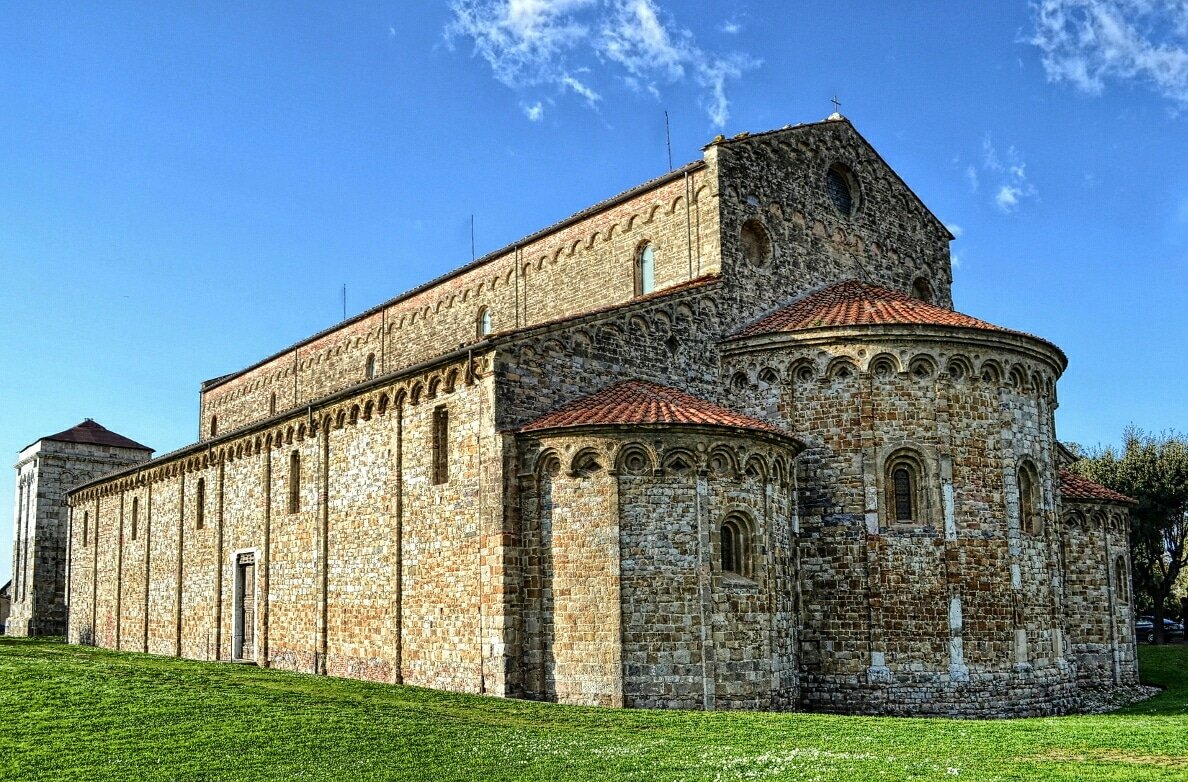 If you think Pisa is just the Leaning Tower, get ready for a surprise: just a few kilometers from the city center, nestled in the countryside, stands the Basilica of San Piero a Grado, a place that seems straight out of a medieval tale. Tradition holds that Saint Peter landed here on his journey to Rome, and the atmosphere you breathe is truly special, almost suspended in time. The building is a masterpiece of Pisan Romanesque architecture, with its white stone and red brick façade gleaming under the Tuscan sun. Upon entering, you're struck by the wide, bright central nave, but it's the 14th-century frescoes that leave you in awe: they tell stories from Saint Peter's life with vibrant colors and meticulous details, though some have faded a bit over time, which adds to their charm. Personally, I adore the truncated bell tower that rises beside the basilica—it's said to have been cut for defensive reasons, and today it gives the complex a somewhat mysterious air. Inside, also look for the archaeological remains visible through a glass floor: they show the foundations of an early Christian church, an extraordinary testament to how this site has been sacred for centuries. The basilica is often peaceful, away from tourist crowds, and strolling among the olive trees in the surrounding area is a delight. Note: check the opening hours before you go, as it sometimes closes early. If you love art and history, this is a place you can't miss, though it might not suit those seeking only super-famous attractions—but that's precisely why it's worth a visit.
Museum of Ancient Ships of Pisa
- Lungarno Ranieri Simonelli 16, Pisa (PI)
- https://www.navidipisa.it/
- Open in Google Maps
- View on Google Images
- +39 050 8057880
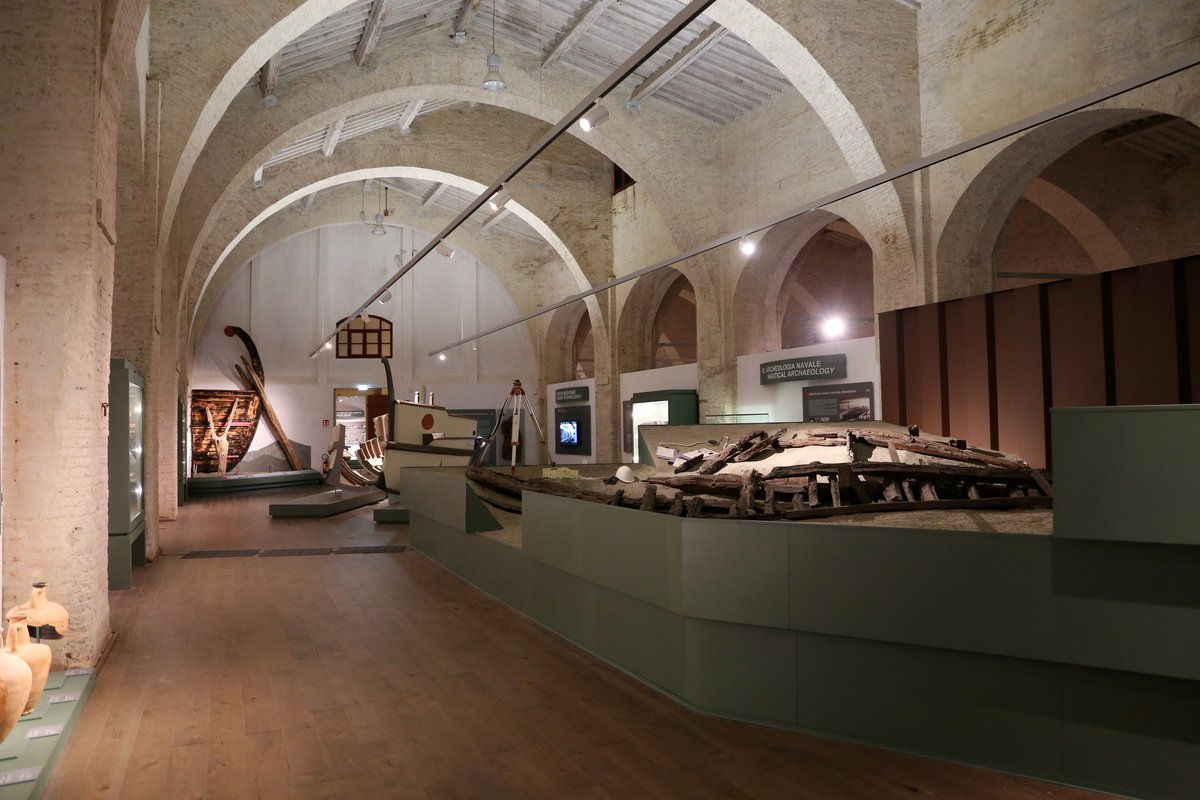 If you think Pisa is just the Leaning Tower, get ready for a surprise. The Museum of Ancient Ships of Pisa is one of those places that makes you say, 'How did I not know about this?'. Discovered by chance during railway works in 1998, this museum houses seven intact Roman ships, which sank into the mud of the Arno River nearly two thousand years ago. You step inside and feel like you're walking through an ancient Roman shipyard. The vessels are right there, with their wooden planks still visible, some up to 30 meters long. What's striking isn't just the ships, but everything they carried with them: amphorae full of olives and wine, leather shoes, even a plate with food remains. I paused to look at a surgeon's kit with scalpels and forceps—thinking that someone actually used these tools has quite an impact. The museum is modern, well-lit, with walkways that let you see the ships up close without touching them. There's a section dedicated to restoration, where they explain how they managed to preserve such ancient wood—techniques that seem like magic. I especially recommend it if you're traveling with curious kids, because here history becomes tangible. One detail that stuck with me? The rat traces found on one ship, a sign that rodents traveled too. Open from Tuesday to Sunday, it's better to book online on weekends. It costs just a few euros and is worth every cent.
Botanical Garden of Pisa
- Go to the page: Pisa Botanical Garden: Europe's Oldest with 19th-Century Greenhouses and Rare Plants
- Viale M. Tilli, Pisa (PI)
- https://www.ortomuseobot.sma.unipi.it/
- Open in Google Maps
- View on Google Images
- ortomuseo@biologia.unipi.it
- +39 050 2211316
 If you think Pisa is just about the Tower, prepare for a pleasant surprise. The Botanical Garden, founded in 1544 by order of Cosimo I de' Medici, is the oldest university botanical garden in the world. It's not just a garden, but a true living museum where every plant tells a story. I was immediately struck by the atmosphere: as soon as you pass through the entrance, the noise of traffic disappears, replaced by the rustling of leaves and the scent of damp earth. The structure is divided into thematic sections, each with its own personality. The oldest part, with its 19th-century greenhouses made of iron and glass, seems straight out of a Verne novel. Walking along the paths, I encountered incredible collections: from medicinal plants, cultivated as early as the 16th century for pharmacological studies, to exotic species brought by explorers from every corner of the globe. There's a section dedicated to aquatic plants, with water lilies and lotuses that offer spectacular blooms in summer, and an area for succulent plants, where cacti and agaves create almost surreal landscapes. Don't miss the historical herbarium, preserved in the main building: it contains thousands of dried specimens, some dating back to the 18th century. It's a place that speaks of science, certainly, but also of passion and curiosity. Perhaps it's not as famous as other monuments, but in my opinion it's worth visiting precisely for this reason: it gives you an hour of tranquility, away from the crowds, and lets you discover an unexpected side of Pisa. A tip? Come in the morning, when the light is softer and the garden is still fresh.
Scotto Garden
- Pisa (PI)
- Open in Google Maps
- View on Google Images
- +39 050 230 44
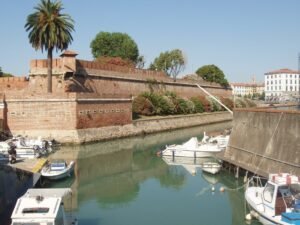
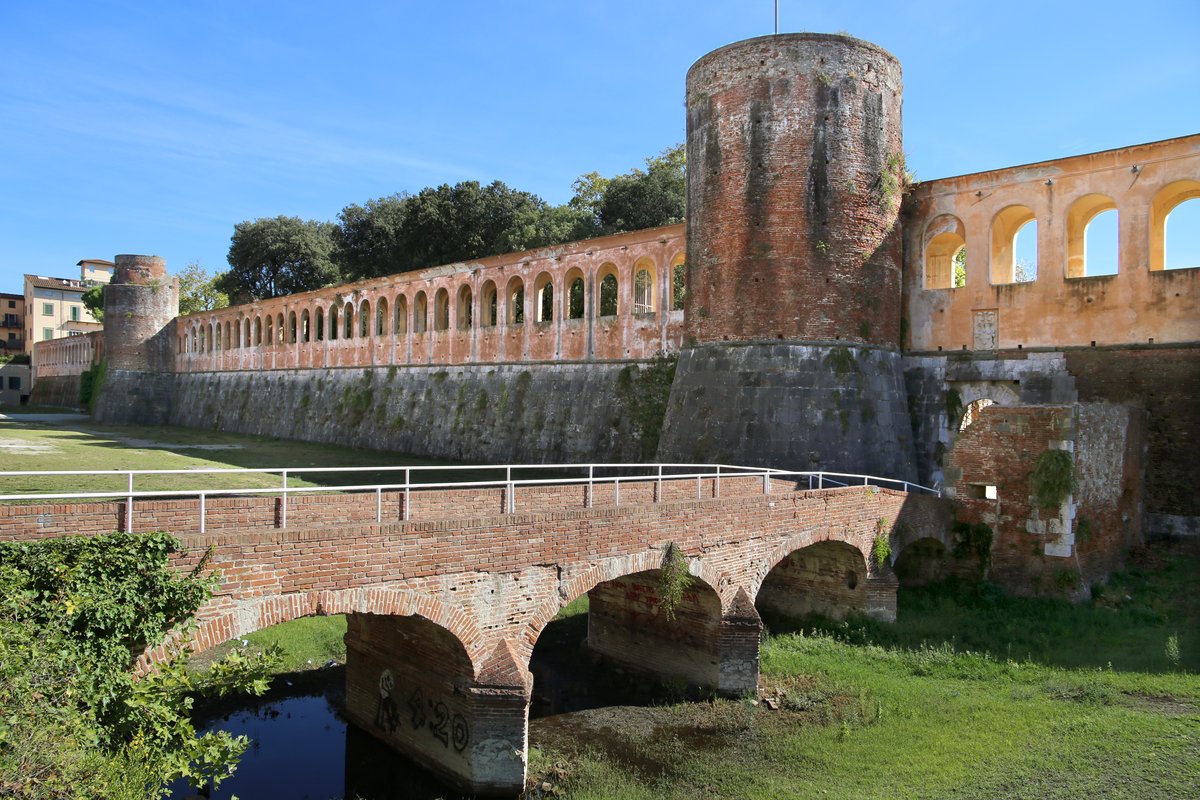 If you think Pisa is just the Tower, you're quite mistaken. Just a few steps away from the tourist bustle, you'll discover places like Scotto Garden, a spot that surprised me with its tranquil atmosphere and palpable history. Located along the Arno River, right behind the medieval walls, it's a public park that was once a military fortress. I know, it sounds odd: a garden on a fortress! But that's exactly what makes it special. The ancient walls, still well-preserved, frame green lawns, centuries-old trees, and flower beds. There are benches scattered throughout, perfect for a shady break, and a children's play area that makes it ideal for families. I visited on a sunny day and noticed many locals coming here to read, jog, or simply chat. It's not as crowded as other spots in the city, making it a precious refuge. Inside the park, there's also a small open-air amphitheater used for summer events and concerts. I wondered why it isn't talked about more—perhaps because it's a bit hidden? In any case, admission is free, and it's worth a visit to experience a different, more authentic vibe. If you're tired of queues and hustle, here you'll find a piece of Pisa that lives at its own slow, pleasant pace. A tip: bring something to drink, as there aren't many kiosks, but the view of the walls and river more than makes up for it.
Teatro Verdi: The Cultural Heart of Pisa
- Go to the page: Teatro Verdi Pisa: Gilded Boxes and Excellent Acoustics Since 1867
- Via Giovanni Carmignani, Pisa (PI)
- Open in Google Maps
- View on Google Images
 If you think Pisa is just the Leaning Tower, prepare for a pleasant surprise. The Teatro Verdi, overlooking the Lungarno, is one of those places that immediately captures your attention. Built in the second half of the 19th century, it has an understated elegance that reminded me of certain provincial French theaters, but with a distinctly Tuscan soul. The facade of red brick and pietra serena stone is a discreet invitation to step inside. Inside, the atmosphere changes completely: the horseshoe-shaped hall, with its gilded boxes and frescoed ceiling, instantly transports you to another era. I sat for a moment in the stalls, imagining the opera premieres that have taken place here since its inauguration. Today, the theater is a vibrant cultural hub: not just opera, but also drama, symphony concerts, ballet, and even children's shows. The programming is rich year-round, with schedules ranging from classics to contemporary productions. One thing I appreciated is the excellent visibility from almost every seat, thanks to the intimate structure. Architectural details, like the stucco decorations and crystal chandeliers, deserve a pause to be observed calmly. If you're passing by, check the guided tour times: sometimes they organize tours that take you backstage too, an experience that reveals the inner workings of a still-active theater. Personally, I find it an excellent way to experience Pisa beyond the usual tourist itineraries. It's not a static museum, but a living place where art is at home every evening.