
🧭 What to Expect
- Ideal for a weekend of art and tranquility away from the crowds.
- Highlights: Renaissance Palazzo Ducale, National Gallery with works by Piero della Francesca and Raphael, Raphael's Birthplace.
- Discover the neoclassical Cathedral, the City Museum and the contemporary Teatro Sanzio.
- Explore churches like San Francesco and San Domenico with works by Luca della Robbia, and Fortezza Albornoz for panoramic views.
Events nearby


Urbino is not just a city; it's an experience that transports you back to the Renaissance. Upon arrival, you're greeted by a unique panorama of red roofs and towers emerging from the Marche hills. The beating heart is the Ducal Palace, an architectural masterpiece commissioned by Federico da Montefeltro, which now houses the National Gallery of the Marche. Here, you can lose yourself among works by Piero della Francesca, Raphael, and Titian. Strolling through the cobblestone streets, you breathe in the atmosphere of a vibrant university town, where students and tourists mingle in front of historic cafés. Don't miss the Raphael's Birthplace, a dive into the life of the great painter, and the Cathedral with its neoclassical façade. Urbino is small, but every corner tells a story: from artisan workshops to breathtaking views from the city walls. It's the perfect place if you're looking for culture without the crowds, where every visit becomes a personal discovery.
Overview
- Ducal Palace of Urbino
- National Gallery of the Marche
- Raphael's Birthplace
- Cathedral of Santa Maria Assunta
- City Museum
- Sanzio Theatre
- The Urbino Obelisk: An Unexpected Symbol in the Renaissance Heart
- Church of San Francesco
- Church of San Domenico
- Valbona
- Lapidary Museum of Urbino
- Albornoz Fortress: Urbino's Sentinel
Itineraries nearby
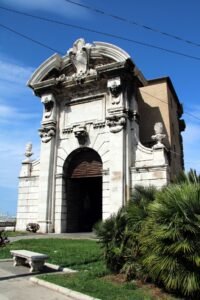

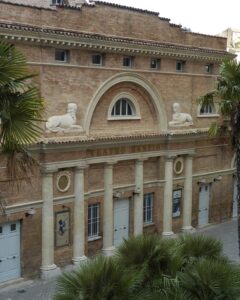
Ducal Palace of Urbino
- Go to the page: Ducal Palace Urbino: Courtyard of Honor, National Gallery and masterpieces by Piero della Francesca
- Piazza Duca Federico, Urbino (PU)
- Open in Google Maps
- View on Google Images
 Entering the Ducal Palace of Urbino is like stepping back in time, straight into the Italian Renaissance. It's not just a palace, but a true architectural gem commissioned by Duke Federico da Montefeltro in the 15th century. The first thing that strikes you is the facade, with those turrets that seem almost like an optical illusion – an unmistakable signature of the architect Luciano Laurana. Inside, you get lost among elegant courtyards and majestic staircases, but the real treasure is the National Gallery of the Marche, housed right here. Walking through the rooms, you come across masterpieces like Piero della Francesca's 'Flagellation' or Pedro Berruguete's 'Portrait of Federico da Montefeltro,' which gaze at you with an intense, almost lively stare. Personally, I love the Duke's Studiolo, a small room lined with wood inlays depicting books, musical instruments, and symbolic objects – a detail that reveals Federico's passion for culture and art. It's a place that breathes history, where every corner tells a story of power, beauty, and ingenuity. Remember that the palace is open year-round, but check the hours as they can vary by season; I visited on an autumn day, and the light filtering through the windows made everything even more magical. Don't miss the view from the tower, which embraces the entire city and the Marche hills – a panorama that alone is worth the visit.
National Gallery of the Marche
- Go to the page: National Gallery of the Marche: Masterpieces by Piero della Francesca and Raphael in the UNESCO Ducal Palace
- Piazza Del Rinascimento 13, Urbino (PU)
- http://www.gallerianazionalemarche.it
- Open in Google Maps
- View on Google Images
- gan-mar@beniculturali.it
- +39 0722 2760
 If you think the Ducal Palace of Urbino is already an architectural masterpiece in itself, wait until you cross the threshold of the National Gallery of the Marche housed within. This is not just a museum: it's like stepping into the mind of the Italian Renaissance. The collection is displayed in the very rooms designed for the Dukes of Montefeltro, and this makes all the difference. You walk through frescoed rooms, inlaid studies, and monumental halls that are works of art in their own right, even before you look at the paintings on the walls.
The feeling is that of being a guest in a princely residence that still feels alive. Among the works, the Flagellation of Christ by Piero della Francesca undoubtedly stands out—a painting that holds you captive with its perfect perspective and suspended atmosphere. But it's not the only treasure. There are also works by Raphael, with the incredibly sweet *La Muta* that seems to look at you with living eyes, and by Titian. Personally, I was deeply struck by Piero della Francesca's Portrait of Federico da Montefeltro: that deep wrinkle on his forehead speaks of power and intelligence more than a thousand words ever could.
A piece of advice? Don't rush. Take your time to observe the details of the inlays in the Duke's Studiolo, a work of painstaking patience that leaves you breathless. And look up often: the ceilings are spectacular. Admission is charged, but consider it a ticket for a journey through time. Sometimes I wonder if hurried visitors miss the magic of this place: here, art isn't just hung on the walls—it lives here.
Raphael's Birthplace
- Go to the page: Raphael's Birthplace in Urbino: Original Rooms and Father's Workshop
- Via Raffaello, Urbino (PU)
- Open in Google Maps
- View on Google Images
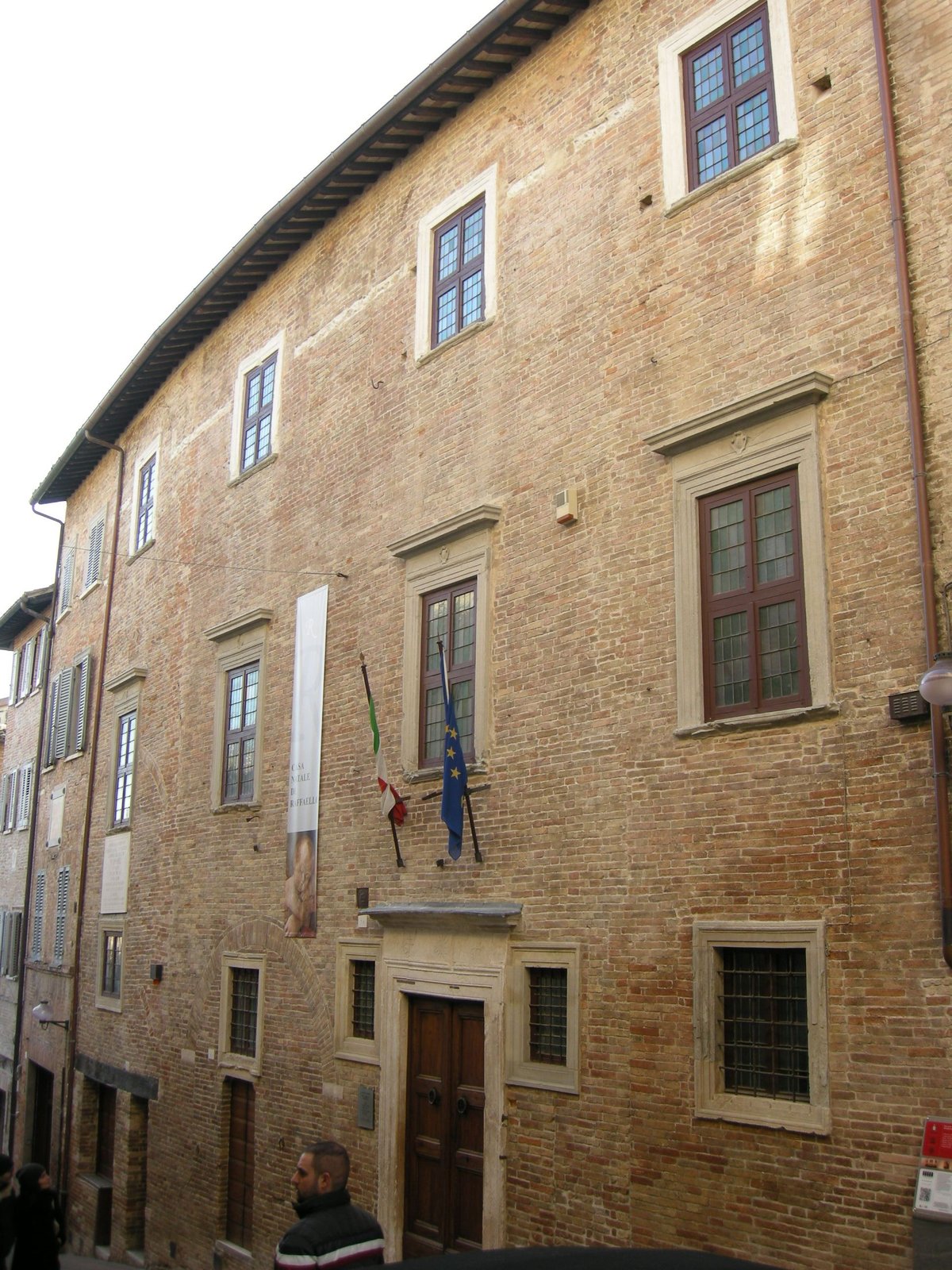 On Via Raffaello, a narrow, uphill street in the heart of the historic center, you'll find Raphael's Birthplace. It's not an opulent museum, but an intimate place that makes you feel close to the painter's daily life. Raphael was born here on April 6, 1483, and the house, owned by the Santi family, is a typical Urbino Renaissance building with a brick facade. Inside, the atmosphere is cozy: the rooms are furnished with period furniture and reproductions of works, including a copy of the 'Madonna of Casa Santi', painted by his father Giovanni Santi. There's a familiar, almost domestic feel. On the ground floor is his father's workshop—a painter and poet at the Montefeltro court—where Raphael took his first artistic steps. The inner courtyard, small and quiet, is a peaceful corner away from the tourist bustle. Personally, I was struck by the simplicity of the place: you might expect some grand palace, but it's a bourgeois home, making Raphael's genius feel more human and accessible. Information is essential, with panels explaining the family's life and historical context. It's a place to visit without haste, perhaps after the Ducal Palace, to complete the picture of Renaissance Urbino. Note: opening hours may vary, so it's best to check in advance, and admission is paid but affordable. For me, it's worth it just to imagine young Raphael learning the first secrets of painting here.
Cathedral of Santa Maria Assunta
- Go to the page: Duomo of Santa Maria Assunta Urbino: Neoclassical Facade and Barocci's Works in the UNESCO Center
- Via Giro dei Torricini, Urbino (PU)
- Open in Google Maps
- View on Google Images
 Arriving in Piazza della Repubblica, the Cathedral of Santa Maria Assunta immediately strikes you. It's not just a church; it's a visual landmark that seems to embrace the entire city. The neoclassical facade, rebuilt after the 1789 earthquake, has a sober elegance that contrasts pleasantly with Urbino's chaotic Renaissance splendor. Upon entering, your eye goes straight upward: the dome, designed by Giuseppe Valadier, is a masterpiece of lightness. Light filters through the windows and creates plays that change with the time of day. The interior is a triumph of polychrome marbles and stuccoes, but don't expect Renaissance frescoes everywhere. Here the atmosphere is more eighteenth-century, solemn. I paused to look at Federico Barocci's altarpiece, 'The Pardon of Assisi,' which many consider the cathedral's most precious artistic treasure. The colors, despite the centuries, have an incredible luminosity. The crypt, often overlooked, deserves a descent. It's older, dating back to the cathedral's medieval origins, and houses the remains of some bishops and local notables. A completely different atmosphere, more intimate and collected. A tip: if you visit the Ducal Palace, which is just a stone's throw away, the contrast between the secular power of the dukes and the spiritual power of the cathedral is palpable. Two faces of the same Urbino. Sometimes, sitting on the external steps, I watched people pass by and thought that this place, more than a monument, is still the beating heart of the community.
City Museum
- Go to the page: Urbino City Museum: Roman artifacts and daily life in the Renaissance
- Via Lorenzo Valerio, Urbino (PU)
- Open in Google Maps
- View on Google Images
 If you think Urbino is just the Ducal Palace, prepare for a pleasant surprise. The City Museum, housed in the former convent of San Francesco, is a place that truly helps you understand the soul of this city. It's not a huge museum, but it's rich with stories. Upon entering, you're greeted by a serene Renaissance cloister, an oasis of peace away from the tourist bustle. The feeling is like stepping back in time, within these walls that have witnessed centuries of history. The permanent collection is a journey through the daily life of Urbino, from the Middle Ages to the 19th century. Don't expect only famous paintings: here you'll find everyday objects, documents, work tools, and archaeological finds that tell how people lived. I was struck by the section dedicated to artisan workshops, with tools for pottery and wrought iron work. It gives you a concrete sense of the hands that built the city. The temporary exhibitions often focus on lesser-known aspects of local history, such as folk traditions or minor artists. I found this a fresh approach that complements the "official" view of the Renaissance. A detail I liked? The captions are clear and not too long, perfect for a stress-free visit. Perhaps it's not the most spectacular museum, but it's authentic. I recommend dedicating about an hour to it, maybe after seeing the more famous sites. It's like listening to the city tell its own story, without fanfare.
Sanzio Theatre
- Go to the page: Teatro Sanzio Urbino: A Neoclassical Gem with Perfect Acoustics and Vibrant Performances
- Via Giacomo Matteotti, Urbino (PU)
- Open in Google Maps
- View on Google Images
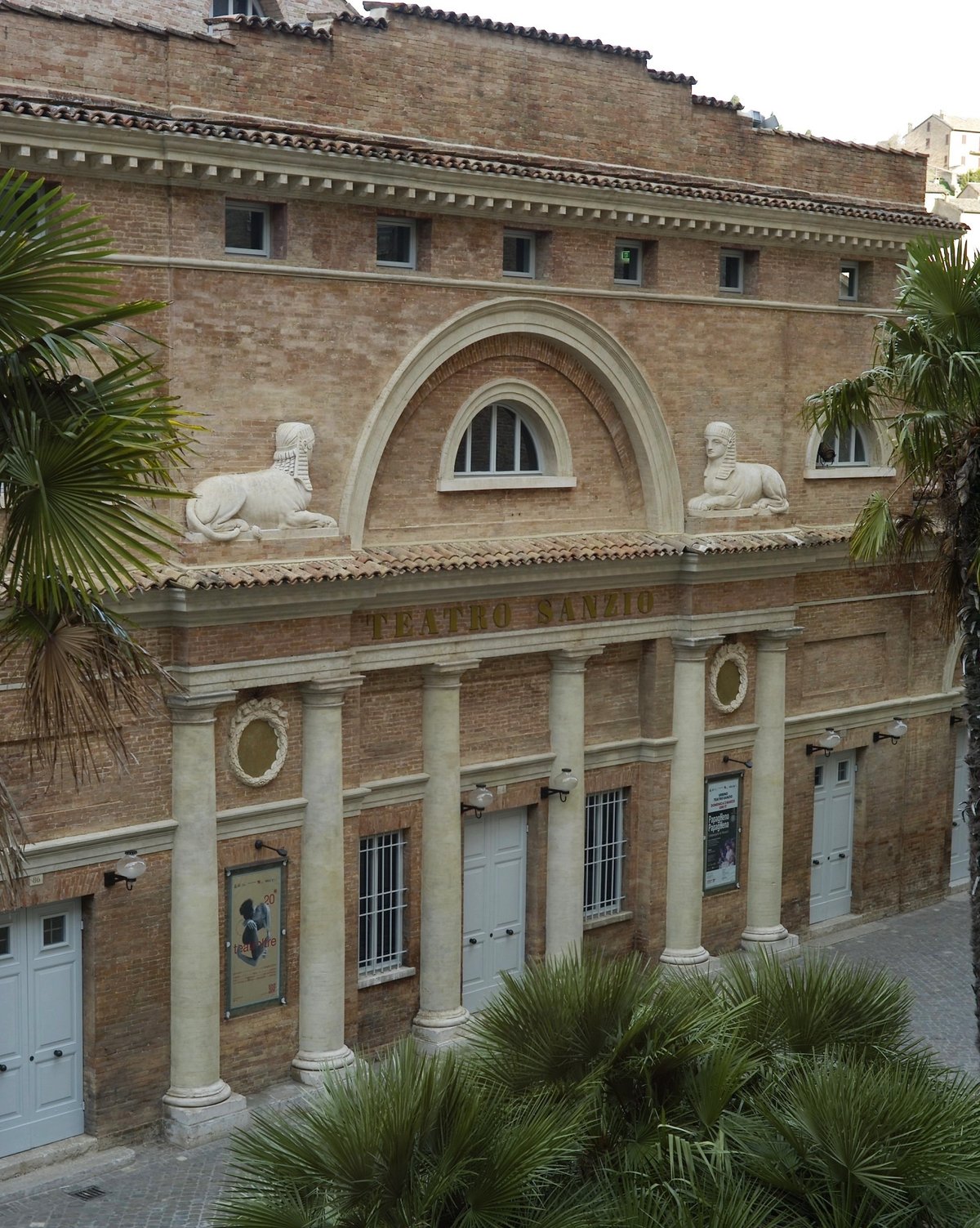 Don't expect an ancient theatre with gilded boxes and faded velvets. The Sanzio Theatre in Urbino is a surprise, a place that blends history and modernity in a surprising way. It stands right in the heart of the historic centre, a stone's throw from the Ducal Palace, yet it has a decidedly contemporary soul. The structure you see today dates back to the 1950s, built on the foundations of a previous 19th-century theatre that was destroyed. And yet, despite being relatively young, it has already lived an intense history. Consider that it was designed by architect Giancarlo De Carlo, an important figure for Urbino, and inaugurated in 1982 with a performance by Dario Fo. This already tells you a lot about its character: it's not a museum, but a living place. The exterior is sober, almost blending in with the brick buildings, but upon crossing the threshold, a spacious and bright foyer opens up. The main hall, with its stalls and galleries, has excellent acoustics – something confirmed to me by several performances I've attended. It's the main venue for the Rossini Opera Festival during its Urbino stop, but the programme is rich all year round: drama, concerts, dance, events for children. One thing I like: the box office is often open in the afternoon too, so you can take a look at the programme without rushing. Sometimes they also organise guided tours, but they're not always active – it's better to check the website or ask at the tourist office. For me, it's one of those places that shows how Urbino isn't just a monument to the past, but a city that continues to create and inspire emotion. If you happen to be there on a performance day, don't miss it; if not, try to peek inside the entrance anyway, it's worth it.
The Urbino Obelisk: An Unexpected Symbol in the Renaissance Heart
- Go to the page: Urbino Obelisk: Late Baroque Symbol of 1737 in Renaissance Square
- Piazza Del Rinascimento, Urbino (PU)
- Open in Google Maps
- View on Google Images
 While walking through the streets of Urbino, you expect to encounter Renaissance palaces at every corner. Yet, in Piazza Rinascimento, right in front of the majestic Ducal Palace, you come across something different: the Urbino Obelisk, a monument that seems almost out of place in this context, but instead has its own fascinating story. It's not an ancient Egyptian relic, as one might think at first glance, but a Neoclassical work created in 1737. It was commissioned by Cardinal Annibale Albani, nephew of Pope Clement XI, and honors that very pontiff. What struck me is its position: it stands isolated at the center of the square, creating an unexpected focal point in front of the bulk of the ducal palace. It's about 15 meters tall and made of local limestone, giving it a light color that contrasts pleasantly with the reddish bricks of the surrounding buildings. Observing it up close, you notice the papal coats of arms and Latin inscriptions celebrating its patron. Perhaps it's not the city's most famous monument, but it has its own reason for being. I think it's worth stopping for a moment to look at it, maybe sitting on one of the nearby benches, to appreciate how an element from the eighteenth century dialogues with fifteenth-century architecture. It represents an interesting shift in era and taste in the heart of a place synonymous with the Renaissance. Personally, I like to think of it as a silent reminder of the ecclesiastical power that for centuries shaped this city of art as well.
Church of San Francesco
- Go to the page: Church of San Francesco Urbino: Salimbeni Frescoes and Renaissance Cloister
- Via Cesare Battisti, Urbino (PU)
- https://www.sanfrancescourbino.com/chi-siamo/il-complesso/la-chiesa
- Open in Google Maps
- View on Google Images
- +390722328764
 As soon as you enter this church, you immediately sense a different atmosphere. The Church of San Francesco is not just a place of worship, but a true treasure trove of history and art, often overlooked by hurried tourist flows. Its sober and imposing brick facade welcomes you in Piazza San Francesco, a strategic point in the historic center. Inside, the eye is immediately drawn to the single nave with cross vaults, creating a sense of intimate and cozy space. But it's the finely carved 15th-century wooden choir that leaves you speechless – you can almost hear the sound of the artisans' chisels from that era. The side chapels house frescoes and canvases from the Marche school, some slightly faded by time, but all the more fascinating for it. Personally, I lingered for a long time in front of the altarpiece, where warm colors and sacred figures tell of ancient devotion. Pay attention to opening hours: it's not always accessible, but when it is, admission is free, a pleasant surprise. You often find yourself alone, or nearly so, allowing you to savor the silence and intimate atmosphere. A tip? After your visit, take a stroll in the square outside: the view of Urbino's rooftops and the Marche hills is a treat for the eyes. Don't expect lavish decorations like in the Ducal Palace; here, elegance lies entirely in the simplicity and harmony of forms. A perfect place for a moment of reflection, away from the crowds.
Church of San Domenico
- Piazza Del Rinascimento, Urbino (PU)
- Open in Google Maps
- View on Google Images
 While everyone crowds into the Palazzo Ducale, the Church of San Domenico offers a genuine moment of silence, just steps away from the tourist chaos. Its simple, austere red brick facade conceals an interior that will leave you breathless: the apse is a masterpiece by Luca della Robbia, with those blue and white glazed ceramics that seem to come from another world. It's one of the few examples of his work in the Marche region, and seeing it here, almost by chance, is an unexpected gift. The atmosphere is intimate and serene. You sit on a dark wooden bench, breathing in a still air, different from the more monumental churches. The walls are bare, but this makes the details even more precious: the 15th-century wooden crucifix suspended above the altar, the traces of faded frescoes telling forgotten stories. I like to think that the Dominicans came here to pray in silence, far from the lavish court of Federico da Montefeltro. It's a place that doesn't demand attention but deserves it all. If you're in Urbino, don't just stick to the usual tour: step inside, sit for a moment. It costs nothing, and perhaps it's right here that you'll feel the true breath of the city.
Valbona
- Via Giuseppe Mazzini, Urbino (PU)
- Open in Google Maps
- View on Google Images
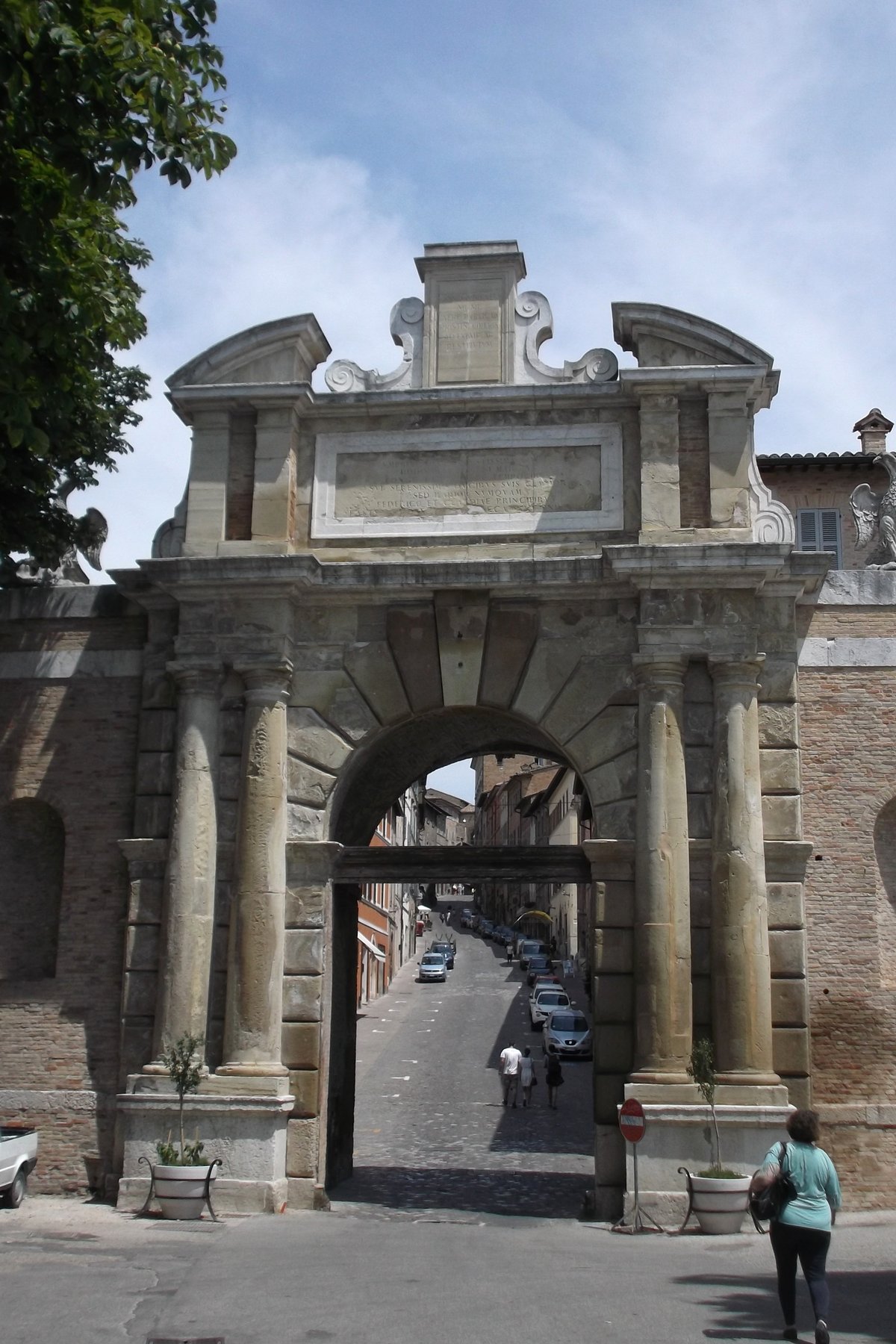 If you think Urbino is just Renaissance palaces and museums, think again. Just a few minutes from the city center, you'll discover Valbona, a small hamlet that feels like it's stepped out of an old painting. Time seems to stand still here: stone houses, cobblestone lanes, and a silence that soothes the soul. It's not a tourist village, and that's precisely where its authentic charm lies. As you wander its narrow streets, you'll notice the Church of San Pietro, a simple yet historically rich building with a bell tower that rises above the valley. All around, cultivated fields and gentle hills remind you that you're in the heart of the Marche region, where nature and humanity have coexisted for centuries. Personally, I love stopping here for a break away from the crowds, perhaps sitting on a bench to take in the view. There's something reassuring about this place, as if you're breathing the air of times gone by. If you're lucky, you might meet a local resident who can share stories about the area. Don't expect major attractions, but this very simplicity is its strength. Valbona is a place for those seeking a moment of peace, for those who want to discover the lesser-known Urbino, the one made of daily life and genuine glimpses. A tip? Bring a camera, because the sunset light here offers incredible shades.
Lapidary Museum of Urbino
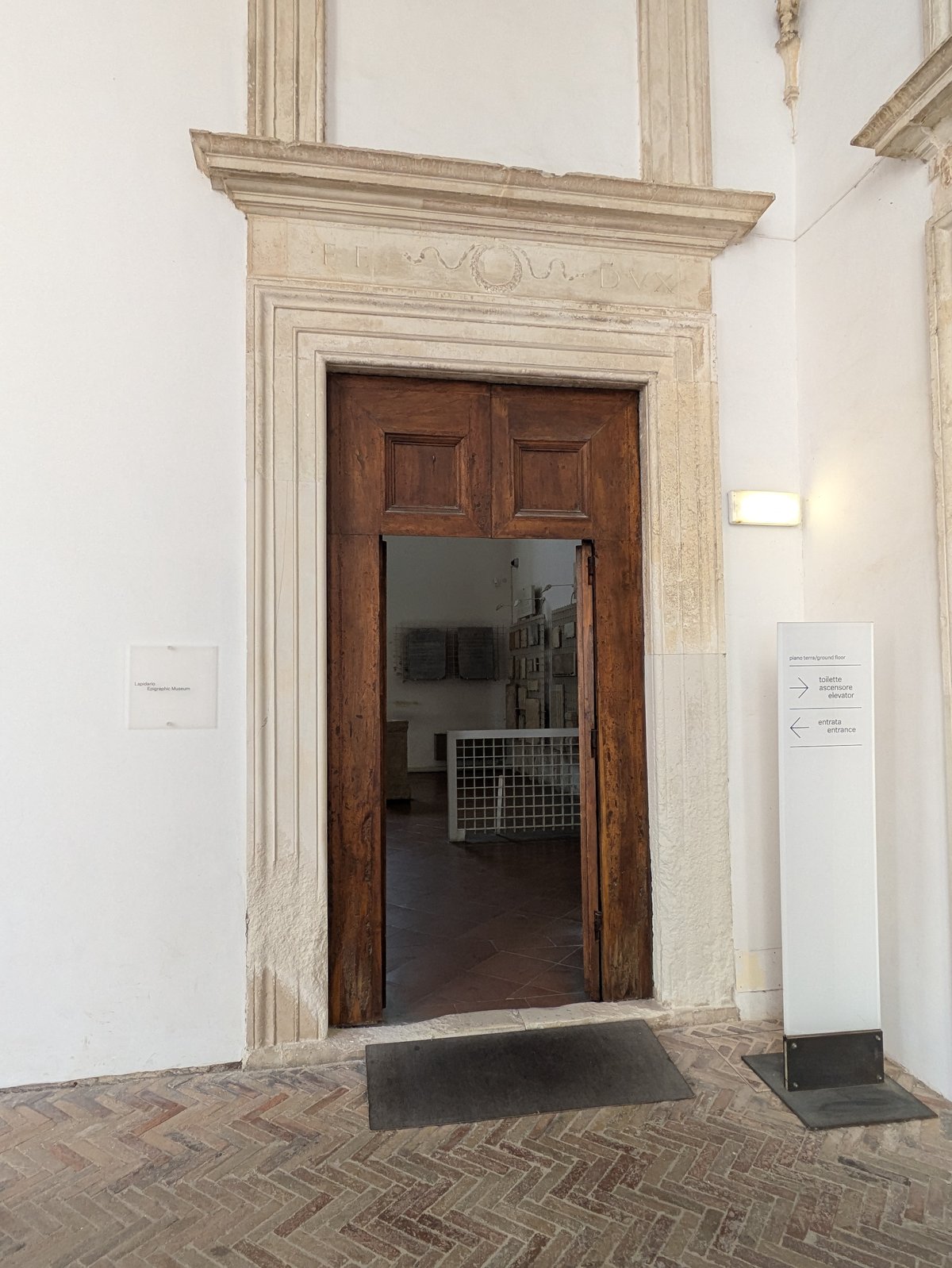 If you think Urbino is only about the Ducal Palace and Raphael, prepare for a surprise. The Lapidary Museum of Urbino is one of those places that escapes the most beaten paths, yet offers an authentic dive into the city's past. It is located within the former monastery of Santa Chiara, a building that is worth a visit in itself, with its quiet cloister that makes you forget the hustle and bustle of the city center. Here you won't find famous paintings or lavish frescoes, but stones that speak: tombstones, inscriptions, coats of arms, and architectural fragments recovered from churches, palaces, and archaeological sites in the area. It's like flipping through a stone diary, where each artifact tells a different story. There are Roman epigraphs testifying to Urbino's ancient origins, as well as medieval and Renaissance elements showing how the city transformed over time. Personally, I was struck by a series of family crests carved with incredible precision: you can almost feel the pride of the families that once dominated the area. The museum isn't very large, but it is carefully curated, and the captions help you understand the context without being too heavy. The space is intimate, almost cozy, and walking among these silent testimonies gives you a different perspective on Urbino: not just the city of the dukes, but a layered place where every era has left its mark. If you're tired of the crowds and looking for a quiet corner, here you'll find peace and interesting insights. Be careful, though: always check the opening hours, as smaller museums sometimes have sudden changes. It's worth a visit, even just for half an hour, to discover a lesser-known but equally fascinating side of this Renaissance gem.
Albornoz Fortress: Urbino's Sentinel
- Viale Bruno Buozzi, Urbino (PU)
- Open in Google Maps
- View on Google Images
 If you arrive in Urbino and seek a different perspective, Albornoz Fortress is a stop you simply can't miss. Don't expect a fairytale castle with crenellated towers: here we're faced with an essential military fortification, built in the 14th century at the behest of Spanish Cardinal Egidio Albornoz. Its position is strategic: it overlooks the city from the top of Monte Hill, and when you arrive, you immediately understand why. The panorama that unfolds is simply spectacular. From up here, you see the entire historic center of Urbino, with the Ducal Palace standing out unmistakably, and the Marche hills fading into the horizon. It's one of those places where you feel like stopping, breathing, and taking a thousand photos. The structure itself is interesting: it has a trapezoidal plan, with angular bastions that testify to its defensive function. Today, it's a bit bare inside, but walking along its ramparts makes you feel part of history. Personally, I found that visiting here is an excellent way to escape the crowds in the center and enjoy a moment of tranquility. The path to reach it is a short climb, but it's absolutely worth it. I recommend going in the late afternoon, when the light is warmer and the view takes on incredible colors. Note: always check opening hours before going, as they may vary. It's a place that speaks of power and control, but also of beauty. A contrast that, in Urbino, works perfectly.